Zuem Strissel
Zuem Strissel occupies a centuries-old half-timbered address on Place de la Grande Boucherie, placing it among Strasbourg's most recognisable winstubs. Where Alsatian cuisine elsewhere in France has drifted toward modernised presentation, this address holds to the regional canon: choucroute, baeckeoffe, and the kind of Riesling pairings that the Bas-Rhin has refined over generations. For travellers comparing traditional and contemporary Strasbourg dining, it sits firmly at the traditional end of the spectrum.
Pearl is the En Primeur Club membership app — saves, bookings, and concierge access live there. Same editors, same standards.
- Address
- 5 Pl. de la Grande Boucherie, 67000 Strasbourg, France
- Phone
- +33388321473
- Website
- strissel.fr
- Directions
- Get directions
 Saves & bookings on Pearl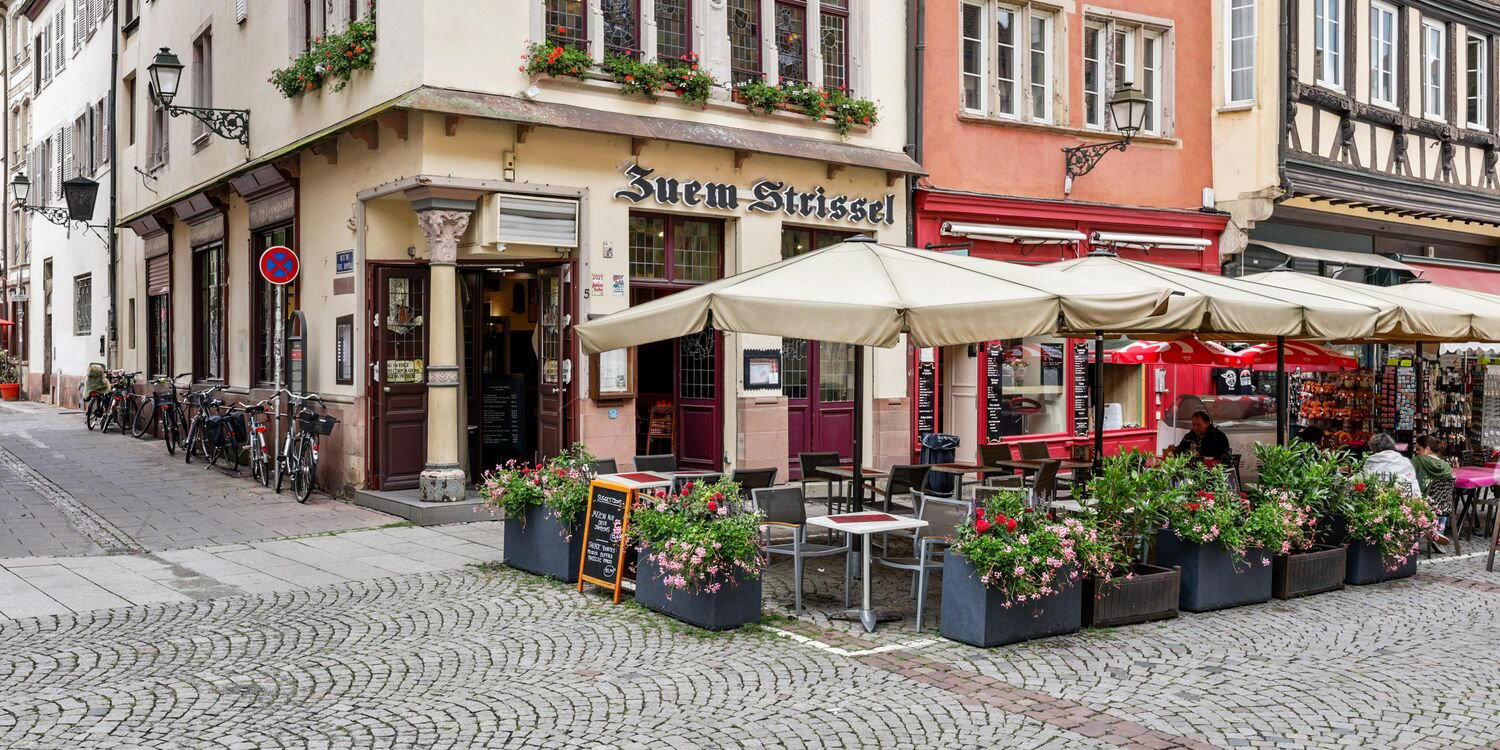
Where the Old Town Still Eats Like It Means It
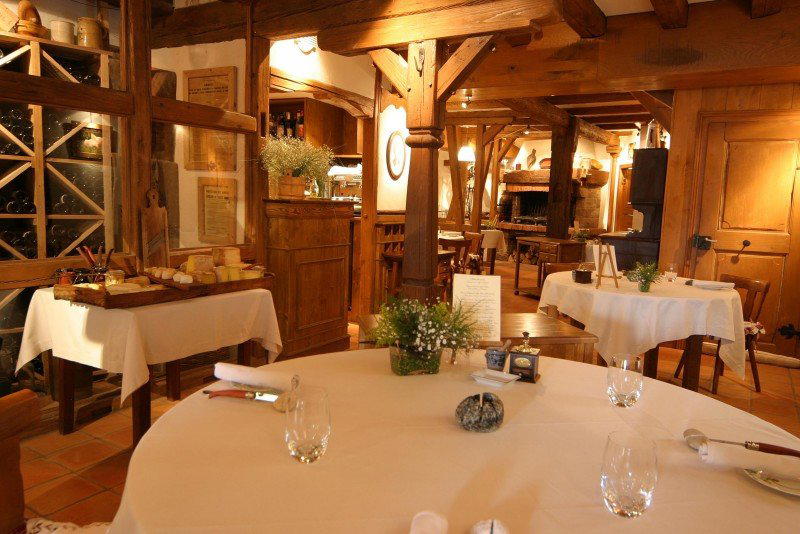
Place de la Grande Boucherie carries the architectural logic of medieval Strasbourg in concentrated form: half-timbered façades, cobbled approaches, and a density of history that makes the surrounding Grande Île feel less like a preserved monument and more like a functioning neighbourhood. Zuem Strissel occupies one of those façades at number 5, and the transition from street to interior follows the pattern that has defined the Alsatian winstub for centuries, low ceilings, wooden panelling worn to a warm colour, and a room that announces its intentions before a menu arrives. This is not the Strasbourg of creative tasting counters or modernist plating; it is the older version, the one that predates the city's recent ambitions toward contemporary French cuisine.
That positioning matters when reading Strasbourg's dining scene as a whole. The city now supports a range of registers: Au Crocodile works the high end of Alsatian tradition with modern technique, 1741 and de:ja operate in the creative and contemporary tier, and Les Funambules and Umami occupy distinct modern niches. Zuem Strissel belongs to none of those categories. Its reference point is the winstub tradition that made Alsace a destination for regional French cooking long before Michelin arrived in the city, a format built on communal tables, regional wine by the carafe, and dishes that have not changed in composition because changing them would miss the point.
Reading the Meal as a Sequence
The Alsatian table at this level does not operate as a tasting progression in the contemporary sense, there is no amuse-bouche program, no palate cleanser between courses, no narrative arc constructed by a chef building toward a single statement dish. Instead, the meal moves through a different kind of logic: the logic of a regional canon, where each course exists in relationship to the others because the cuisine evolved that way over centuries, not because a kitchen team assembled it for a particular evening.
The opening of such a meal typically involves the simplest expressions of the larder: charcuterie from the Alsatian tradition, a salad dressed with walnut oil or a soup that announces the season in plainspoken terms. This is not preamble in the way that an amuse functions at, say, Mirazur in Menton or AM par Alexandre Mazzia in Marseille, it is the first chapter of a meal designed to build appetite through accumulation rather than surprise.
Middle of an Alsatian meal at a winstub like this is where the regional identity becomes most legible. Choucroute garnie, when made correctly, is a study in restraint through excess: the sourness of the fermented cabbage calibrated against the fat of the pork cuts, the whole thing anchored by the acidity of a Riesling or Sylvaner served alongside. Baeckeoffe, the slow-cooked meat and potato casserole sealed with pastry, represents a different structural logic: low heat and long time over technique and precision. These are dishes that reward patience rather than attention, and a well-run winstub knows how to pace them. The comparison with France's highest-register cooking, the kind found at Auberge de l'Ill in Illhaeusern or Troisgros - Le Bois sans Feuilles in Ouches, is not the useful one here. The useful comparison is with what this style of cooking was before restaurants tried to improve it.
Close of a winstub meal rarely involves theatre. Kugelhopf, the region's yeasted cake, or a cheese selection from the Alsatian farms that supply the city's markets, provides the kind of ending that completes rather than concludes, no petit four trolley, no bill presented with a flourish. The meal simply arrives at its natural end, and the room continues around it.
The Winstub in the Context of French Regional Tradition
France's most celebrated tables, Bras in Laguiole, Flocons de Sel in Megève, Paul Bocuse - L'Auberge du Pont de Collonges, Alléno Paris au Pavillon Ledoyen, are, each in their way, elaborations on a regional base. The winstub represents the base itself: the format from which Alsatian gastronomy grew before it acquired the vocabulary of fine dining. Zuem Strissel's address on Place de la Grande Boucherie, a square named for the butchers who once operated there, underlines this lineage. The neighbourhood fed the city before it entertained visitors, and a well-functioning winstub remembers that.
For travellers who have spent time at the high end of French regional cooking, Assiette Champenoise in Reims, Auberge du Vieux Puits in Fontjoncouse, or tables operating at comparable ambition in the American context like Le Bernardin or Atomix in New York, the winstub offers a deliberate recalibration. The skills being demonstrated here are different skills: the ability to source well in a tradition where sourcing is the whole argument, to cook things correctly that have been cooked the same way for generations, and to serve them in a room that reinforces rather than competes with the food.
Planning a Visit
The restaurant sits at 5 Place de la Grande Boucherie in Strasbourg's Grande Île, the UNESCO-listed island district that contains the cathedral, the Petite France quarter, and the highest concentration of historically significant architecture in the city. The location makes it accessible on foot from most central accommodation. For current hours, booking, and menu details, prospective visitors should check the restaurant's official channels.
The Quick Read
Comparable venues nearby, for context on price, style, and recognition.
| Venue | Cuisine | Price | Notes |
|---|---|---|---|
| Zuem StrisselThis venue — the venue you are viewing | Centre, Traditional Alsatian Winstub | $$ | Not listed |
| Le Tire-Bouchon | Centre, Traditional Alsatian Winstub | $$ | Not listed |
| Pfifferbriader | Centre, Traditional Alsatian Winstub | $$ | Not listed |
| La Table de Christophe | Centre, French Bistronomique | $$ | Not listed |
| Madeleine | Not listed | $$ | Bourse-Esplanade-Krutenau, Modern Alsatian-Breton Bistro |
| Fink Stuebel | Centre, Traditional Alsatian Winstub | $$ | Not listed |
Continue exploring
More in Strasbourg
Restaurants in Strasbourg
Browse all →

Bars in Strasbourg
Browse all →


Hotels in Strasbourg
Browse all →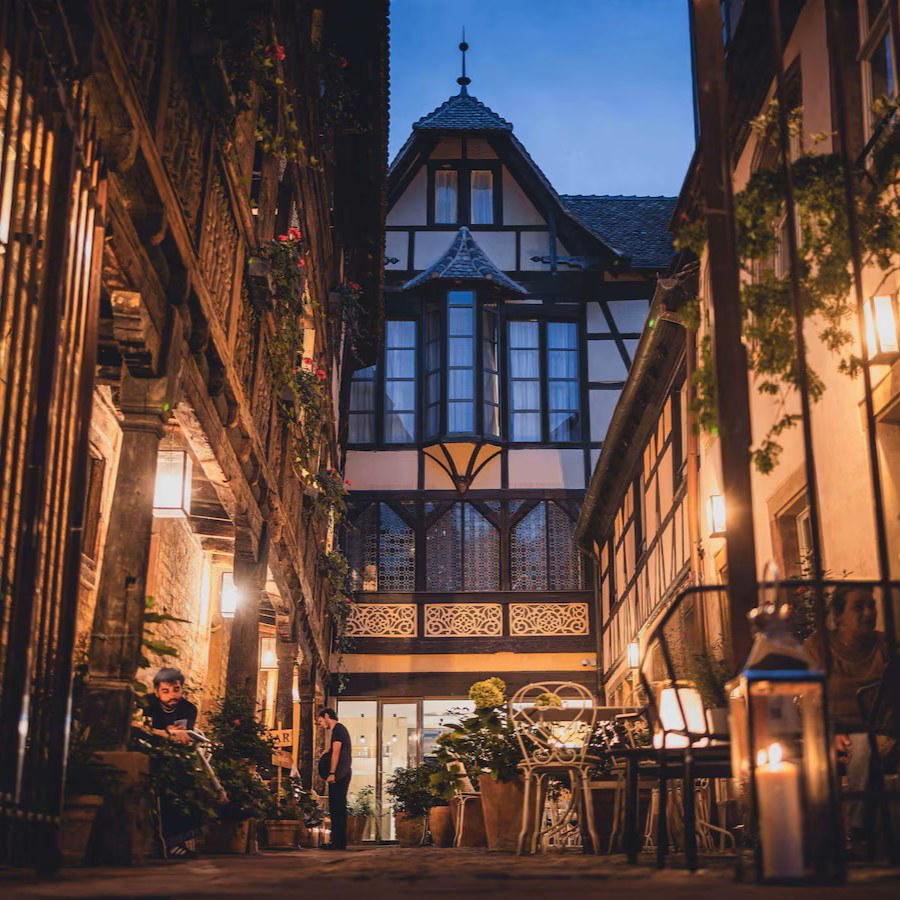
At a Glance
- Classic
- Cozy
- Casual Hangout
- Group Dining
- Terrace
- Historic Building
- Extensive Wine List
- Street Scene
Current opening hours
- Monday
- 11:30 AM–2:30 PM, 6:30–10:30 PM
- Tuesday
- 11:30 AM–2:30 PM, 6:30–10:30 PM
- Wednesday
- 11:30 AM–2:30 PM, 6:30–10:30 PM
- Thursday
- 11:30 AM–2:30 PM, 6:30–10:30 PM
- Friday
- 11:30 AM–2:30 PM, 6:30–10:30 PM
- Saturday
- 11:30 AM–2:30 PM, 6:30–10:30 PM
- Sunday
- 11:30 AM–2:30 PM, 6:30–10:30 PM
Hours can change for holidays and private events. Last verified .
Cozy and authentic Alsatian atmosphere with good ambiance rated 8.4/10 by diners