Porcus
Our verdict
Porcus sits on Place du Temple Neuf in central Strasbourg, a square that anchors the city's older Protestant quarter and draws a dining crowd that ranges from neighbourhood regulars to visitors working through Alsace's serious restaurant scene. The address places it within walking distance of several of Strasbourg's most recognised tables, making it a practical and editorially interesting stop on any considered itinerary through the city.

Pearl is the En Primeur Club membership app, where members save venues, book tables and use the concierge.

Place du Temple Neuf and the Logic of Where Porcus Sits
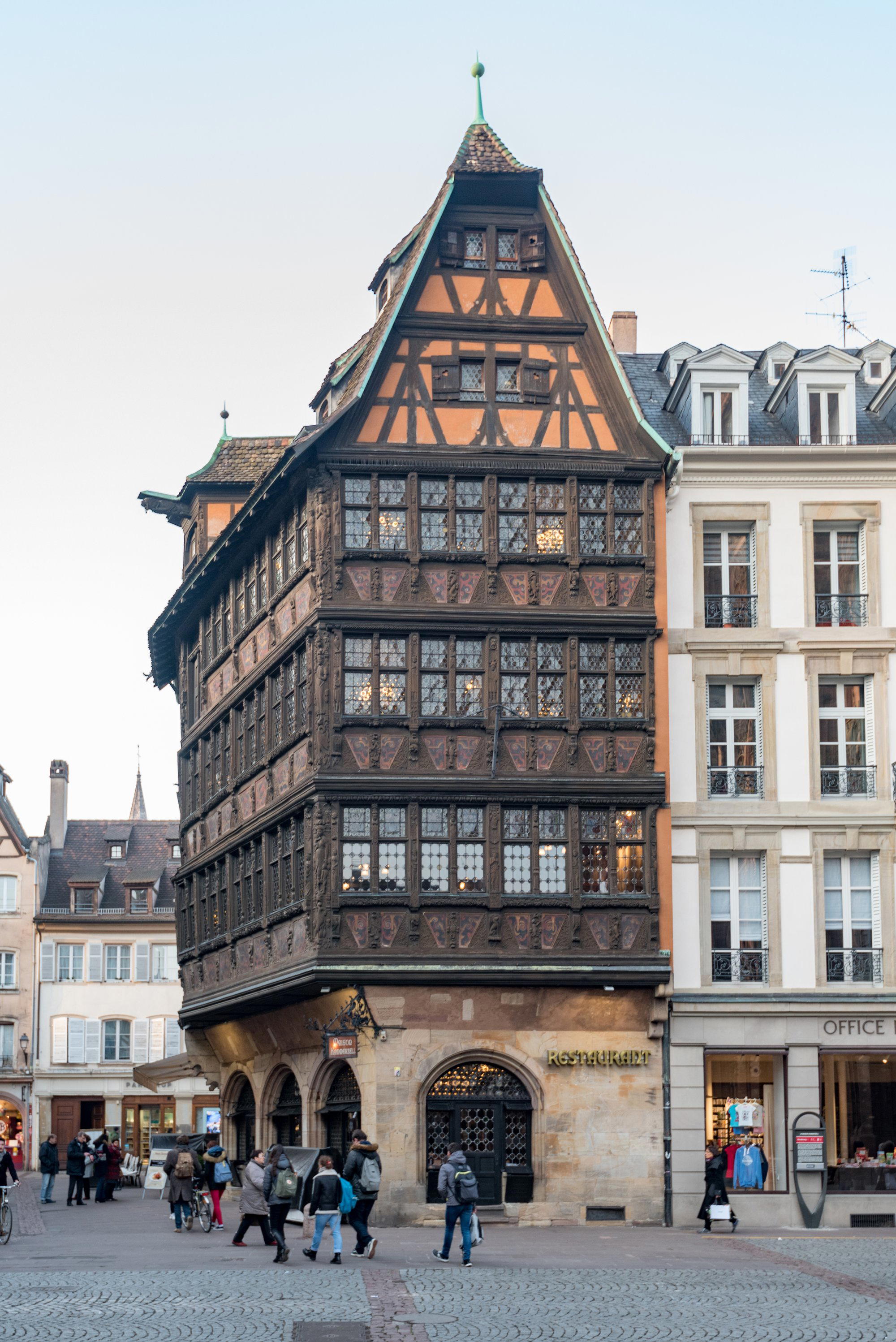
Place du Temple Neuf is one of those Strasbourg squares that does not announce itself loudly. The Protestant temple that gives it its name dates to the late seventeenth century, and the square itself retains a quieter register than the cathedral forecourt or the Petite France canals that dominate the tourist circuit. Restaurants here draw from a different mix: office workers from the European Parliament district, Strasbourg residents who have exhausted the more obvious options, and a smaller cohort of visitors who have done enough research to look past the postcard addresses. Porcus occupies a spot at number 6 on that square, and the address alone places it in an interesting editorial position within the city's dining geography.
Strasbourg's restaurant scene has developed along two distinct tracks over the past decade. One track runs through the grand Alsatian winstubs and brasseries, institutions that serve choucroute and baeckeoffe with the confidence of a tradition that does not need to explain itself. The other runs through a smaller set of contemporary addresses where Alsace's larder, white asparagus, Munster, pike from the Rhine tributaries, Gewurztraminer-braised preparations, is being handled with a lighter, more technically precise touch. Au Crocodile sits firmly in the second category, holding its position as one of Alsace's most formally recognised tables. 1741 and de:ja occupy the creative end of that same spectrum. Where Porcus positions itself within this map is one of the more practical questions for anyone planning a Strasbourg itinerary.
What the Name Signals
Porcus is the Latin word for pig, and in the context of Alsatian dining, that is not an incidental choice. The Alsatian relationship with pork runs deep: the region's charcuterie traditions, its sausage culture, its tarte flambée topped with lardons, and its slow-braised preparations are all part of a food identity shaped by centuries of agricultural practice and Franco-German culinary overlap. A restaurant that leads with that reference is either leaning into the tradition with confidence or using the name as a hook for a more contemporary take on the product. The distinction matters for a visitor deciding how to sequence a stay in Strasbourg, particularly when the city's more formally credentialled addresses, Les Funambules and Umami among them, offer a different set of reference points entirely.
France's broader pork-forward dining conversation has been most visible in bistronomy, the movement that repositioned charcuterie and lesser cuts as objects of serious culinary attention rather than workaday ingredients. Addresses in Paris and Lyon were central to that shift, but Alsace, with its existing charcuterie infrastructure and Germanic smoking traditions, was always a natural fit for the approach.
Planning a Visit: What to Know Before You Go
For anyone building a Strasbourg itinerary around its serious dining addresses, the practical architecture of a visit to Porcus requires some forward thinking. Place du Temple Neuf is accessible on foot from the Grande Île, Strasbourg's UNESCO-listed historic core, in under ten minutes from most central hotels. The tram network serves the area via lines that connect the main station to the European quarter, making the square reachable without a car even from outlying accommodation.
The more pressing logistical question, given Strasbourg's dining density at the mid-to-upper tier, is booking lead time. The city operates a competitive reservation environment during its peak periods: the Christmas market season from late November through late December draws significant visitor volumes and puts pressure on tables across the range from casual winstub to formal tasting menu. Visitors targeting that window should treat booking as a first-order task, not an afterthought. The shoulder seasons, April through June and September through early November, offer more flexibility, both in reservation availability and in the quality of Alsace's seasonal produce, with white asparagus arriving in spring and game and mushrooms anchoring autumn menus across the city.
France's broader restaurant infrastructure is worth keeping in mind when approaching a less-documented address like Porcus. Unlike the country's most formally credentialled tables, where booking architecture is well-documented and often handled through dedicated reservation platforms, smaller independent restaurants in provincial cities frequently manage reservations by phone or through walk-in availability, particularly at lunch. The absence of a documented online booking channel for Porcus suggests this may be one of those addresses where a direct approach, ideally in French, yields better results than waiting for a digital pathway to materialise. For context on the full range of Strasbourg's dining options and how to structure a multi-day visit, the EP Club Strasbourg restaurants guide provides a mapped overview.
Porcus in the Wider French Dining Conversation
Strasbourg occupies a particular position in French gastronomy: geographically peripheral to Paris but historically central to the country's food identity, with Alsace's cooking tradition forming one of the most distinct regional chapters in a national cuisine defined by regional distinction. The grand Alsatian addresses have long commanded attention beyond the region's borders. Auberge de l'Ill in Illhaeusern, approximately forty kilometres south of Strasbourg, has held three Michelin stars for decades and remains the reference point for Alsatian haute cuisine. That kind of institutional presence shapes what visitors expect of the region and, by extension, how restaurants at every price tier define themselves in relation to it.
The restaurants that have earned France's highest formal recognition in recent years, from Mirazur in Menton to Alléno Paris au Pavillon Ledoyen, from Troisgros in Ouches to Bras in Laguiole, share a common characteristic: they are deeply rooted in a specific place and its produce, however differently they interpret that rootedness. Strasbourg's leading contemporary addresses follow that logic. AM par Alexandre Mazzia in Marseille and Assiette Champenoise in Reims demonstrate how provincial French cities have developed their own strong dining identities independent of the Paris axis. Strasbourg is part of that pattern, and a restaurant named after the pig, Alsace's most totemic ingredient, is at least signalling the right starting point. For further reference across France's regions, Auberge du Vieux Puits in Fontjoncouse and Paul Bocuse in Collonges-au-Mont-d'Or illustrate the range of what serious French regional cooking can look like outside the capital. International comparison points, Le Bernardin in New York and Atomix, also in New York, and Flocons de Sel in Megève, provide useful calibration for visitors arriving with expectations shaped by different culinary contexts.
Frequently asked questions
Is Porcus okay with children?
Porcus sits on Place du Temple Neuf in central Strasbourg, a neighbourhood that draws a mixed adult crowd rather than families. The restaurant's name signals a focused, meat-forward concept rooted in Alsatian pork tradition, which tends to suit older diners with an interest in regional cuisine.
What is the atmosphere like at Porcus?
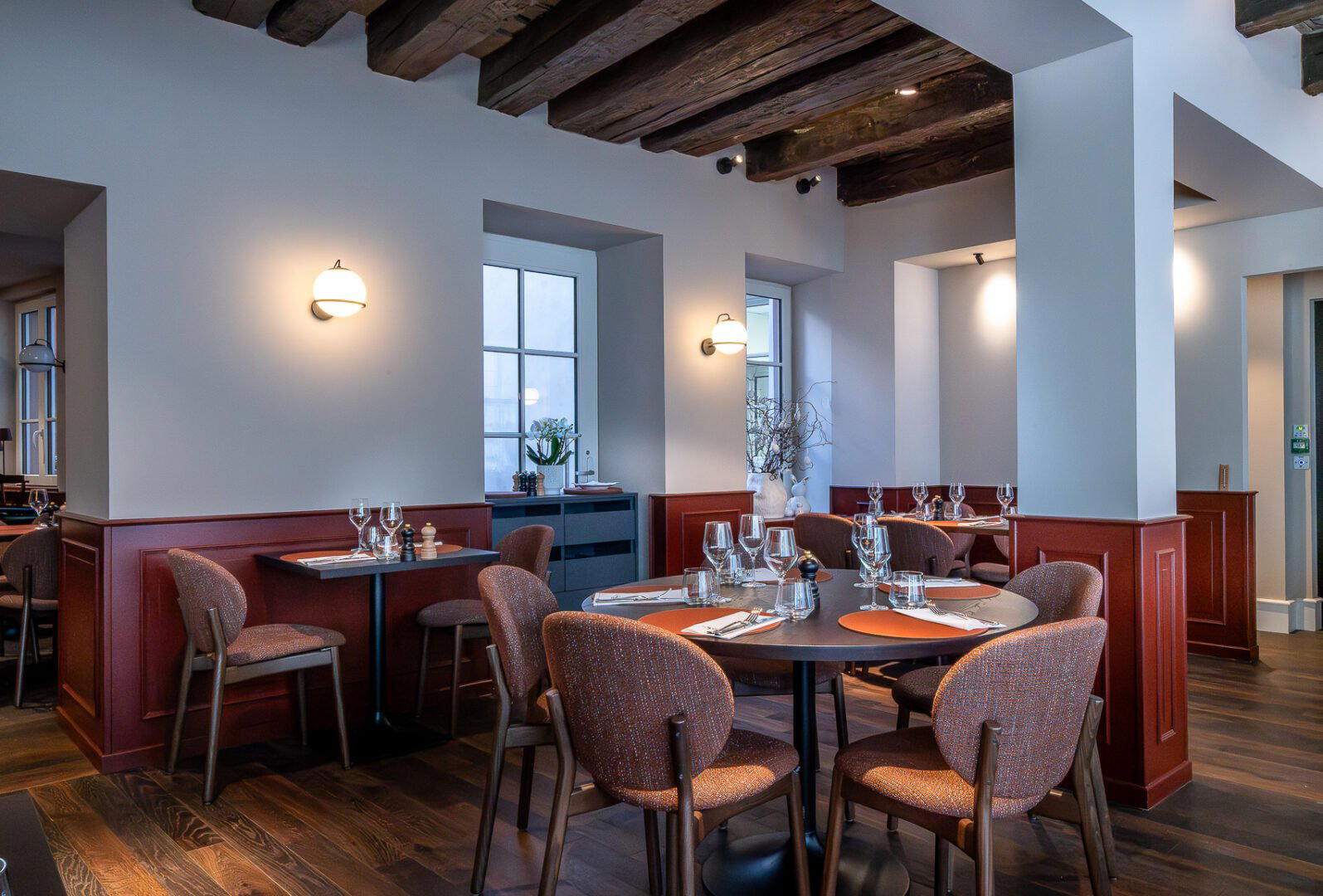
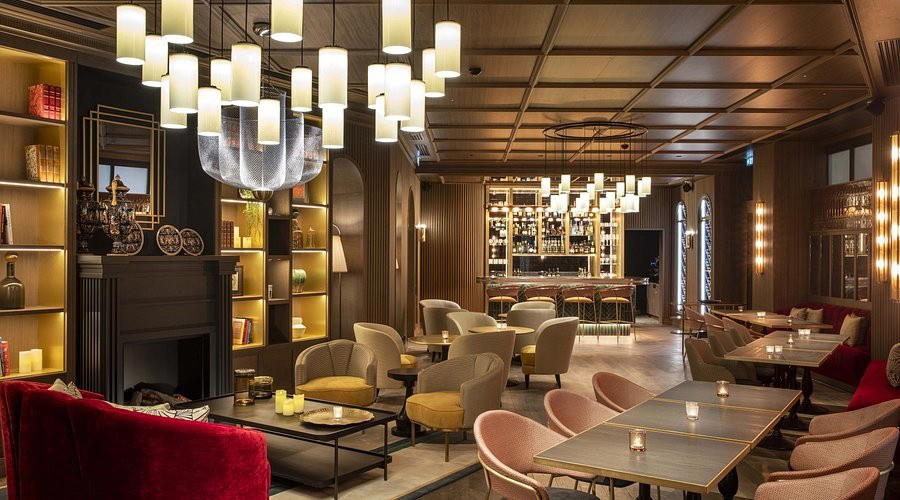
Place du Temple Neuf is a quieter Strasbourg square, anchored by a Protestant temple that has stood there for centuries, and Porcus takes on something of that understated register. The name, Latin for pig, points to a concept grounded in Alsatian food identity rather than theatrical presentation. Expect a dining room that takes its subject seriously without performing it.
What kind of cuisine does Porcus specialise in, and how does it fit into Strasbourg's dining scene?
Porcus takes its name from the Latin word for pig and positions itself within Alsatian culinary tradition, where pork has historically been the dominant protein across everything from farmhouse charcuterie to brasserie classics. Strasbourg holds an unusual place in French gastronomy, geographically on the German border, but home to some of the country's most historically grounded food culture, and a pork-focused address on Place du Temple Neuf reads as an argument for that regional identity rather than a departure from it. It occupies a different register from the city's Michelin-tracked fine dining rooms, leaning instead into ingredient specificity.
What's the must-try dish at Porcus?
What the name itself makes clear is that pork is the organising principle, and in Alsace that tradition runs from charcuterie and tarte flambée through to the slow-braised preparations the region has exported to French cooking at large. Arriving curious about the house pork preparations is the right posture.
What's the address for Porcus?
Porcus is located at î6 Pl. du Temple Neuf, 67000 Strasbourg, France, Strasbourg.
Do they take walk-ins at Porcus?
No booking policy is publicly confirmed for Porcus, and the venue does not list a phone number or website through which to check availability in advance. In practice, a restaurant on a quieter Strasbourg square with a focused concept is more likely to fill on weekends and during the city's peak tourist periods, so arriving without a reservation on those nights carries some risk.
Peers You’d Cross-Shop
Comparable venues nearby, for context on price, style, and recognition.
| Venue | Cuisine | Price | Notes |
|---|---|---|---|
| PorcusThis venue (the venue you are viewing) | Alsatian Charcuterie & Choucroute | $20–30 | Not listed |
| Le Tire-Bouchon | Traditional Alsatian Winstub | $20–30 | Centre |
| Zuem Strissel | Traditional Alsatian Winstub | $30–50 | Centre |
| La Nouvelle Poste | French Brasserie | $20–30 | Centre |
| Muensterstuewel | Traditional Alsatian Winstub | $20–30 | Centre |
| La Vignette | French Bistro | $30–50 | Robertsau |