La Maison des Tanneurs
One of Strasbourg's most recognisable addresses in Petite France, La Maison des Tanneurs occupies a half-timbered building on Rue du Bain-aux-Plantes where the cooking draws on Alsace's deep larder of choucroute, river fish, and regional produce. The setting, canal-side, centuries-old, frames a dining experience rooted in the sourcing traditions that define this corner of France as much as any kitchen technique.
Pearl is the En Primeur Club membership app — saves, bookings, and concierge access live there. Same editors, same standards.
- Address
- 42 Rue du Bain-aux-Plantes, 67000 Strasbourg, France
- Phone
- +33388327970
- Website
- maison-des-tanneurs.com
- Directions
- Get directions
 Saves & bookings on Pearl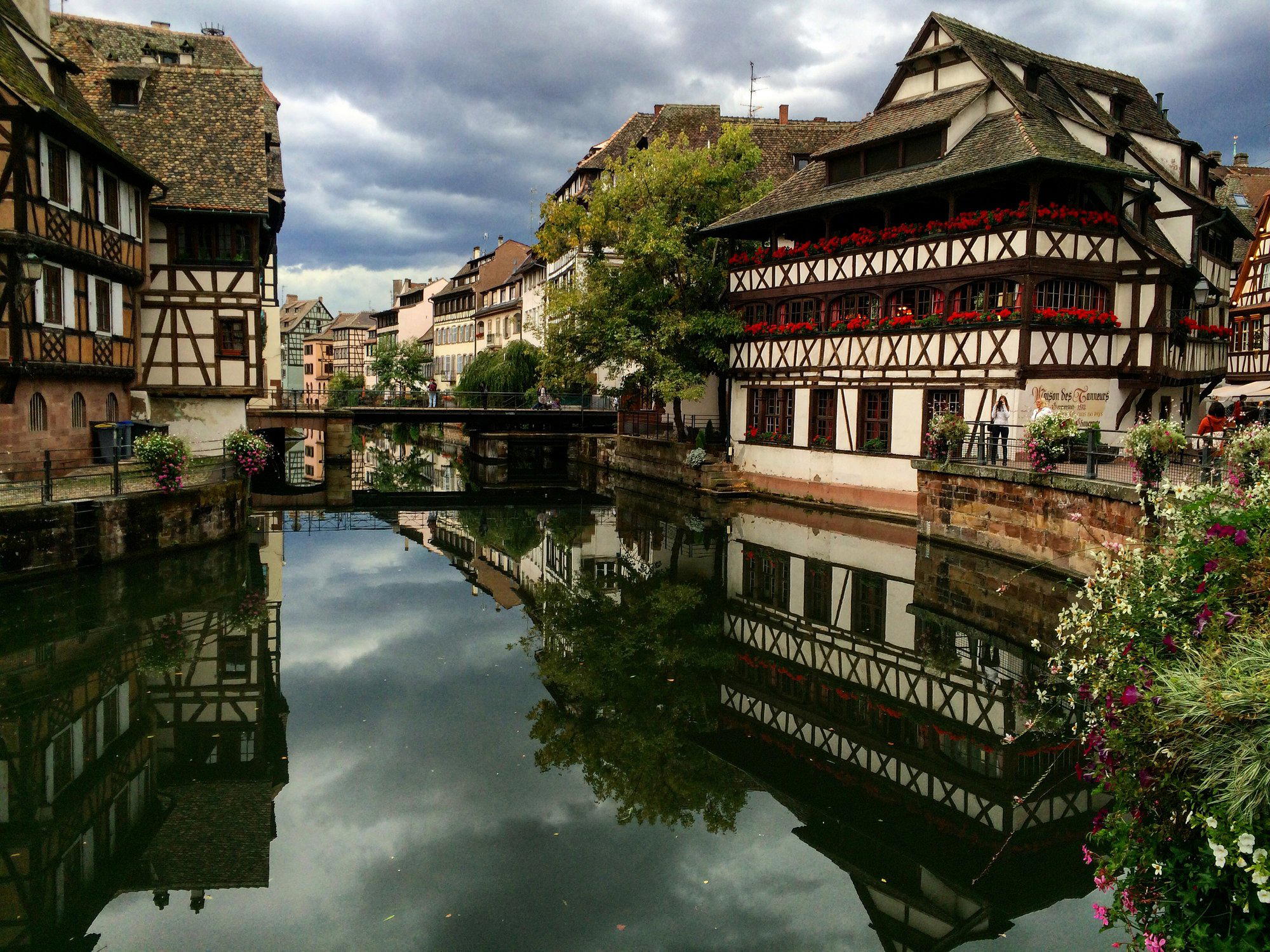
Where the Canal and the Kitchen Meet
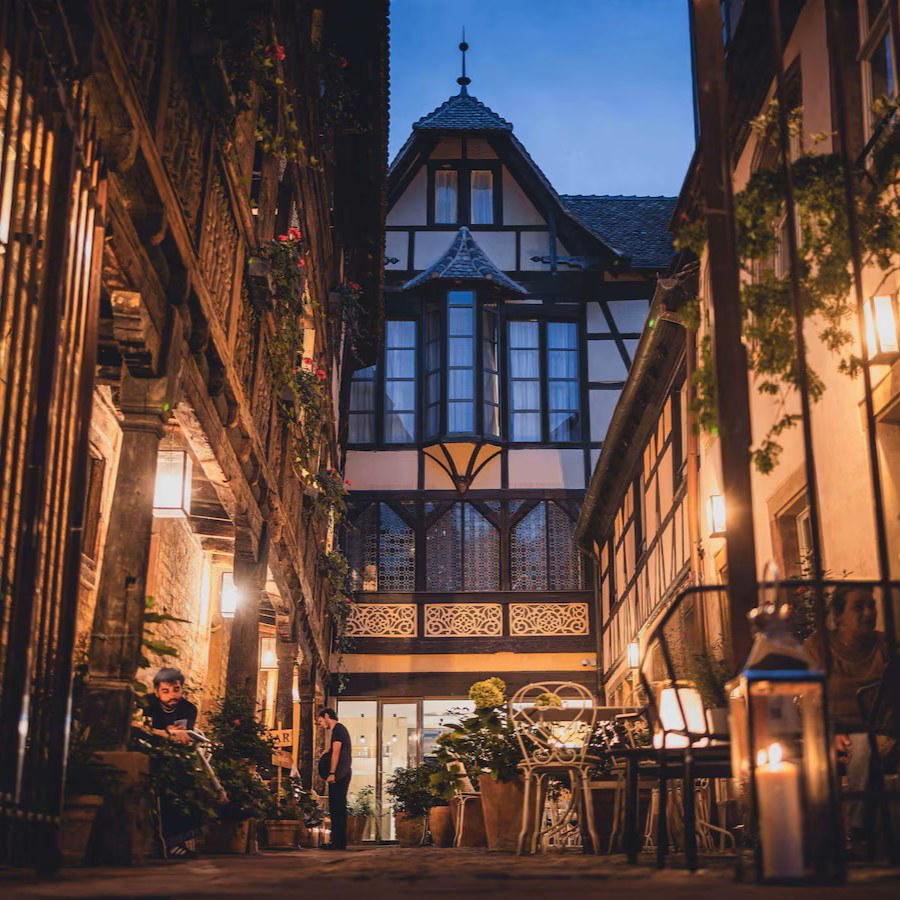
Approach 42 Rue du Bain-aux-Plantes in the early evening and the scene does most of the work before you reach the door. The Rue du Bain-aux-Plantes sits at the heart of Petite France, the medieval tanners' quarter where the Ill splits into channels and half-timbered buildings lean over the water with the particular confidence of structures that have stood since the sixteenth century. La Maison des Tanneurs occupies one of these buildings, and the interior follows the logic of the shell: low beamed ceilings, exposed stone, and the kind of quiet that comes from walls this thick. This is not a stage set assembled to suggest Alsatian atmosphere. The atmosphere is structural.
In French regional dining, the relationship between a building and its menu is rarely incidental. The tanneries of this district processed leather from hides sourced along the Rhine; the cooks of the same period sourced from the same agricultural belt that still supplies this part of Alsace. La Maison des Tanneurs sits inside that continuity, making it a useful starting point for anyone trying to understand how Strasbourg's dining identity differs from the Michelin-driven modernism of addresses like Au Crocodile or the creative-format kitchens of de:ja and 1741.
The Sourcing Logic Behind Alsatian Cooking
Alsace has one of the more coherent regional sourcing stories in France, which is a competitive field. The Rhine plain produces riesling, pinot gris, and gewurztraminer grapes; the Vosges forests supply game and mushrooms; the Ill and its tributaries yield pike, trout, and carp; and the flatlands between Strasbourg and Colmar have supplied cabbage, pork, and root vegetables to local kitchens for centuries. Choucroute, fermented cabbage braised with various cuts of pork and, in some preparations, river fish, is the dish that codifies this sourcing in a single plate. It is also the dish most closely associated with La Maison des Tanneurs, which has maintained a reputation specifically around this preparation long enough to earn a local nickname: La Maison de la Choucroute.
That specialisation matters beyond branding. Choucroute preparation depends on the quality of the sauerkraut, which in turn depends on the cabbage variety and fermentation method. Alsatian choucroute at its reference standard uses locally grown cabbage fermented in the regional tradition, which produces a sharper, more complex base than mass-produced versions. The sourcing chain from field to fermentation to plate is short by French regional standards, and that compression is precisely what the dish is about. Restaurants elsewhere in France serve choucroute; restaurants in Alsace serve a version where the provenance is the argument.
This sourcing framework connects the restaurant to a broader pattern in French regional cooking where ingredient geography anchors menu identity. The same principle operates at different price points and ambition levels across the country, from Bras in Laguiole, where the Aubrac plateau defines every plate, to Auberge de l'Ill in Illhaeusern, where the Ill river and its surrounding farmland have informed three generations of cooking within the same Alsatian tradition. At the haute end, places like Mirazur in Menton and Flocons de Sel in Megève have made the sourcing argument central to their critical identity. The restaurant operates without that level of critical apparatus, but the underlying logic is the same.
Where It Sits in Strasbourg's Dining Picture
Strasbourg runs a two-tier dining scene that is easier to read once you accept the city's double identity: a European administrative capital with an international professional population, and a deeply rooted Alsatian city with strong allegiances to its own culinary tradition. The upper tier is occupied by technically ambitious restaurants, including the Les Funambules and Umami alongside the established names. The lower tier, in terms of formality rather than quality, is occupied by winstubs and brasseries that serve Alsatian standards to regulars who expect consistency over invention.
The restaurant operates in a middle space: a full-service restaurant with table linen and a wine list weighted toward Alsatian producers, but with a menu anchored in regional tradition rather than contemporary technique. For visitors arriving in Strasbourg without local context, this positioning is actually useful. The restaurant functions as a legible entry point into Alsatian food culture in a setting that illustrates the region's architectural and material history simultaneously. That is a different value proposition from Au Crocodile, which carries the weight of French fine dining lineage and prices accordingly, or from the city's more experimental kitchens, which require fluency with contemporary tasting-menu conventions to get full value from the experience.
For comparable reference points in French regional dining at the summit of the sourcing-led tradition, Troisgros in Ouches and Auberge du Vieux Puits in Fontjoncouse demonstrate what happens when regional sourcing commitment intersects with serious technical ambition. The restaurant does not occupy that tier, but it shares the foundational argument: that what grows or lives within the region should define what appears on the plate.
Planning a Visit
The address at 42 Rue du Bain-aux-Plantes places the restaurant within a short walk of Strasbourg's central tourist circuit, which means tables during peak season, particularly July through September and the Christmas market period in December, fill quickly. The Christmas market window is worth flagging specifically: Strasbourg draws substantial visitor numbers during Advent, and canal-side restaurants in Petite France are in particular demand. Anyone planning a visit during that period should treat advance booking as non-negotiable.
Dress code is smart casual. The wine list, by regional convention, will centre on Alsatian whites, which are the natural pairing for choucroute and river fish preparations. A riesling or pinot gris from a Strasbourg-adjacent producer is the conventional and correct choice for the food this kitchen produces.
Quick Comparison
Comparable venues nearby, for context on price, style, and recognition.
| Venue | Cuisine | Price | Notes |
|---|---|---|---|
| La Maison des TanneursThis venue — the venue you are viewing | Traditional Alsatian Winstub | $$$ | Not listed |
| Au Fond du Jardin | French Tea Salon & Patisserie | $$$ | Centre |
| Bistrot des Rosiers | Seasonal French Neo-Bistro | $$ | Bourse-Esplanade-Krutenau |
| Au Brasseur | Traditional Alsatian Brasserie | $$ | Centre |
| Le Tire-Bouchon | Traditional Alsatian Winstub | $$ | Centre |
| Le Bistrot d'Antoine | Traditional French Bistro | $$ | Centre |
Continue exploring
More in Strasbourg
Restaurants in Strasbourg
Browse all →

Bars in Strasbourg
Browse all →


Hotels in Strasbourg
Browse all →
At a Glance
- Historic
- Cozy
- Rustic
- Romantic
- Special Occasion
- Date Night
- Group Dining
- Historic Building
- Terrace
- Extensive Wine List
- Waterfront
- Street Scene
Current opening hours
- Monday
- Closed
- Tuesday
- 12–2 PM, 7–9:30 PM
- Wednesday
- 12–2 PM, 7–9:30 PM
- Thursday
- 12–2 PM, 7–9:30 PM
- Friday
- 12–2 PM, 7–9:30 PM
- Saturday
- 12–2 PM, 7–9:30 PM
- Sunday
- Closed
Hours can change for holidays and private events. Last verified .
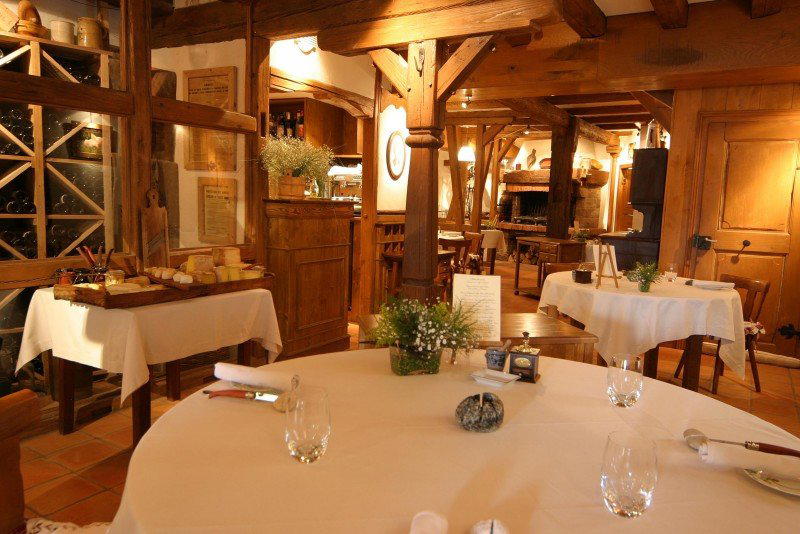
Cozy antiques-filled wood-beamed interior with warm lighting overlooking the canal and half-timbered buildings.