Maguro Brothers
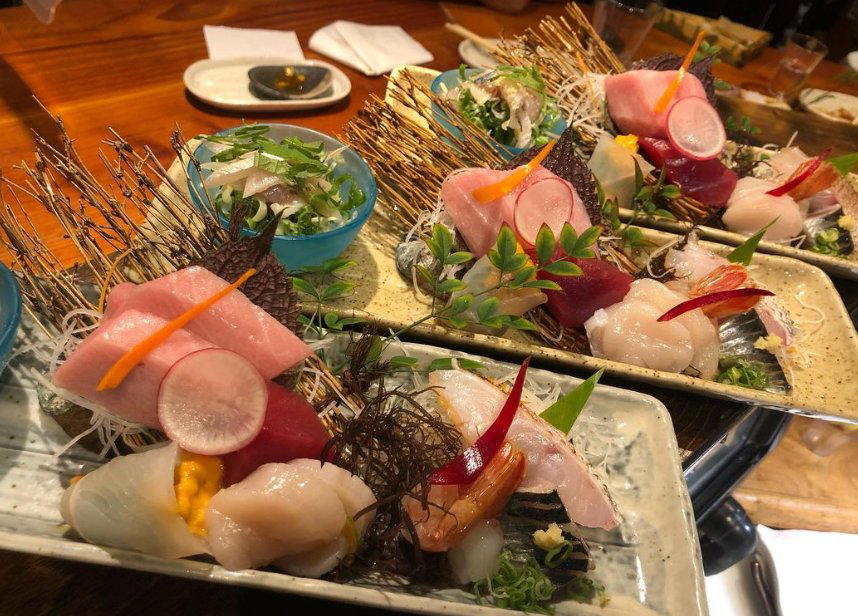
Maguro Brothers operates out of the Maunakea Market Food Court in Honolulu's Chinatown, serving tuna-focused seafood in a format that strips away restaurant formality entirely. The stall sits inside one of Hawaii's oldest covered market halls, placing it within a food culture that predates the state's fine-dining era by decades. For raw fish at street-market prices, it occupies a different tier than the city's white-tablecloth seafood rooms.
Pearl is the En Primeur Club membership app — saves, bookings, and concierge access live there. Same editors, same standards.
- Address
- Maunakea Market Foodcourt, 1120 Maunakea St, Honolulu, HI 96817
- Phone
- (808) 259-7100
- Website
- magurobrothershawaii.com
- Directions
- Get directions
 Saves & bookings on Pearl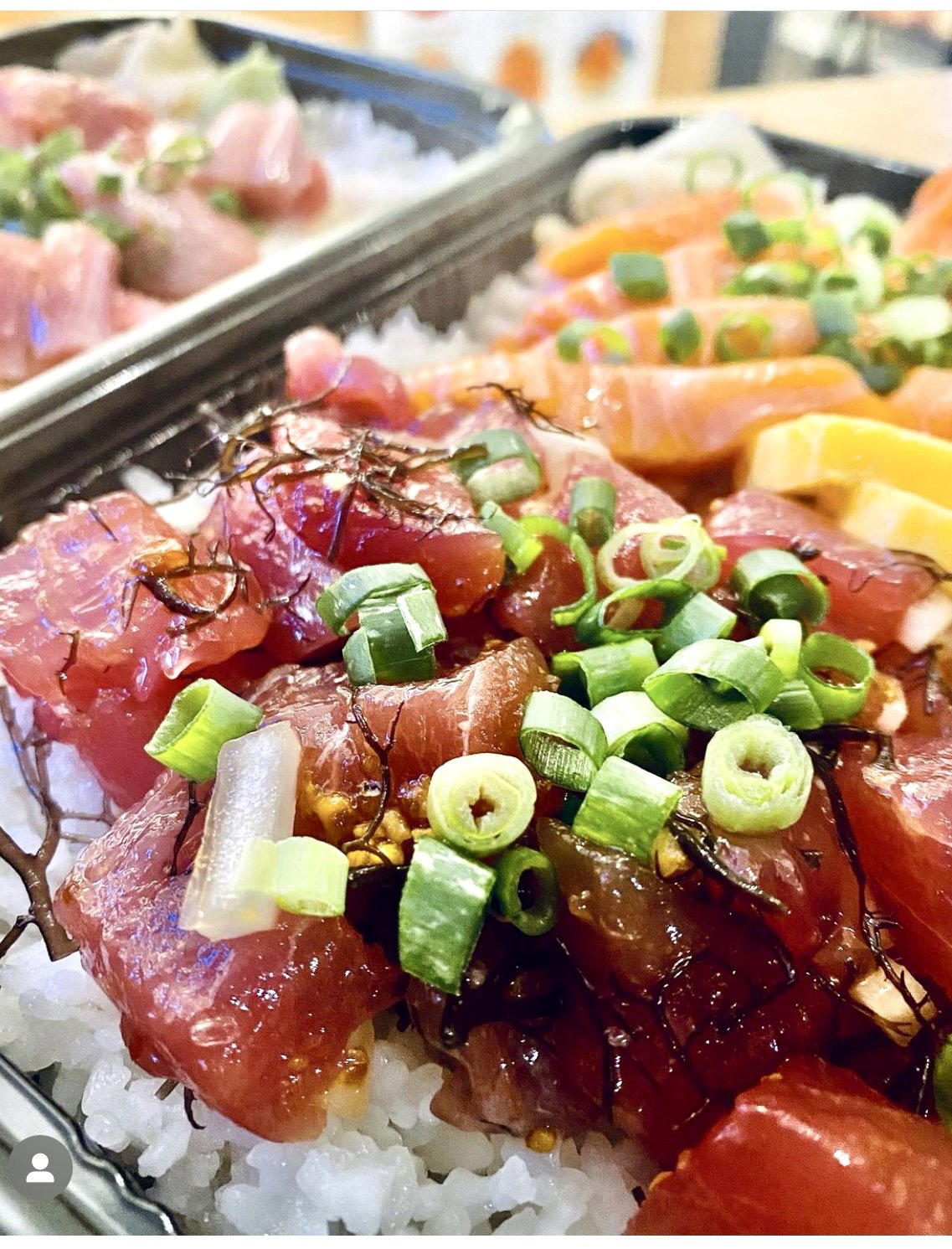
Where Chinatown's Market Hall Meets Hawaii's Tuna Culture
The Maunakea Market Food Court on Maunakea Street sits in the middle of Honolulu's Chinatown, a neighborhood whose covered market halls have fed the city's working population since the nineteenth century. The building itself is the context: low ceilings, shared plastic seating, fluorescent light bouncing off glass display cases, and the ambient noise of a dozen stalls running simultaneously. This is not a dining room that has been styled to evoke a market; it is an actual market, and Maguro Brothers operates inside it without apology. Arriving here from the open-air avenues of Waikiki is a shift in register that takes about thirty seconds to calibrate to, and then makes complete sense.
Hawaii's relationship with raw fish is older and more layered than the poke bowl trend that exported it to mainland food courts. The islands sit at a geographic crossroads between Japanese, Native Hawaiian, Filipino, and Chinese food traditions, all of which have long-established practices around fish preparation, preservation, and presentation. That convergence produced a local food culture where fresh tuna at a market stall is not a casual compromise — it is a deliberate choice, and often a well-informed one. Maguro Brothers positions itself squarely inside that tradition rather than translating it for a tourist-facing dining room.
The Cultural Weight of a Tuna Stall
Maguro, the Japanese term for tuna, covers a category that runs from everyday to ceremonial in Japanese food culture. In Hawaii, that spectrum is compressed by geography: the Pacific provides direct access to bluefin, yellowfin, and bigeye tuna at a scale that mainland markets rarely match. The islands' Japanese immigrant community, which arrived in significant numbers from the 1880s onward, carried with it both the technical knowledge of breaking down large fish and the preference for eating them raw, at temperature, with minimal interference. That knowledge filtered into the broader Hawaiian food culture over generations and is now so embedded that raw fish preparation is a baseline expectation rather than a specialty skill.
A stall called Maguro Brothers, operating in a Chinatown market hall, is a legible statement within that context. It is not positioning itself against white-tablecloth Japanese restaurants in Honolulu like Fujiyama Texas or the more formal seafood rooms at hotel properties. It is operating in the older, less photographed layer of the city's food culture, where the transaction is direct and the product carries the argument on its own.
For contrast, consider what Honolulu's more formal end looks like. Restaurants such as 53 By The Sea and 3660 On the Rise occupy the tablecloth tier of the city's dining scene, where plating, service, and room design are part of what the price point is buying. Fête represents the New American influence on local ingredients. Ahaaina Luau packages Hawaiian food culture into an experiential format. Maguro Brothers does none of that. The market stall format means the entire budget goes to product, and the implicit promise is that the product justifies the format.
That same logic operates at a different scale in the world's premium seafood rooms. Le Bernardin in New York City and Providence in Los Angeles are built around the argument that great fish deserves a great room. The Maunakea Market approach argues the opposite: that great fish needs no room at all. Both positions are coherent. They serve different readers.
Chinatown as Dining Context
Maunakea Street and the blocks immediately surrounding it represent the densest concentration of working food culture in Honolulu. This is not the neighborhood's tourist-facing layer. The streets around the market hall run to lei shops, herbal medicine counters, and produce vendors whose customers are largely local. The food court inside the Maunakea Market sits within that ecosystem, drawing the kind of repeat custom that sustains a stall rather than the single-visit traffic that sustains a destination restaurant.
For visitors who have spent time in the food markets of Osaka, Tokyo's Tsukiji outer market, or the wet markets of Southeast Asian cities, the format at Maunakea will be immediately readable. For those whose frame of reference is the refined Hawaiian cuisine now served at resort properties or the technically ambitious tasting menus at places like Alinea in Chicago or The French Laundry in Napa, it will require a different kind of attention. The information is in the fish, not the room.
That same gap between format and quality is what makes the Chinatown market tier worth understanding on its own terms. The assumption that casual presentation signals casual product does not hold in Hawaii's raw fish culture, where market vendors and restaurant chefs often work from the same supply chain. The difference is in what happens between the dock and the plate.
How to Approach a Visit
The Maunakea Market Food Court is a shared-seating, counter-order environment. Arriving with a specific idea of what you want — tuna-focused preparations, likely in both raw and cooked formats, is more useful than arriving open-ended. The stall format rewards directness. Ask what has come in, what is being recommended, and order accordingly. This is standard practice at any serious fish market counter and applies here as directly as it would at a Tokyo fish market or a Copenhagen smørrebrød counter.
Parking in Chinatown is possible on surrounding streets and in nearby lots, but the neighborhood is also walkable from the downtown end of the city's main corridors. The market hall itself is not air-conditioned to hotel standards, so the early part of the day tends to be more comfortable than late afternoon. Check operating days before visiting, as market stall hours in Hawaii frequently shift and are not always current on third-party listing sites.
For the broader Honolulu dining picture, from the market tier through to the city's formal rooms and experiential formats, see our full Honolulu restaurants guide. For reference points in the wider American fine-dining conversation, Single Thread Farm in Healdsburg, Blue Hill at Stone Barns in Tarrytown, Addison in San Diego, Atomix in New York City, Lazy Bear in San Francisco, Emeril's in New Orleans, The Inn at Little Washington, and 8 1/2 Otto e Mezzo Bombana in Hong Kong represent the formal tier against which the market-stall format reads as a deliberate counter-position. 855-ALOHA rounds out the local context for Honolulu dining.
Know Before You Go
- Address: Maunakea Market Food Court, 1120 Maunakea St, Honolulu, HI 96817
- Neighborhood: Chinatown, Honolulu
- Format: Market stall, counter order, shared seating
- Focus: Tuna (maguro) and Pacific seafood
- Hours: Confirm directly before visiting, market stall hours shift frequently and third-party listings may be out of date
- Reservations: Not applicable; walk-in format
- Price range: Market-tier pricing; lower than the city's tablecloth seafood rooms
- Dress code: None
At a Glance
- Cozy
- Trendy
- Casual Hangout
- Open Kitchen
- Local Sourcing
- Sustainable Seafood
Current opening hours
- Monday
- 10 AM–2:30 PM
- Tuesday
- 10 AM–2:30 PM
- Wednesday
- 10 AM–2:30 PM
- Thursday
- 10 AM–2:30 PM
- Friday
- 10 AM–2:30 PM
- Saturday
- 10 AM–2:30 PM
- Sunday
- 10 AM–2 PM
Hours can change for holidays and private events. Last verified .
Casual market stall atmosphere with fresh fish displays and quick, friendly service.
Know Before You Go
- Getting there
- Maunakea Market Foodcourt, 1120 Maunakea St, Honolulu, HI 96817