Sushi Gyoshin
Our verdict
Sushi Gyoshin occupies a compact space on Piikoi Street in Honolulu, operating within a city where omakase-style Japanese dining has grown from specialist curiosity to a recognizable tier of the local restaurant scene. The format rewards advance planning, and the address places it outside the tourist corridor, pointing to a local-first clientele.

Pearl is the En Primeur Club membership app — saves, bookings, and concierge access live there. Same editors, same standards.
- Address
- 436 Piikoi St A, Honolulu, HI 96814
- Phone
- (808) 853-7097
- Hours
- Mon ClosedTue–Sat 5–7 PM, 8–10 PMSun Closed
- Website
- sushigyoshin.com
- Directions
- Get directions
- Booking
- Book on the venue's website
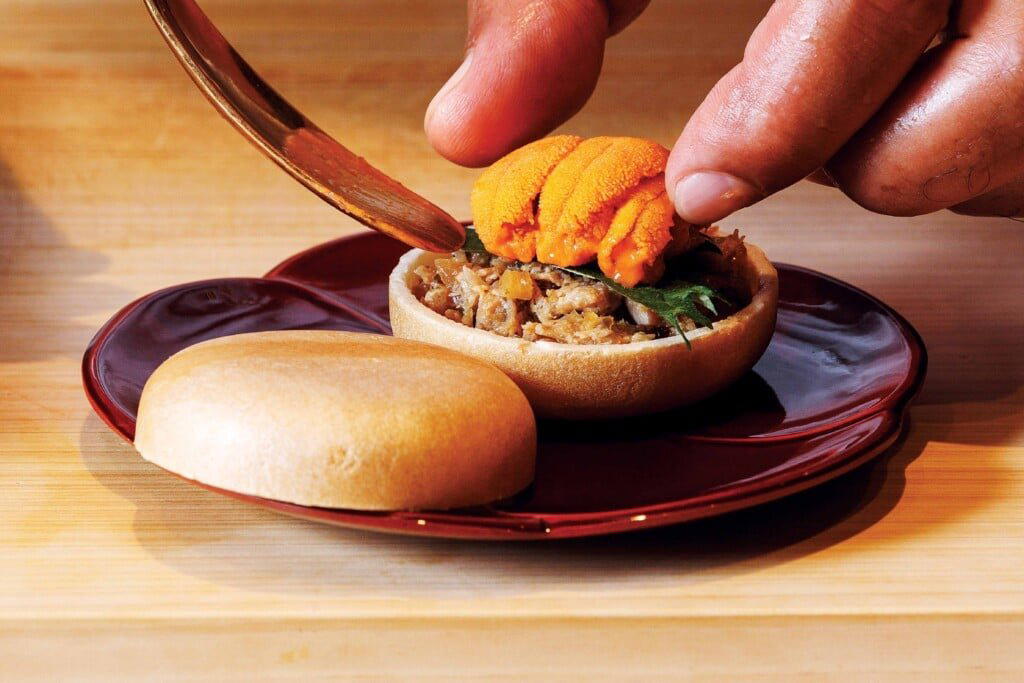
The menu
What to order
- Monkfish liver monaka
- Seared blackthroat seaperch nigiri
- Hokkaido snow crab and sea urchin monaka
Piikoi Street and the Logic of Honolulu's Omakase Circuit
There is a particular kind of sushi counter that makes itself known not through signage or street-level visibility but through word of mouth and the patience required to secure a seat. Sushi Gyoshin, at 436 Piikoi Street in the Mid-Town corridor west of Ala Moana, belongs to that category. The address itself is a signal: Piikoi runs parallel to the tourist-facing energy of Ala Moana Boulevard but draws a different crowd, one less interested in ocean views and more focused on what arrives on the plate. Strip-mall adjacency is a recurring feature of serious Japanese dining in Honolulu, a pattern that mirrors the American mainland's own tradition of underplaying the exterior to concentrate everything on the counter experience.
Honolulu's Japanese dining scene has deepened considerably over the past decade. The city's demographic ties to Japan, Hawaii's proximity to Japanese fishing supply chains, and a local culture that has absorbed Japanese food traditions across generations have produced a restaurant tier that competes credibly with omakase programs in larger American cities. That context matters when assessing where Sushi Gyoshin sits: the competition is real, the clientele is educated, and the expectations at any serious sushi counter in Honolulu are calibrated accordingly. For comparable fine-dining ambition elsewhere in the city, 53 By The Sea and 3660 On the Rise represent the longer-established end of Honolulu's special-occasion dining spectrum, while Fête (New American) has carved out its own niche in a different register entirely.
What the Menu Structure Reveals
In the context of American sushi dining, this format distinction matters more than it might seem. Restaurants in the same city can occupy entirely different tiers based on whether the menu is chef-led or guest-assembled. The former demands a level of trust from the diner; it also demands a level of discipline from the kitchen. Providence in Los Angeles and Atomix in New York City represent the outer edge of this format applied to non-Japanese cuisines, but the structural logic, kitchen control over the guest's experience arc, is shared.
What a menu's architecture also reveals is the kitchen's relationship to seasonality. Japanese sushi tradition is deeply indexed to the calendar: certain fish are at their peak in winter months, others in summer. In Hawaii, the seasonal logic has a local inflection, with access to Pacific species that mainland counters cannot source as easily. Spring and early summer bring different tuna runs than winter; local reef fish appear as interstitials between the more internationally traded cuts. A counter operating with genuine seasonal awareness will show this in the sequence, not just the ingredients list.
Honolulu's Sushi Scene in Comparative Context
Within the United States, the serious sushi counter sits in a narrower tier than its prevalence in Japan might suggest. Outside of New York, Los Angeles, and San Francisco, few American cities sustain more than a handful of operations at the upper end of the format. Honolulu is an exception, partly because of its geography and partly because of its food culture. The city's Japanese-American community and its direct connections to Japanese culinary training pipelines have made it possible for counters here to operate at a level that surprises visitors expecting resort-hotel dining as the ceiling.
Comparison to mainland peers is instructive. The French Laundry in Napa, Lazy Bear in San Francisco, and Single Thread Farm in Healdsburg all operate on the same principle of chef-authored, sequenced dining, but in European-rooted formats. The sushi counter applies the same principle through a Japanese lens, with the added constraint that the primary ingredient, fish, has a shelf life that demands daily recalibration. That operational pressure is part of what separates a serious counter from a sushi restaurant with omakase on the menu as an afterthought.
Other Honolulu dining worth mapping against a visit here includes 855-ALOHA and Ahaaina Luau for a different register of Hawaiian dining culture. Internationally, 8 1/2 Otto e Mezzo Bombana in Hong Kong offers a reference point for how fine dining in Pacific Asia operates in a city with similarly high expectations and diverse culinary influences. For the full picture of what Honolulu offers at the serious dining tier, the full Honolulu restaurants guide maps the broader competitive field.
American fine dining at the institutional level, from Le Bernardin in New York City to Alinea in Chicago, Addison in San Diego, The Inn at Little Washington, Blue Hill at Stone Barns in Tarrytown, and Emeril's in New Orleans, all carry verifiable award histories that function as benchmarks. Sushi Gyoshin's place in that wider conversation depends on credentials not yet confirmed in public record, but its presence in a city with genuine sushi culture places it in a different starting position than a similar-named counter in a city without those roots.
Planning a Visit
The Piikoi Street address is accessible from central Honolulu, roughly equidistant from the Ala Moana shopping district and the Makiki residential corridor. Street parking is available in the surrounding blocks, and the location is reachable by TheBus routes serving the Ala Moana area. Given the format typical of serious sushi counters, a visit should be treated as a deliberate evening commitment rather than a spontaneous drop-in.
Is Sushi Gyoshin suitable for a first omakase experience?
Sushi counters in the omakase format are structured around the kitchen's sequence, which makes them a more demanding format for diners unfamiliar with the pace and expectation of chef-led dining. Honolulu has enough sushi culture in the general population that staff at serious counters here are generally experienced in guiding first-time omakase guests through the format. If the menu structure at Sushi Gyoshin follows a traditional progression, it would offer a grounded introduction to the form, though confirming the format directly with the venue before booking is advisable.
Peers in This Market
Comparable venues nearby, for context on price, style, and recognition.
| Venue | Cuisine | Price | Notes |
|---|---|---|---|
| Sushi GyoshinThis venue — the venue you are viewing | Omakase Sushi | $150–200 | Not listed |
| Tempura inaba Hanalei'i Sushi inaba Hanalei'i | Tempura Omakase | $100–150 | Moiliili |
| Tempura Ichika | Tempura & Sushi Omakase | $150–200 | Ala Moana |
| Han no Daidokoro/Waikiki | Japanese Yakiniku | $50–100 | Kapahulu |
| Chef Mavro | Hawaiian-French Fusion Fine Dining | Not listed | King Street |
| Sushi Sho | Edomae-Style Japanese Omakase | $300–500 | Waikiki |
Details
- Intimate
- Elegant
- Sophisticated
- Date Night
- Special Occasion
- Chefs Counter
- Omakase
- Counter Dining
Current opening hours
- Monday
- Closed
- Tuesday
- 5–7 PM, 8–10 PM
- Wednesday
- 5–7 PM, 8–10 PM
- Thursday
- 5–7 PM, 8–10 PM
- Friday
- 5–7 PM, 8–10 PM
- Saturday
- 5–7 PM, 8–10 PM
- Sunday
- Closed
Hours can change for holidays and private events. Last verified .
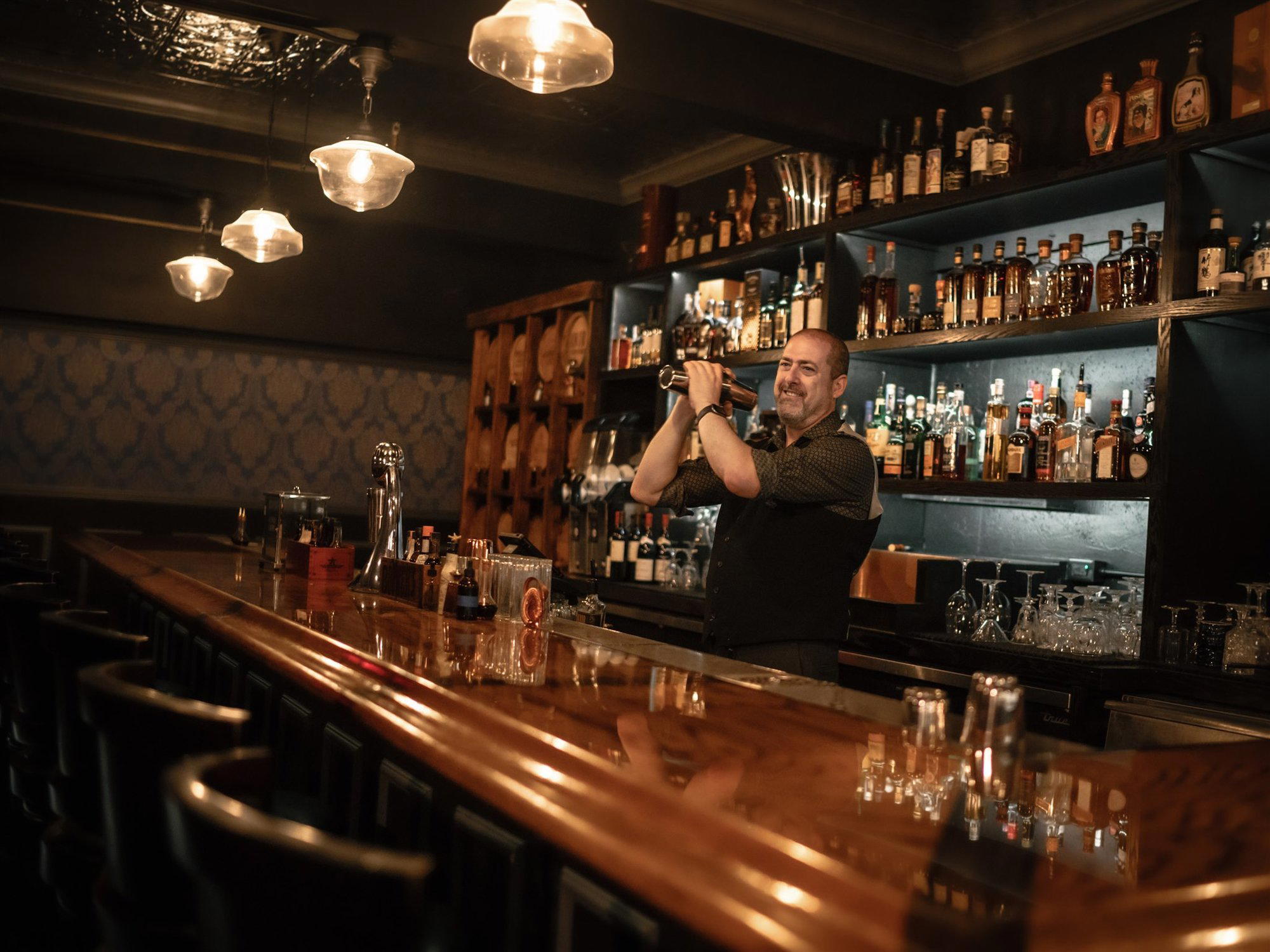
Hidden oasis with focused, elegant counter seating fostering intimate chef-guest conversations in a sophisticated sushi setting.