Akasaka
Our verdict
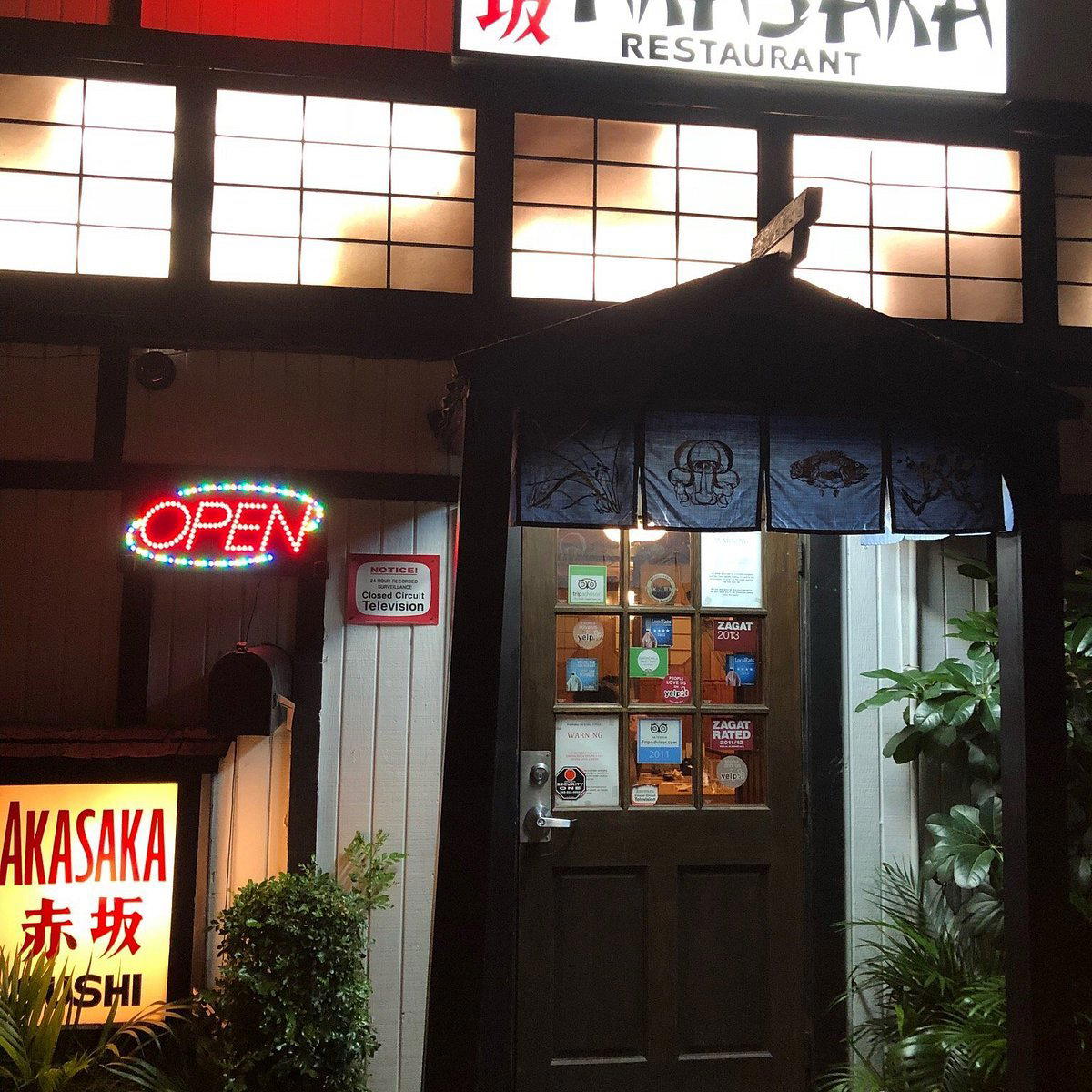
Akasaka sits in a Honolulu parking lot on Kona Street, a detail that tells you something about how certain restaurants earn their reputation in this city: not through address prestige, but through what comes out of the kitchen. In a Honolulu dining scene that runs from beachfront spectacle to low-key neighborhood institutions, Akasaka occupies the latter category with the kind of staying power that outlasts trends.

Pearl is the En Primeur Club membership app — saves, bookings, and concierge access live there. Same editors, same standards.
- Address
- Parking lot, 1646 Kona St B, Honolulu, HI 96814
- Phone
- (808) 942-4466
- Hours
- Daily 11 AM–2 PM, 5 PM–12 AM
- Website
- akasakahawaii.com
- Directions
- Get directions
- Booking
- Book on OpenTable
The menu
What to order
- Akasaka Special Nabe
- Butterfish
- Butteryaki Scallops
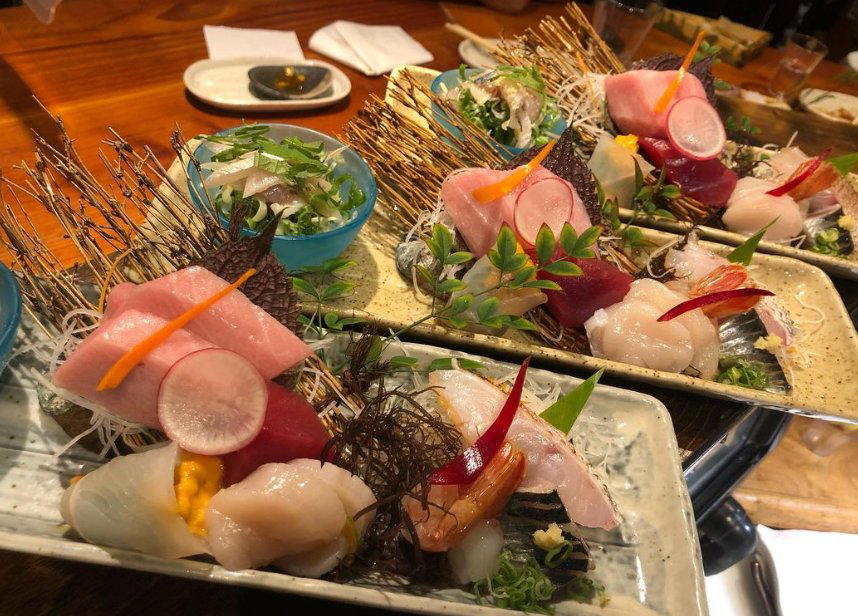
- Sushi Platter
Kona Street and the Logic of the Parking Lot Restaurant
Honolulu has a particular dining phenomenon that visitors from the mainland consistently misread: some of the city's most serious kitchens operate from addresses that would never appear in a hotel concierge's leading drawer. A parking lot entrance on Kona Street, tucked into a strip that demands you know where you're going, is not a liability in this context. It is, in a city where word-of-mouth still moves faster than any algorithm, something closer to a credential. Akasaka, at 1646 Kona Street, belongs to this tradition.
The Kona Street corridor runs through a part of Honolulu that sits between the density of Ala Moana and the residential quiet of Makiki. It is not a dining destination in the way that Kaimuki or Chinatown have been positioned for outside audiences. The restaurants here are not performing for tourists. That dynamic shapes everything: the room, the pricing logic, the assumptions about what the customer already knows. In Honolulu's broader dining conversation, venues in this part of town tend to operate on the assumption that the guest has already decided before they arrived. The experience follows from that premise.
Where Akasaka Sits in Honolulu's Japanese Dining Conversation
Honolulu's Japanese restaurant tier is more layered than most mainland cities appreciate. The state's deep Japanese-American population, representing over 16 percent of Hawaii's residents according to U.S. Census data, has sustained a category of Japanese dining that operates outside tourist circuits entirely. The izakaya format, robatayaki counters, and kaiseki-adjacent omakase options here developed alongside a genuine local audience rather than in response to a trend cycle. That produces a different kind of restaurant: one calibrated to repeat customers who know the reference points.
Within that category, Akasaka occupies a position that is worth contextualizing against peers. The izakaya format, as practiced by venues like 3660 On the Rise in the broader Honolulu fine-dining conversation, and the more Japan-referencing approach of spots like Zigu, represent different points on the same spectrum. Akasaka's Kona Street location places it closer to the local institution end of that range than to the destination-dining end, though those categories are not mutually exclusive in Honolulu. The city's dining scene, covered more fully in our full Honolulu restaurants guide, has room for both registers simultaneously.
For comparison, newer formats like Fête have staked a claim in Honolulu's New American tier, while 53 By The Sea anchors a different conversation around occasion dining and waterfront positioning. Akasaka's appeal is defined by neither of those coordinates. It operates in a register that prizes familiarity and depth of product over theatrical setting.
The Neighbourhood as Context, Not Backdrop
The Ala Moana-adjacent stretch of Honolulu where Akasaka operates functions differently from the city's more tourist-facing corridors. Waikiki's dining density is structured around hotel programming and visitor volume. Kaimuki, which has attracted considerable editorial attention in recent years for venues like Miro Kaimuki, has developed a neighborhood-dining identity aimed at a food-literate local audience. The Kona Street area sits between these registers: it serves a working Honolulu that is not performing its food culture for outside observation.
That context matters for how Akasaka reads on arrival. A parking lot entrance is not an accident of real estate economics in this part of the city; it is a signal about who the restaurant expects to walk through the door. In cities like Tokyo, a similar logic applies to the basement and alley-level restaurants of Shinjuku or Ginza, where address obscurity is part of a compact with a loyal clientele. Honolulu has its own version of that compact, operating at a scale specific to a city of under 400,000 people where the dining community is small enough that reputation travels efficiently.
Across the U.S. mainland, Japanese restaurants operating in comparable institutional roles include venues like Atomix in New York City, which represents the destination-facing, award-documented end of the spectrum, and the farm-integrated approach of Single Thread Farm in Healdsburg. Its claims are different: longevity, locality, and the kind of repetition that produces a genuinely calibrated kitchen.
Planning a Visit
In Honolulu's local restaurant culture, smaller Japanese institutions often operate on a dinner-primary schedule, and walk-in policy versus reservation requirement varies considerably by season and day. The address, 1646 Kona Street, Suite B, Honolulu, HI 96814, is confirmed. Parking is present on-site, which is a genuine convenience in a part of the city where street parking competes with the adjacent commercial density of Ala Moana. Visiting on a weekday, particularly earlier in the week when reservation pressure in Honolulu generally eases, tends to offer more flexibility at this category of restaurant. Guests planning around the high season, which runs roughly from mid-December through March and again in June through August, should factor in higher demand across the city's dining tier as a whole.
For context on how Honolulu's dining scene compares to other U.S. markets operating at serious levels, Providence in Los Angeles, Addison in San Diego, and Lazy Bear in San Francisco all represent the West Coast's award-tier Japanese-influenced and fine-dining conversation. Honolulu operates in its own idiom, shaped by proximity to Japan, a deeply rooted Japanese-American community, and a tourist economy that runs parallel to rather than through its leading local institutions.
Venues like 855-ALOHA and Ahaaina Luau serve a very different function in the city's dining ecosystem, oriented toward Hawaiian cultural experience and visitor programming. Akasaka is not in conversation with those venues. It sits in the city's local Japanese dining tradition, where the reference points are calibrated to a different kind of regularity.
For readers who want to understand the range of what serious dining looks like across U.S. contexts, Le Bernardin in New York City, Smyth in Chicago, The French Laundry in Napa, Blue Hill at Stone Barns in Tarrytown, The Inn at Little Washington, Emeril's in New Orleans, and Atelier Moessmer Norbert Niederkofler in Brunico represent the documented apex of their respective categories. Akasaka's role in Honolulu is not measured against that tier. Its value is local, specific, and earned through a different kind of consistency.
Frequently asked questions
Where exactly is Akasaka?
Akasaka is located at Parking lot, 1646 Kona St B, Honolulu, HI 96814, Honolulu.
Is Akasaka in Honolulu the kind of restaurant you just walk into, or does it require insider knowledge to find?
The address — a parking lot on Kona St in the Ala Moana-adjacent stretch of Honolulu — signals that this is not a walk-in-off-Kalakaua-Avenue situation. Honolulu has a well-documented pattern of serious Japanese kitchens operating from low-visibility locations that draw a committed local clientele rather than passing tourist foot traffic.
What's the must-try dish at Akasaka?
The practical move is to ask staff directly on arrival — Kona Street venues of this type tend to run tight, focused menus where the kitchen's strengths become clear fast. Regulars in Honolulu's Japanese dining community are the better source for current recommendations.
How far ahead should I plan for Akasaka?
Venues operating from non-retail addresses like this parking lot location typically function on word-of-mouth logistics rather than OpenTable-style availability. Treat it as a venue that requires direct contact and flexibility rather than a reservable dinner slot booked weeks out.
At a Glance
A short peer table to compare basics side-by-side.
| Venue | Cuisine | Price | Notes |
|---|---|---|---|
| AkasakaThis venue — the venue you are viewing | Traditional Japanese Sushi | $30–50 | Not listed |
| Fête | Modern American Farm-to-Table | $50–100 | New American |
| Liliha Bakery | Bakery | $10–20 | Not listed |
| Sushi Izakaya Gaku | Authentic Japanese Sushi & Izakaya | $50–100 | Izakaya |
| Miro Kaimuki | French-Japanese Fusion | $100–150 | French - Japanese |
| Zigu | Japanese Izakaya with Local Hawaiian Fusion | $50–100 | Japanese |
Details
- Intimate
- Cozy
- Classic
- Date Night
- Special Occasion
- Late Night
- Open Kitchen
- Sake Program
- A La Carte
- Omakase
- Small Plates
- Vegetarian Friendly
Current opening hours
- Monday
- 11 AM–2 PM, 5 PM–12 AM
- Tuesday
- 11 AM–2 PM, 5 PM–12 AM
- Wednesday
- 11 AM–2 PM, 5 PM–12 AM
- Thursday
- 11 AM–2 PM, 5 PM–12 AM
- Friday
- 11 AM–2 PM, 5 PM–12 AM
- Saturday
- 11 AM–2 PM, 5 PM–12 AM
- Sunday
- 11 AM–2 PM, 5 PM–12 AM
Hours can change for holidays and private events. Last verified .
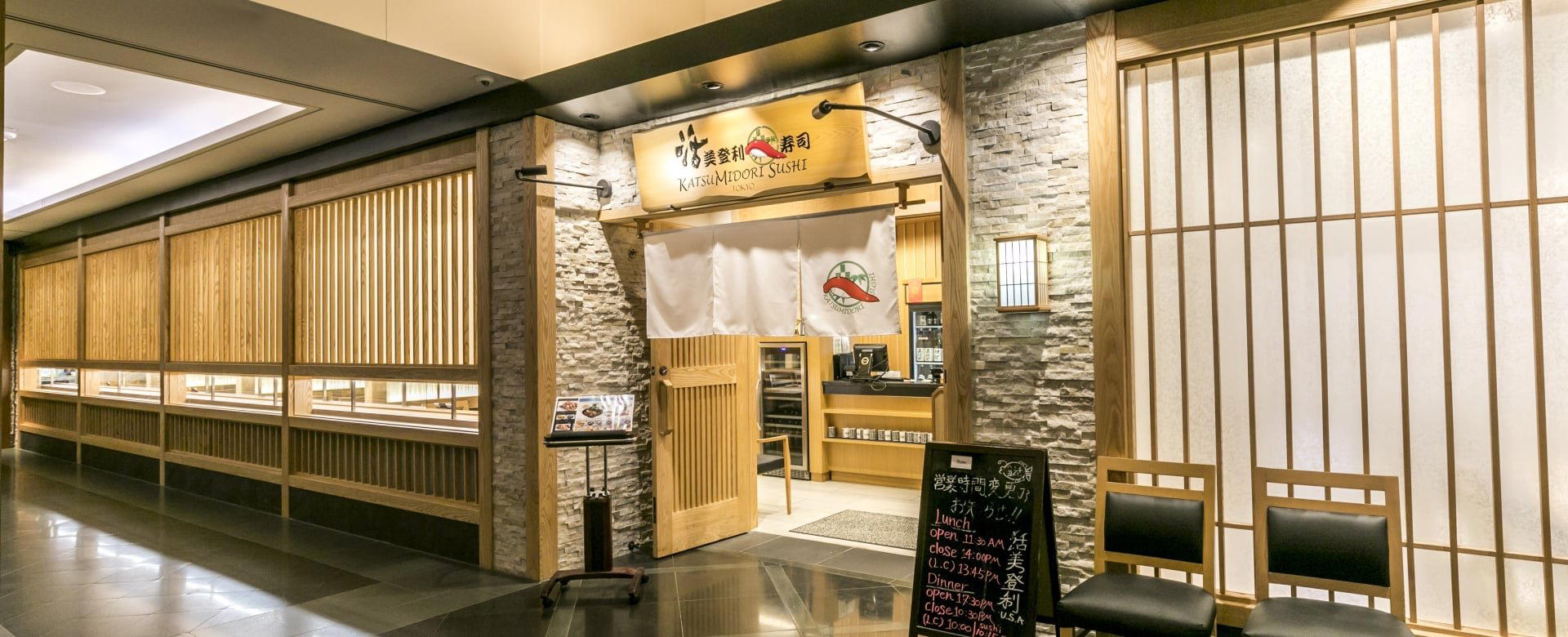
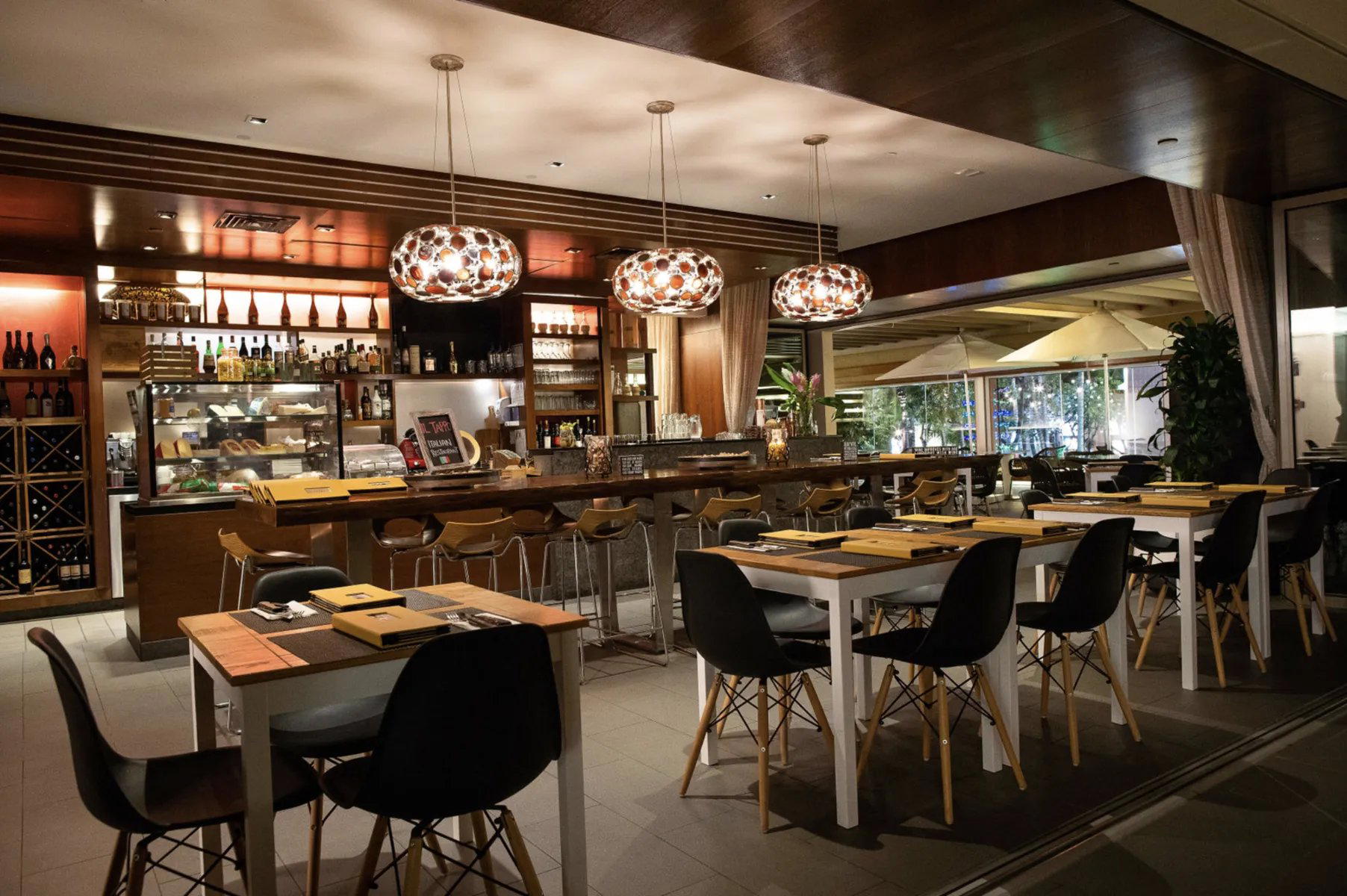
Warm, inviting atmosphere resembling a traditional Japanese house with mellow, friendly lighting.