Coconut Waikiki Hotel
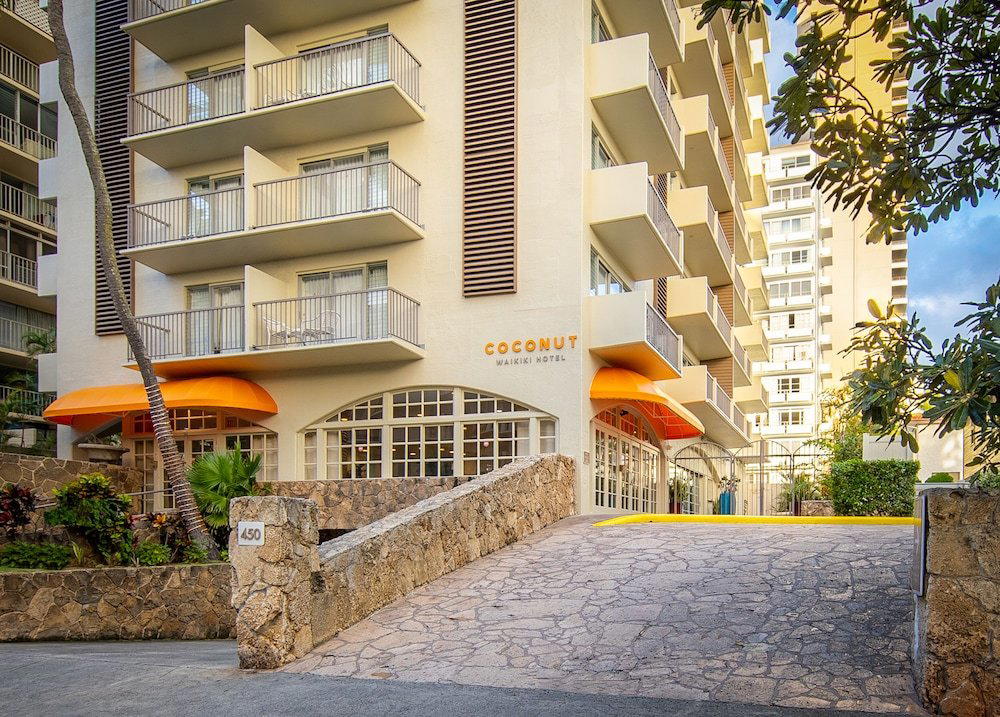
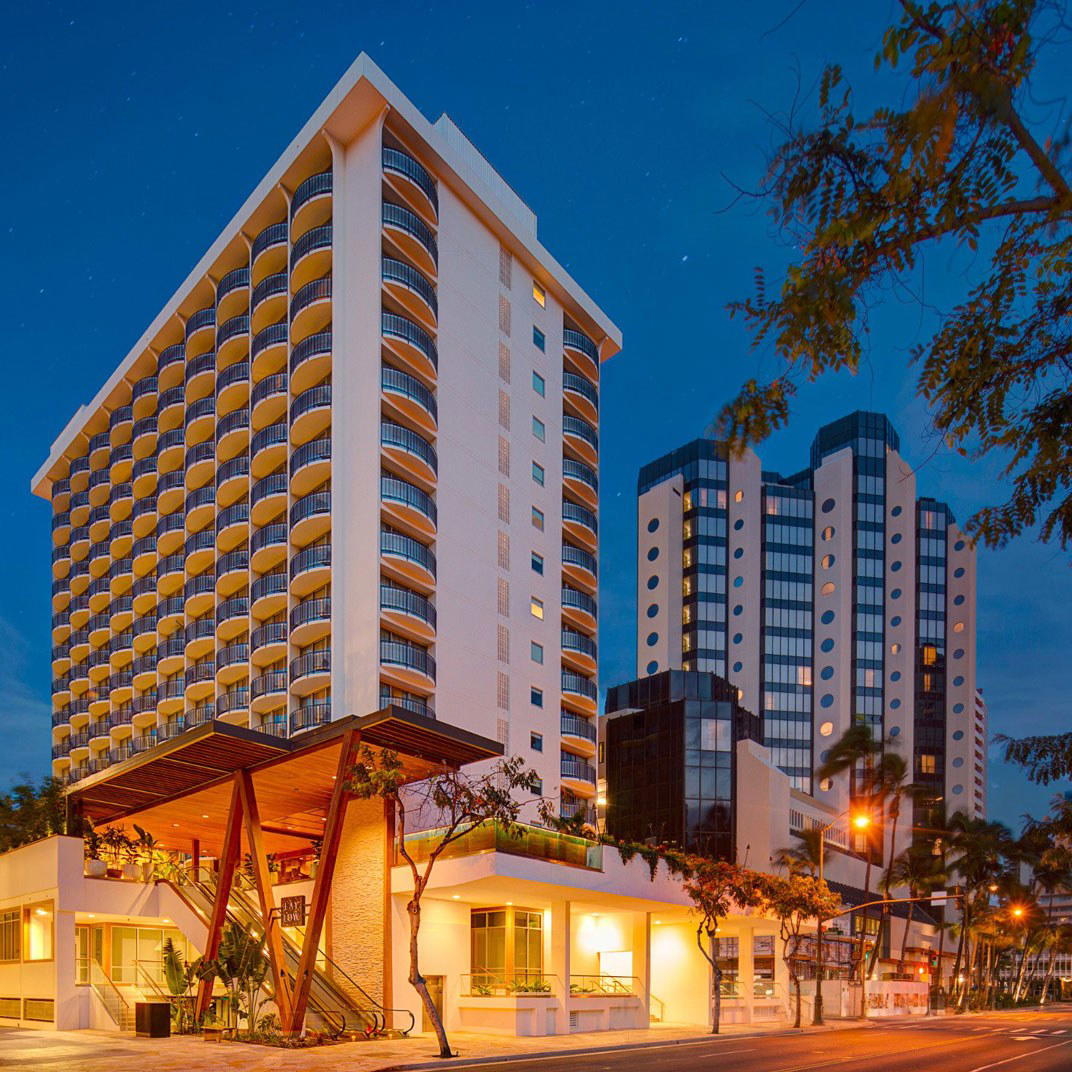
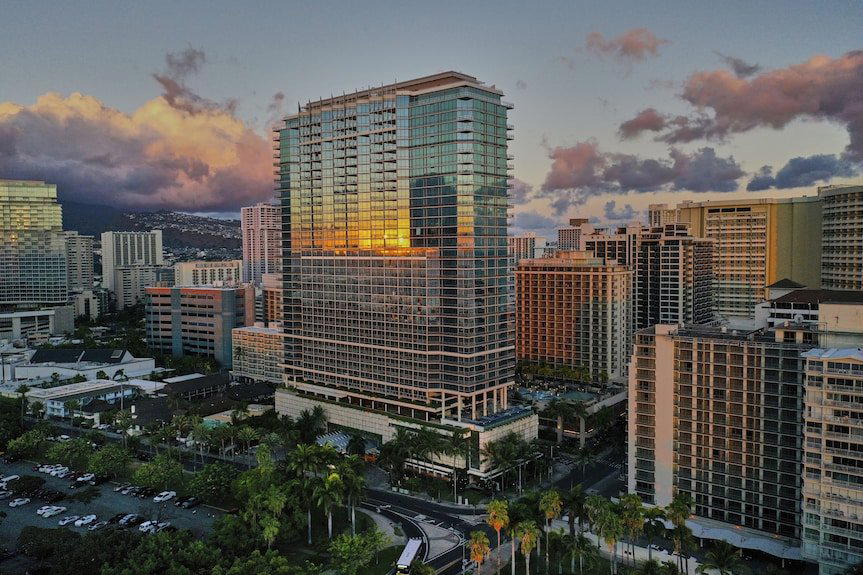
Coconut Waikiki Hotel sits on Lewers Street in the heart of Waikiki, placing guests within a short walk of the beach, Kalakaua Avenue's dining corridor, and the broader urban grid of Honolulu. The property occupies a distinct position in the Waikiki market: smaller in scale than the beachfront resort towers, with a format that suits travelers who want proximity to the action without the full resort footprint.

Pearl is the En Primeur Club membership app, where members save venues, book tables and use the concierge.
Lewers Street and the Waikiki Mid-Market
Waikiki's hotel market stratifies more sharply than its beachfront uniformity suggests. At one end sit the large resort complexes, properties like the Hilton Hawaiian Village Waikiki Beach Resort and the Hyatt Regency Waikiki Beach Resort and Spa, with their multiple towers, poolscapes, and retail concourses. At the other end, a cluster of smaller, independently minded properties has emerged to serve travelers who prefer a leaner operational format. Coconut Waikiki Hotel at 450 Lewers Street belongs to this second tier, occupying a site that puts Kalakaua Avenue and the beach within walking distance while sidestepping the scale and infrastructure of the full resort model.
Lewers Street itself functions as a secondary artery feeding into the main Waikiki commercial strip. It is close enough to the beach corridor to be genuinely convenient, but positioned away from the loudest concentration of resort traffic. That placement is a functional advantage for guests who want to move quickly between the beach, the restaurant and bar scene along Kalakaua and Kuhio, and their room, without passing through a resort lobby the size of a departure terminal.
The Overnight Stay: Format and Room Logic
The editorial angle on Coconut Waikiki is leading understood through what the room experience is designed to deliver, rather than what the property surrounds it with. Waikiki's large resort hotels package the overnight stay inside a broader amenity ecosystem: beach access desks, multiple pool tiers, spa facilities, signature restaurants. A property at Coconut Waikiki's scale strips that back. The room becomes the primary object. For a significant share of Waikiki visitors, this is the correct trade: they are spending daytime hours on the beach, in the water, or moving around Honolulu, and they need a well-maintained, well-located room to return to rather than a self-contained resort campus to stay within.
This model has precedent across urban hotel markets. Smaller, focused properties in concentrated tourist districts often compete on location precision and room quality rather than amenity depth. The Hotel Renew on Beachwalk Avenue operates in a comparable register within Waikiki, while the Surfjack Hotel and Swim Club takes a design-led approach to the same positioning challenge. Coconut Waikiki sits in this mid-tier, location-led bracket, where the primary asset is the address rather than the amenity count.
Waikiki's Wider Hotel Context
Understanding where Coconut Waikiki fits requires a working map of Waikiki's hotel tiers. The historic and prestige end is anchored by properties like the The Royal Hawaiian, a Luxury Collection Resort, which has operated on the beach since 1927, and the Moana Surfrider, A Westin Resort and Spa, Waikiki Beach's oldest hotel. The OUTRIGGER Reef Waikiki Beach Resort and the Hilton Vacation Club The Modern Honolulu represent the branded mid-to-upper tier. Coconut Waikiki operates below these in price expectation and amenity offering, a position that is not a deficiency but a deliberate market slot serving visitors whose priorities are location and value rather than resort comprehensiveness.
For travelers accustomed to properties like Amangiri in Canyon Point, Hotel Bel-Air in Los Angeles, or Aman New York, Coconut Waikiki represents a different category entirely. It is a functional urban hotel in a high-demand beach district, not a design or luxury statement. That distinction matters when setting expectations. By contrast, travelers who have stayed at focused, location-led properties like Troutbeck in Amenia or Raffles Boston will recognize the logic of choosing a property based on what surrounds it rather than what it contains.
Honolulu as the Backdrop
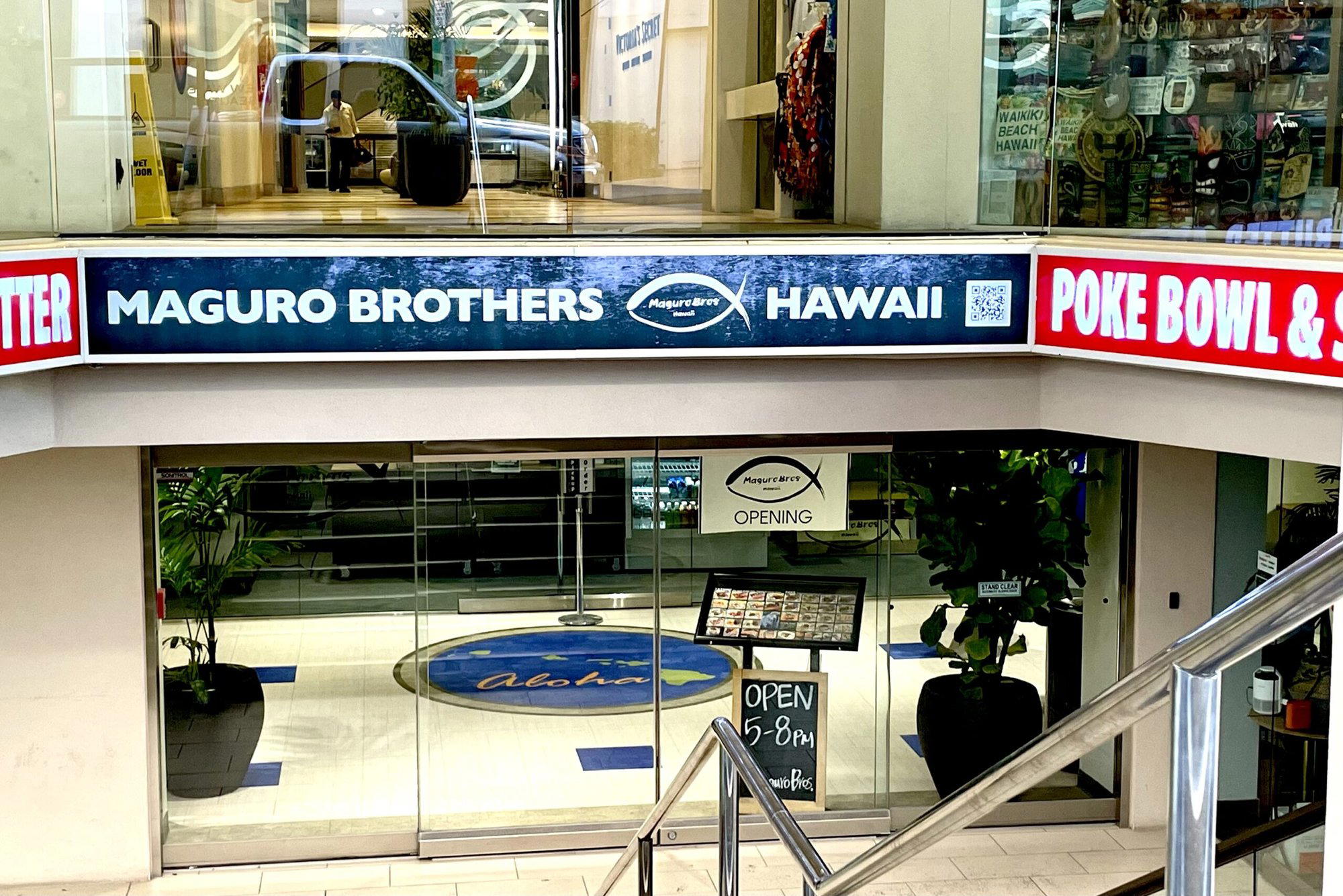
Waikiki's appeal is not reducible to the beach. The dining scene that has developed along and around Kalakaua Avenue draws on Hawaii's layered food culture: Japanese influence running deep through everything from ramen shops to omakase counters, Filipino and Korean threads woven into the local plate-lunch tradition, and a newer wave of chef-driven restaurants working with local produce and Pacific seafood. Staying on Lewers Street puts guests at the edge of this grid. For a fuller orientation to what Honolulu's food and drink scene offers beyond the resort dining rooms, our full Urban Honolulu restaurants guide maps the broader options by neighborhood and style.
Beyond food, the urban texture of Honolulu rewards deliberate exploration. The museum district around Bishop Street, the low-key residential neighborhoods transitioning out of Waikiki toward Kapahulu and Kaimuki, and the North Shore's surf culture all sit within accessible distance. A property like Coconut Waikiki works well as a base for this kind of outward-facing itinerary, where the room is a well-located anchor rather than the destination itself. Properties designed as self-contained destinations, like Kona Village, A Rosewood Resort on the Big Island or Little Palm Island Resort and Spa in Little Torch Key, serve a fundamentally different travel intention.
Planning a Stay
Coconut Waikiki Hotel is located at 450 Lewers Street, Honolulu, HI 96815. The property sits roughly two blocks from the main beachfront stretch, making it walkable to the beach without paying beachfront room premiums. Waikiki is served by TheBus, Honolulu's public transit network, and the Daniel K. Inouye International Airport is approximately nine miles from the hotel, with taxi, rideshare, and shuttle options covering the transfer. Given Waikiki's year-round tourism pressure, booking in advance is advisable, particularly for stays during winter peak season when the North Shore surf competitions draw additional visitor volume and January through March sees some of the highest occupancy rates across the strip.
Comparison Snapshot
| Venue | Cuisine | Price | Awards |
|---|---|---|---|
| Coconut Waikiki HotelThis venue (the venue you are viewing) | This venue | $200–300 | Not listed |
| Hotel Renew | Not listed | $200–300 | Not listed |
| Hilton Hawaiian Village Waikiki Beach Resort | Not listed | $300–500 | Not listed |
| Moana Surfrider, A Westin Resort & Spa, Waikiki Beach | Not listed | $300–500 | Michelin Selected |
Continue exploring
More in Honolulu
Hotels in Honolulu
All hotels in Honolulu →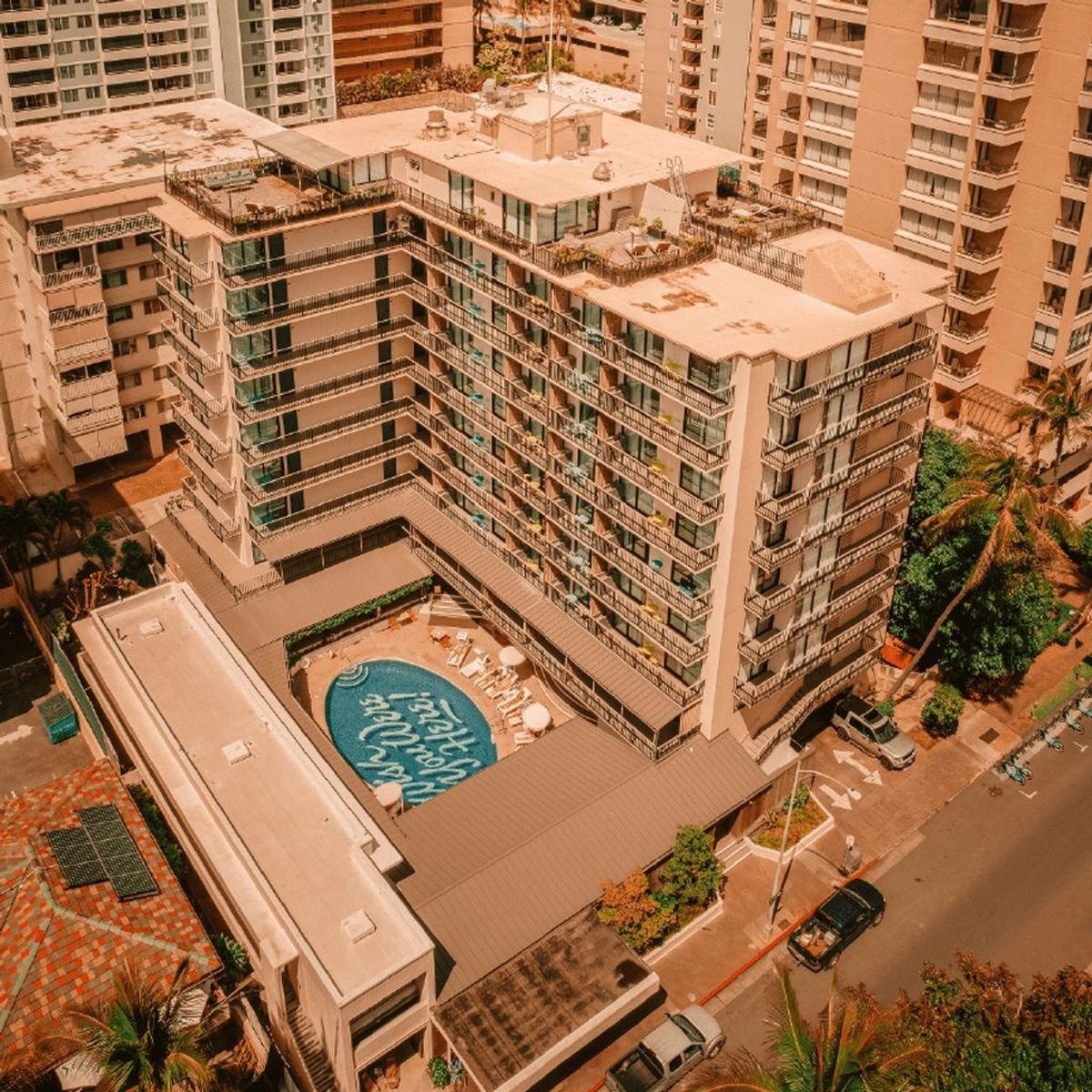
Details
- Modern
- Whimsical
- Cozy
- Family Vacation
- Weekend Escape
- Terrace
- Wi Fi
- Pool
- Fitness Center
- Breakfast Included
- Mountain
- Waterfront
- Elevator
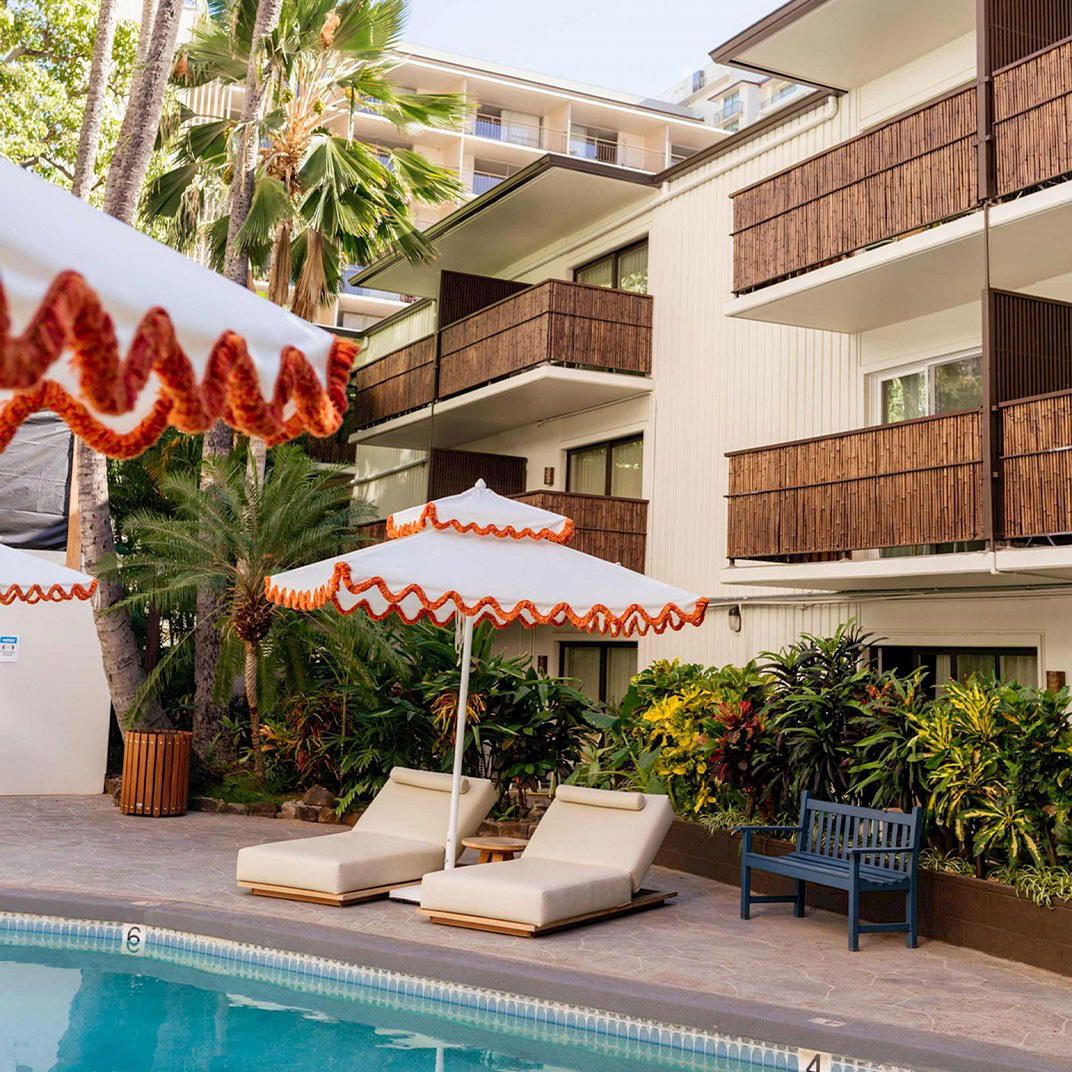
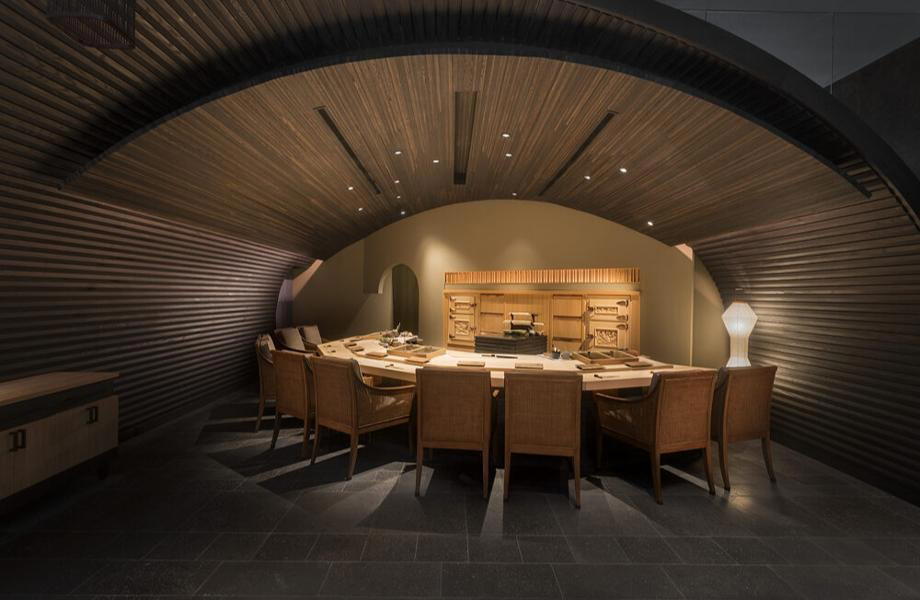
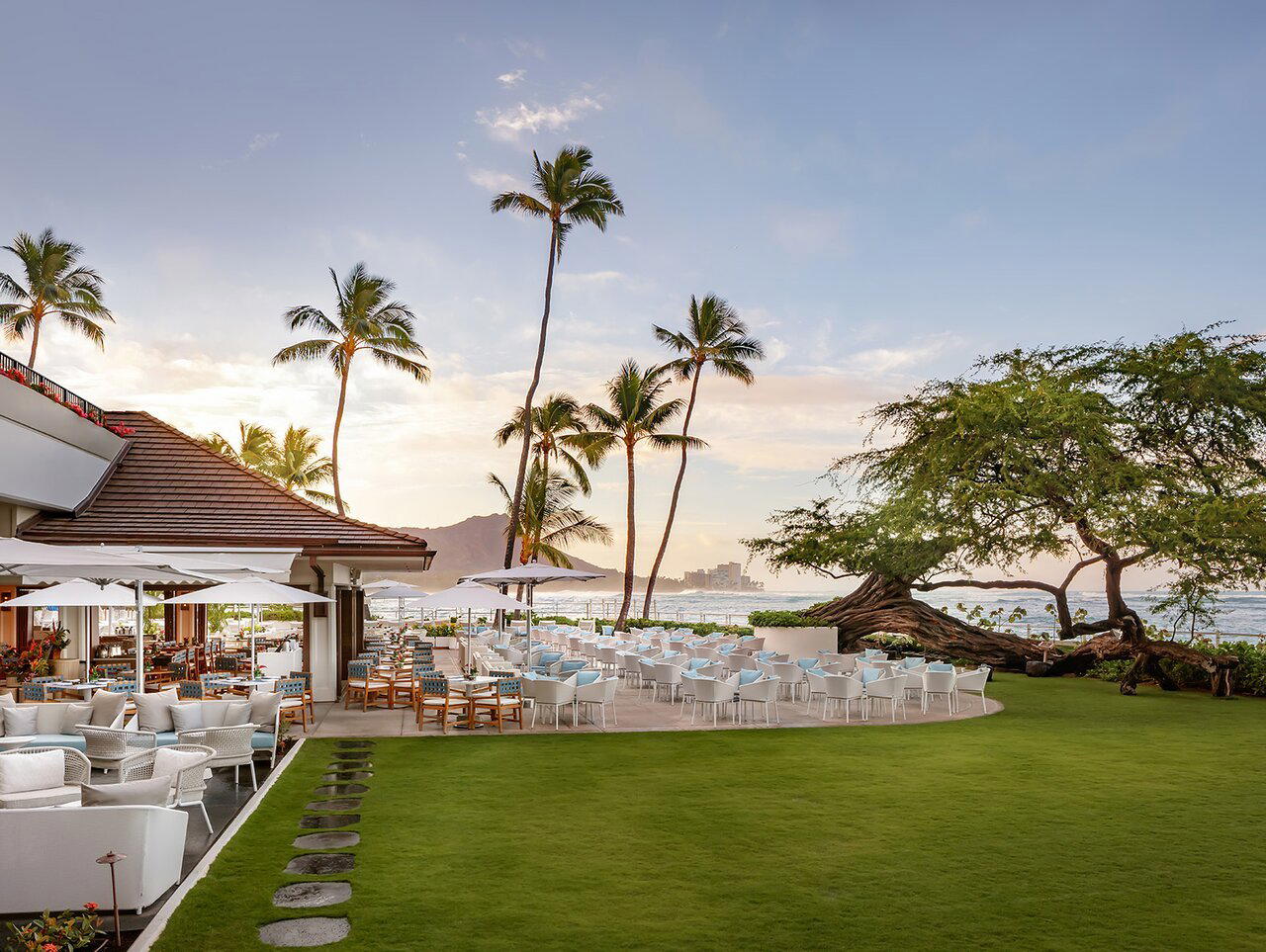
Clean, neutral palette with bold accents, natural woods, and organic fabrics creating a warm, simplistic, and playful atmosphere.