Fujiyama Texas

Ranked on Opinionated About Dining's Cheap Eats list for North America in both 2024 and 2025, Fujiyama Texas on South King Street occupies a specific lane in Honolulu's Japanese dining scene: late-night hours stretching to 3:30 am on most nights, morning service from 7 am, and a format that positions it well outside the white-tablecloth end of the market. Run by Koichi and Sally Sato, it holds.
Pearl is the En Primeur Club membership app — saves, bookings, and concierge access live there. Same editors, same standards.
- Address
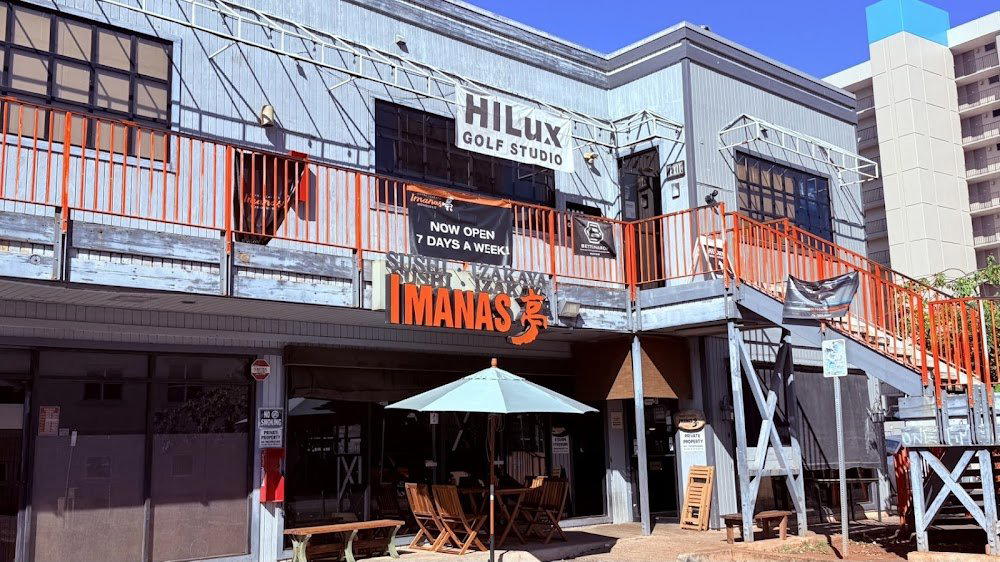
- 2065 S King St, Honolulu, HI 96826
- Phone
- (808) 955-0738
- Website
- fujiyamatexas-hi.com
- Directions
- Get directions
 Saves & bookings on Pearl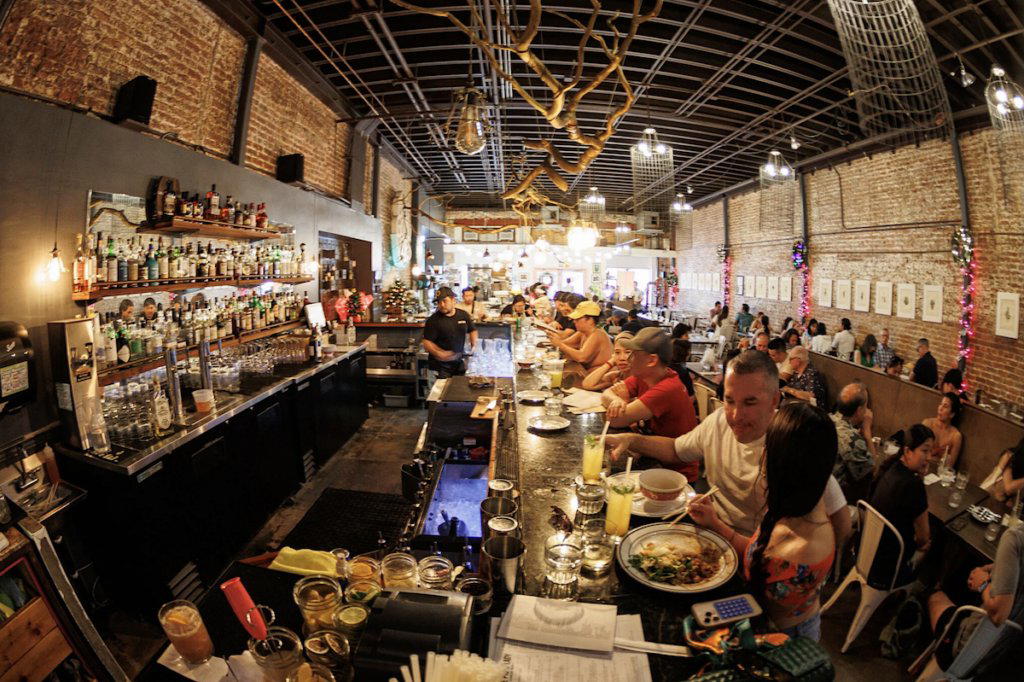
South King Street at Odd Hours
South King Street in the Moiliili neighbourhood runs through one of Honolulu's more quietly serious eating corridors. The strip lacks the tourist infrastructure of Waikiki and the destination-restaurant density of Kakaako, which means the places that earn sustained attention here tend to do so through consistency and word of mouth rather than location advantage. Fujiyama Texas, at 2065 S King St, is an example of that dynamic: a Japanese operation that has appeared on Opinionated About Dining's Cheap Eats list for North America Neither figure suggests a venue coasting on novelty.
What makes the address worth noting before anything else is the hours. On most nights, the kitchen runs until 3:30 am. Morning service opens at 7 am. In a city where late-night Japanese eating at any quality tier is sparse, those hours are a structural fact about the place before a single dish enters the conversation. The gap between the lunch close at 2 pm and the dinner open at 5 pm is the only pause in an otherwise unusually long operational window. For anyone who has spent time eating across Honolulu — tracing the arc from Musubi Cafe Iyasume through the mid-range Japanese corridor and up toward the more considered end of the market at Zigu — Fujiyama Texas occupies a distinct position defined partly by access and timing rather than price ceiling.
The Raw Material Question in Japanese Cheap Eats
The OAD Cheap Eats designation is not a consolation category. Opinionated About Dining applies the same sourcing methodology to its affordable-end lists as to its full fine-dining rankings, which means a listing reflects the sustained judgment of repeat diners with comparative frameworks rather than aggregate popularity. Two consecutive appearances, with an upward movement in rank, indicate that whatever Fujiyama Texas is doing with its ingredients and technique is holding up under that scrutiny.
Japanese cooking at the affordable end of the market is particularly unforgiving of raw material shortcuts. The cuisines that define the format, whether ramen, donburi, teishoku, or izakaya-style small plates, depend on stock-making, fermentation timing, and protein sourcing in ways that become obvious in the bowl or on the plate. Dashi, the foundational stock built from kombu and katsuobushi, is either made properly or it isn't; there is no technique that compensates for a base built from powder when the format puts broth front and centre. The same principle applies to the rice that anchors most Japanese meal structures: temperature, moisture content, and grain quality are legible to anyone eating attentively. The OAD recognition suggests these fundamentals are being addressed rather than approximated.
This ingredient-forward discipline separates the stronger performers in Honolulu's Japanese cheap-eats tier from those that rely on portion size or novelty. Venues like Ginza Bairin, operating at a different format point in the city's Japanese offering, demonstrate that the market here can support serious execution across price tiers. Fujiyama Texas appears to be sustaining that standard at the accessible end.
Koichi and Sally Sato: Credentials as Context
Koichi and Sally Sato are listed as the operators. In the context of Japanese family-run restaurants at this price point, the partnership model tends to correlate with a kitchen where the sourcing decisions and daily prep are close to the people who built the place, a different structural reality from a chain operation or an investor-backed opening where those decisions are several layers removed from daily execution. The credential here is operational continuity rather than a competition trophy, and at this format and price tier, that is the more relevant signal.
For comparison, the upper end of Honolulu's restaurant scene, venues like Fête for New American or Arancino at The Kahala for Italian, operates with a completely different cost structure and guest expectation. The cheap-eats tier answers a different question: where does daily eating at a reasonable price point involve genuine kitchen discipline rather than convenience? Fujiyama Texas has now answered that question affirmatively across two evaluation cycles.
Honolulu's Japanese Dining Position
Hawaii's historical and demographic ties to Japan produce a Japanese restaurant density and quality floor that is unusual among American cities outside of certain New York and Los Angeles neighbourhoods. The local market is more literate on Japanese food formats than most mainland U.S. cities, which raises the bar for what earns repeat business. That context makes the OAD ranking more meaningful: a Hawaii audience that eats Japanese food regularly, often with family connections to the cuisine, is a harder crowd to satisfy than a mainland market where the format is still relatively novel.
Tokyo's high-end Japanese dining, represented by venues like Myojaku and Azabu Kadowaki, operates in a completely different register, where the ingredient sourcing involves direct producer relationships, aged proteins, and seasonal micro-adjustments that the cheap-eats format cannot replicate at price. But the underlying principle, that technique without quality raw material produces diminishing returns, holds across every price tier. The OAD methodology captures whether that principle is being honoured, and two consecutive rankings suggest it is.
For readers building a broader Honolulu eating itinerary, the EP Club guides cover the full range: our full Honolulu restaurants guide, our full Honolulu bars guide, our full Honolulu hotels guide, our full Honolulu wineries guide, and our full Honolulu experiences guide. For reference points further afield, the cheap-eats discipline that Fujiyama Texas represents connects to a broader North American conversation about serious affordable cooking also tracked through venues like Lazy Bear in San Francisco and Single Thread Farm in Healdsburg, though those operate in entirely different price brackets. The high-end American fine-dining axis, Le Bernardin in New York City, Alinea in Chicago, The French Laundry in Napa, Emeril's in New Orleans, establishes the ceiling against which every other tier is implicitly measured. Fujiyama Texas is not competing in that bracket, but it is being evaluated seriously within its own.
Planning a Visit
The address is 2065 S King St, Honolulu. Morning service runs from 7 am to 2 pm daily, making it one of the few Japanese operations in the city open at breakfast hours. Evening service opens at 5 pm; on Tuesday it closes at 11 pm, while every other night the kitchen runs to 3:30 am. That late close is the most operationally unusual fact about the place and shapes when it draws the heaviest traffic. Arriving closer to the dinner open on weekdays is likely to be quieter than late-night weekend service. No booking method is listed in available data, so arriving in person is the default assumption.
The Short List
| Venue | Cuisine |
|---|---|
| Fujiyama TexasThis venue — the venue you are viewing | Japanese |
| Fête | New American |
| Arancino at The Kahala | Italian |
| Bar Maze | Cocktail Bar-Omakase |
| Ginza Bairin | Japanese |
| Helena Hawaiian Foods | Hawaiian |
Recognition history
Dated appearances from independent guides and award organizations, with the underlying list record or original source where available.
Opinionated About Dining Cheap Eats in North America Recommended
Opinionated About Dining
Opinionated About Dining Cheap Eats in North America Ranked #471
Opinionated About Dining
Opinionated About Dining Cheap Eats in North America Ranked #483
Opinionated About Dining
At a Glance
- Lively
- Energetic
- Casual Hangout
- Late Night
- Group Dining
- Open Kitchen
- Sake Program
Current opening hours
- Monday
- 5 PM–3:30 AM
- Tuesday
- 5–11 PM
- Wednesday
- 5 PM–3:30 AM
- Thursday
- 5 PM–3:30 AM
- Friday
- 5 PM–3:30 AM
- Saturday
- 5 PM–3:30 AM
- Sunday
- 5 PM–3:30 AM
Hours can change for holidays and private events. Last verified .
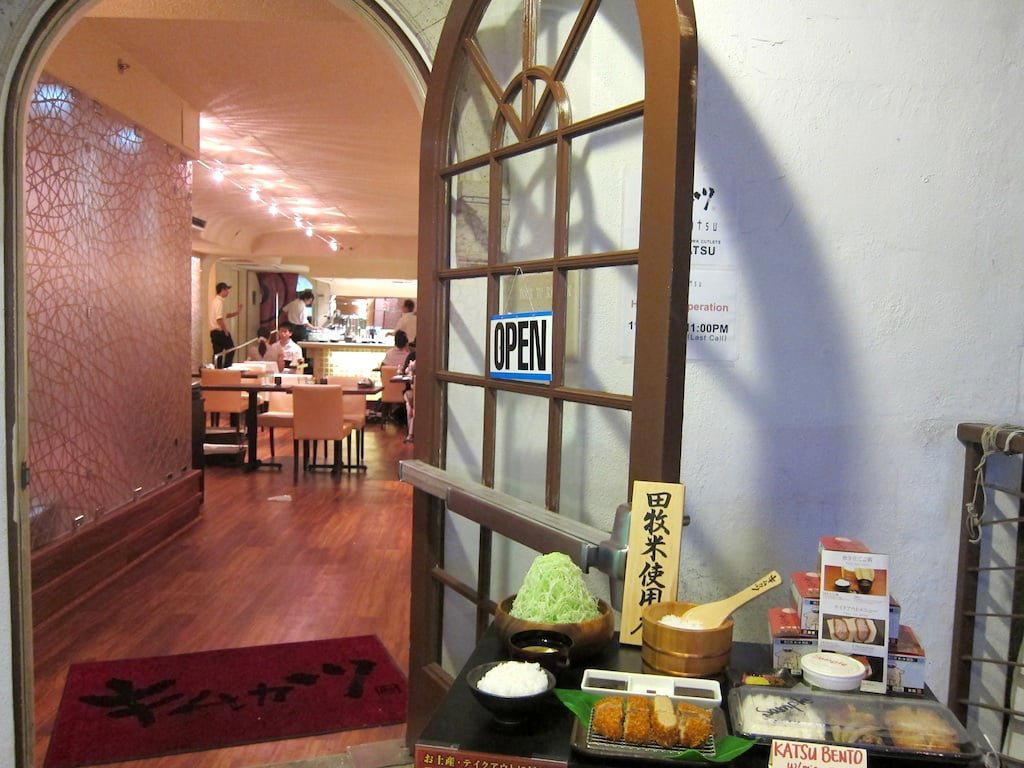
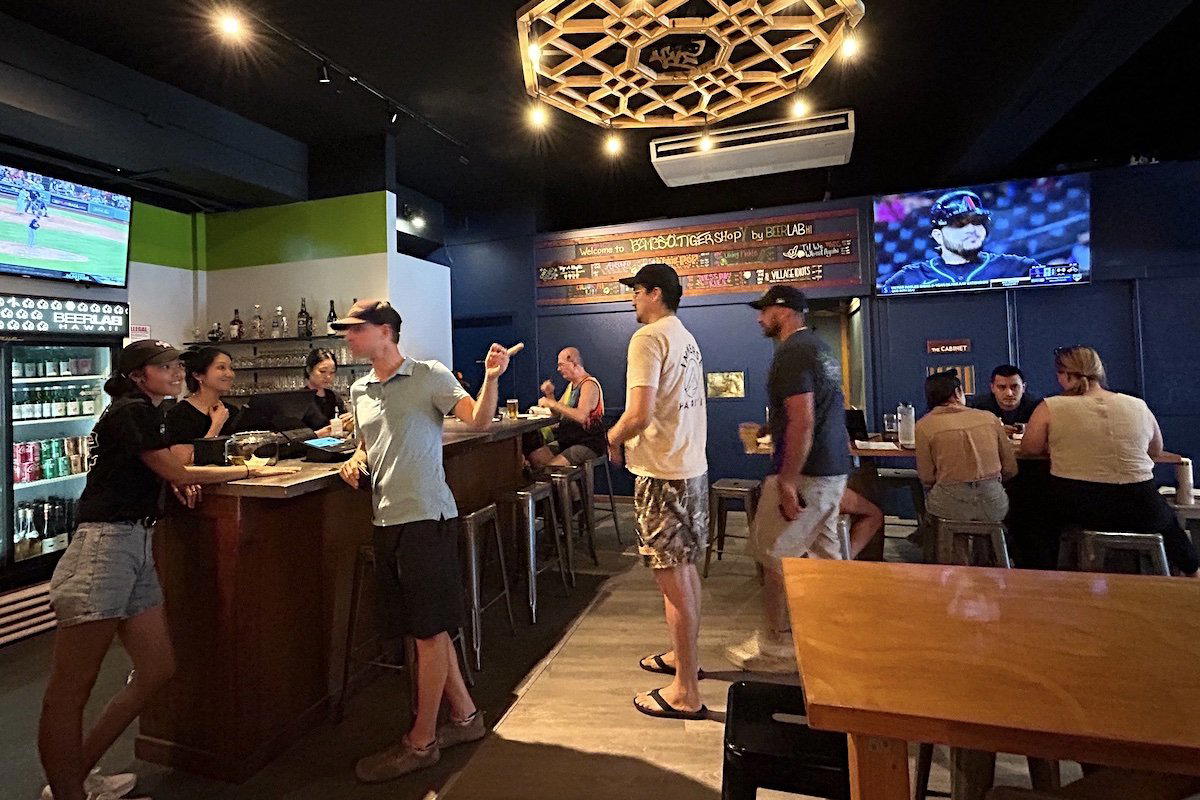
Small, bustling space with fun energy and friendly service.
Know Before You Go
- Getting there
- 2065 S King St, Honolulu, HI 96826