Gyotaku - Niu Valley
Gyotaku - Niu Valley serves Authentic Japanese in Niu Valley, with Misoyaki Salmon Teishoku, Combination Bento, and Assorted Poke Don alongside a sake program for lunch or dinner.
Pearl is the En Primeur Club membership app — saves, bookings, and concierge access live there. Same editors, same standards.
- Address
- Niu Valley, 5728 Kalanianaʻole Hwy, Honolulu, HI 96821
- Phone
- +18083732731
- Website
- gyotakuhawaii.com
- Directions
- Get directions
 Saves & bookings on Pearl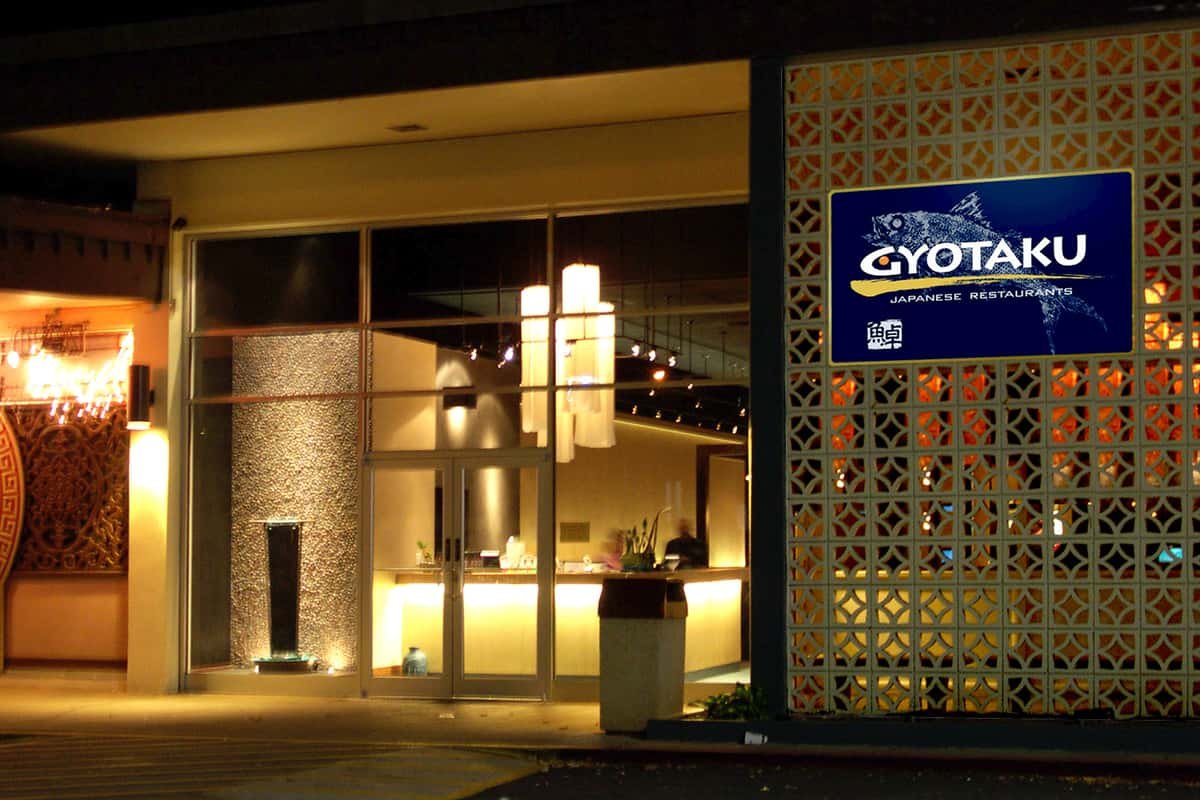
East Honolulu's Neighborhood Table for Japanese-Hawaiian Seafood
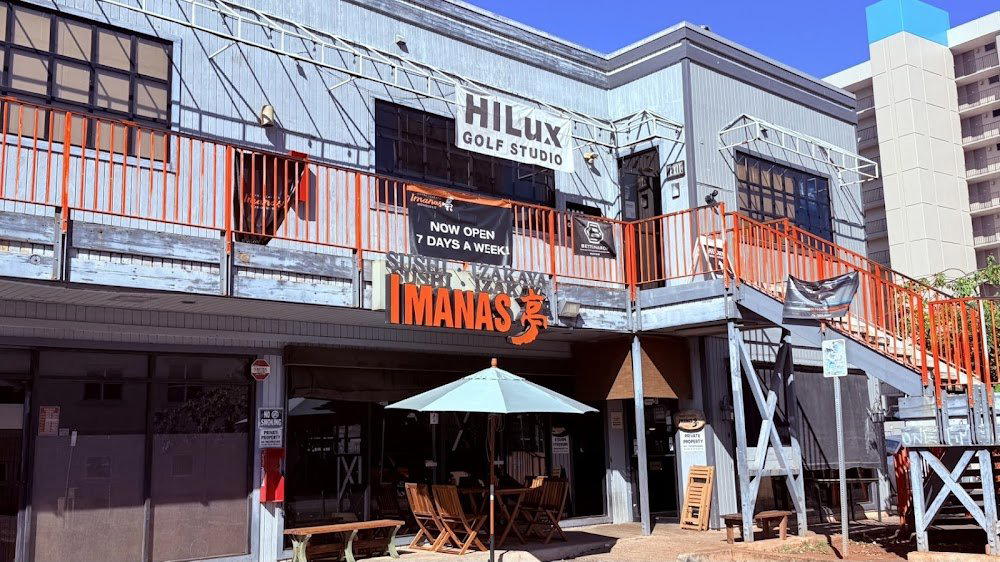
Kalanianaole Highway runs southeast from central Honolulu through a quieter stretch of residential Oahu, past Niu Valley Shopping Center and the kind of strip-mall facades that most visitors scroll past without a second look. That setting is, in a sense, the point. Gyotaku - Niu Valley occupies the less-trafficked end of a local dining tradition that has always preferred neighborhood reliability over tourist-district visibility. The name itself signals something about intent: gyotaku is the Japanese art of fish printing, pressing an actual catch onto paper or silk to record its form, a practice that speaks to precision, respect for the fish, and a certain documentary impulse about what ends up on the plate.
In Honolulu's mid-range Japanese-Hawaiian dining tier, that kind of specificity matters. The city's restaurant scene has long operated along a dual axis: the high-visibility waterfront and resort corridor on one side, and a quieter network of neighborhood institutions on the other. Gyotaku's Niu Valley location places it firmly in the second category, which means it competes not on spectacle but on consistency and local loyalty. That positioning has sustained similar neighborhood-anchor restaurants in Honolulu for decades, and it shapes everything about how a room like this functions.
The Feel of the Room and What It Tells You
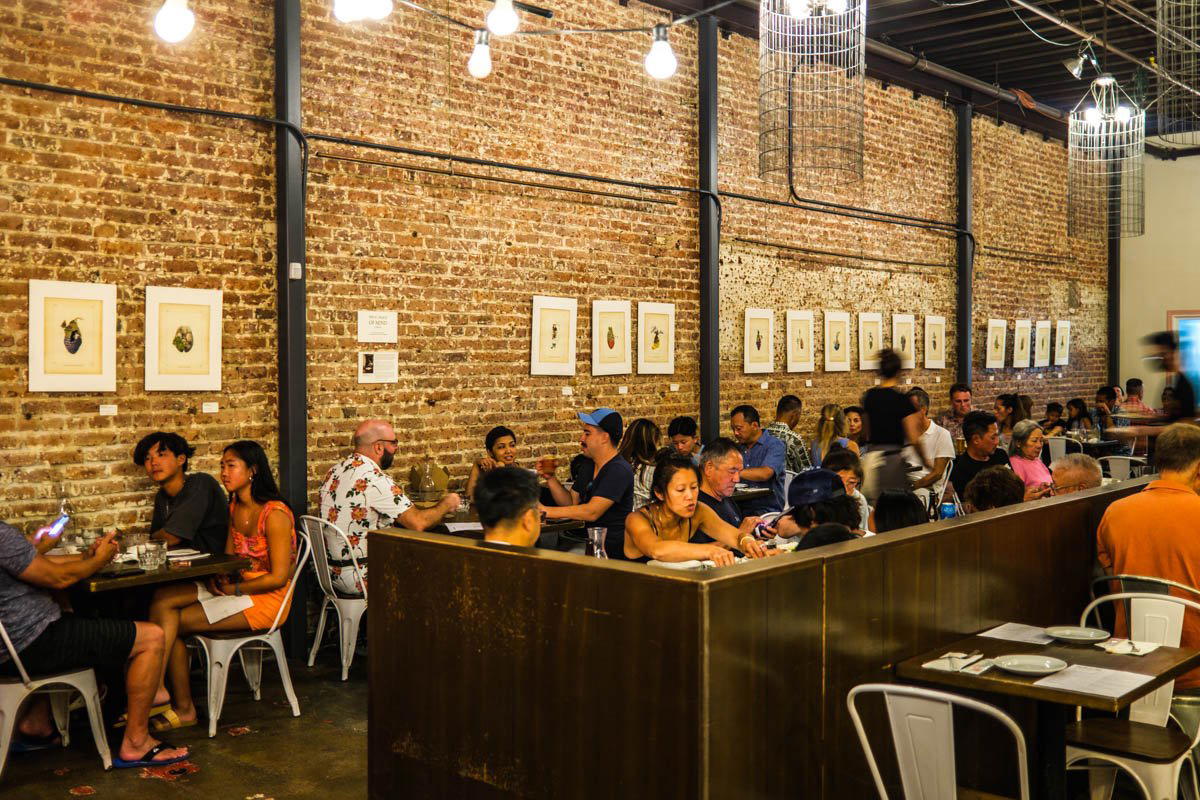
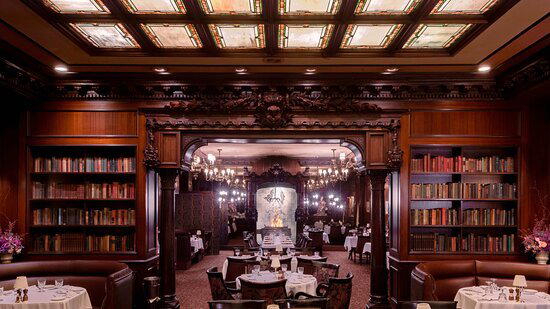
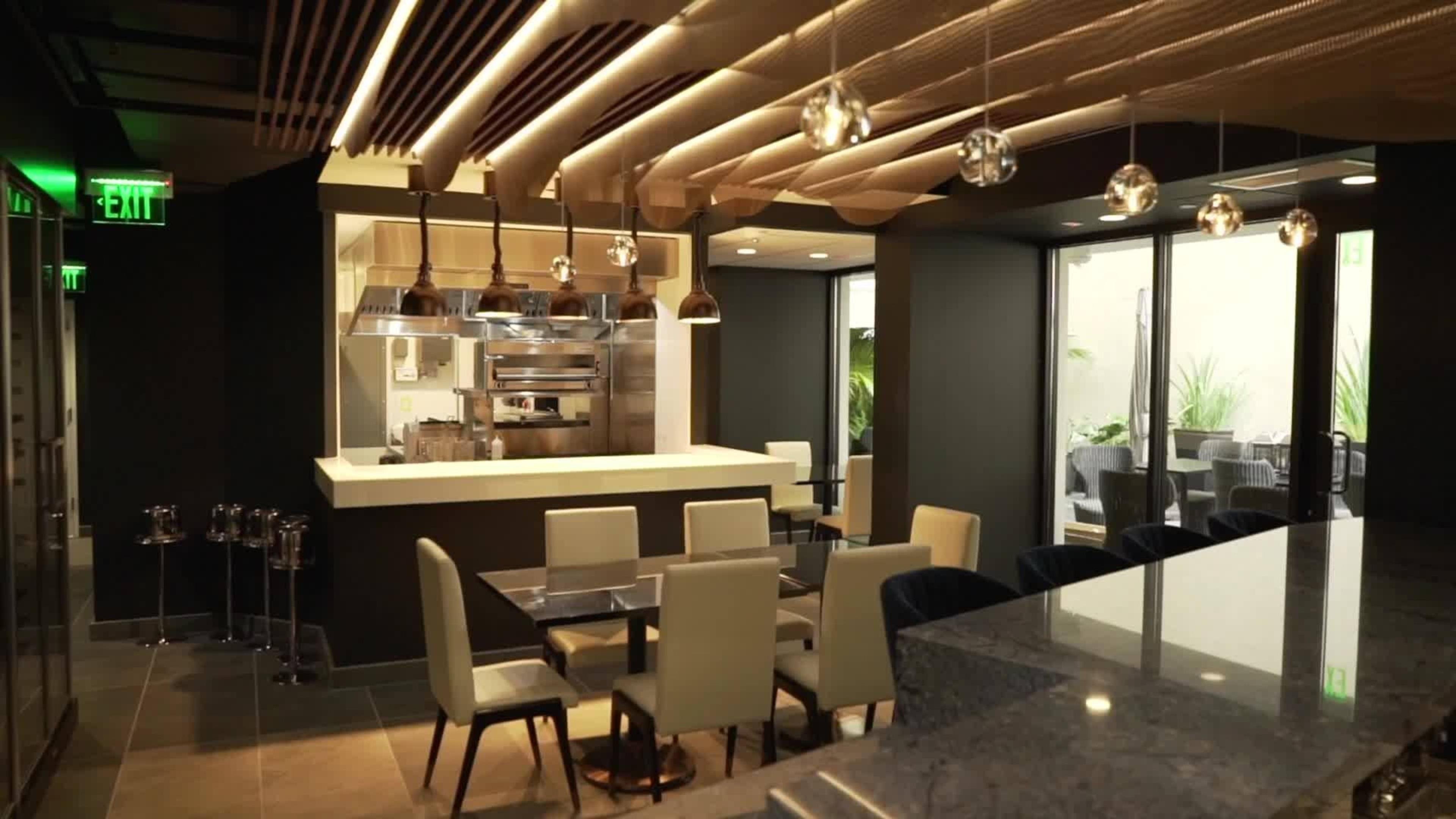
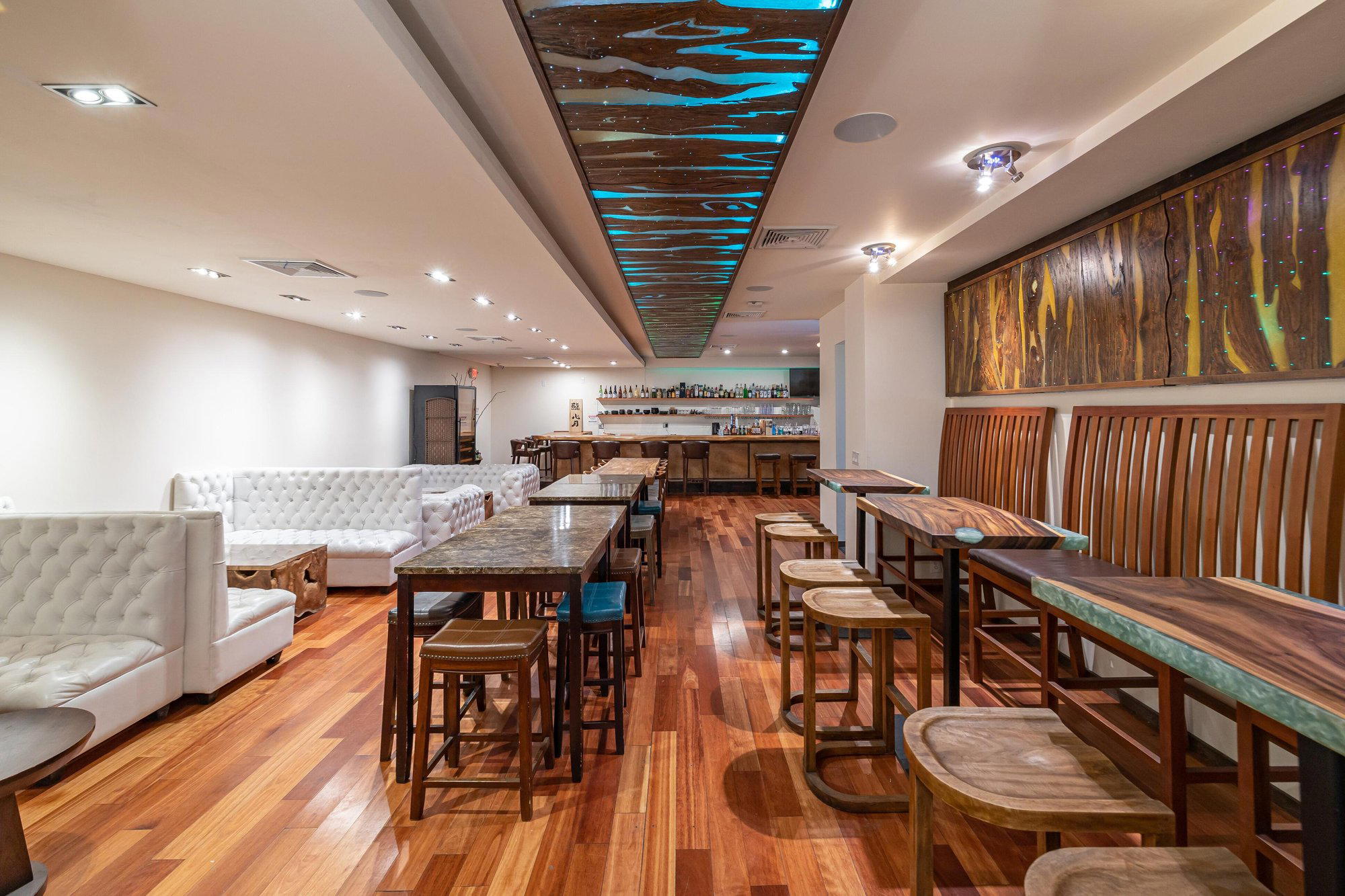
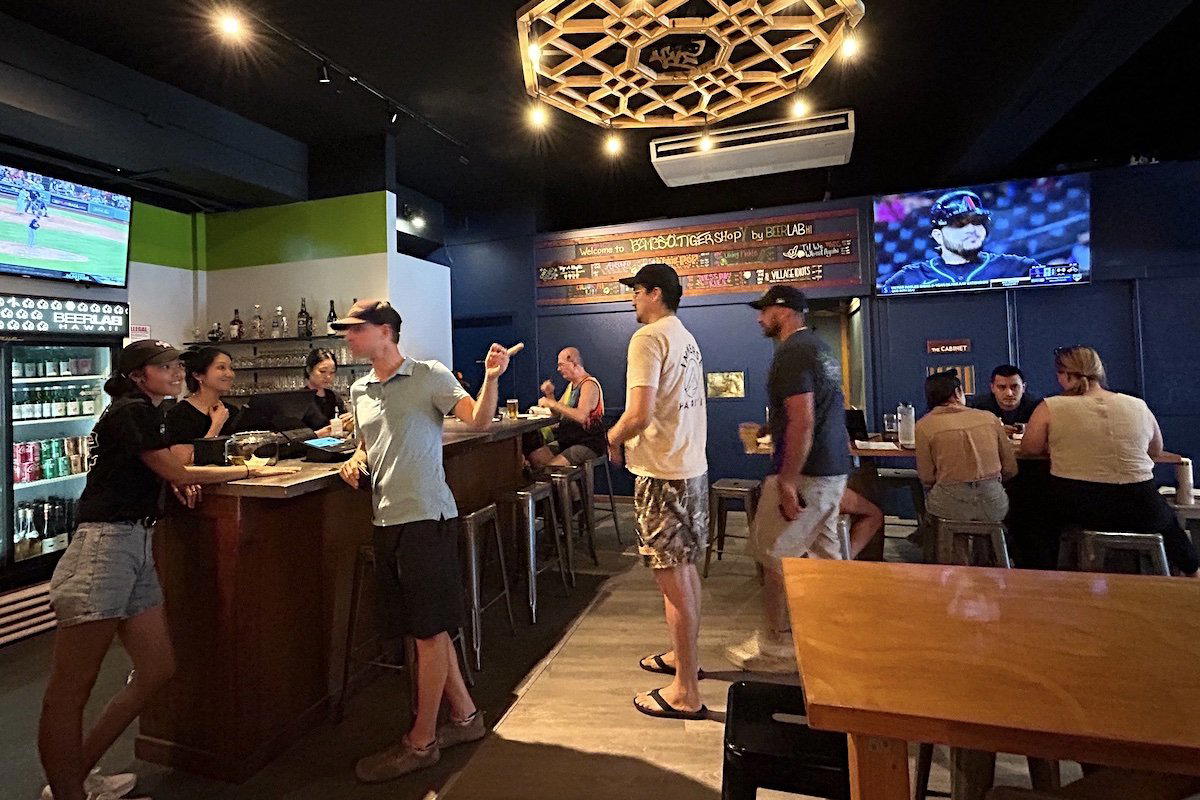
Japanese-Hawaiian restaurants in Oahu's suburban corridors tend to carry a particular atmospheric register: practical without being spartan, family-oriented without being chaotic, and seasoned by years of repeat custom that leaves an almost physical impression on a dining room. Tables are spaced for conversation rather than density. The sounds are the sounds of an active kitchen and a room where people know what they want before they sit down. There is none of the performative quiet of a high-end omakase counter, and none of the noise engineering of a downtown izakaya. The register is more direct than either.
This places Gyotaku - Niu Valley in a category that Honolulu does well and that mainland American cities rarely replicate with the same coherence: the neighborhood Japanese restaurant shaped equally by local Hawaiian food culture and by the deep Japanese immigrant heritage of the islands. That confluence produced a cuisine distinct from both Japanese-American food on the mainland and from Japan-focused omakase dining at the expensive end of Honolulu's market. Where restaurants like 53 By The Sea or Fête (New American) operate in a more formal register, and 3660 On the Rise positions itself as a destination for special occasions, Gyotaku anchors itself to a different, more quotidian kind of loyalty.
The Cuisine Tradition Behind the Name
Japanese-Hawaiian cuisine is not a single codified tradition but a long negotiation between the cooking practices of Japanese immigrants who arrived in Hawaii from the late nineteenth century onward and the ingredients, palates, and cultural mixing of island life. Plate lunch culture absorbed Japanese influences at every level. Sashimi became as much a local staple as a Japanese one. Shoyu, miso, and mirin worked their way into preparations that had no strict Japanese precedent. What emerged was a dining vernacular that feels genuinely local rather than imported.
Restaurants working in this tradition sit in a different competitive set than the fine-dining Japanese houses that have attracted international attention in Honolulu. Comparison to venues like Le Bernardin in New York City, The French Laundry in Napa, or Alinea in Chicago is a category error. Ahaaina Luau and 855-ALOHA operate in adjacent registers, serving different formats of Hawaiian food culture to similarly local-leaning audiences.
The Japanese immigrant tradition in Hawaii also produced a particular approach to seafood: fresh, minimally complicated, presented in ways that respect the fish rather than obscure it. That sensibility runs through the gyotaku concept, where the fish itself is the subject. It is a philosophy closer in spirit to the restraint-focused Japanese cooking traditions that inform high-end venues like Providence in Los Angeles or Addison in San Diego, even if the price point and format are entirely different.
East Honolulu as a Dining Geography
Niu Valley sits roughly eight miles east of Waikiki, which means it operates at a remove from the tourist infrastructure that shapes so much of Honolulu's visible restaurant economy. Visitors who reach this part of Oahu tend to be either staying in east Honolulu, or making a deliberate choice to eat where locals eat. The shopping center context is common to much of Honolulu's neighborhood dining: land costs and practical geography push many good local restaurants into strip-mall formats that reward the visitor willing to ignore the exterior and focus on what's happening in the kitchen.
This dynamic has parallels across the American restaurant landscape. The most consistent cooking in cities like San Francisco, Los Angeles, and Chicago often happens in neighborhoods with no particular hospitality identity, in rooms that prioritize the plate over the photo opportunity. Honolulu is no different, and east Honolulu has a denser concentration of these neighborhood anchors than the Waikiki corridor does. For context on how Honolulu's broader dining geography maps across neighborhoods and price tiers, see our full Honolulu restaurants guide.
The restaurants that endure in these contexts do so because they build the kind of repeat custom that sustains a business through slow seasons and economic shifts. That is a different achievement from winning a Michelin star or appearing in the lists that track venues like Single Thread Farm in Healdsburg, Atomix in New York City, Lazy Bear in San Francisco, or Blue Hill at Stone Barns in Tarrytown. It reflects a different set of values about what a restaurant is for.
Know Before You Go
| Address | 5728 Kalanianaole Hwy, Niu Valley, Honolulu, HI 96821 |
|---|---|
| Area | Niu Valley, east Honolulu, approximately 8 miles from Waikiki |
| Parking | Strip-mall parking available on site |
| Leading approach | By car; east Honolulu is not well served by tourist shuttle routes |
| Hours | |
| Reservations |
How Gyotaku - Niu Valley Honolulu compares with similar nearby venues.
| Venue | Cuisine |
|---|---|
| Roy’s | Asian Fusion |
| Arancino at The Kahala | Italian |
| Hoku’s | Pacific Rim |
At a Glance
- Casual
- Family
- Casual Hangout
- Group Dining
- Sake Program
Current opening hours
- Monday
- 11 AM–2 PM, 4–8 PM
- Tuesday
- 11 AM–2 PM, 4–8 PM
- Wednesday
- 11 AM–2 PM, 4–8 PM
- Thursday
- 11 AM–2 PM, 4–8 PM
- Friday
- 11 AM–2 PM, 4–8 PM
- Saturday
- 11 AM–2 PM, 4–8 PM
- Sunday
- 11 AM–2 PM, 4–8 PM
Hours can change for holidays and private events. Last verified .
Welcoming family-friendly atmosphere with a pleasant, casual dining environment.
Know Before You Go
- Getting there
- Niu Valley, 5728 Kalanianaʻole Hwy, Honolulu, HI 96821