Sushi Murayama
Sushi Murayama occupies a third-floor address on Sheridan Street, away from the tourist corridors that define most Honolulu dining decisions. It operates in a tier of Honolulu sushi where the sourcing conversation matters as much as technique, and where the Pacific's own waters factor into what arrives at the counter. For readers already familiar with Honolulu's serious dining room circuit, this is a venue worth tracking.
Pearl is the En Primeur Club membership app — saves, bookings, and concierge access live there. Same editors, same standards.
- Address
- 808 Sheridan St #307, Honolulu, HI 96814
- Phone
- +1 808 784 2100
- Website
- facebook.com
- Directions
- Get directions
 Saves & bookings on Pearl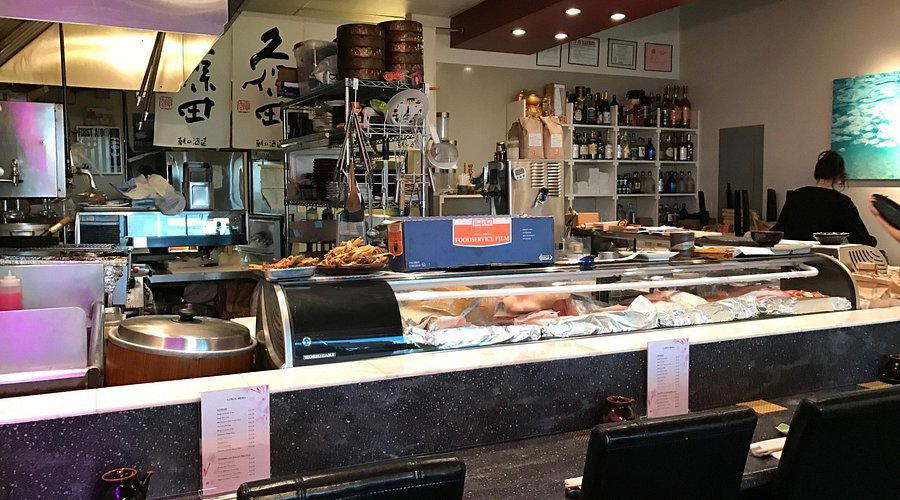
A Counter Removed from the Waikiki Noise
Honolulu's sushi scene has always occupied an unusual position in American dining. The state sits closer to Tokyo than to New York, receives fish from particularly productive Pacific waters in the world, and has a Japanese-American population with genuinely generational ties to the cuisine. That context matters when reading any serious sushi address in the city, because the baseline expectations here are different from most of the continental United States. Sushi Murayama, at 808 Sheridan Street in the third-floor suite above street level, operates at a remove from the beachfront venues where most visitors begin and end their Honolulu eating. That geographic choice alone signals something about the tier it is aiming for.
The Sheridan Street address places it in a stretch of Urban Honolulu that draws a local professional crowd rather than foot traffic from Kalakaua Avenue. Arriving here is a deliberate act. You are not walking past it. That self-selection in the audience tends to produce a different dining room atmosphere from the open-air tourist-facing rooms that line the approaches to Waikiki.
The Sourcing Logic of Pacific Sushi
The ingredient sourcing argument for Hawaii-based sushi is one of the stronger ones in American dining. Hawaii is among the few U.S. states with direct access to bigeye tuna, yellowfin, and Pacific albacore caught under domestic fishery regulation, and the Honolulu Fish Auction at Pier 38 remains among the more significant daily fish markets in the country. What that means in practice for a counter like Sushi Murayama is proximity to product that most Japanese restaurants in Chicago or New York are receiving after additional shipping days. The cold chain is shorter. The fish that arrives at a Honolulu counter on a Tuesday can, in principle, have been swimming on Monday in a way that simply is not available to landlocked American cities.
This is the structural advantage that serious Honolulu sushi addresses carry, and it is the lens through which any omakase-format counter here should be read. The question is not whether Hawaiian sushi can compete with Tokyo on technique or tradition depth. It is whether a specific counter is using the sourcing proximity it has access to with enough discipline to justify the format. Venues in this category earn their position through tuna quality and rice execution, not through decor or brand recognition.
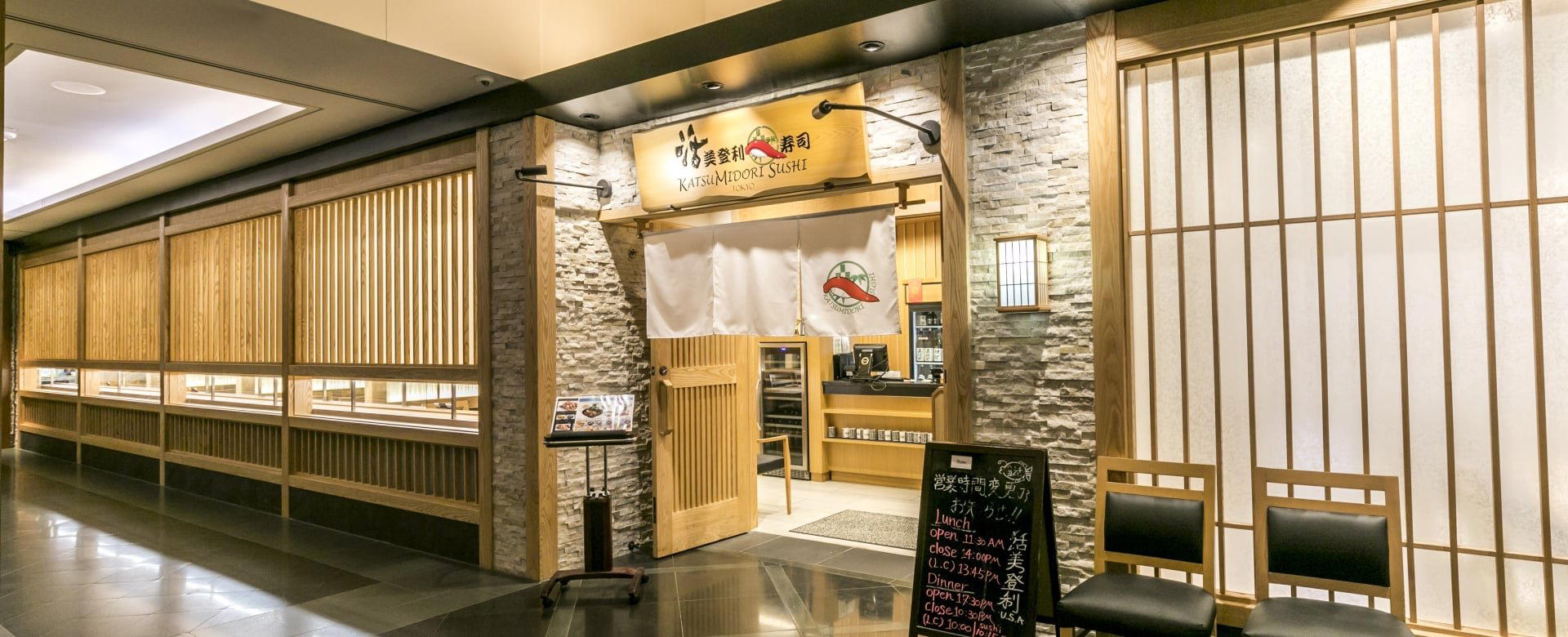
For comparison, the sushi market in Tokyo's Ginza district, where counters like Katsumidori and its comparable set operate, benchmarks against a centuries-deep tradition and a distribution network designed specifically for the craft. Honolulu operates differently: fewer counters, a smaller peer group of serious practitioners, and a sourcing geography that is its primary competitive advantage over comparable U.S. mainland addresses.
Where This Counter Sits in Honolulu's Dining Hierarchy
Honolulu's upscale Japanese dining bracket is smaller than its visitor volume might suggest. A handful of serious omakase and kaiseki addresses serve a market that is partly local professional, partly Japan-connected, and partly high-end visitor. Imanas Tei has held its position as a long-running traditional Japanese address for local residents. Lucky Belly occupies a different tier, ramen-focused and neighborhood-casual. IL TAPPO Hawaii represents the Italian wine bar end of the local fine dining spectrum. Sushi Murayama, based on its address and format, is operating in the sushi counter tier, which in Honolulu means competing on fish quality, counter craft, and the ability to attract the segment of the dining public that treats sushi as a serious eating occasion rather than a casual one.
For readers who cross-reference Honolulu against the cocktail and hospitality programs at venues like Bar Leather Apron in Honolulu, which applies a similar discipline-over-spectacle logic to its drinks program, the positioning will feel familiar. The city has a small but coherent tier of establishments that prioritize craft credentials over foot traffic, and Sushi Murayama reads as part of that group.
Seasonal Timing and When the Counter Makes Most Sense
Hawaii's fish supply has seasonal rhythms that affect what any serious counter is working with at a given time of year. Pacific bluefin has seasonal peaks. Ahi quality shifts through the year based on water temperature and migration patterns. Visiting in the late summer and early fall months generally aligns with periods of broader tuna availability and favorable Pacific conditions, though any specific counter's sourcing decisions will reflect their individual supplier relationships. The point is that the calendar matters for Pacific sushi in a way it does not always matter for, say, a steakhouse or a pasta-focused room.
Honolulu's broader hospitality season peaks in winter and early spring, when visitors from colder U.S. states and Japan move through the city in higher numbers. Counter availability at serious sushi addresses tends to compress during those months. Readers planning a visit specifically around the sushi experience should treat the shoulder months of late summer as logistically easier, even if the dining room energy is quieter.
Planning Your Visit
The bar is at 808 Sheridan Street, Suite 307, in Urban Honolulu. The third-floor location makes it less visible from street level than most dining destinations in the city, so confirming the entry approach before arriving is worth doing. Detailed booking information and current hours are available through current listings and direct contact. This is not unusual for counter-format sushi addresses that manage their reservations through direct or third-party booking systems and prefer to keep capacity controlled.
Readers building a broader Honolulu itinerary around drinking and eating should note that the city's bar circuit includes several well-regarded programs. Beachhouse at the Moana anchors the Waikiki hotel bar end of the spectrum. Duke's Waikiki operates in a different register entirely, a high-volume open-air room with a distinct character. On the neighborhood bar side, 9th Ave Rock House and Andy's Sandwiches and Smoothies represent the more local-facing end of Honolulu's food and drink scene. For readers curious about how serious cocktail programming compares across U.S. cities, the EP Club also covers Kumiko in Chicago, Superbueno in New York City, ABV in San Francisco, Julep in Houston, Jewel of the South in New Orleans, and The Parlour in Frankfurt on the Main.
Peers Worth Knowing
Comparable venues nearby, for context on price, style, and recognition.
| Venue | Cuisine | Price | Notes |
|---|---|---|---|
| Sushi MurayamaThis venue — the venue you are viewing | sake_bar | $$$ | Not listed |
| Maguro Brothers Hawaii Waikiki | sake_bar | $ | Waikiki |
| The Myna Bird Tiki Bar | tiki_bar | $$ | Kapahulu |
| Tokkuri Tei | sake_bar | $ | Kapahulu |
| San Paolo Pizzeria | wine_bar | $$ | Waikiki |
| Sushi Sho | sake_bar | $$$$ | Waikiki |
Continue exploring
More in Urban Honolulu
Bars in Urban Honolulu
Browse all →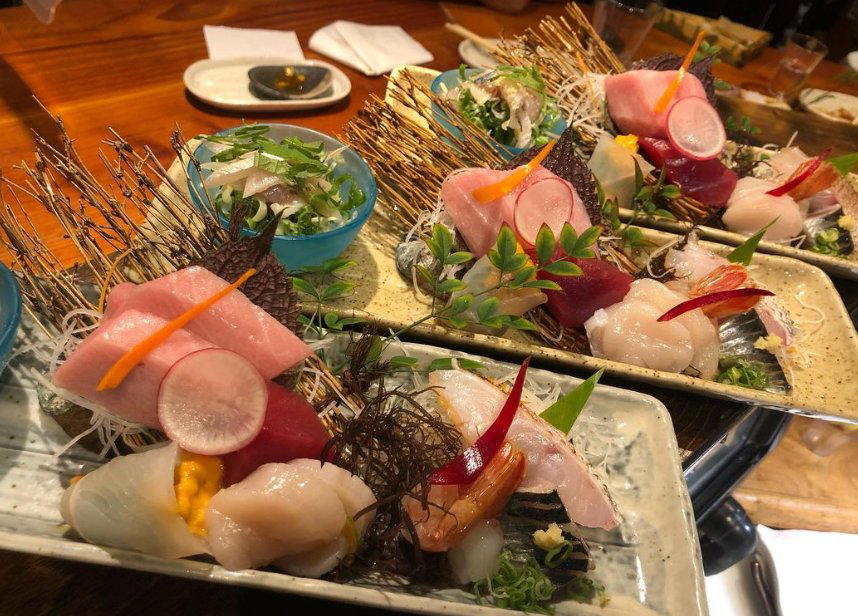
Restaurants in Urban Honolulu
Browse all →
At a Glance
- Modern
- Elegant
- Intimate
- Sophisticated
- Date Night
- Special Occasion
- Design Destination
- Counter Only
- Sake
Current opening hours
- Monday
- 5:30–9 PM
- Tuesday
- 11:30 AM–2 PM, 5:30–9 PM
- Wednesday
- 11:30 AM–2 PM, 5:30–9 PM
- Thursday
- 11:30 AM–2 PM, 5:30–9 PM
- Friday
- 11:30 AM–2 PM, 5:30–9 PM
- Saturday
- 11:30 AM–2 PM, 5:30–9 PM
- Sunday
- 5:30–9 PM
Hours can change for holidays and private events. Last verified .
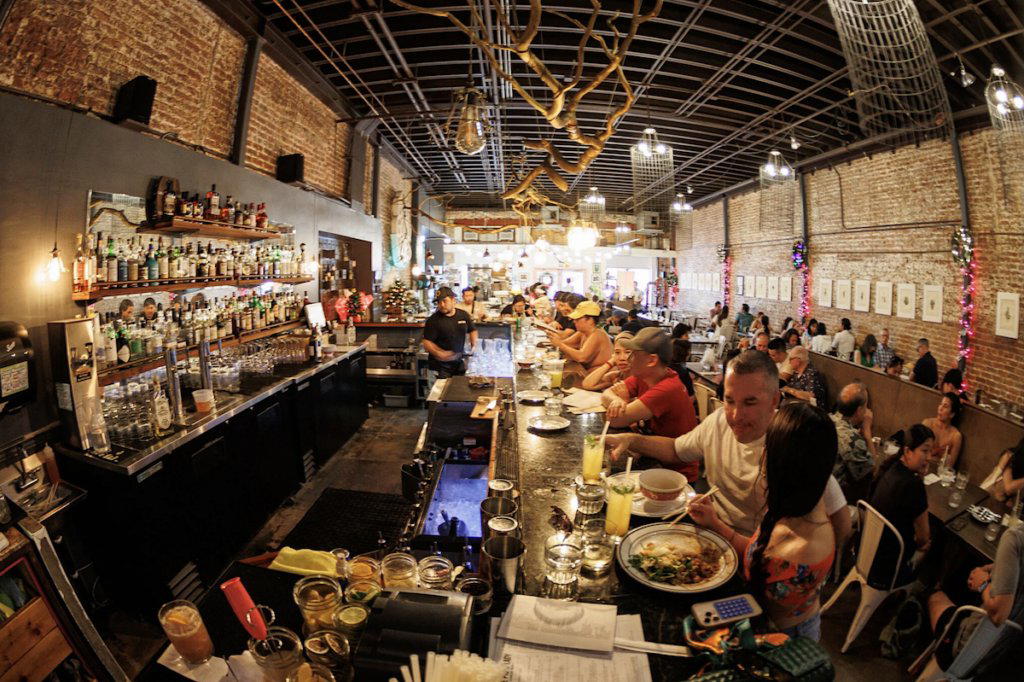
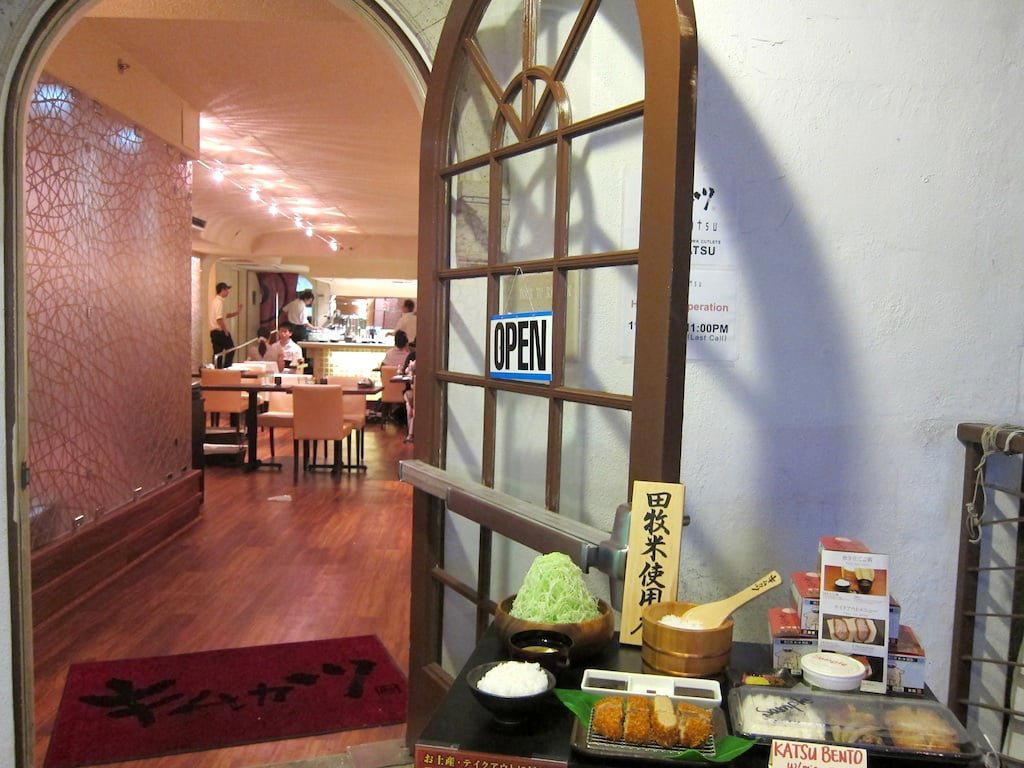
Modern sushi bar with an intimate counter setting focused on authentic Japanese craftsmanship.