Shichimusubi
Shichimusubi focuses on Japanese musubi at counter service, with Spam Musubi and Salmon Musubi suited to a quick lunch in Honolulu.
Pearl is the En Primeur Club membership app — saves, bookings, and concierge access live there. Same editors, same standards.
- Address
- 2250 Kalākaua Ave, Honolulu, HI 96815
- Phone
- (808) 777-3557
- Website
- waikiki-yokocho.com
- Directions
- Get directions
 Saves & bookings on Pearl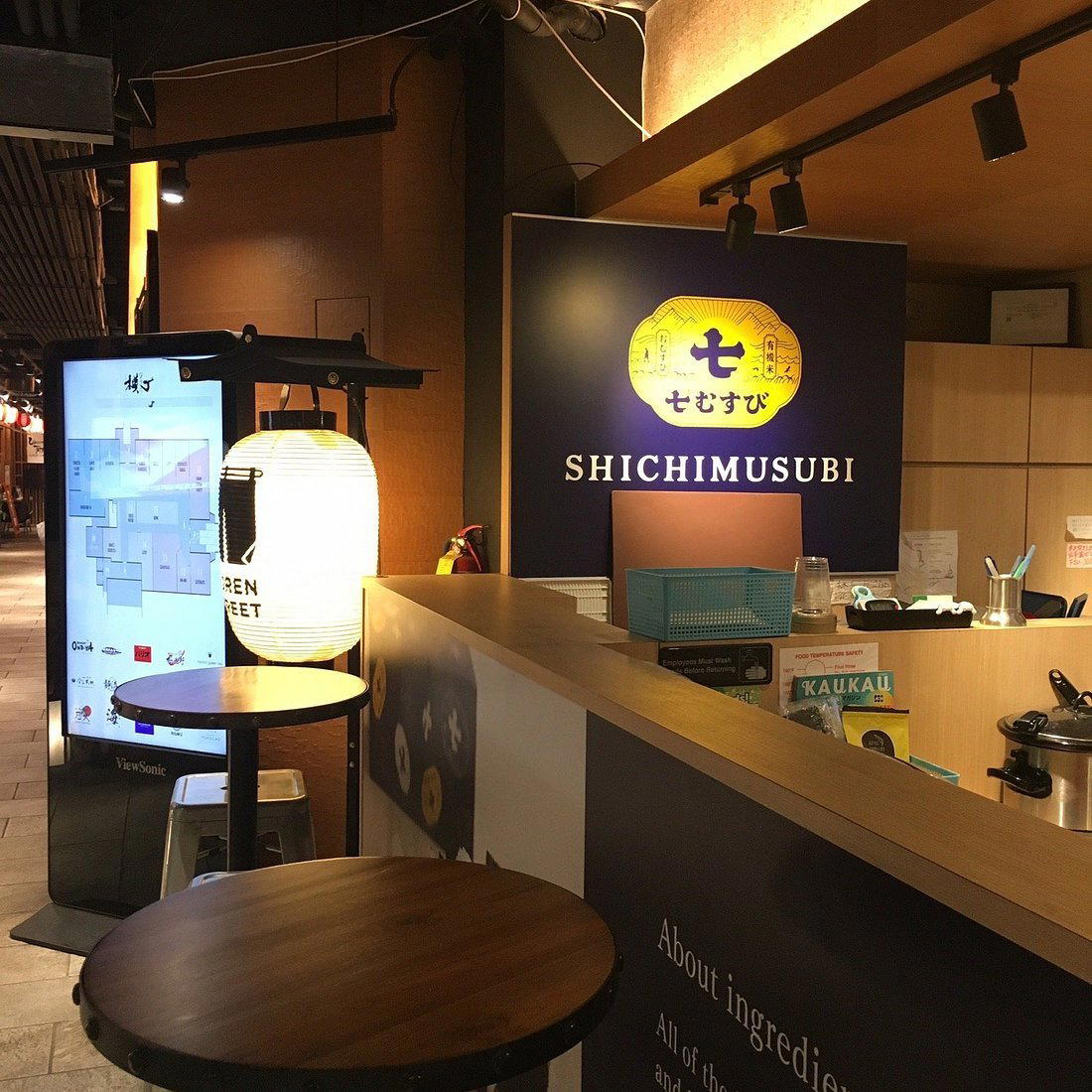
Where Waikiki Meets the Counter
Kalākaua Avenue runs through among the more commercially saturated stretches in the Pacific, where resort dining ranges from poolside buffets to white-tablecloth rooms aimed squarely at convention groups and honeymooners. Against that backdrop, a Japanese-inflected counter operation at 2250 Kalākaua Ave signals something different: a format that depends on intimacy and precision rather than volume and spectacle. Shichimusubi sits at that address, and its position on one of Honolulu's most tourist-dense corridors is itself an editorial point.
The Lunch-Dinner Divide in Honolulu Japanese Dining
In most Japanese dining traditions, the gap between lunch and dinner service is not merely about price, it reflects a fundamentally different relationship between kitchen and guest. Lunch formats in Japan-influenced restaurants tend toward set meals, abbreviated omakase, or a la carte selections that allow the kitchen to move faster without sacrificing sourcing standards. Dinner service slows that pace, extends the menu, and asks more of both sides of the counter. Honolulu's Japanese dining scene, shaped by generations of Japanese immigration to Hawaii and reinforced by direct travel links to Japan, has absorbed this structure more deeply than most American cities. Venues like Ginza Bairin and Fujiyama Texas each occupy different points on the formality spectrum, but the lunch-dinner split runs across all of them.
At the Waikiki end of that spectrum, the lunch hour draws a mix of hotel guests who want something more considered than a resort buffet and local workers who know where to find a disciplined midday meal without a reservation. Evening service, particularly in counter-format restaurants, shifts toward guests who have planned their visit, often days in advance. That planning behavior is a reliable indicator of how seriously a room is taken by those who know it. The distinction matters for how you approach Shichimusubi: the time of day you choose will shape the register of the experience, not just the length of the check.
Counter Dining in the Resort Corridor
The counter format, whether applied to sushi, izakaya dishes, or a hybrid menu, functions differently in a resort corridor than it does in a residential neighborhood. In a neighborhood setting, counter restaurants depend on regulars who return weekly and whose preferences the kitchen tracks over time. In a Waikiki address, the kitchen faces a more variable audience, but the counter format itself enforces a discipline that separates these rooms from the broader resort dining market. You are seated close to the work, the pace is set by the kitchen rather than by a dining room manager trying to turn tables, and the format implicitly asks for your attention in return.
That implicit contract is what places Honolulu's counter-format Japanese restaurants in a separate competitive tier from the hotel dining rooms that dominate the area. Venues like 53 By The Sea and Fête occupy the white-tablecloth contemporary space; 3660 On the Rise sits in the established Euro-Pacific fine dining tier. The counter-format Japanese room answers a different question, one about precision over presentation, and proximity over plating distance.
Where Shichimusubi Sits in the Honolulu Scene
Honolulu's Japanese dining scene carries a historical depth that mainland American cities cannot match. The Japanese community in Hawaii dates to the 1880s plantation era, and that long integration has produced a food culture where Japanese techniques appear not as imports but as native vocabulary, in plate lunches, in family-run ramen shops, in bento culture, and in the kind of disciplined counter operations that have no equivalent in cities where Japanese dining arrived more recently. This context matters when reading any serious Japanese restaurant on the island: the audience includes people who grew up with these techniques and know when they are being executed well.
Within that scene, Shichimusubi at 2250 Kalākaua Ave occupies a Waikiki address that places it in the highest-visibility, highest-traffic sub-market on Oahu. The comparison set for a restaurant at this address runs across a wider range than a venue in Kakaako or Kaimuki would face, it competes for the attention of both the informed local and the traveling guest who has done serious research. For context on how the highest tier of American counter dining is positioned nationally, venues like Atomix in New York City and Providence in Los Angeles set benchmarks for what deliberate counter-format programming looks like at the awards level. Closer in geography and format philosophy, Single Thread Farm in Healdsburg and Addison in San Diego show how the Western United States has developed its own grammar for precision dining. Honolulu's leading Japanese counters sit in a separate lineage from all of these, drawing on a Pacific tradition that is neither mainland American nor straightforwardly Japanese.
Planning Your Visit
The Waikiki location means Shichimusubi benefits from the area's concentrated hotel stock and the foot traffic that comes with it, but it also operates in among the more competitive restaurant corridors in Hawaii. For visitors, the practical logic is to treat this as a walk-in-friendly stop rather than a reservation-required stop, particularly for evening service. The lunch window may offer more flexibility, but the character of the meal changes accordingly, lighter, faster, and structured for a midday pace rather than an extended counter session. Other stops worth considering include 855-ALOHA and Ahaaina Luau for a different register of Hawaiian hospitality. For those arriving from cities with dense fine-dining markets, the reference points of Le Bernardin in New York City, Alinea in Chicago, The French Laundry in Napa, Blue Hill at Stone Barns in Tarrytown, The Inn at Little Washington, Lazy Bear in San Francisco, Emeril's in New Orleans, and 8 1/2 Otto e Mezzo Bombana in Hong Kong help calibrate expectations for how precision dining at this address compares internationally.
Know Before You Go
- Address: 2250 Kalākaua Ave, Honolulu, HI 96815
- Neighbourhood: Waikiki, on the main resort corridor
- Format: Japanese counter dining; service register shifts between lunch and evening
- Price range: About $10 per person
- Hours: Mon-Sun: 11 AM to 9:30 PM
- Context: Part of a Honolulu Japanese dining scene shaped by over a century of Japanese-Hawaiian culinary integration
Credentials Lens
Comparable venues nearby, for context on price, style, and recognition.
| Venue | Cuisine | Price | Notes |
|---|---|---|---|
| ShichimusubiThis venue — the venue you are viewing | Japanese Musubi | $ | Not listed |
| Izakaya Pau Hana Base | Authentic Japanese Izakaya | $ | Waikiki |
| Mitsu-Ken | Japanese Okazuya Bento | $ | Kalihi-Palama |
| Kamukura Surf + Dine | Japanese-Hawaiian Fusion Ramen and Sushi | $$ | Kapahulu |
| Maguro Brothers | Fresh Japanese Sashimi & Poke | $ | Chinatown |
| Tanaka of Tokyo West | Teppanyaki Japanese Steakhouse | $$$ | Ala Moana |
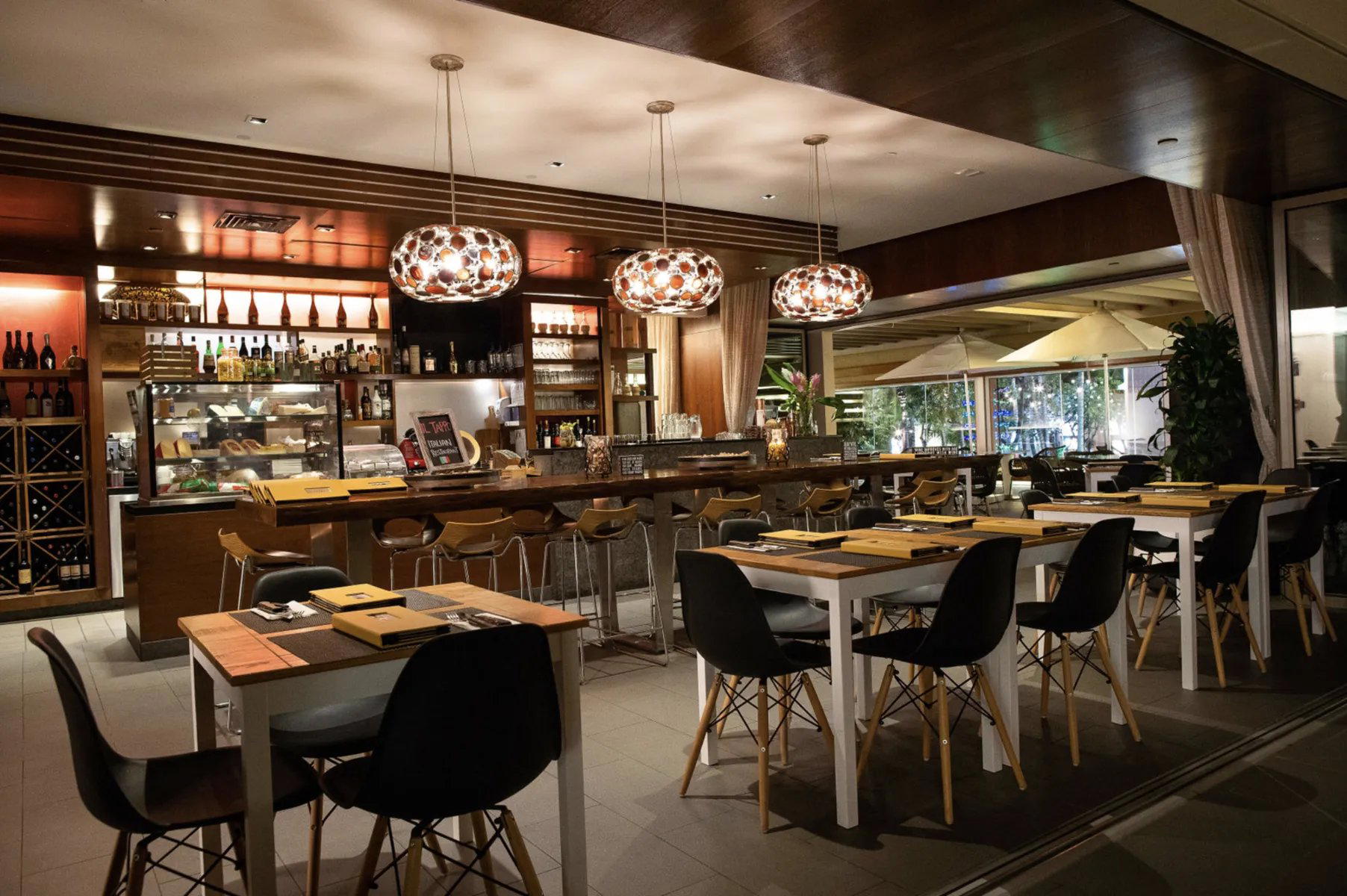
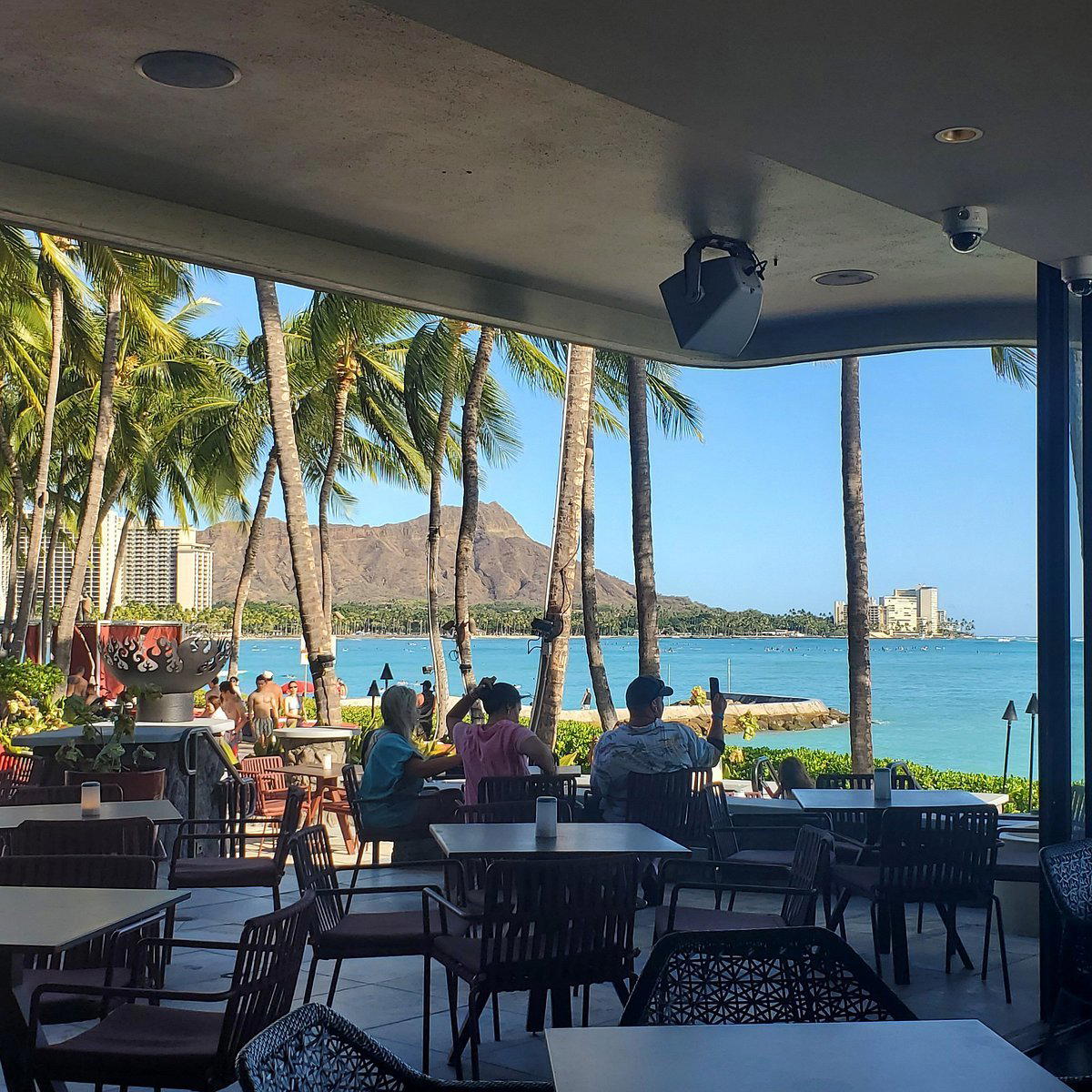
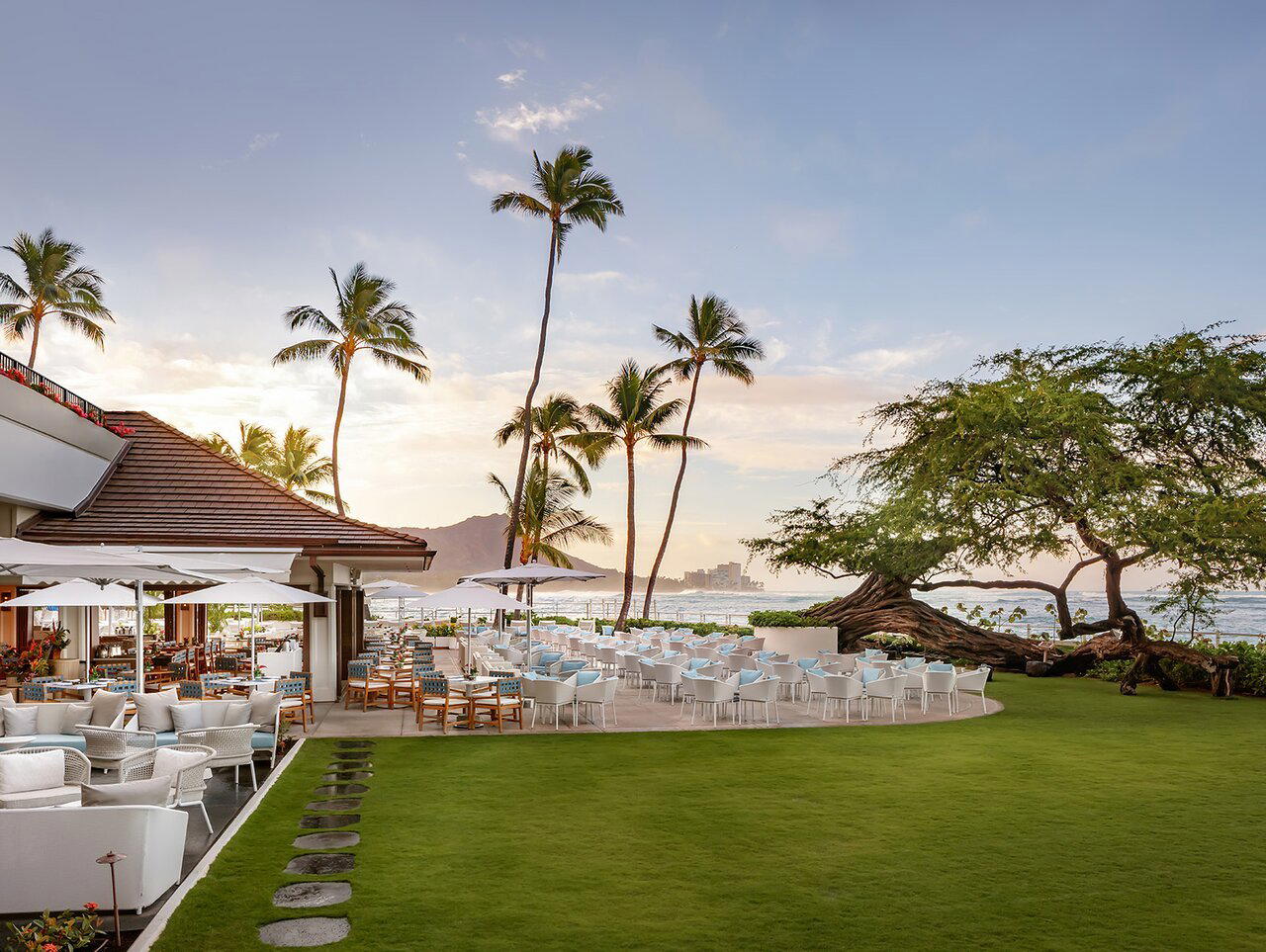
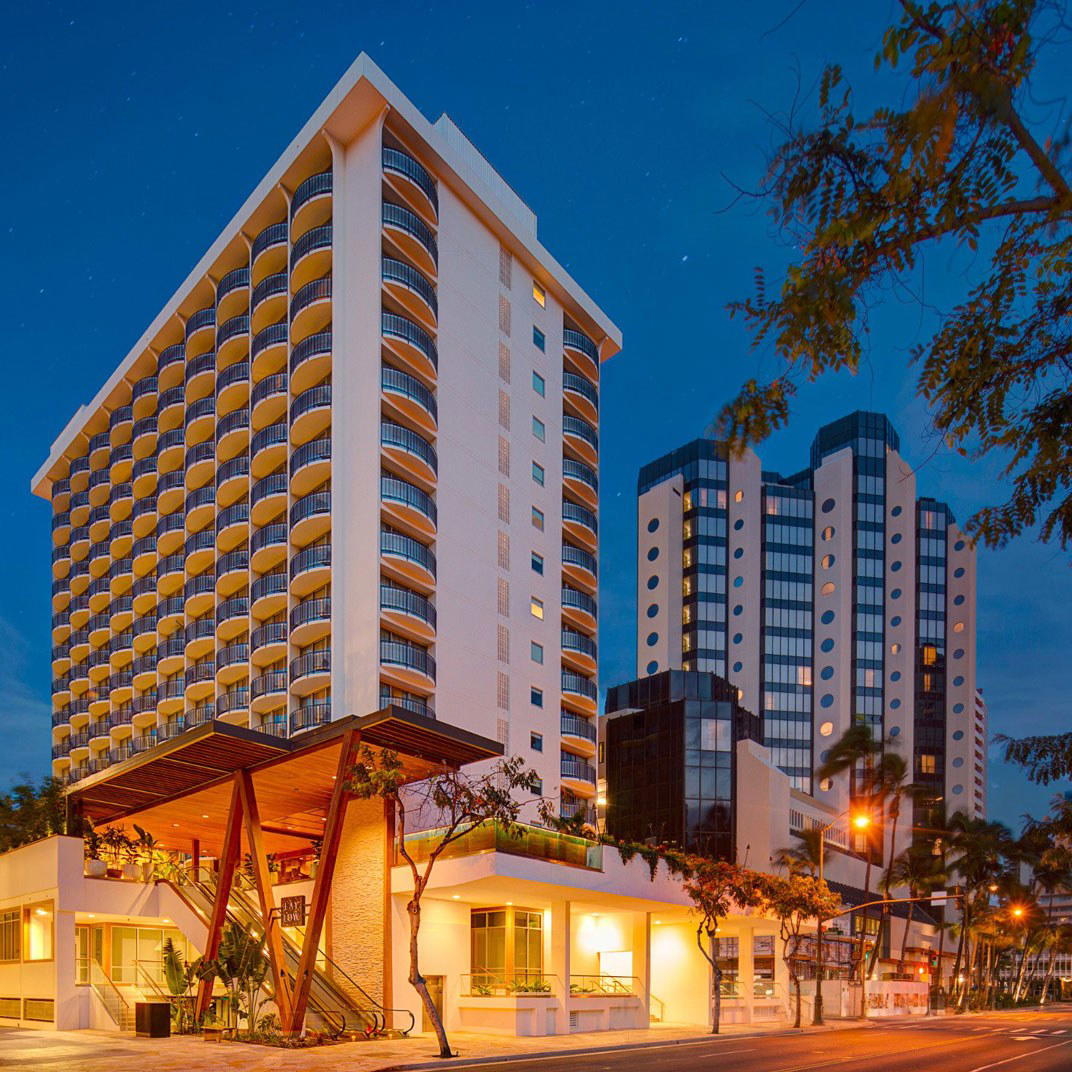
At a Glance
- Trendy
- Casual
- Casual Hangout
- Organic
Current opening hours
- Monday
- 11 AM–9:30 PM
- Tuesday
- 11 AM–9:30 PM
- Wednesday
- 11 AM–9:30 PM
- Thursday
- 11 AM–9:30 PM
- Friday
- 11 AM–9:30 PM
- Saturday
- 11 AM–9:30 PM
- Sunday
- 11 AM–9:30 PM
Hours can change for holidays and private events. Last verified .
Casual counter-service spot in a food hall with a focus on fresh, warm rice balls.