855-ALOHA
Our verdict
855-ALOHA sits on Nāhua Street in Waikiki's quieter residential fringe, away from the strip's loudest commerce. Verification of current hours, booking policy, and menu details is recommended before visiting.

Pearl is the En Primeur Club membership app, where members save venues, book tables and use the concierge.
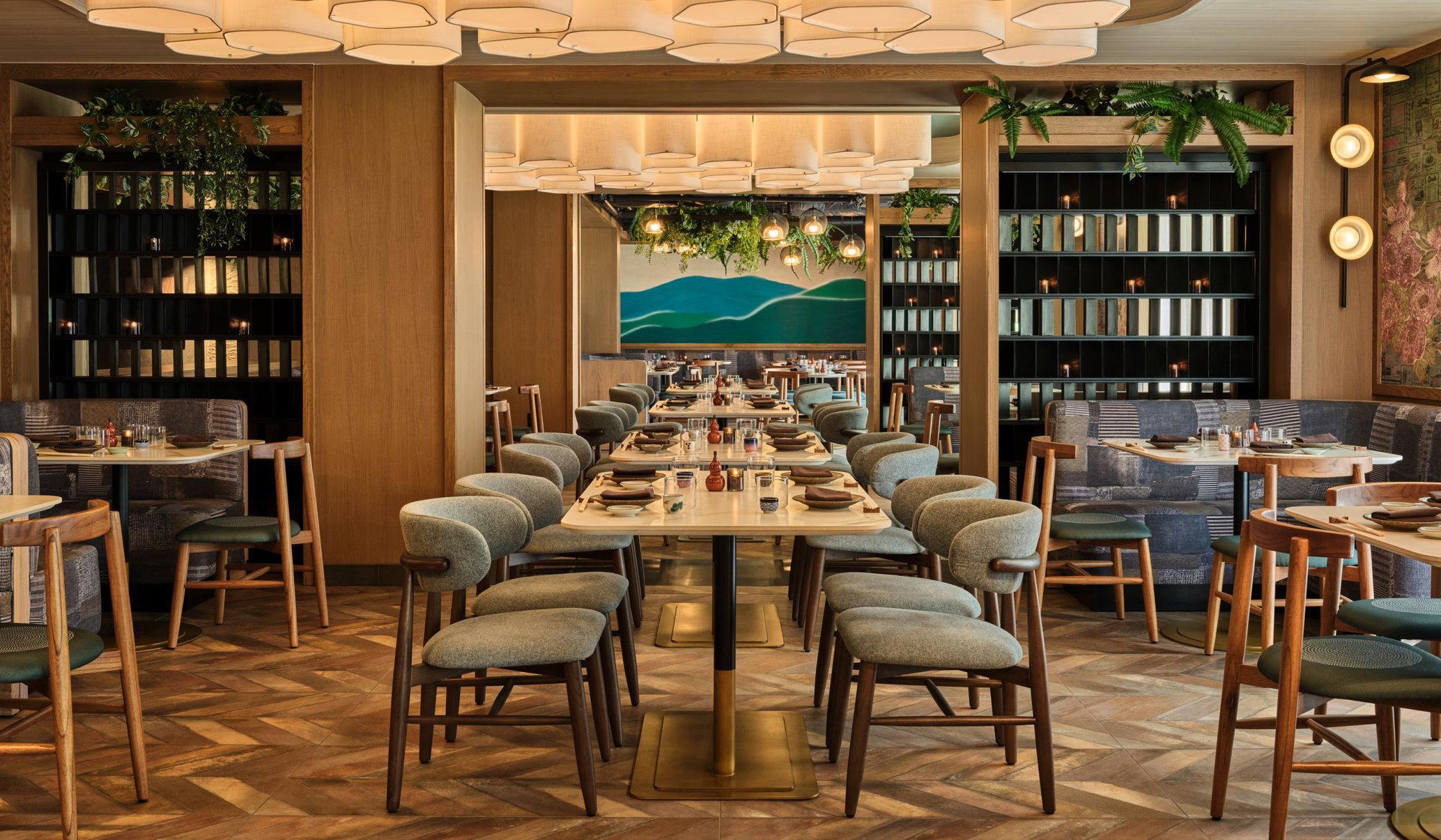
The menu
What to order
- Aloha Platter
- Wagyu Sandwich
- Aloha Spoon
- Hammah Pork Chop
Nāhua Street and What It Tells You Before You Walk In
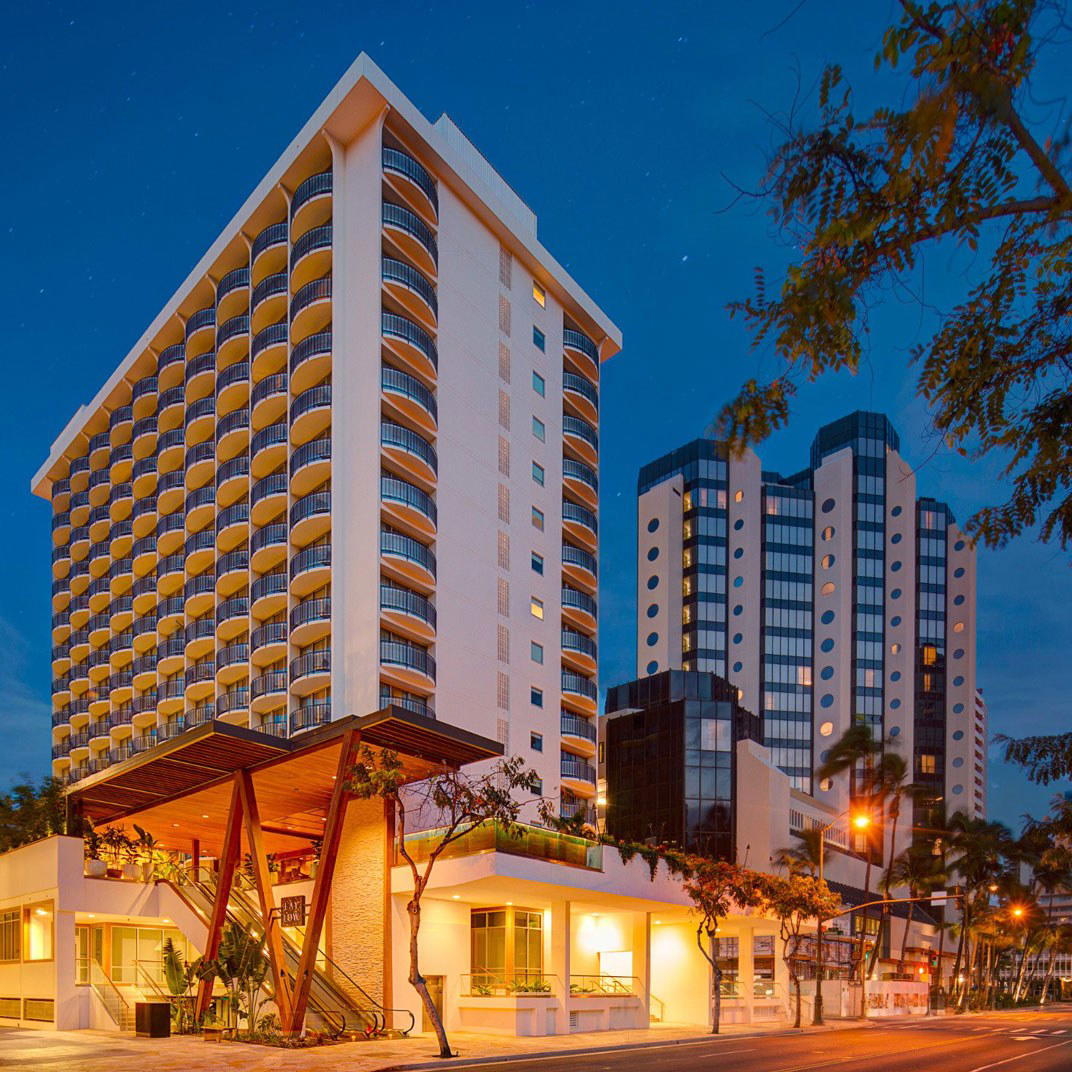
Waikiki has two speeds: the beachfront boulevard pace, where every block competes for foot traffic with neon and ukulele playlists, and the quieter residential grid that begins one or two streets back. Nāhua Street operates at the second speed. At 415 Nāhua, you are technically inside Waikiki's boundaries, but the atmosphere at street level reads differently from Kalākaua Avenue. Foot traffic thins. The buildings are lower. The commercial density drops off. In a neighbourhood where address is often the first signal of a venue's intent, the Nāhua Street location for 855-ALOHA places it in a specific register: less performance, more purpose. The hotels anchored along the waterfront house their own restaurants in a largely self-contained ecosystem, while the blocks behind them have historically supported a different kind of operation. The venues that have earned local regulars in this city are often the ones that chose the quieter streets. On one side, the destination restaurants that require planning months in advance and arrive with significant critical scaffolding: places like Lazy Bear in San Francisco, Alinea in Chicago, or The French Laundry in Napa, where the booking process itself is part of the ritual. On the other, a quieter category of restaurants that function primarily as neighbourhood anchors, earning their standing through consistency rather than spectacle. The more formally credentialled end of the city's dining spectrum includes venues like Atomix in New York City, working from a Korean foundation, or Providence in Los Angeles, with its Pacific seafood emphasis, gesture at how coastal American cities have developed sophisticated dialogues between local produce and international technique.
For comparison across the American fine dining tier more broadly, the range extends from the farm-system rigour of Blue Hill at Stone Barns in Tarrytown and Single Thread Farm in Healdsburg to the classical French authority of Le Bernardin in New York City. Hawaii's dining identity sits apart from all of those reference points, driven by geography, product availability, and a cultural inheritance that has no clean parallel in the continental United States.
Venues operating in Waikiki's residential fringe, as 855-ALOHA does, tend to engage that local identity more directly than their beachfront counterparts. The audience is different, the price pressure is different, and the expectation is generally calibrated around repeat visits rather than once-only tourist occasions.
What the Address Leaves Open
The honest position on 855-ALOHA at this point is that the available verified data is limited to its street address. Cuisine type, format, price range, hours, and booking method are all unconfirmed.
The address at 415 Nāhua places it within walking distance of the main Waikiki grid but a deliberate step removed from it. For visitors staying in the central Waikiki hotel corridor, that is a short walk rather than a logistical commitment. For readers planning around it, the practical advice is to confirm current details directly before building an itinerary around the visit. Our Addison in San Diego, Emeril's in New Orleans, and The Inn at Little Washington in Washington. Each of those venues draws its identity partly from its location and the cultural context that location carries. 855-ALOHA's Nāhua Street address invites a similar reading, even if the full picture requires a visit to confirm.
Internationally, the model of a serious dining room operating at one remove from a city's tourist concentration has parallels in venues like 8 1/2 Otto e Mezzo Bombana (Hong Kong) in Hong Kong, where the surrounding commercial context shapes the experience as much as the menu does. The
Frequently asked questions
What part of town is 855-ALOHA in?
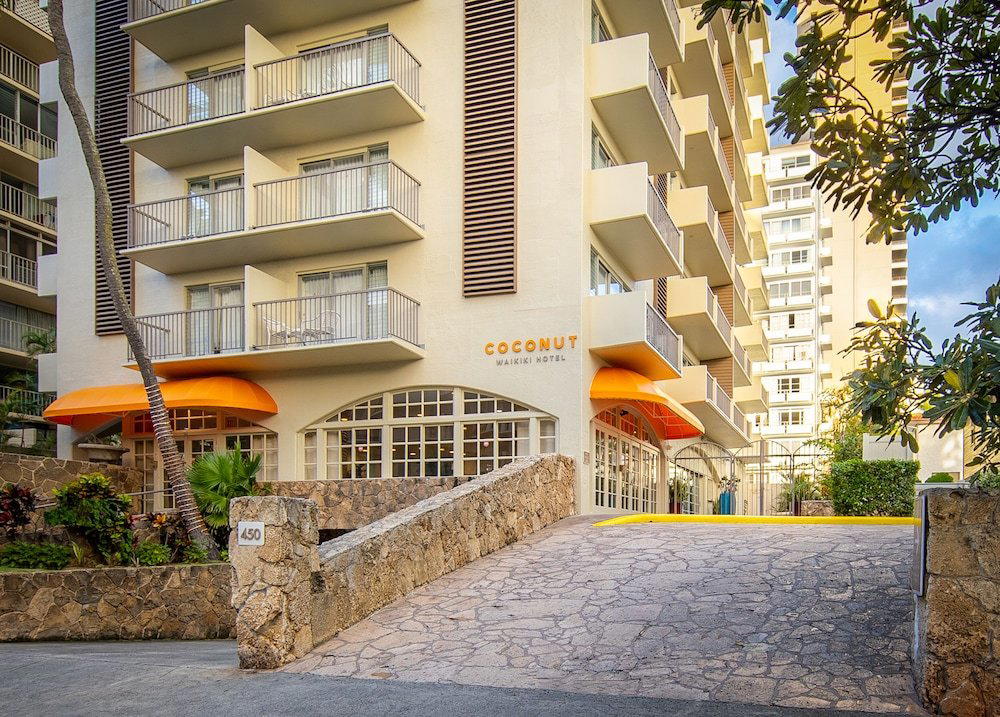
855-ALOHA is located at 415 Nāhua St, Honolulu, HI 96815, Honolulu.
What makes 855-ALOHA's location on Nāhua Street different from typical Waikiki dining?
At 415 Nāhua Street, 855-ALOHA sits several blocks back from the beachfront strip where Waikiki's high-volume tourist trade concentrates. That address places it in the quieter residential fringe of the district, a corridor that in Honolulu has historically supported neighbourhood-oriented venues serving a more local repeat clientele rather than walk-in tourist traffic.
What's the must-try dish at 855-ALOHA?
Hawaii's broader dining culture draws on Japanese, Filipino, Korean, and Portuguese culinary traditions, so venues in this neighbourhood often reflect that multi-layered local food identity.
Is 855-ALOHA reservation-only?
Smaller independent venues on Nāhua Street, a residential side street removed from Waikiki's main commercial corridor, tend to operate with limited covers, which often makes advance contact worthwhile. Reach out directly to confirm availability before making the trip.
How It Stacks Up
Comparable venues nearby, for context on price, style, and recognition.
| Venue | Cuisine | Price | Notes |
|---|---|---|---|
| 855-ALOHAThis venue (the venue you are viewing) | Modern Hawaiian Fusion Izakaya | $50–100 | Not listed |
| The Dotted Line | Global Fusion with Hawaiian Influences | Not listed | Downtown Honolulu |
| PAI Honolulu | Modern Hawaiian Fusion Fine Dining | $50–100 | Downtown Honolulu |
| Eating House 1849 by Roy Yamaguchi - Waikiki, Oahu | Modern Hawaiian Plantation Fusion | $50–100 | Kapahulu |
| 3660 On the Rise | Euro-Island Fusion | Not listed | Kaimuki |
| Mana + Pua | Contemporary European Bistro with Hawaiian Fusion | Not listed | Kakaako |
Continue exploring
More in Honolulu
Restaurants in Honolulu
All restaurants in Honolulu →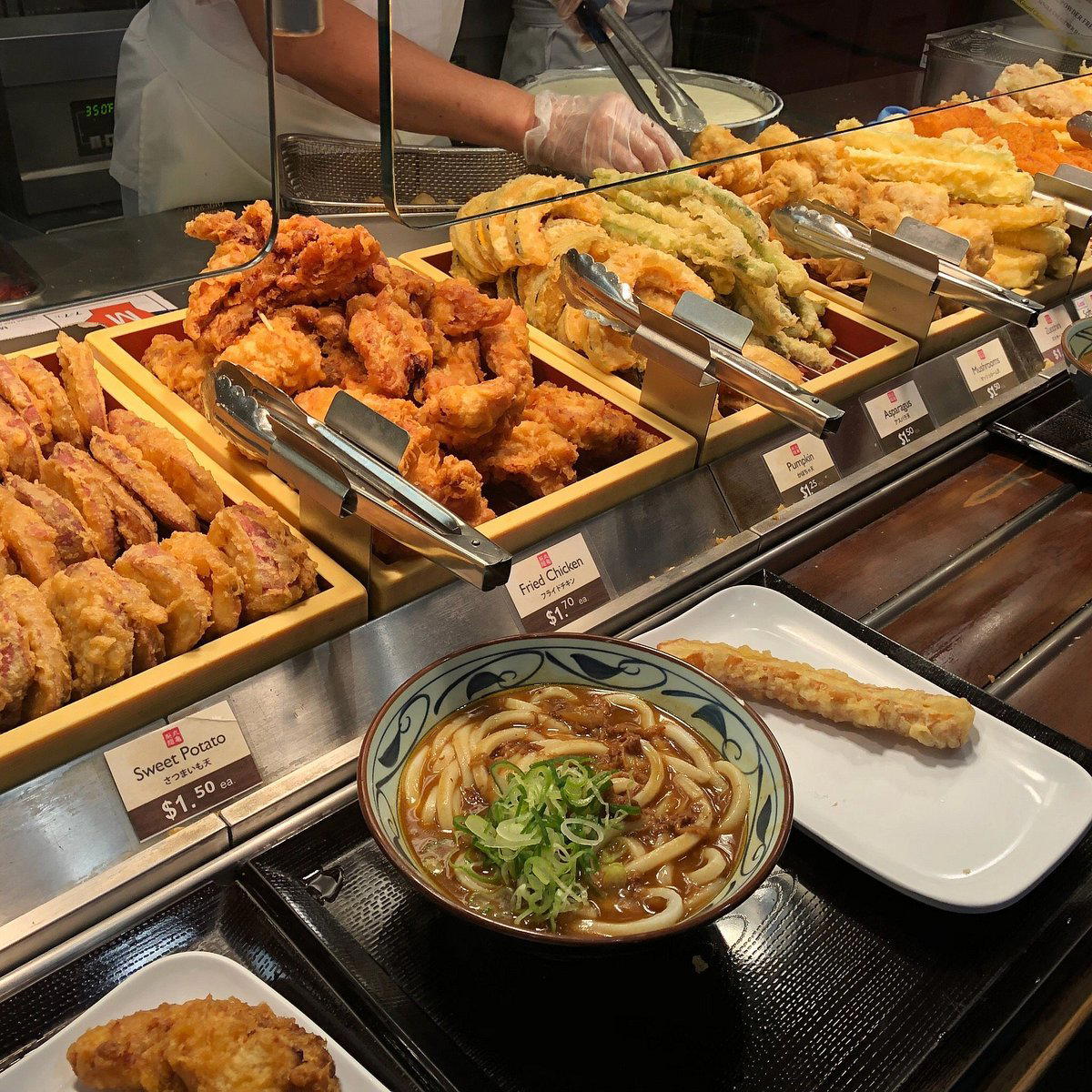
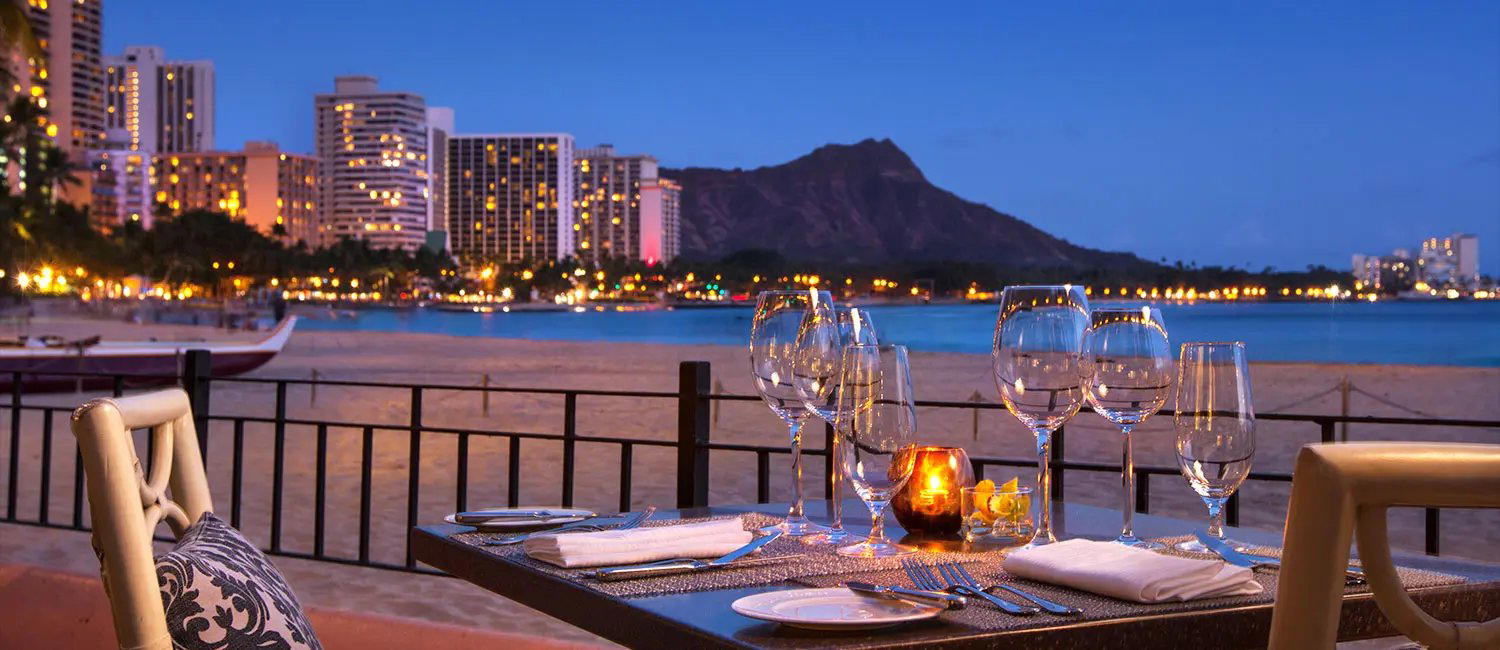
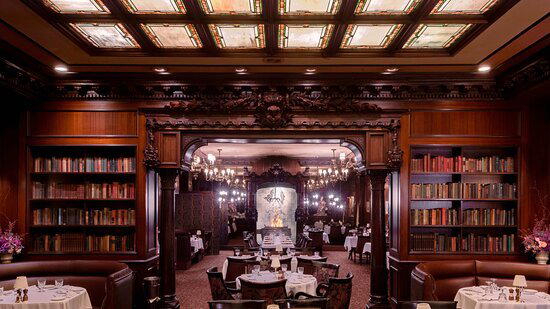
Bars in Honolulu
All bars in Honolulu →
Details
- Trendy
- Retro
- Lively
- Date Night
- Casual Hangout
- Late Night
- Open Kitchen
- Hotel Restaurant
- Craft Cocktails
- A La Carte
- Small Plates
- Craft Cocktails
- Vegetarian Friendly
Current opening hours
- Monday
- 7–11 AM
- Tuesday
- 7–11 AM, 5–10 PM
- Wednesday
- 7–11 AM, 5–10 PM
- Thursday
- 7–11 AM, 5–10 PM
- Friday
- 7–11 AM, 5–10 PM
- Saturday
- 7–11 AM, 5–10 PM
- Sunday
- 7–11 AM
Hours can change for holidays and private events. Hours as of .
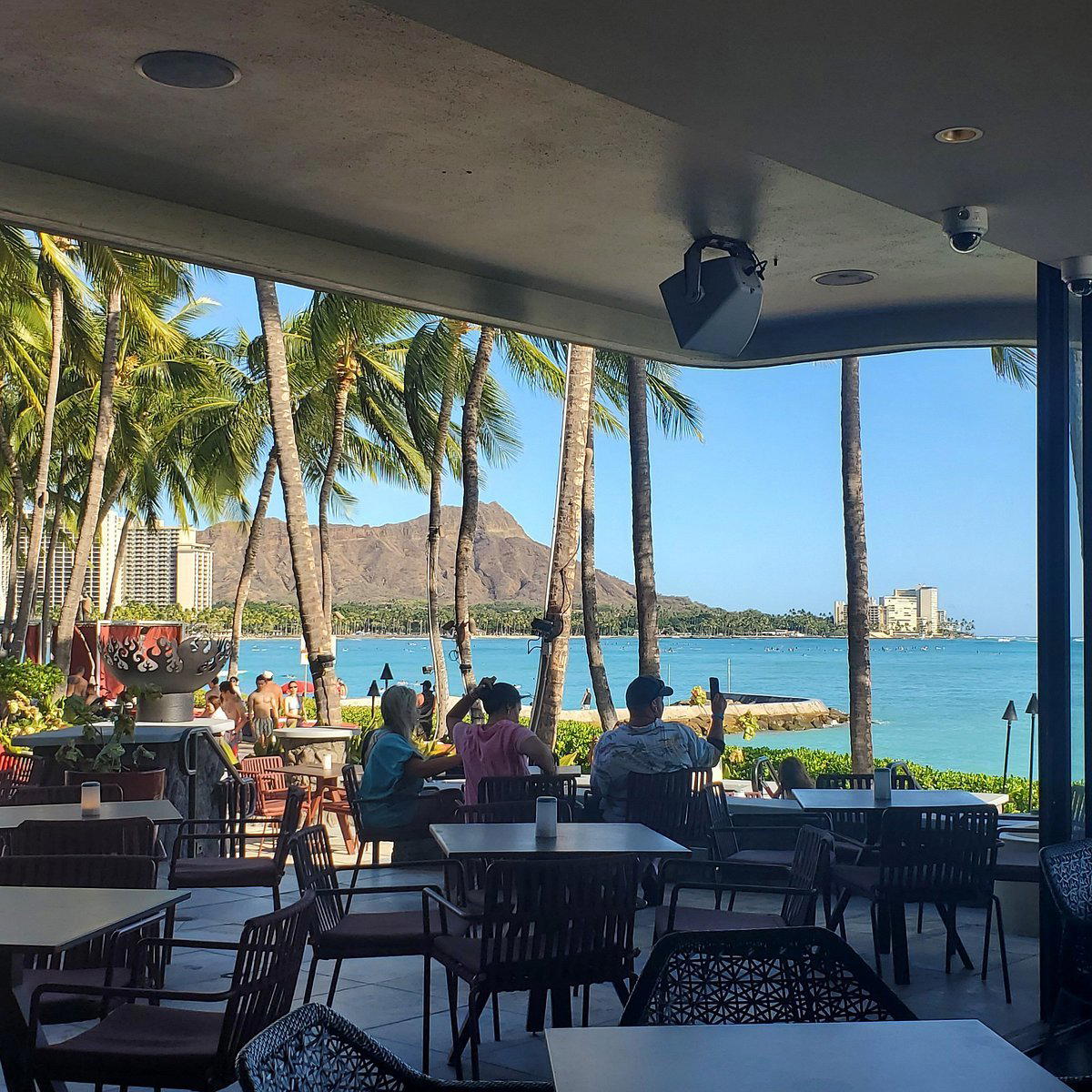
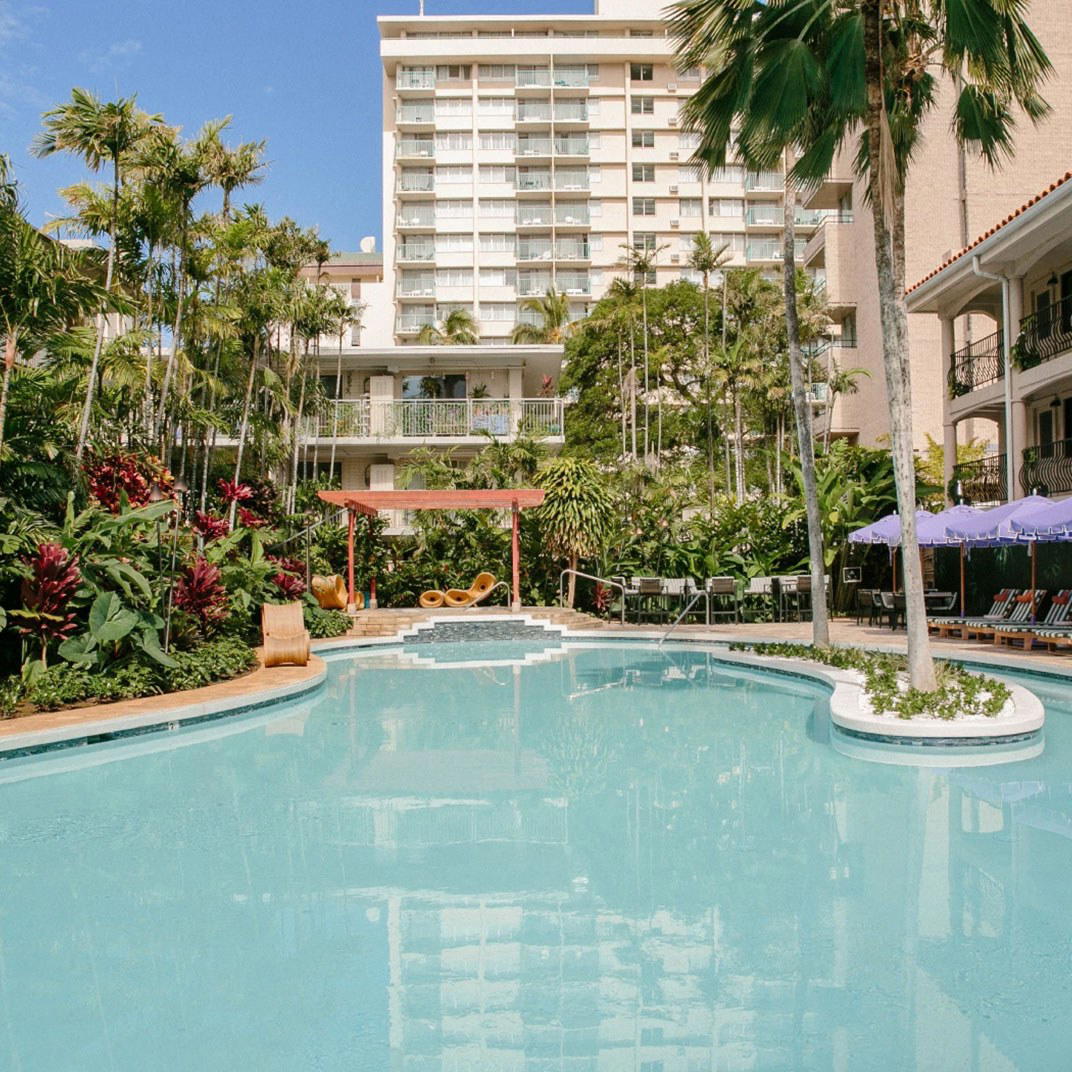
Retro and refreshingly alive with buzzy, old-school neighborhood atmosphere and analog-style conversation.