Ahaaina Luau
Our verdict
Ahaaina Luau at 2259 Kalākaua Ave sits inside Waikiki's most concentrated strip of Hawaiian cultural programming, where the luau format has evolved from tourist novelty into a serious vehicle for preserving Native Hawaiian traditions. The experience draws on imu-cooked kalua pig, chant, hula, and communal feasting, the full register of ceremonial Hawaiian hospitality, delivered in one of the city's most recognizable addresses.

Pearl is the En Primeur Club membership app, where members save venues, book tables and use the concierge.
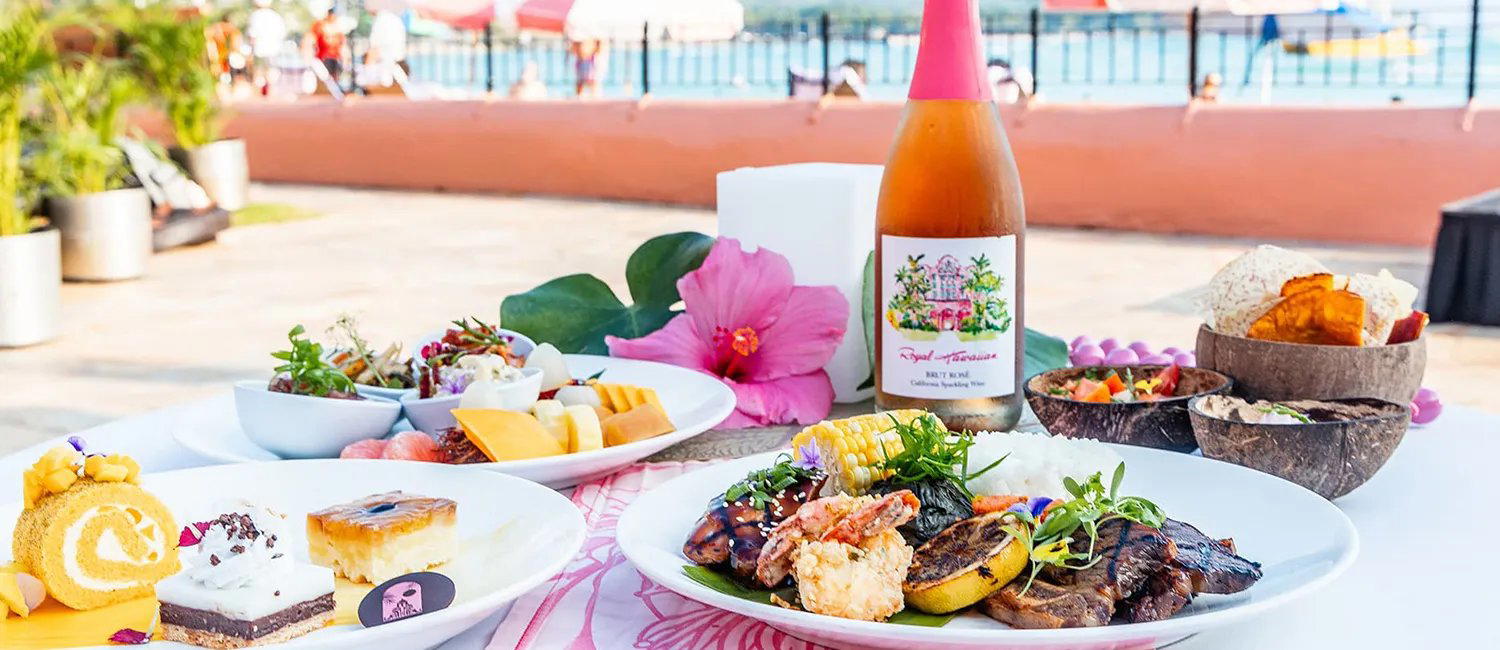
The menu
What to order
- Kalua Pig
- Lomi Lomi Salmon
- Huli Huli Chicken
- Haupia Cake
Where the Luau Tradition Holds Ground in Waikiki
Kalākaua Avenue in Waikiki is one of the most commercially pressured strips in the Pacific, where the distance between a surf shop and a five-star hotel can be measured in steps. That context makes the survival and operation of formal luau programming along this stretch something worth examining. The luau, as a format, predates the tourism economy it is now associated with: its roots are in the aha aina, the Hawaiian feast tradition, where food, chant, and movement were assembled as a unified act of communal recognition. Ahaaina Luau takes its name directly from that tradition, positioning itself within a lineage of practice rather than simply a category of entertainment.
Across Hawaii, luau programming has split into two broad tiers. The first is large-scale resort spectacle, anchored to hotel properties and scaled for hundreds of guests per seating, where the food often plays second role to the production value. The second is smaller, more grounded in cultural specificity, where the emphasis falls on the integrity of the cooking method, the accuracy of the hula forms presented, and the depth of the narrative told across the evening. Ahaaina Luau at 2259 Kalākaua Ave operates within the framework of Waikiki's hospitality infrastructure, a location that naturally fields large visitor volumes but also carries the weight of a place-name tied to King Kalākaua himself, the last king of Hawaii, who was known as the Merrie Monarch and actively worked to restore Hawaiian cultural practices suppressed during the earlier missionary period.
The Imu and What It Signals About the Cooking
The organizing principle of any serious luau is the imu, the underground earthen oven that is the defining technology of traditional Hawaiian cooking. Kalua pig, prepared in the imu, is not simply a preparation method, it is a ceremony. The pit is dug, lined with hot lava rocks, layered with ti leaves and banana stumps, and the whole pig is lowered in and sealed. The process takes hours and produces pork with a specific smoke-and-steam character that no above-ground cooking method replicates. At luau events across Hawaii, the presence or absence of an actual imu is one of the clearest signals of where an operator sits on the spectrum between cultural programming and themed catering.
Beyond kalua pig, the traditional luau table includes poi, the taro-paste staple that occupied the center of the Hawaiian diet for centuries, alongside lomi lomi salmon, haupia (coconut pudding), and various preparations of fish and shellfish that reflect the islands' proximity to both deep-sea and reef fisheries. These dishes, taken together, form a diet that is historically coherent, built from what the islands produced, shaped by the techniques Polynesian voyagers carried with them across the Pacific. The leading luau formats present this food in a way that explains its cultural architecture, not simply its flavor profile.
Waikiki as Cultural Geography
The address at 2259 Kalākaua Ave places Ahaaina Luau in direct proximity to some of Honolulu's most condensed hospitality offerings. Visitors staying in the Waikiki corridor are within reach of the full spectrum of Honolulu dining, from the refined New American programming at Fête (New American) to the long-running Hawaii Regional Cuisine work at 3660 On the Rise, and the waterfront setting of 53 By The Sea. The 855-ALOHA and Ahi Assassins operations represent a different register entirely, pointing to the depth of local eating culture that exists alongside tourist-facing programming. A full account of what Honolulu's dining scene looks like across price points and cuisines is available in our full Honolulu restaurants guide.
The luau format is structurally different from the kind of precision tasting menu work that defines dining at venues like Le Bernardin in New York City, The French Laundry in Napa, or Lazy Bear in San Francisco. It does not try to be. Where those formats organize the evening around a chef's evolving point of view, the luau organizes the evening around a community's inherited practice. That is a different kind of ambition, and it requires a different framework for evaluation. The comparison set for Ahaaina Luau is not Smyth in Chicago or Providence in Los Angeles; it is the broader tradition of ceremonial feasting that connects Hawaiian practice to other indigenous culinary systems globally, from the hāngi of New Zealand Māori to the pit-roasting traditions of the American Southwest.
Experience-driven dining formats that have gained traction in American fine dining, the immersive, narrative-forward approach visible at places like Blue Hill at Stone Barns in Tarrytown, Single Thread Farm in Healdsburg, or Emeril's in New Orleans, share a structural logic with the luau: the meal is not just fuel, it is an argument about place, time, and belonging. That argument is older in the Hawaiian luau than in any of those formats, which gives the tradition its own kind of authority.
Planning Your Visit
Ahaaina Luau is located at 2259 Kalākaua Ave in Honolulu, placing it in the heart of Waikiki and within walking distance of the majority of the area's major hotels. Given the nature of luau programming, which typically runs on a fixed-event schedule rather than standard restaurant service hours, visitors should confirm availability and booking directly with the venue in advance of arrival. Luau events in Waikiki book ahead, particularly during peak visitor seasons from June through August and around major holidays, so early planning is advisable. As with other Hawaiian cultural experiences at this address tier, the format is designed for group participation, which makes it particularly well-suited to families or groups traveling together who want a single evening that covers food, performance, and cultural context in one sitting.
For visitors with a broader itinerary that includes fine dining across the United States, the contrast between a luau experience and the tasting menu formats at venues like Addison in San Diego, Atomix in New York City, The Inn at Little Washington in Washington, or the Alpine cooking tradition at Atelier Moessmer Norbert Niederkofler in Brunico is instructive rather than competitive. Each format is a different answer to the question of what a meal is for.
Frequently asked questions
Where exactly is Ahaaina Luau?
Ahaaina Luau is located at 2259 Kalākaua Ave, Honolulu, HI 96815, Honolulu.
How does Ahaaina Luau in Honolulu differ from hotel luau packages in Waikiki?
Most hotel luau packages in Waikiki are produced as add-on amenities, formatted for scale, often staged in ballroom-adjacent venues. Ahaaina Luau at 2259 Kalākaua Ave sits on one of Honolulu's most competitive hospitality strips and maintains a luau format with the imu as its organizing principle, which aligns it more closely with the cooking traditions that predate the resort era in Hawaii.
What dish is Ahaaina Luau famous for?
Kalua pig is the centerpiece of any traditional Hawaiian luau, and Ahaaina Luau on Kalākaua Avenue in Honolulu is no exception. The dish takes its name from the imu, the underground earthen oven used to slow-cook the whole pig with kiawe wood and hot volcanic rocks. The result is deeply smoky, pull-apart pork that defines the luau table alongside dishes like poi, lomi salmon, and haupia.
Is Ahaaina Luau reservation-only?
Luau events in Waikiki, including Ahaaina Luau at 2259 Kalākaua Ave, consistently fill well in advance, particularly during peak travel months between June and August and over the winter holiday period. Booking ahead is the standard approach for any luau on this stretch of Honolulu's most concentrated hospitality corridor. check the venue's official channels to confirm current availability and booking requirements.
What's Ahaaina Luau best at?
Ahaaina Luau's clearest strength is placing traditional Hawaiian cooking methods, specifically imu preparation, within reach of Waikiki visitors who would otherwise encounter only hotel-buffet approximations of the form. Situated at 2259 Kalākaua Ave, it occupies one of the most commercially pressured addresses in Honolulu, making the preservation of imu-centered cooking here a meaningful cultural commitment rather than a default.
Cost and Credentials
| Venue | Cuisine | Price |
|---|---|---|
| Ahaaina LuauThis venue (the venue you are viewing) | Hawaiian Luau | $200–300 |
| Fête | Modern American Farm-to-Table | $50–100 |
| Liliha Bakery | Not listed | $10–20 |
| Sushi Izakaya Gaku | Authentic Japanese Sushi & Izakaya | $50–100 |
| Miro Kaimuki | French-Japanese Fusion | $100–150 |
| Zigu | Japanese Izakaya with Local Hawaiian Fusion | $50–100 |
Continue exploring
More in Honolulu
Restaurants in Honolulu
All restaurants in Honolulu →
Bars in Honolulu
All bars in Honolulu →
Details
- Scenic
- Elegant
- Well Known
- Sophisticated
- Celebration
- Special Occasion
- Group Dining
- Live Music
- Waterfront
- Historic Building
- Hotel Restaurant
- Craft Cocktails
- Local Sourcing
- Waterfront
- Buffet
- Vegetarian Friendly
- Gluten Free Options
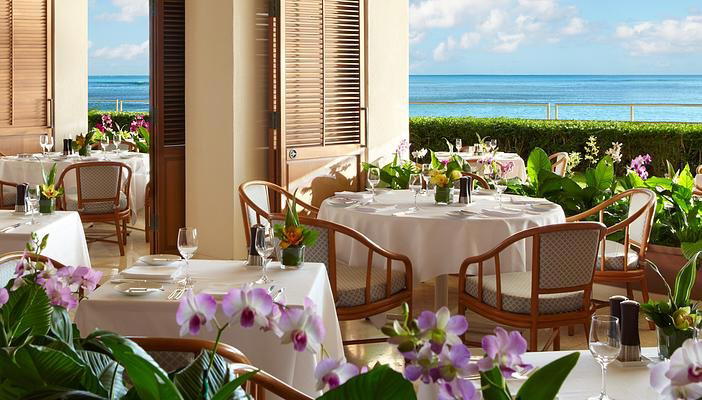
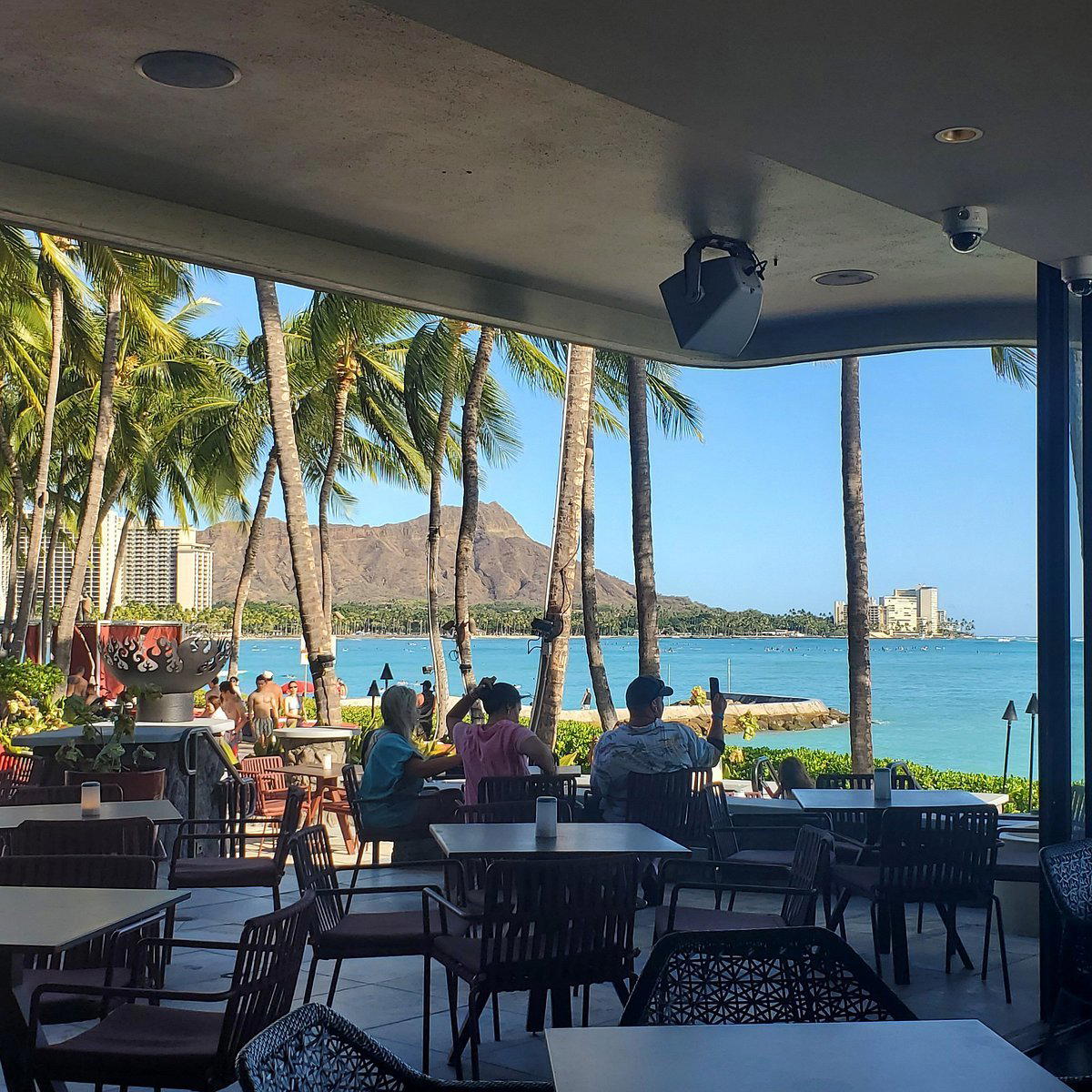
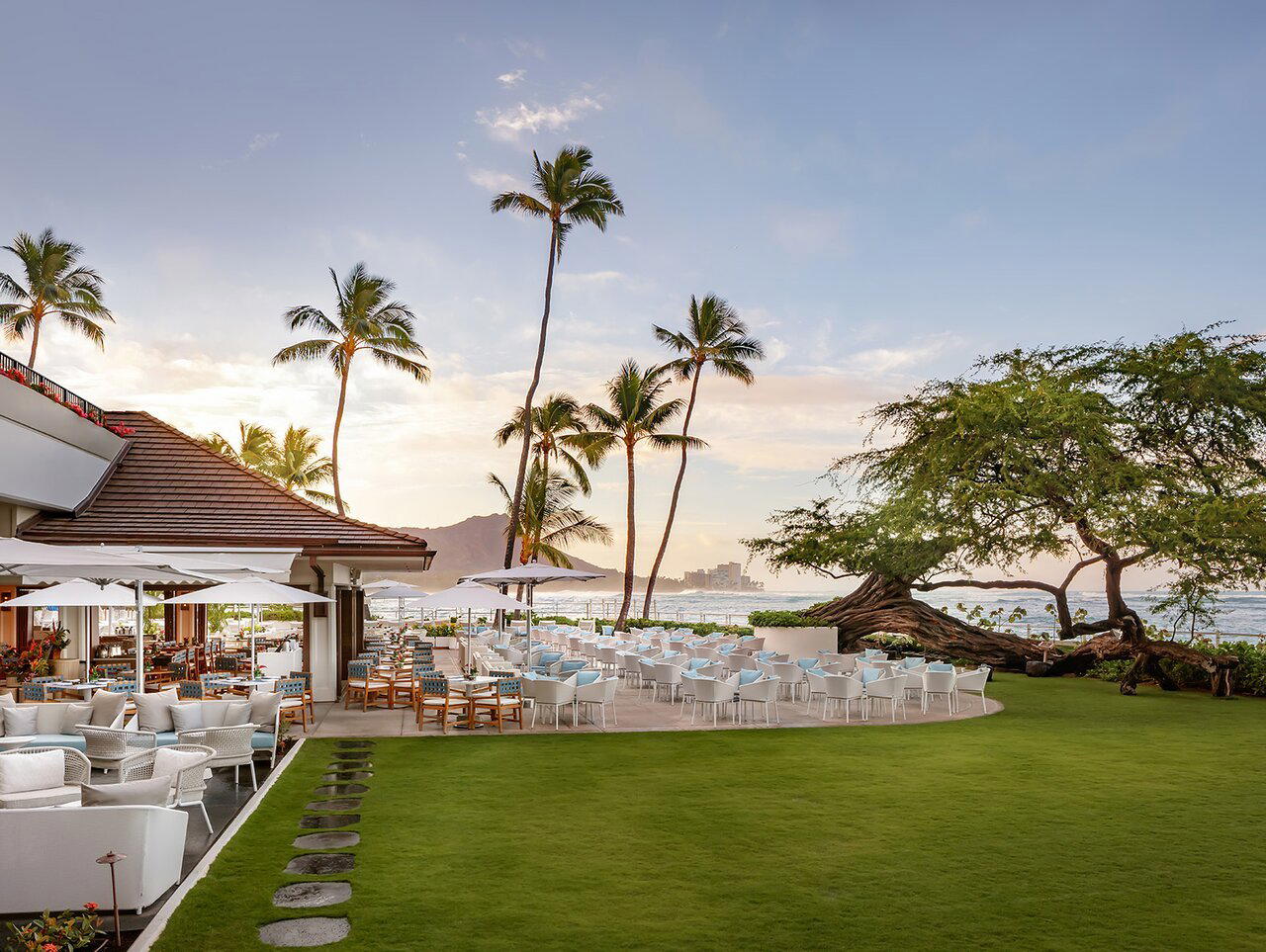
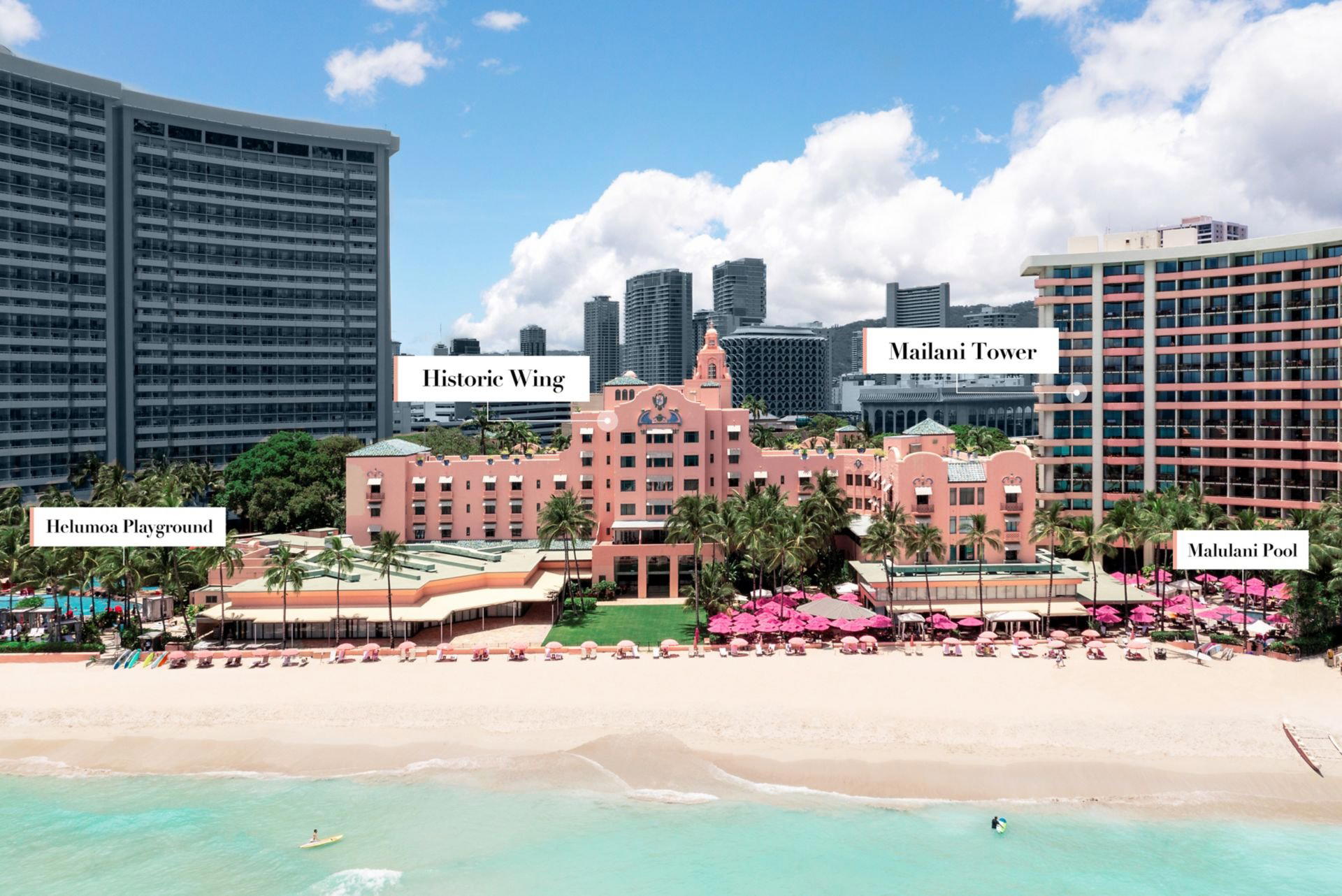
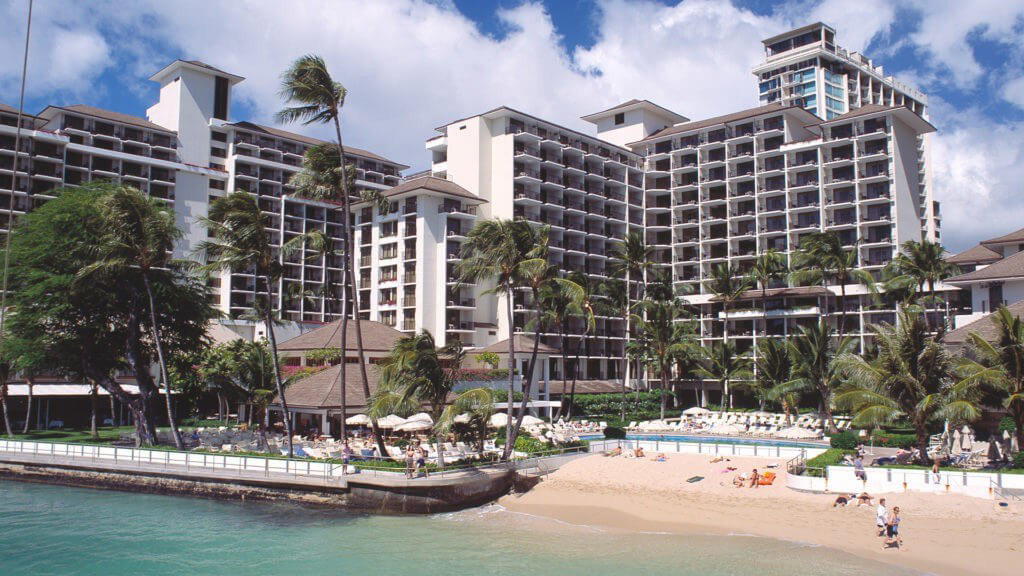
Festive beachfront atmosphere with lively Hawaiian music, dance performances, and elegant ocean lawn setting under sunset views.