
Machi no Parlor gives Tokyo’s bread culture a suburban counterpoint to station-mall bakeries and luxury hotel pâtisserie. In Kotakecho, its bread, café and sandwich format, 22-seat scale, take-out service and repeated Tabelog Bread 100 selections place it in a serious bakery-café tier without the formality of central Tokyo dining.
Pearl is the En Primeur Club membership app — saves, bookings, and concierge access live there. Same editors, same standards.
- Address
- 東京都練馬区小竹町2-40-4 1階
- Phone
- +81363121333
- Website
- parlour.exblog.jp
 Saves & bookings on Pearl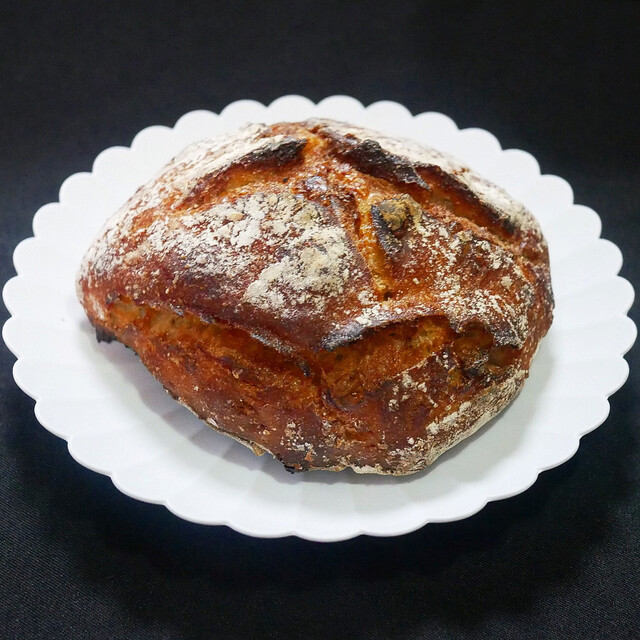
Approaching Kotake-Mukaihara, Tokyo changes register: restaurant theatre softens into residential blocks, nursery-school routines and local errands. That is the point. Tokyo bread culture is not confined to department-store basements or polished pâtisserie counters near major stations. Machi no Parlor belongs to a quieter suburban tradition, where a bakery-café can be breakfast stop, sandwich room, wine-friendly evening address and neighbourhood meeting place without changing costume.
That breadth matters in a city that often separates categories precisely. Tokyo has specialist bakeries, kissaten, sandwich counters, family cafés and wine bars; here, those roles overlap. Listed across bread, café and sandwich, with breakfast, take-out and wine, its appeal is not a chef-as-author narrative but a room coordinated for multiple daily uses, from early bread runs to seated evening service.
A suburban bakery-café with serious bread credentials
Tokyo’s bread scene is judged less by grand dining codes than repeat use: commuters, parents, regulars, weekend cross-town visitors and shoppers carrying bags home. Tabelog’s Bread 100 selections are a useful signal because they identify bakeries and bakery-led cafés across Tokyo rather than folding them into general restaurant rankings. Machi no Parlor was selected for Tabelog Bread TOKYO “Tabelog 100” in 2022, with selection history also listed for 2020, 2019, 2018 and 2017. That continuity places it among venues with durable local demand, not a single-season spike.
The price tier tells a second story. A JPY 2,000 to JPY 2,999 lunch range sits above many everyday bakery purchases but below Tokyo tasting-menu dining. Among listed comparisons, Parlor Ekoda occupies the same JPY 2,000 to JPY 2,999 bracket, while Golden time, CRIOLLO Honten, Chonan Hosono Takashi and L'AUTOMNE Nakano ten sit at JPY 1,000 to JPY 1,999. Machi no Parlor therefore sits in a higher-spend bakery-café lane, where seating and sandwich-café use matter as much as the bread counter.
The category also shows why centrality is not the only measure of value. Ginza, Aoyama and Shinjuku draw international attention because they map easily into luxury itineraries, but Tokyo bread culture rewards residential detours. Kotakecho in Nerima is not a destination dining strip; its advantage is ordinary urban life: families, small local businesses, transit links and a rhythm that supports breakfast, take-out and longer café visits.
The room works because the format is disciplined
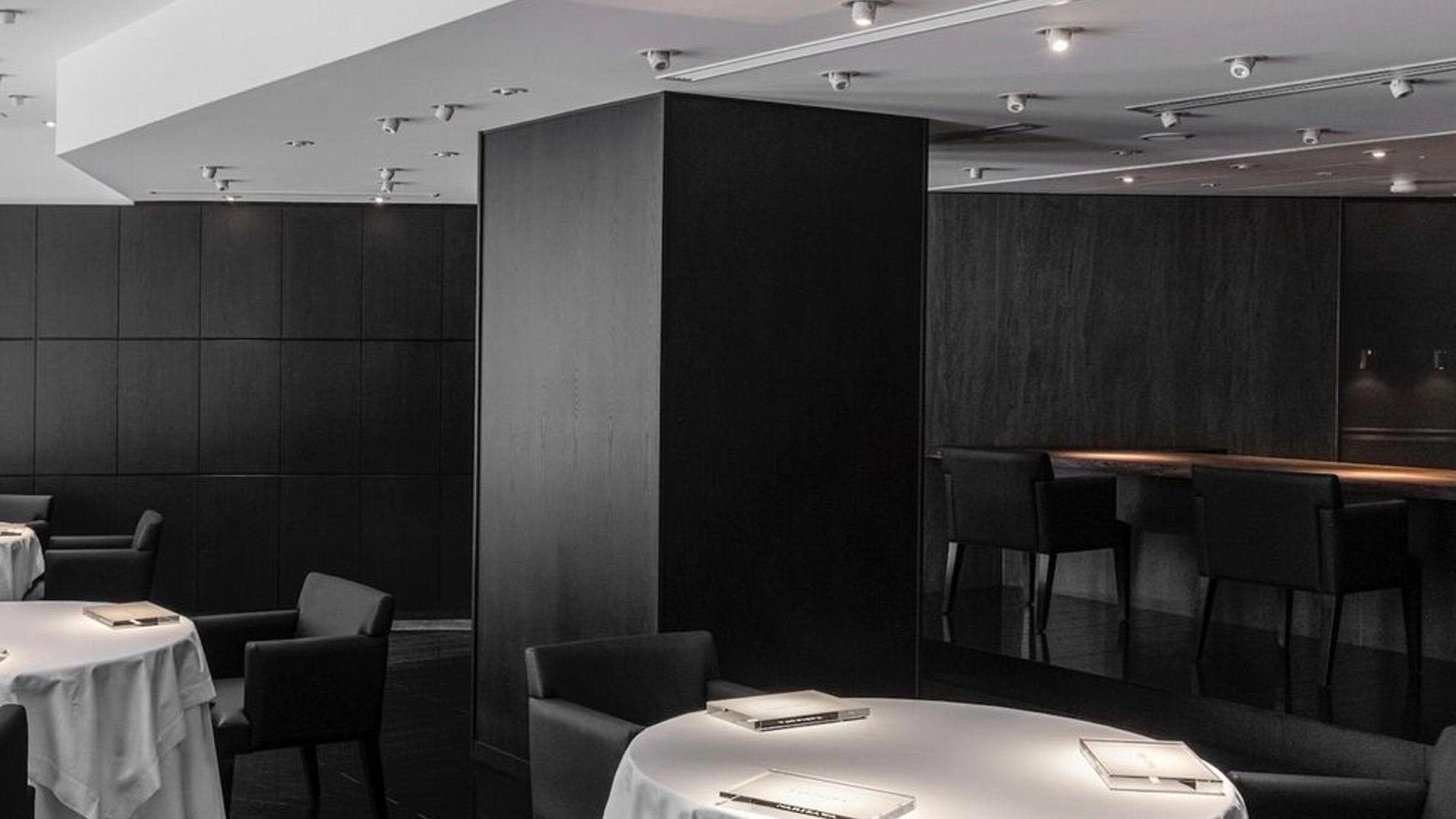
Small mixed-use rooms fail when they try to be everything at once. The stronger version has division of labor: bread production gives the reason to exist, the café format gives visitors time to stay, and front-of-house keeps the room moving without reducing it to queue management. The restaurant’s 22 seats, split between 2 counter seats and 20 table seats, make that balance visible. It is intimate enough for bottlenecks, so service discipline matters more than decoration.
Attachment to Machi no Hoikuen, a nursery school, adds to the setting. Many Tokyo restaurants perform exclusivity through access, silence and rules. This address operates more civically: non-smoking, children welcome, family-friendly occasions noted, and bread available for reservation. That does not mean careless casualness. It makes the team dynamic more exposed. A bakery-café serving families, friends, take-out customers and evening diners has fewer hiding places than a tasting counter with one sitting and a fixed script.
The evening detail matters. Seat reservations are available after 6 PM, when the evening menu is served, while bread can be reserved separately. For travellers, that separates two kinds of demand: bread may justify planning ahead; the evening room is another use case. In Tokyo, where visitors often misread cafés as walk-in-only and bakeries as daytime-only, this can save a wasted trip.
Payment and access reinforce the neighbourhood character. Credit cards and electronic money are not accepted, while PayPay is accepted. Parking is not provided, though paid lots are listed nearby, and the nearest station is Kotake-Mukaihara. Treat this less as friction than evidence of scale: not a hotel-lobby operation built around international convenience, but a local room with a serious citywide bread reputation.
How to place it in a Tokyo food itinerary
The restaurant works well as a corrective to a Tokyo schedule overloaded with omakase counters, department-store sweets and late-night bars. It gives the day a slower, residential anchor. The smarter pairing is not another bakery in the same hour, but a broader view of how Tokyo eats across formats: curry, yakitori, seafood, cafés and bars all occupy different social tempos.
For nearby and citywide planning, use Our full Tokyo restaurants guide as the main map, then compare different dining registers through . 鮪と炭火焼き うお炭 秋葉原店, 12/10 Shinjuku ten, 124. KAGURAZAKA (Yakitori), 2D Cafe and 3 Chome no Curry Ya San. For the rest of the trip, keep the city in view through Our full Tokyo hotels guide, Our full Tokyo bars guide, Our full Tokyo wineries guide and Our full Tokyo experiences guide.
Outside Tokyo, compare how casual Japanese formats travel and mutate by city: beef sukiyaki in Kamakura at -Grilled beef Sukiyaki- KAMAKURA TANUKIAN 鎌倉 たぬき庵 in Kamakura, café culture at.cafe in Osaka, contemporary dining at.know in Kumamoto, Vietnamese cooking in Kanagawa at (Shoku) Vietnam in Kawasaki, curry in Hokkaido at [Curry Senmon Ten] Maruyama Kyoju. in Sapporo, Kyoto minimalism at [ki:] in Kyoto, and Japanese drinking-and-snack culture abroad at Jōdo Saké Bar in Los Angeles and Onigiri Time in Pasadena.
The editorial case is simple: Tokyo’s serious food culture is not only where the bill is high and the counter silent. A 22-seat bread café in Nerima, repeatedly selected for a specialist bread list and built around breakfast, sandwiches, wine, take-out and family use, says as much about the city’s dining intelligence as many formal rooms. It rewards travellers who give a morning or early evening to the suburbs rather than treating Tokyo as a sequence of famous neighbourhoods.
Quick Comparison
Comparable venues in the metro at similar price points.
| Venue | Cuisine | Price | Notes |
|---|---|---|---|
| Machi no ParlorThis venue — the venue you are viewing | Japanese Bakery Café | $$ | Not listed |
| Tenfusa (天房) | Tempura & Tendon | $$ | Toyosu |
| Kaneko Hannosuke (金子半之助) | Edo-style Tempura Rice Bowls (Tendon) | $$ | Nihonbashi |
| 赤坂 島袋 | Japanese Robatayaki | Not listed | Minato |
| HAGI CAFE | Seasonal Japanese cafe with hand-drip coffee | $$ | Taitō |
| Teuchi Soba Narutomi | Traditional Ginza soba & tempura | $$ | Chūō |
Recognition history
Dated appearances from independent guides and award organizations, with the underlying list record or original source where available.
Tabelog 100 #58 · No. 58
Tabelog · Tabelog 100 - Bread - TOKYO - 2022













At a Glance
- Cozy
- Classic
- Casual Hangout
- Solo
- Family
- Brunch
- Standalone
- Beer Program
- Street Scene
A modest, homey neighborhood spot with a small house-restaurant feel and a relaxed, everyday atmosphere.