Our verdict
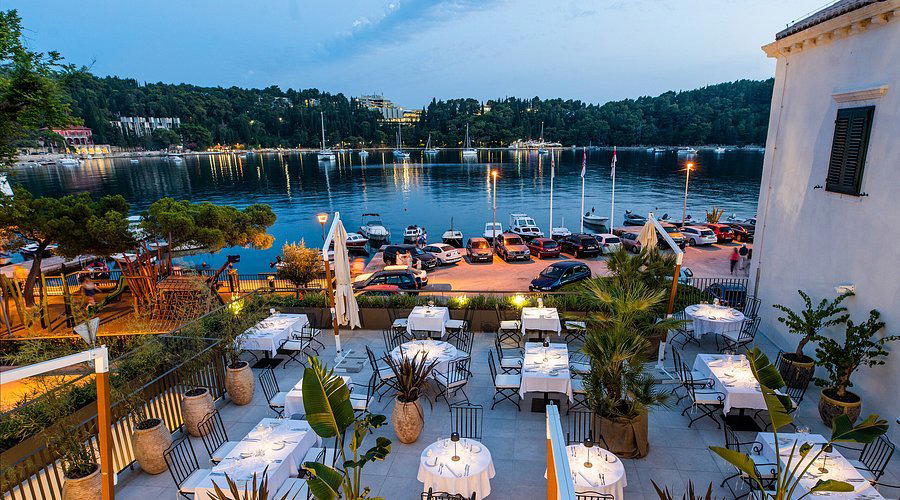
Ludo More serves Fresh Croatian Seafood on a waterfront terrace in Konavle, with a leisurely pace that suits lunch or dinner.

Pearl is the En Primeur Club membership app — saves, bookings, and concierge access live there. Same editors, same standards.
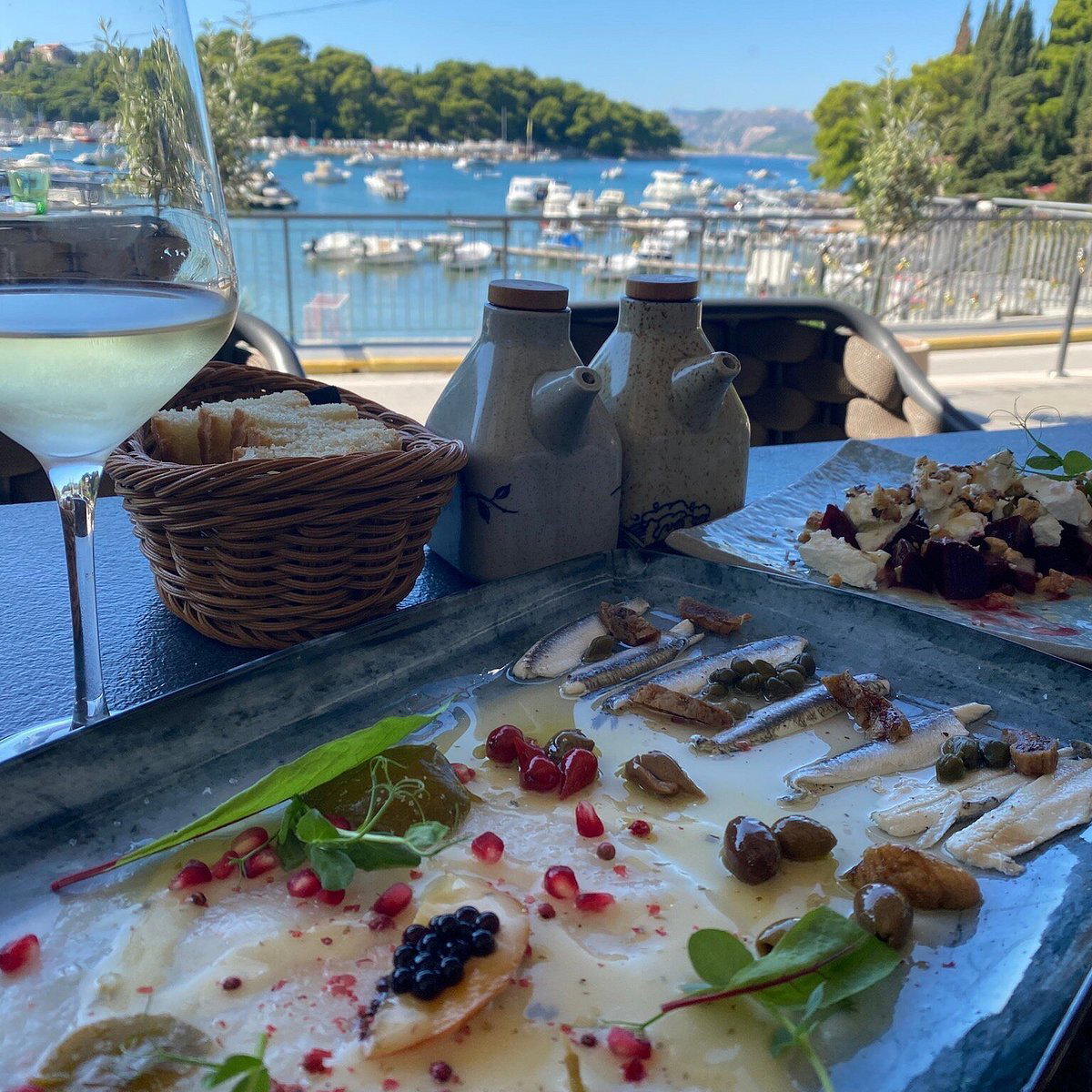
The menu
What to order
- Codfish fritters
- Ravioli in sage butter
- Bussara
Where the Konavle Valley Meets the Adriatic Table
The road into Cavtat descends through cypress-lined hillsides before the bay opens up, and the town itself sits at an unhurried remove from Dubrovnik's crowds, roughly twenty kilometres to the northwest. Konavle, the municipality that brackets Cavtat, has long been the quieter counterpart to Dubrovnik's saturated dining circuit, where a smaller number of addresses serve a more local rhythm of eating. Ludo More, on Put Tihe 22, sits within that context: a restaurant in a region where proximity to the sea defines what lands on the plate and where the pace of a meal is determined by the terrace, not the kitchen.
Dalmatian Coastal Cooking and What It Actually Means
Croatia's coastal culinary tradition is frequently reduced to grilled fish and olive oil, but that shorthand flattens a more structured set of influences. The Dalmatian south, and the Konavle valley in particular, pulls from a layered inheritance: Venetian-era technique applied to Adriatic ingredients, Ottoman traces in spice and slow-cooking, and a strong culture of preserved and dried goods that reflects the region's agricultural isolation before the tourism economy arrived. Restaurants in this tier of the southern coast operate within that inheritance whether they acknowledge it or not. The question that separates good addresses from forgettable ones is how deliberately they draw on it.
Across Croatia's more recognised dining circuit, places like Pelegrini in Sibenik and LD Restaurant in Korčula have built reputations by placing local ingredients inside a more conscious modern framework. Further up the coast, Agli Amici Rovinj in Rovinj demonstrates how Italian coastal technique and Adriatic produce can coexist within a single menu. The broader lesson from these addresses is that specificity of sourcing and clarity of identity tend to matter more than novelty of format. Cavtat's dining scene has not generated the same volume of critical coverage as Dubrovnik, but that is partly a function of scale: the town is smaller, the visitor base more selective, and the restaurants that survive there tend to do so because local and repeat custom sustains them.
The Cavtat Position: Between Resort and Local Table
Cavtat occupies an interesting pressure point in Croatia's dining geography. Dubrovnik, twenty kilometres north, has developed a tier of high-stakes restaurants, including Restaurant 360 in Dubrovnik, that price and position against international luxury travel rather than regional eating habits. Cavtat has not followed that trajectory. Restaurants here, including Ludo More, sit closer to the local-coastal model: settings that depend on the view, the produce sourced within the immediate region, and a hospitality register that is less formal than what the Dubrovnik old town now offers.
That positioning is not a lesser ambition. It reflects a different set of priorities, and for travellers who find the Dubrovnik dining circuit overpriced relative to the actual cooking, Cavtat has consistently offered an alternative. Koraćeva Kuća is another Konavle address that operates within this same local-coastal register, and the two together give the area a modest but coherent dining identity. For a broader picture of where Ludo More sits within the regional eating options, our full Konavle restaurants guide maps the area's key addresses by format and character.
What Defines a Serious Restaurant on This Part of the Coast
Across Croatia's premium dining tier, a consistent pattern has emerged: the addresses that generate sustained critical attention tend to be those where the sourcing story is geographically tight, the wine list draws from Dalmatian and Istrian producers with a clear point of view, and the format matches the setting rather than approximating something imported from a European capital. Boskinac in Novalja and Alfred Keller in Mali Losinj both demonstrate that island and coastal contexts can support technically ambitious cooking without abandoning regional character. Nebo by Deni Srdoč in Rijeka points to what happens when a chef with formal training applies it explicitly to northern Adriatic produce.
On the southern Dalmatian coast, the equivalent discipline shows in how restaurants handle seafood: whether they source locally or through wholesale distributors, how they handle cooking temperature, and whether the vegetable and herb elements come from the surrounding hinterland. Konavle's agricultural valley, which runs inland from Cavtat, produces herbs, citrus, and vegetables that distinguish the region's cooking from the more generic Adriatic tourist offer. Restaurants in the area that draw on that supply have a natural advantage in specificity.
Comparable Registers Across Croatia
For travellers building a Croatia dining itinerary, it helps to understand where different addresses sit relative to each other. Zagreb's most considered restaurants, among them Dubravkin Put in Zagreb and Korak in Jastrebarsko, work within continental Croatian traditions: game, mushrooms, inland wine regions. The coast operates on different logic entirely. Split's more serious addresses, including Krug in Split, demonstrate that Dalmatian cooking has a more refined urban expression, while smaller coastal towns like Cavtat, Bol, and Crikvenica tend toward the terrace-and-catch model. BioMania Bistro Bol in Bol, Bodulo in Pag, and Burin in Crikvenica each anchor that model in their respective locations. Against those reference points, Cavtat's dining offer occupies the southern end of the coastal spectrum, with the particular warmth and agricultural richness that Konavle's hinterland brings to the table.
Beyond Croatia, the broader Adriatic coastal category has international reference points. Le Bernardin in New York City represents what happens when seafood-forward cooking is pushed to its most technically demanding expression, while Atomix in New York City demonstrates the kind of tasting-menu discipline that Croatia's more ambitious restaurants are beginning to reference. Neither comparison is direct, but they mark the wider spectrum within which all serious seafood-focused cooking is now being assessed by travelled diners. Cantilly Garden Restaurant in Samobor offers a further Croatian data point in the garden-setting, seasonal-menu category that Ludo More likely shares by format and geography.
Planning a Visit
Cavtat is accessible from Dubrovnik by a short drive along the coastal road or by water taxi during the summer months, making it a realistic lunch or dinner excursion for visitors based in Dubrovnik. The town is significantly quieter than Dubrovnik between September and May, and the shoulder season, particularly late September and October, tends to offer the most comfortable conditions for dining without peak-season pressure.
Frequently asked questions
Is Ludo More a family-friendly restaurant?
Ludo More is located at Put Tihe 22 in Cavtat, a town known for a relaxed pace that suits multigenerational groups. The setting along the Konavle coast lends itself to unhurried meals rather than a high-energy dining room. Families visiting Cavtat as a quieter alternative to Dubrovnik tend to find the area's restaurants accommodating by default.
What's the vibe at Ludo More?
Cavtat operates at a different register than Dubrovnik, twenty kilometres north, and Ludo More reflects that. The address on Put Tihe sits closer to the local residential fabric of the town than to the waterfront promenade's resort traffic. Expect a setting calibrated to the Konavle valley's slower rhythm rather than any performance of occasion.
Is Ludo More a good option for a day trip from Dubrovnik to Cavtat?
Cavtat is reachable from Dubrovnik by a short coastal drive or by water taxi during summer months, making Ludo More at Put Tihe 22 a realistic lunch destination rather than a standalone trip. The Konavle setting gives the meal a context that Dubrovnik's own restaurant scene, now heavily shaped by tourism economics, rarely delivers. For travellers already committed to a Cavtat afternoon, pairing the visit with a meal here adds a coherent reason for the journey.
Where exactly is Ludo More?
Ludo More is located at Put Tihe 22, 20210, Cavtat, Croatia, Konavle.
How far ahead should I plan for Ludo More?
In Cavtat, summer season demand peaks from late June through August when Dubrovnik day-trippers and regional visitors both compete for tables at addresses off the main promenade. Contacting Ludo More directly ahead of a summer visit is the practical approach.
What's Ludo More best at?
Ludo More sits in Cavtat's position between the high-stakes Dubrovnik restaurant tier and a genuinely local Croatian table, which is a pressure point that rewards restaurants committed to regional sourcing and Dalmatian technique over tourist-facing menus. The Konavle Valley behind Cavtat provides a distinct agricultural and culinary identity. Whether Ludo More fully exploits that geography is a question best answered by visiting.
Cost Snapshot
Comparable venues nearby, for context on price, style, and recognition.
| Venue | Cuisine | Price | Notes |
|---|---|---|---|
| Ludo MoreThis venue — the venue you are viewing | Fresh Croatian Seafood | $50–100 | Not listed |
| Koraćeva Kuća | Traditional Mediterranean | $20–30 | Gruda, Traditional Mediterranean |
| Noštromo | Modern Croatian Seafood | $30–50 | Old Town, Modern Croatian Seafood |
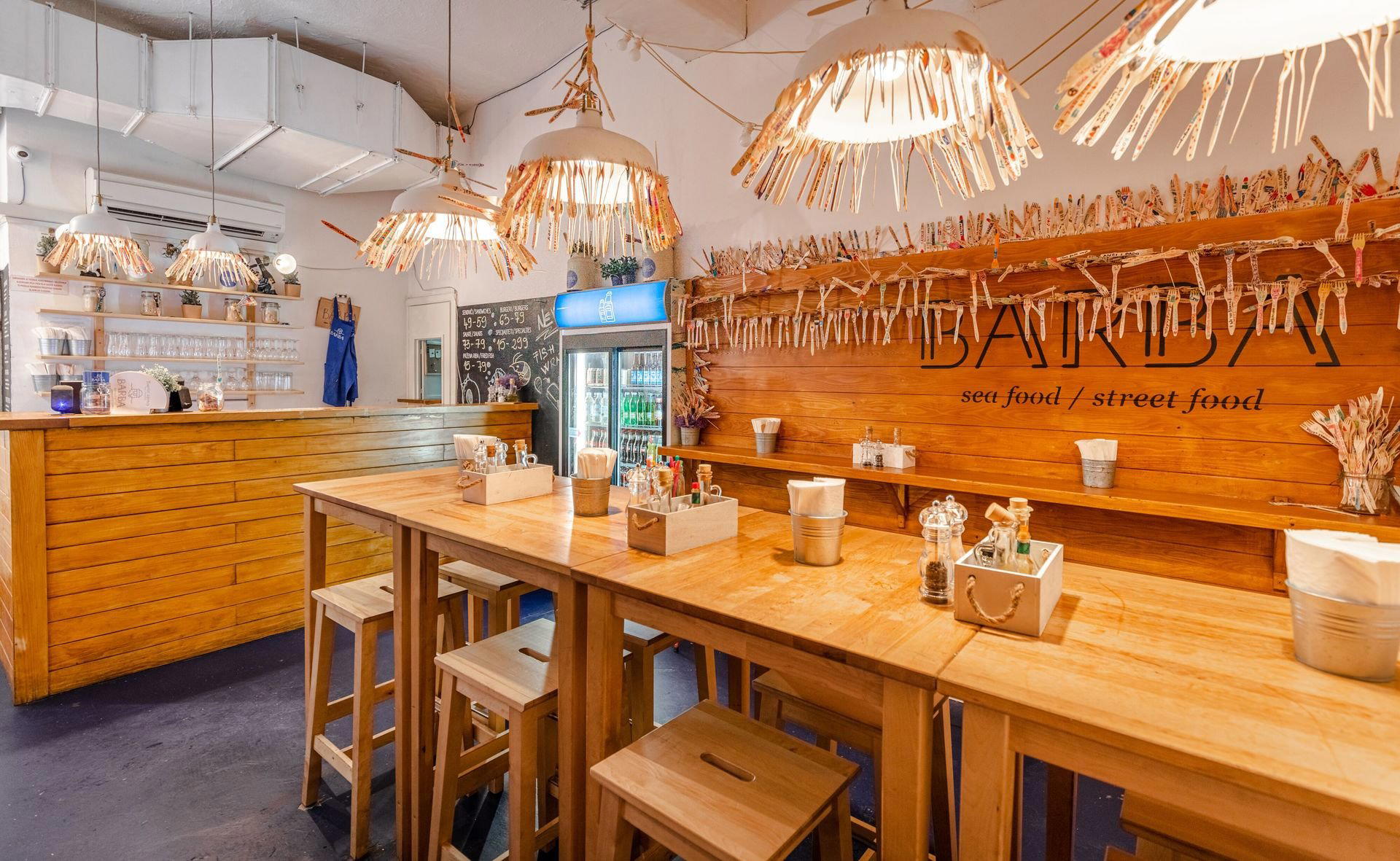
| Barba | Dalmatian Seafood Street Food | $10–20 | Old Town, Dalmatian Seafood Street Food |
| Pojoda | Traditional Croatian Seafood | $50–100 | Kut, Traditional Croatian Seafood |
| Orsan | Dalmatian Seafood | $30–50 | Lapad, Dalmatian Seafood |
Continue exploring
More in Konavle
Restaurants in Konavle
All restaurants in Konavle →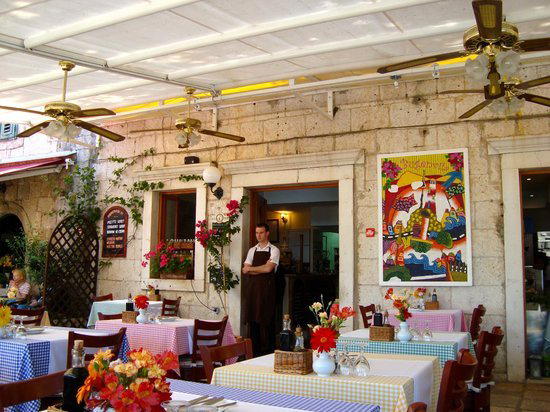
Bars in Konavle
Browse all →
Hotels in Konavle
Browse all →
Wineries in Konavle
Browse all →
Details
- Cozy
- Scenic
- Rustic
- Elegant
- Date Night
- Family
- Special Occasion
- Terrace
- Waterfront
- Local Sourcing
- Waterfront
- A La Carte
- Small Plates
- Vegetarian Friendly
- Vegan Options
- Gluten Free Options
Current opening hours
- Monday
- 9 AM–12 AM
- Tuesday
- 9 AM–12 AM
- Wednesday
- 9 AM–12 AM
- Thursday
- 9 AM–12 AM
- Friday
- 9 AM–12 AM
- Saturday
- 9 AM–12 AM
- Sunday
- Closed
Hours can change for holidays and private events. Last verified .
Open bright rooms with bold color accents and leafy terrace offering harbor views.