
Michelin Plate
Our verdict
Pjerin holds a Michelin Plate recognition for 2024 and 2025, placing it within Dubrovnik's tier of considered Mediterranean dining rather than its tourist-facing mainstream. The kitchen works within the Adriatic seafood tradition that defines serious cooking along this coastline, at a price point that sits in the upper bracket of the city's restaurant scene.

Pearl is the En Primeur Club membership app, where members save venues, book tables and use the concierge.
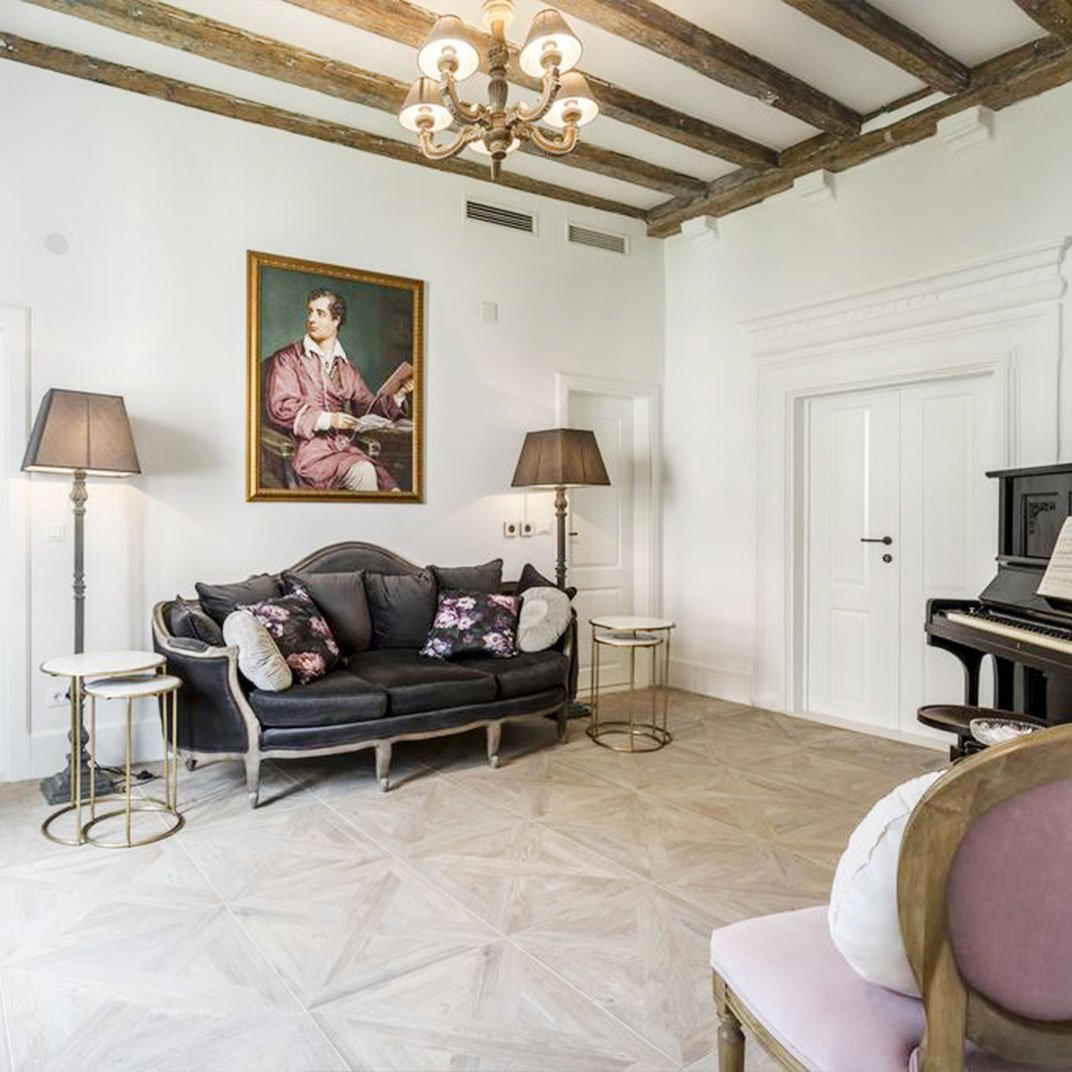
Where the Adriatic Tradition Meets Dubrovnik's Dining Upper Tier
Approaching the old city from the water, Dubrovnik presents a wall of limestone that has barely shifted in five centuries. The restaurants that operate within and just beyond those walls face a constant tension: the city draws millions of visitors each year, and the economic pull toward high-turnover, view-premium dining is considerable. Against that backdrop, the restaurants that earn Michelin recognition tend to be the ones that anchor themselves to something older and more specific, the Adriatic seafood canon, executed with discipline rather than spectacle. Pjerin sits inside that category, holding a Michelin Plate for both 2024 and 2025, which places it among a distinct subset of Dubrovnik restaurants where the kitchen's output, not the terrace view, is the primary argument for the reservation.
The Adriatic Seafood Tradition This Kitchen Works Within
The Mediterranean relationship with fish is not a single tradition but a series of overlapping regional ones, and the Dalmatian version is among the most defined. It prizes proximity: fish caught the same morning, prepared with olive oil, local wine, and minimal intervention. The canon runs from brodetto (a wine-and-tomato fish stew that appears across the eastern Adriatic under various names) to whole roasted sea bass with herbs, to crudo preparations that treat the quality of the fish as the entire point. What separates the serious kitchens from the tourist-facing ones in cities like Dubrovnik is how faithfully they maintain those principles when the supply chain gets complicated in high season and when the dining room fills with guests who would not know the difference.
Pjerin's Mediterranean cuisine positioning places it in this tradition. At a €€€€ price point, the same bracket as Restaurant 360, which works in international modern cuisine, the expectation is that the sourcing is serious, the technique is considered, and the menu reflects seasonal availability rather than a fixed tourist-friendly lineup. This is the price tier where those standards can be maintained; it is also the tier where the gap between venues that meet them and those that merely charge them is most visible.
Dubrovnik's Premium Mediterranean Tier in Context
The city's upper dining bracket is not especially large. Restaurant 360 operates at the same price tier with a modern international approach and a position in the city walls that makes it a known quantity for international visitors. Marco Polo and Stara Loza offer further reference points within the city's considered dining options. Zuzori, at €€€, occupies the tier directly below Pjerin on price while sharing the Mediterranean cuisine designation, making it a useful comparison for visitors deciding how far up the price range to go. What Pjerin's sustained Michelin Plate recognition over two consecutive years signals is consistency, the Plate is not a star, but its two-year maintenance indicates that the kitchen is operating to a standard that Michelin's inspectors found worth noting more than once.
For broader regional context, Croatia's Michelin-recognised Mediterranean kitchens stretch along the entire Adriatic coast. Agli Amici Rovinj in Rovinj, Krug in Split, and Boskinac in Novalja represent the range of what serious Adriatic-focused cooking looks like across different parts of the country. Alfred Keller in Mali Lošinj and Dubravkin Put in Zagreb extend the picture inland. Pjerin's place in this network positions it as part of a coherent national conversation about what the Adriatic tradition can produce at premium price points, rather than as an isolated Dubrovnik anomaly.
The Mediterranean tradition extends well beyond Croatia's waters, of course. La Brezza in Ascona and Arnaud Donckele & Maxime Frédéric at Louis Vuitton in Saint-Tropez show how differently the broader Mediterranean cuisine category can be interpreted when the context shifts from Dalmatian coast to Alpine lake or French Riviera. The comparison is useful: what distinguishes each kitchen is not the cuisine label but how specifically it roots itself in its own shoreline, season, and supply. Dalmatian cooking at its most considered is a specific thing, and that specificity is what a Michelin Plate in this city is ultimately attesting to.
Seasonal Timing and When to Visit
Dubrovnik's dining scene shifts considerably across the calendar. The summer months bring maximum visitor volume, and the restaurants in the old city operate under significant pressure to maintain standards across long service days and full dining rooms. Shoulder season, late April through May, and September into October, tends to produce more considered dining experiences at the upper end of the market. The seafood supply is more varied in spring and autumn, local catch is less pressured, and kitchen teams are typically operating without the July-August intensity that strains even well-run operations. For a kitchen working within the Adriatic seafood tradition, autumn is particularly relevant: the Adriatic's cooler waters bring different species to the catch, and the menu composition reflects that shift in ways that high-summer dining rarely can.
Planning Your Visit
Pjerin operates at the €€€€ price tier, which in Dubrovnik's current market positions it at the upper end of what the city's restaurant scene charges. Visitors planning a multi-restaurant visit to the city can use this as a reference point alongside Zuzori at the €€€ tier for a comparison of what the price differential delivers in practice. Booking ahead is advisable during peak season; the upper bracket of Dubrovnik's dining scene moves faster in July and August than the casual visitor typically expects.
For those building a longer stay around the city's food and drink offerings, EP Club's guides cover the full range of options: our full Dubrovnik restaurants guide covers the breadth of the dining scene, while our Dubrovnik hotels guide, bars guide, wineries guide, and experiences guide map the wider city. Korak in Jastrebarsko is worth including for those extending the trip inland toward Zagreb.
Frequently asked questions
What awards or recognition does Pjerin have?
Pjerin has received recognition including: Michelin Plate (2025); Michelin Plate (2024).
What's the price range at Pjerin?
Pricing at Pjerin is listed as €€€€.
What dish is Pjerin famous for?
Pjerin operates within the Dalmatian Mediterranean tradition, where Adriatic seafood forms the backbone of serious cooking in this part of Croatia. The kitchen holds a Michelin Plate for both 2024 and 2025, which signals consistent execution rather than novelty.
Comparable Options
| Venue | Cuisine | Price | Awards | Notes |
|---|---|---|---|---|
| PjerinThis venue (the venue you are viewing) | Haute Mediterranean Fine Dining | $150–200 | Michelin Plate | Not listed |
| Restaurant 360 | Modern Mediterranean with Asian and French Influences | $200–300 | 1 Michelin Star · La Liste Top Restaurants | International, Modern Cuisine |
| Nautika | Traditional Mediterranean Seafood | $100–150 | Michelin Plate · Star Wine List | Modern European, Classic Cuisine |
| Taj Mahal | Authentic Bosnian | $30–50 | Michelin Bib Gourmand | Balkan |
| Zuzori | Modern Mediterranean | $50–100 | Michelin Plate | Mediterranean Cuisine |
| Bistro Tavulin | Modern Croatian Mediterranean Bistro | $30–50 | Michelin Plate | Traditional Cuisine |
Recognition history
Dated appearances from independent guides and award organizations, with the underlying list record or original source where available.
Michelin Plate
Michelin · 2026 Michelin Plate
Full recognition history (3 entries)
Michelin Plate
Michelin
Michelin Plate
Michelin
Continue exploring
More in Dubrovnik
Restaurants in Dubrovnik
All restaurants in Dubrovnik →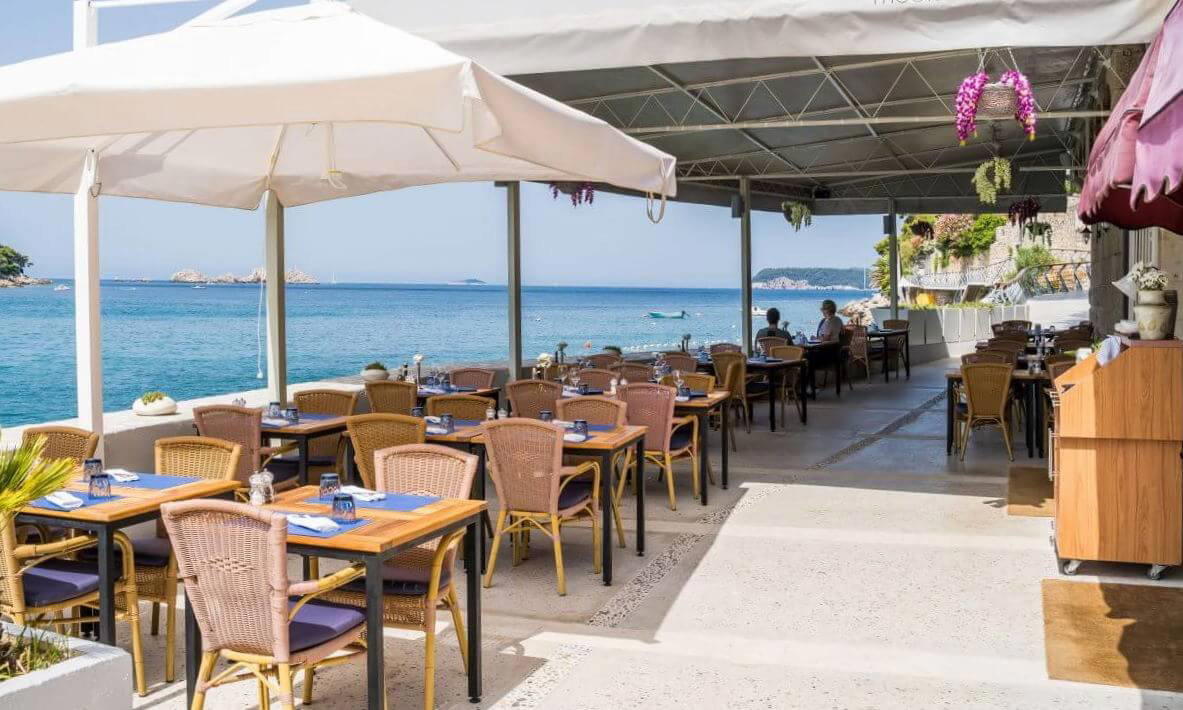
Bars in Dubrovnik
All bars in Dubrovnik →
Hotels in Dubrovnik
All hotels in Dubrovnik →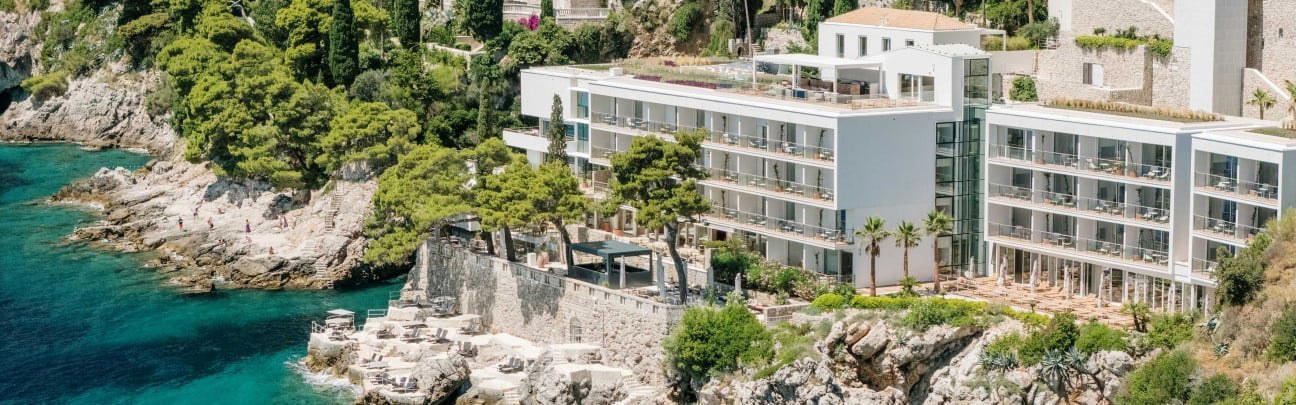
Wineries in Dubrovnik
Browse all →
Details
- Romantic
- Elegant
- Sophisticated
- Scenic
- Intimate
- Date Night
- Special Occasion
- Waterfront
- Terrace
- Panoramic View
- Hotel Restaurant
- Extensive Wine List
- Sommelier Led
- Local Sourcing
- Waterfront
- Skyline
- Tasting Menu
- A La Carte
- Croatian Wines
- Vegetarian Friendly
- Vegan Options
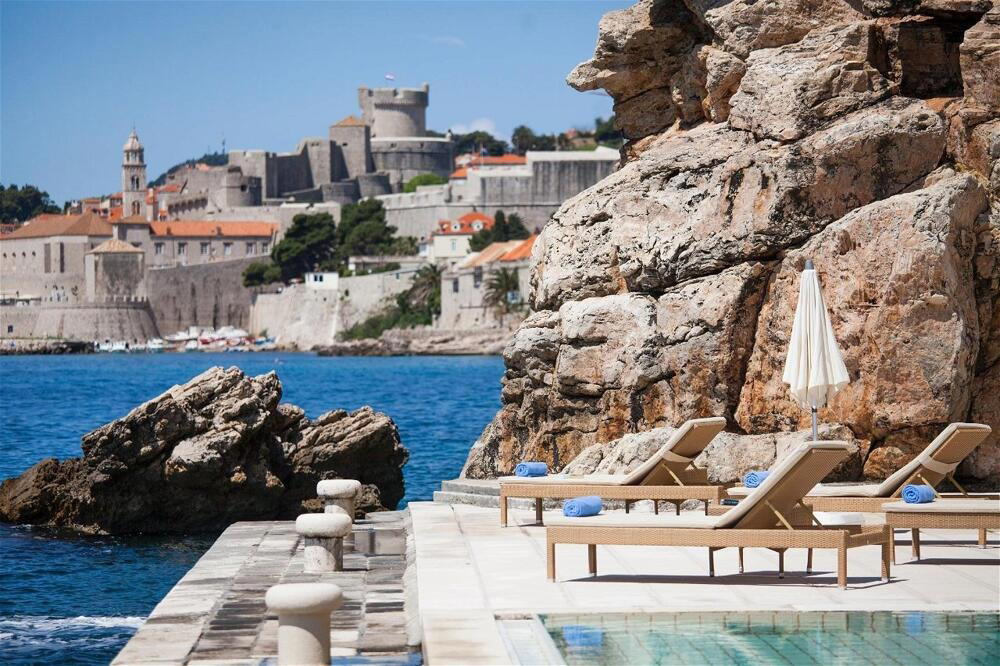
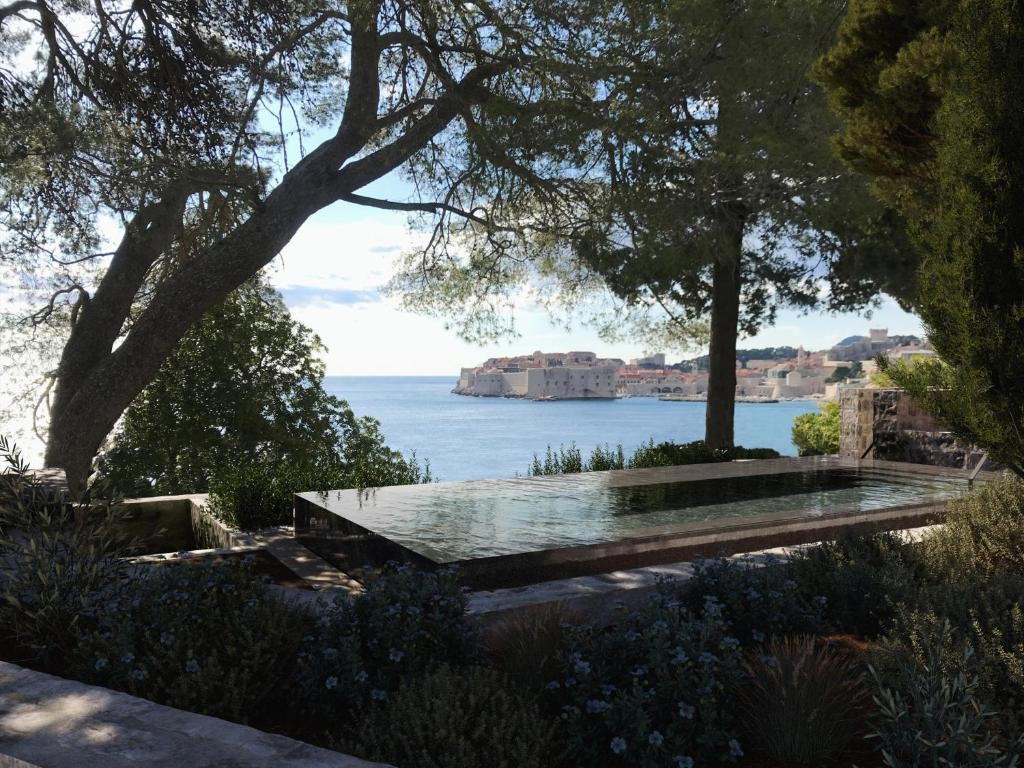
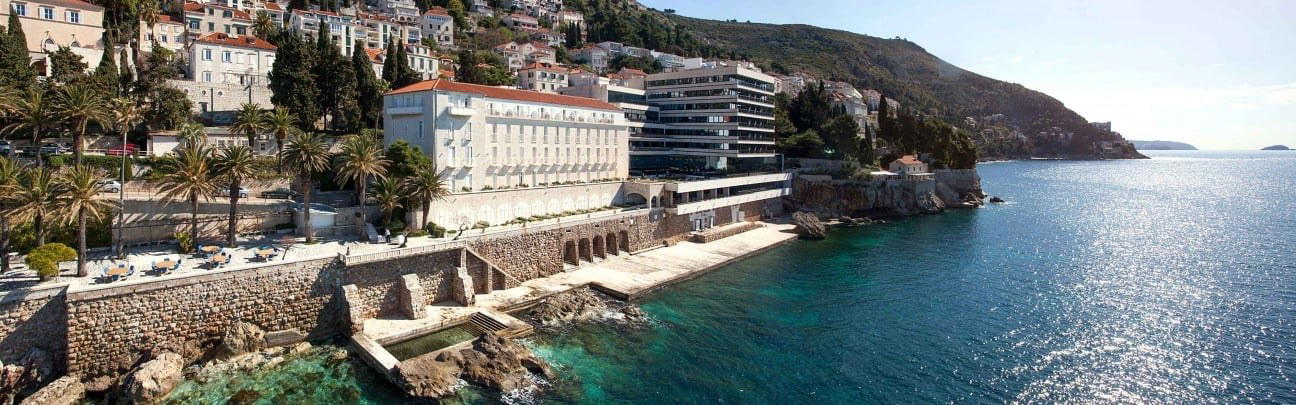
Sophisticated and comfortable interior with terrace offering dramatic sunset views over the Adriatic, Lokrum Island, and Dubrovnik Old Town, creating an elegant and immersive atmosphere.