In the Konavle valley southeast of Dubrovnik, Koraćeva Kuća occupies a stone house in the village of Gruda, positioning itself within a regional tradition that prizes land-to-table sourcing above imported technique. The surrounding agricultural hinterland shapes what ends up on the plate, placing this address inside a small but growing tier of Croatian rural dining that treats geography as the primary ingredient. For context on the wider Konavle dining scene, see our full Konavle restaurants guide.
Pearl is the En Primeur Club membership app — saves, bookings, and concierge access live there. Same editors, same standards.
- Address
- korać street, 20215, Gruda, Croatia
- Phone
- +38520791557
- Website
- koraceva-kuca.business.site
- Directions
- Get directions
 Saves & bookings on Pearl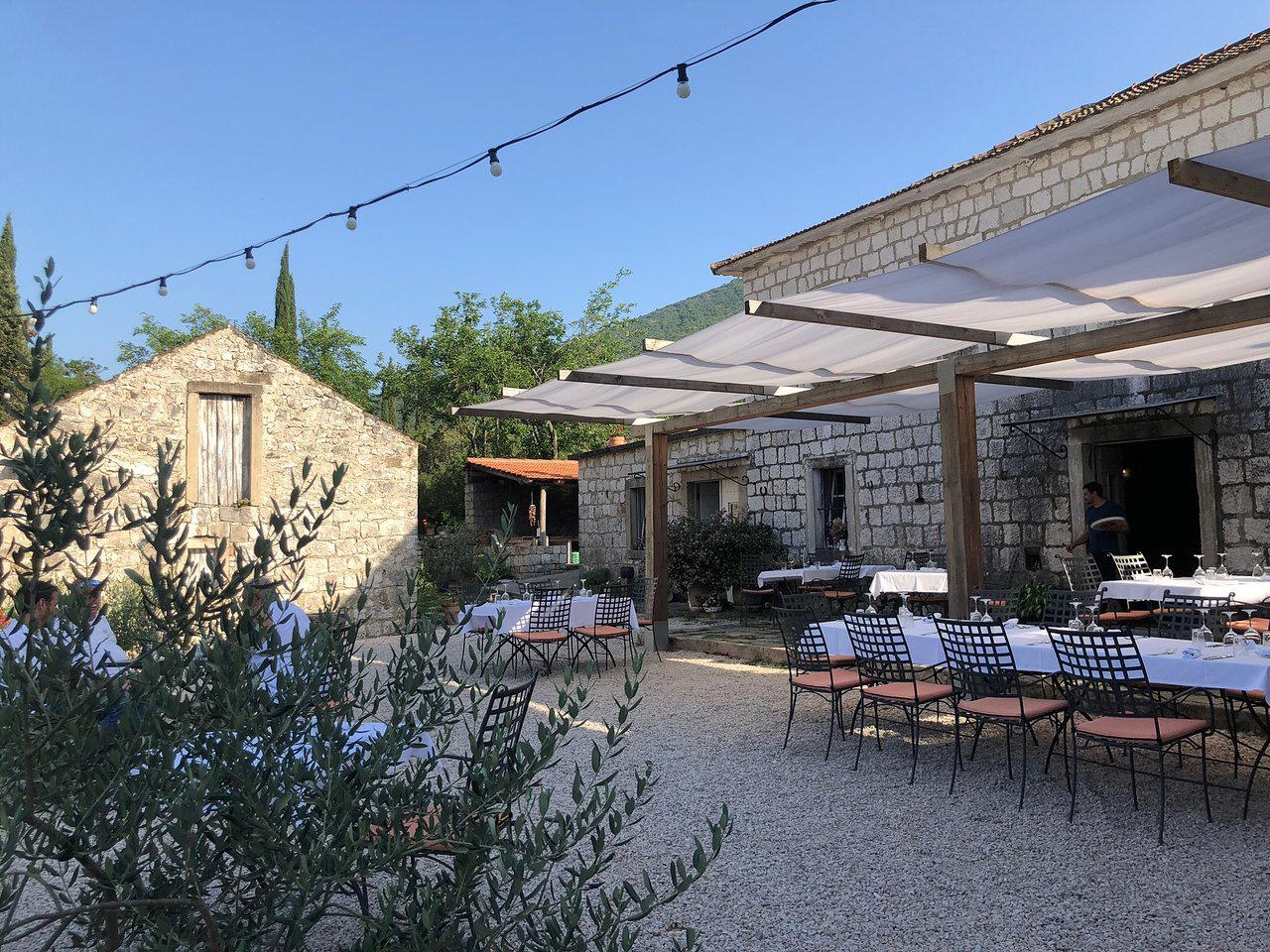
Where the Konavle Valley Sets the Menu
The road into Gruda drops through a range of terraced fields, dry-stone walls, and orchards that have supplied Dubrovnik's markets for centuries. Koraćeva Kuća is a restaurant in Gruda, Croatia, serving Traditional Mediterranean cooking. Koraćeva Kuća sits on Korać Street in this village, housed in a stone structure that reads as agricultural heritage before it reads as a restaurant. The physical approach does most of the editorial work: you arrive already inside the ingredient chain, not at the end of a supply line from somewhere else. That positioning is not incidental. The Konavle valley's particular microclimate, sheltered by the Snježnica mountain range and open to Adriatic air from the south, produces herbs, vegetables, and livestock with a flavour register distinct from the coastal strip. A kitchen that draws on that geography is working with materially different raw material than one sourcing from a central depot in Dubrovnik.
This matters in a Croatian dining context where the gap between coastal spectacle and agricultural interior is pronounced. Venues like Restaurant 360 in Dubrovnik and Pelegrini in Sibenik operate at the formal, award-tier end of the Adriatic spectrum, with price structures and presentation registers to match. Koraćeva Kuća belongs to a different category: the rural stone-house dining tradition where the sourcing radius is the concept, and where the absence of formal fine-dining infrastructure is itself a statement about where value is located.
The Ingredient Geography of Konavle
Croatian food writing has long centred the coast at the expense of the hinterland, treating Dalmatian interior villages as appetisers to the main event of a waterfront table. The Konavle valley complicates that hierarchy. The region produces mandarin oranges, olive oil, wine grapes, and a range of vegetables that benefit from the valley's combination of Mediterranean warmth and inland soil depth. Local lamb, raised on the limestone-rich grazing that characterises this part of the Dalmatian karst, carries a mineral quality that coastal supply chains struggle to replicate.
In practical terms, a kitchen in Gruda has proximity advantages that a Dubrovnik restaurant on the waterfront does not. The distance from field to kitchen compresses, and with it the window between harvest and service. This is the structural argument for sourcing-led rural dining: freshness is not a marketing claim but a logistical fact when the supplier is a neighbour. The same dynamic plays out at venues like Boskinac in Novalja, which has built its identity around Pag island's specific agricultural and viticultural conditions, or Dubravkin Put in Zagreb, which has sustained a sourcing-forward approach in a continental context for years.
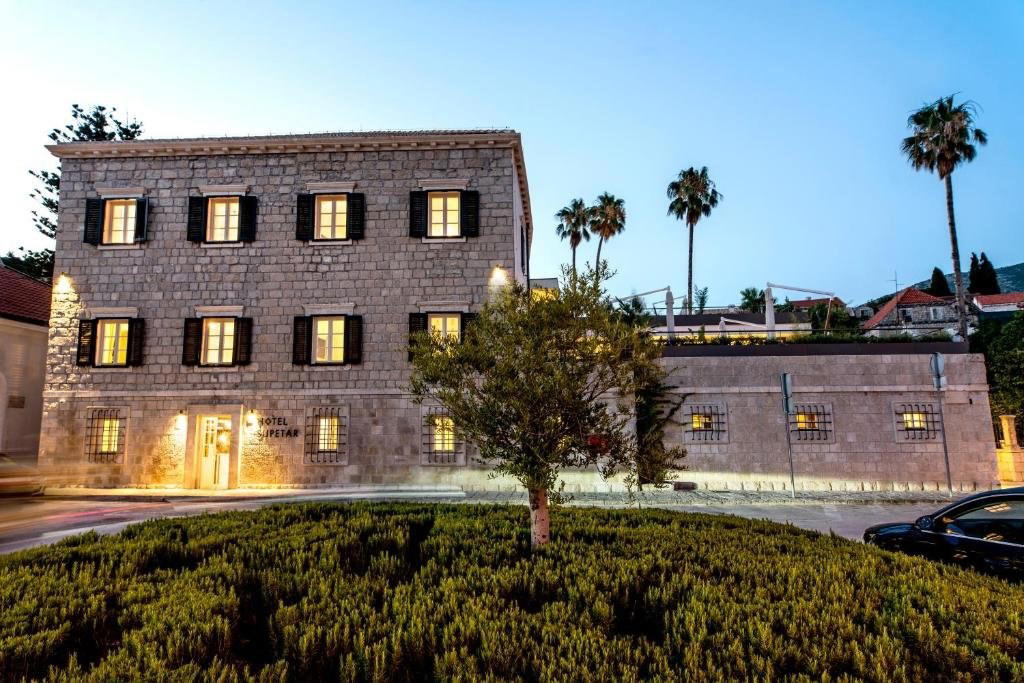
The stone-house format reinforces the sourcing narrative architecturally. The restaurant's address on Korać Street places it within a village that has not been remade for tourism in the way that coastal towns have. The built environment and the food culture operate in register with each other, which is a harder thing to manufacture than a well-designed interior.
Placing Koraćeva Kuća in the Regional Tier
The Croatian restaurant scene has stratified considerably over the past decade. At the formal leading end, venues compete for Michelin recognition and position against international peers. Agli Amici Rovinj in Rovinj and Nebo by Deni Srdoč in Rijeka both operate with technical ambition and pricing that reflects it. Below that tier, there is a middle band of serious regional cooking, including Krug in Split and LD Restaurant in Korčula, which balance craft with accessibility.
The restaurant sits in a third category: the locally anchored rural address where the competitive set is not other restaurants but the tradition of the konoba itself. The konoba format, Croatia's version of the rustic tavern, has been the carrier of regional food knowledge for generations, preserving recipes and sourcing relationships that fine-dining venues sometimes abstract into presentation. A house in Gruda that takes that tradition seriously is making a different kind of argument than a tasting-menu counter in a UNESCO-listed old town.
For comparison within the broader Croatian rural-dining conversation, Korak in Jastrebarsko has built a reputation around continental Croatian sourcing, while Alfred Keller in Mali Lošinj demonstrates how island-specific ingredient logic can anchor a refined kitchen. The common thread is geography as structure rather than decoration.
Getting There and Planning the Visit
Gruda sits approximately 35 kilometres southeast of Dubrovnik, accessible by road through the Konavle valley. The drive passes through the agricultural character of the valley before reaching village quietness beyond the Dubrovnik periphery.
The nearby Ludo More is another Konavle address worth considering alongside this one, and For travellers building a broader Croatian itinerary, it is worth noting that sourcing-focused rural dining of this kind is available across the country, from Cantilly Garden Restaurant in Samobor to BioMania Bistro Bol in Bol and Bodulo in Pag, each anchored to its own specific geography.
Equally, venues like Burin in Crikvenica demonstrate that Croatian coastal dining rewards off-season visits for different reasons, so the itinerary decision depends on what kind of sourcing story you want on the plate.
At-a-Glance Comparison
Comparable venues nearby, for context on price, style, and recognition.
| Venue | Cuisine | Price | Notes |
|---|---|---|---|
| Koraćeva KućaThis venue — the venue you are viewing | Traditional Mediterranean | $$ | Not listed |
| Ludo More | Fresh Croatian Seafood | $$$ | Cavtat |
| Orsan | Dalmatian Seafood | $$$ | Lapad |
| Kod Kapetana | Traditional Croatian Seafood | $$ | Hvar Town |
| Marijina Konoba | Croatian Mediterranean Seafood | $$ | Prozurska Luka |
| BONITO | Mediterranean Seafood | $$ | Milna |

At a Glance
- Rustic
- Cozy
- Scenic
- Romantic
- Quiet
- Date Night
- Family
- Celebration
- Special Occasion
- Garden
- Historic Building
- Terrace
- Local Sourcing
- Mountain
- Garden
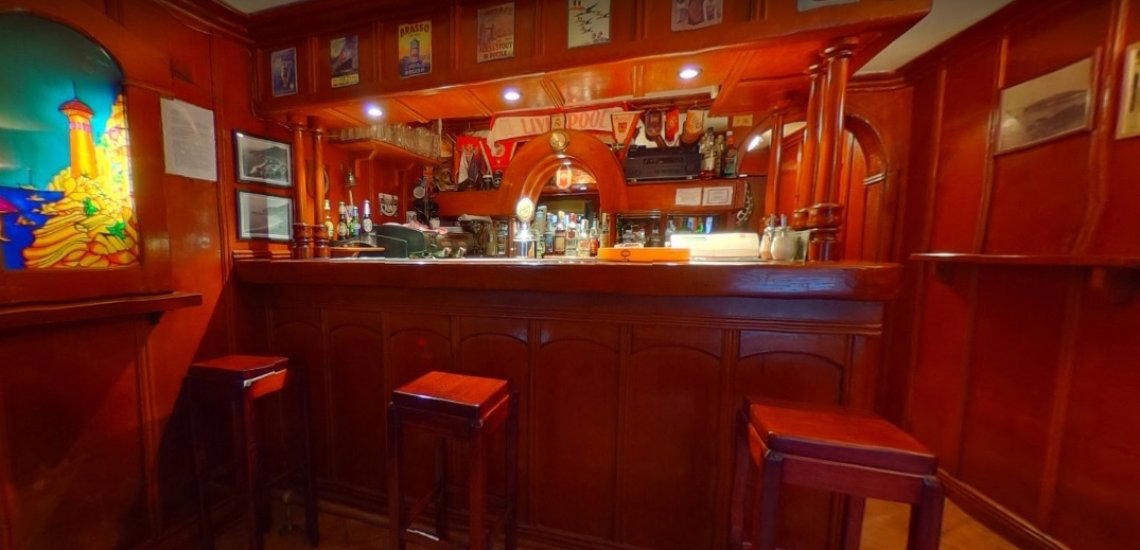
Peaceful and magical rustic courtyard atmosphere with twinkling lights at night and warm, hospitable service amid beautifully restored historic structures.