




Opened in 1961 on a cliff above the Adriatic, Hotel Villa Dubrovnik is a 56-room property that has accumulated six decades of Dubrovnik seafront history. A Leading Hotels of the World member scoring 95 points on La Liste's 2026 Top Hotels ranking, it combines mid-century interiors referencing Gio Ponti with a MICHELIN Guide-recommended restaurant and the city's only rooftop bar, starting from around $617 per night.
Pearl is the En Primeur Club membership app — saves, bookings, and concierge access live there. Same editors, same standards.
- Address
- Ul. Vlaha Bukovca 6, 20000, Dubrovnik
- Phone
- +385 20 500 300
- Website
- villa-dubrovnik.hr
- Directions
- Get directions
 Saves & bookings on Pearl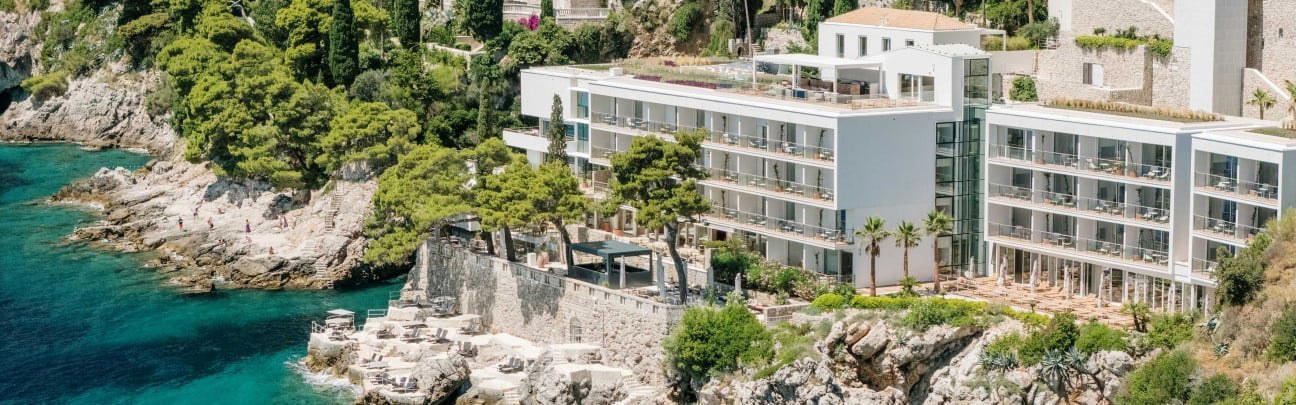
A Cliffside Address with Six Decades of History
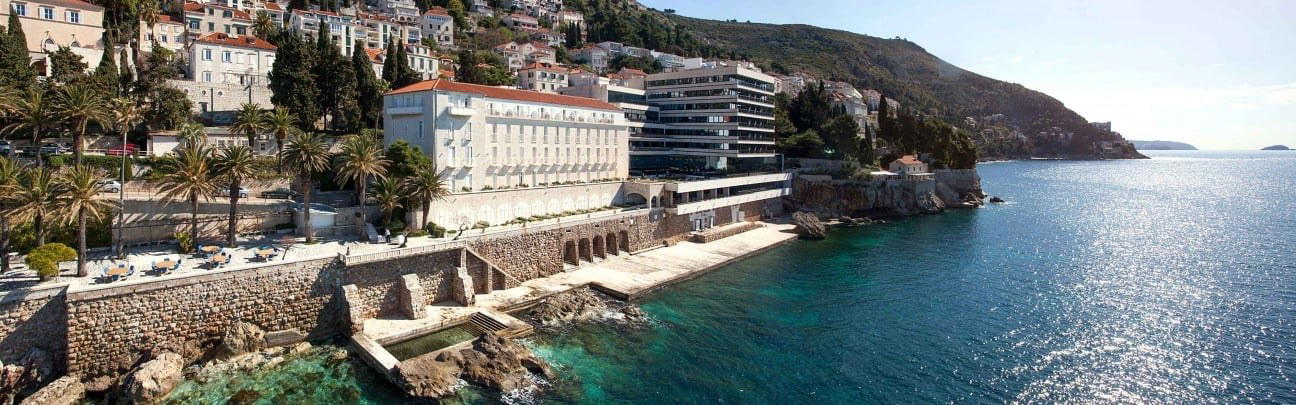
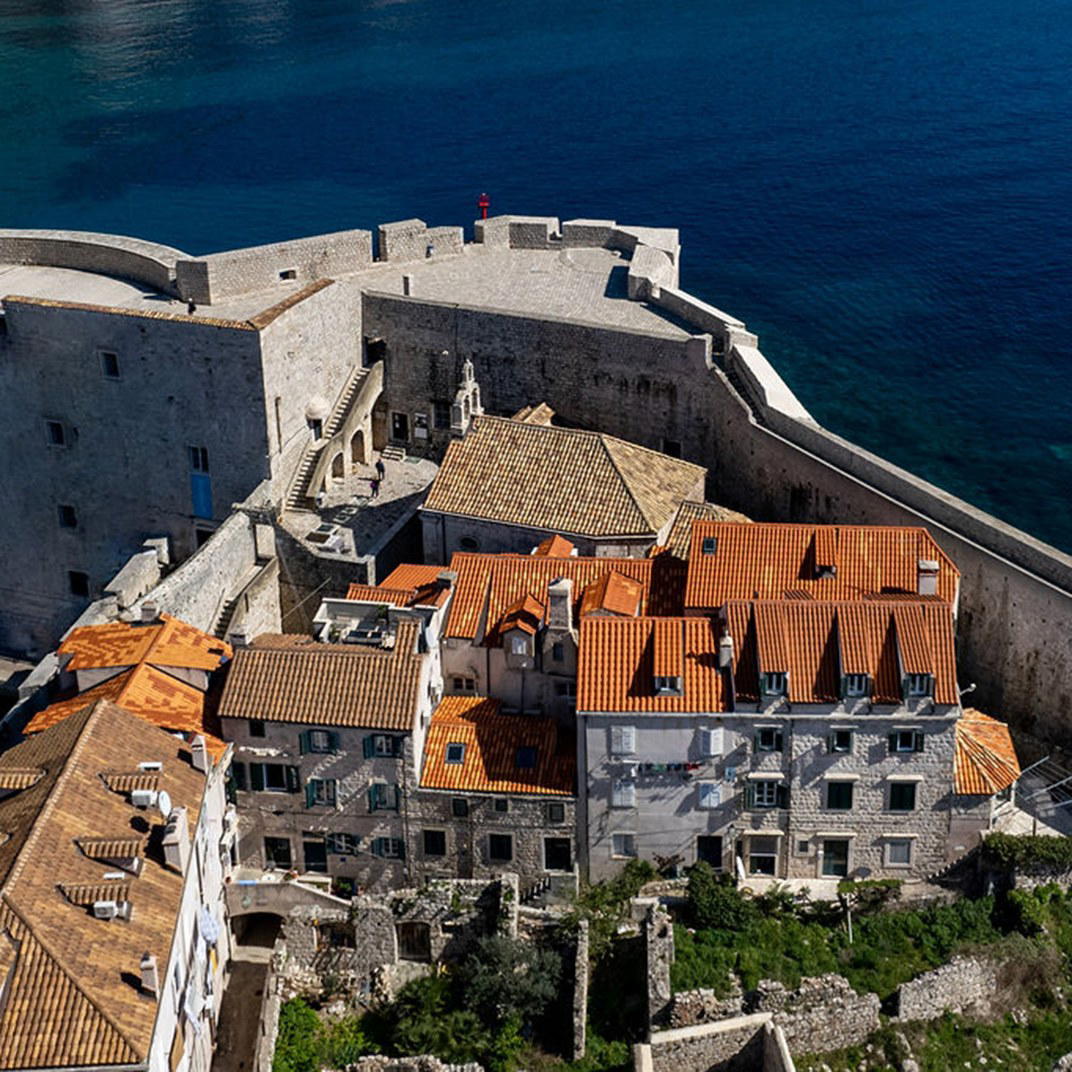
Approach Hotel Villa Dubrovnik from the coastal path that winds south from the Old Town walls, and the building's mid-century silhouette reads immediately against the limestone and pine. The cliffside glass elevator, the hotel's most theatrical logistical flourish, drops guests from street level to the water's edge, framing the island of Lokrum and the terracotta rooflines of the Old Town in a single, slowly descending composition. It is an entrance sequence that no amount of renovation can manufacture from scratch; it is a product of site, elevation, and a specific architectural moment in Croatian history.
That moment was 1961, when the building opened as a prestigious residential address on a stretch of Dalmatian coast that was, at the time, beginning to attract serious international attention. By 1963 it had been absorbed as an annex of the Hotel Argentina, beginning a long institutional relationship with Dubrovnik's seafront hospitality that would shape its identity for the following six decades. Few properties along this coast can claim that kind of continuity. For context, Hotel Excelsior Dubrovnik and Hotel Bellevue Dubrovnik occupy comparable seafront positions, but the Villa's specific combination of mid-century provenance and post-renovation condition places it in a distinct tier of the city's upper market.
The Architecture and Interior Logic
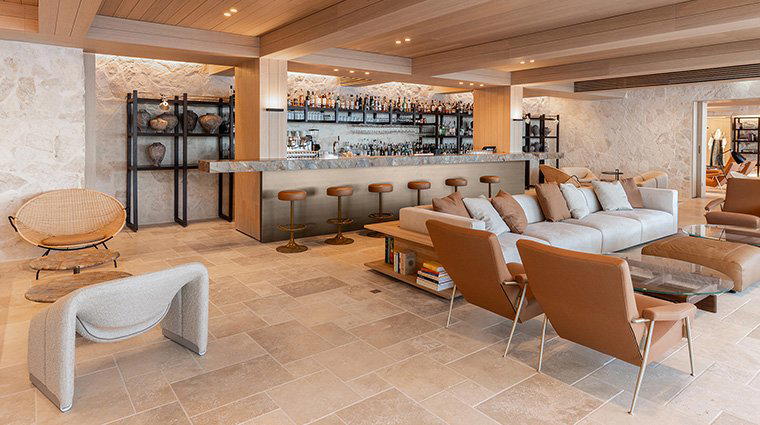
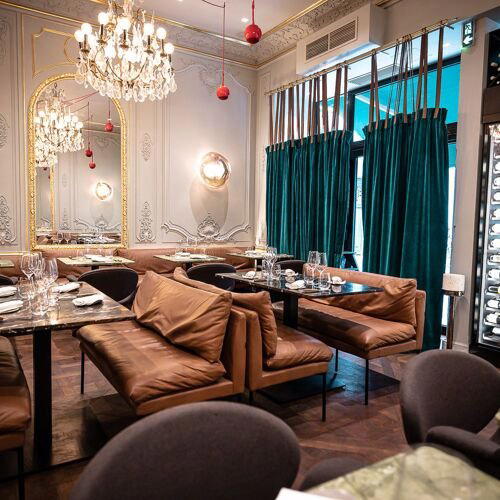
The design language inside Villa Dubrovnik reflects a considered editorial decision: to honour the building's mid-century origins without retreating into pastiche. The interiors carry chic neutral tones punctuated by retro touches, and pieces attributed to Italian designer Gio Ponti sit alongside furnishings produced by Croatian designers. This pairing, an internationally recognised modernist voice alongside local craft, mirrors a broader pattern in Croatian luxury hospitality, where properties are increasingly using regional makers to differentiate from the generic international-hotel aesthetic. The result is an interior that feels rooted rather than transplanted.
The hotel counts 55 rooms across its structure. Following an 18-month renovation, the physical fabric is current, but the spatial logic of the building remains faithful to its original massing: rooms that prioritise the view corridor across to Lokrum Island and the Old Town's skyline rather than optimising floor area. In a city where rooms looking directly at the walls command a premium, the Villa's refined seafront orientation is a structural advantage that no refurbishment programme at competitors can replicate.
Dining and Drinking: Pjerin, Galanto, and the Rooftop Position
Dubrovnik's dining scene has matured considerably over the past decade, moving from tourist-volume konobas toward a smaller tier of restaurants with genuine culinary ambition. Hotel Villa Dubrovnik's Restaurant Pjerin sits in that upper bracket, carrying a MICHELIN Guide recommendation that positions it within the city's small cluster of recognised dining addresses. The MICHELIN Guide recommendation functions here as a signal of consistency rather than spectacle; the Guide's inclusion criteria reward technique and product quality, which in a Dalmatian context typically means seafood sourced from Adriatic day boats and preparation that respects Mediterranean convention without being bound by it.
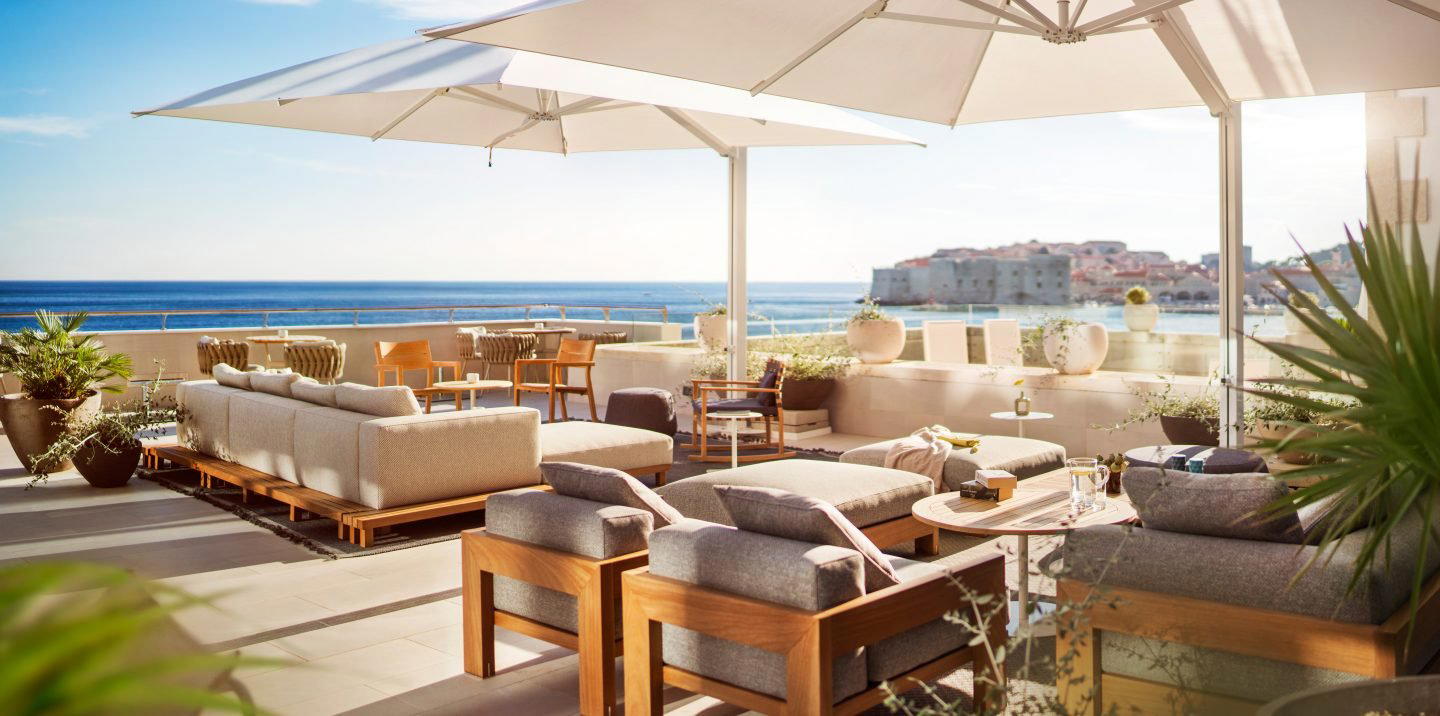
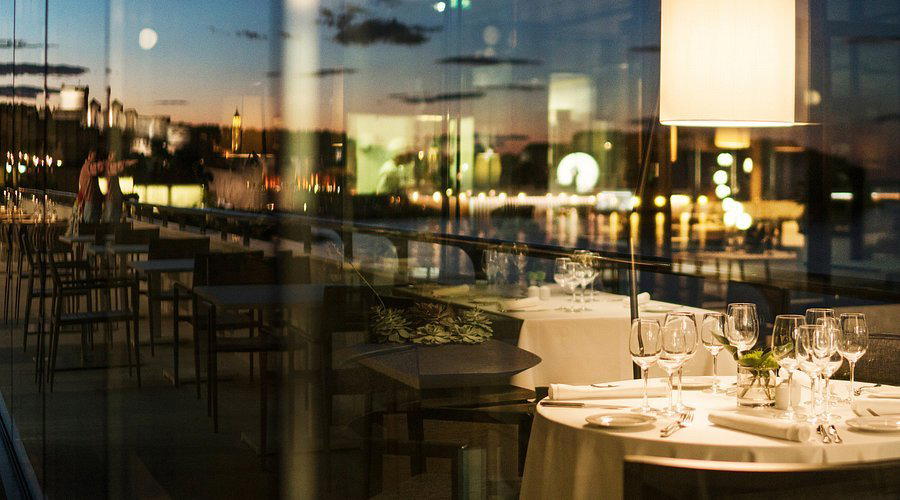
The hotel operates four bars and restaurants in total, but one city-specific asset is Galanto bar. It holds the distinction of being Dubrovnik's only rooftop bar, a claim that carries genuine weight in a city where building height restrictions and the density of the Old Town make rooftop access rare. The bar's position above the cliff allows sightlines across the water that ground-level venues on the Stradun cannot match. For visitors treating Dubrovnik as part of a wider Croatian circuit, this is the kind of differentiated experience that separates a hotel stay from the merely comfortable. Those exploring the wider Adriatic coast might also consider Littlegreenbay Hotel in Hvar or Aminess Korčula Heritage Hotel in Curzola as part of an island-hopping itinerary. Our full Dubrovnik restaurants guide maps the broader dining context for the city.
The Spa and the Adriatic Setting
Villa Spa operates on a Mediterranean herb-led treatment philosophy, with lavender and mint among the primary ingredients in its programme. The indoor pool and hot tubs sit behind floor-to-ceiling windows oriented toward the Adriatic, which in practical terms means the thermal experience and the view are not competing priorities. An outdoor terrace extends the pool area when conditions allow. Mediterranean spa programming built around locally sourced botanicals has become a consistent differentiator for high-end Croatian properties, the Boutique Hotel Alhambra in Mali Lošinj and Boutique & Design Hotel Navis in Opatija both operate within similar wellness frameworks, but the Villa's cliffside elevation adds a physical specificity that most inland or low-lying wellness centres cannot offer.
Where It Sits in the Market
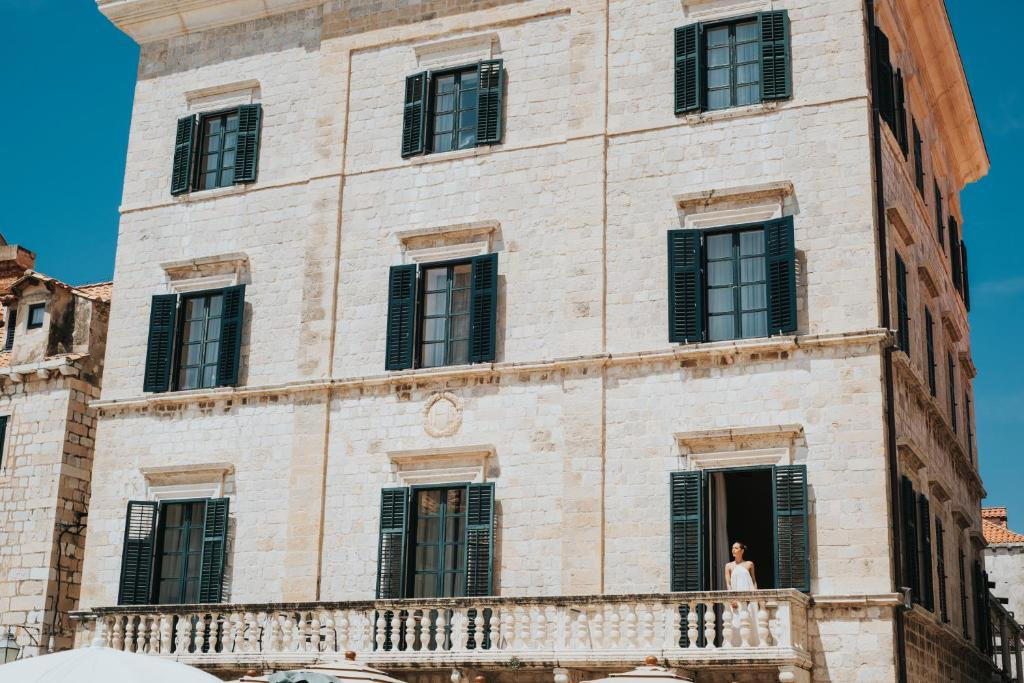
La Liste's 2026 Leading Hotels ranking awards Hotel Villa Dubrovnik 95 points, placing it in a competitive tier that is small but not without alternatives in this part of the Adriatic. Membership in Leading Hotels of the World provides an additional institutional signal, setting minimum standards across service, physical product, and facilities that distinguish it from independently operated boutique properties without the affiliation. Nightly rates from approximately $617 position the hotel at the upper end of Dubrovnik's market, above mid-range competitors such as Hotel Kompas Dubrovnik and considerably above budget options like Dubrovnik Old Town Hostel. The Pucic Palace and Villa Orsula Dubrovnik operate in a comparable luxury register within the city, though with different physical formats and locations.
For those building a Croatian itinerary beyond Dubrovnik, the country's upper hotel tier includes properties across significantly different landscapes: Grand Park Hotel Rovinj by Maistra Collection and Lone Hotel by Maistra Collection cover the Istrian coast, while Hotel Kastel in Motovun and Hotel Vela Vrata in Pinguente anchor the inland Istrian hill-town circuit. For those extending travel internationally, Aman Venice operates in a comparable luxury register with a similarly history-laden physical address. In the United States, Aman New York and The Fifth Avenue Hotel represent the equivalent tier for travellers cross-referencing international standards. Also worth noting along the Croatian coast: D-Resort Šibenik, Brown Beach House Croatia in Trogir, Kastil in Bol, B&B; Heritage Villa Apolon in Stari Grad, Falkensteiner Hotel & Spa Iadera in Petrčane, and Esplanade Zagreb Hotel for those including the capital.
Planning Your Stay
Dubrovnik operates on a sharp seasonal curve, with the summer months from June through August bringing maximum footfall to the Old Town walls and surrounding restaurants. The Villa's cliffside position provides some insulation from street-level crowds, but the Galanto rooftop bar in particular will be at its most pressured during peak weeks. The shoulder months of May and September offer particularly considered conditions: sea temperatures remain swimmable, the Old Town is navigable at a reasonable pace, and the hotel's panoramic assets read at their clearest light. The address at Ul. Vlaha Bukovca 6 sits a short walk south of the Old Town walls, accessible by foot along the coastal path or via the hotel's own cliffside elevator from the road above.
Same-City Peers
Comparable venues nearby, for context on price, style, and recognition.
| Venue | Cuisine | Price | Notes |
|---|---|---|---|
| Hotel Villa DubrovnikThis venue — the venue you are viewing | Luxury clifftop boutique hotel positioned as an intimate, sophisticated retreat with emphasis on privacy and personalized service. | $$$$ | Not listed |
| Sun Gardens Dubrovnik | Contemporary luxury resort replicating a traditional Mediterranean village aesthetic with modern amenities and coastal elegance. | $$$$ | Orašac |
| Rixos Premium Dubrovnik | Contemporary cliffside resort blending modern architecture with Dalmatian stone accents. | $$$$ | near Old Town |
| Grand Villa Argentina | Grand seafront retreat combining a turn-of-the-century villa with a contemporary hotel wing in one of Dubrovnik’s most prestigious coastal locations. | $$$$ | Ploce |
| President Hotel, Valamar Collection | Contemporary luxury beachfront resort with Mediterranean-inspired design, set within lush gardens on a private peninsula. | $$$$ | Babin Kuk Peninsula |
| Hotel Kompas Dubrovnik | Modern cliffside beach hotel | $$$ | Lapad |
Recognition history
Dated appearances from independent guides and award organizations, with the underlying list record or original source where available.
Forbes Recommended
Forbes
La Liste Top Hotels
La Liste
Mr & Mrs Smith Smith Seal of Approval
Mr & Mrs Smith
Prix Versailles World Selection
Prix Versailles
Virtuoso Luxury Hotel Partner
Virtuoso
Leading Hotels of World Member
Leading Hotels of World
Michelin 1 Key
Michelin
Continue exploring
More in Dubrovnik
Hotels in Dubrovnik
Browse all →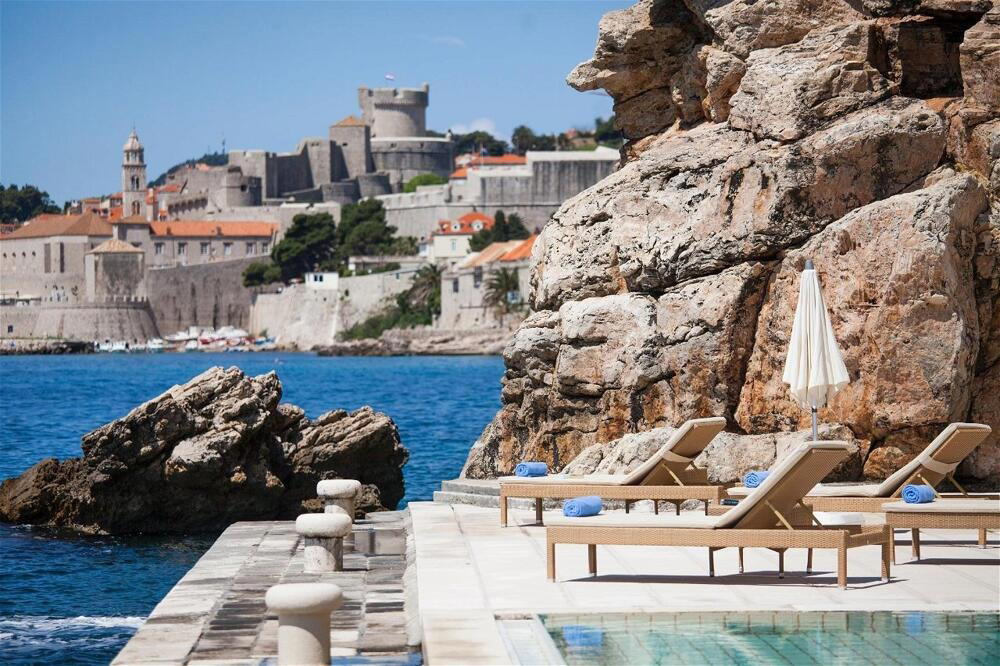
Bars in Dubrovnik
Browse all →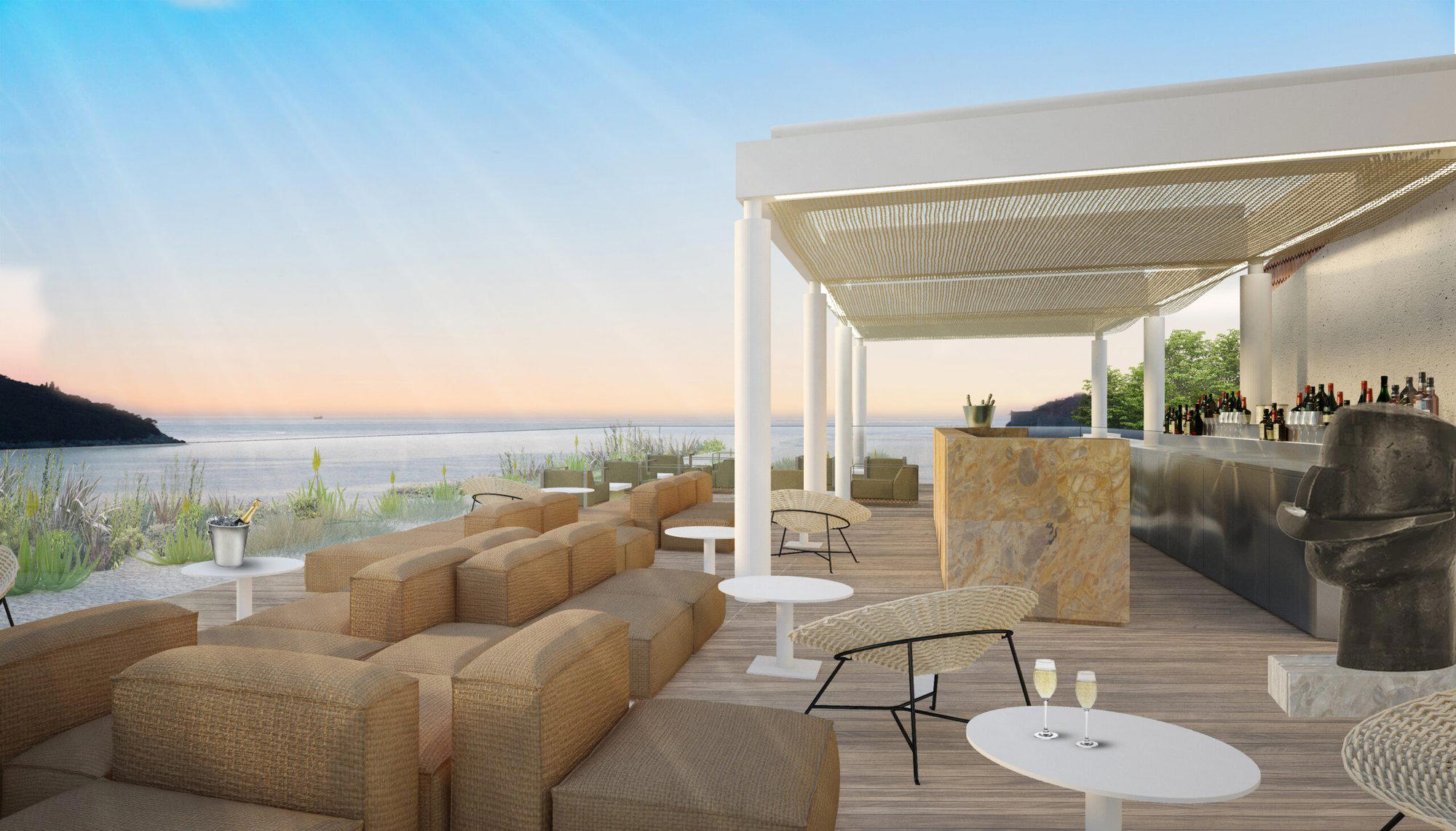
Restaurants in Dubrovnik
Browse all →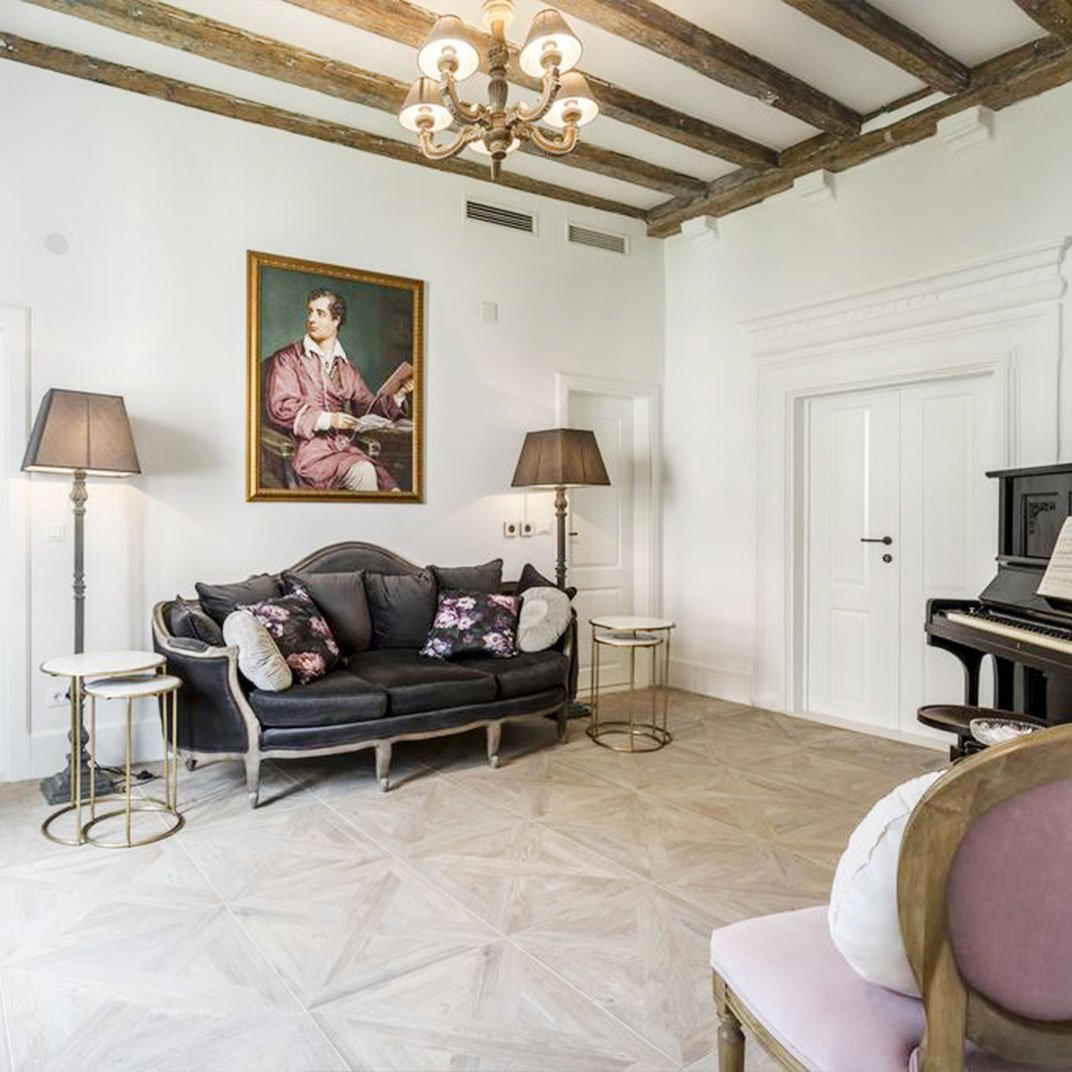
Wineries in Dubrovnik
Browse all →
At a Glance
- Romantic
- Elegant
- Sophisticated
- Scenic
- Honeymoon
- Romantic Getaway
- Anniversary
- Wellness Retreat
- Celebration
- Beachfront
- Waterfront
- Rooftop Pool
- Destination Spa
- Panoramic View
- Private Dining
- Terrace
- Garden
- Wi Fi
- Pool
- Spa
- Fitness Center
- Room Service
- Concierge
- Restaurant
- Bar
- Beach Access
- Sauna
- Valet Parking
- Waterfront
- Wi Fi
- Pool
- Spa
- Fitness Center
- Room Service
- Concierge
- Restaurant
- Bar
- Beach Access
- Sauna
- Valet Parking
Serene and refined with abundant natural light from floor-to-ceiling windows, soft spa lighting, and open terraces overlooking the sea and UNESCO Old Town.