A fixture on the Dalmatian seafood circuit, Noštromo occupies a tight address near Split's waterfront, where the catch arrives daily and the room runs on the kind of unhurried coordination that comes from a kitchen and floor working in step. The cooking is rooted in the Adriatic, with the integrity of ingredients doing most of the work. Booking ahead is advisable, particularly through the summer months.
Pearl is the En Primeur Club membership app — saves, bookings, and concierge access live there. Same editors, same standards.
- Address
- Ul. Kraj Svete Marije 10, 21000, Split, Croatia
- Phone
- +385952099691
- Website
- bookyour.smokvina.hr
- Directions
- Get directions
 Saves & bookings on Pearl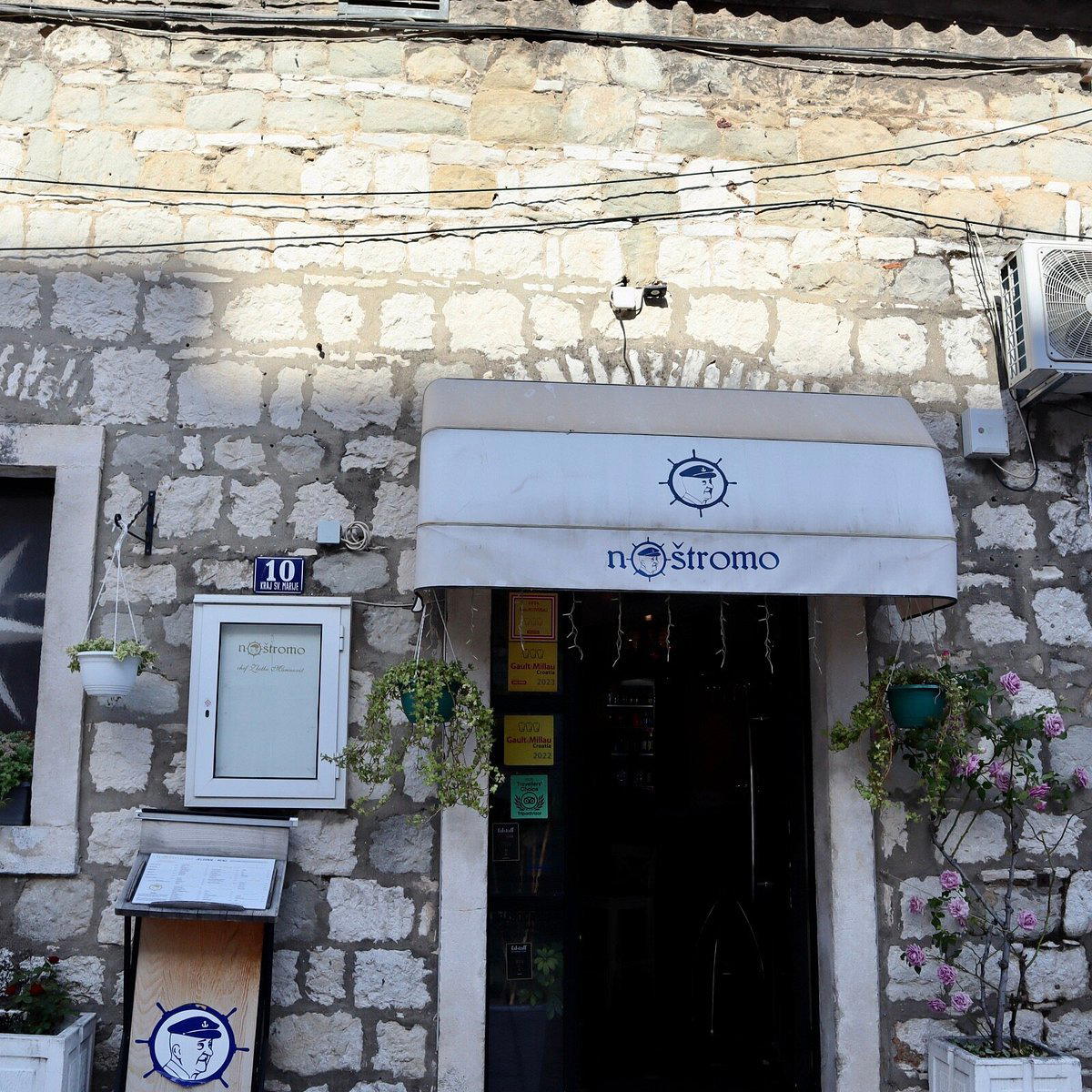
Where the Adriatic Comes to the Counter
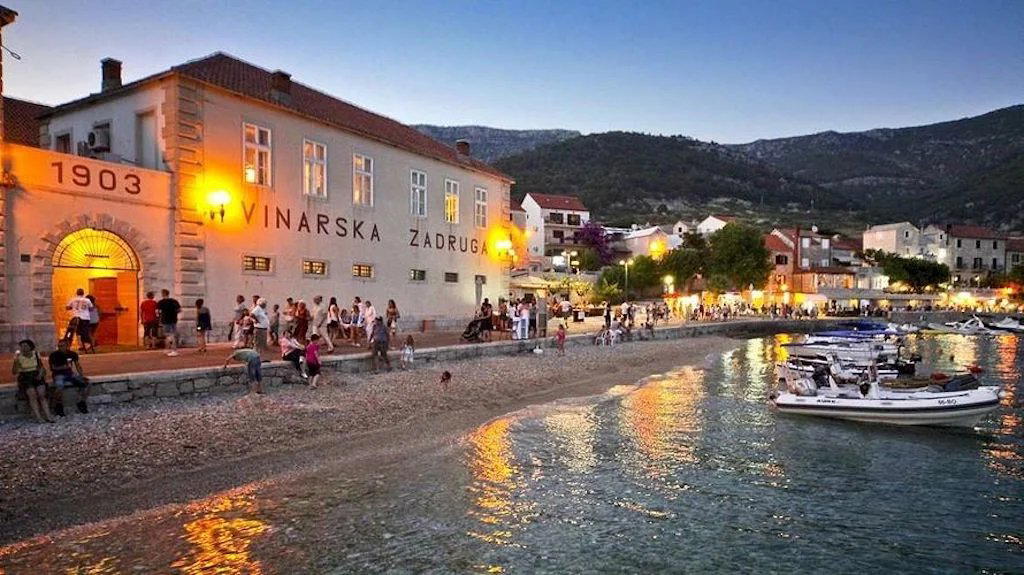
Split's dining scene has always been split, in a literal sense, between places that exist to feed tourists moving between the Riva and Diocletian's Palace, and places that exist because the city demands them. The waterfront pulls visitors in one direction; the quieter lanes and addresses like Ul. Kraj Svete Marije pull everyone else. Noštromo sits in the second category, drawing a room of locals, repeat visitors, and anyone who has done enough research to know that proximity to the Pazar fish market matters more than proximity to the promenade. It is a modern Croatian seafood restaurant in Split, priced around $35 per person.
Dalmatia's seafood tradition is not complicated in principle: whatever comes off the boats that morning, cooked with restraint, served with olive oil, capers, and wine. The difficulty lies in execution, sourcing consistently, maintaining standards across a long summer season, and resisting the pressure to pad a menu with crowd-pleasing imports. In Split, as in most Adriatic ports, the restaurants that earn sustained local respect tend to be the ones that hold the line on product. Noštromo has that reputation.
The Room and What It Signals
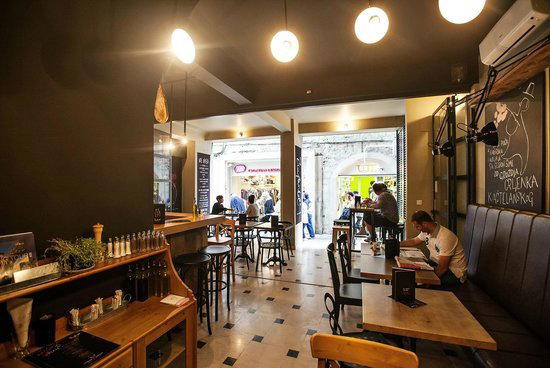
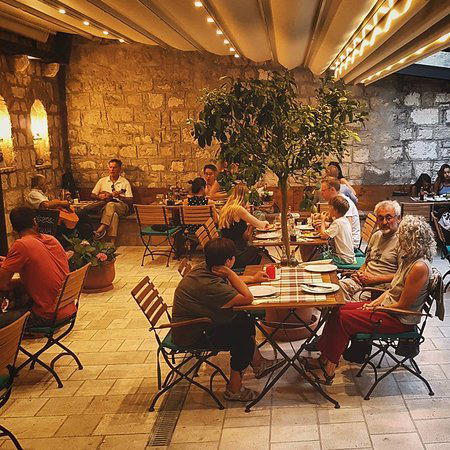
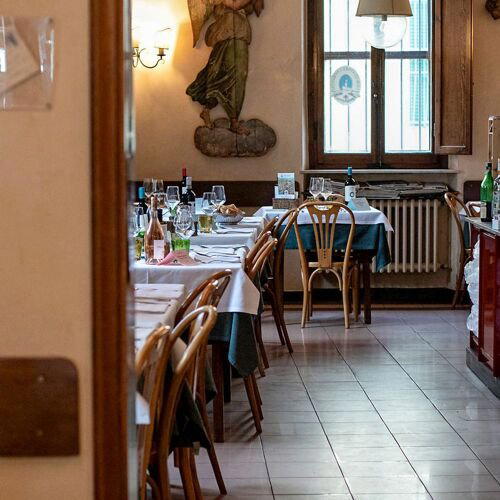
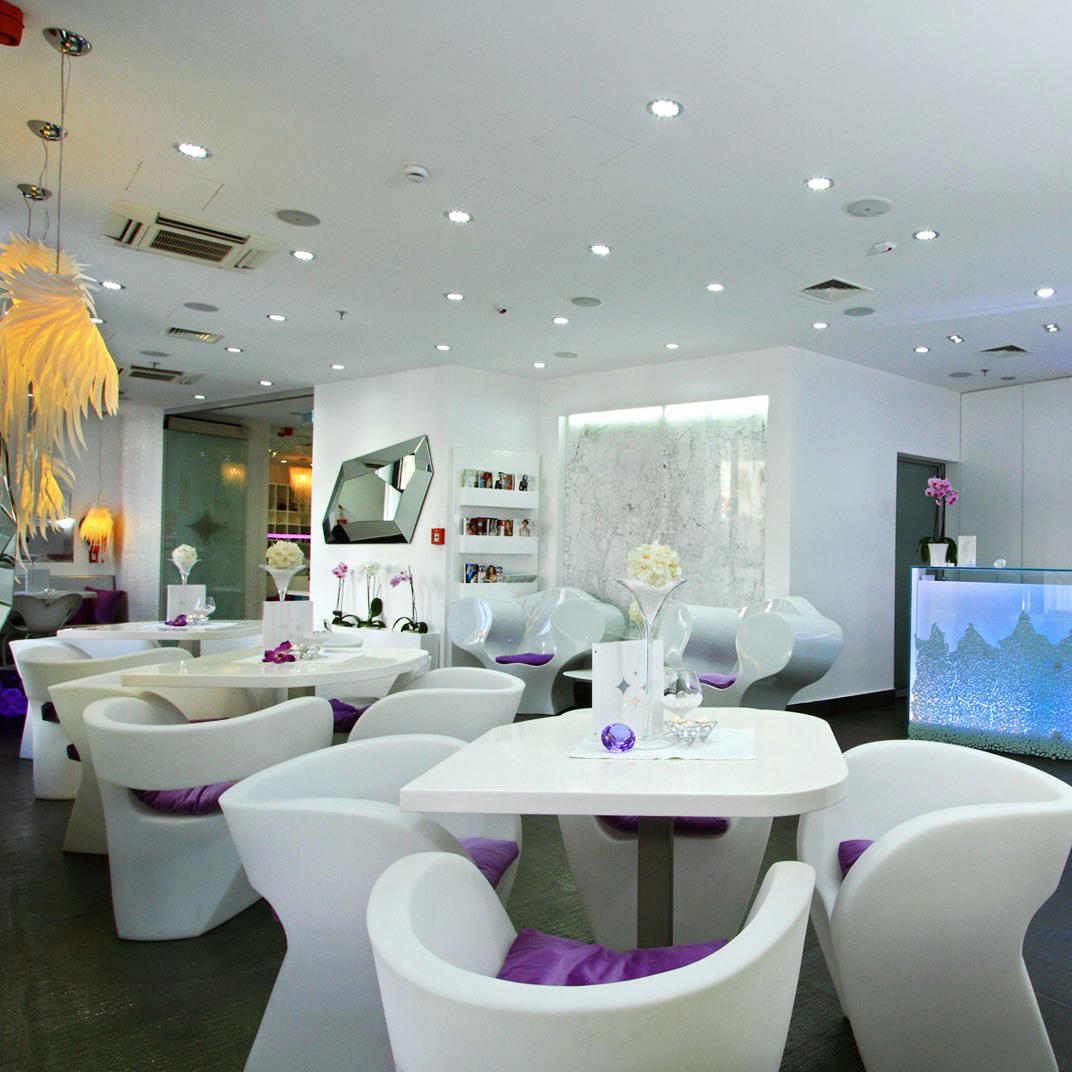
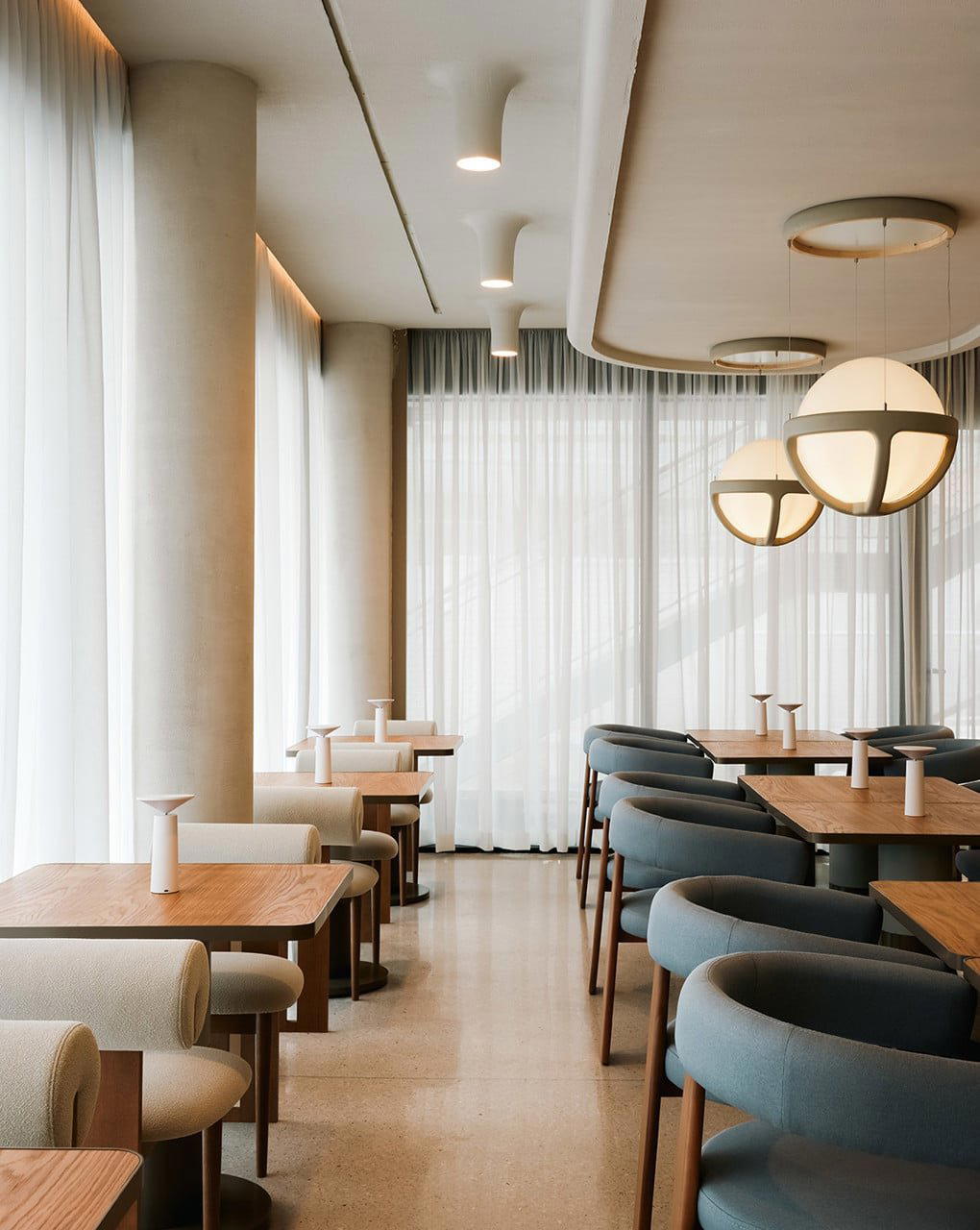
Dalmatian dining rooms in the old town exist on a spectrum from converted stone palaces to functional trattorias where the chairs don't match and nobody minds. Noštromo occupies the working end of that spectrum, a space that communicates seriousness through what it chooses not to do. There is no elaborate staging here, no theatrical presentation designed to photograph well. The room functions as a frame for the food rather than a statement of its own. In a city where some addresses lean hard on the visual drama of medieval stone, that restraint reads as confidence.
The address itself matters. Proximity to Split's central fish market, the Pazar, is not incidental, it shapes the menu in real time. Restaurants with direct market access operate differently from those sourcing through wholesalers: the selection is broader, the provenance is direct, and the daily composition of what's available drives the kitchen rather than the other way around. This is a structural advantage that shows up on the plate.
Team Coordination as the Core Product
In seafood-led restaurants, the front-of-house carries more interpretive weight than in kitchens built around elaborate tasting menus. When a dish is three or four ingredients, the conversation between the floor and the guest, what came in this morning, how it's being prepared, what to drink alongside it, becomes part of the experience. The gap between a knowledgeable server who can walk a table through the day's catch and one who cannot is measurable in how much the guest actually understands and enjoys what arrives.
This dynamic defines a particular tier of Dalmatian restaurant, one where the sommelier or wine lead and the floor team together carry the editorial function that a printed tasting menu would handle elsewhere. Croatia's wine offer has grown significantly over the past decade, with indigenous varieties like Pošip, Grk, and Plavac Mali now appearing on serious international lists. A room that can narrate the connection between the day's fish and a Pošip from Korčula or a Grk from Lumbarda is offering something that a generic seafood restaurant with a generic wine list cannot replicate. This kind of team coordination, quiet and competent rather than performative, is the product Noštromo is positioned around.
Comparable coordination shows up at Croatia's stronger addresses: Pelegrini in Sibenik works the same Adriatic ingredient logic with more formal structure; LD Restaurant in Korčula operates in a similar price conversation with a wine program anchored to island production. At the higher end of the national picture, Agli Amici Rovinj in Rovinj and Nebo by Deni Srdoč in Rijeka have moved Croatian seafood cooking into a more technical register. Noštromo operates below that tier in formality but within the same tradition of prioritising product honesty over elaboration.
Split's Broader Dining Picture
Split has developed a more coherent restaurant offer over the past several years, moving beyond the summer-season churn that defines many Adriatic tourist towns. The better addresses now operate year-round or close to it, which changes the economics and the kitchen culture. A team that works through winter develops differently from one assembled each May and disbanded each October. Within Split, the market has stratified: Krug operates at the Mediterranean fine-dining end; Adriatic sits in the same general conversation; Bajamonti POP, Bistro Noir, and Bokamorra represent the more casual tier. Noštromo sits in the mid-tier of that picture, where the cooking is taken seriously but the format stays accessible.
For visitors mapping the broader Croatian dining circuit, context helps. Boskinac in Novalja on Pag represents the island-estate model, with wine and food produced in the same place. Dubravkin Put in Zagreb and Korak in Jastrebarsko anchor the continental end of the national scene. Restaurant 360 in Dubrovnik and Alfred Keller in Mali Lošinj cover the coastal fine-dining register south and north of Split respectively. BioMania Bistro Bol in Bol on Brač represents the organic-led island bistro format. Internationally, the precision-driven seafood cooking of Le Bernardin in New York City or the fermentation-forward approach of Atomix in New York City illustrate how far the spectrum extends, useful reference points for understanding where Dalmatian fish cooking sits in a global conversation. Our full Split restaurants guide maps the city's offer in more detail.
Planning Your Visit
Noštromo is located at Ul. Kraj Svete Marije 10, within walking distance of Diocletian's Palace and close to the Pazar market. Summer months run at high capacity across Split's better restaurants, and addresses at this level fill quickly; arriving without a reservation in July or August is a risk worth avoiding. The format is informal enough that no particular dress code applies, and the pace of the room suits both a quick lunch built around a single fish and a longer evening meal with wine. Visitors with access to the full Split dining guide will find it worth cross-referencing current local advice on seasonal availability before visiting.
Budget Reality Check
Comparable venues nearby, for context on price, style, and recognition.
| Venue | Cuisine | Price | Notes |
|---|---|---|---|
| NoštromoThis venue — the venue you are viewing | Old Town, Modern Croatian Seafood | $$$ | Not listed |
| Nikola | Stobrec, Dalmatian Seafood Konoba | $$$ | Not listed |
| Zora Bila | Bačvice, Modern Dalmatian Mediterranean | $$$ | Not listed |
| Konoba Laganini | Not listed | $$$ | Diocletian's Palace, Modern Dalmatian Seafood |
| Brasserie on 7 | Riva, Mediterranean Brasserie | $$$ | Not listed |
| Marulićeva ul. 1 | Old Town, Modern Dalmatian Bistro | $$ | Not listed |
Continue exploring
More in Split
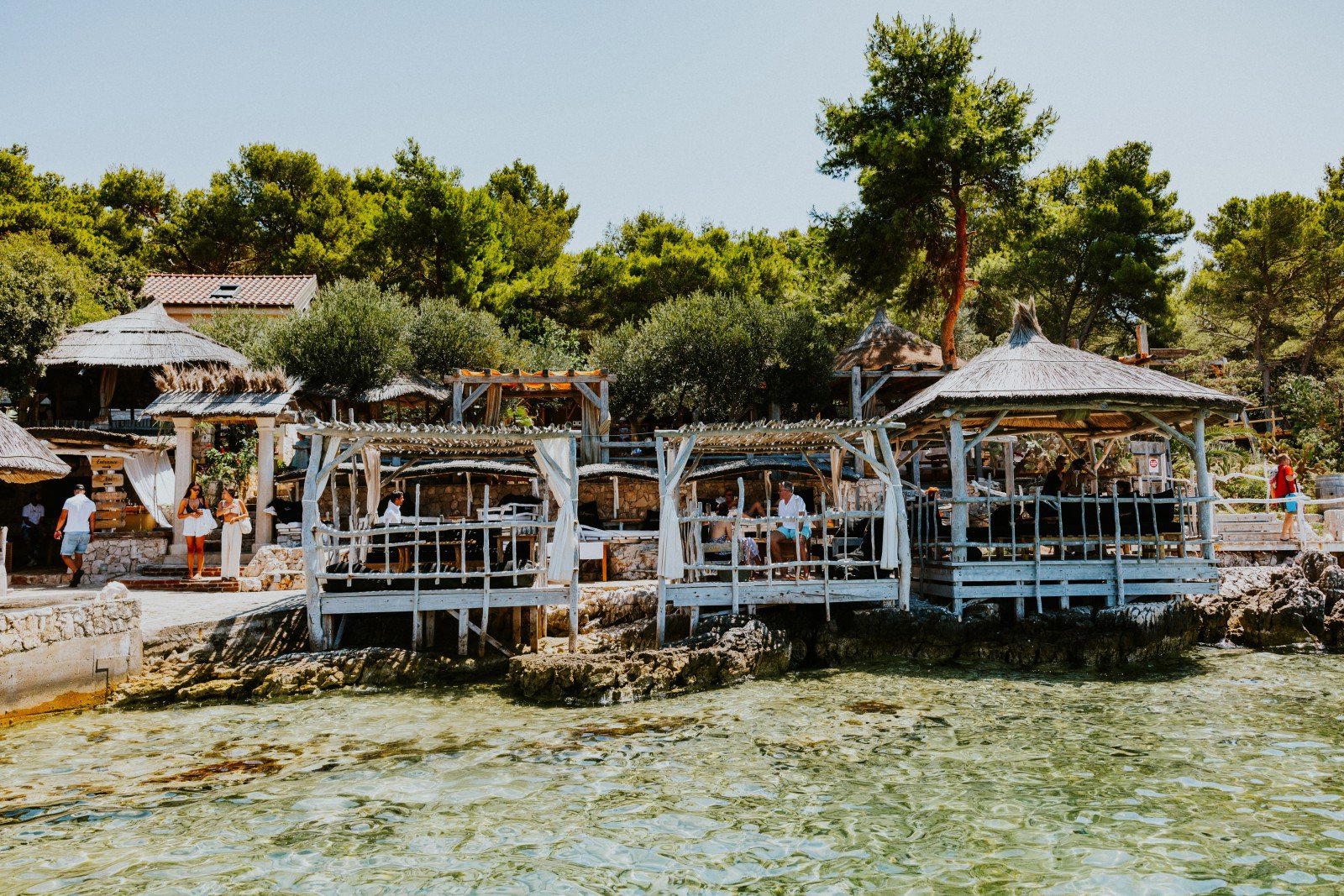
Restaurants in Split
Browse all →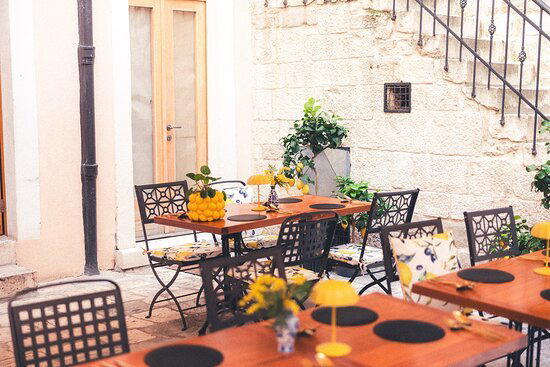
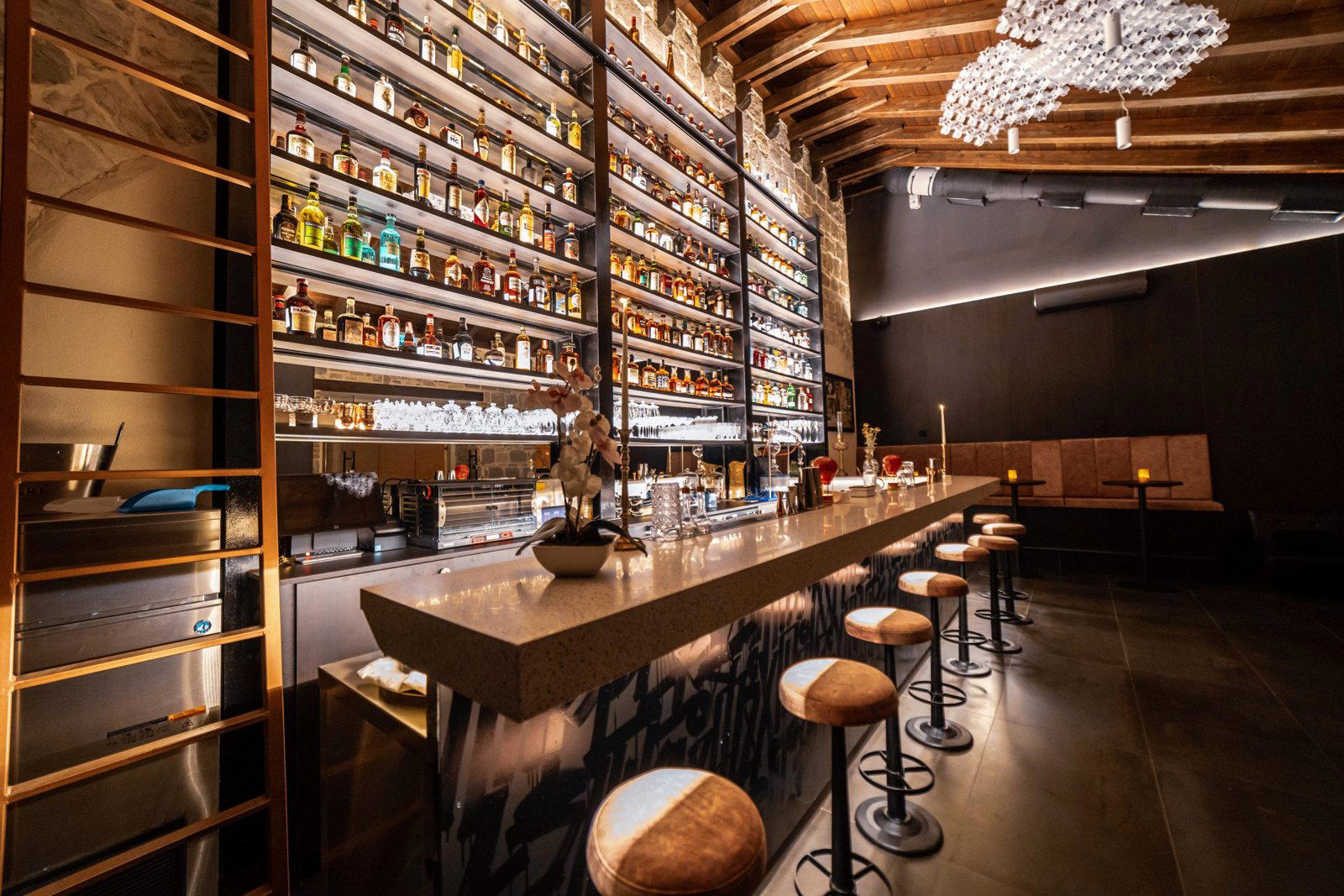
Bars in Split
Browse all →
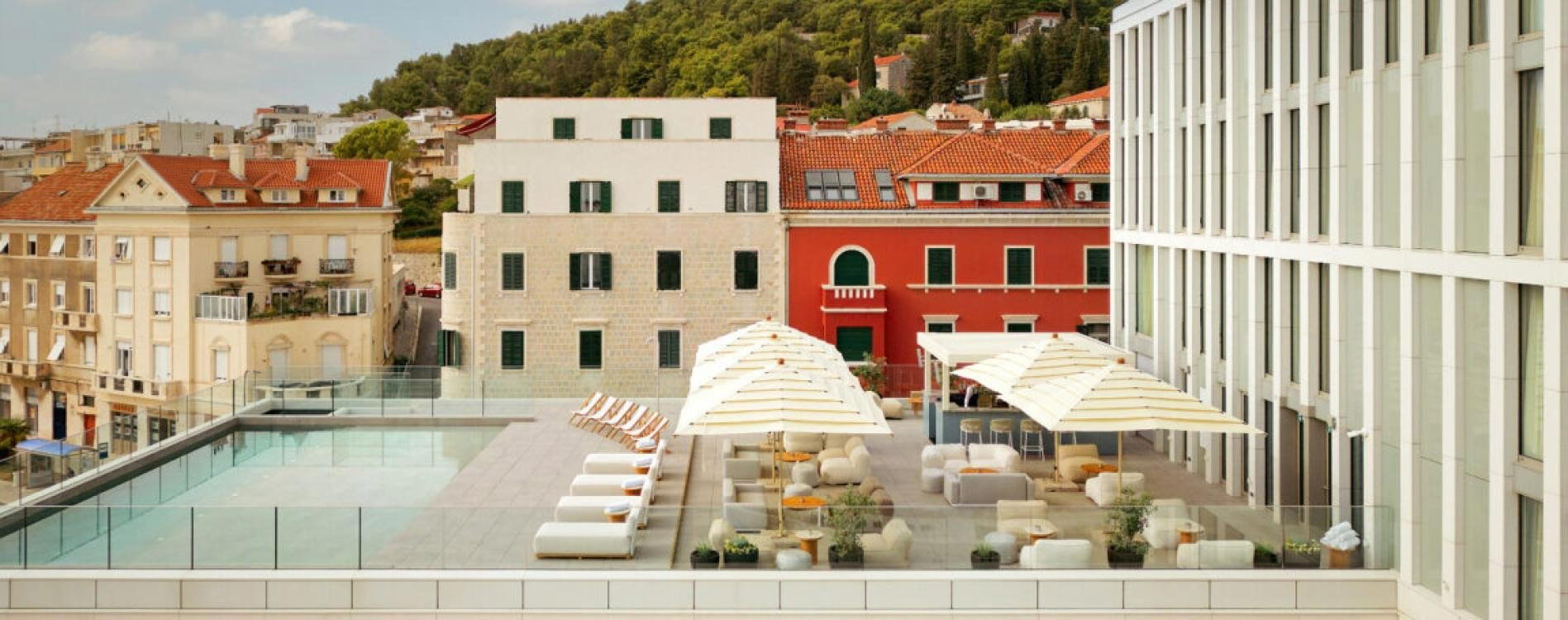
Hotels in Split
Browse all →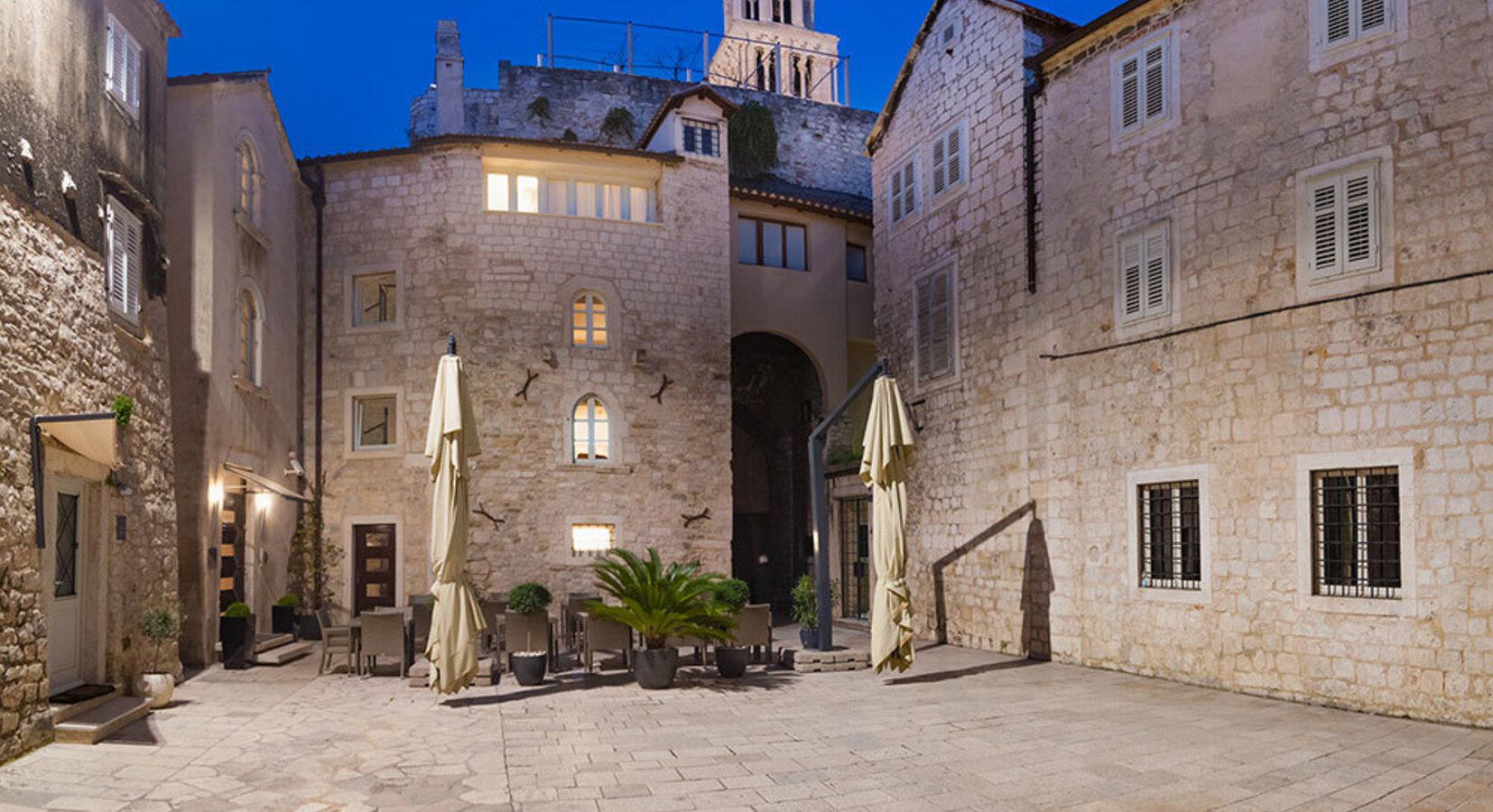


At a Glance
- Modern
- Cozy
- Elegant
- Date Night
- Special Occasion
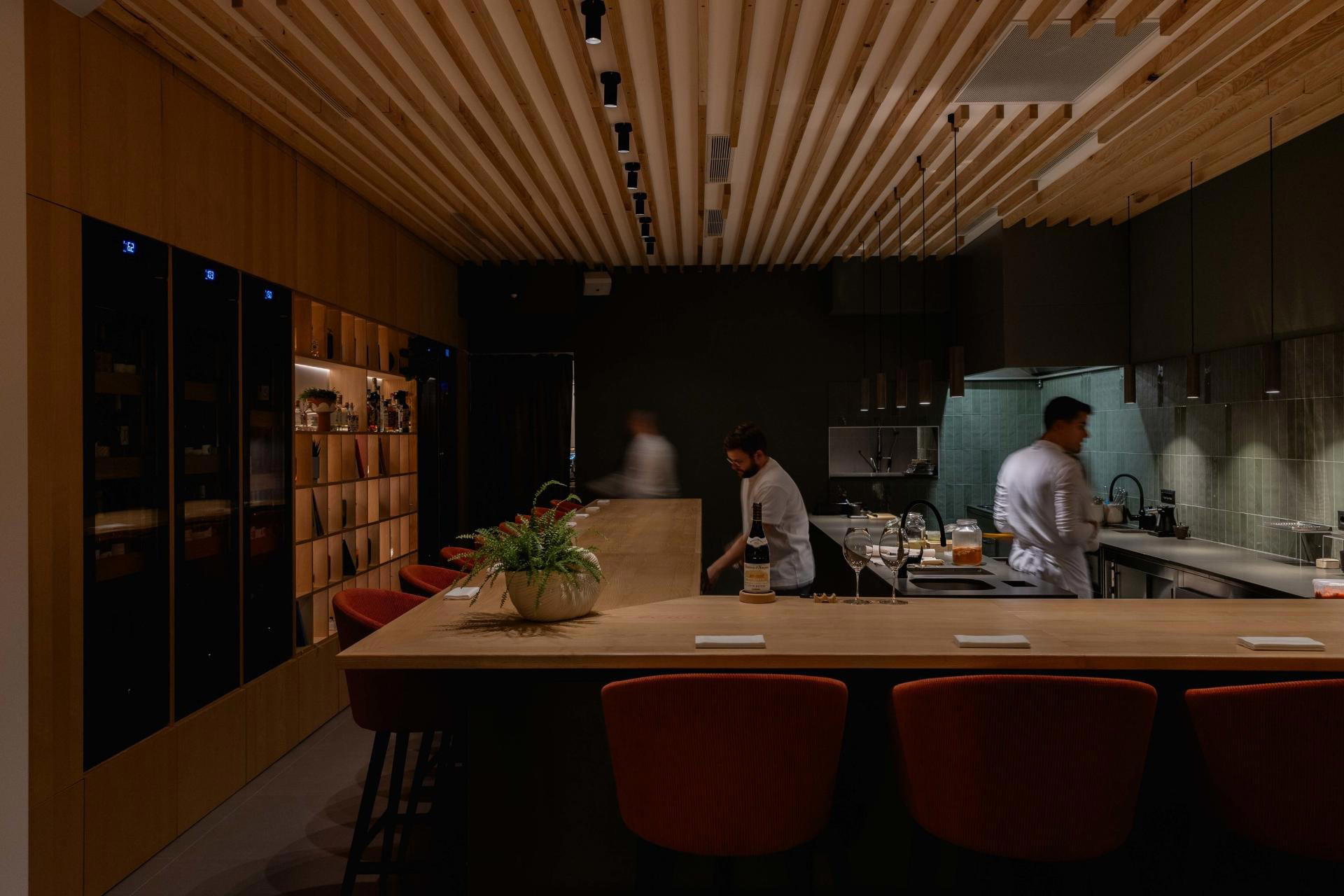
- Open Kitchen
- Local Sourcing
- Street Scene
Tasteful artwork and white tablecloths create an elegant yet cozy atmosphere.