Lake-Edge Dining in the Heart of Hoàn Kiếm
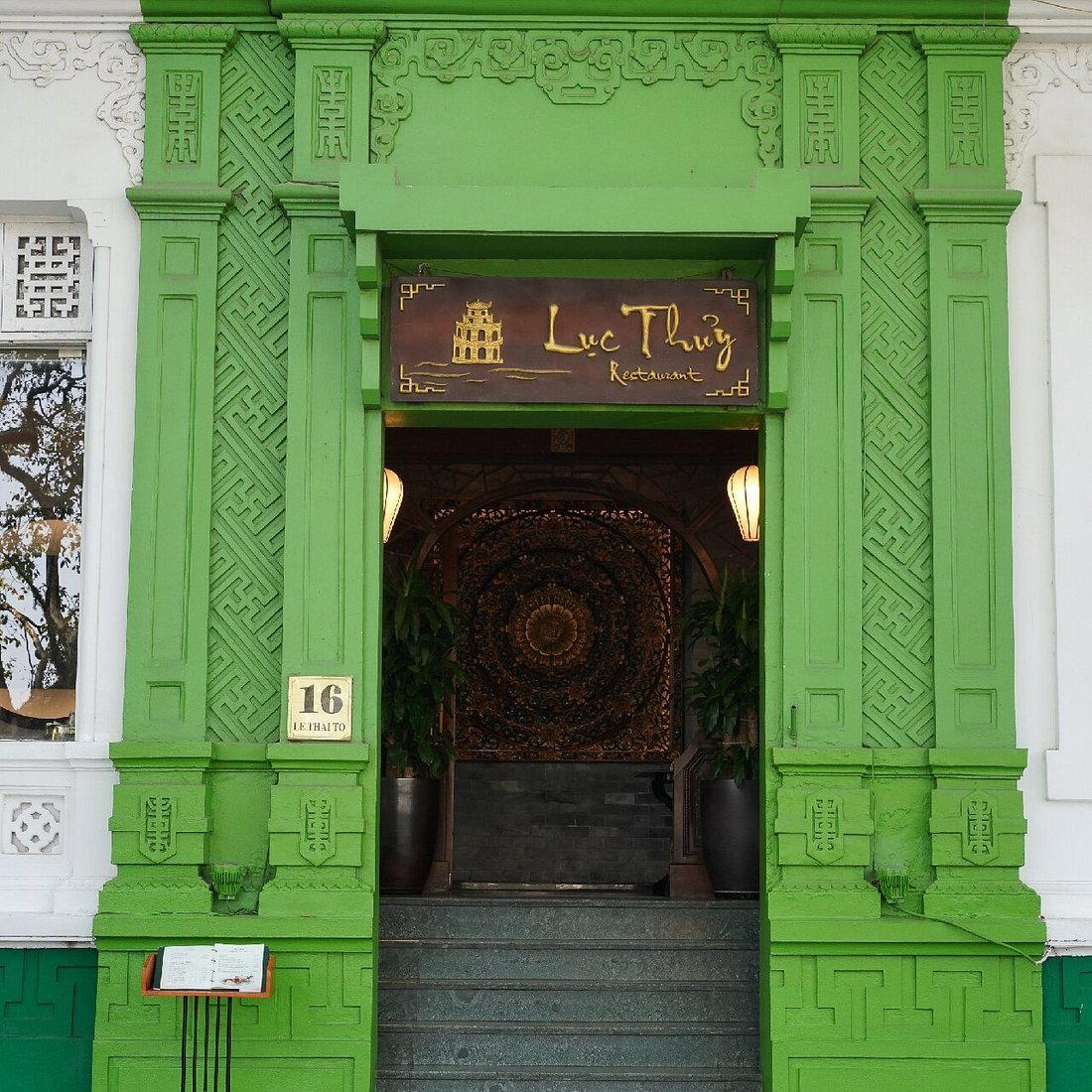
The western shore of Hoàn Kiếm Lake is one of Hanoi's most legible dining corridors. In the early evening, the lake catches the last light from the west, the surface broken occasionally by turtles or the slow arc of a heron, and the promenade fills with a layered crowd: locals on evening walks, families at low plastic stools, and hotel guests searching for something with a view worth the address. Luc Thuy sits within this corridor at 16 Lê Thái Tổ, a location in the Hàng Trống ward of Hoàn Kiếm district that places it steps from Ngọc Sơn Temple and within easy walking distance of the Old Quarter's network of specialist streets. Few restaurant addresses in Hanoi carry this much ambient context before you've even considered the menu.
The Sensory Logic of the Setting
Lake-facing restaurants in this part of Hanoi operate under a specific set of atmospheric conditions that distinguish them from the dense-lane venues deeper in the Old Quarter. The ambient sound is lower, the sightlines longer, and the overall register more composed. Where many Old Quarter spaces are defined by compression — narrow frontages, stacked floors, the persistent noise of motorbike traffic — the Hoàn Kiếm lakefront allows for a different pace. Tables positioned toward the water function almost as observation posts, with Tháp Rùa (Turtle Tower) holding the mid-lake position and the red arch of Thê Húc Bridge visible to the north. This geography gives lake-edge dining in Hanoi a built-in sensory argument that venues in the interior parts of the Old Quarter have to construct through design alone.
For a broader map of where Luc Thuy fits among Hanoi's restaurant options across format and price, the EP Club Hanoi restaurants guide provides the full competitive picture across neighbourhoods and categories.
Where Luc Thuy Sits in Hanoi's Vietnamese Restaurant Spectrum
Hanoi's Vietnamese restaurant scene has stratified considerably over the past decade. At one end, single-dish specialists, phở shops, bún chả stalls, bánh cuốn counters, continue to operate at price points that reflect their narrow focus and high volume. At the other end, a newer cohort of contemporary Vietnamese restaurants has emerged, drawing on classical technique and international presentation to reach a different price tier and dining occasion. Gia represents the upper bracket of this contemporary movement, with a tasting-format approach and a price point at ₫₫₫₫ that positions it against the city's most ambitious kitchens.
Luc Thuy occupies a different register: a mid-format restaurant in a premium location, where the draw is as much the lake setting as the cuisine itself. This is not a critique, lake-facing restaurants in any city command a premium for geography, and diners choosing this address understand the trade implicitly. The relevant comparison is not with the tasting-menu tier but with the broader pool of Vietnamese restaurants that use heritage recipes and traditional formats as their primary editorial statement. In that context, 1946 Cua Bac, at the ₫ tier, and Tầm Vị at ₫₫, offer useful reference points for what Vietnamese dining looks like when setting is not the primary variable.
The Culinary Tradition the Address Represents
Vietnamese cuisine in Hanoi is anchored in the northern tradition: lighter sauces than the south, a stronger emphasis on freshness and herb-forward composition, and a historical preference for subtlety over sweetness. The canonical Hanoi dishes, phở bò, bún thang, chả cá Lã Vọng, share a structural restraint that reflects both geography and history. A restaurant on Lê Thái Tổ, surrounded by the civic architecture of Hoàn Kiếm, operates in a setting that reinforces this northern identity. The lake is not incidental to the meal; it functions as a frame that places the food within the older story of the city.
For context on how Vietnamese dining traditions translate across the country's major cities, Akuna in Ho Chi Minh City illustrates how the southern tradition diverges, while La Maison 1888 in Da Nang shows how central Vietnamese cuisine handles its own distinct identity. Closer to Hanoi's mid-range Vietnamese tradition, 19 P. Ngũ Xã offers another reference point within the city.
Planning Your Visit
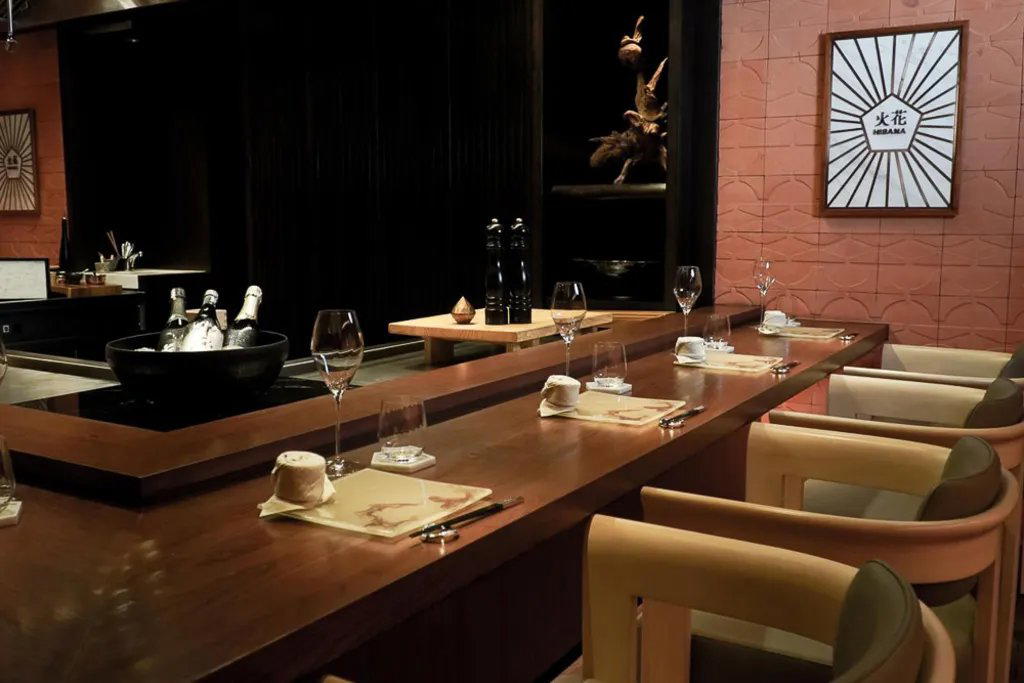
The Hoàn Kiếm lakefront is most atmospheric in the early evening, when the light and foot traffic align and the lake surface reflects the surrounding temple architecture. Arriving before the peak dinner hour, which in Hanoi tends to run from around 6:30 to 8:30pm, allows for a more composed entry and better table positioning relative to the lake views. The address at 16 Lê Thái Tổ is within walking distance of most Old Quarter hotels, and the surrounding streets are pedestrianised on weekend evenings, which changes the approach considerably: motorbike traffic drops, the promenade fills with local families, and the ambient register of the entire lakefront shifts toward something closer to a public square than a traffic corridor. If you are scheduling a broader evening in the Old Quarter, venues like Hibana by Koki represent the teppanyaki alternative for those who want a contrasting format later in the week.
For reference on how Hanoi's dining options compare to formats in other Vietnamese cities, the EP Club has coverage across the country, including White Rose in Hoi An, Bien 14 Seafood Buffet in Ha Long, and a range of formats from Big Bowl in Cam Ranh to GoGi House in Bac Lieu. For international reference on what the tasting-menu tier looks like at its upper bracket, Le Bernardin in New York City and Atomix in New York City provide a useful frame for understanding the global tier to which Hanoi's most ambitious contemporary kitchens now compare themselves.