

A Michelin Plate and Black Pearl 1 Diamond holder in Chaoyang, Amico BJ sits within Beijing's growing tier of European Contemporary restaurants that treat ingredient sourcing as the central editorial argument of their menus. The kitchen operates at the ¥¥¥ price point, positioning it below the city's starred European rooms but above casual Western dining. Recognition across two consecutive Michelin cycles signals consistent execution rather than a single standout year.
Pearl is the En Primeur Club membership app — saves, bookings, and concierge access live there. Same editors, same standards.
- Address
- China, CN 北京市 朝阳区 神路街 39 39号院3号楼3层102 邮政编码: 100020
- Phone
- +86 10 8530 6951
- Website
- amicobj-restaurant.com
- Directions
- Get directions
 Saves & bookings on Pearl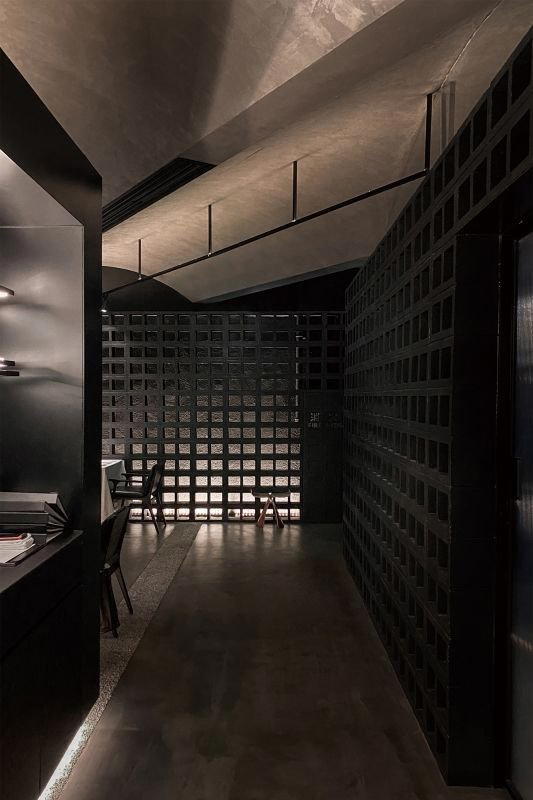
European Contemporary in a City That Has Learned to Demand More of It
Chaoyang's dining scene has undergone a quiet reclassification over the past decade. What was once a district defined by hotel restaurants and expat-facing bistros now hosts a recognisable tier of European kitchens that compete on sourcing discipline and technical consistency rather than novelty alone. Amico BJ, on Shenlu Jie in Chaoyang's inner belt, operates within that reclassified tier. The address, third floor of a compound building off a street that doesn't announce itself loudly, places it in the category of restaurants that rely on word of mouth and guide recognition rather than foot traffic. That reliance appears to have worked: Michelin Plate recognition in 2024 and 2025, alongside a Black Pearl 1 Diamond in 2025, positions Amico BJ inside Beijing's credentialed Italian-Japanese Fusion cohort.
Where the Ingredients Come From, and Why the Question Matters
Italian-Japanese Fusion cuisine, as a category, is more contested in Beijing than the label suggests. At the lower end of the price spectrum, the classification covers restaurants that import European produce without much interrogation of its provenance. At the higher end, particularly among Michelin-recognised rooms, sourcing becomes the argument the kitchen is making, the menu is, in effect, a position paper on which ingredients are worth flying in, which can be sourced from Chinese producers trained to European specification, and which require seasonal adjustment to remain honest. Amico BJ sits at the ¥¥¥ price point, with a typical spend of about $65 per person. At that price tier, sourcing decisions are visible in the food: the kitchen cannot absorb the cost of top-grade European imports across every course, so choices about what to source from where reveal the kitchen's actual priorities.
This is the lens through which Italian-Japanese Fusion kitchens operating in China's major cities are increasingly being judged. In Shanghai, rooms like 102 House have built reputations partly on how they handle the tension between European technique and regional Chinese produce. In Macau, Chef Tam's Seasons operates within a different price bracket entirely, but the underlying question is the same: what does European cooking mean when the supply chain is partially or fully Asian? For a ¥¥¥ room in Chaoyang, the answer has to be practical as well as philosophical.
The Competitive Context: What ¥¥¥ Buys in Beijing's European Rooms
Beijing's Michelin-recognised European and European-adjacent restaurants now occupy a broad price range, with meaningful distinctions between tiers. The ¥¥¥¥ rooms, Jingji with two Michelin stars, Lamdre with one, operate at a level of per-cover spend that allows for more ambitious sourcing from the outset. At ¥¥¥, the expectation shifts: guests are not paying for the same breadth of premium imports, but they are paying for a kitchen that makes intelligent decisions within its sourcing constraints. Michelin's Plate designation, awarded to the restaurant in both 2024 and 2025, indicates food prepared to a good standard rather than starred-level ambition. The Black Pearl 1 Diamond, a recognition from the Meituan Dianping system that carries weight among Chinese diners, adds a second verification layer from a different evaluative framework.
That dual recognition matters in Beijing more than it might in other cities. The dining audience here increasingly cross-references Western guide recognition with domestic platforms, and a restaurant that appears on both registers tends to hold its booking position more reliably than one that only appears on one. For European Contemporary kitchens in particular, where the customer base is mixed between international and Chinese diners with different reference points, dual recognition reduces friction at the booking stage.
Shenlu Jie and the Chaoyang Inner Belt
The physical location on Shenlu Jie, inside a compound building, is characteristic of a particular type of Beijing restaurant that has emerged over the past several years: premises that prioritise kitchen space and dining room quality over street visibility. The Chaoyang inner belt, the area between the third and fourth ring roads, has become home to a cluster of credentialed independent restaurants that could not afford or did not want the rental costs of Sanlitun's main commercial strips. The Georg represents a different format in the same general district, while the broader Chaoyang dining circuit rewards guests who know which compound addresses to seek out. For anyone building a multi-meal itinerary across Beijing's recognised European rooms, this address slots into an afternoon or evening that doesn't require crossing the city.
European Contemporary Across China: A Broader comparable set
Placing the restaurant in a national context helps calibrate expectations. Among European Contemporary kitchens operating in Chinese cities with Michelin coverage, the category has developed distinct regional inflections. Ru Yuan in Hangzhou and Xin Rong Ji in Chengdu both sit within the broader premium dining circuits of their respective cities, each operating against a different local dining culture. Imperial Treasure Fine Chinese Cuisine in Guangzhou and Dai Yuet Heen in Nanjing provide reference points from cities where Cantonese and regional Chinese traditions set a high technical baseline that European kitchens have to meet rather than define. Internationally, Zén in Singapore and Schwarzer Adler in Hall in Tirol occupy the upper end of the European Contemporary category in different contexts, providing a sense of what the designation covers at its highest expression.
The restaurant is not competing at that level by price or award tier, but it operates within the same category logic: Italian-Japanese Fusion technique applied to a sourcing environment that requires active decisions about provenance, seasonality, and the proportions of imported versus locally available ingredients.
Planning a Visit
The restaurant is located at 39 Shenlu Jie, Building 3, 3rd Floor, Unit 102, Chaoyang District, Beijing (postcode 100020). The ¥¥¥ price tier places it in the mid-to-upper range for Beijing European dining, broadly comparable with recognised French Contemporary rooms in the city. Reservations are essential, and advance planning is recommended for weekend tables. Given consecutive guide recognition across two years, demand from diners using both Western and domestic reference points should be factored into booking lead time, particularly for weekend tables.
At-a-Glance Comparison
Comparable venues nearby, for context on price, style, and recognition.
| Venue | Cuisine | Price | Awards | Notes |
|---|---|---|---|---|
| Amico BJThis venue — the venue you are viewing | Italian-Japanese Fusion | $$$ | Michelin Plate | Not listed |
| Ji Chuan | Modern Sichuan (Chongqing-inspired) | $$$ | Michelin Plate | Chaowai |
| Maison Flo | Classic French Brasserie | $$$ | Michelin Plate | Xiangheyuan |
| Les Morilles | Modern French Contemporary | $$$$ | Michelin Plate | Chaoyangmen |
| Country Kitchen | Traditional Northern Chinese (Beijing & Shandong) | $$$ | Michelin Plate | Dashanzi |
| Café Zi | Contemporary Cantonese | $$$ | Michelin Plate | Dashanzi |
Recognition history
Dated appearances from independent guides and award organizations, with the underlying list record or original source where available.
Black Pearl 1 Diamond
Black Pearl
Black Pearl 1 Diamond
Black Pearl
Michelin Plate
Michelin
Michelin Plate
Michelin


At a Glance
- Elegant
- Modern
- Sophisticated
- Quiet
- Date Night
- Special Occasion
- Celebration
- Business Dinner
- Open Kitchen
- Design Destination
- Chefs Counter
- Sake Program
- Sommelier Led
- Local Sourcing
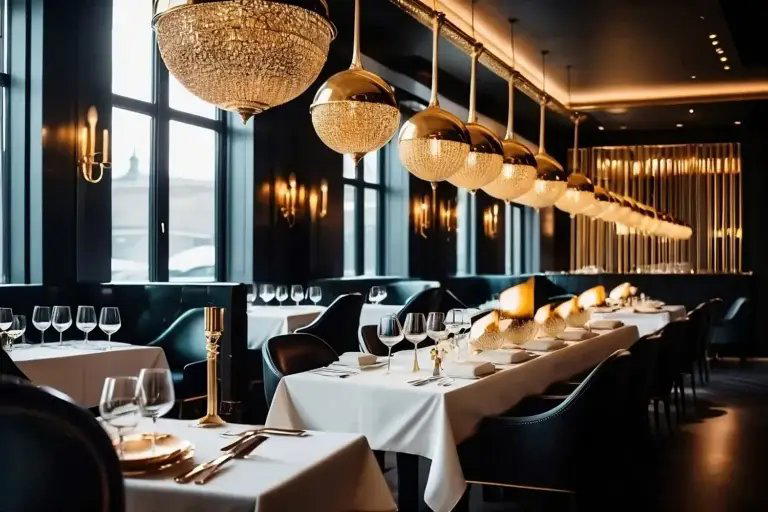
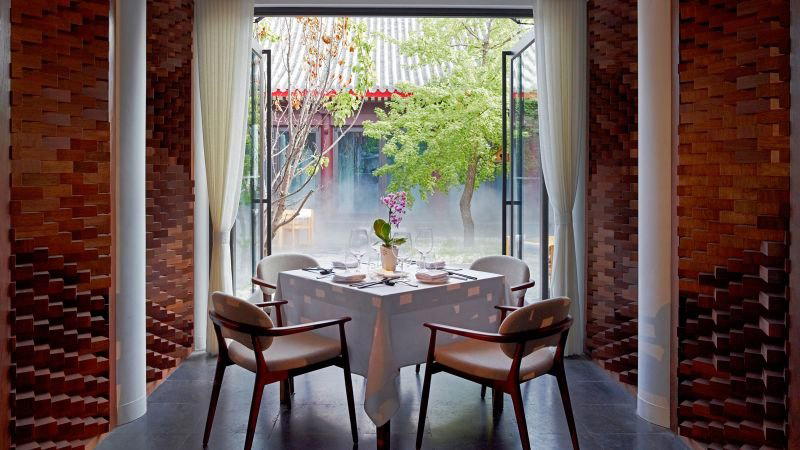
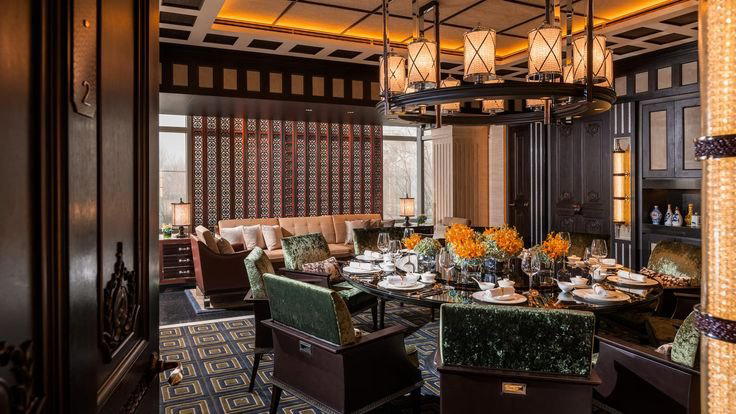
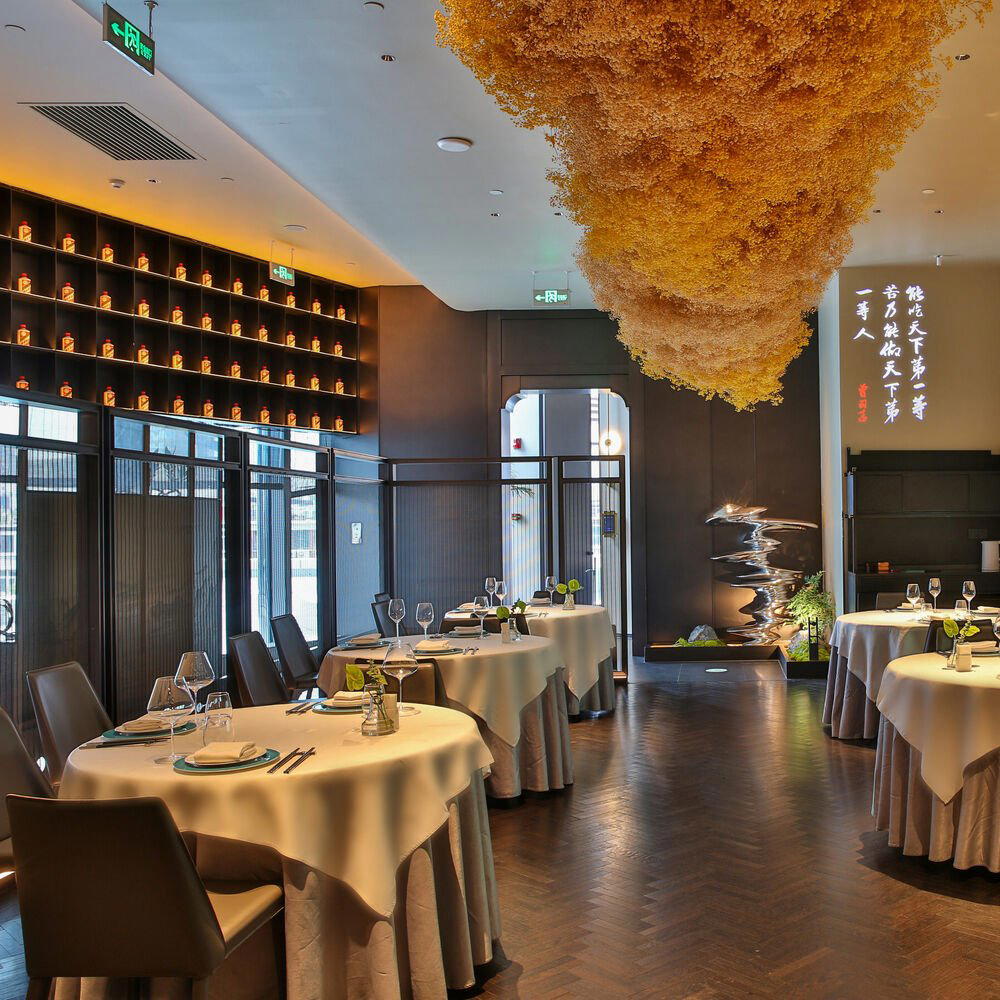
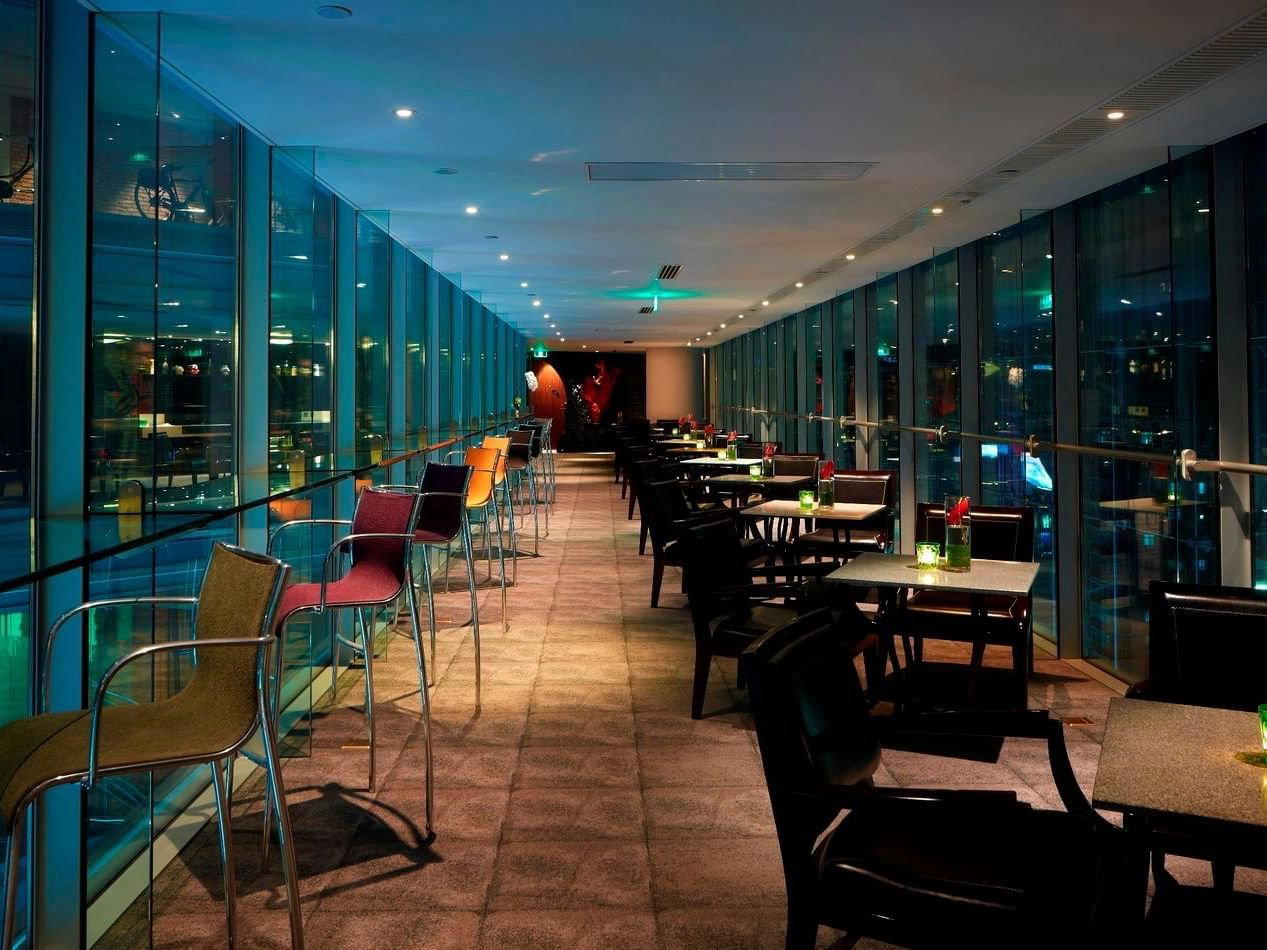
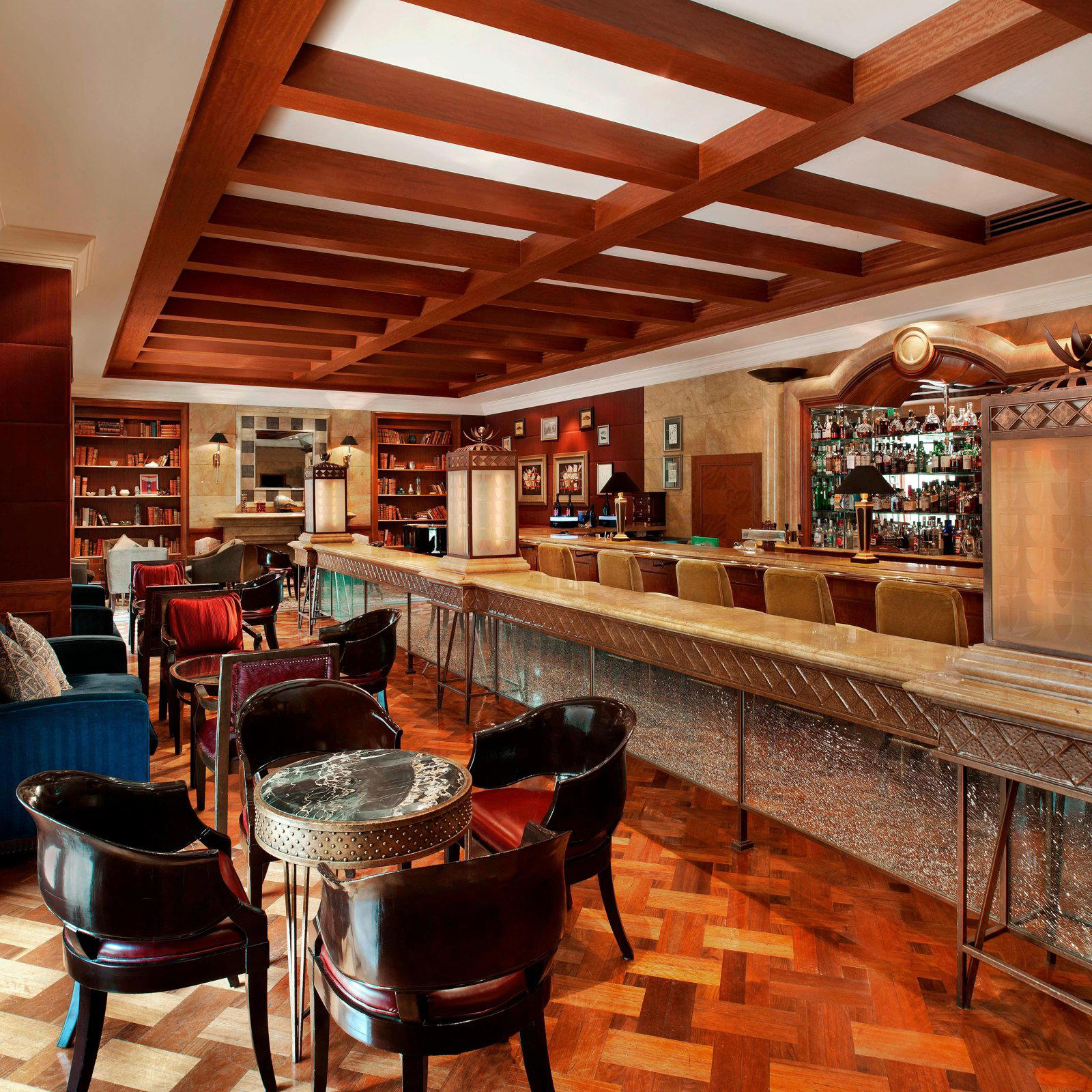
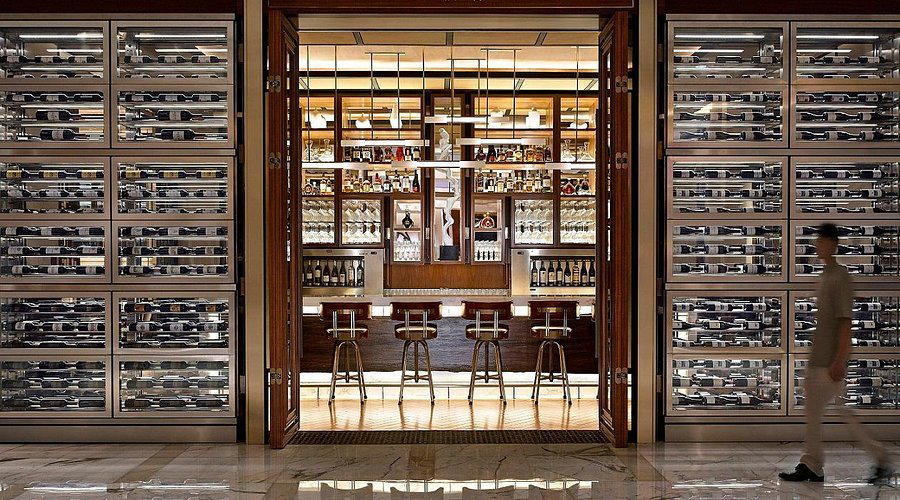
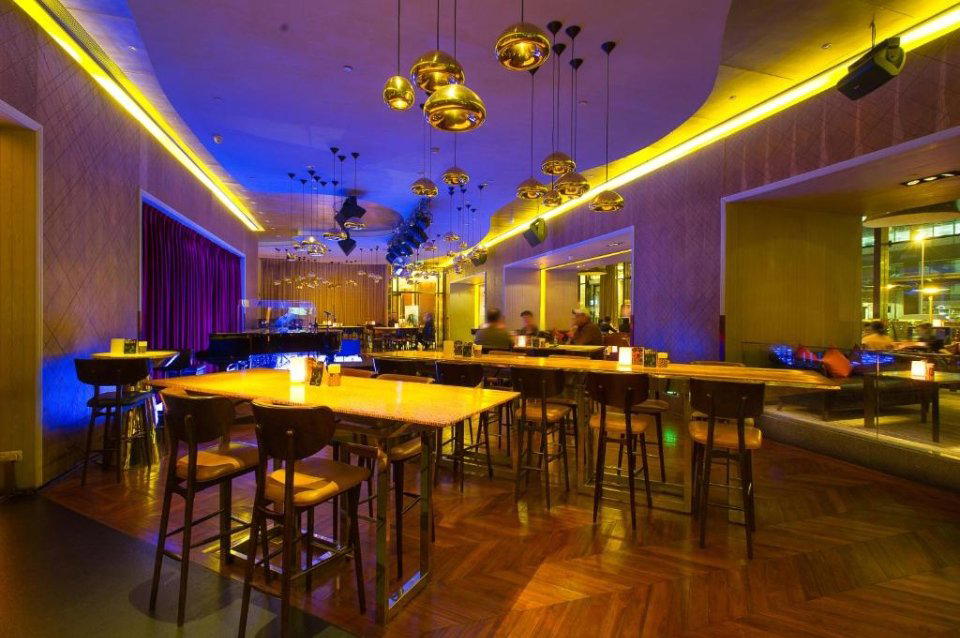
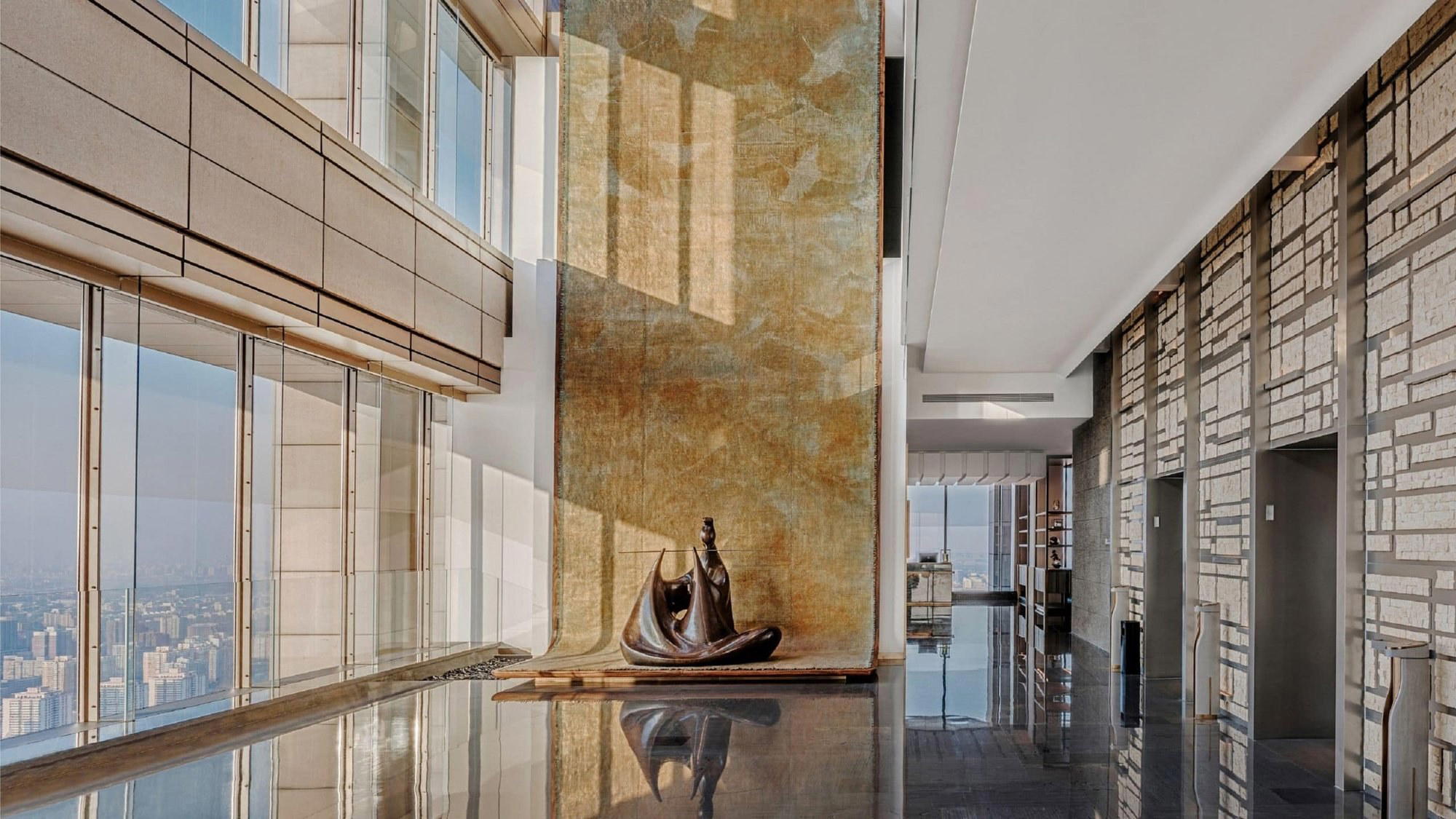
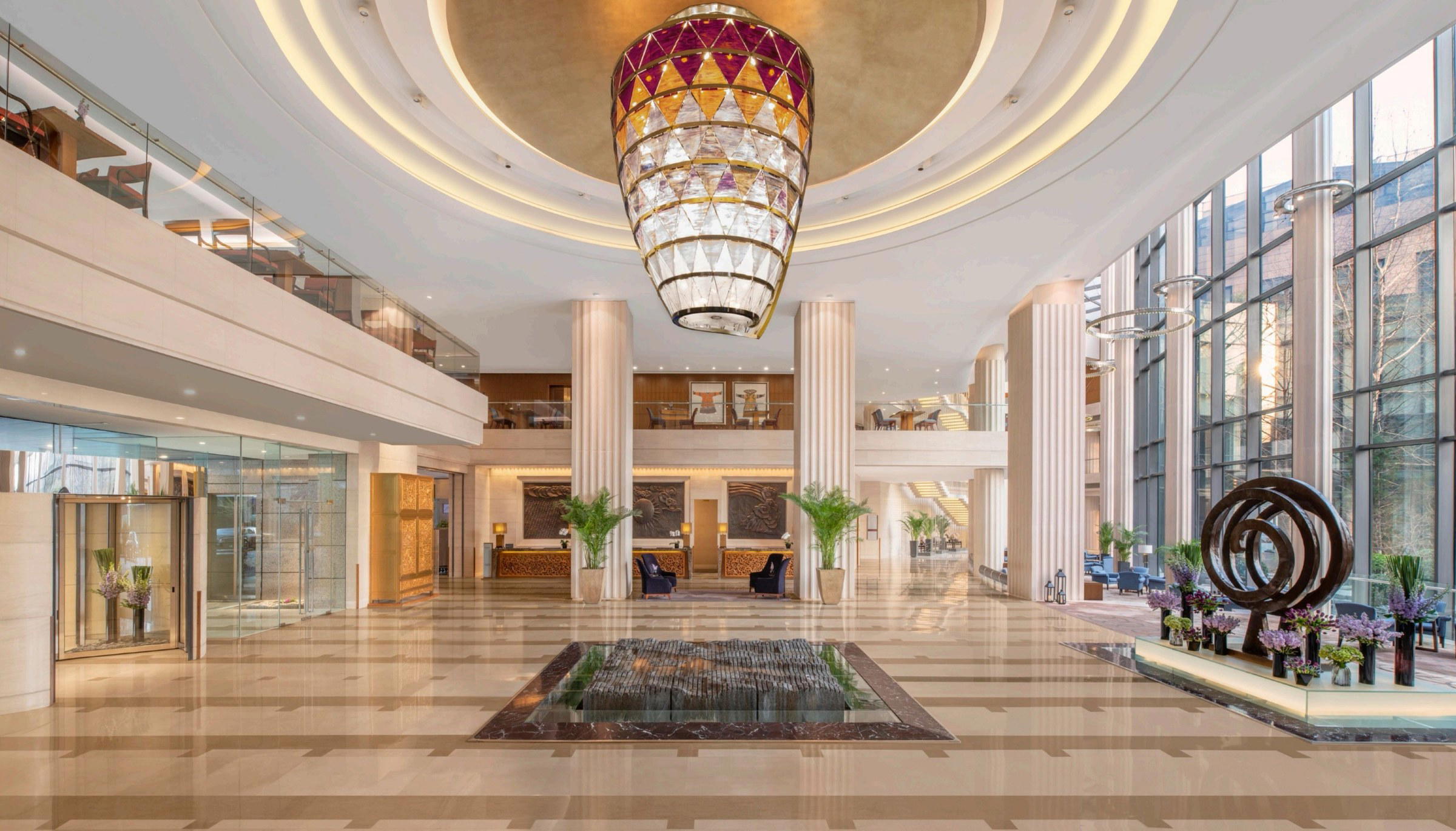
Curated, elegant ambiance with light-focused design creating a high-end, non-daily dining experience in an art museum-like setting with interactive open kitchen views.