Lu Liba sits on Potsdamer Strasse 67, a stretch of western Berlin that has quietly become one of the city's more interesting dining corridors. The address places it at the intersection of gallery culture and neighbourhood eating, drawing a clientele that returns not for novelty but for consistency. What keeps regulars coming back is worth understanding before you book.
Pearl is the En Primeur Club membership app — saves, bookings, and concierge access live there. Same editors, same standards.
- Address
- Potsdamer Str. 67, 10785 Berlin, Germany
- Phone
- +493025558720
- Website
- guldsmedenhotels.com
- Directions
- Get directions
 Saves & bookings on Pearl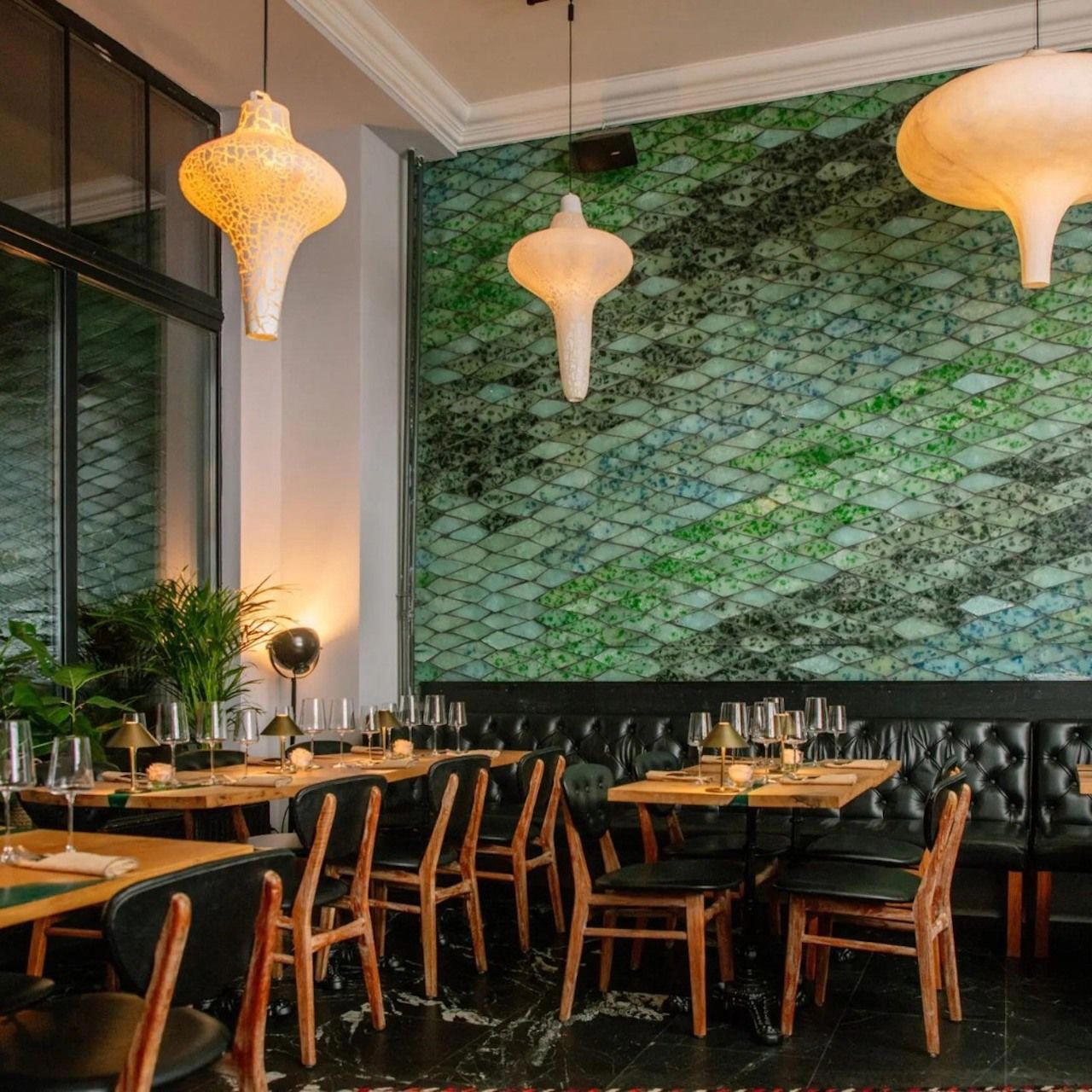
A Street That Earns Its Reputation
Potsdamer Strasse has undergone a slow, sustained transformation over the past decade. Once defined by its proximity to the Kulturforum and the commercial weight of nearby Potsdamer Platz, the stretch between Bülowstrasse and the Landwehrkanal has filled in with galleries, independent restaurants, and the kind of low-key ambition that tends to precede a neighbourhood's broader recognition. Lu Liba, at number 67, is a Mediterranean-Lebanese Fusion restaurant in Berlin.
That mix shapes what you encounter inside.
What the Regulars Are Actually Ordering
Berlin's premium dining scene has consolidated around a recognisable set of formats. At the upper tier, tasting-menu restaurants with Michelin recognition, Rutz, Nobelhart & Schmutzig, FACIL, and CODA Dessert Dining, have established a precedent for Berlin fine dining that is intellectually driven, often politically inflected, and attentive to provenance in ways that feel more manifesto than menu. Restaurant Tim Raue sits in a separate lane, drawing on Chinese culinary architecture with two Michelin stars as its credential.
Lu Liba occupies a different position. The restaurant operates in the tier where the cooking has to do the persuading rather than the accolades. That tier is, in many cities, where the honest assessment of a kitchen's consistency is possible. Regulars do not return to restaurants in that bracket because of a Michelin listing. They return because the food held up on the second and third visit.
The cuisine type for Lu Liba is Mediterranean-Lebanese Fusion. Restaurants that resist easy categorisation, or that have not yet attracted the kind of systematic documentation that comes with award-circuit attention, often sit outside the format conventions that guide most fine-dining coverage. That positions the restaurant closer to the neighbourhood anchor than to the destination restaurant, a distinction that changes what you should expect and how you should approach the booking.
The Unwritten Menu and What It Tells You
In dining rooms where regulars dominate the floor, an informal hierarchy of knowledge develops over time. Guests who have visited multiple times tend to know which dishes perform consistently across seasons, which preparations represent the kitchen's actual strengths rather than the menu's architectural ambitions, and how to read the room for pacing. This is what critics sometimes call the unwritten menu, and it is a more reliable guide than the printed one.
For Berlin specifically, this dynamic plays out across a city that has historically priced its dining rooms below comparable European capitals. That pricing culture creates a particular kind of regulars base: guests who can afford more but prefer depth and repetition over novelty. They are not chasing the newest opening. They have already found what they want. The fact that restaurant sits in a neighbourhood with cultural foot traffic suggests the kitchen earns its repeat visits through cooking rather than positioning.
Situating Lu Liba in Germany's Broader Fine Dining Geography
Germany's most decorated restaurants are not concentrated in Berlin. Aqua in Wolfsburg, Schwarzwaldstube in Baiersbronn, and Victor's Fine Dining by Christian Bau in Perl hold the country's highest Michelin counts. Outside that tier, strong regional programmes at JAN in Munich, Vendôme in Bergisch Gladbach, ES:SENZ in Grassau, Waldhotel Sonnora in Dreis, Restaurant Haerlin in Hamburg, Schanz in Piesport, and Bagatelle in Trier demonstrate that Germany's culinary ambition is widely distributed across the country rather than centred in the capital.
Berlin has compensated by developing a dining identity rooted in concept and provenance rather than classical technique. The restaurants drawing sustained critical attention in the city are those with a clear intellectual framework: the radically local sourcing model at Nobelhart & Schmutzig, the dessert-as-main-event architecture at CODA, the Asian reference points at Tim Raue. The restaurant sits outside that documented narrative, which is neither a criticism nor an endorsement.
Internationally, the kitchens at Le Bernardin in New York City and Atomix in New York City offer a useful reference point for what sustained critical attention and regulars loyalty look like at the highest documented tier.
Planning Your Visit
The restaurant is at Potsdamer Strasse 67, 10785 Berlin, accessible in western central Berlin. Booking is recommended, and the restaurant is open Tue 6 PM to 12 AM and Wed to Sat 6 to 10 PM. Guests with specific dietary requirements should verify accommodation options before booking. The neighbourhood itself is walkable from several major cultural institutions, which makes it well-suited to pairing with a daytime gallery or museum visit.
Cuisine and Awards Snapshot
Comparable venues nearby, for context on price, style, and recognition.
| Venue | Cuisine | Price | Notes |
|---|---|---|---|
| Lu LibaThis venue — the venue you are viewing | Mediterranean-Lebanese Fusion | $$$ | Not listed |
| Monte Mente Restaurant | Modern Mediterranean Pizza & Pasta | $$ | Tiergarten |
| Glaserei | Mediterranean Grill Bar | $$ | Kreuzberg |
| Le Faubourg | Modern French with Regional Influences | $$$ | Charlottenburg |
| est. | Modern Japanese Fusion | $$$ | Charlottenburg |
| Blend Restaurant | International Fusion | $$$ | Tiergarten |
Continue exploring
More in Berlin
Restaurants in Berlin
Browse all →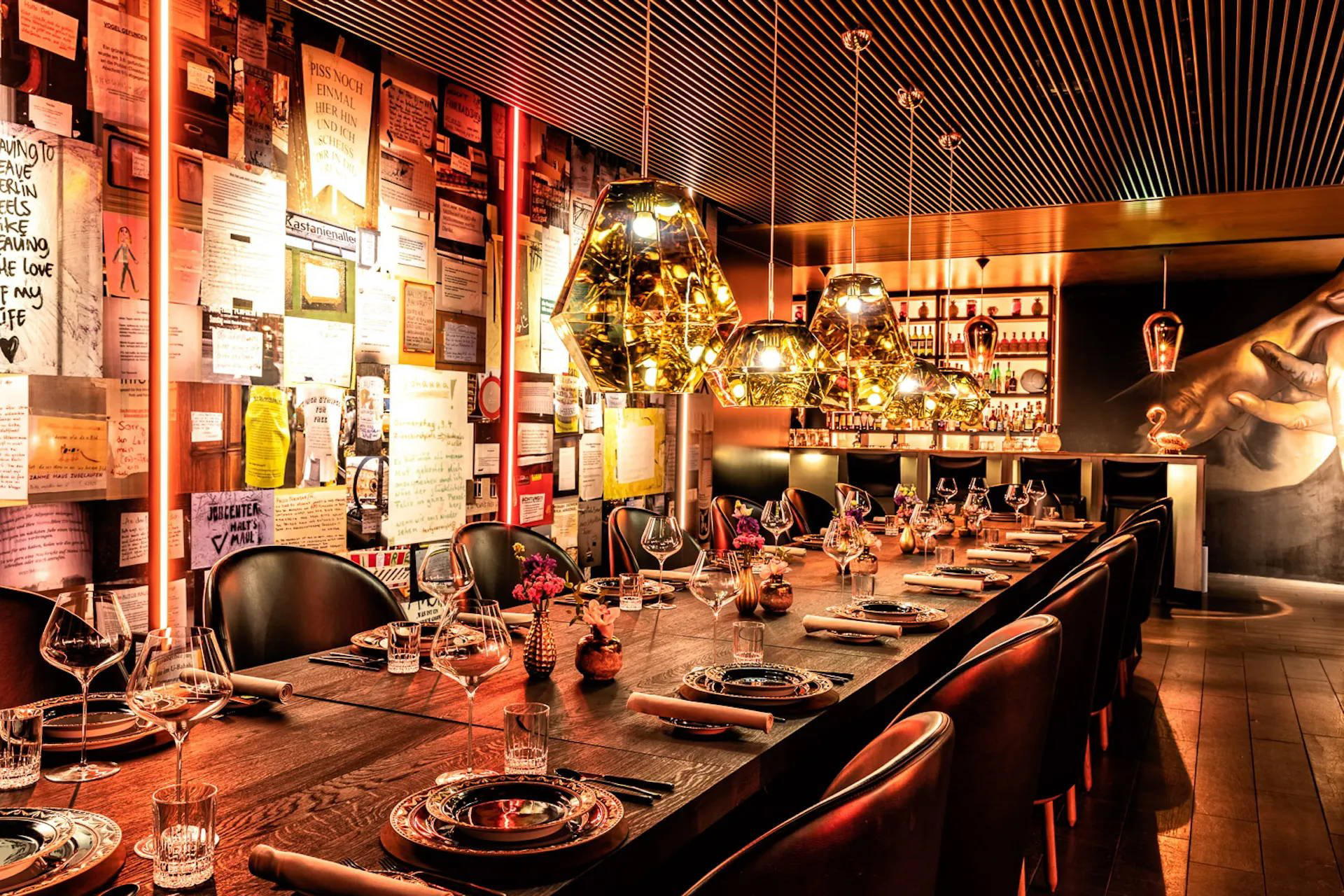
Bars in Berlin
Browse all →
Hotels in Berlin
Browse all →

At a Glance
- Lively
- Modern
- Trendy
- Cozy
- Date Night
- Group Dining
- Casual Hangout
- After Work
- Hotel Restaurant
- Courtyard
- Garden
- Craft Cocktails
- Beer Program
- Organic
- Farm To Table
- Local Sourcing
Current opening hours
- Monday
- Closed
- Tuesday
- 6 PM–12 AM
- Wednesday
- 6–10 PM
- Thursday
- 6–10 PM
- Friday
- 6–10 PM
- Saturday
- 6–10 PM
- Sunday
- Closed
Hours can change for holidays and private events. Last verified .
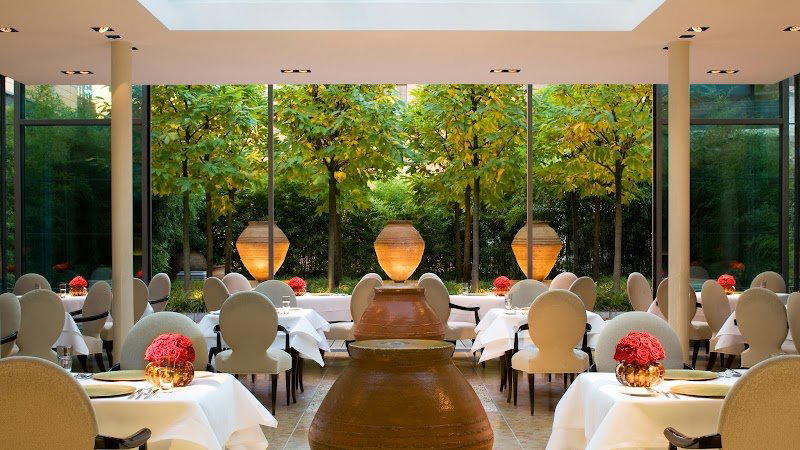
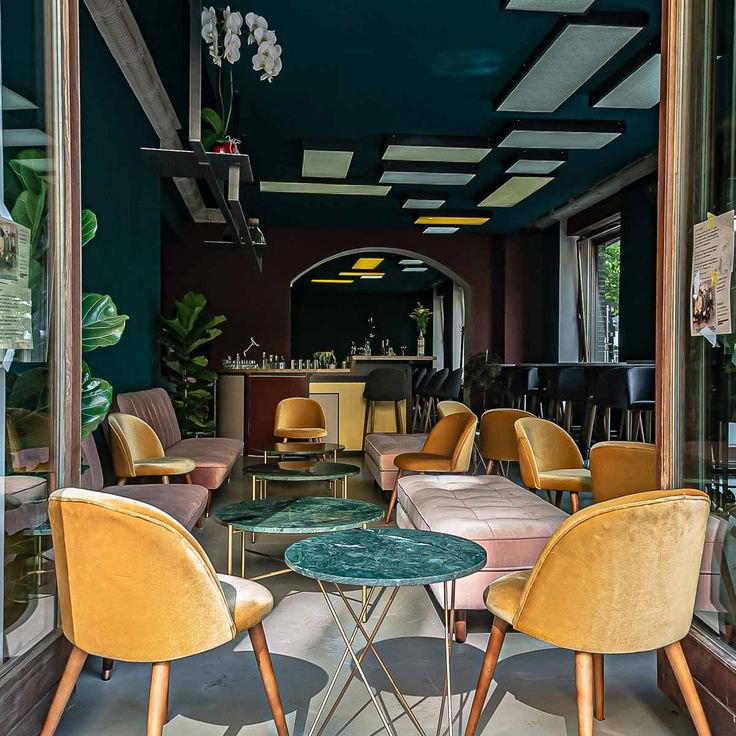
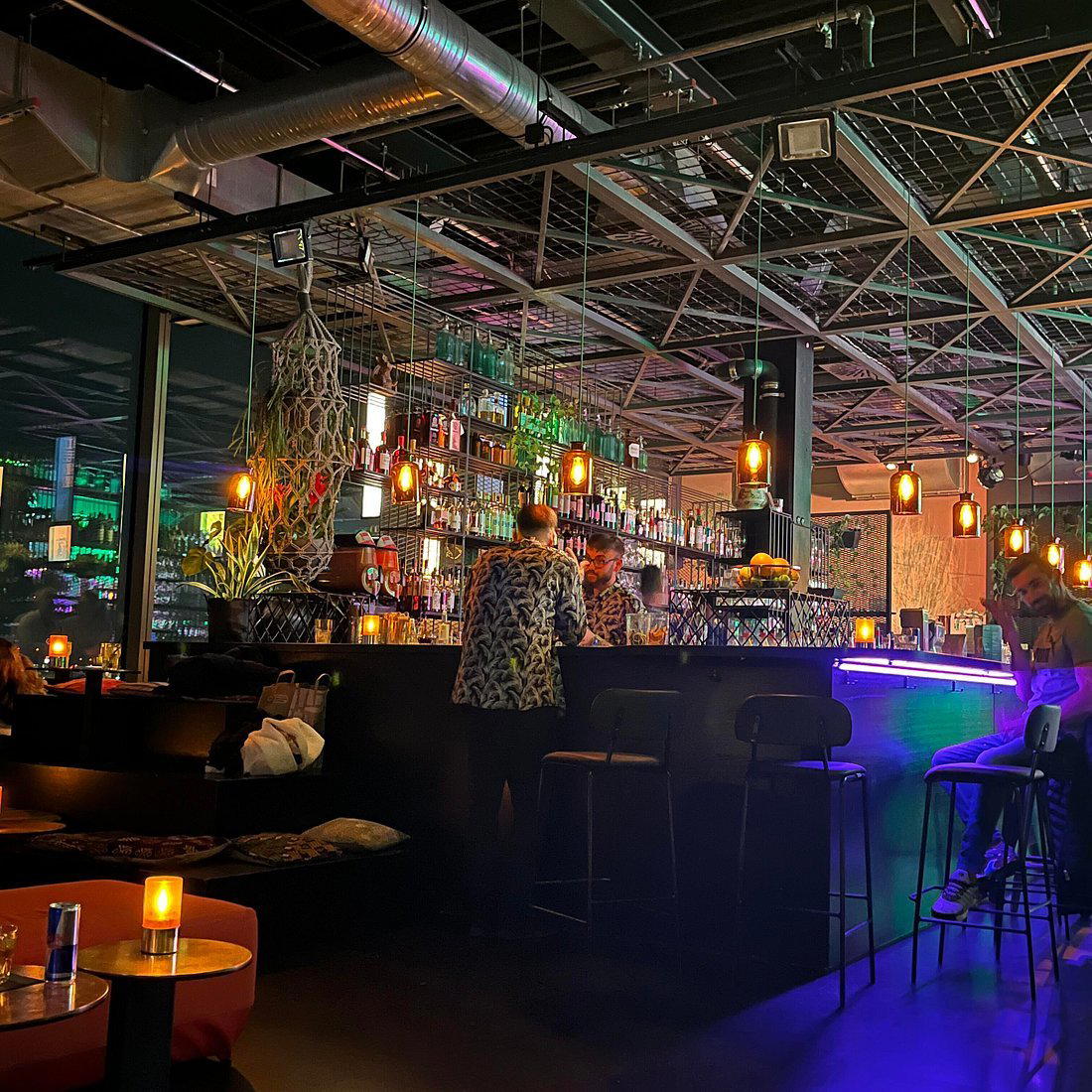
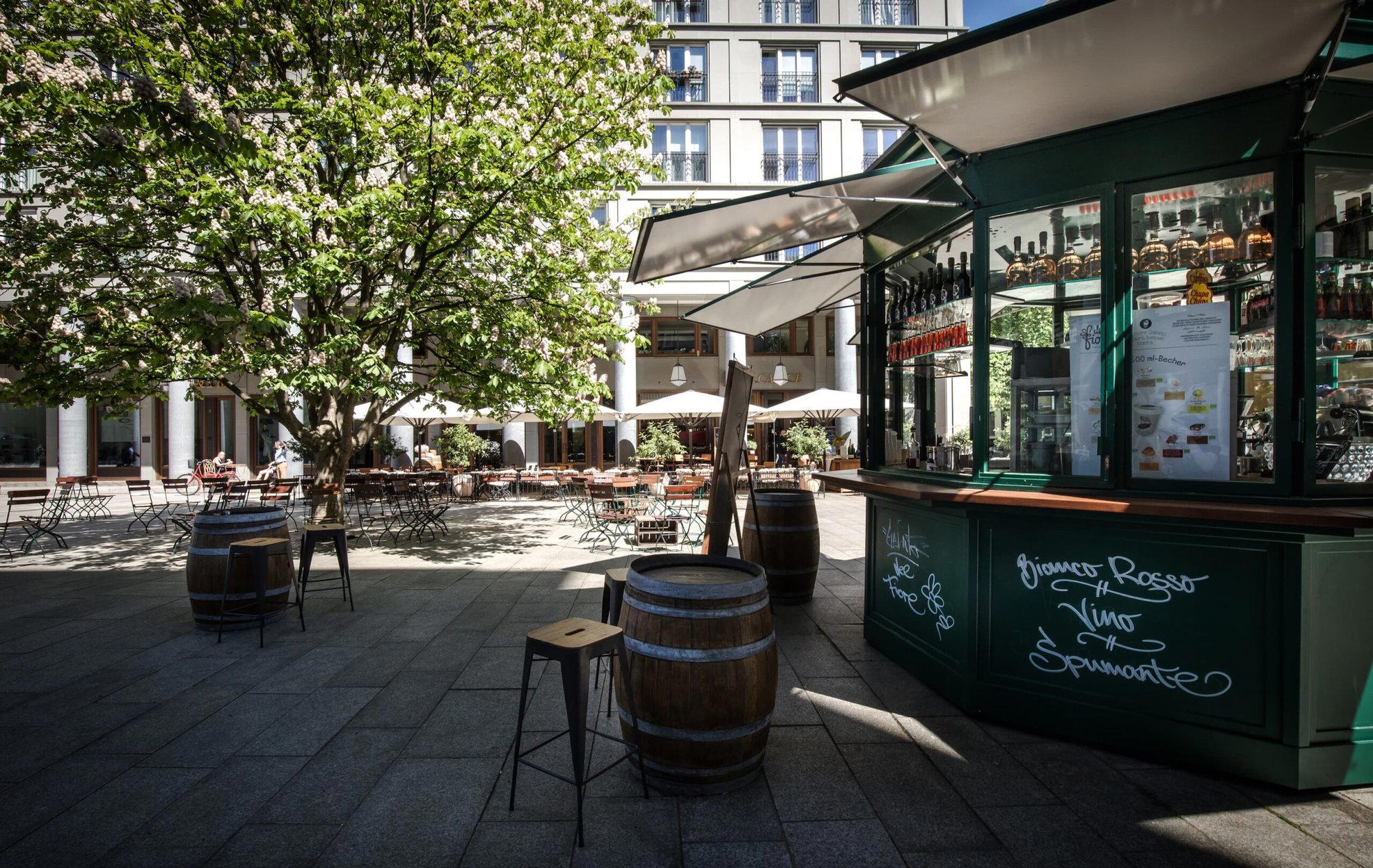
Warm and lively with a busy energy; modern Berlin aesthetic combined with cozy, intimate touches; relaxed interior garden courtyard providing an escape from the urban setting.