Lorenzo Bistrô
Our verdict
On a quiet corner in Jardim Botânico, Lorenzo Bistrô draws a neighbourhood following that returns not for spectacle but for consistency. The address places it in one of Rio's most composed residential quarters, where the dining culture rewards discretion over declaration. For those who know it, Lorenzo functions less as a destination and more as a standing appointment.

Pearl is the En Primeur Club membership app — saves, bookings, and concierge access live there. Same editors, same standards.
- Address
- R. Visc. de Carandaí, 2 - Jardim Botânico, Rio de Janeiro - RJ, 22460-020, Brazil
- Phone
- +55 21 3114 0855
- Directions
- Get directions
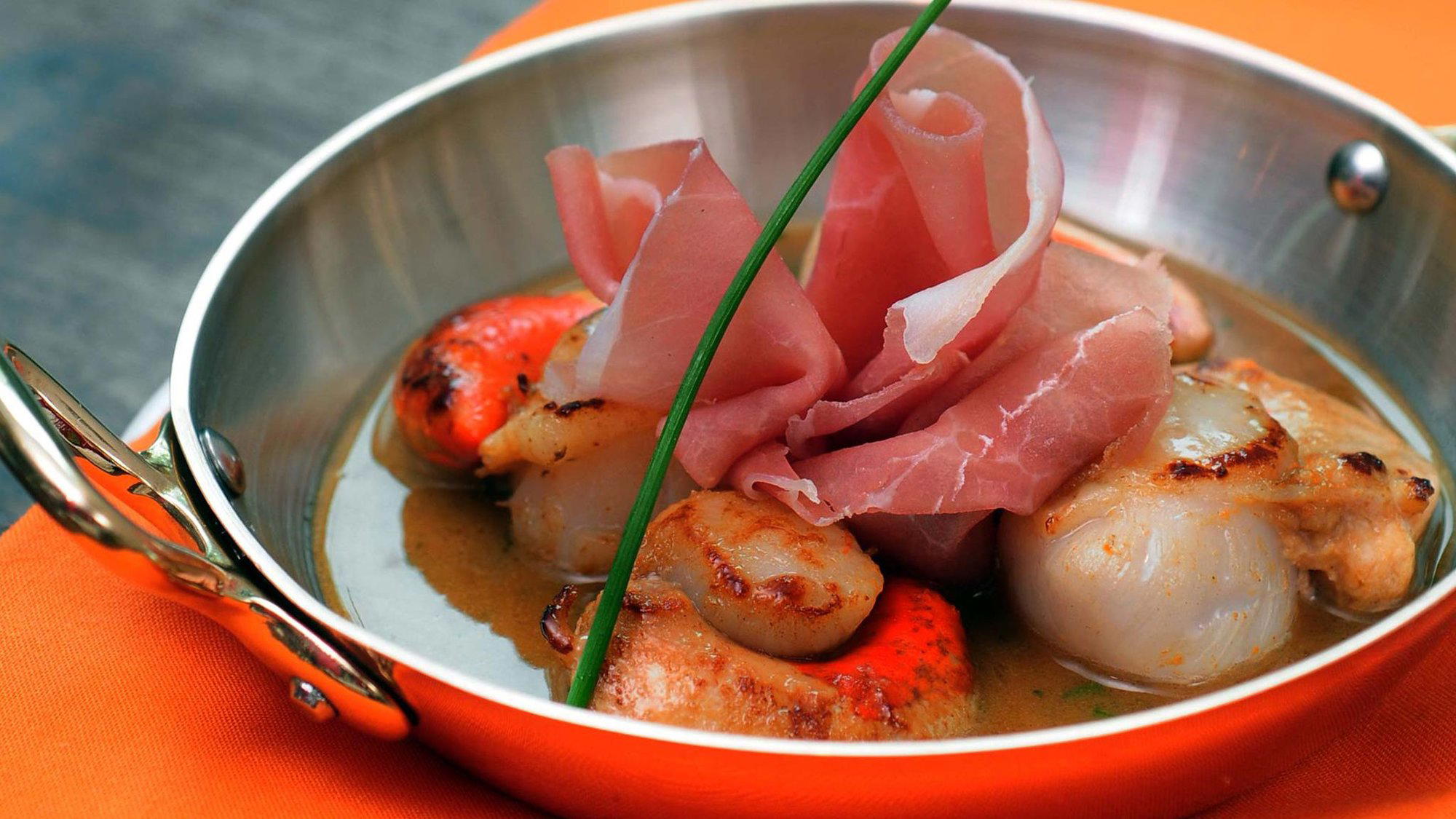
The menu
What to order
- Homemade focaccia
- Lasagne
The Corner Table Mentality: Jardim Botânico's Bistro Circuit
Jardim Botânico has long operated on different terms than Ipanema or Leblon. The neighbourhood's dining culture is shaped by residents rather than tourists, and that distinction produces a specific kind of restaurant: one where the kitchen earns loyalty over years, not headlines. Lorenzo Bistrô, at Rua Visconde de Carandaí 2, occupies exactly this register. The address puts it close to the botanical garden itself, in a part of the city where tree canopy and residential quiet define the street-level experience. Approaching on foot, the surrounding block reads more like a European residential neighbourhood than a tropical beachside capital, which goes some way toward explaining the bistro format that the name announces.
In Rio, the bistro label has travelled a complicated road. For much of the city's restaurant history, French-influenced casual dining remained confined to Ipanema and Copacabana, competing against formal Italian rooms and churrascaria institutions. Over the past decade, a quieter category has emerged in the leafier zones, where smaller kitchens with shorter menus serve a neighbourhood clientele that prefers depth over range. Lorenzo fits within that pattern, at an address that regulars can reach without crossing a major artery.
What the Regulars Already Know
The regulars' perspective on a restaurant like this is usually more diagnostic than any critic's visit. A loyal neighbourhood clientele in Jardim Botânico typically skews toward Rio's professional and cultural class, the kind of diner who has eaten widely, keeps a mental ledger of consistency, and returns to places that earn rather than demand their repeat business. For this cohort, the unwritten menu is just as important as the printed one: the table that gets reserved without being asked for, the seasonal preparation that appears without announcement, the rhythm of service that doesn't require negotiation.
This dynamic is common across the better bistros in southern Rio's residential zones. Venues that succeed in neighbourhoods like Jardim Botânico and Gávea tend to do so because they function as extensions of domestic life rather than alternatives to it. The kitchen maintains a register that feels calibrated to Tuesday as much as Saturday. That kind of sustained delivery, across the full week rather than just peak service, is what converts occasional diners into regulars.
For comparison, the high-investment dining tier in Rio currently centres on places like Lasai and Oteque, both operating at the $$$$ price point with tasting-menu formats and significant critical recognition. Oro occupies a similar tier with its contemporary Italian-Brazilian synthesis. Lorenzo Bistrô's neighbourhood positioning suggests a different competitive set entirely: informal, repeat-visit dining rather than destination occasions. That's not a lesser category. In cities with strong residential dining cultures, it's frequently the harder one to sustain.
Jardim Botânico's Dining Character
Understanding what Lorenzo offers requires understanding the neighbourhood it serves. Jardim Botânico sits between the Rodrigo de Freitas lagoon and the mountains that separate the south zone from the north, a geography that keeps the area quieter and more self-contained than its proximity to Ipanema would suggest. Restaurants here don't rely on passing foot traffic or hotel guest pools. Their survival depends on being genuinely useful to the people who live within a few blocks.
This produces a different kind of dining economy from what you find closer to the beach. Menus tend to be shorter and more focused. Wine programs, where they exist, tend to reward the regulars who ask what's just arrived rather than offering exhaustive lists designed to impress. Service posture is typically less formal, because the clientele doesn't require performance. The whole register is closer to what you'd find in a good Parisian neighbourhood bistro than in a hotel dining room, and that comparison holds for the better end of Jardim Botânico's restaurant circuit.
The broader Brazilian dining scene is producing interesting work in this casual-serious register across multiple cities. Birosca S2 in Belo Horizonte and Manu in Curitiba both operate in a zone where neighbourhood credibility and culinary seriousness converge. In the northeast, Manga in Salvador and Orixás in Itacaré represent similar commitments to place-specific cooking without the formal tasting-menu apparatus. Lorenzo's address in Jardim Botânico places it in this broader national conversation about what serious, informal dining looks like outside the $$$$ tier.
For those tracing this format internationally, the comparison points are places like Lazy Bear in San Francisco, which built its reputation through exactly this kind of devoted repeat clientele before graduating to broader recognition, or the French-influenced rooms in New York like Le Bernardin that show what sustained kitchen discipline over decades looks like at the high end. Lorenzo operates at a different scale and ambition, but the underlying logic of earning a neighbourhood's loyalty rather than chasing critical attention is the same.
Planning Your Visit
Lorenzo Bistrô is located at Rua Visconde de Carandaí 2 in Jardim Botânico, a neighbourhood most easily reached by rideshare from Ipanema or Leblon, with the journey taking under ten minutes depending on traffic. No booking platform, website, or phone number is currently registered in public records for the venue, which may indicate a walk-in or direct-contact operation, a not uncommon arrangement for smaller neighbourhood bistros in Rio. Given the neighbourhood's residential character, the room is likely to be smaller than the dining rooms at places like Casa 201 or Cipriani, so arriving early or enquiring locally about capacity is advisable. For a broader orientation to eating in the city, the EP Club Rio de Janeiro restaurants guide maps the full range of options across neighbourhoods and price points.
Those building a wider Brazilian itinerary might also consider D.O.M. in São Paulo for the high-end regional ingredients benchmark, or smaller regional operations like Mina in Campos do Jordão and Primrose in Gramado for a different register of serious cooking outside the major cities. Olivetto in Campinas and Castelo Saint Andrews in Gramado extend the picture into the south and interior. State of Espírito Santo in Rio Bananal represents the more remote end of Brazil's serious dining geography.
Frequently asked questions
What's Lorenzo Bistrô's location?
Lorenzo Bistrô is located at R. Visc. de Carandaí, 2 - Jardim Botânico, Rio de Janeiro - RJ, 22460-020, Brazil, Rio De Janeiro.
Is Lorenzo Bistrô a good option for dinner in Jardim Botânico rather than Ipanema or Leblon?
Jardim Botânico sits between the Rodrigo de Freitas lagoon and the botanical garden, and its dining options operate at a different register than the higher-profile beach neighbourhoods. Lorenzo Bistrô's address on Rua Visconde de Carandaí 2 places it at the centre of that local circuit, making it a practical choice for those already in or near the neighbourhood. Visitors staying in Ipanema or Leblon can reach it in roughly ten to fifteen minutes by rideshare.
What's the must-try dish at Lorenzo Bistrô?
Given its position in Jardim Botânico — a neighbourhood whose dining culture is shaped by returning regulars rather than tourist traffic — the kitchen likely centres on a short, rotation-driven menu. Checking directly with the restaurant on arrival will give you the most accurate read on what the kitchen is running that day.
Can I walk in to Lorenzo Bistrô?
Jardim Botânico bistros with a loyal residential clientele often fill quickly on weeknights, so contacting the venue ahead of your visit is advisable. The address is straightforward to reach by rideshare from Ipanema or Leblon.
What is Lorenzo Bistrô known for?
Lorenzo Bistrô operates in Jardim Botânico, a Rio de Janeiro neighbourhood that runs on a residential dining rhythm distinct from the beach-side districts. Its address on Rua Visconde de Carandaí places it within a pocket of the city where repeat custom and neighbourhood loyalty define a restaurant's standing more than guidebook coverage. That context points to a bistro format built for consistency rather than spectacle.
How does Lorenzo Bistrô handle allergies?
No documented allergy policy is available for Lorenzo Bistrô. For any dietary requirements or allergen concerns, contacting the restaurant directly before your visit is the only reliable route. This applies particularly in smaller bistro operations where menus can shift with availability.
Where It Fits
A quick snapshot of similar venues for side-by-side context.
| Venue | Cuisine | Price | Awards | Notes |
|---|---|---|---|---|
| Lorenzo BistrôThis venue — the venue you are viewing | French-Mediterranean Bistro | $20–30 | Not listed | Not listed |
| Oteque | Modern Seafood Fine Dining | $100–150 | 1 Michelin Star · World's 50 Best #38 | Modern Brazilian, Modern Cuisine |
| Lasai | Modern Brazilian Fine Dining | Not listed | 2 Michelin Stars · World's 50 Best #28 | Regional Brazilian, Modern Cuisine |
| Oro | Brazilian Vanguard Fine Dining | Not listed | 2 Michelin Stars · La Liste Top Restaurants | Contemporary Italian, Brazilian, Modern Italian |
| Lilia | Modern Brazilian Creative | $20–30 | Michelin Plate | Italian, Brazilian |
| Mee | Pan-Asian Fusion with Japanese Influence | $50–100 | 1 Michelin Star | Asian Influences |
Continue exploring
More in Rio de Janeiro
Restaurants in Rio de Janeiro
Browse all →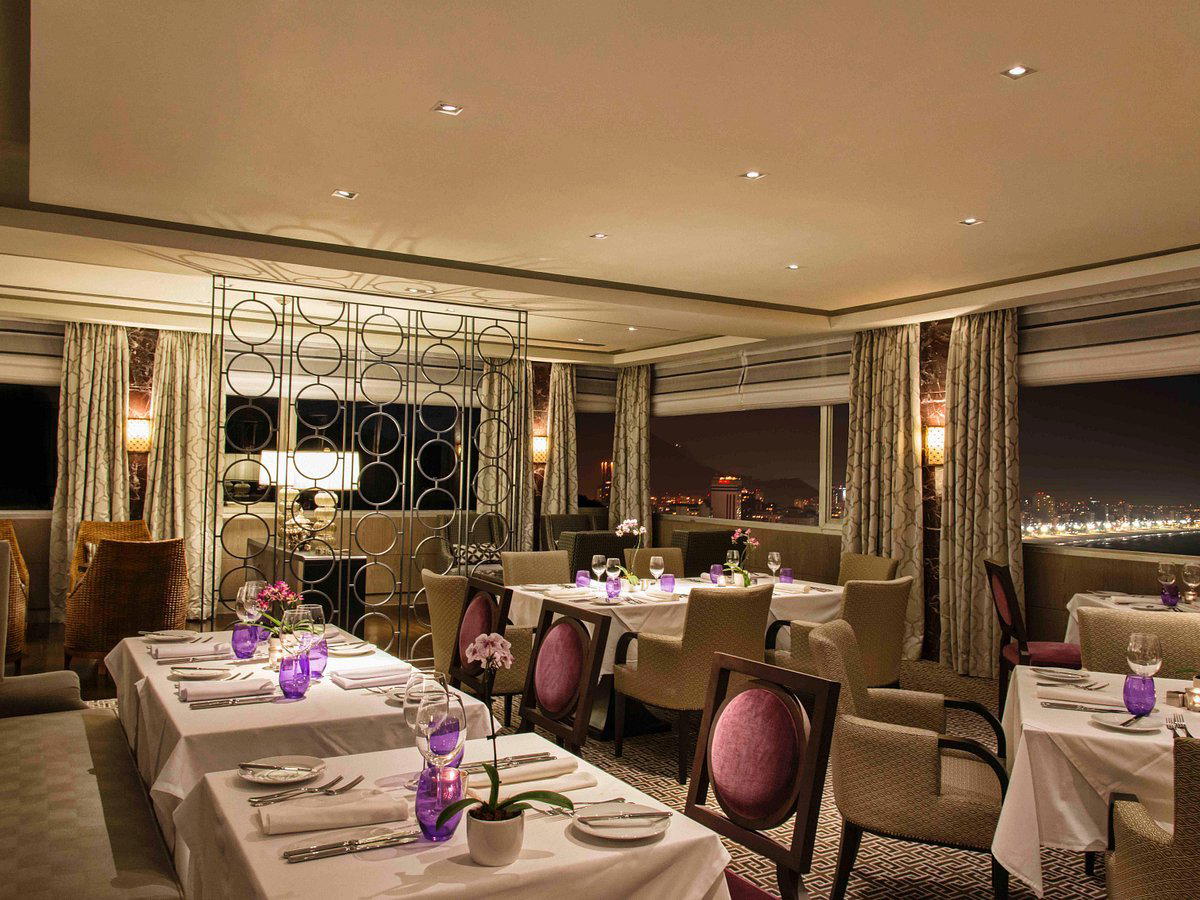
Bars in Rio de Janeiro
Browse all →
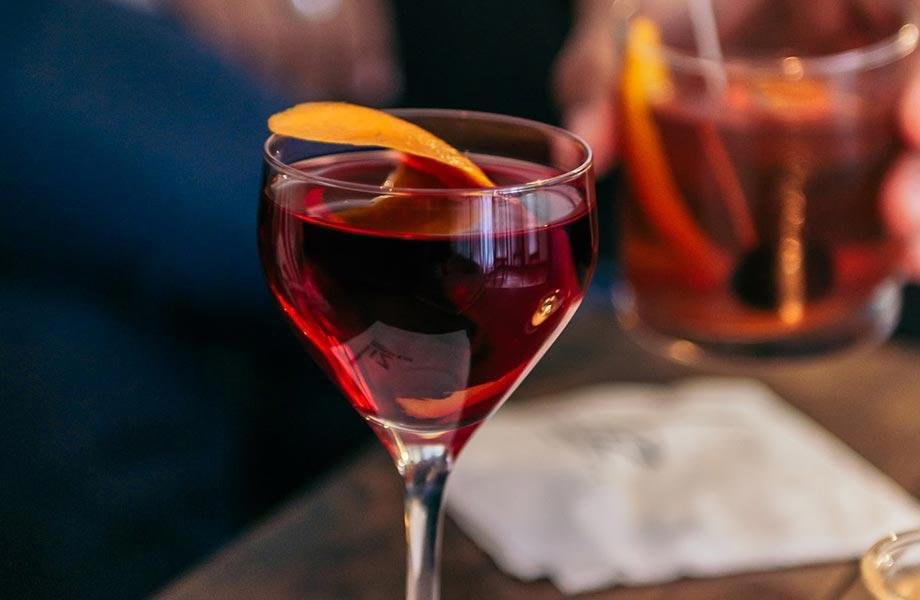
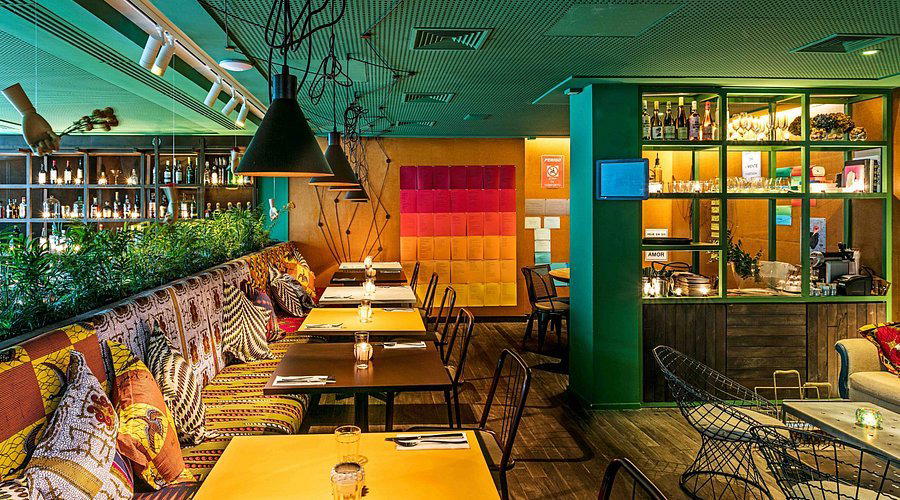


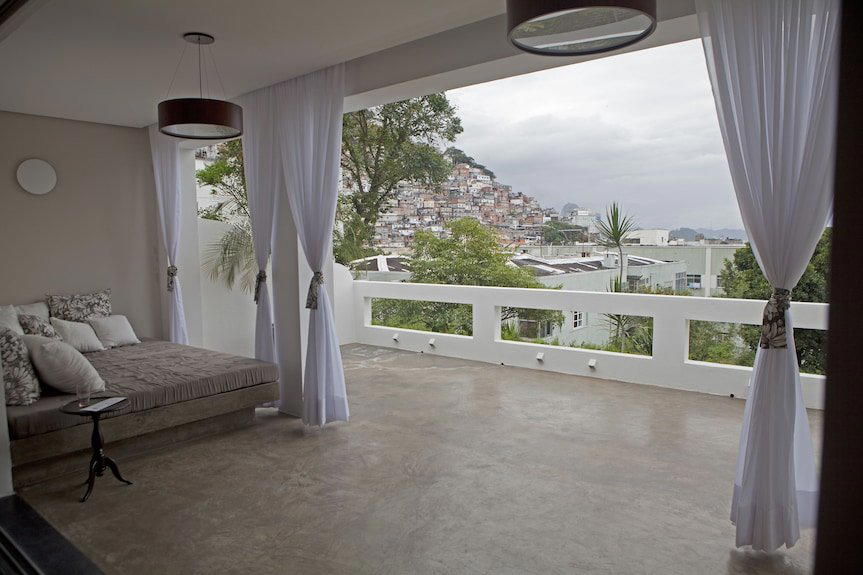


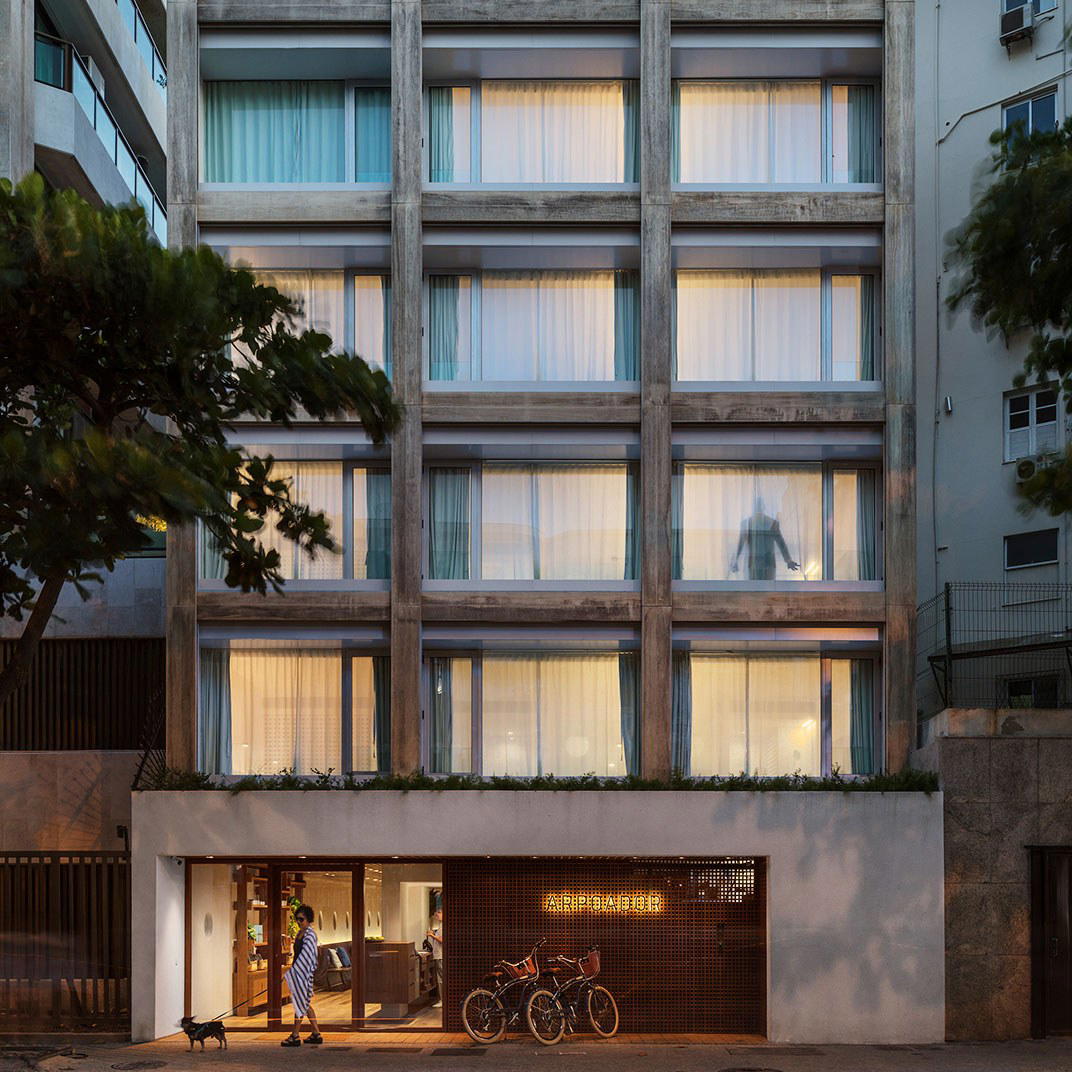
Lorenzo Bistrô
The wine
- Wine program
- Curated wine list
- Extensive wine list
Details
- Cozy
- Classic
- Date Night
- Casual Hangout
- Special Occasion
- Terrace
- Extensive Wine List
- A La Carte
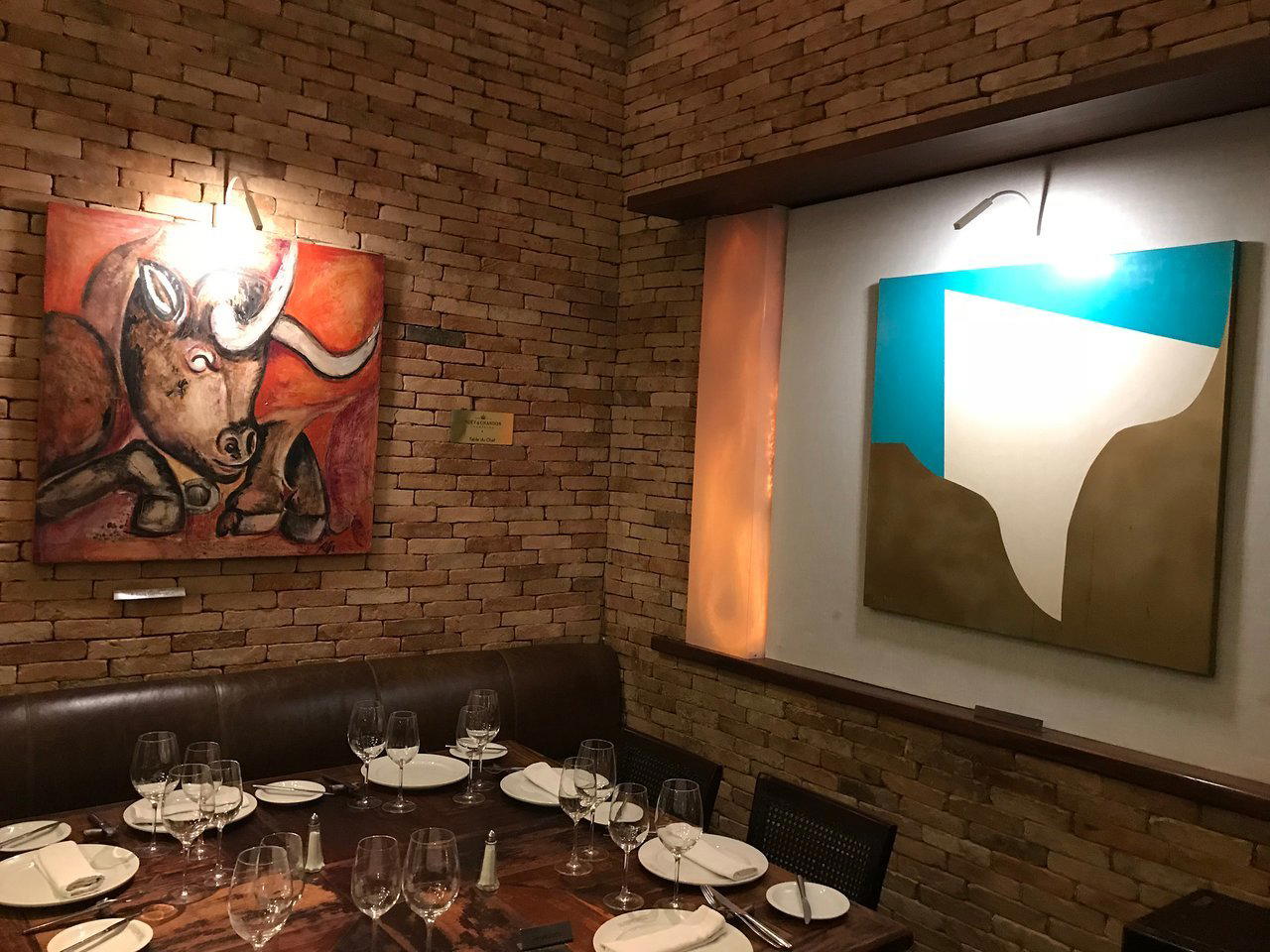
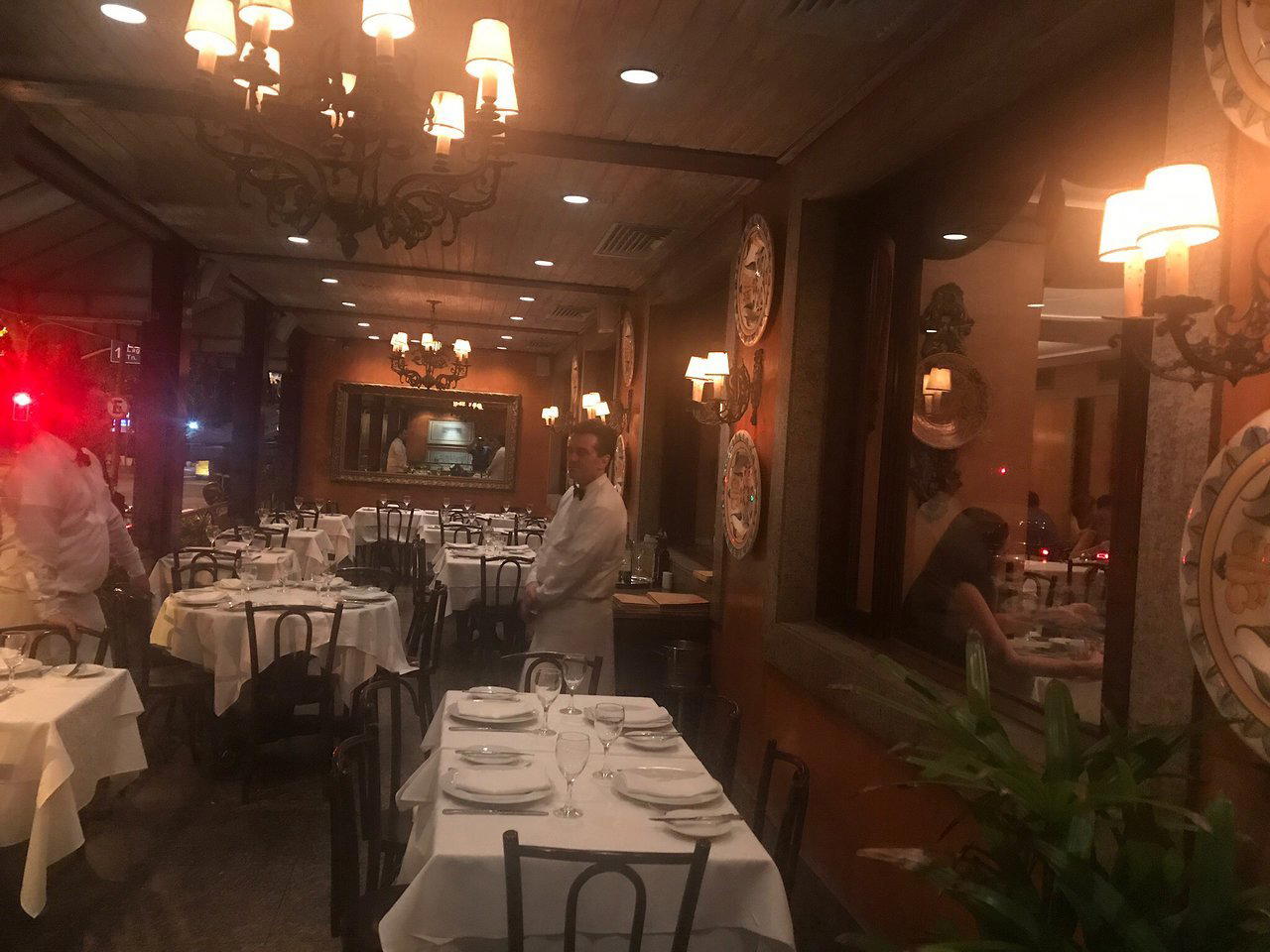
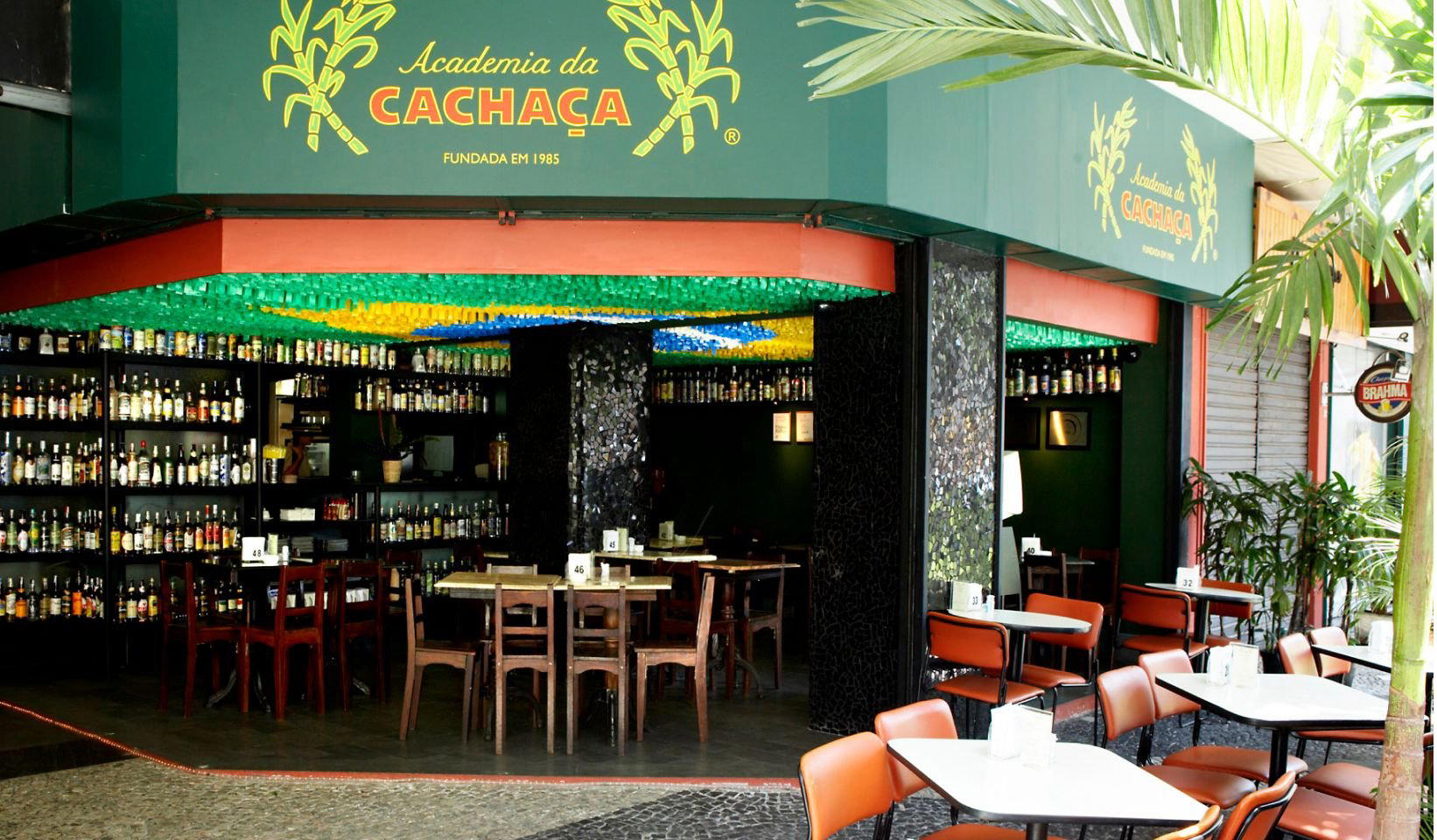
Cozy and inviting classic bistro atmosphere with warm decor.