State of Espírito Santo
Our verdict
Rio Bananal sits in the heart of Espírito Santo, a Brazilian state whose agricultural corridors and Atlantic Forest remnants shape a distinct regional pantry. State of Espírito Santo operates within that context, drawing on the land and produce traditions of one of Brazil's less-visited interior zones. For travellers moving beyond the country's more familiar dining circuits, this is a place to encounter Capixaba cooking on its own terms.

Pearl is the En Primeur Club membership app, where members save venues, book tables and use the concierge.
Capixaba Country: What Espírito Santo Puts on the Table
Brazil's dining conversation has long defaulted to São Paulo and Rio de Janeiro, where restaurants like D.O.M. in São Paulo and Oteque in Rio de Janeiro set the reference points for modern Brazilian cuisine at the leading price tier. What that conversation consistently underweights is the interior, where state-level food cultures remain closer to their agricultural sources and farther from the international fine-dining template. Espírito Santo is a clear example of that gap. The state's food identity, known as Capixaba cuisine, is built around moqueca capixaba, a clay-pot seafood stew that predates its more internationally visible Bahian cousin and relies on annatto oil rather than coconut milk, alongside dried and salted fish traditions, palm-heart preparations, and the produce of a region that straddles coastal Atlantic Forest and inland agricultural zones.
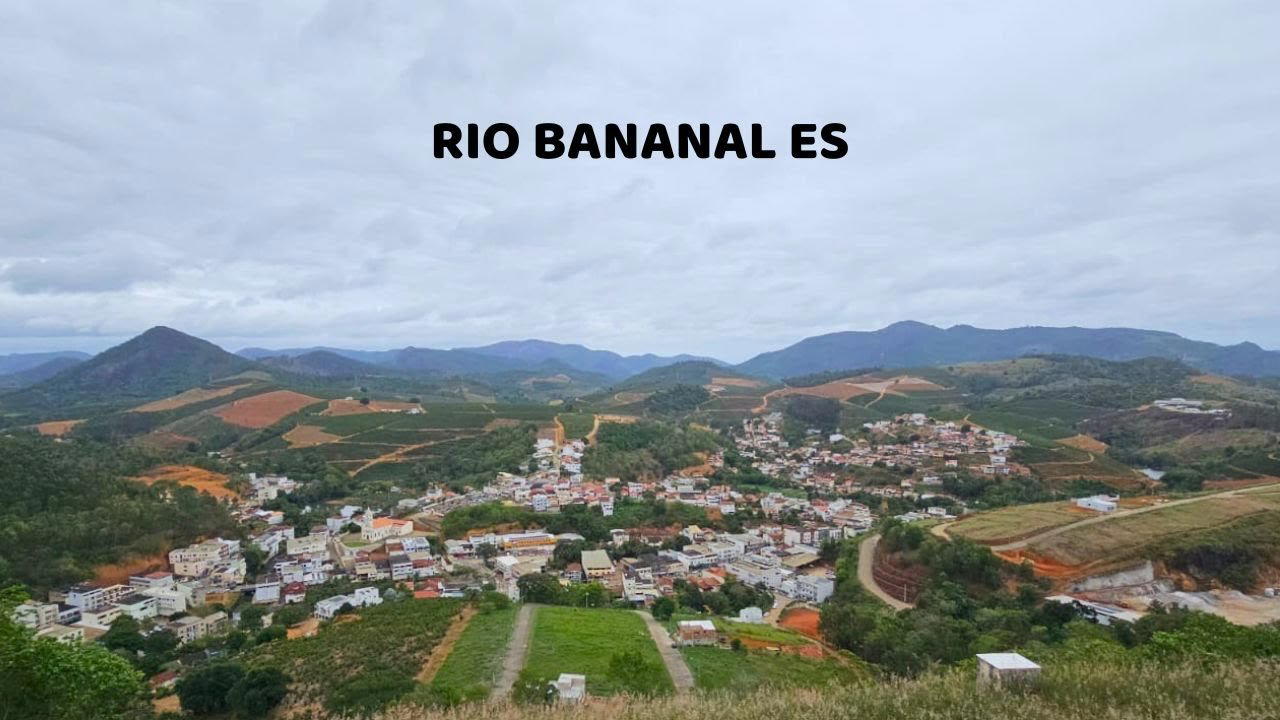
Rio Bananal sits in that inland zone, in a part of Espírito Santo where eucalyptus farming, small-scale agriculture, and remnant native forest define the surroundings. State of Espírito Santo operates here, in a setting shaped by what the region actually produces rather than by what a metropolitan supply chain can deliver overnight. That geographical fact has implications for what arrives on the plate and how it is sourced, and it places this restaurant in a different conversation from the high-concept urban tasting menu circuit. For context on how Brazil's regional dining culture compares across states, our full Rio Bananal restaurants guide maps the local scene in more detail.
The Question of Provenance in Brazil's Interior
In Brazil's premium restaurant tier, ingredient sourcing has become a formal editorial position. At Manu in Curitiba, the kitchen has built its reputation on Paraná-state sourcing and biome-specific ingredients. Manga in Salvador draws directly from Bahia's agricultural and fishing traditions. The pattern repeats across Brazil's more visible regional dining scene: the most serious kitchens treat geography as a primary editorial constraint, not an afterthought.
Espírito Santo's interior presents a specific version of that sourcing logic. The region's small farms supply tropical fruits, root vegetables, and grains that rarely appear on menus outside the state. The proximity to the Atlantic coast means fresh seafood reaches inland towns through well-established supply routes, even if the distances involved are greater than in coastal cities. Inland Espírito Santo also sits within reach of the Caparaó highlands, which produce some of Brazil's most respected specialty coffee at altitude, a supply chain detail that shapes the beverage culture of the region as much as it shapes export markets. Restaurants operating in this zone, including State of Espírito Santo in Rio Bananal, occupy a position where provenance is less a marketing choice and more a structural reality: what grows and moves through this region is what ends up on the menu.
This stands in contrast to the sourcing model at the top end of Brazil's urban circuit. A restaurant like Mina in Campos do Jordão or Orixás | North Restaurant in Itacaré may consciously import regional specificity as a concept; in Rio Bananal, that specificity is simply the operating condition.
Reading the Room: Atmosphere and Format in a Small-City Setting
Small-city dining in Brazil's interior follows its own spatial logic. The architectural template tends toward the functional, tiled floors, open-air sections or covered terraces to manage the heat, tables spaced for family groups rather than couples. The social register is informal in the leading sense: these are rooms built for extended meals, where the table is held for the duration and the pace is set by conversation rather than kitchen turnover. That format suits the Capixaba tradition well, since dishes like moqueca arrive in clay pots meant to stay warm through a shared meal rather than be consumed in sequenced courses.
The broader Brazilian interior dining pattern, where Sunday lunch remains the week's anchoring meal and the table is a three-generation event, is likely in evidence here. That context matters for visitors calibrating expectations: this is not a room built around the solo traveller's tasting menu experience, nor the kind of format seen at Lazy Bear in San Francisco or Le Bernardin in New York City. The point of comparison is closer to the community-rooted dining culture visible at places like Birosca S2 in Belo Horizonte, where the food's authority comes from continuity and local knowledge rather than from formal fine-dining credentials.
Where State of Espírito Santo Sits in the Regional Picture
Brazil's regional dining spectrum has widened considerably in the past decade. Restaurants across the interior have gained visibility as the country's food media has moved beyond its São Paulo axis, and travellers with serious culinary interest have followed. The venues drawing that attention share certain characteristics: they source from their immediate geography, they work within a defined state-level tradition, and they serve a local clientele that functions as a quality filter independent of any awards infrastructure.
State of Espírito Santo in Rio Bananal fits that profile. Espírito Santo as a state lacks the international dining visibility of Bahia, Minas Gerais, or Rio Grande do Sul, which means the restaurants operating here face less external pressure to adapt to outside expectations and more reason to remain anchored in their own culinary logic. That is not a small thing. Across Brazil's dining scene, the venues that have sustained the most interesting regional cooking, from Açaí Cuiabano in Cuiaba to Lobby Café in Belem, tend to be those operating with some distance from the metropolitan trend cycle. Rio Bananal provides exactly that kind of distance.
For travellers building an itinerary through Espírito Santo's interior, the practical reality is that Rio Bananal is most accessible by road from Vitória, the state capital, or from neighbouring municipalities in the northern part of the state. The town sits in the Vale do Rio Doce corridor, which connects several agricultural municipalities and is leading explored by car. Since specific hours and booking details for State of Espírito Santo are not currently published, arriving with some flexibility in the schedule is the most reliable approach, a model that suits the unhurried pace of small-city dining in this part of Brazil in any case.
Frequently asked questions
How does State of Espírito Santo reflect the food culture of Espírito Santo state?
Espírito Santo state has a documented culinary identity shaped by Portuguese settlement, Indigenous traditions, and Italian and German immigrant communities, producing a regional table distinct from both Bahia and Rio de Janeiro. State of Espírito Santo is based in Rio Bananal, in the agricultural interior of the state, positioning it closer to the land-based strand of Capixaba cooking than the coastal moqueca tradition more commonly exported. This interior context makes it a reference point for understanding how Espírito Santo's food culture extends beyond its coastline.
Where is State of Espírito Santo in Rio Bananal?
State of Espírito Santo is located at Brazil, Rio Bananal.
Can I walk in to State of Espírito Santo?
In Brazil's small-city interior dining scene, walk-in access is common at most neighbourhood restaurants, with reservations typically reserved for larger groups or weekend evenings. Arriving early in the dinner service window is a reasonable precaution if you are visiting Rio Bananal specifically for this table.
What makes State of Espírito Santo worth seeking out?
As Brazil's dining conversation has expanded beyond São Paulo and Rio de Janeiro, restaurants rooted in the country's interior states have drawn attention for preserving regional cooking traditions that urban venues often leave behind. Espírito Santo's Capixaba cuisine occupies a distinct position in Brazilian food culture, recognised for its clay-pot techniques and local ingredient focus. State of Espírito Santo represents that regional identity in Rio Bananal, a city not typically on the international dining circuit, which is itself the point.
A Quick Peer Check
| Venue | Cuisine | Price | Awards | Notes |
|---|---|---|---|---|
| State of Espírito SantoThis venue (the venue you are viewing) | Ice Cream Shop | Not listed | Not listed | Not listed |
| Oteque | Modern Seafood Fine Dining | $100–150 | 1 Michelin Star · World's 50 Best #38 | Modern Brazilian, Modern Cuisine |
| D.O.M. | Modern Brazilian Amazonian Fine Dining | $150–200 | 2 Michelin Stars · World's 50 Best #74 | Modern Brazilian, Creative |
| Evvai | Modern Italian-Brazilian Fusion | $200–300 | 3 Michelin Stars · World's 50 Best #95 | Contemporary Italian, Modern Cuisine |
| Lasai | Modern Brazilian Fine Dining | Not listed | 2 Michelin Stars · World's 50 Best #28 | Regional Brazilian, Modern Cuisine |
| Maní | Modern Creative Brazilian | $50–100 | 1 Michelin Star · World's 50 Best #67 | Brazilian - International, Creative |
Continue exploring
More in Rio Bananal
Restaurants in Rio Bananal
All restaurants in Rio Bananal →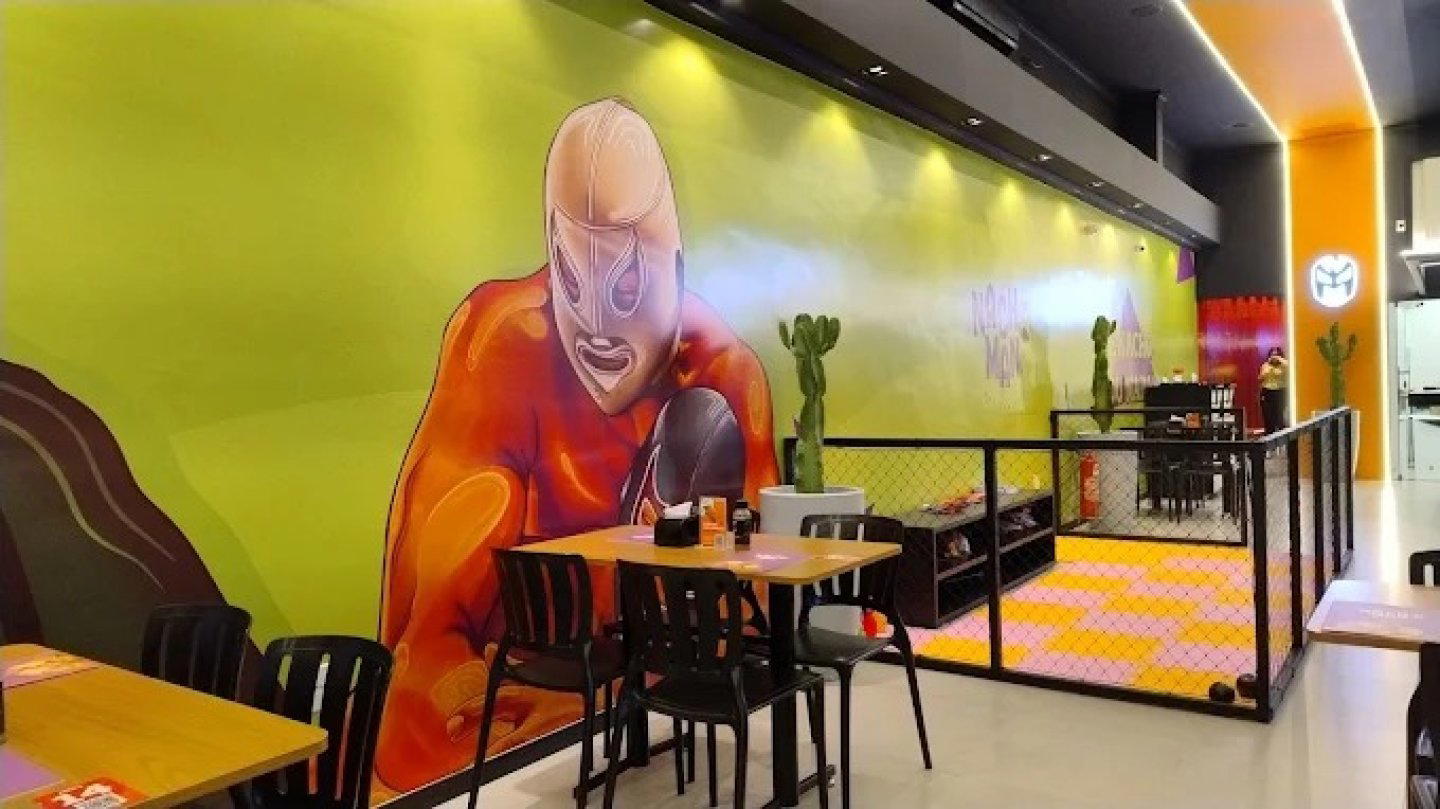
Details
Casual and simple.