Our verdict
Lonely Avenue occupies a quiet address in Testaccio, one of Rome's most food-serious neighbourhoods, placing it inside a local dining tradition that rewards walkers willing to leave the tourist circuit.

Pearl is the En Primeur Club membership app, where members save venues, book tables and use the concierge.
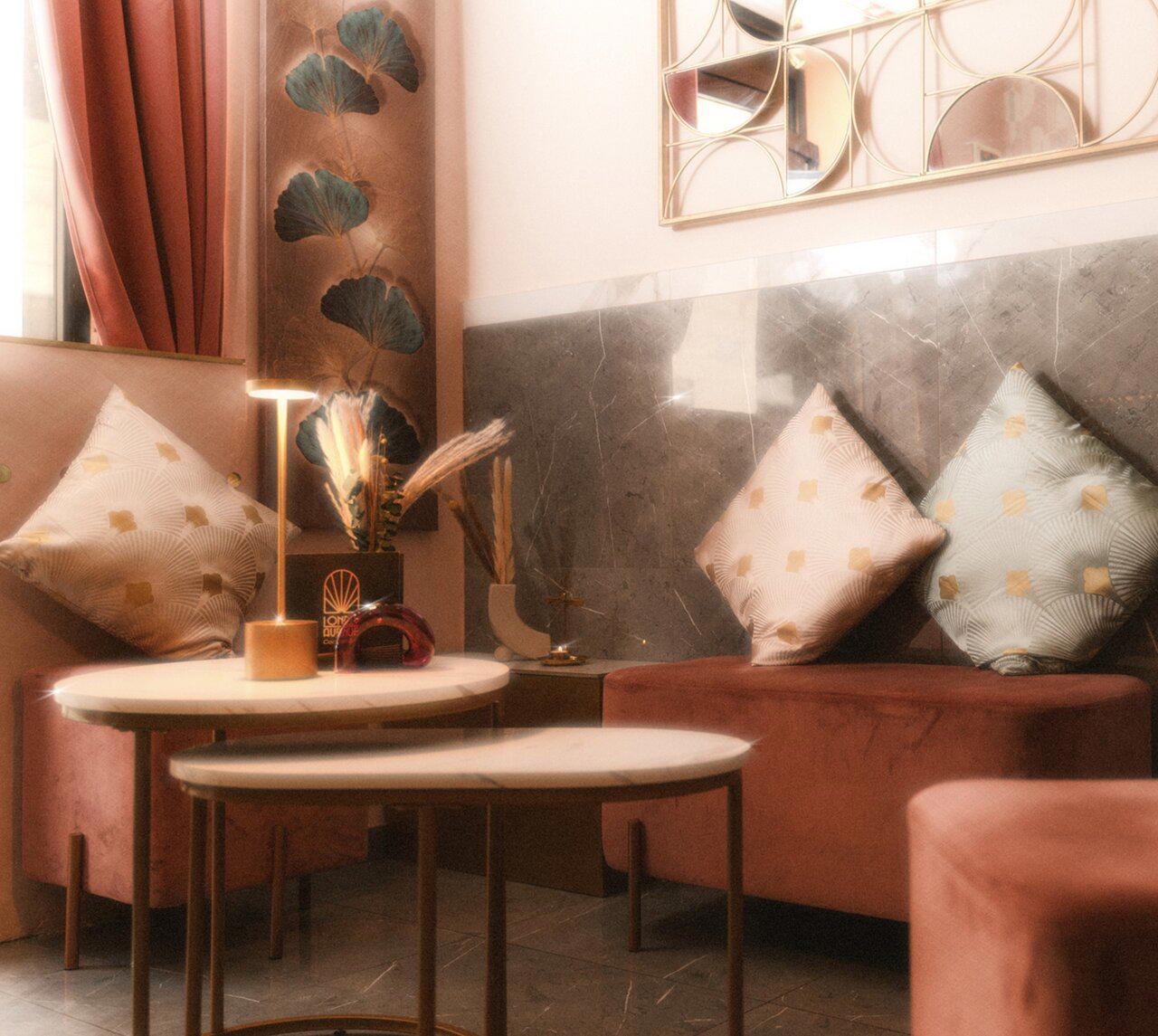
Testaccio and the Geography of Roman Seriousness
Rome's dining map has a centre of gravity that most visitors miss entirely. The historic core, Trastevere, Campo de' Fiori, the area around the Pantheon, carries the tourist premium: higher prices, shorter attention spans, menus calibrated for one-off visits. Testaccio, the working-class district south of the Aventine Hill, operates on different logic. It is the neighbourhood that kept Rome's market culture alive when other rioni gentrified, home to the city's last functioning covered food market and the kind of trattoria loyalty that measures in decades rather than Michelin cycles. Via Luca della Robbia sits in this territory, and Lonely Avenue, at number 18, inherits all of the neighbourhood's expectations with none of the tourist buffer.
That address is a placement decision with meaning. Testaccio diners tend to know exactly what they want and how much they expect to pay for it. The neighbourhood's culinary identity has historically been anchored in offal tradition, the quinto quarto culture that emerged from proximity to Rome's former slaughterhouse, though the contemporary dining scene along these streets has expanded considerably beyond that reference point. What hasn't changed is the underlying standard: food in Testaccio earns its place or loses the room.
A Street-Level Entry into Rome's Creative Tier
Rome's creative dining scene sits in an interesting structural position relative to the rest of Italy. The city's restaurant culture is simultaneously conservative and cosmopolitan: deeply attached to Roman culinary grammar while also hosting some of the country's most technically ambitious kitchens. Venues like Il Pagliaccio and Enoteca La Torre represent the formal, Michelin-tracked end of that ambition, operating at €€€€ price points with the chef credentials and award architecture to match. Acquolina and Achilli al Parlamento occupy adjacent positions in the creative bracket. Then there is the larger middle tier: Rome's neighbourhood-embedded restaurants where the ambition is present but less telegraphed, where the cooking speaks more directly to the people sitting at the tables than to the expectations of critics.
Lonely Avenue appears to operate in this second register. The Testaccio address, the absence of a formal digital presence, and the low external profile all point toward a room oriented around regulars and word-of-mouth rather than reservation-engine volume. In a city where the restaurants most worth tracking often resist the apparatus of visibility, that posture is not a deficiency, it is a signal worth reading carefully.
What Neighbourhood Placement Implies for the Experience
Arriving at Via Luca della Robbia from the Testaccio market end, the street feels residential before it feels commercial. That is characteristic of the neighbourhood's better-known dining addresses: the approach is quiet, the signage modest, and the sense that you are eating where Romans eat rather than where tourists are directed is immediate and genuine. This is not a difficult thing to manufacture in theory, but it is remarkably hard to sustain over time, and Testaccio's food culture has managed it because the neighbourhood's residential core remained intact through Rome's tourism expansion.
For visitors arriving from the city centre, Testaccio is direct to reach on foot from the Circus Maximus or by metro to Piramide, making the neighbourhood more accessible than its off-circuit reputation might suggest. The area rewards time spent outside a single meal: the Testaccio Market on Via Beniamino Franklin, a few minutes from Via Luca della Robbia, is among the most coherent urban food markets in Rome, open on weekday and Saturday mornings, and a useful frame for understanding the ingredient culture that defines local cooking.
Positioning Against Rome's Wider Creative Scene
Italy's leading creative restaurants are distributed across the country in ways that make Rome's position somewhat unusual. The concentration of three-star ambition runs north: Osteria Francescana in Modena, Enrico Bartolini in Milan, Le Calandre in Rubano, Piazza Duomo in Alba, and Enoteca Pinchiorri in Florence all represent the kind of formal Italian dining ambition that Rome has historically approached differently. Further afield, Uliassi in Senigallia, Dal Pescatore in Runate, Reale in Castel di Sangro, Quattro Passi in Marina del Cantone, and Atelier Moessmer Norbert Niederkofler in Brunico demonstrate how Italy's most ambitious kitchens are often at their most confident when removed from the capitals. Rome's answer to this has typically been depth over spectacle: more restaurants operating at high consistent quality across a wider range of formats than any single venue dominating the conversation. La Pergola holds the city's three-star position, but the restaurants that define Roman dining culture more broadly are rarely that visible.
Lonely Avenue, operating from a Testaccio address without a declared price point or published format, belongs to that broader Roman pattern. It is the kind of restaurant that Rome produces in quantity and that Rome's food culture depends on: anchored in place, oriented toward the neighbourhood, and not particularly interested in performing for an outside audience.
Planning a Visit
Frequently asked questions
Where is Lonely Avenue located?
Lonely Avenue is located at Via Luca della Robbia, 18, 00153 Roma RM, Italy, Rome.
Is Lonely Avenue in Testaccio worth visiting specifically for the neighbourhood, or just the restaurant?
Via Luca della Robbia 18 places Lonely Avenue within walking distance of the Testaccio Market and the former slaughterhouse complex that now houses cultural institutions, making the surrounding area a destination in its own right. Rome's serious food press has consistently treated Testaccio as a counterpoint to the overcrowded dining corridors nearer the Pantheon or Campo de' Fiori. Whatever Lonely Avenue turns out to be in format and scale, the neighbourhood context adds material value to the trip.
What should I eat at Lonely Avenue?
No menu is publicly documented for Lonely Avenue, so specific dish recommendations cannot be made here. What the Testaccio address does signal is proximity to Rome's oldest working-class food culture, where markets and producers shape what ends up on plates. Arriving with openness to whatever the kitchen is running that day is the most reliable approach for this part of Rome.
Do I need a reservation for Lonely Avenue?
Lonely Avenue does not list a phone number or booking website in current public records, which makes advance reservation through standard channels impossible to confirm. Testaccio's neighbourhood restaurants of this type tend to operate on a walk-in basis or take reservations by phone only, turning up early in the evening session is the practical fallback. Checking the venue's address at Via Luca della Robbia 18 in person or via local listings before your visit is advisable.
What do critics highlight about Lonely Avenue?
No formal critical record for Lonely Avenue appears in major award databases, no Michelin recognition, no 50 Best listing, at the time of writing. That absence is not unusual for Testaccio venues operating within a local rather than international dining circuit. The neighbourhood itself carries editorial weight: Testaccio has been covered in depth by serious food press for its resistance to tourist-facing formats.
Can Lonely Avenue adjust for dietary needs?
No dietary accommodation policy is documented for Lonely Avenue in current public records. Without a listed phone number or website, confirming restrictions in advance is not straightforward; arriving with specific requirements and communicating them directly to staff on arrival is the practical approach. Smaller neighbourhood restaurants in Testaccio typically handle individual requests on a case-by-case basis.
Does Lonely Avenue justify its prices?
Within Testaccio more broadly, the neighbourhood's restaurant economy skews toward working-lunch and local-dinner pricing rather than the inflated rates common in the historic centre. At this address, the expectation is value proportionate to a residential-quarter clientele rather than tourist-bracket margins.
The Essentials
Comparable venues nearby, for context on price, style, and recognition.
| Venue | Cuisine | Price | Awards | Notes |
|---|---|---|---|---|
| Lonely AvenueThis venue (the venue you are viewing) | Premium Spirits Cocktail Bar | $20–30 | Not listed | Not listed |
| The Race Club | Craft Cocktail Bar | $20–30 | Falstaff Bar - 93 Falstaff Points | Monti, Craft Cocktail Bar |
| Osteria La Gensola | Traditional Roman & Sicilian Seafood | $50–100 | Not listed | Trastevere, Traditional Roman & Sicilian Seafood |
| Beppe and His Cheeses | Italian Cheese & Wine Bar | $30–50 | Not listed | Regola, Italian Cheese & Wine Bar |
| Il Gelato di Claudio Torcè, Risorgimento | Not listed | Not listed | Not listed | Borgo, Artisanal Gelato with Savory Twists |
| Cafè Corrientes | Italian Steakhouse with Argentinian Grill | $30–50 | Not listed | Gianicolese, Italian Steakhouse with Argentinian Grill |
Continue exploring
More in Rome
Restaurants in Rome
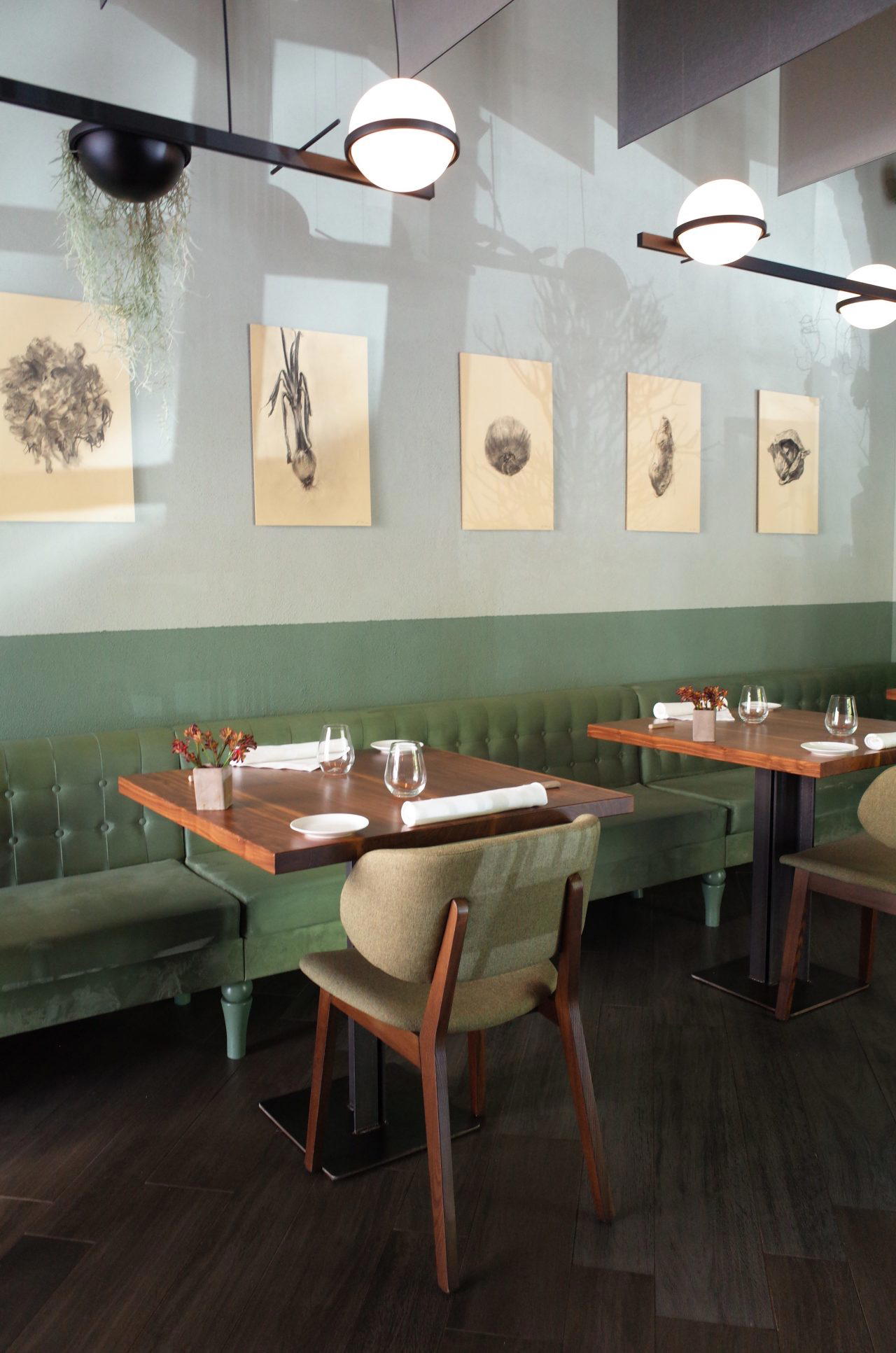
All restaurants in Rome →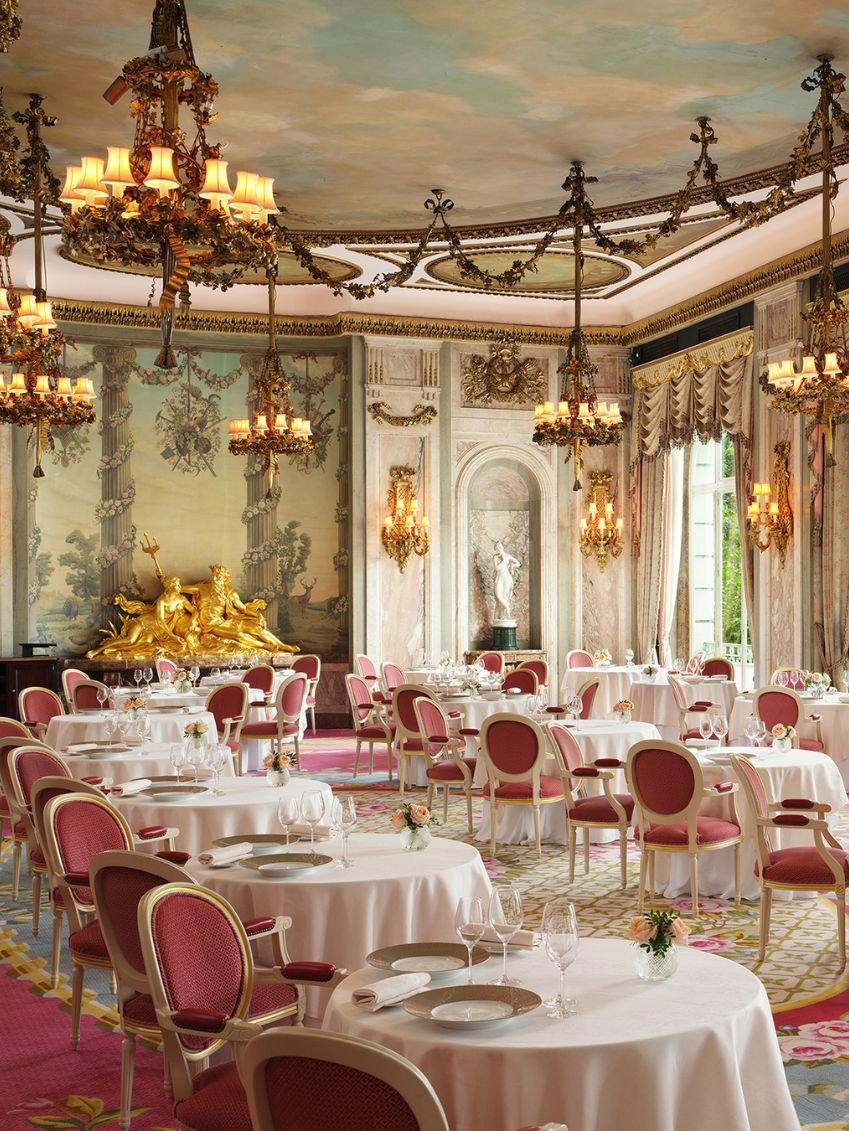
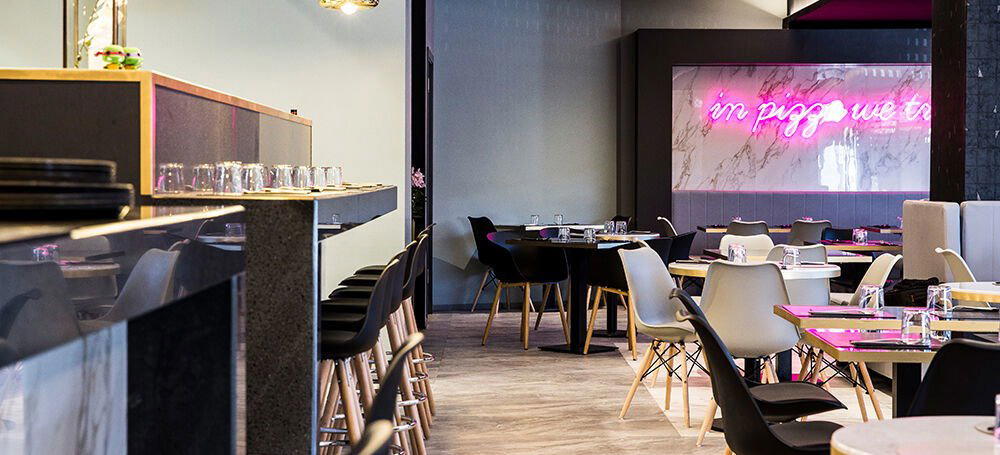
Bars in Rome
All bars in Rome →

Details
- Intimate
- Cozy
- Sophisticated
- Date Night
- Casual Hangout
- After Work
- Late Night
- Craft Cocktails
- Counter Dining
- Cocktails
Current opening hours
- Monday
- 6 PM–2 AM
- Tuesday
- 6 PM–2 AM
- Wednesday
- 6 PM–2 AM
- Thursday
- 6 PM–2 AM
- Friday
- 6 PM–2 AM
- Saturday
- 6 PM–2 AM
- Sunday
- 6 PM–2 AM
Hours can change for holidays and private events. Hours as of .
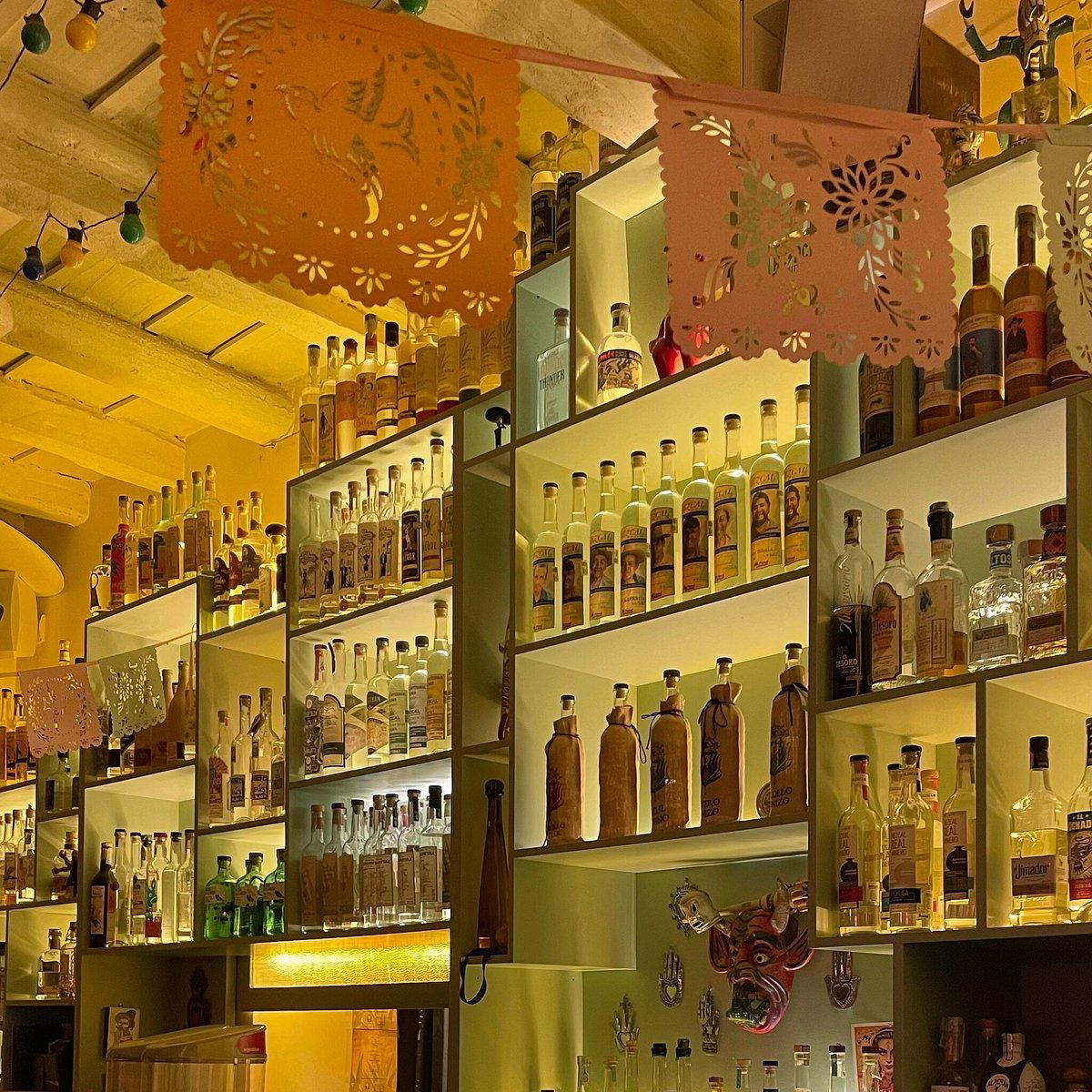
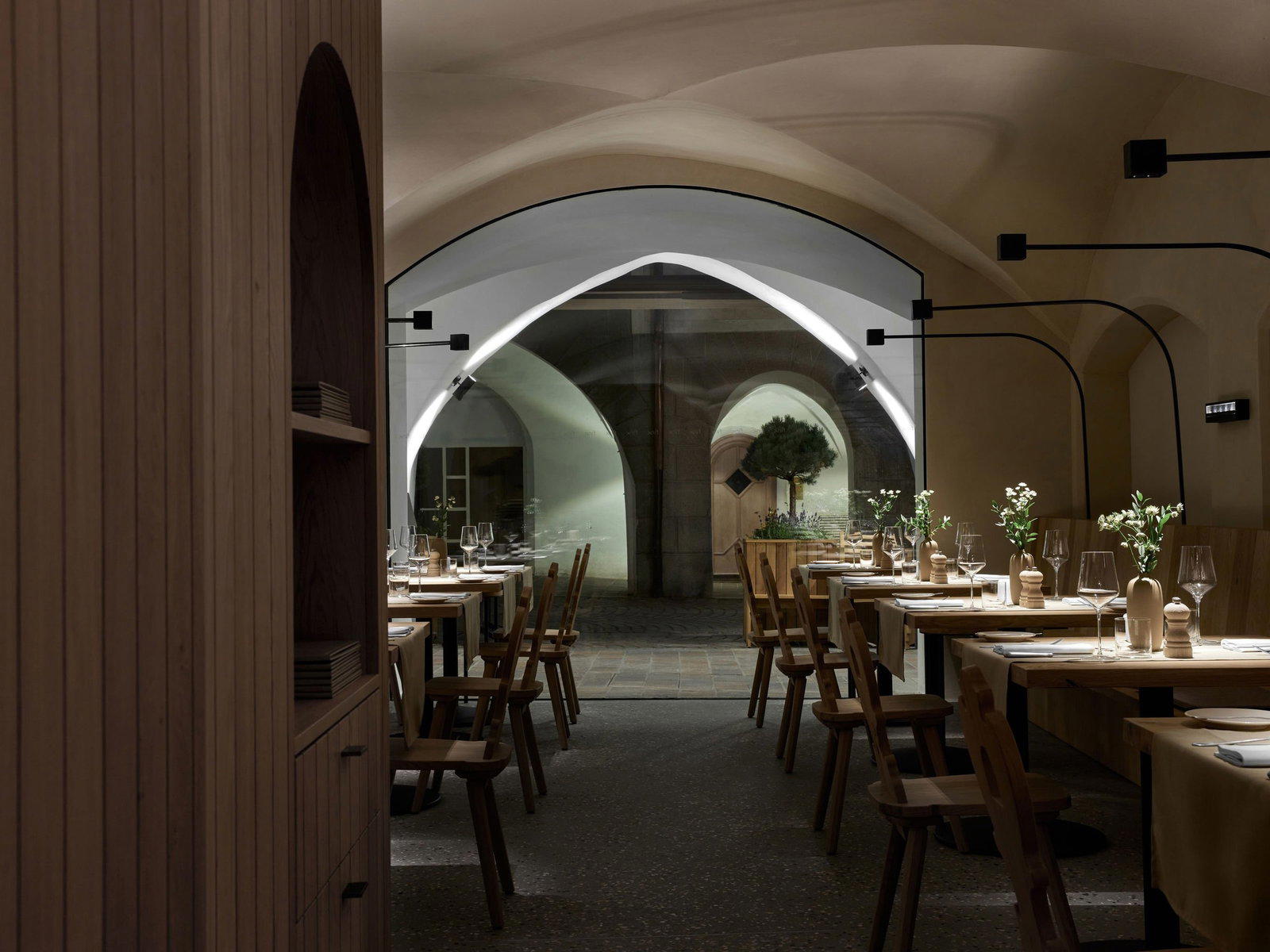
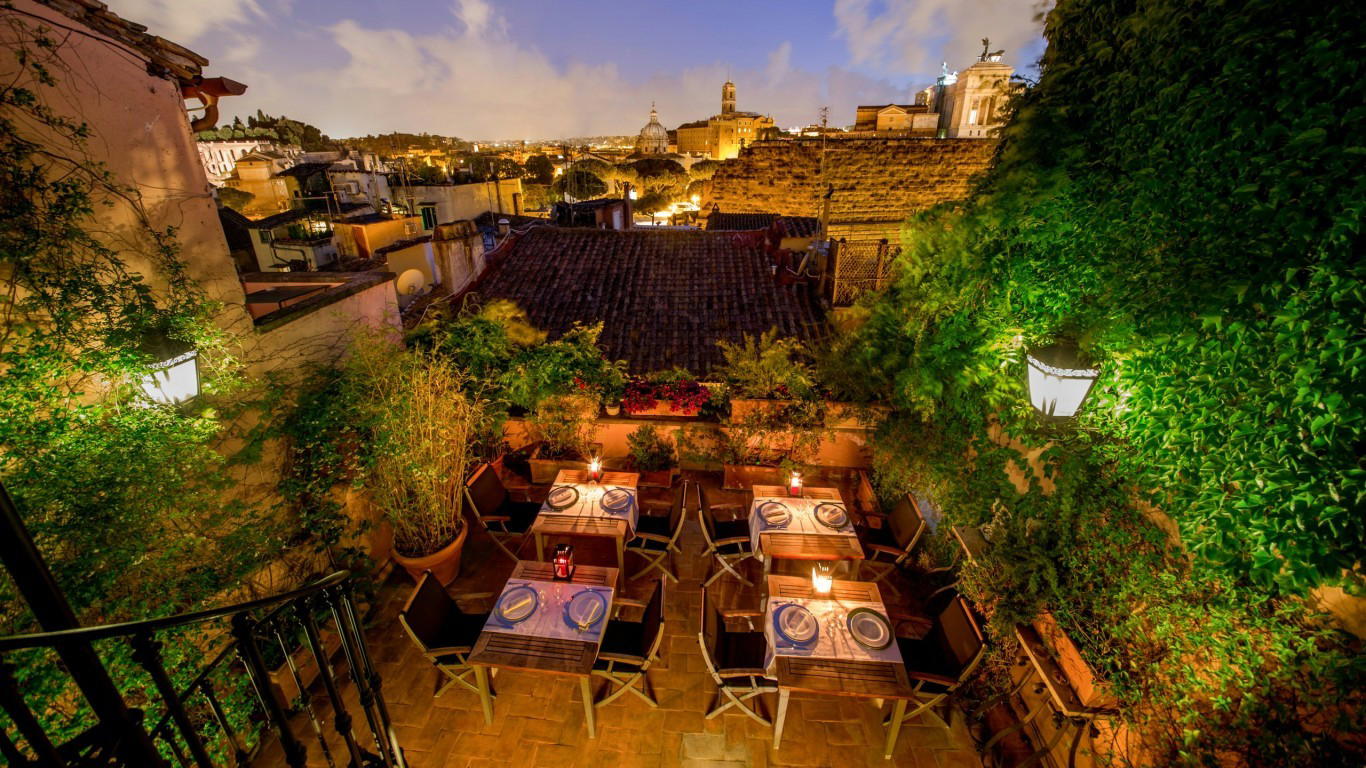
Cozy and intimate with a friendly, engaging atmosphere focused on personalized cocktail experiences and conversations with expert mixologists.