On Carrer de Lepant in Barcelona's Horta-Guinardó district, L'Oficina Gastrobar occupies a different tier from the city's tasting-menu circuit, offering a neighbourhood-anchored gastrobar format where sustainability-conscious cooking and accessible pricing coexist. Against the €€€€ creative restaurants that define Barcelona's international reputation, L'Oficina operates as a local counterweight: serious food, lower formality, and a genuine sense of place.
Pearl is the En Primeur Club membership app — saves, bookings, and concierge access live there. Same editors, same standards.
- Address
- Carrer de Lepant, 416, Horta-Guinardó, 08025 Barcelona, Spain
- Phone
- +34651814201
- Website
- oficinagastrobar.com
- Directions
- Get directions
 Saves & bookings on Pearl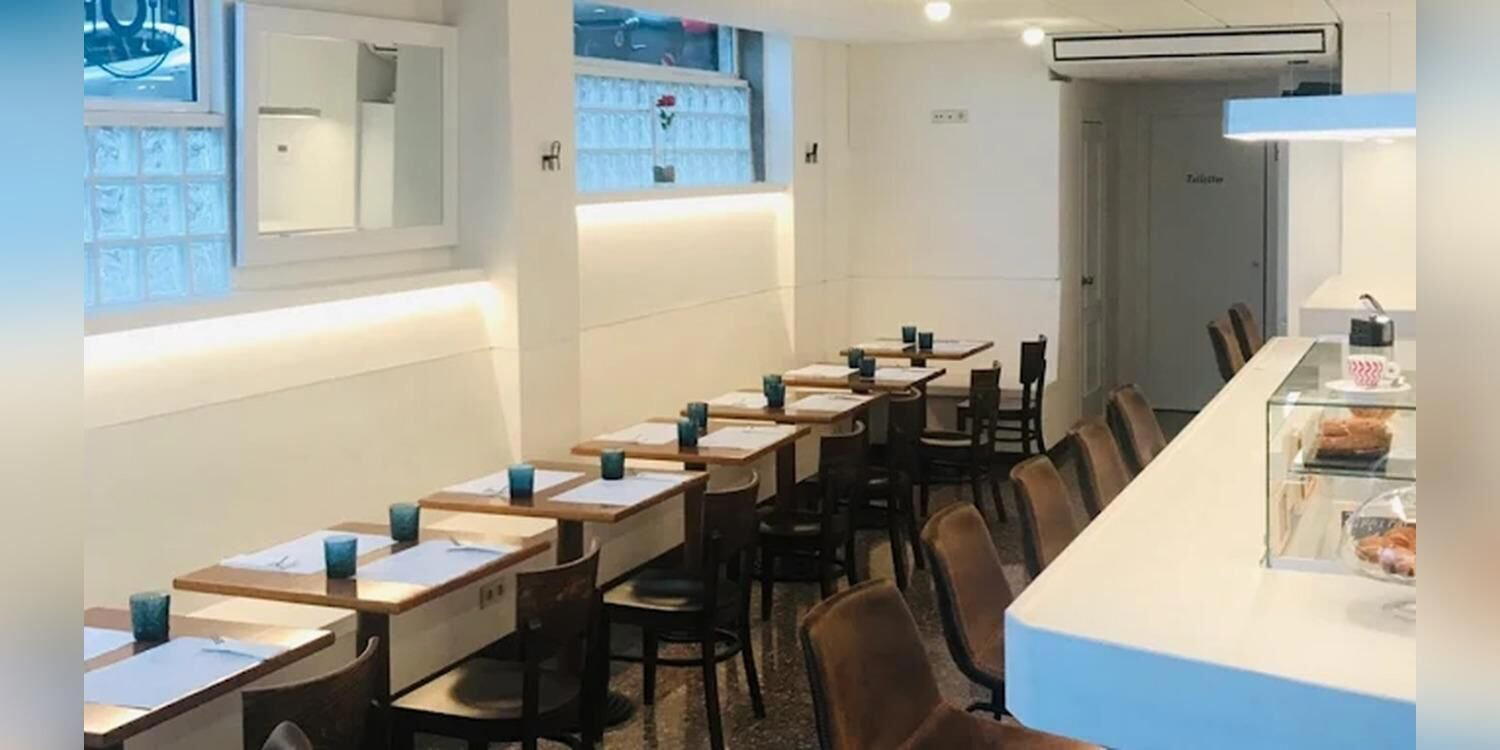
A Street-Level Counterpoint to Barcelona's Tasting-Menu Culture
Barcelona's dining conversation defaults quickly to the tasting-menu tier: the multi-course progressive formats at places like Disfrutar, the creative ambition of Cocina Hermanos Torres, or the international pull of Lasarte. But beyond the Eixample dining corridors and the Michelin-tracked addresses, Barcelona's neighbourhood fabric is held together by a different kind of operation: the gastrobar, a format that borrows the creative vocabulary of Spanish haute cuisine and applies it at street level, without the ceremony or the invoice.
L'Oficina Gastrobar, on Carrer de Lepant in the Horta-Guinardó district, belongs to this counter-tradition. Horta-Guinardó sits north and east of the Gràcia and Eixample postcodes that dominate food-press coverage, which means the venue draws from a residential catchment rather than from tourist circuits. That positioning shapes everything from the pace of service to the tone of the room.
The Gastrobar Format and What It Asks of a Kitchen
The gastrobar category in Spain carries real culinary weight. The format became a credible vehicle for serious cooking partly because of the broader influence of Basque pintxos culture and partly because a generation of Spanish chefs trained in fine-dining kitchens chose to apply that technique at lower price points and higher accessibility. The result, across Spain's cities, is a tier of restaurants where the cooking ambition often exceeds the price signal. Arzak in San Sebastián and El Celler de Can Roca in Girona helped establish the intellectual framework; places like L'Oficina operate downstream of that influence, translating it for the neighbourhood register.
What the gastrobar format demands specifically is restraint in sourcing and coherence in execution. A shorter menu, produced more frequently, with tighter supplier relationships, is the structural logic. This is also where the sustainability argument becomes most tangible: a gastrobar that rotates its offer around available produce can operate closer to a zero-waste model than a fixed tasting-menu format with year-round consistency requirements. The discipline of working with what is seasonally available rather than engineering around it is a practice baked into the format's DNA.
Sustainability at the Neighbourhood Scale
Spanish gastronomy's engagement with sustainability has tended to be documented at the prestige end of the market. Azurmendi in Larrabetzu built its environmental credentials into the architecture and the supply chain simultaneously, becoming a reference point for the conversation at a global level. Aponiente in El Puerto de Santa María made marine ecosystem awareness central to its identity. These are large-scale, heavily resourced commitments. The neighbourhood gastrobar operates under different constraints but can reach similar outcomes through simpler means: shorter supply chains, cooking against seasonal availability, and a format that produces less structural waste than multi-course kitchen operations.
In Horta-Guinardó, a district without the concentrated food-tourism pressure of the Gothic Quarter or the Barceloneta waterfront, a restaurant's relationship with its immediate community takes on more weight. Producers who supply local neighbourhood operations tend to be smaller, often regional, and more responsive to a kitchen's specific needs. The sustainability story at this scale is less about certification and more about the everyday decisions that accumulate into a sourcing ethic: what protein rotates off the menu when availability drops, which vegetables anchor the week's offer based on what came from the market that morning.
This connects L'Oficina to a broader pattern visible across Spain's second-tier dining districts. Ricard Camarena in València has articulated the case for hyper-local sourcing within a creative fine-dining context; the neighbourhood gastrobar applies the same logic without the formal architecture. The credibility of the commitment depends on consistency: a kitchen that tracks its waste, builds menus around what is available, and maintains supplier relationships across seasons is doing the substantive work.
Placing L'Oficina in Barcelona's Wider Scene
Barcelona's restaurant tier has compressed in interesting ways since the mid-2010s. The gap between the €€€€ creative addresses, where ABaC and Enigma operate, and the mid-market neighbourhood table has narrowed in terms of technique and ingredient quality, even as it has widened in terms of price. A well-run gastrobar in 2024 may source from some of the same Catalan producers as a three-Michelin-star kitchen, present dishes with genuine technical thought, and charge a third of the price. The value compression is real and it reflects how deeply fine-dining training has permeated the mid-tier.
Against that context, L'Oficina on Carrer de Lepant is positioned where value and cooking ambition overlap. It does not compete with Mugaritz or Quique Dacosta on conceptual ambition or international recognition, nor is it intended to. Its competitive set is local: the other neighbourhood gastrobars in Barcelona's residential districts, where the measure of quality is whether a regular returns twice a week rather than whether a food journalist travels from London to review it. For visitors interested in how Barcelona actually eats outside the curated dining-guide tier, Horta-Guinardó and addresses like L'Oficina offer a more honest cross-section of the city's food culture.
Planning Your Visit
The neighbourhood operates at a quieter pace than the tourist corridors, which means arriving without a reservation on a weekday evening may work, though weekend evenings at well-regarded neighbourhood spots in Barcelona tend to fill from the local residential crowd. Dress is informal; the gastrobar format in this district reads as relaxed neighbourhood dining rather than occasion dining.
- Patatas bravas
- Croquetas de jamón
- Bikini trufado
- Carrillera de cerdo al vino tinto
- Steak tartar
- Tarta de queso casera
The Short List
Comparable venues nearby, for context on price, style, and recognition.
| Venue | Cuisine | Price | Notes |
|---|---|---|---|
| L´Oficina Gastrobar BarcelonaThis venue — the venue you are viewing | el Baix Guinardo, Modern Spanish Tapas | $$$ | Not listed |
| Sagardi Centre | Not listed | $$$ | l'Antiga Esquerra de l'Eixample, Basque Grill & Seafood |
| Maná 75 | Not listed | $$$ | Port Vell, Traditional Spanish Paella & Mediterranean Tapas |
| Bodega Sepúlveda | Sant Antoni, Traditional Catalan Tapas | $$$ | Not listed |
| Asador de Aranda - Paralelo | el Raval, Traditional Castilian Asador | $$$ | Not listed |
| Asador d'Aranda | Not listed | $$$ | Sant Gervasi - Galvany, Traditional Castilian Roast Meats |
Continue exploring
More in Barcelona
Restaurants in Barcelona
Browse all →
Bars in Barcelona
Browse all →
Hotels in Barcelona
Browse all →

At a Glance
- Modern
- Cozy
- Industrial
- Lively
- Energetic
- Group Dining
- After Work
- Celebration
- Business Dinner
- Casual Hangout
- Live Music
- Standalone
- Craft Cocktails
- Beer Program
- Local Sourcing
- Street Scene
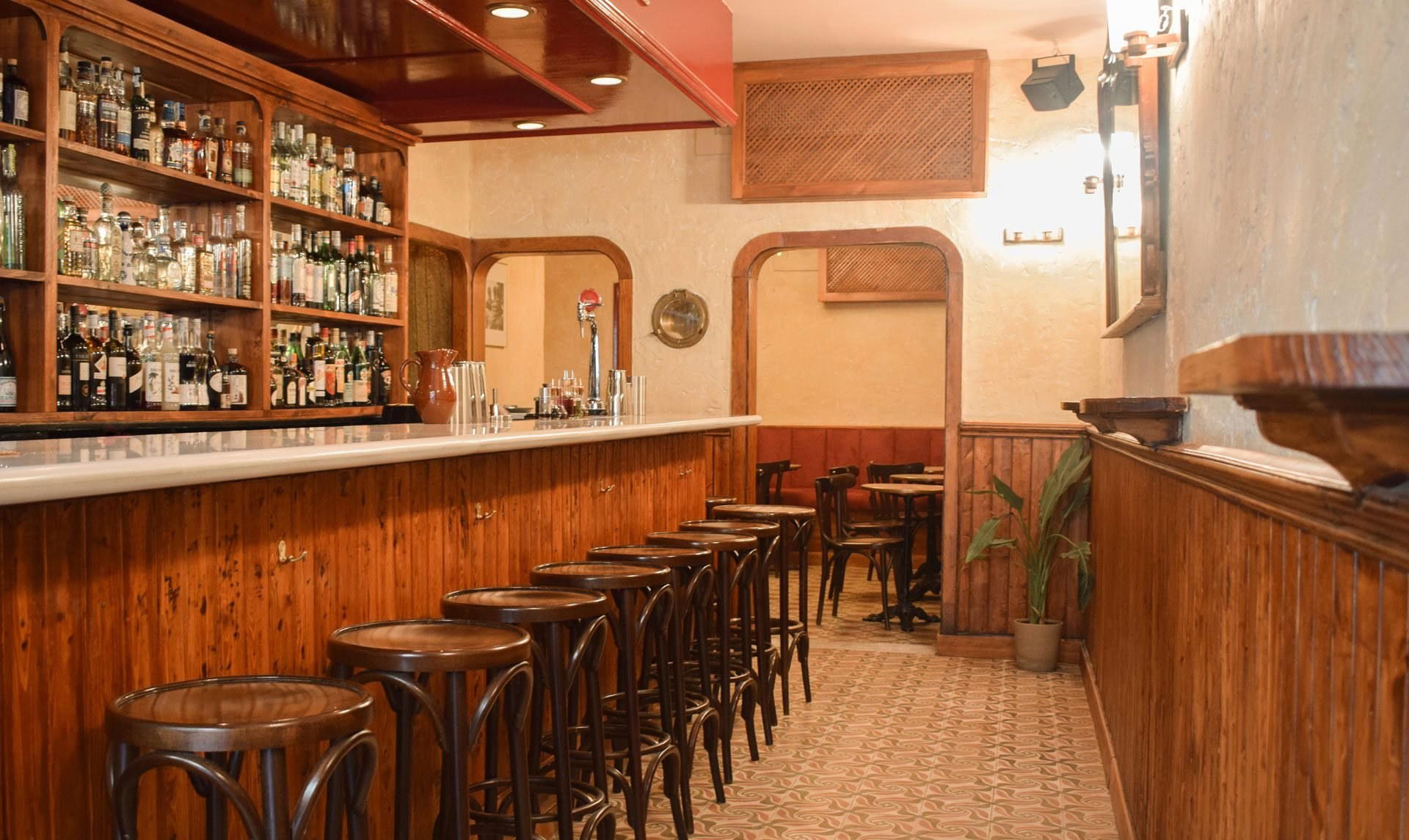
Modern and welcoming, with industrial touches, background music during the day and a more animated, festive atmosphere at night.