
On the Barceloneta seafront, Maná 75 occupies a stretch of Passeig de Joan de Borbó where the Mediterranean is less backdrop than raw material. The kitchen works at the intersection of Catalan coastal produce and technique drawn from broader European and global traditions, placing it in a different register from the tasting-menu circuit that dominates Barcelona's fine-dining conversation.
Pearl is the En Primeur Club membership app — saves, bookings, and concierge access live there. Same editors, same standards.
- Address
- Pg. de Joan de Borbó, 101, Ciutat Vella, 08039 Barcelona, Spain
- Phone
- +34930474029
- Website
- mana75.es
- Directions
- Get directions
 Saves & bookings on Pearl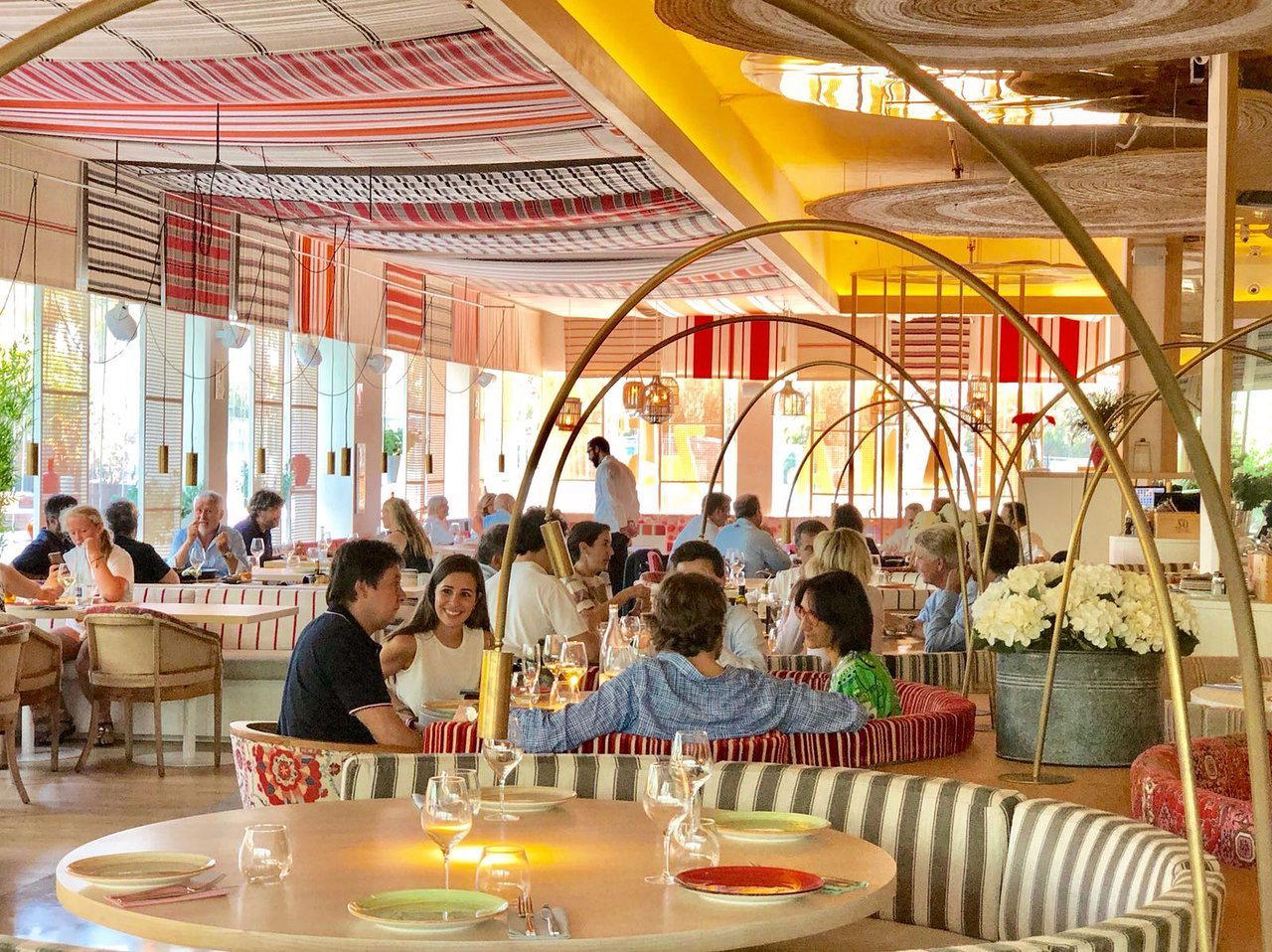
Where the Waterfront Becomes a Kitchen
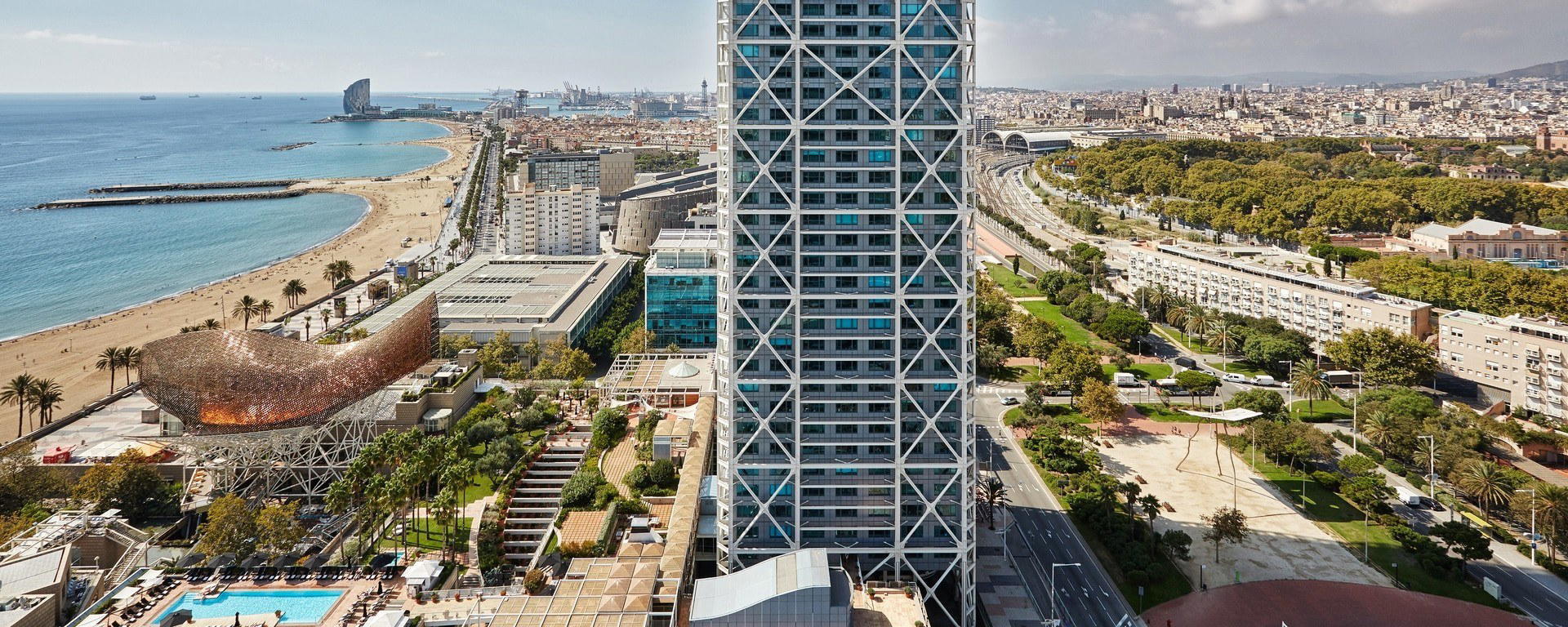
Passeig de Joan de Borbó runs along the edge of Barceloneta with the kind of directness that older seafront promenades rarely manage anymore: salt air, direct light, fishing heritage that has not been entirely erased by tourism infrastructure. The address at number 101 places Maná 75 at the working end of that strip, away from the hotel-restaurant clusters that accumulate near the beach access points. What the location signals, before you have read a menu or spoken to anyone inside, is that the sea here is a supply chain as much as a view.
Barcelona's seafood dining has always operated on two tracks. The first is the chiringuito tradition: grilled fish, rice dishes cooked in flat pans, product-led cooking that lets proximity to the source do most of the work. The second, which has developed more recently, applies the kind of technical rigour associated with haute cuisine to the same coastal ingredients, drawing on methods refined in professional kitchens far from the water. Maná 75 sits in that second category, where local products meet the restaurant's direct coastal brief.
The Catalan Coast as Raw Material
The stretch of Mediterranean coastline that runs from the Costa Brava south through Barcelona and into the Ebro delta produces particularly varied seafood in southern Europe. Razor clams from the delta, red prawns from Palamós, sea urchin from the shallower waters off the coast: these are ingredients with established reputations in the Spanish fine-dining world, referenced by kitchens at Aponiente in El Puerto de Santa María and Quique Dacosta in Dénia as evidence of what Iberian coastal waters can yield. Barcelona's Barceloneta neighbourhood has access to the same supply lines, and restaurants on Passeig de Joan de Borbó are positioned to use them with a directness that city-centre kitchens cannot always replicate.
The editorial tension in this part of Barcelona's dining scene is between respecting the integrity of that produce and doing something technically interesting with it. The risk of over-intervention is real: Mediterranean fish and shellfish are easy to overcook, and there is a long tradition in Catalan cooking that argues the leading technique is the lightest hand. But the application of modern methods, whether in temperature control, emulsification, or the use of fermented or aged components, can also extend the range of what coastal ingredients can express. The more compelling kitchens in this tier find ways to use global technique in service of local product, rather than using local product as a vehicle for technique.
Barcelona's Broader Fine-Dining Frame
It is worth situating Maná 75 against the wider Barcelona restaurant scene to understand what kind of proposition it represents. The city's headline fine-dining addresses, including Disfrutar, Cocina Hermanos Torres, Lasarte, ABaC, and Enigma, operate in the highest price tier, with multi-course tasting menus as the primary format and Michelin recognition as the standard external validator. That cluster of restaurants is primarily located inland, in Eixample and the northern residential districts, and draws a predominantly destination-dining clientele.
The Barceloneta waterfront operates differently. Its dining identity is grounded in the neighbourhood's fishing-village history, and even the more technically ambitious restaurants here tend to foreground product and setting over ceremony. This is not a lower standard; it is a different set of priorities, one that aligns more closely with the Catalan tradition of letting geography determine what ends up on the plate. Across Spain, this tension between terroir-led simplicity and applied technique has produced some of the country's most interesting cooking, at El Celler de Can Roca in Girona, Arzak in San Sebastián, and Azurmendi in Larrabetzu, each of which has resolved the same question in a distinct regional register.
Barcelona's waterfront restaurants are working through a version of the same question. For diners arriving from cities where technical seafood cooking means something closer to the French tradition, as at Le Bernardin in New York City, the Catalan coastal version offers a different set of references: less butter and cream, more olive oil and acid, a flavour profile shaped by the Mediterranean rather than the Atlantic. The comparison with Atomix in New York City is less obvious but worth noting for what it illustrates about how global technique can be applied to a specific local tradition without losing the identity of either.
Reading the Address
Passeig de Joan de Borbó 101 is a specific kind of Barcelona address. Ciutat Vella, the old city quarter that encompasses Barceloneta, carries different connotations from the upscale restaurant neighbourhoods further north. The density of tourist infrastructure along the seafront means that the better restaurants here have to work against the grain of their surroundings to maintain credibility with a local, return-visit clientele. The ones that manage it tend to do so through consistency of product sourcing and a format that does not shift seasonally to chase different visitor demographics.
The restaurant sits in a specific segment of that map, comparable in its waterfront orientation to restaurants like Ricard Camarena in València or Martin Berasategui in Lasarte-Oria in terms of what it asks of a diner, even if the setting and scale are quite different. Mugaritz in Errenteria, DiverXO in Madrid, and Atrio in Cáceres each represent a different answer to the same underlying question about where Spanish cooking is going.
Style and Standing
Comparable venues nearby, for context on price, style, and recognition.
| Venue | Cuisine | Price | Notes |
|---|---|---|---|
| Maná 75This venue — the venue you are viewing | Traditional Spanish Paella & Mediterranean Tapas | $$$ | Not listed |
| Can Solé | Classic Catalan Seafood Paella | $$$ | la Barceloneta |
| Can Xurrades | Catalan Steakhouse with Aged Beef | $$$ | l'Antiga Esquerra de l'Eixample |
| Manairo | Modern Catalan Tasting Menu | $$$ | el Fort Pienc |
| Sergi de Meià | Modern Catalan KM0 | $$$ | Sant Gervasi - Galvany |
| Leku | Modern Catalan Mediterranean | $$$ | les Corts |
Recognition history
Dated appearances from independent guides and award organizations, with the underlying list record or original source where available.
Macarfi 6.7 Food Rating
Macarfi
Continue exploring
More in Barcelona
Restaurants in Barcelona
Browse all →
Bars in Barcelona
Browse all →
Hotels in Barcelona
Browse all →
At a Glance
- Lively
- Elegant
- Scenic
- Sophisticated
- Group Dining
- Date Night
- Celebration
- Casual Hangout
- Open Kitchen
- Waterfront
- Terrace
- Beer Program
- Local Sourcing
- Sustainable Seafood
- Waterfront
Current opening hours
- Monday
- 12:45 PM–12:30 AM
- Tuesday
- 12:45 PM–12:30 AM
- Wednesday
- 12:45 PM–12:30 AM
- Thursday
- 12:45 PM–12:30 AM
- Friday
- 12:45 PM–12:30 AM
- Saturday
- 12:45 PM–12:30 AM
- Sunday
- 12:45 PM–12:30 AM
Hours can change for holidays and private events. Last verified .
Spacious and light-filled with large windows, warm lighting, and a sense of comfort; located steps from the beach with a relaxed yet refined atmosphere.