On Avinguda del Paral·lel in Barcelona's Ciutat Vella, Asador de Aranda brings the wood-fired roasting tradition of Castile to a city better known for avant-garde tasting menus. The format is built around the lechazo, milk-fed lamb roasted in a clay oven, making it a natural anchor for celebrations and group occasions where the ritual of the asador carries as much weight as the meal itself. It occupies a distinct position in Barcelona's dining map: old-school in the technical sense, unhurried, and unapologetically meat-forward.
Pearl is the En Primeur Club membership app — saves, bookings, and concierge access live there. Same editors, same standards.
- Address
- Avinguda del Paral·lel, 76, Ciutat Vella, 08001 Barcelona, Spain
- Phone
- +34934042470
- Website
- asadordearanda.net
- Directions
- Get directions
 Saves & bookings on Pearl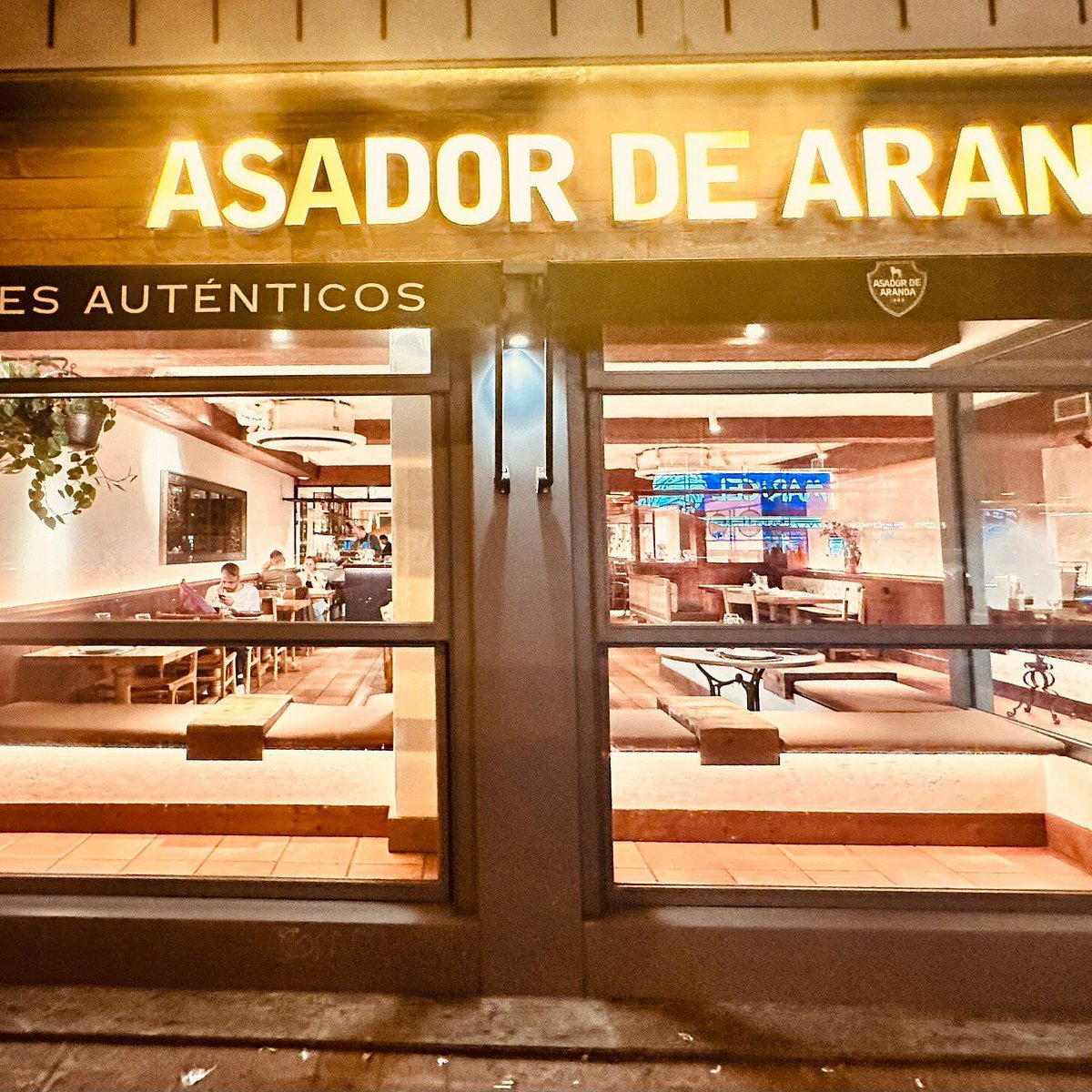
Where Castilian Fire Meets Barcelona Occasion
Avinguda del Paral·lel has always occupied a particular register in Barcelona's civic life: broad, slightly theatrical, carrying traces of the music-hall era that once made it the city's entertainment spine. Arriving at Asador de Aranda on this avenue, the shift in atmosphere from the surrounding neighbourhood is immediate. The address sits in Ciutat Vella, the old city, at number 76. This is the asador format: a wood-fired clay oven, whole roasted animals, and a deliberate pace that does not accommodate impatience.
That deliberate pace matters. In a Barcelona dining scene that has spent two decades accelerating toward the avant-garde, where houses like Disfrutar, Enigma, and Cocina Hermanos Torres have redefined what Spanish cooking can look like, the asador sits in deliberate contrast. It does not deconstruct. It does not iterate. It applies sustained heat, patience, and good sourcing to a format that has not fundamentally changed in centuries. That stability is not inertia; it is a specific kind of confidence.
The Asador Tradition and What It Means for Occasion Dining
The asador format, particularly in its Aranda de Duero expression, is built around the lechazo: milk-fed lamb, typically under three weeks old, roasted in unglazed clay dishes inside a wood-fired horno. The tradition originates in Castile and León, where the oven itself, its temperature, its wood, its clay, is the primary instrument. The cook's role is preparation and timing, not constant intervention. What emerges is skin that fractures at a touch and meat that carries the fat of youth without weight.
This is why the format has become so closely associated with milestone meals across Spain. An asador does not lend itself to quick lunches or solitary eating. The portions are sized for sharing, the pacing is set by the oven rather than the kitchen's convenience, and the ritual of carving, traditionally done at the table, sometimes with a plate edge rather than a knife to demonstrate tenderness, is a performance in itself. When Spanish families gather for a christening, a retirement, a significant birthday, or a homecoming, the asador is a frequent default. That cultural weight travels with Asador de Aranda to its Barcelona address on Paral·lel.
For context, Spain's most discussed fine-dining occasions tend to cluster around multi-course tasting menus at addresses like Lasarte or ABaC in Barcelona, or further afield at El Celler de Can Roca in Girona, Arzak in San Sebastián, or Martin Berasategui. The asador occupies a different register entirely: it is not competing with those addresses on technique or conceptual ambition. Its proposition is an older, more communal form of celebration, the long table, the shared dish, the wine poured without ceremony into proper glasses. This is Spain's other fine dining tradition, and it runs deeper historically than the Michelin era.
Seasonal Timing and When to Go
The lechazo tradition has a natural seasonal logic. Milk-fed lamb availability concentrates in late autumn and winter, when lambing cycles align with the oven's most atmospheric season. A wood-fired room in January or February in Barcelona, mild by northern European standards but cool enough to make the heat of the horno feel like the point of the room rather than an afterthought, puts the format in its leading light. That said, the Aranda de Duero model operates year-round, and a summer visit on Paral·lel is a different proposition: the avenue has its own warmth, and the contrast between the cool interior and the heat outside changes the rhythm of the meal rather than diminishing it.
Those planning an occasion meal should factor in that shared formats work differently here than at a tasting-menu counter. The pacing is slower, the portions are designed for the table rather than the individual, and wine selection should be considered accordingly. Castilian roast lamb historically pairs with the wines of Ribera del Duero, Tempranillo-dominant reds with enough structure to meet the fat of the lechazo, though Barcelona's broader wine culture means the list is unlikely to be dogmatic about the pairing.
Barcelona's Broader Roast Tradition in Context
Barcelona's native roasting traditions lean toward the sea: the wood-fired calçots of winter, the whole fish at coastal restaurants, the slow-cooked escudella of Catalan winter kitchens. The Castilian asador format arrived in the city as Spain's internal migration brought influences from the interior, and it now occupies a distinct niche among visitors and locals who want the ceremony of a long table without the formality of a tasting menu. It sits in a different bracket from Barcelona's creative heavy hitters, Cocina Hermanos Torres or Disfrutar require advance planning measured in months and price points that reflect their Michelin standing, but the asador demands its own kind of forethought: the right group, the right appetite, and an acceptance that the meal will take the time it takes.
Spain's broader roasting culture is well documented at addresses across the country: Quique Dacosta in Dénia, Azurmendi in Larrabetzu, and Aponiente in El Puerto de Santa María each represent regional traditions with their own relationship to fire, time, and sourcing. The asador tradition of Castile is among the oldest and most codified of these. Internationally, parallels exist in the slow-fire formats at Lazy Bear in San Francisco, where communal dining around a fire-driven menu carries similar occasion weight, though the cultural reference points diverge entirely.
Planning Your Visit
Asador de Aranda - Paralelo is located at Avinguda del Paral·lel, 76, Ciutat Vella, 08001 Barcelona. For occasion dining, arriving with a defined group size and an appetite for a multi-course, unhurried meal is the baseline requirement. Those looking for Barcelona's broader dining picture, from avant-garde tasting menus to neighbourhood classics, can find a fuller orientation in our full Barcelona restaurants guide.
Peers You’d Cross-Shop
Comparable venues nearby, for context on price, style, and recognition.
| Venue | Cuisine | Price | Notes |
|---|---|---|---|
| Asador de Aranda - ParaleloThis venue — the venue you are viewing | Traditional Castilian Asador | $$$ | Not listed |
| Els 4Gats | Traditional Catalan & Mediterranean | $$$ | Barri Gotic |
| Xiringuito Escribà | Beachside Spanish Paella | $$$ | el Poblenou |
| La Sosenga | Contemporary Catalan | $$ | Barri Gotic |
| La Bodegueta Provença | Modern Spanish Tapas | $$ | la Dreta de l'Eixample |
| Bodega Alaparra | Spanish Wine Bar with Tapas | $$ | el Poblenou |
Continue exploring
More in Barcelona
Restaurants in Barcelona
Browse all →
Bars in Barcelona
Browse all →
Hotels in Barcelona
Browse all →
At a Glance
- Classic
- Elegant
- Rustic
- Group Dining
- Family
- Business Dinner
- Special Occasion
- Open Kitchen
- Extensive Wine List
Current opening hours
- Monday
- 1–5 PM, 8 PM–12 AM
- Tuesday
- 1–5 PM, 8 PM–12 AM
- Wednesday
- 1–5 PM, 8 PM–12 AM
- Thursday
- 1–5 PM, 8 PM–12 AM
- Friday
- 1 PM–12 AM
- Saturday
- 1 PM–12 AM
- Sunday
- 1 PM–12 AM
Hours can change for holidays and private events. Last verified .
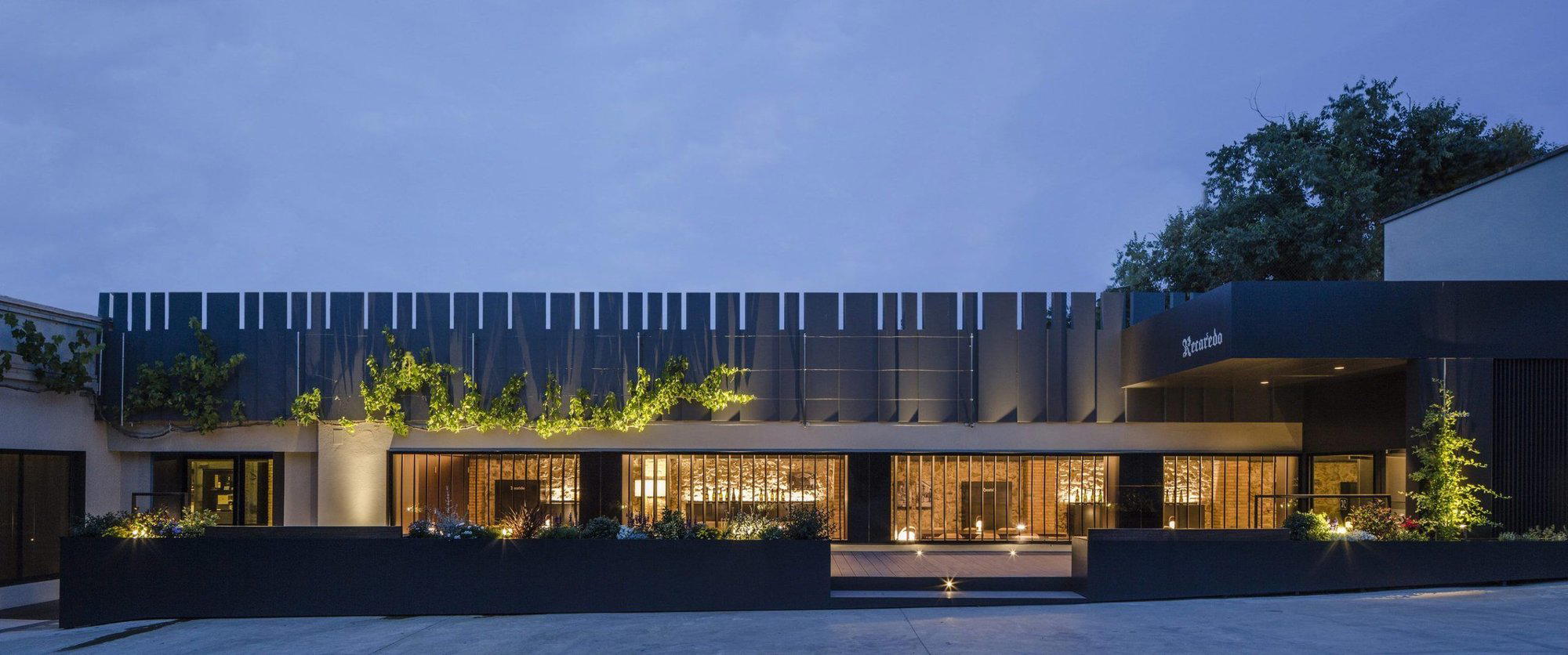
Classic and elegant atmosphere in a spacious dining room with a cosy and sophisticated feel blending traditional and modern elements.