
Bodega Sepúlveda occupies a corner of Eixample's quieter residential grid, operating in the tradition of Barcelona's neighbourhood wine bars where the room does as much work as the glass. The format sits closer to casual cork-pulling than to the city's high-concept creative dining tier, offering a grounded counterpoint to the €€€€ tasting-menu circuit a few streets north.
Pearl is the En Primeur Club membership app — saves, bookings, and concierge access live there. Same editors, same standards.
- Address
- Carrer de Sepúlveda, 173, Eixample, 08011 Barcelona, Spain
- Phone
- +34933235944
- Website
- bodegasepulveda.com
- Directions
- Get directions
 Saves & bookings on Pearl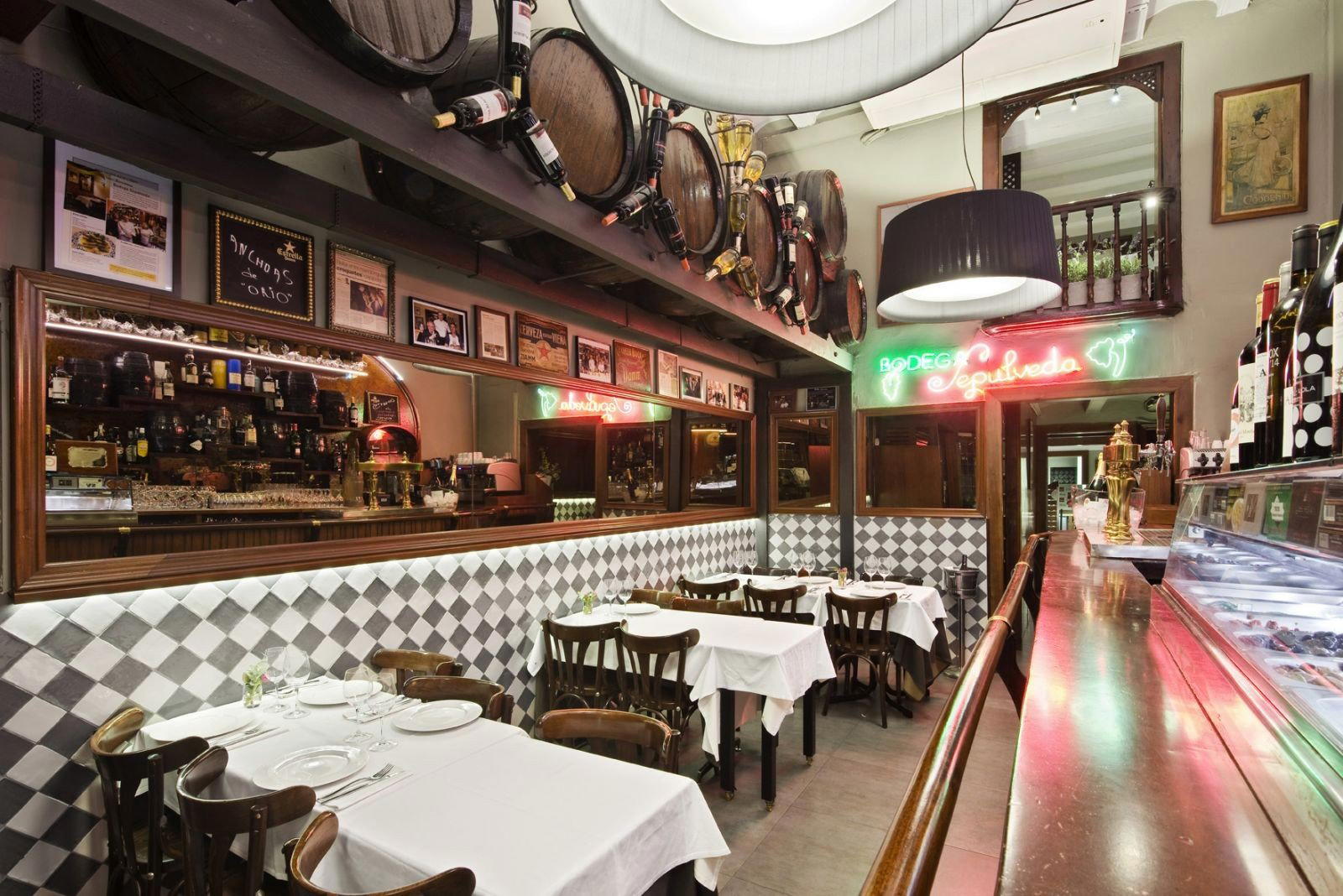
A Room That Explains Itself
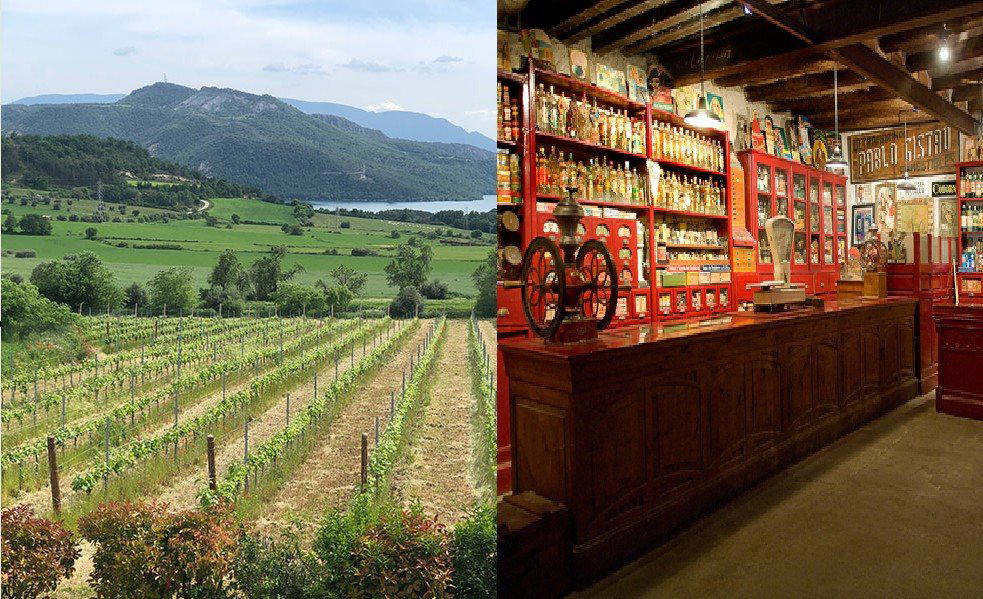
Bodega Sepúlveda is a traditional Catalan tapas restaurant at Carrer de Sepúlveda, 173 in Barcelona's Eixample. Barcelona's bodega tradition is built on exactly this logic: tiled walls, wooden shelving stacked with bottles at angles that suggest use rather than display, and a counter arrangement that encourages the kind of lateral conversation between strangers that a properly laid table discourages. Bodega Sepúlveda sits within this lineage, in a neighbourhood where the density of wine-and-vermouth spots creates a reference class of its own.
The Eixample's residential grid has long supported a particular type of eating and drinking room: mid-sized, defined by its fixtures more than its finishes, and calibrated for repeat visitors rather than first-timers on a single city break. Understanding where Bodega Sepúlveda fits means understanding that tradition first. This is not the compressed, twelve-seat counter of Barcelona's creative dining tier, where venues like Enigma or Disfrutar operate with strict booking windows and multi-course formats. Reservations are recommended, and the price per person is about $45. The bodega format in this part of the city occupies a different register entirely.
The Architecture of a Neighbourhood Wine Bar
Barcelona's surviving bodegas tend to share a spatial grammar that predates the post-Olympic renovation wave: original mosaic floors, shelving that runs floor to ceiling, barrels used as surface area rather than decoration, and lighting calibrated low enough to soften the room without hiding the labels. These are interiors that accrue character through accumulation rather than design intervention. The patina matters. A bodega that looks finished is usually a reproduction.
The Carrer de Sepúlveda address places the venue within easy reach of the Sant Antoni neighbourhood, which over the past decade has consolidated into one of the city's most active eating and drinking zones. The Mercat de Sant Antoni brought foot traffic and attention to a radius that had previously operated below the tourist circuit. The bodega format here benefits from proximity without being consumed by it: the streets immediately off the market remain largely residential in character, which shapes the clientele and, by extension, the atmosphere.
In physical terms, the bodega typology rewards attention to what is on the walls and shelves rather than what is on the plate alone. The bottle selection in a well-run Barcelona bodega functions as a kind of editorial, a set of choices about region, producer, and price point that says something about the operation's priorities. Spanish wine's shift toward natural and low-intervention producers has reached this category of venue, with Catalan and broader Iberian labels appearing alongside the Riojas and Riberias that once defined the house-wine tier. How a bodega navigates that transition tells you a great deal about who runs it and who it is for.
Where It Sits in the Barcelona Dining Map
Barcelona's restaurant scene operates across a wide spread of formats and price points. At the leading end, venues like Cocina Hermanos Torres, Lasarte, and ABaC operate in the €€€€ tier with Michelin recognition and tasting formats that require advance planning. That circuit has its own logic and its own infrastructure. The bodega sits in a parallel category: no tasting menus, no dress code deliberations, and a price structure that makes it viable for a Tuesday evening rather than a calendar event.
This distinction matters because Barcelona's mid-tier has thinned in some neighbourhoods as rents have pushed casual dining toward either the budget or the experiential end of the market. The restaurant is open Tuesday through Saturday, with lunch and late-evening service, and is closed Sunday and Monday. The bodega format, where it survives in its original register, represents a form of continuity. It is the kind of place that Spanish dining culture has historically organised itself around: the neighbourhood anchor, the reliable glass, the room where the same faces appear across different seasons.
For context on the wider Spanish creative dining circuit, the country's reference points extend well beyond the city: El Celler de Can Roca in Girona, Mugaritz in Errenteria, and Arzak in San Sebastián all operate in a tier that defines how Spain is discussed internationally. DiverXO in Madrid, Azurmendi in Larrabetzu, Aponiente in El Puerto de Santa María, Quique Dacosta in Dénia, Martin Berasategui in Lasarte-Oria, Ricard Camarena in València, and Atrio in Cáceres round out a national picture in which ambition is distributed widely across regions. The bodega occupies the opposite pole of that ambition spectrum, and that is not a criticism. Different cities need both ends.
For those building a broader Barcelona itinerary that includes the creative end of the spectrum alongside more grounded neighbourhood eating, the Barcelona restaurants guide maps the full range. Internationally, the structural contrast between neighbourhood-anchored dining and high-concept programming is not distinctive to Spain: Le Bernardin in New York City and Lazy Bear in San Francisco represent how the high-format end of that spectrum plays out in other markets.
Know Before You Go
| Address | Carrer de Sepúlveda, 173, Eixample, 08011 Barcelona, Spain |
|---|---|
| Neighbourhood | Eixample, close to Sant Antoni |
| Format | Neighbourhood bodega / wine bar |
| Booking | Recommended |
| Price | About $45 per person |
| Nearest Metro | Urgell (L1) or Sant Antoni (L2) |
In Context: Similar Options
Comparable venues nearby, for context on price, style, and recognition.
| Venue | Cuisine | Price | Notes |
|---|---|---|---|
| Bodega SepúlvedaThis venue — the venue you are viewing | Traditional Catalan Tapas | $$$ | Not listed |
| Teòric Taverna Gastronòmica | Modern Catalan Taverna | $$$ | la Dreta de l'Eixample |
| Leku | Modern Catalan Mediterranean | $$$ | les Corts |
| Can Culleretes | Traditional Catalan | $$ | Barri Gotic |
| LABARRA ® | Spanish & Catalan Tapas | $$$ | l'Antiga Esquerra de l'Eixample |
| Tapes La Bona Sort | Modern Catalan Tapas | $$ | Sant Pere, Santa Caterina i la Ribera |
Recognition history
Dated appearances from independent guides and award organizations, with the underlying list record or original source where available.
Macarfi 7.2 Food Rating
Macarfi
Continue exploring
More in Barcelona
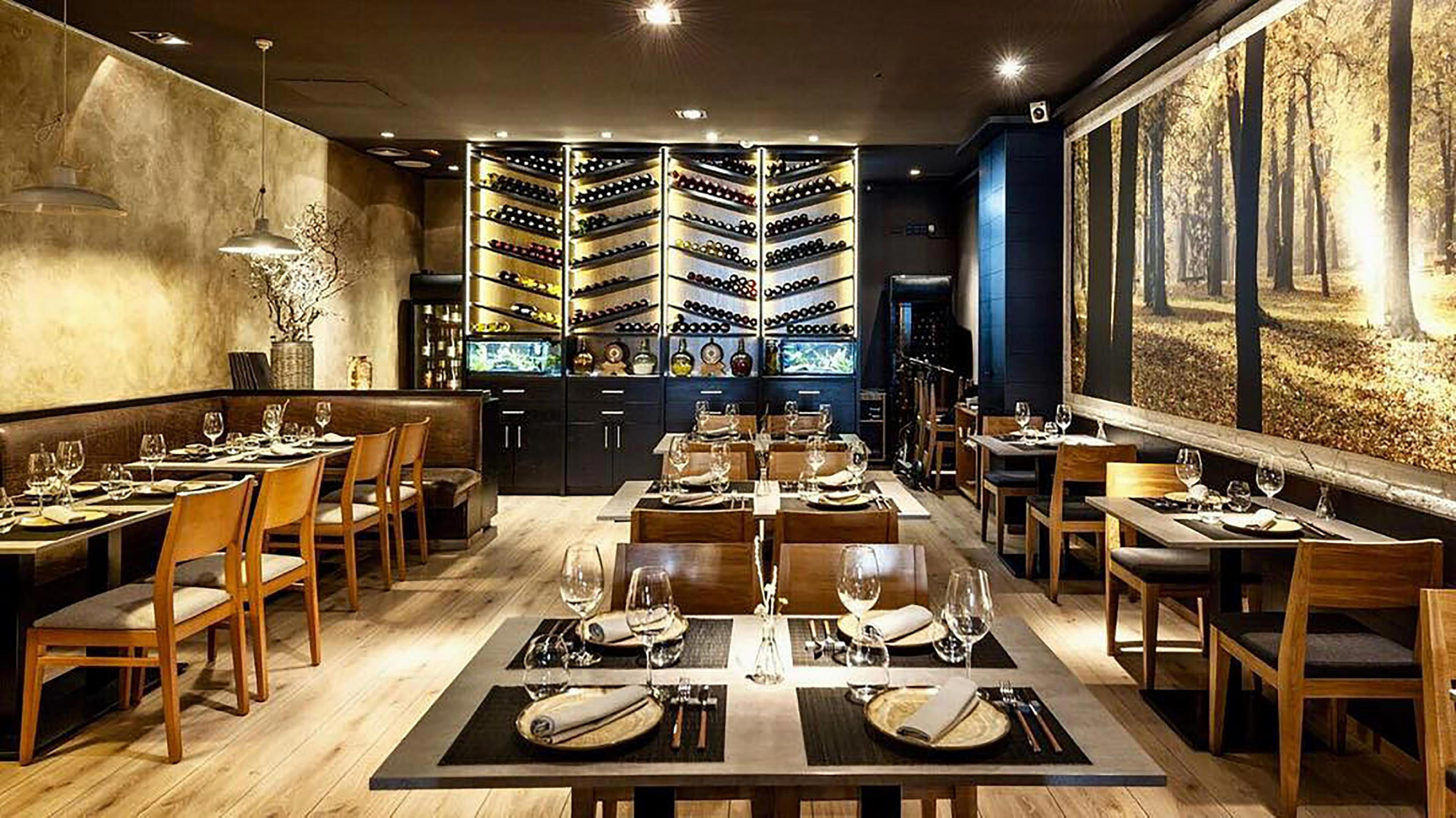
Restaurants in Barcelona
Browse all →
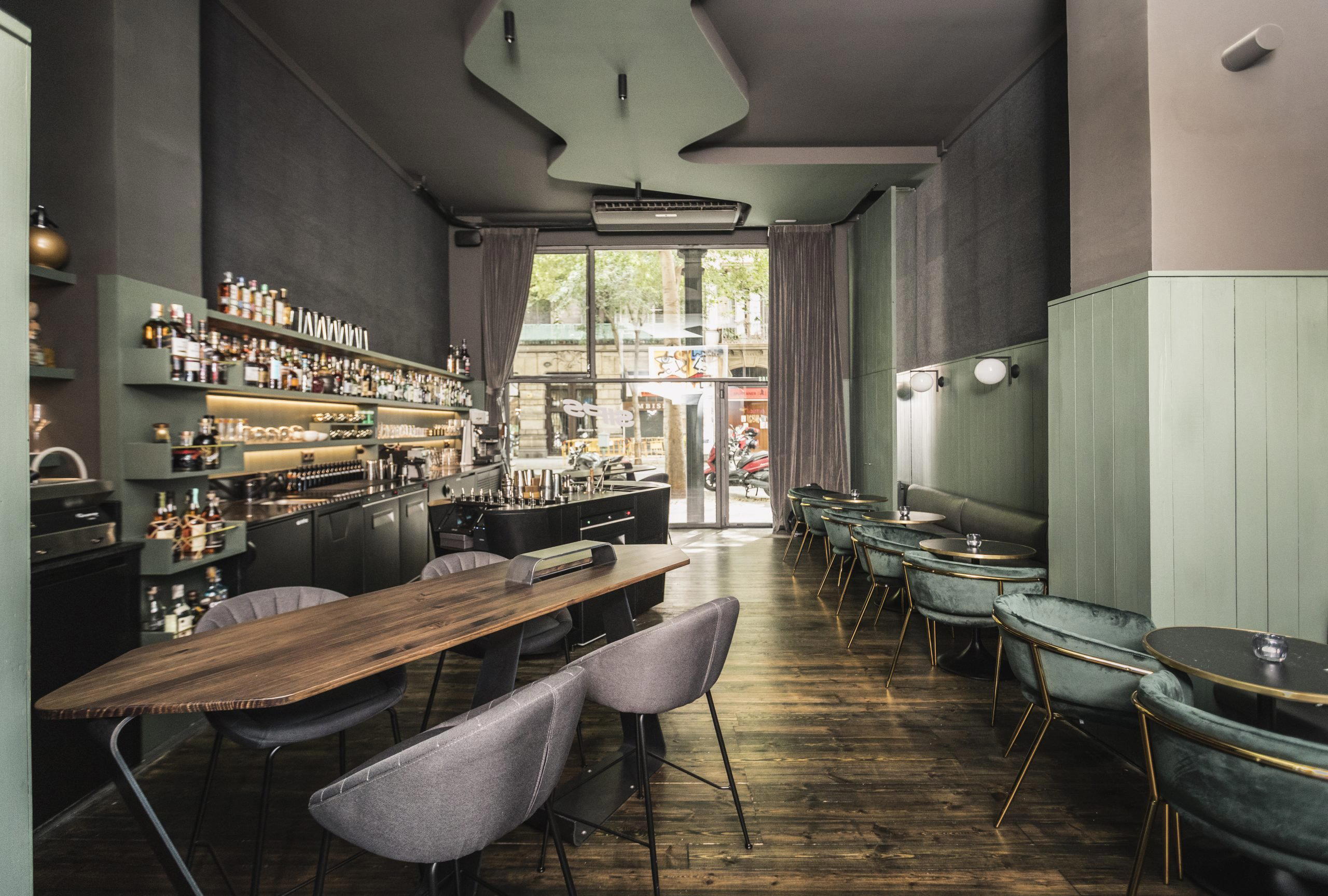
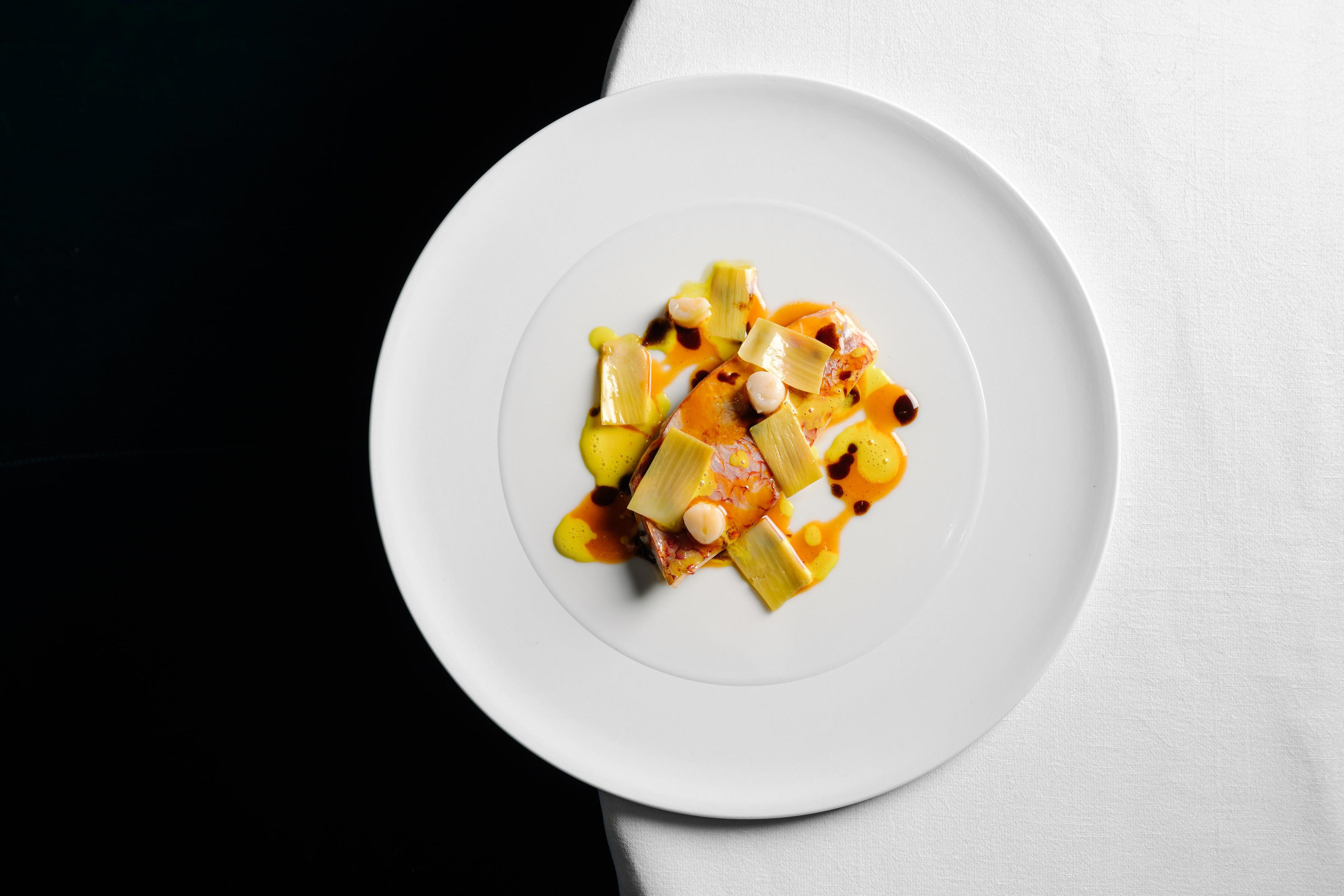
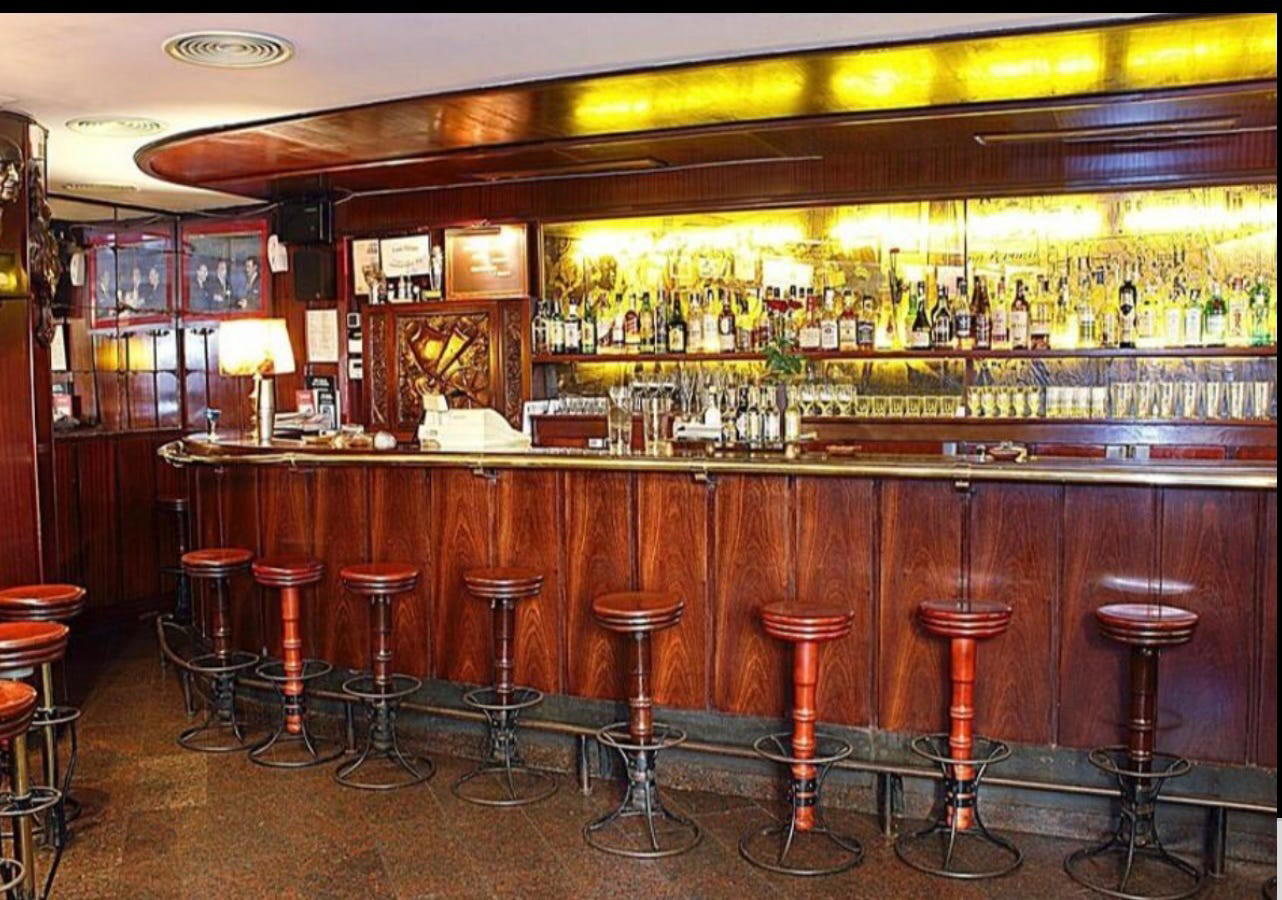
Bars in Barcelona
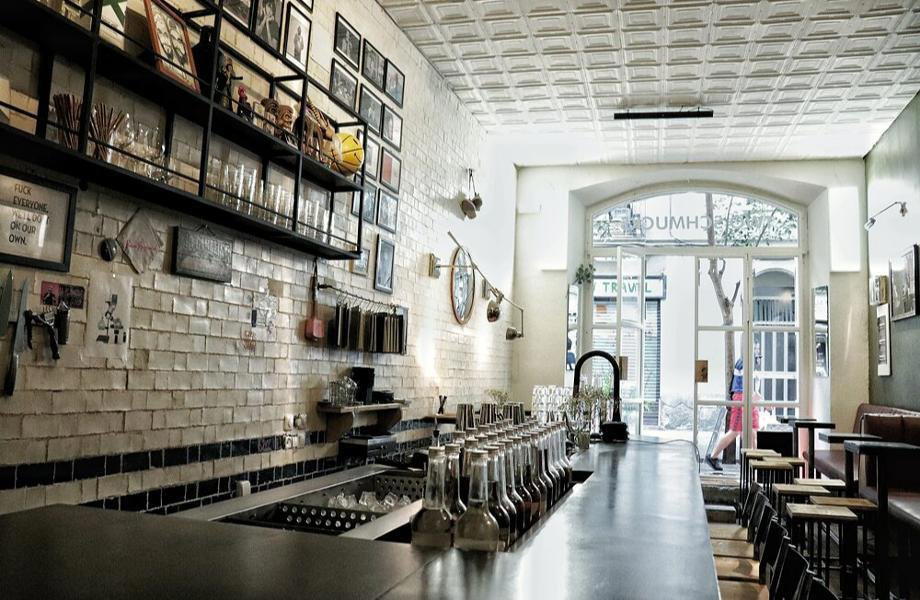
Browse all →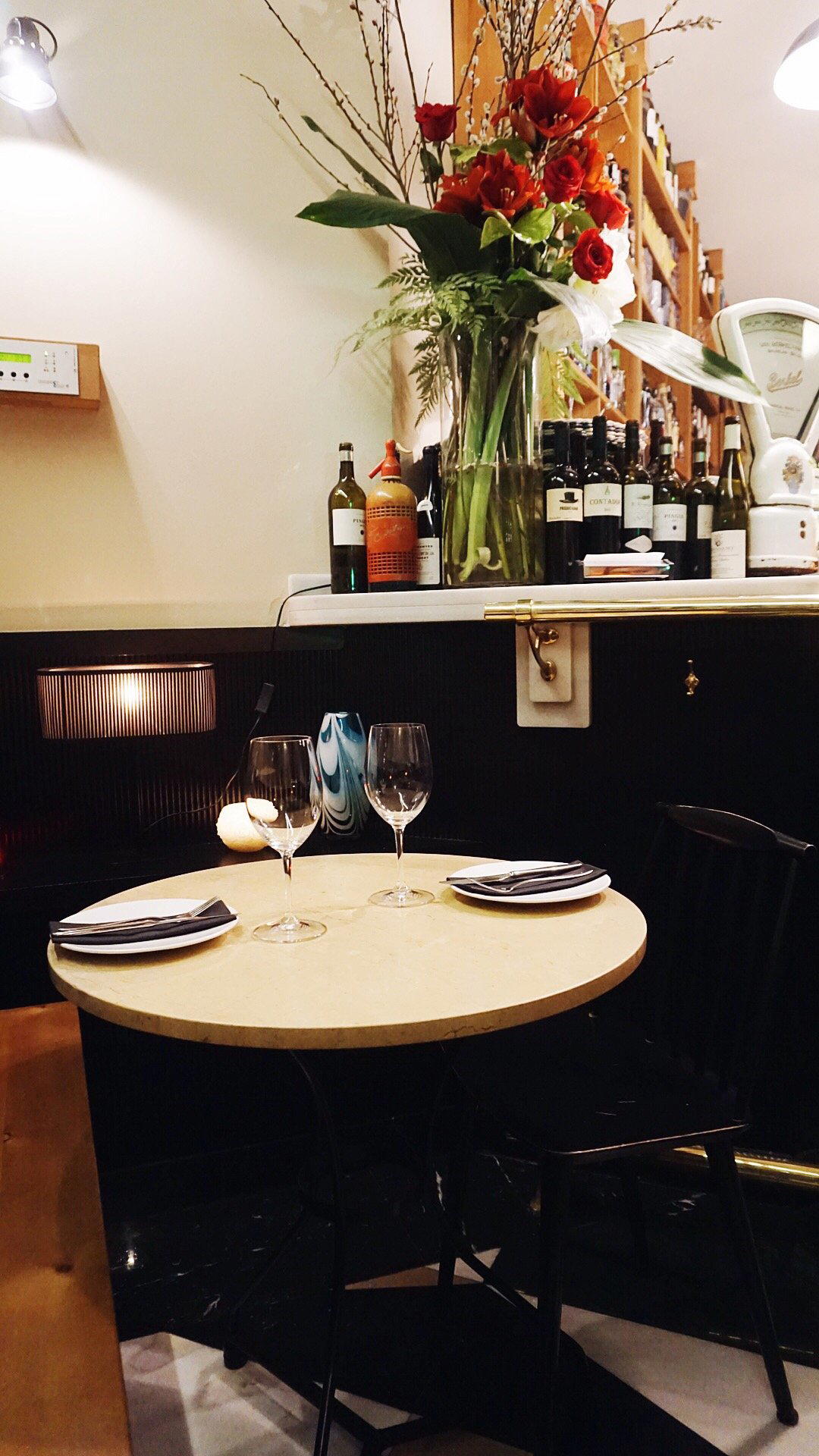
Hotels in Barcelona
Browse all →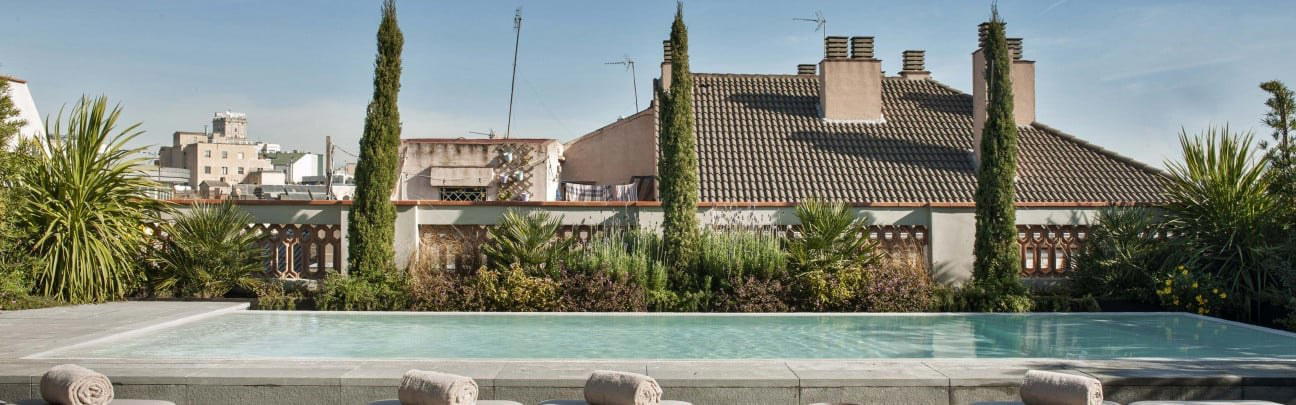
At a Glance
- Classic
- Cozy
- Rustic
- Group Dining
- Casual Hangout
- Historic Building
- Extensive Wine List
- Local Sourcing
Current opening hours
- Monday
- Closed
- Tuesday
- 1–4:30 PM, 8 PM–12 AM
- Wednesday
- 1–4:30 PM, 8 PM–12 AM
- Thursday
- 1–4:30 PM, 8 PM–12 AM
- Friday
- 1–4:30 PM, 8 PM–12:30 AM
- Saturday
- 1–4:30 PM, 8 PM–12:30 AM
- Sunday
- Closed
Hours can change for holidays and private events. Last verified .
Historic, warm vintage atmosphere that is authentic, noisy, and fun.