On Carrer de Muntaner in L'Eixample, Sagardi Centre brings Basque txoko culture to Barcelona with the kind of counter-service pintxos format that defines the culinary grammar of San Sebastián's old quarter. The format is casual and deliberate: small preparations on bread, anchored by good wine, eaten standing or perched at the bar. It sits in a different register entirely from Barcelona's tasting-menu circuit.
Pearl is the En Primeur Club membership app — saves, bookings, and concierge access live there. Same editors, same standards.
- Address
- C/ de Muntaner, 72, L'Eixample, 08011 Barcelona, Spain
- Phone
- +34937060706
- Website
- sagardi.com
- Directions
- Get directions
 Saves & bookings on Pearl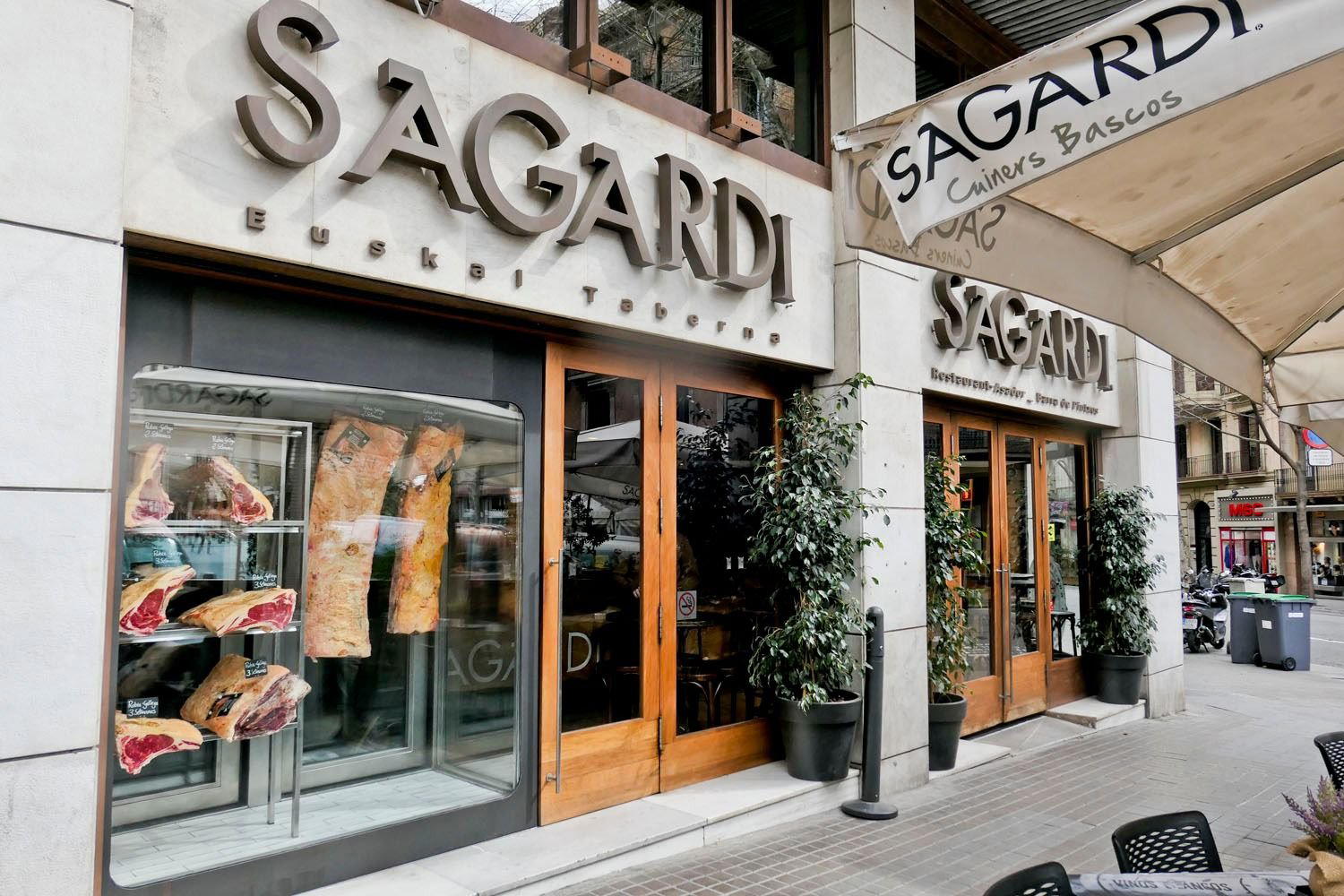
The Basque Counter in the Heart of Eixample
Sagardi Centre is a restaurant in Barcelona's L'Eixample, serving Basque Grill & Seafood at C/ de Muntaner, 72, with. Barcelona has spent the better part of two decades developing one of Europe's most discussed fine-dining concentrations, with tasting-menu restaurants at every price point from neighbourhood creative kitchens to multi-Michelin operations like Disfrutar, ABaC, and Lasarte. But the city has always harboured a parallel appetite for something more immediate: food that arrives without ceremony, consumed at a counter, washed down with a glass of txakoli or vermouth. Sagardi Centre, on Carrer de Muntaner in L'Eixample, operates in that tradition, specifically the Basque one, which has its own codified grammar distinct from tapas culture further south.
The pintxos format that Sagardi works within is not a casual improvisation. In the Basque Country, the txoko tradition, communal eating societies built around shared tables and rotating kitchen duties, shaped a food culture that prizes precision in small formats. A good pintxo is not a garnished canapé; it is a complete preparation, where the balance of flavour on a small piece of bread or skewer is as considered as a composed restaurant plate. That discipline travelled with Sagardi when the group began expanding beyond the País Vasco, and the Muntaner address brings it into one of Barcelona's densest residential and commercial corridors.
What the Basque Format Means in Practice
The Basque bar tradition occupies a specific cultural position in Spain's dining hierarchy. While Andalusian tapas culture emphasises variety and conviviality across shared plates, and Catalan cuisine has developed a strong identity around both market cooking and avant-garde technique, the Basque approach to bar food operates with unusual rigour. Competitions in San Sebastián for the leading pintxo are taken with the same seriousness applied to Michelin-level cooking, a reflection of how embedded the format is in regional identity rather than tourist economy.
This context matters for understanding what Sagardi represents in Barcelona. The city has its own pintxos bars, particularly around the Born and Barceloneta, but a significant portion of those function as tourist throughput rather than careful Basque reproduction. A group with genuine Basque roots, operating across multiple cities, anchors its reputation on consistency with source material. For visitors who want to understand what separates northern Spanish bar culture from its southern counterparts, or who have already experienced the txoko and pintxos scene firsthand in San Sebastián, the Sagardi format offers a recognisable framework in a different city context.
L'Eixample as Setting
The Muntaner address places Sagardi in L'Eixample's left-side grid, the part of Cerdà's nineteenth-century urban plan that sits between the old city and the inner ring road. This is primarily a residential quarter with a strong local commercial layer, less trafficked by the tourism circuits that concentrate around Las Ramblas and the Gothic Quarter, more embedded in the daily rhythms of the neighbourhood. A pintxos counter here serves a different clientele than one near the Sagrada Família: local office workers at lunch, residents in the early evening, the kind of after-work crowd that uses the bar as a social anchor rather than a destination in itself.
That positioning puts Sagardi Centre on a different axis from Barcelona's tasting-menu concentration. Operations like Cocina Hermanos Torres and Enigma require advance planning, extended evenings, and significant per-head budgets. A Basque pintxos counter operates on a different logic: arrive, eat standing, leave when you're done. The informality is the point, not a compromise.
Sagardi in Spain's Broader Dining Geography
The Basque Country's contribution to Spain's fine-dining and food-culture story is disproportionate to its size. Restaurants like Mugaritz in Errenteria, Azurmendi in Larrabetzu, and Martin Berasategui in Lasarte-Oria have accumulated Michelin stars at a density that no other Spanish region matches per capita. But the bar culture that sits beneath those headline restaurants is equally formative. The discipline of the pintxos competition circuit, the cultural weight of the txoko, and the region's insistence on product quality at every price point created the conditions in which a generation of serious chefs could develop.
Sagardi, as a group, sits at the interface between that bar-level seriousness and the logistics of operating across multiple cities. Spain's other celebrated restaurants, El Celler de Can Roca in Girona, DiverXO in Madrid, Aponiente in El Puerto de Santa María, Quique Dacosta in Dénia, and Ricard Camarena in València, operate in the singular chef-restaurant mode. A Basque pintxos group exporting its format is a different kind of cultural transmission: replicating not a chef's vision but a community's food practice.
For context within Barcelona's own dining range, Atrio in Cáceres or Le Bernardin in New York City represent the opposite end of the formality spectrum, as does Atomix in New York City, where the ritual and structure of service are part of the dining proposition itself. Sagardi's proposition is the reverse: the absence of ritual as the point.
Planning Your Visit
The restaurant is located at C/ de Muntaner, 72, L'Eixample, 08011 Barcelona. The Muntaner address is accessible from several Eixample metro stops, and the street runs through a walkable section of the left Eixample grid. Reservations: The pintxos counter format typically allows walk-in access, though group visits during peak evening hours may benefit from checking ahead. Timing: The Basque bar rhythm follows Spanish meal patterns, late lunch from 2pm and an evening service that extends well into the night by northern European standards. Budget: Pintxos-format dining operates at a fraction of the per-head costs associated with Barcelona's tasting-menu tier; expect a low per-piece price with the final bill driven by volume and drinks. Dress: Casual; counter dining at this level of formality has no dress expectations.
For broader Barcelona dining context, see our full Barcelona restaurants guide.
Accolades, Compared
Comparable venues nearby, for context on price, style, and recognition.
| Venue | Cuisine | Price | Notes |
|---|---|---|---|
| Sagardi CentreThis venue — the venue you are viewing | Basque Grill & Seafood | $$$ | Not listed |
| Xiringuito Escribà | Beachside Spanish Paella | $$$ | el Poblenou |
| Asador d'Aranda | Traditional Castilian Roast Meats | $$$ | Sant Gervasi - Galvany |
| Maná 75 | Traditional Spanish Paella & Mediterranean Tapas | $$$ | Port Vell |
| Aranda's Grill | Traditional Spanish Grill | $$$ | Sant Gervasi - la Bonanova |
| Can Solé | Classic Catalan Seafood Paella | $$$ | la Barceloneta |
Continue exploring
More in Barcelona
Restaurants in Barcelona
Browse all →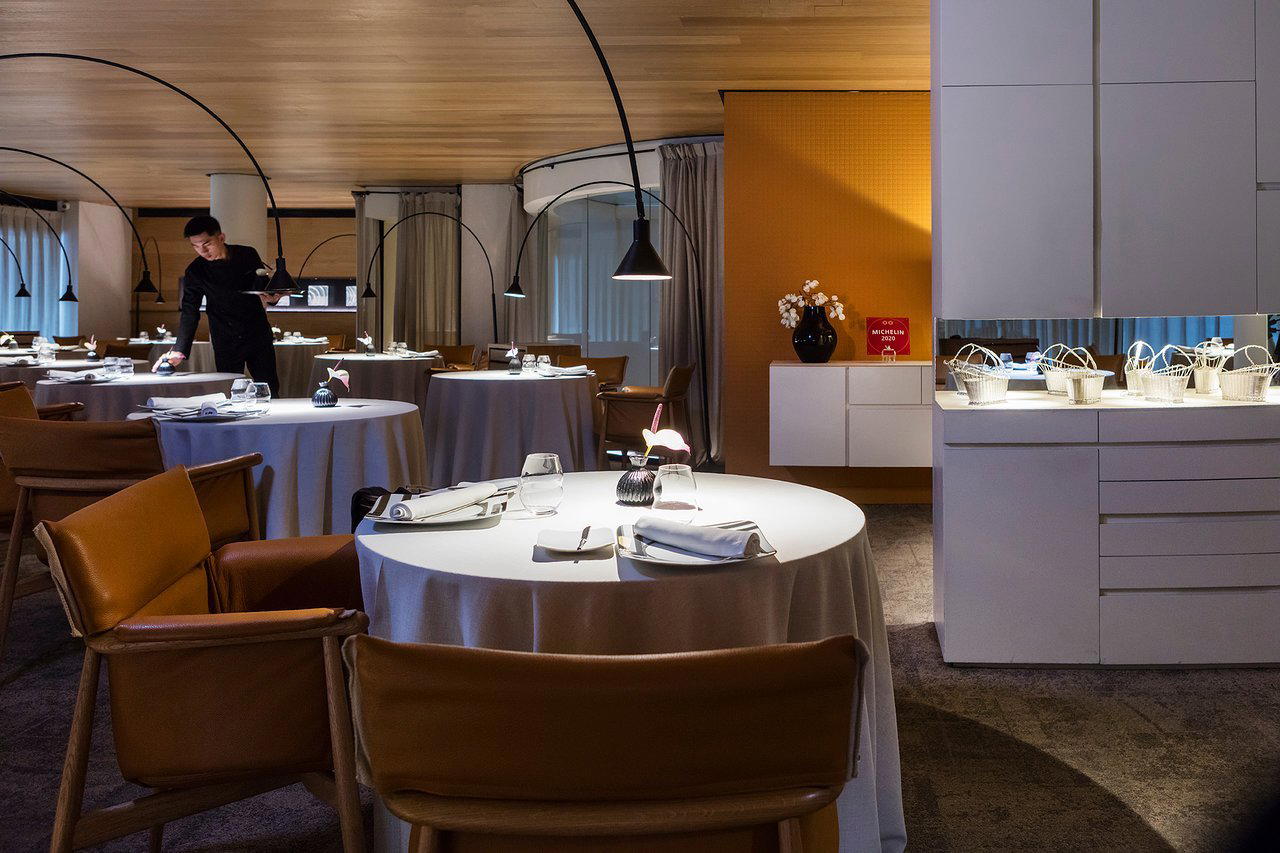
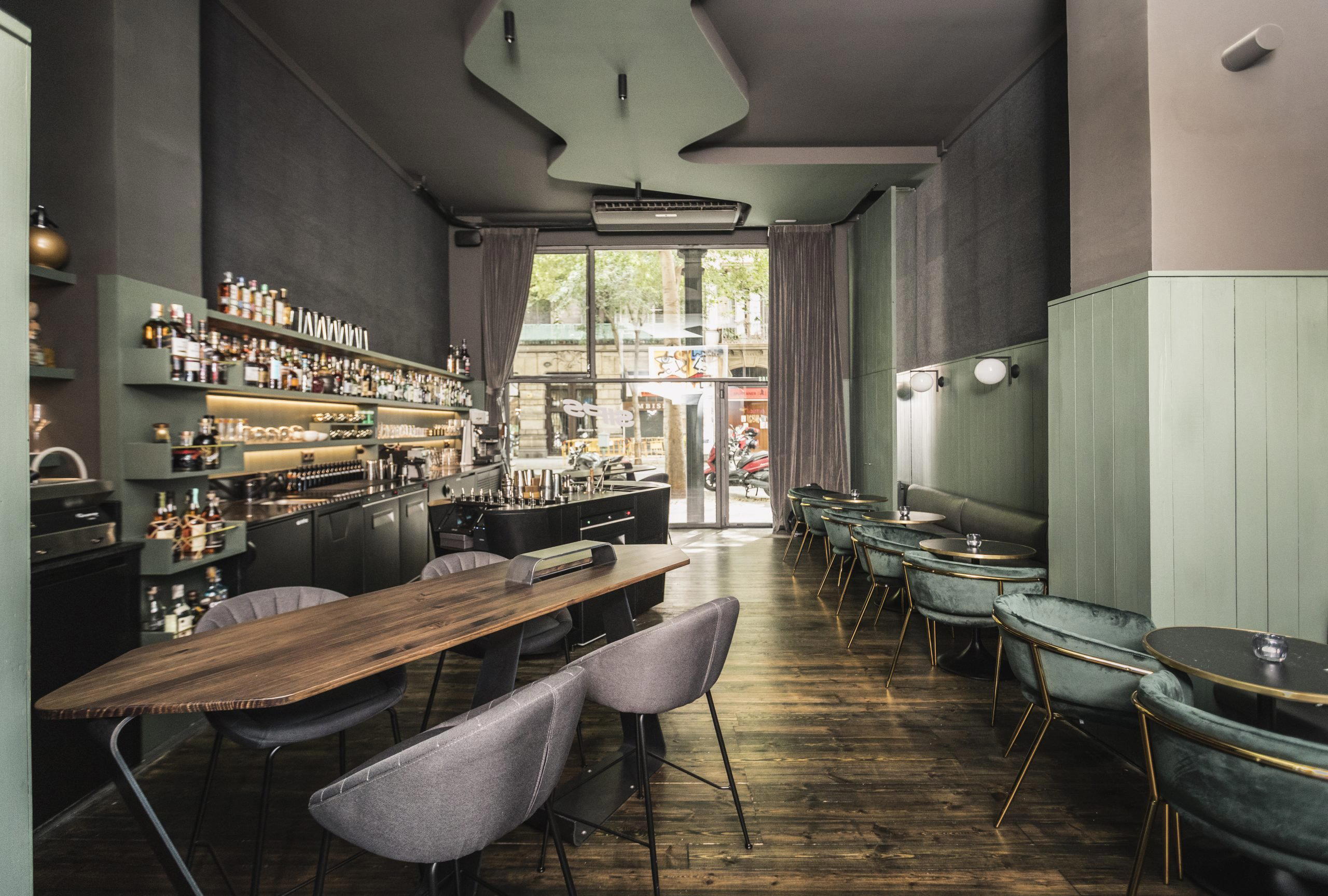
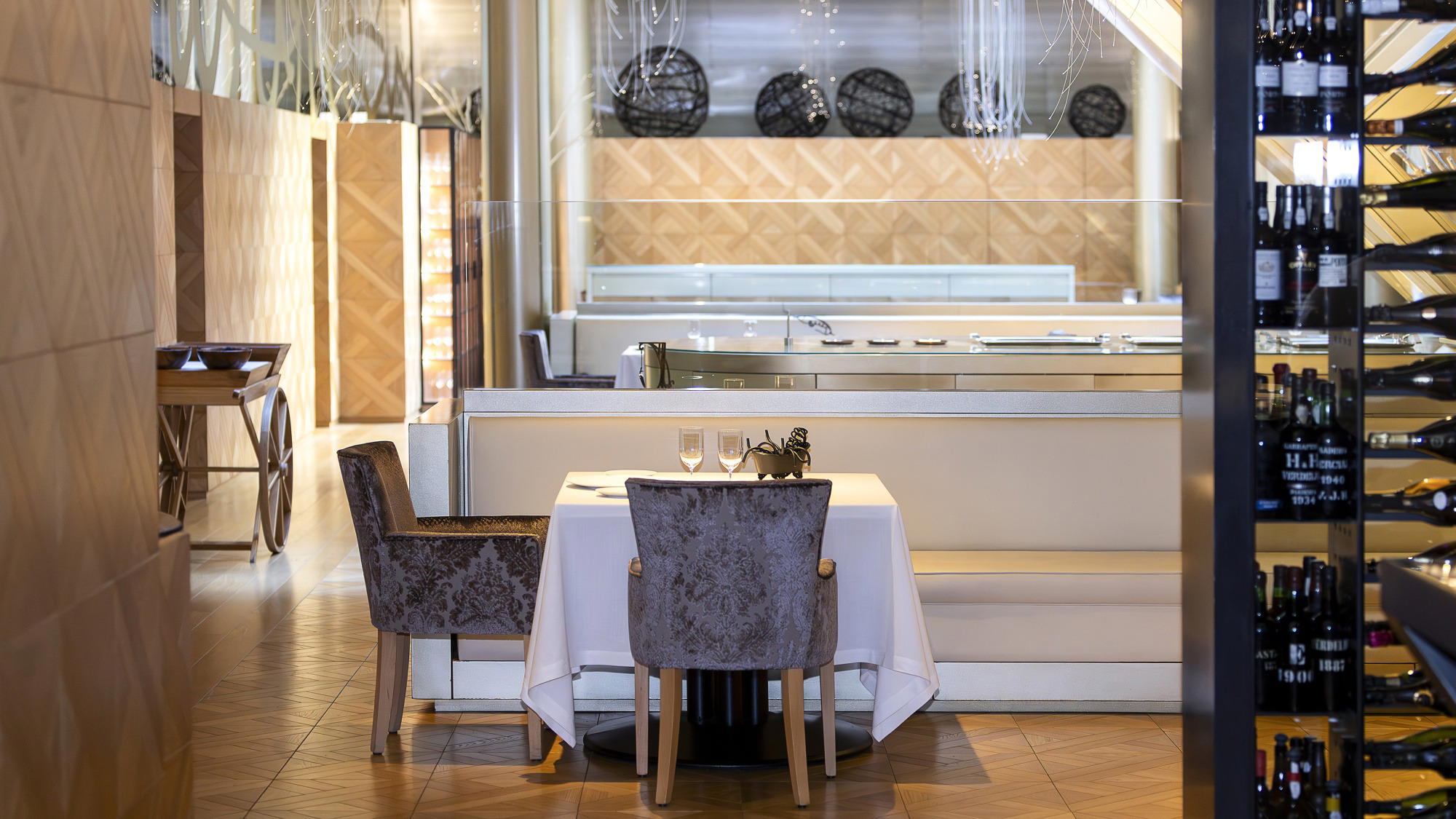
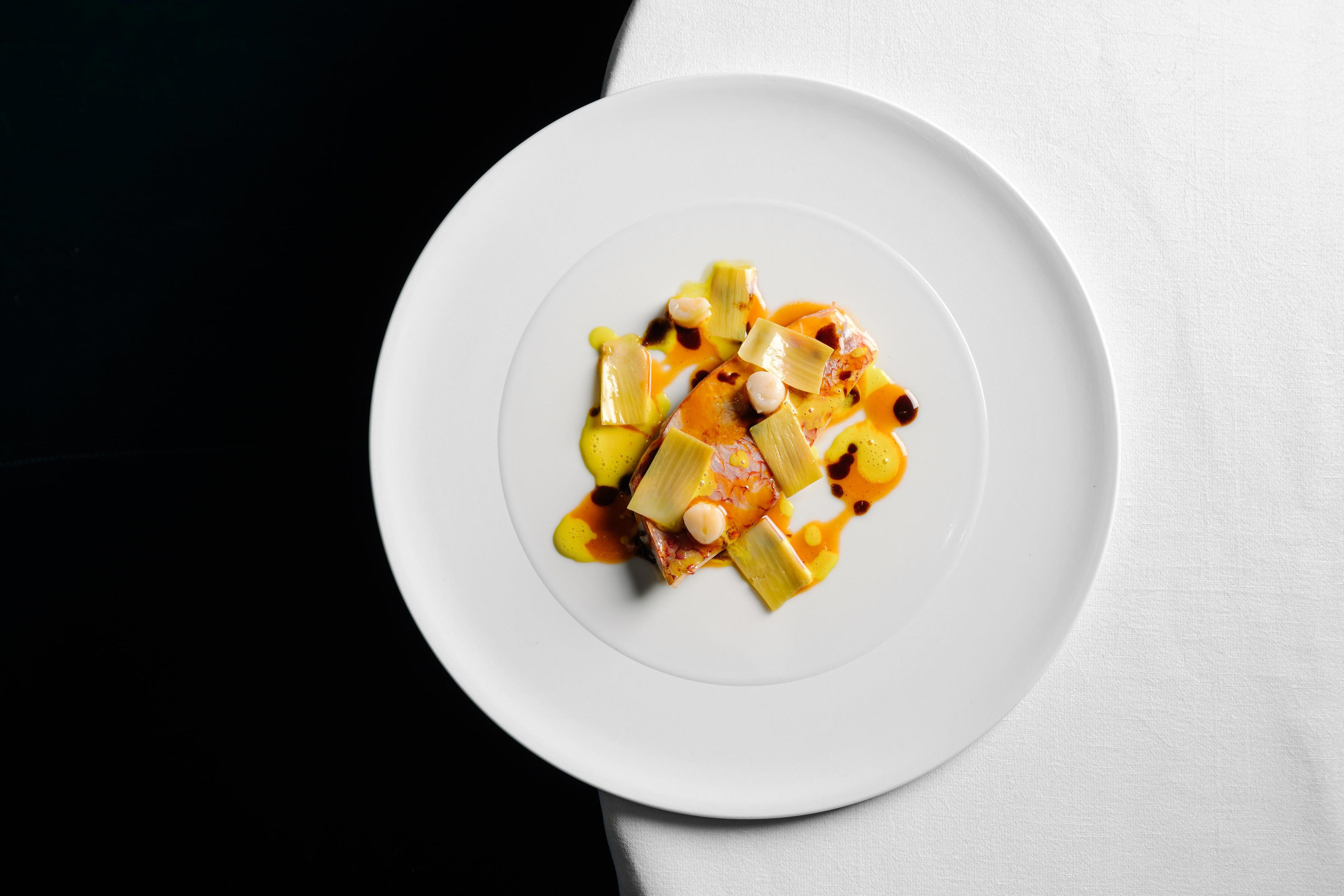
Bars in Barcelona
Browse all →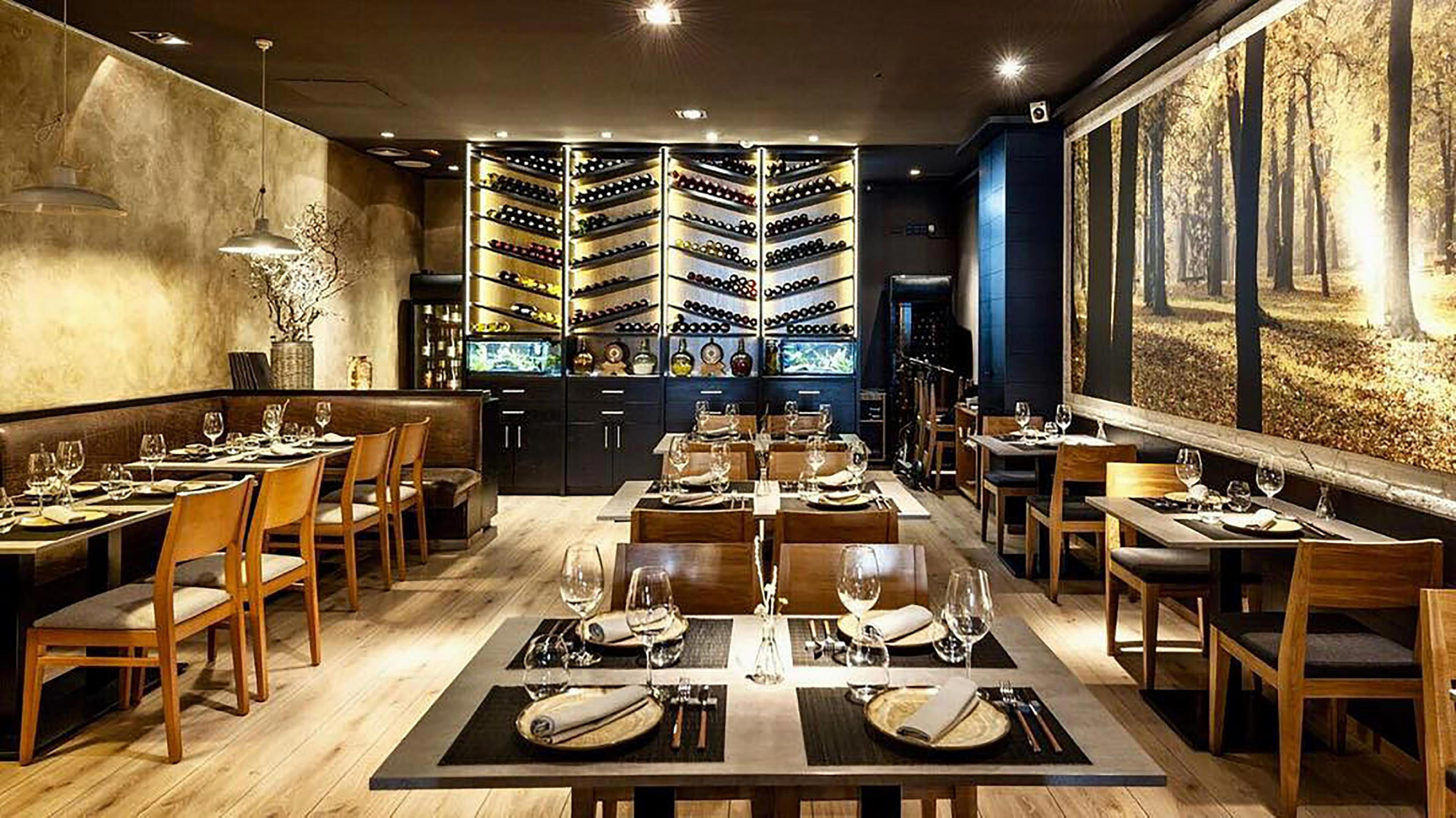
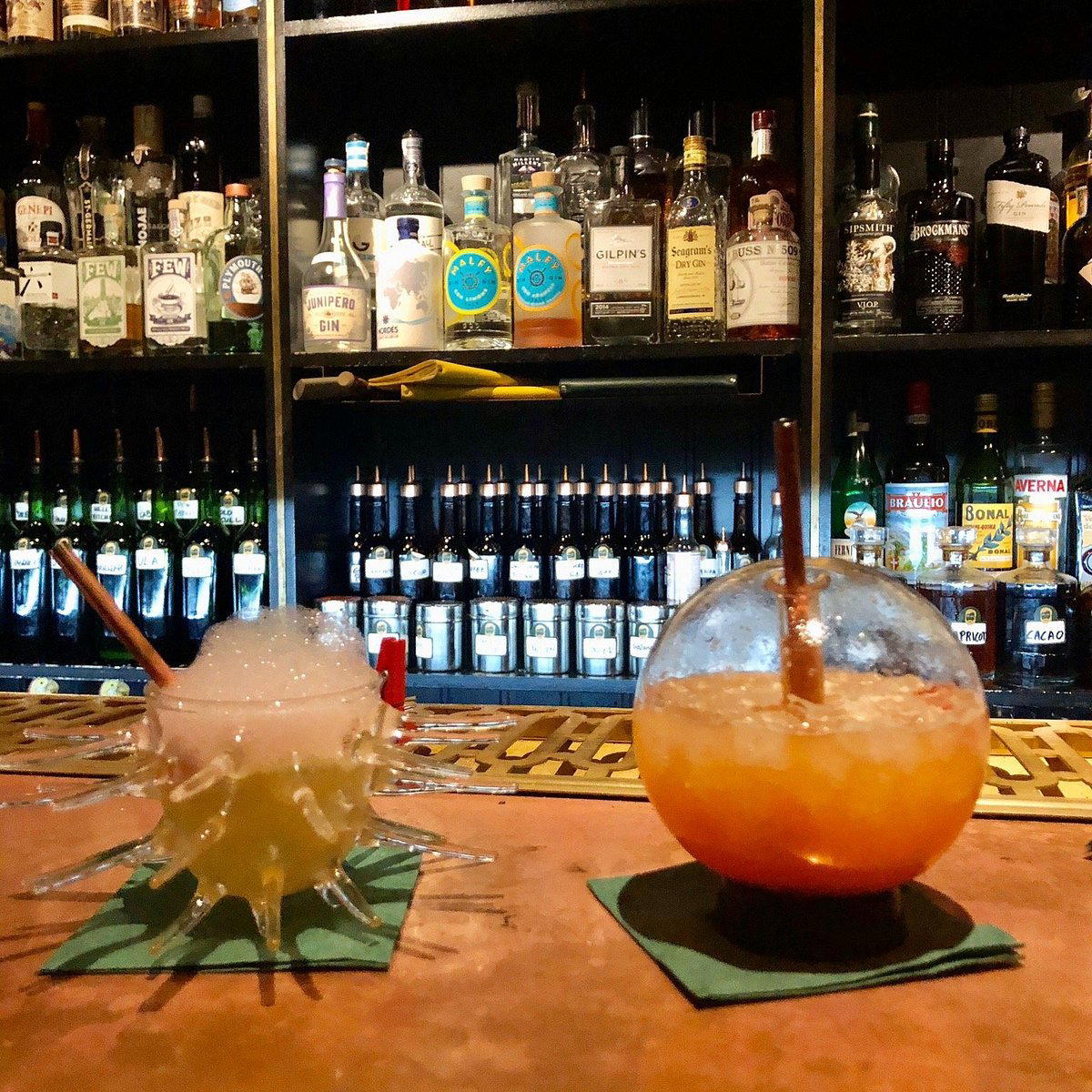
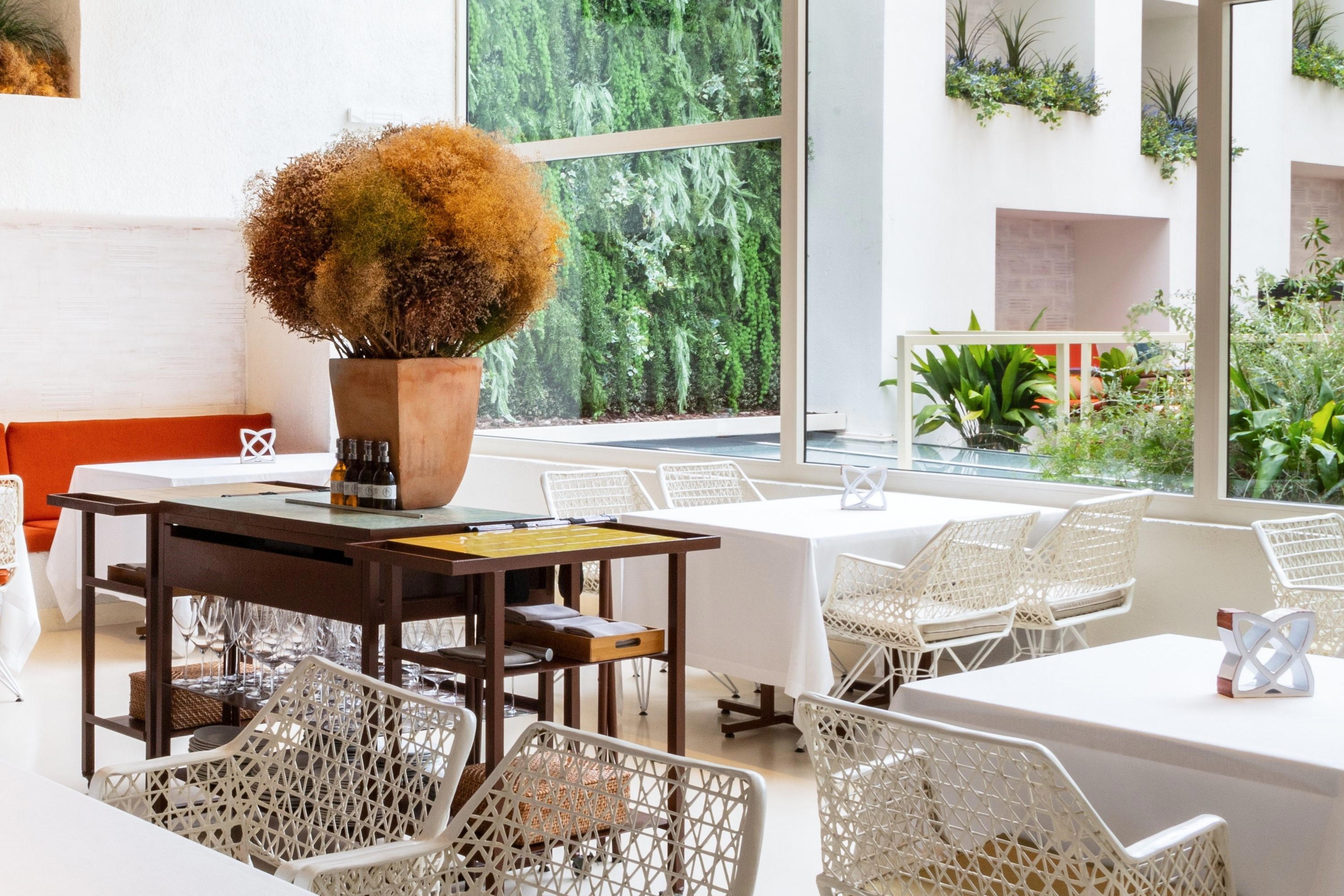
Hotels in Barcelona
Browse all →
At a Glance
- Lively
- Rustic
- Group Dining
- Casual Hangout
- Special Occasion
- Terrace
- Historic Building
- Open Kitchen
- Extensive Wine List
- Local Sourcing
- Waterfront
- Skyline
Current opening hours
- Monday
- 12 PM–12:30 AM
- Tuesday
- 12 PM–12:30 AM
- Wednesday
- 12 PM–12:30 AM
- Thursday
- 12 PM–12:30 AM
- Friday
- 12 PM–12:30 AM
- Saturday
- 12 PM–12:30 AM
- Sunday
- 12 PM–12:30 AM
Hours can change for holidays and private events. Last verified .
Lively atmosphere with port views, bustling bar, and terrace featuring cocktails and DJ music.