Asador d'Aranda brings the Castilian tradition of wood-fired roasting to Barcelona's L'Eixample, occupying a position distinct from the city's avant-garde restaurant scene. Where Barcelona's top tables pursue technique-driven menus, Asador d'Aranda holds to the discipline of the horno de leña, the wood-burning oven, as its central argument. It sits on Carrer de Londres, 94, within walking distance of the city's major dining corridor.
Pearl is the En Primeur Club membership app — saves, bookings, and concierge access live there. Same editors, same standards.
- Address
- Carrer de Londres, 94, L'Eixample, 08036 Barcelona, Spain
- Phone
- +34934146790
- Website
- asadordearanda.net
- Directions
- Get directions
 Saves & bookings on Pearl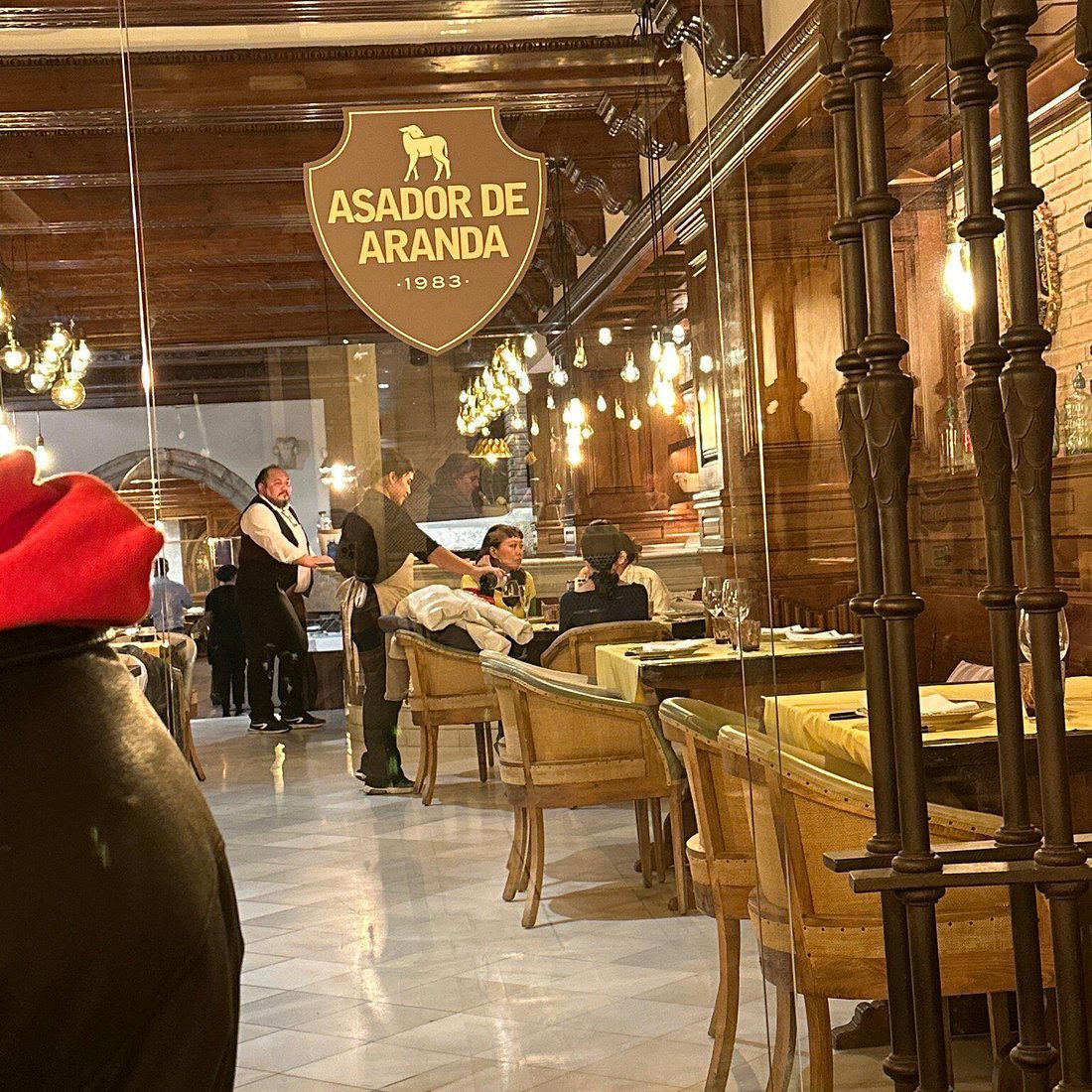
Wood Fire in a Modernist City
Barcelona's dining reputation is built largely on forward motion. Disfrutar, Enigma, and Cocina Hermanos Torres collectively represent a version of Barcelona dining that prizes transformation, surprise, and the application of precision science to Spanish produce. Asador d'Aranda is a restaurant in Barcelona's L'Eixample serving Traditional Castilian Roast Meats, priced at about $45 per person. Its argument is not novelty but continuity: the Castilian asador tradition, transplanted into L'Eixample, asks whether the wood-burning oven is a technique sophisticated enough to hold its own in one of Europe's most competitive dining cities. The answer, appears to be yes.
The physical approach matters here. Carrer de Londres, 94 sits in the southern stretch of L'Eixample, a neighbourhood that houses Barcelona's most architecturally coherent blocks and some of its most established dining rooms. The street itself is calm relative to the pedestrian corridors of Passeig de Gràcia or Carrer d'Aragó, which means the restaurant announces itself through quality rather than footfall. Arriving from the Eixample's grid, the building reads as a considered choice of address, serious, but not theatrical.
The Castilian Asador Tradition in Catalan Territory
The asador format has deep roots in Castile and León, where the wood-fired roasting of suckling pig and lamb has been practised in forms essentially unchanged for centuries. What distinguishes a proper asador from a generic grill restaurant is the horno de leña: a wood-burning oven capable of reaching temperatures that produce crackling skin and interior moisture simultaneously, without the charring that open grills introduce. The-known practitioners of this tradition operate in Segovia and Aranda de Duero, towns where the technique developed alongside specific livestock breeds and specific wood sources. Bringing that discipline to Barcelona involves a genuine logistical and cultural translation. The raw materials of Castilian roasting, the lechazo, the cochinillo, are not native to Catalonia, and the sourcing discipline required to maintain quality at distance is part of what separates a credible asador from a themed restaurant.
Within Spain's broader premium dining conversation, the asador sits in a distinct tier from the tasting-menu restaurants that dominate international attention. Venues like El Celler de Can Roca in Girona, Mugaritz in Errenteria, or Arzak in San Sebastián operate through tightly sequenced, chef-directed menus where the kitchen controls pace and narrative. An asador operates almost as the inverse: the format is defined, the centrepiece protein is understood before you arrive, and the kitchen's craft is measured by execution rather than invention. That is not a lesser form of cooking; it is a different set of constraints, and meeting them consistently is its own discipline.
Local Ingredients, Imported Discipline
The editorial angle on Asador d'Aranda is a study in technique transfer. The Castilian roasting method is an imported discipline in Barcelona, geographically, culturally, and gastronomically. Catalonia has its own strong tradition of wood and ember cookery (the calçotada, the romesco-dressed vegetables of Tarragona, the ember-roasted vegetables of rural Catalan cooking), but the Castilian asador is a specific and distinct form. What Asador d'Aranda represents is the application of that imported methodology to a city where diners are sophisticated enough to judge it against its source region.
This intersection of local and imported is not unusual at the summit end of Spanish dining. Quique Dacosta in Dénia applies avant-garde technique to Mediterranean coastal produce. Ricard Camarena in València builds menus around Valencian market produce filtered through contemporary method. Aponiente in El Puerto de Santa María applies modernist thinking to Andalusian marine ingredients. In each case, the tension between the technique's origin and the ingredient's geography is what generates interest. The restaurant works the same dynamic in reverse: the technique is the transplant, and Barcelona provides the audience.
For diners who have traced Spain's progressive dining circuit through ABaC, Lasarte, or Azurmendi in Larrabetzu, an asador represents a meaningful counterpoint. The format strips away the vocabulary of modernism and asks whether heat, time, and sourcing are sufficient arguments. At its leading, a Castilian asador makes a persuasive case that they are.
Barcelona's Broader Roasting Tradition
It is worth placing the asador format in the context of Barcelona's own cooking traditions. The city has historically been a place where Catalan, Castilian, and wider Iberian influences converge, a consequence of its position as Spain's largest commercial port and a city that has always absorbed internal migration. The presence of a serious Castilian asador in L'Eixample is consistent with that pattern. Barcelona's dining geography includes strong representations of Basque pintxos culture, Galician seafood, and Andalusian fried fish alongside its native Catalan tradition. The asador sits within that pluralism rather than standing apart from it.
The L'Eixample address also situates the restaurant within Barcelona's established-restaurant tier, which tends to prize consistency and longevity over novelty. The neighbourhood's dining rooms have historically served a clientele of local professionals and international visitors who want assured quality rather than experimental risk. An asador built on the discipline of wood-fired roasting fits that appetite well: the format is legible, the centrepiece is understood, and the kitchen's performance is measurable against a known standard.
Planning Your Visit
The restaurant is located at Carrer de Londres, 94 in L'Eixample, Barcelona. The nearest metro access is via the L5 line at Hospital Clínic, a short walk from the restaurant. For Barcelona visitors working through the city's progressive restaurant tier at Disfrutar or Enigma, an evening at a serious asador provides useful contrast, it is a different argument about what Spanish cooking can be. Those planning wider Iberian itineraries may find useful reference points at Martin Berasategui in Lasarte-Oria, DiverXO in Madrid, or Atrio in Cáceres, each of which represents a distinct strand of Spain's premium dining conversation.
A Tight Comparison
Comparable venues nearby, for context on price, style, and recognition.
| Venue | Cuisine | Price | Notes |
|---|---|---|---|
| Asador d'ArandaThis venue — the venue you are viewing | Not listed | $$$ | Not listed |
| Los Caracoles | Barri Gotic, Traditional Catalan Seafood | $$$ | Not listed |
| Manairo | Not listed | $$$ | el Fort Pienc, Modern Catalan Tasting Menu |
| Teòric Taverna Gastronòmica | Not listed | $$$ | la Dreta de l'Eixample, Modern Catalan Taverna |
| Can Xurrades | Not listed | $$$ | l'Antiga Esquerra de l'Eixample, Catalan Steakhouse with Aged Beef |
| Muntaner 296 Restaurant | Not listed | $$ | Sant Gervasi - Galvany, Traditional Spanish Grill (Brasa) |
Continue exploring
More in Barcelona
Restaurants in Barcelona
Browse all →
Bars in Barcelona
Browse all →
Hotels in Barcelona
Browse all →
At a Glance
- Rustic
- Classic
- Elegant
- Cozy
- Group Dining
- Family
- Celebration
- Business Dinner
- Historic Building
- Open Kitchen
- Private Dining
- Extensive Wine List
Current opening hours
- Monday
- 1 PM–12 AM
- Tuesday
- 1 PM–12 AM
- Wednesday
- 1 PM–12 AM
- Thursday
- 1 PM–12 AM
- Friday
- 1 PM–12 AM
- Saturday
- 1 PM–12 AM
- Sunday
- 1 PM–12 AM
Hours can change for holidays and private events. Last verified .
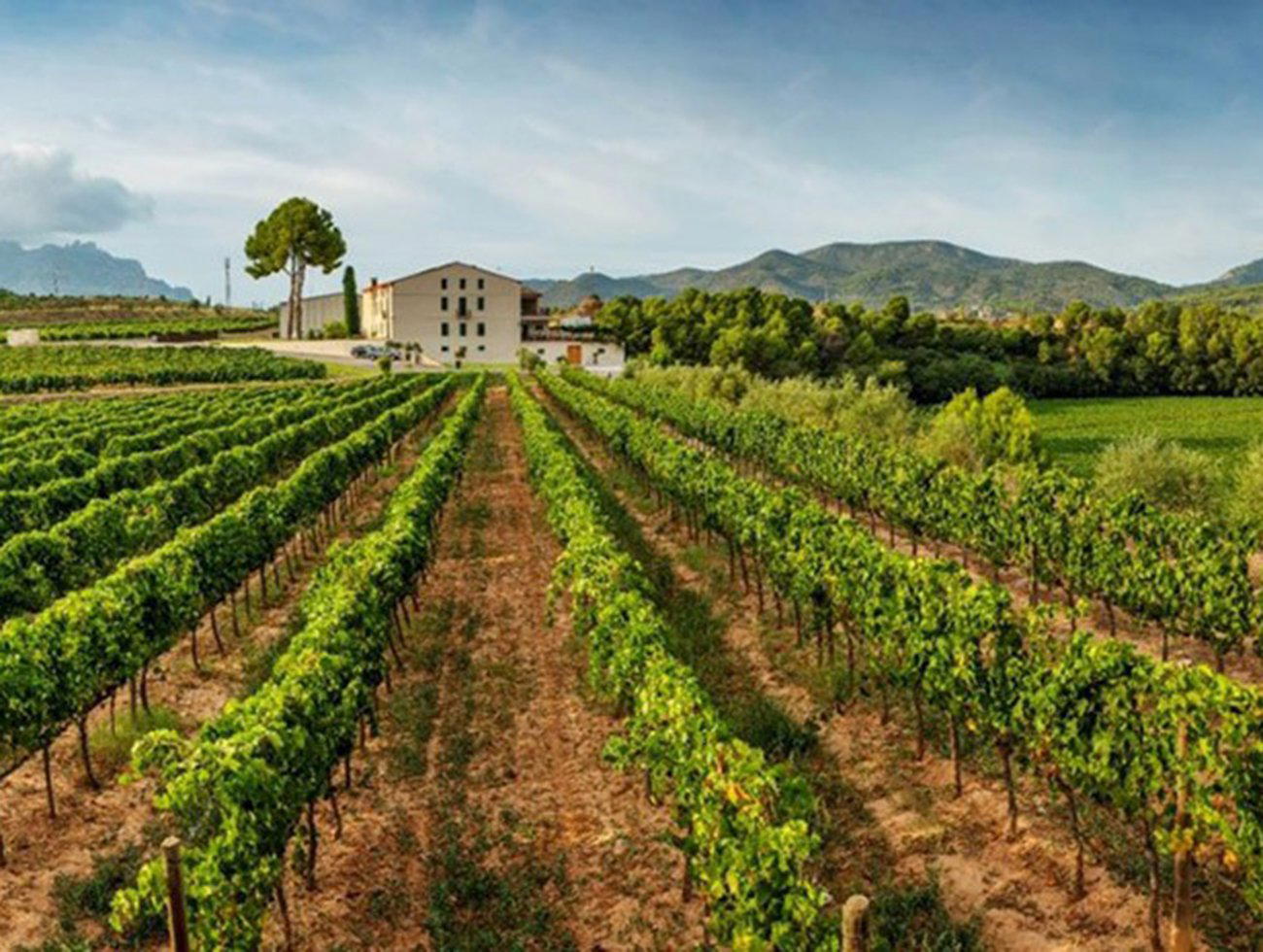
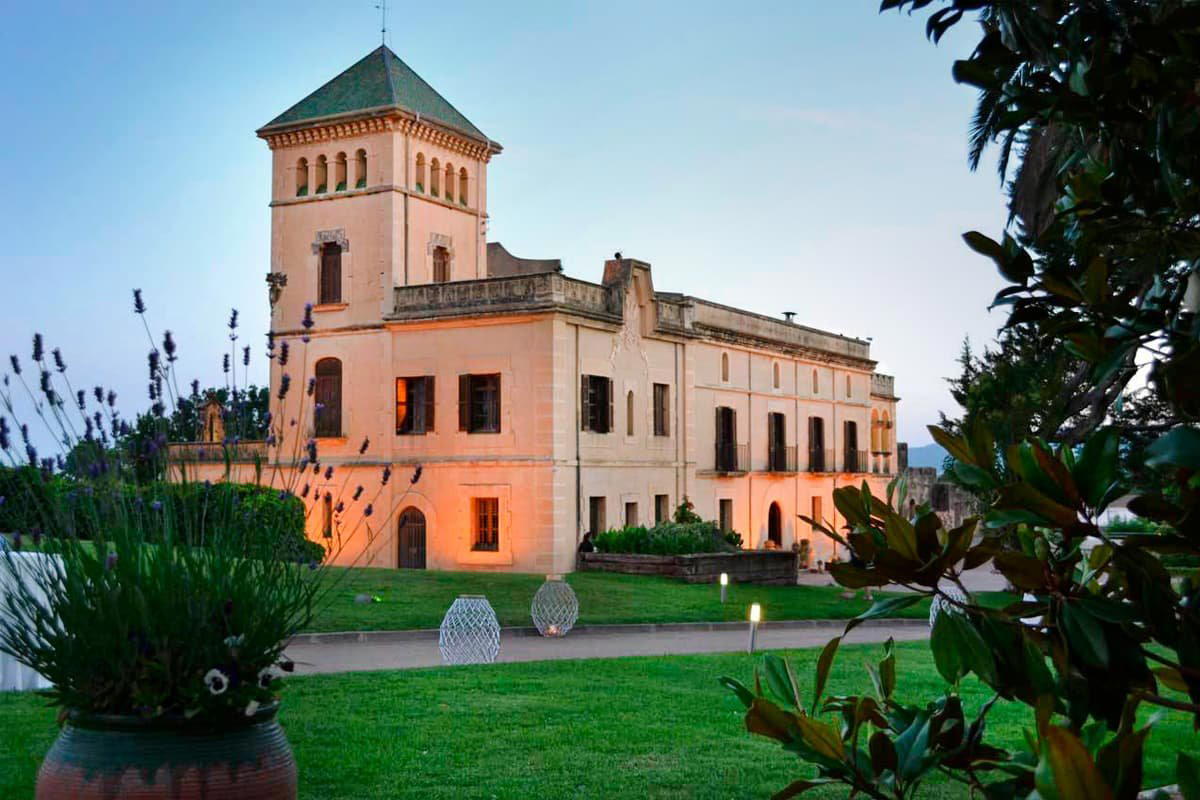
Rustic charm blending historic architecture with warm, welcoming atmosphere featuring wood-fired ovens and elegant interiors.