On Lodhi Road across from Mausam Bhavan, Lodi Slow Dining sits within one of Delhi's more contemplative dining corridors, where heritage gardens and embassy quarters set the tempo. The format signals deliberate pacing over throughput, positioning it among a small group of Delhi restaurants that treat the meal as a structured sequence rather than a service transaction. It draws a crowd that has already worked through the city's louder, faster options.
- Address
- H6RC+5G6, Lodhi Road, opp. Mausam Bhavan, New Delhi, Delhi 110003, India
- Phone
- +91 96544 08809
- Website
- sewara.com
- Directions
- Get directions
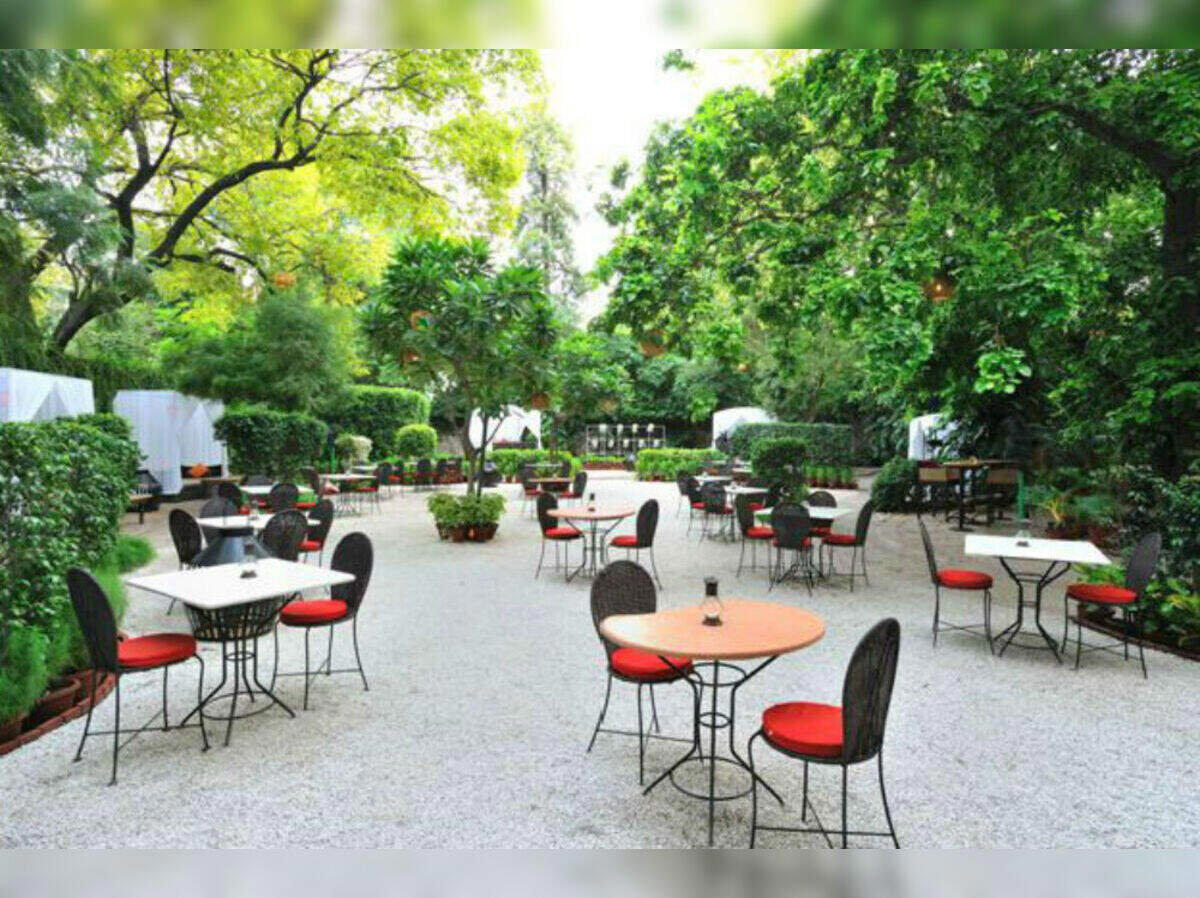
Lodhi Road and the Case for Slower Eating
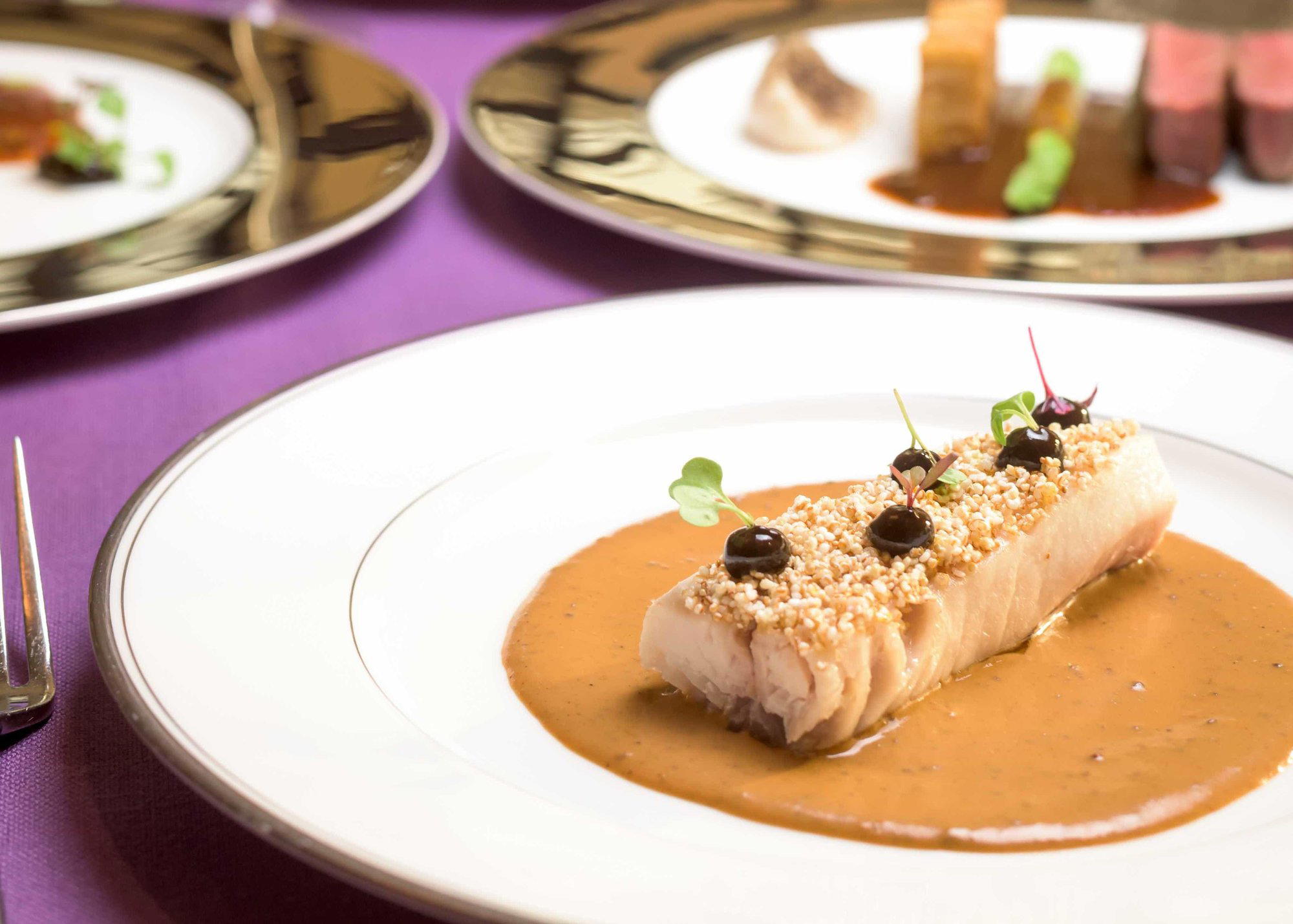
Delhi's dining culture has long rewarded volume and velocity. The city's great eating traditions, from the tandoor-scorched frontier cooking at places like Bukhara to the street-counter precision of Chache Di Hatti, are built around intensity and immediacy. Against that backdrop, the slow-dining format represents a deliberate counter-argument: that the meal is a sequence of decisions, not a single transaction. Lodi Slow Dining is a restaurant on Lodhi Road in New Delhi, serving modern European dishes with Mediterranean influences. Lodi Slow Dining, positioned on Lodhi Road opposite Mausam Bhavan, takes that argument seriously.
The location is not incidental. Lodhi Road runs through one of Delhi's quieter institutional corridors, flanked by the Lodhi Garden's Mughal-era tombs and the low-rise geometry of embassy precincts. The ambient pace of the area bleeds into how a meal here begins. Arriving in the late afternoon, when the garden-side light softens and the traffic on the road thins between office waves, you approach a restaurant that is already doing some of the atmospheric work before you've sat down. That kind of environmental priming is what separates a slow-dining premise from a restaurant that simply takes longer to serve.
Where Local Ingredients Meet Imported Method
Across India's premium dining tier, the defining creative tension of the last decade has been the encounter between globally trained technique and hyperlocal ingredient sourcing. This pattern appears in cities from Bangalore to Hyderabad: kitchens at Farmlore in Bangalore and Adaa at Falaknuma Palace in Hyderabad have both built reputations on that axis. The question is always the same: which side of the equation drives the menu, and which serves the other?
At Lodi Slow Dining, the format itself suggests that the answer tilts toward the ingredient. A slow-dining structure, by design, forces a kitchen to justify each course individually. There is nowhere to hide behind speed or abundance. The meal becomes an argument for whatever is on the plate, which tends to work leading when the sourcing is specific enough to make that argument interesting. Indian pantry depth, from the grain complexity of regional dals to the aromatic range of subcontinental spice, gives a kitchen operating in this format substantial material to draw on.
The technique that frames those materials matters less as a brand signal and more as a delivery mechanism. This is how the global-technique, local-ingredient approach functions at its most honest: the French brigade structure or the Japanese precision of temperature and timing is infrastructure, not identity. What distinguishes restaurants like Inja in New Delhi and, at a different scale, Bomras in Anjuna is that the imported method becomes largely invisible, and what you taste is the ingredient's character, shaped rather than overwritten.
The Delhi Slow-Dining Tier
Delhi's premium dining set has traditionally organised itself around a handful of well-documented reference points, with Indian Accent occupying the longest-held critical position and a second tier of newer restaurants arguing for their place through format differentiation. The slow-dining category sits at an intersection of price, pacing, and intent that separates it from both the legacy fine-dining houses and the newer casual-format operations.
What the slow-dining format demands from a guest is different from what a conventional tasting menu demands. Tasting menus at technically driven restaurants, including world-recognised operations like Le Bernardin in New York City or the producer-focused format at Lazy Bear in San Francisco, are built around a kitchen narrative. The guest is an audience. Slow dining, when the format is interpreted with enough confidence, inverts that: the guest's pace sets the rhythm, and the kitchen adapts. That is a harder operational proposition, which is why fewer restaurants sustain it without drifting back toward a fixed tasting structure.
For context across India's wider slow and considered-dining tier, the range is wide. Naar in Kasauli operates a hyperlocal mountain format at one end. Kappa Chakka Kandhari in Chennai and Leela Kerala Terrace in Trivandrum anchor the southern end of regionally committed cooking. Dining Tent in Jaisalmer and Neel in Patiala demonstrate how format and setting interact outside metropolitan centres. The restaurant sits within that national conversation, representing Delhi's version of the argument that pacing is itself a form of curation.
Planning Your Visit
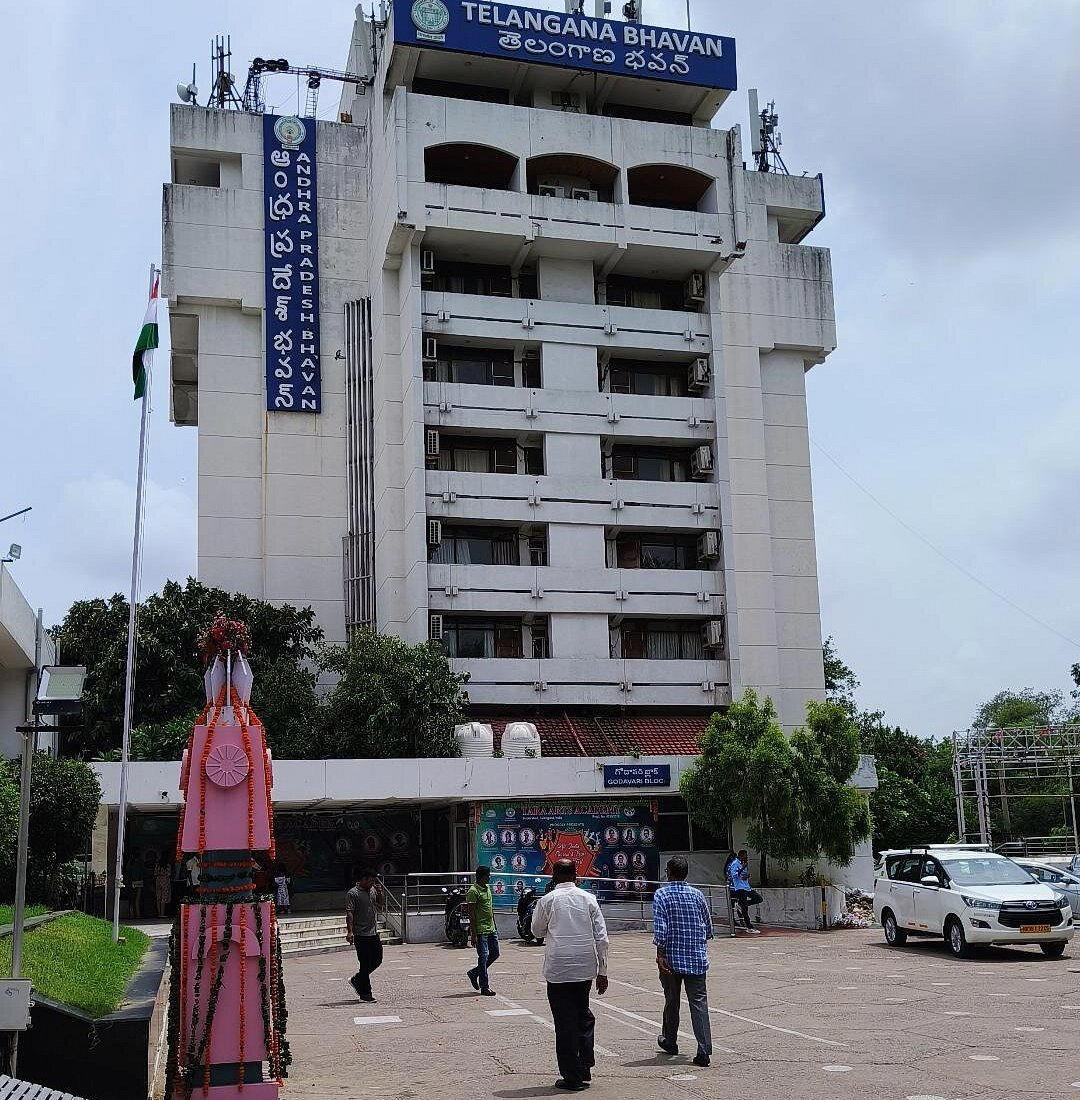
Lodhi Road is accessible from central Delhi via the Jor Bagh metro station on the Yellow Line, placing the area within reasonable reach of South Delhi and Lutyens' Delhi without requiring a car. The address opposite Mausam Bhavan, the India Meteorological Department headquarters, gives a reliable orientation point on a road that can otherwise be difficult to pinpoint at night. For visitors building a broader Delhi itinerary around considered eating, the Lodhi Road corridor connects naturally to South Delhi's wider dining circuit. Those working through Delhi's full range should also account for the subcontinent's institutional cooking traditions: the canteen-scale generosity of Andhra Pradesh Bhavan, the Old City sweet and snack tradition at Bikanervala in Chandni Chowk, and the reliable hotel-kitchen format at Curry Kitchen all provide useful counterpoints to the slow-dining register. And for those comparing slow-format experiences across India's western metros, Americano in Mumbai offers a useful parallel in terms of pacing and format ambition.
Arriving with a reservation is recommended.
Peers You’d Cross-Shop
Comparable venues nearby, for context on price, style, and recognition.
| Venue | Cuisine | Price | Notes |
|---|---|---|---|
| Lodi Slow DiningThis venue — the venue you are viewing | Modern European with Mediterranean influences | $$$ | Not listed |
| Farzi Cafe | Modern Indian Fusion | $$$ | Connaught Place |
| SodaBottleOpenerWala | Authentic Parsi & Bombay Street Food | $$ | Khan Market |
| Gulati Restaurant, Pandara Road | Classic North Indian Mughlai | $$ | Pandara Road |
| Soy x Neung Roi | Thai and Pan-Asian | $$$ | Mahipalpur |
| Bukhara Restaurant | North West Frontier Indian | $$$ | Diplomatic Enclave |
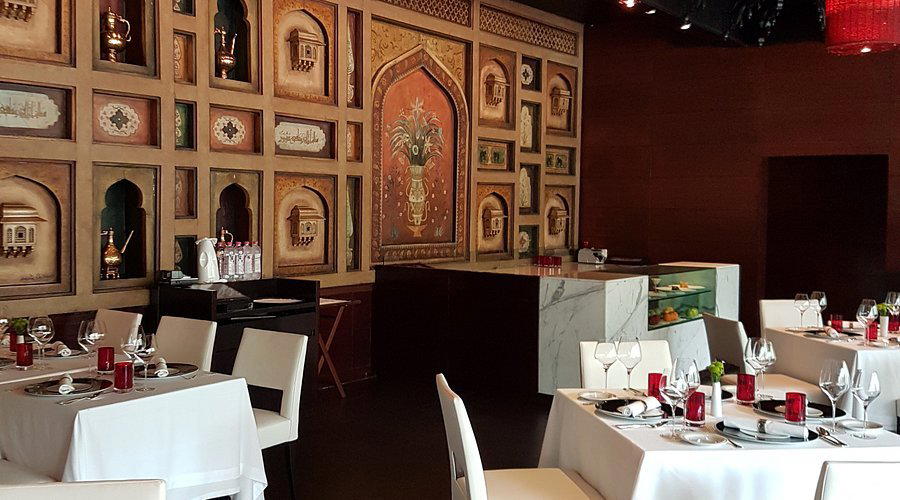
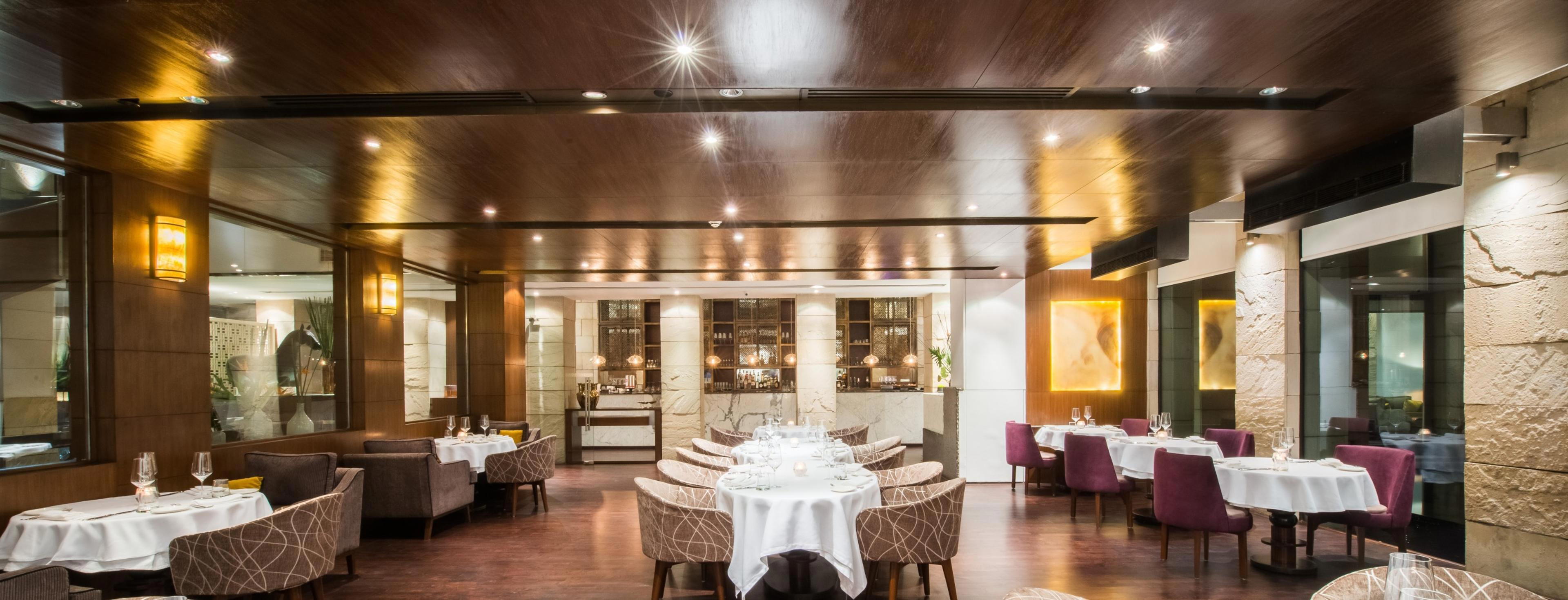
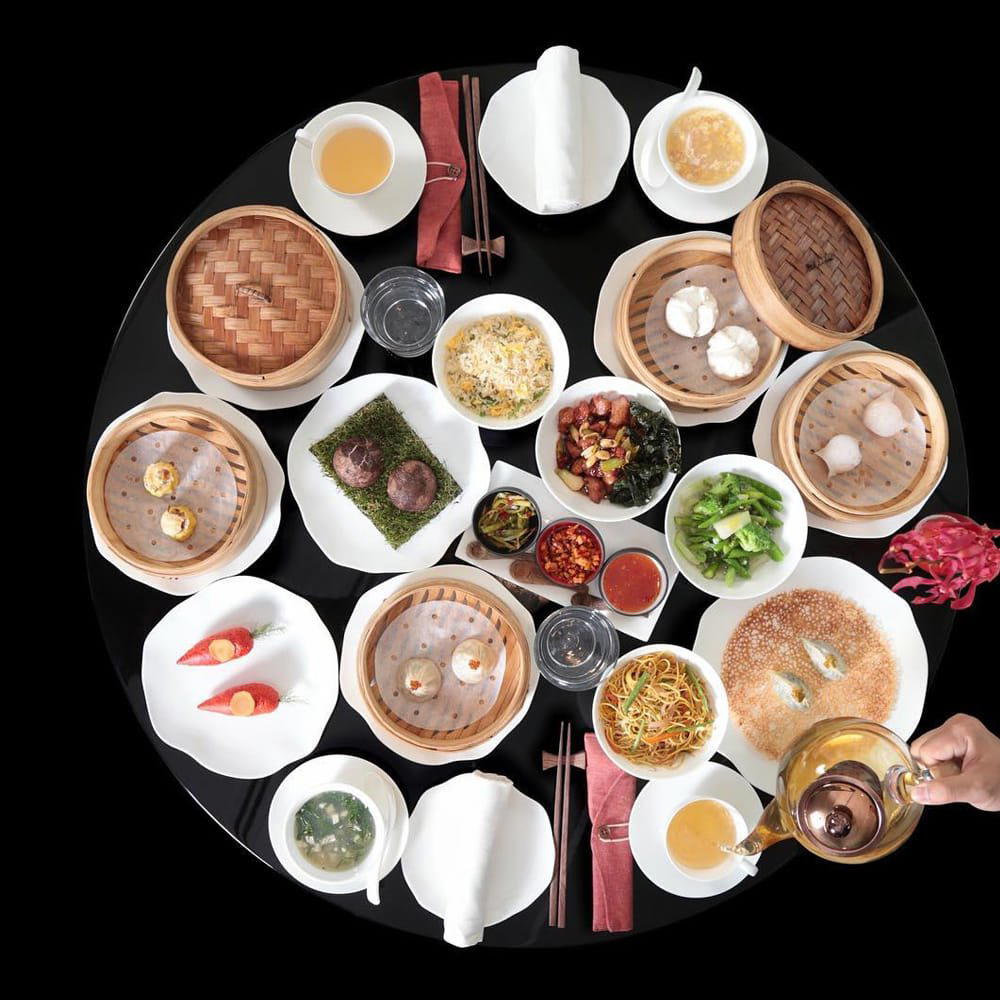
At a Glance
- Romantic
- Elegant
- Cozy
- Scenic
- Date Night
- Special Occasion
- Garden
- Open Kitchen
- Local Sourcing
- Garden
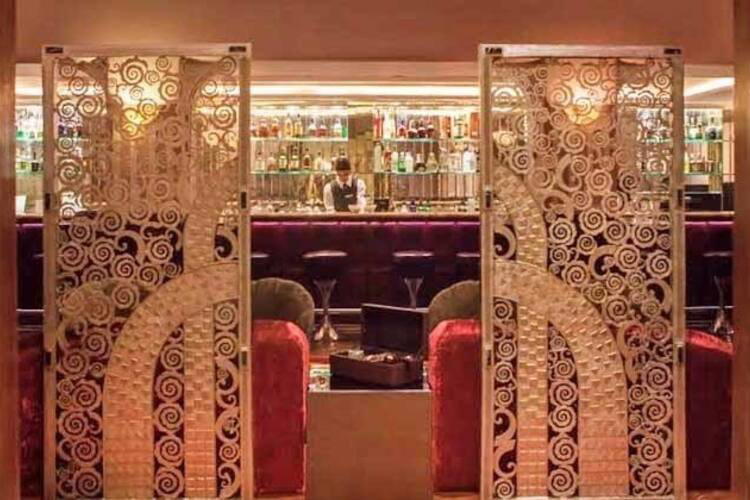
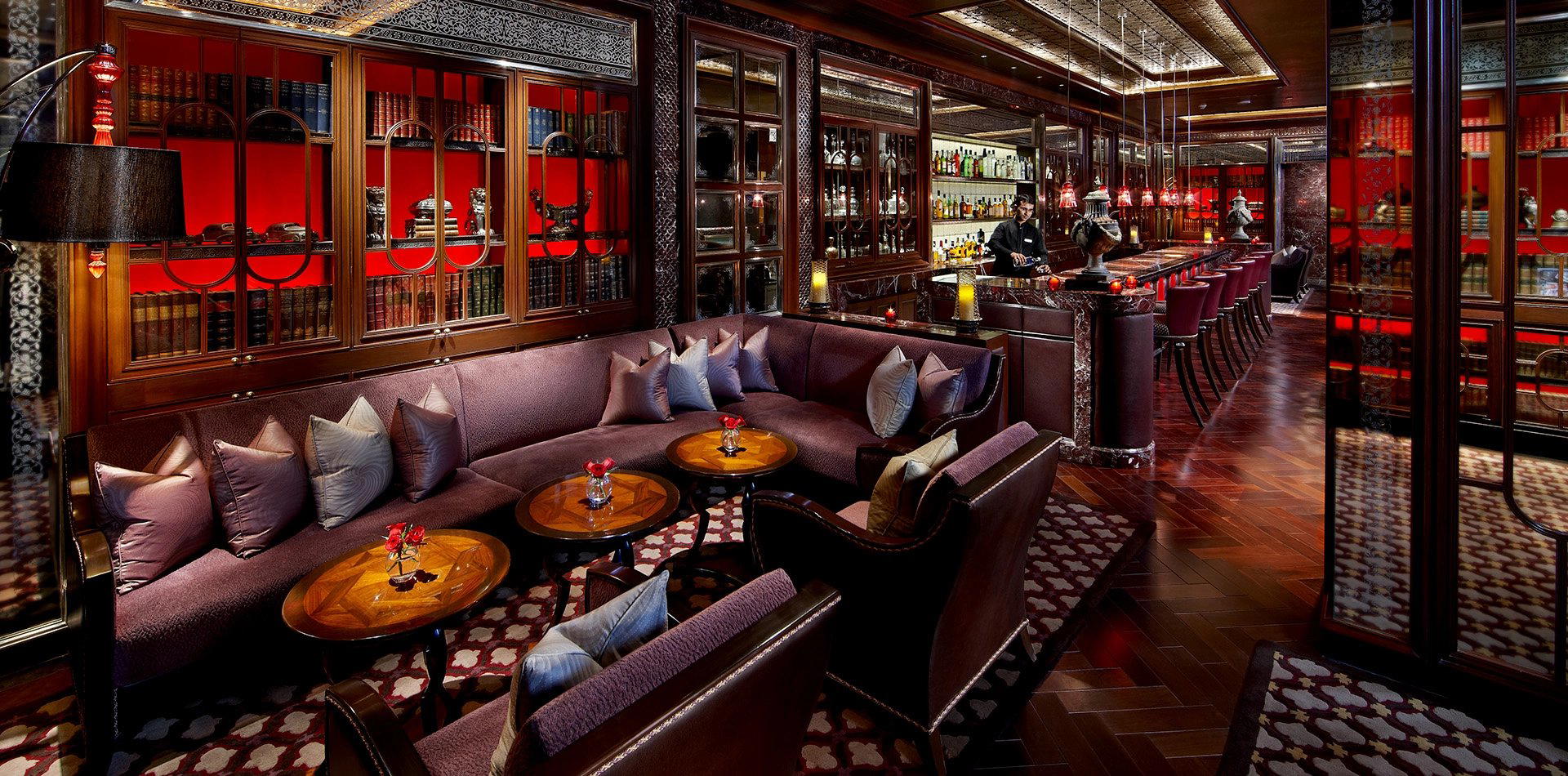
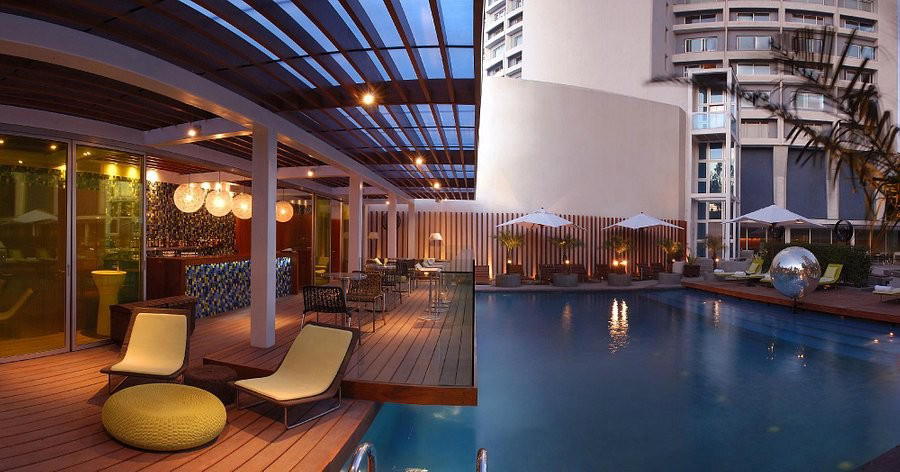
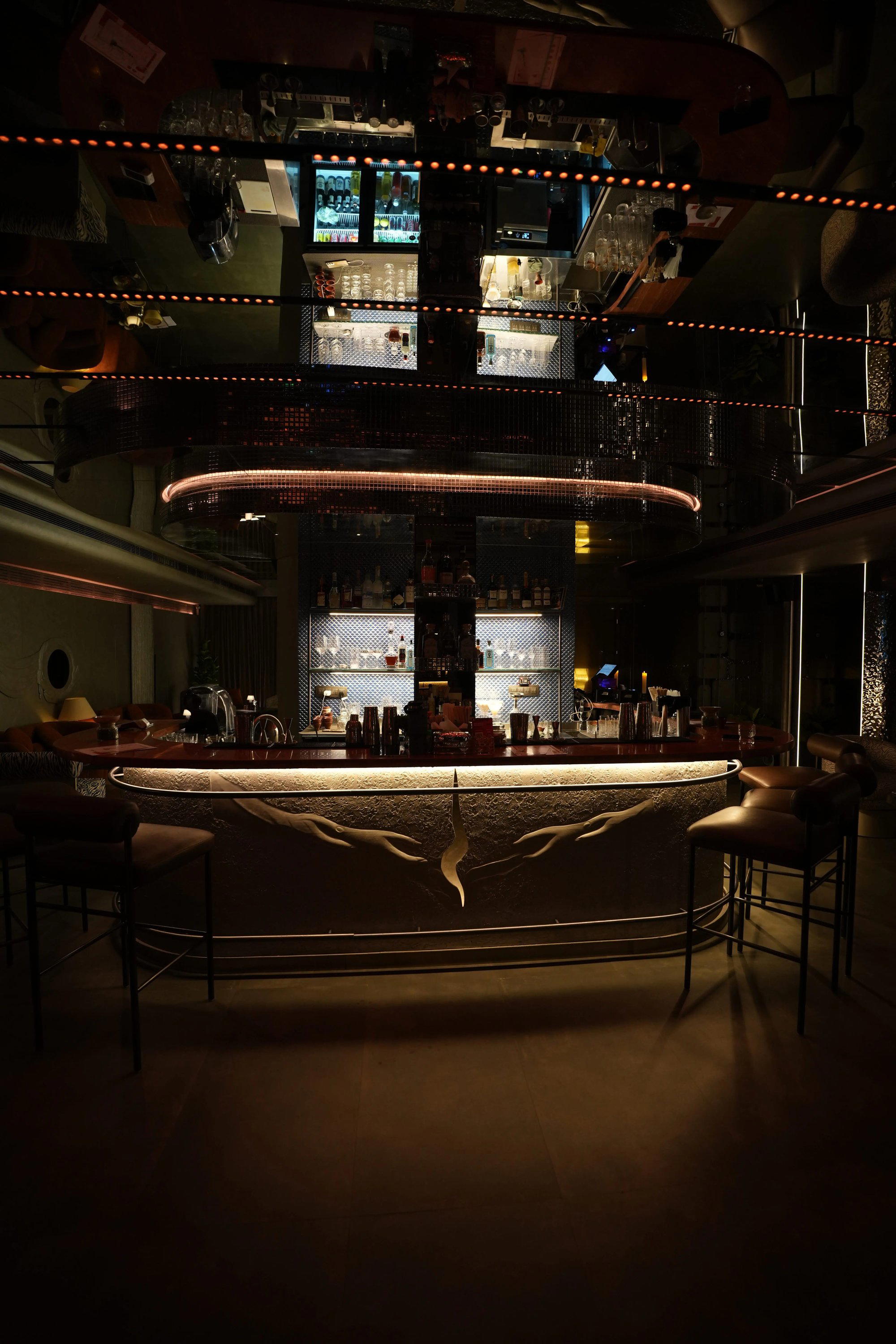
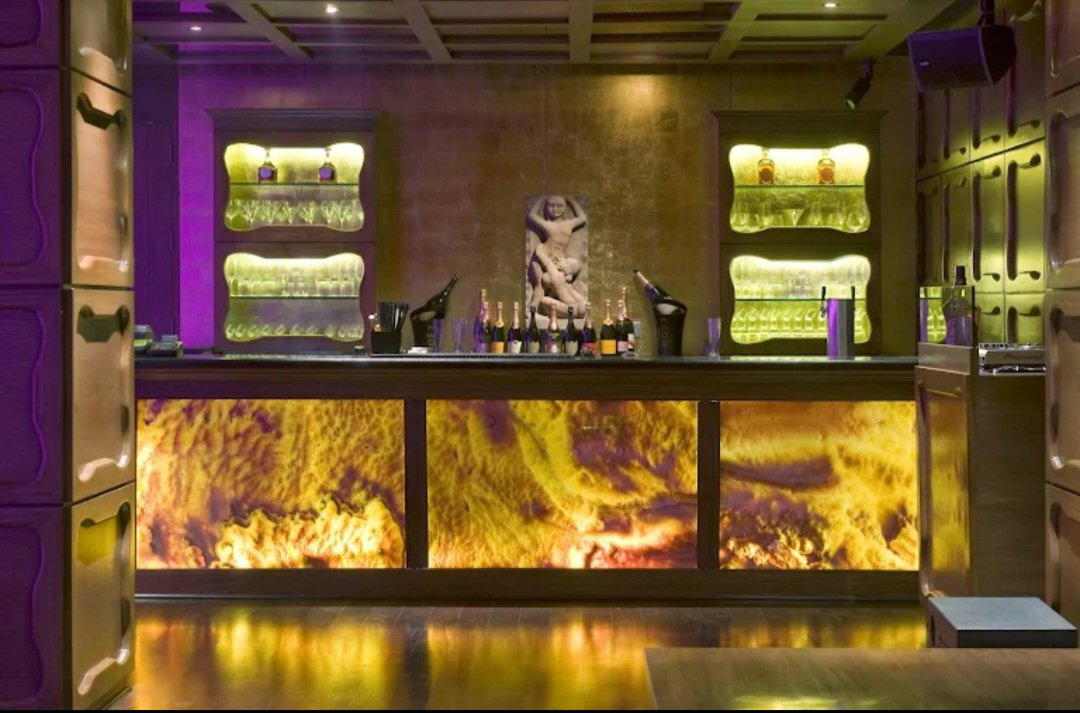
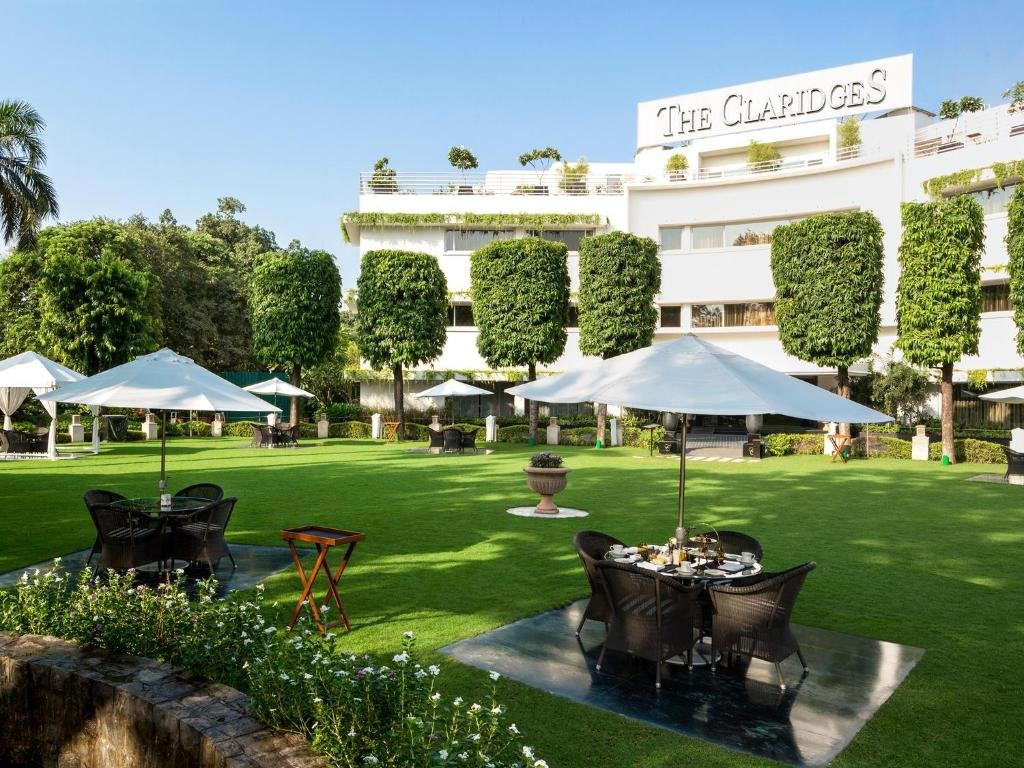
Tranquil and romantic with earthy natural vibe, orange hues, soothing music, and lush green surroundings.