







Indian Accent at The Lodhi sits at the upper tier of New Delhi's fine dining scene, ranked #89 in the World's 50 Best Restaurants (2024) and scoring 95 points on La Liste (2025). The six-course tasting menu moves through regional Indian reference points reimagined with global technique, from inventive bread courses to mains such as tamarind crab with coconut curry. Wine Director Kevin Rodrigues oversees a 900-bottle list with particular depth in South American and European labels.
Pearl is the En Primeur Club membership app — saves, bookings, and concierge access live there. Same editors, same standards.
- Address
- The Lodhi, Lodhi Rd, CGO Complex, Pragati Vihar, New Delhi, Delhi 110003, India
- Phone
- +91 98711 17968
- Website
- indianaccent.com
- Directions
- Get directions
 Saves & bookings on Pearl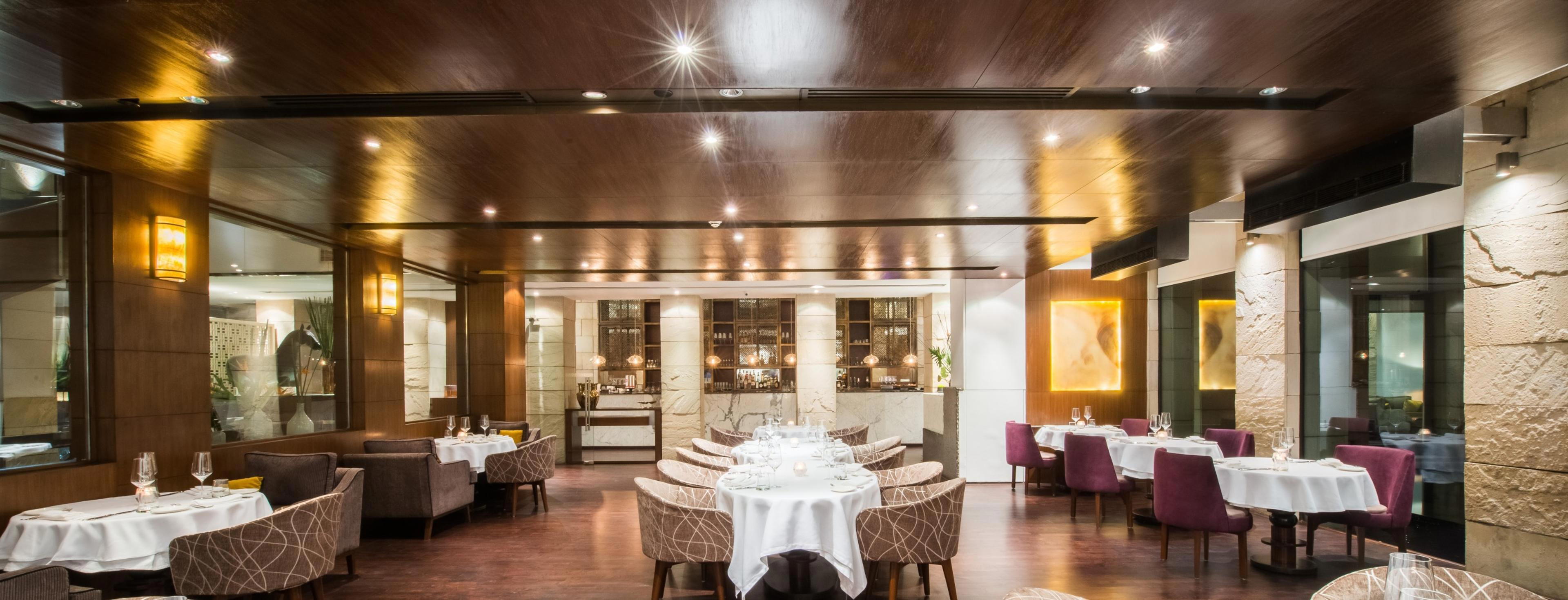
Inside the Glass Walls: Fine Dining at The Lodhi
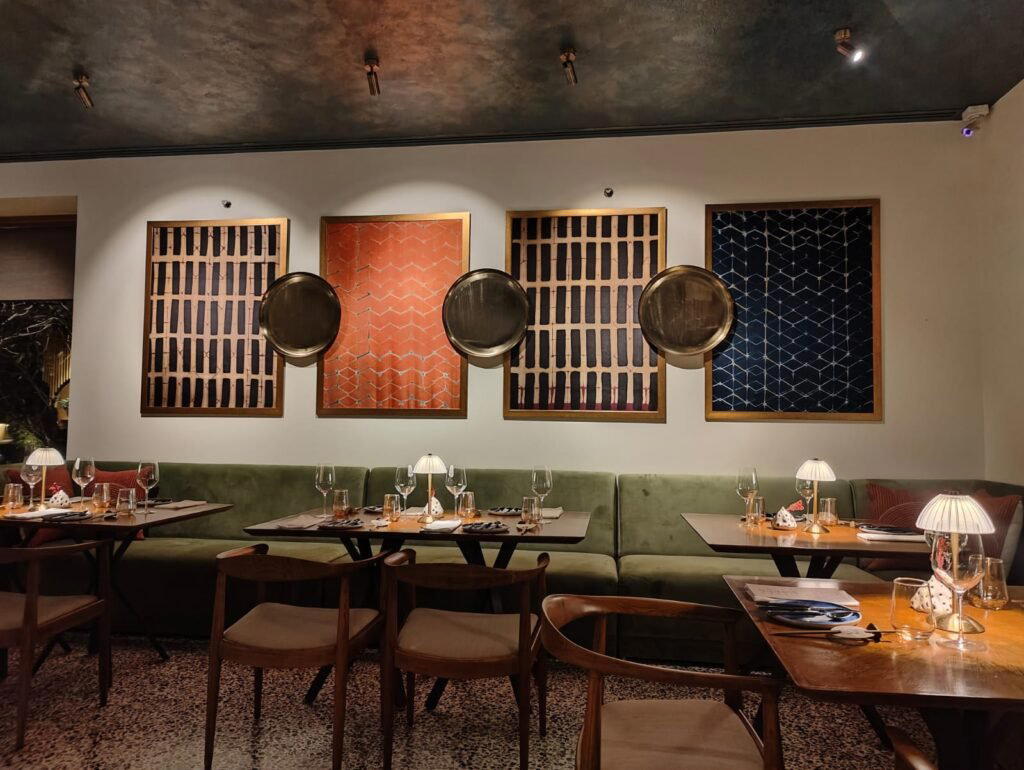
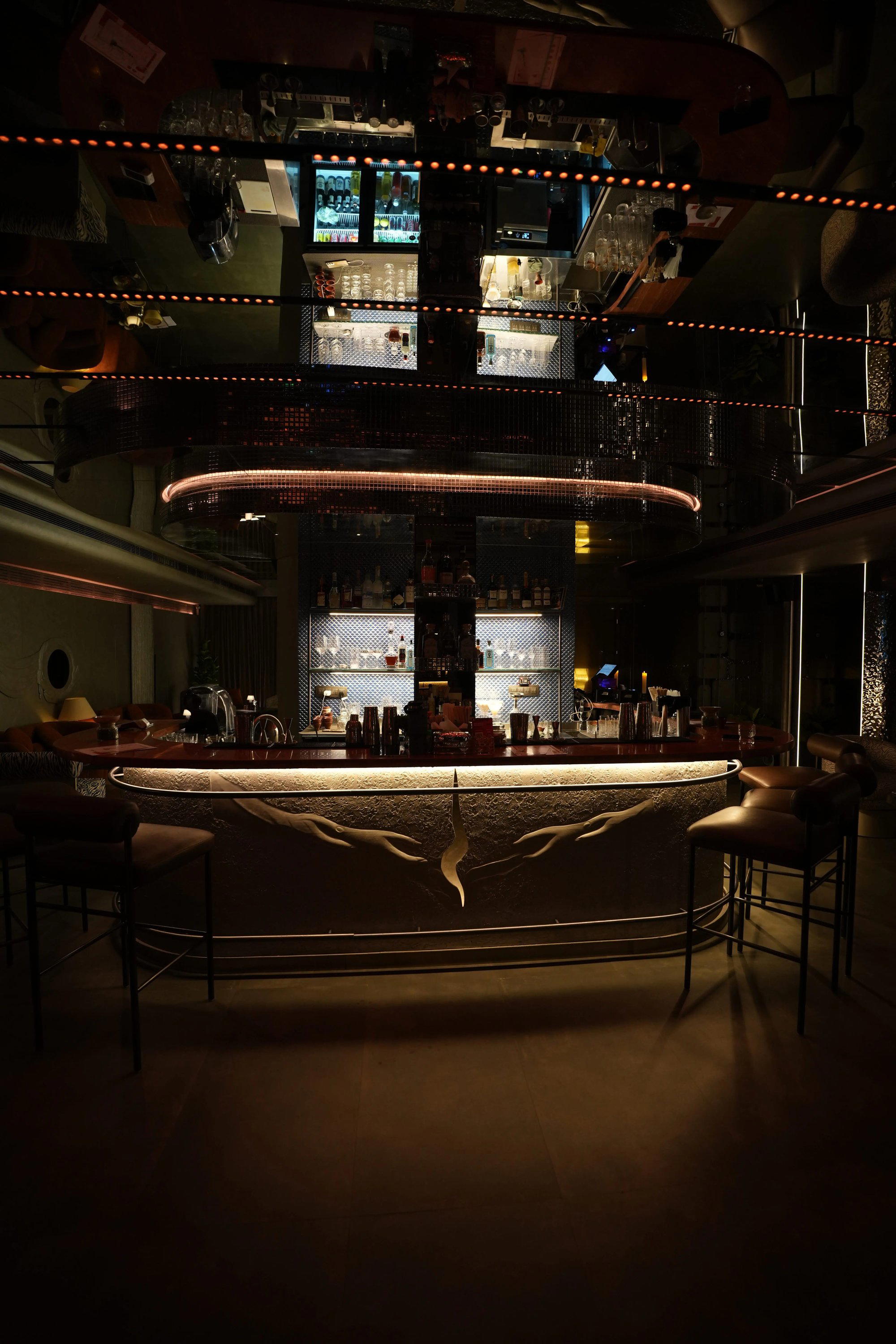
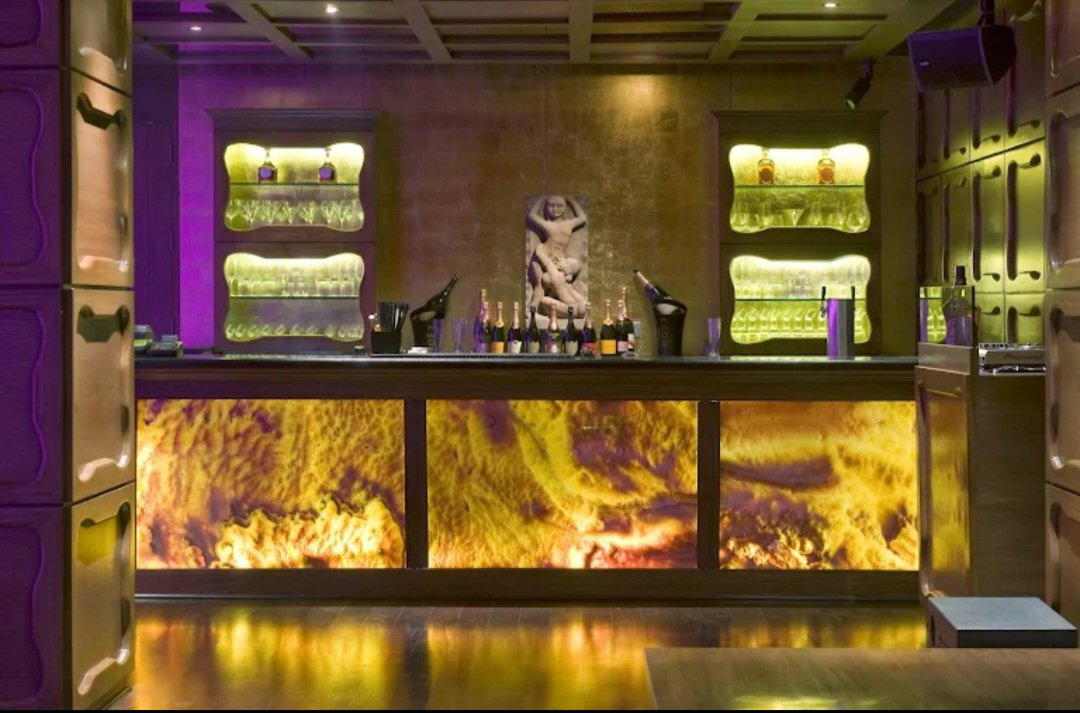
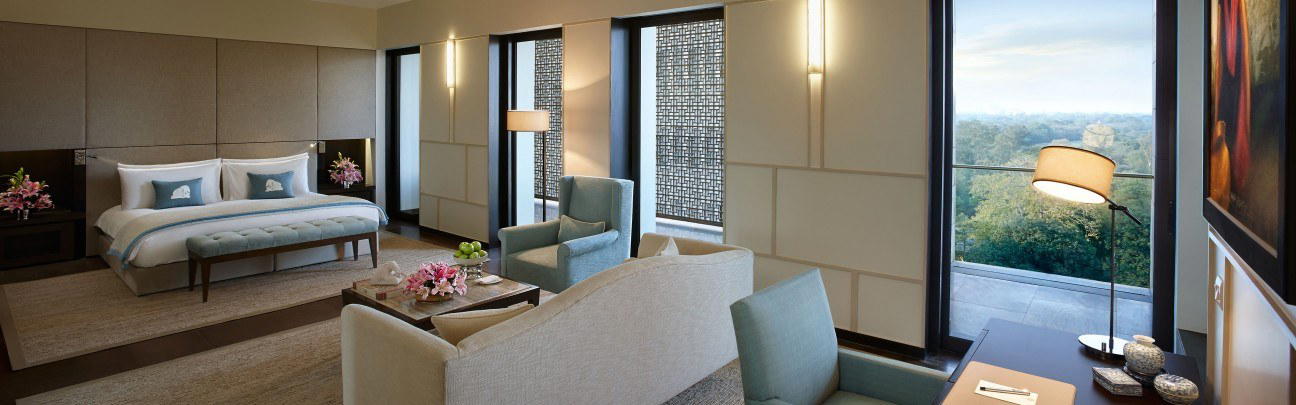
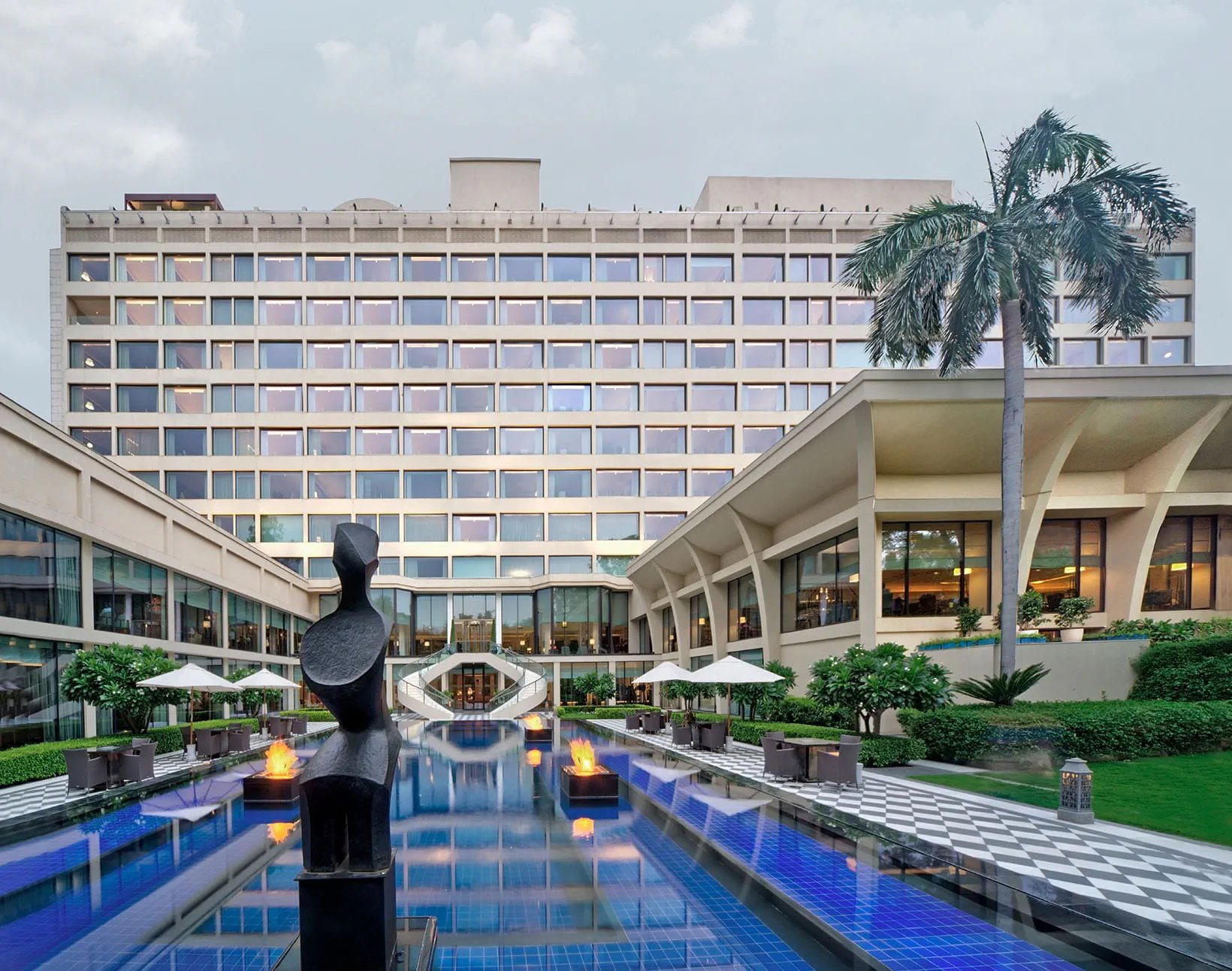
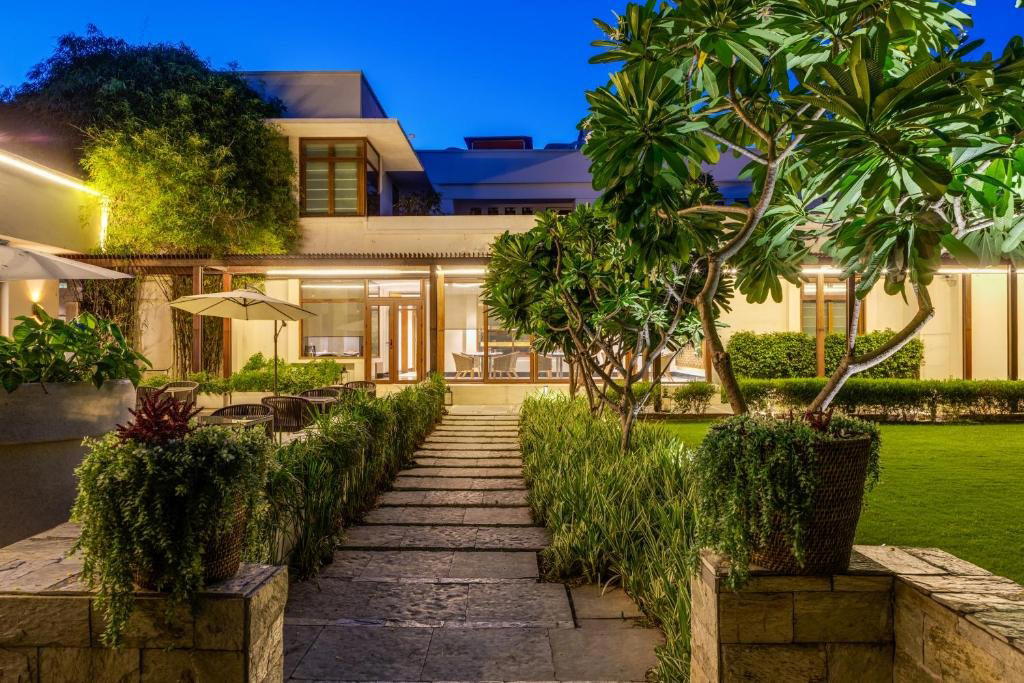
The dining room at Indian Accent signals its ambitions before the first course arrives. Set within The Lodhi on Lodhi Road, the space is built around a glass-walled interior that lets the hotel's manicured grounds press in on all sides, creating an atmosphere that is controlled and composed without tipping into austerity. This is a room designed for a specific kind of occasion: one where the food is expected to carry weight and the setting is expected to hold it. In New Delhi's premium dining tier, where hotel restaurants have historically oscillated between grand-hall formality and glossy modernity, Indian Accent occupies a position of deliberate restraint.
Where Indian Accent Sits in New Delhi's Fine Dining Tier
New Delhi's high-end Indian restaurant scene has two broad camps. The first is the heritage-preservation school, represented by restaurants like Dum Pukht and Bukhara, where the authority of a particular regional tradition, whether Awadhi slow-cooking or North-West Frontier tandoor work, is the primary proposition. The second camp, smaller and more recently established, applies global technique to Indian ingredients and structures without abandoning regional identity in the process. Indian Accent belongs firmly to the second group, and its award trajectory confirms the position: ranked #89 in the World's 50 Best Restaurants in 2024, #46 in Asia's 50 Best in 2025, and scoring 95 points on La Liste in 2025 and 90 in 2026. These are credentials that place it in direct comparison with particularly recognised contemporary Indian restaurants operating anywhere, including Trèsind Studio in Dubai and Opheem in Birmingham.
For readers mapping the wider India scene, comparable ambition in terms of format and critical recognition appears at Farmlore in Bangalore and The Table in Mumbai, though each operates with different regional emphasis and menu architecture. Within Delhi itself, Inja and Varq occupy adjacent territory, though Varq's international framing makes it a slightly different proposition for the diner seeking specifically Indian reference points throughout the meal.
The Regional Argument on the Plate
Contemporary Indian fine dining in the tasting-menu format has had to answer a recurring question: which India? The subcontinent's regional distinctions, Punjabi dairy richness, Keralan coconut and spice, Bengali mustard and freshwater fish, Goan sourness and pork, Rajasthani arid-land preservation techniques, are not interchangeable. Restaurants that flatten these differences into a single pan-Indian aesthetic tend to produce menus that feel geographically vague.
The restaurant's approach, as documented by La Liste, involves a six-course tasting structure in which regional identity surfaces through specific ingredients and technique rather than through the menu's overarching geography. The bread course is the clearest illustration of this method: rotis, naans, and parathas appear alongside less conventional bread forms, framing the subcontinent's carbohydrate diversity as the opening argument rather than a side note. This is a decision with real editorial logic. Bread in Indian cuisine carries regional encoding that is immediately legible to anyone who has eaten across the country: a paratha signals Punjab in a way that a sourdough roll cannot signal San Francisco. By leading with it, the kitchen establishes its terms of reference early.
From there, the menu moves through what La Liste describes as artful miniatures before reaching mains. The tamarind crab with coconut curry, cited as a signature preparation, brings coastal South Indian flavour logic, specifically the Keralan and Chettinad tradition of combining tamarind's sharpness with coconut milk's fat, into a plated format that the same La Liste entry describes as a show-stopping main. The combination is not arbitrary: it demonstrates how a geographically specific flavour grammar can be applied to a premium ingredient (crab) without losing its regional legibility. Dishes from Adaa at Falaknuma Palace in Hyderabad or Chandni in Udaipur approach similar regional honesty from a more palace-tradition perspective; the restaurant's distinction is that it folds these reference points into a progressive tasting format rather than a à la carte expression of a single court cuisine.
Chef Rijul Gulati leads the kitchen. In the context of this editorial, what matters is less his biography than the fact that the kitchen under his direction has maintained a consistent critical trajectory across multiple global ranking systems simultaneously, a technical achievement that speaks to precision and repeatability at scale.
The Wine Program
India's fine dining wine culture has developed unevenly, with many leading restaurants defaulting to French and Italian safe harbours on their lists. The restaurant's program, directed by Kevin Rodrigues and managed on the floor by sommelier Hrushikesh Mawalkar, takes a different geographic position: its documented strengths are Chile, Argentina, Germany, and Italy. This is a list shaped around food-pairing logic rather than prestige signalling. The acidity structures of German Riesling and the fruit profiles of South American reds and whites work with the spice, fat, and sour elements that cycle through Indian cooking in ways that high-tannin Bordeaux rarely do.
At 900 bottles across 135 selections, the inventory is substantial without being encyclopaedic. The pricing tier lands at mid-range for a fine dining context, meaning the list is accessible rather than trophy-heavy. For visitors comparing this to wine programs at other Indian fine dining establishments, the South American and German emphasis makes it a genuinely distinct offering rather than a variation on a standard European luxury list.
A Regional Context: Indian Fine Dining Beyond Delhi
The questions the restaurant raises about how regional Indian cooking translates into a contemporary tasting format are being answered differently in other cities. Naar in Kasauli applies Himalayan ingredient logic to a format oriented around the local environment. Bomras in Anjuna draws on Burmese-Goan crossover. Baan Thai in Kolkata operates within an entirely different regional conversation. Together, these restaurants describe a dining culture that is plural and geographically self-aware in ways that were less visible to international critics a decade ago. The restaurant's sustained presence on global rankings has been part of the infrastructure that made that visibility possible.
Planning Your Visit
The restaurant is located within The Lodhi on Lodhi Road, in the Pragati Vihar area of central Delhi, accessible by car from most central hotel districts. The kitchen serves lunch Wednesday through Sunday and dinner every day of the week, with Friday and Saturday dinner service extending to 10:30 pm. Weekend lunch runs from 11:30 am on Saturday and Sunday, while weekday lunch service opens at noon. For visitors staying elsewhere in the city, The Lodhi's location on Lodhi Road places it within reasonable distance of the diplomatic and cultural core. Dress code is smart casual. Reservations are essential.
What Do Regulars Order at Indian Accent?
The six-course tasting menu is the format around which the kitchen is built, and the La Liste documentation points to two courses that have drawn particular notice from returning guests and critics alike. The bread course, which expands standard Indian bread formats into a broader survey of the kitchen's carbohydrate repertoire, tends to be cited as the moment the meal announces its intentions. The tamarind crab with coconut curry is the main course most consistently referenced in critical coverage, combining coastal South Indian flavour logic with premium seafood in a way that threads regional specificity through a technically demanding preparation. Wine pairing with the tasting menu draws on the strength of the South American and German selections; regulars with wine knowledge tend to flag the Chilean and Argentine pours as the program's most distinctive choices relative to comparable restaurants in the city. Those who have dined across the broader Indian fine dining scene, at venues like Adaa at Falaknuma Palace or Farmlore, tend to use the bread course specifically as a reference point when comparing the restaurant to its peers.
- Ghee Roast Mutton Boti with Roomali Roti Pancake
- Meetha Achaar Pork Ribs
- Curry Leaf Crab
- Three-Pepper Duck
- Daulat Ki Chaat
- Pomegranate and Churan Kulfi Sorbet
Where It Fits
Comparable venues nearby, for context on price, style, and recognition.
| Venue | Cuisine | Price | Awards | Notes |
|---|---|---|---|---|
| Indian AccentThis venue — the venue you are viewing | Modern Indian Fine Dining | $$$$ | World's 50 Best #46 | Not listed |
| Bukhara | North West Frontier Tandoori | $$$$ | World's 50 Best #14 | Diplomatic Enclave |
| Inja | Indian-Japanese Fusion | $$$$ | World's 50 Best #75 | Friends Colony |
| Dum Pukht | Awadhi Dum Pukht Fine Dining | $$$$ | World's 50 Best #89 | Chanakyapuri |
| Varq | Contemporary Indian Fine Dining with Molecular Fusion | $$$$ | Not listed | New Delhi |
| Omya | Modern Indian Fine Dining | $$$ | Not listed | Lodhi Road |
Recognition history
Dated appearances from independent guides and award organizations, with the underlying list record or original source where available.
La Liste Top Restaurants
La Liste
Opinionated About Dining Top Restaurants in Asia Ranked #23
Opinionated About Dining
Wine Spectator Award of Excellence
Wine Spectator
La Liste Top Restaurants
La Liste
Tatler Listed in Best Restaurants Asia-Pacific
Tatler
The Best Chef One Knife
The Best Chef
Wine Spectator Award of Excellence
Wine Spectator
World Culinary Awards India's Best Restaurant 2025 #1
World Culinary Awards
World's 50 Best Asia's Best Restaurants #46
World's 50 Best
Opinionated About Dining Top Restaurants in Asia Ranked #57
Opinionated About Dining
Opinionated About Dining Top Restaurants in North America Ranked #191
Opinionated About Dining
World's 50 Best Best Restaurants #89
World's 50 Best
World's Best Wine Lists Awards WBWL 2-Star
World's Best Wine Lists Awards
Opinionated About Dining Top Restaurants in North America Highly Recommended
Opinionated About Dining
Opinionated About Dining Top Restaurants in Asia Ranked #69
Opinionated About Dining
Continue exploring
More in New Delhi
Restaurants in New Delhi
Browse all →
Bars in New Delhi
Browse all →
At a Glance
- Elegant
- Sophisticated
- Modern
- Intimate
- Special Occasion
- Date Night
- Celebration
- Business Dinner
- Open Kitchen
- Private Dining
- Design Destination
- Extensive Wine List
- Craft Cocktails
- Sommelier Led
- Local Sourcing
Current opening hours
- Monday
- 12–2:30 PM, 6:45–9 PM, 9:45 PM–12 AM
- Tuesday
- 12–2:30 PM, 6:45–9 PM, 9:45 PM–12 AM
- Wednesday
- 12–2:30 PM, 6:45–9 PM, 9:45 PM–12 AM
- Thursday
- 12–2:30 PM, 6:45–9 PM, 9:45 PM–12 AM
- Friday
- 12–2:30 PM, 6:45–9 PM, 9:45 PM–12 AM
- Saturday
- 12–2:30 PM, 6:45–9 PM, 9:45 PM–12 AM
- Sunday
- 12–2:30 PM, 6:45–9 PM, 9:45 PM–12 AM
Hours can change for holidays and private events. Last verified .
Elegant and serene with stylish contemporary décor, creating a refined fine dining atmosphere that balances luxury with warm hospitality.