Our verdict
Baoshuan occupies a dedicated dining room within The Oberoi New Delhi, positioning Chinese cuisine inside one of the capital's most established luxury hotel addresses. The room sits along Dr Zakir Hussain Marg, where the golf course boundary and diplomatic enclave create a quieter register than central Connaught Place. For New Delhi's hotel-dining tier, it represents the city's appetite for precision Chinese cooking within a five-star framework.

Pearl is the En Primeur Club membership app — saves, bookings, and concierge access live there. Same editors, same standards.
- Address
- The Oberoi, Dr Zakir Hussain Marg, Delhi Golf Club, Golf Links, New Delhi, Delhi 110003, India
- Phone
- +91 11 2430 4370
- Hours
- Mon–Thu 12:30–3 PM, 7–11 PMFri–Sun 12:30–3 PM, 7–11:30 PM
- Website
- oberoihotels.com
- Directions
- Get directions
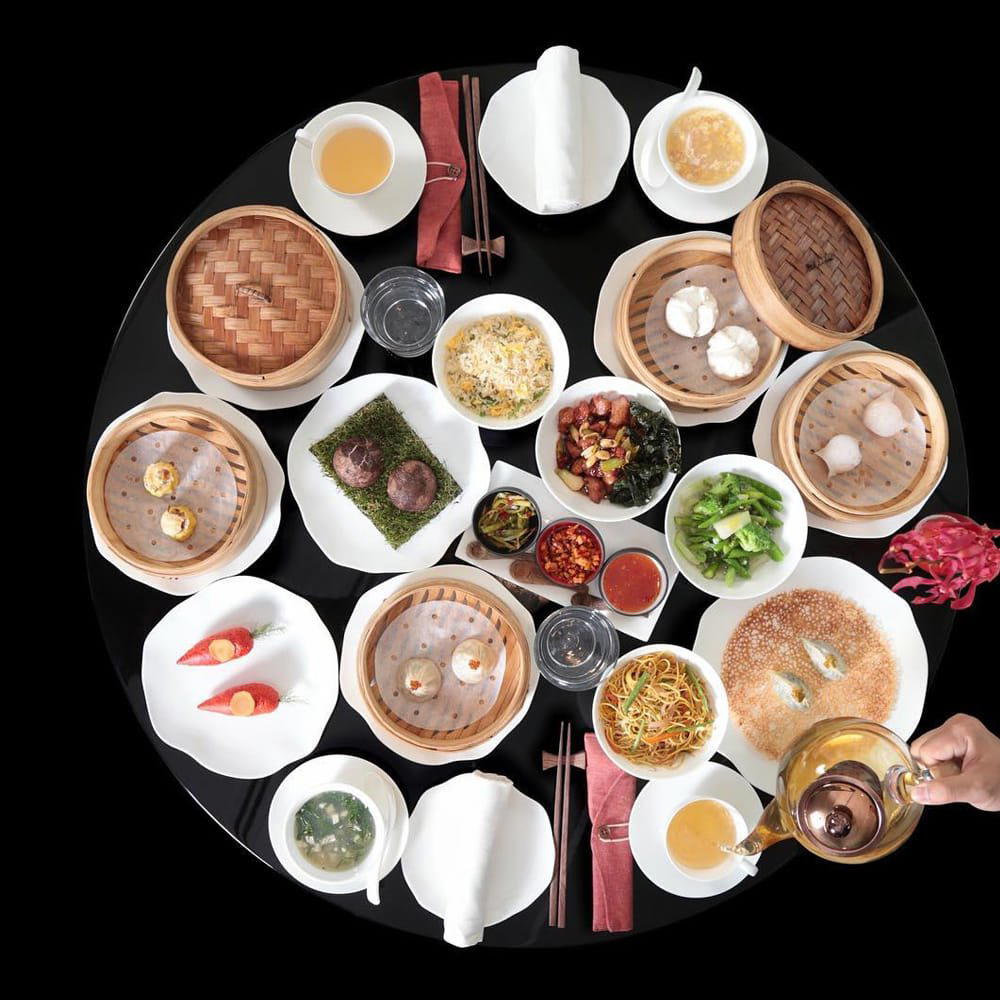
The menu
What to order
- Prawn Wonton with Sweet Chilli Jam
- Peking Duck pancakes
- Dong Po Slow Braised Pork Belly
Chinese Cooking Inside Delhi's Hotel-Dining Tier
There is a specific kind of Chinese restaurant that exists only inside grand hotels in South Asia — not the neighbourhood Cantonese house, not the quick-service dim sum counter, but a formal room where the kitchen is expected to produce the kind of precision that the hotel's own reputation demands. New Delhi has seen this format evolve over decades, from perfunctory 'oriental' menus that served everything from Manchurian to spring rolls under one banner, toward restaurants that operate with a defined culinary identity and expect their kitchen to hold its own against specialist standalone addresses. Baoshuan, located within The Oberoi on Dr Zakir Hussain Marg, sits in that more specific tier.
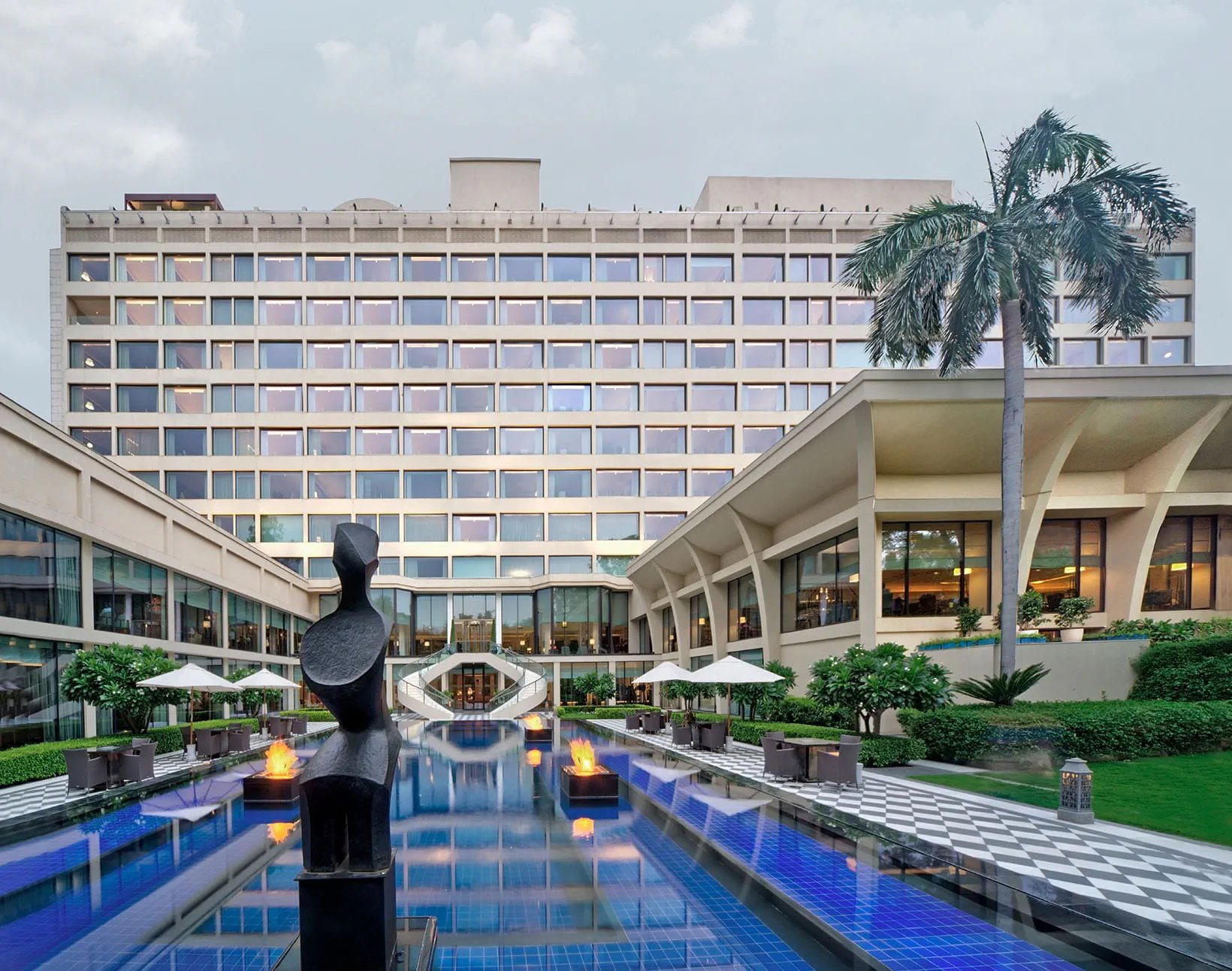
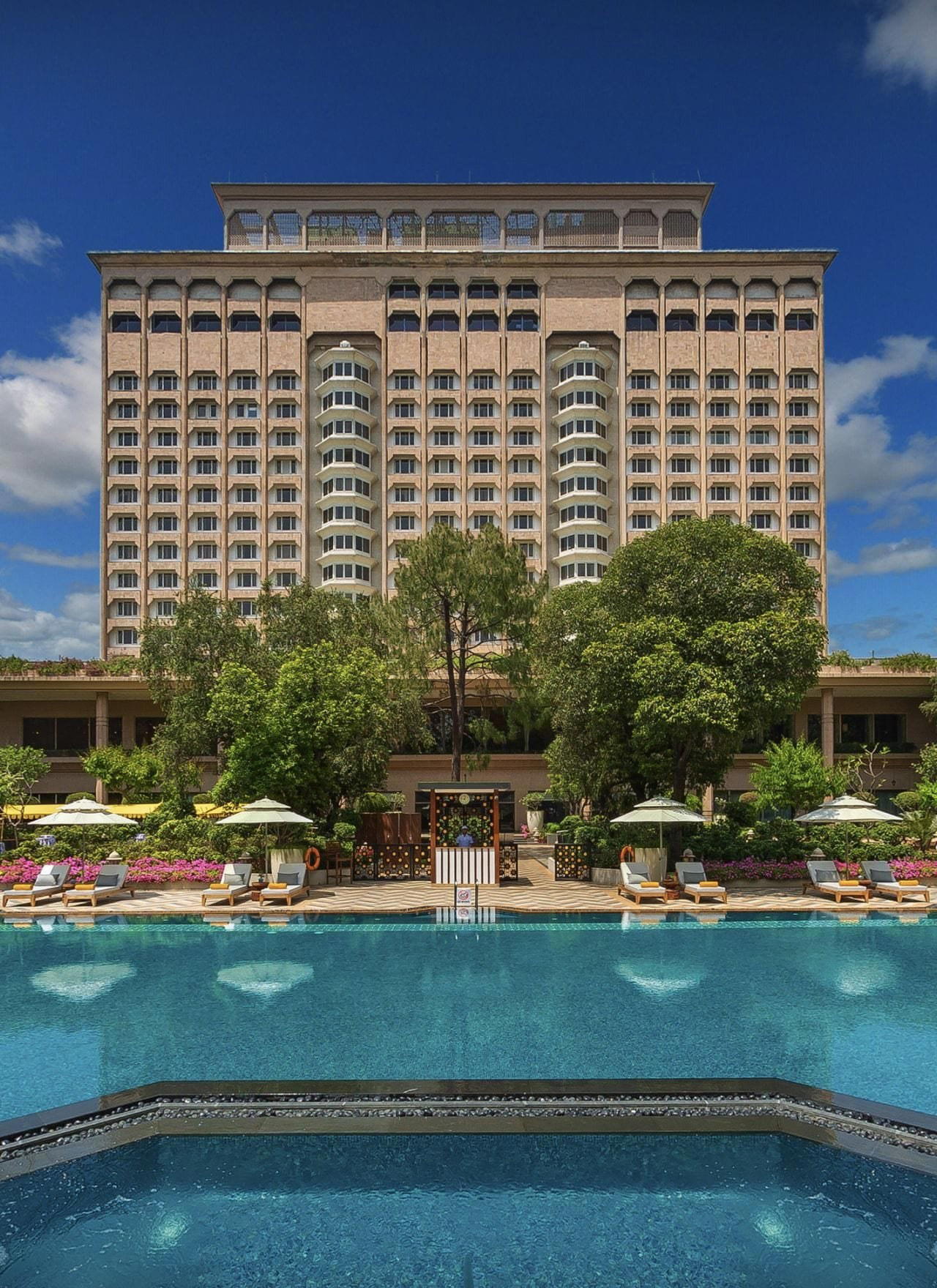
The Oberoi address itself carries weight in this context. The property runs along the edge of the Delhi Golf Club in the Golf Links enclave, one of the city's quieter luxury corridors, removed from the commercial density of Connaught Place and the government-heavy formality of Lutyen's Delhi proper. Arriving in this part of the city at dinner, the shift in register is immediately legible: wider roads, taller trees, the occasional embassy wall, and the hotel's own landscaped approach. The physical setting shapes the dining expectation before you reach the restaurant door. Within India's hotel-dining circuit, this geography signals a particular guest profile — one accustomed to the pace of the Oberoi group's service style and willing to pay accordingly.
The Cultural Weight of Chinese Cuisine in the Indian Context
Chinese food in India occupies a complicated cultural position that is worth understanding before assessing any restaurant in this category. What most Indians grew up eating under the label 'Chinese' is Indo-Chinese, a cuisine with its own legitimate history rooted in the Hakka Chinese community of Kolkata and later adapted through highway dhabas, university canteen woks, and urban fast-food culture. Dishes like chilli chicken, Gobi Manchurian, and triple Schezwan fried rice are not corruptions of Chinese cooking, they are a distinct culinary tradition with their own following and a deep hold on the popular imagination.
The challenge for a hotel-format Chinese restaurant in this environment is to operate at a different register entirely, offering what is recognisably mainland Chinese or Cantonese or Sichuan cooking without either mimicking the Indo-Chinese vernacular or dismissing it. The more sophisticated hotel Chinese restaurants in Indian cities have learned to thread this needle by anchoring their menus in identifiable Chinese regional traditions, Sichuan peppercorn heat, Cantonese clarity of flavour, Shanghainese sweetness, while keeping the kitchen standards tight enough to justify the price distance from the street-level competition. Baoshuan operates in this space, drawing on the broader expectation the Oberoi name brings to any food and beverage operation it runs in the capital.
Comparable moves have been made at luxury properties across the country: at Adaa at Falaknuma Palace in Hyderabad, the frame is Mughal and Hyderabadi tradition within a palace property; at Farmlore in Bangalore, the lens is hyperlocal Indian produce. The hotel-dining model across India's luxury tier has increasingly committed to a defined culinary point of view rather than broad, category-spanning menus.
Where Baoshuan Sits in New Delhi's Premium Dining Map
New Delhi's top end of formal dining is not a single category but a set of overlapping peer groups. The Indian fine-dining tier includes addresses like Indian Accent, which operates as a standalone reference point for contemporary Indian cooking and draws international as well as domestic recognition. The legacy hotel-restaurant tier includes Bukhara at the ITC Maurya, where decades of consistency in North Indian frontier cooking have made it one of the city's most cited addresses for international visitors, and Dum Pukht, which operates at the ITC Maurya as a slower, more formal counterpoint focused on dum-cooked Awadhi cuisine.
Baoshuan competes within the hotel-dining category specifically, not against the standalone fine-dining operations. In that frame, the relevant question is whether the kitchen can deliver a Chinese menu at a standard that justifies its Oberoi positioning, which carries a strong signal on its own, given the group's track record across India. Other Oberoi food and beverage operations, including AQUA at the same property, reinforce the expectation of technical discipline across the hotel's restaurant portfolio.
For a broader view of where this kind of specialist hotel dining sits against New Delhi's wider scene, our full New Delhi restaurants guide maps the city's dining categories with comparative depth. Addresses like Inja also point to the growing appetite in the capital for non-Indian cuisines treated with the same seriousness as the dominant Indian fine-dining tradition.
Across India: The Hotel Chinese Restaurant as a Distinct Format
The phenomenon of the hotel Chinese restaurant is not unique to Delhi. Across India's major cities, luxury properties have long maintained Chinese restaurants as a standard part of their food and beverage offering, reflecting the cuisine's deep integration into the urban Indian imagination even as the style of cooking offered has shifted upward in ambition. Americano in Mumbai shows how hotel-adjacent restaurant formats in India continue to evolve toward defined culinary identities. In smaller cities and more regional contexts, the contrast is even sharper: venues like Naar in Kasauli or the Dining Tent in Jaisalmer demonstrate how far India's premium dining geography now extends beyond the metropolitan hotel corridor. For reference points in South India's formal dining tier, Kappa Chakka Kandhari in Chennai and the Leela Kerala Terrace in Trivandrum show how regional cooking traditions are being handled with increasing precision at the hotel-dining level. The parallel with venues like Neel in Patiala and Palaash in Yavatmal illustrates how India's premium dining energy is diffusing well beyond its traditional hotel dining centres. Internationally, the standard for what technically precise, format-committed restaurant cooking inside a luxury property can deliver is set by operations like Le Bernardin in New York City and Lazy Bear in San Francisco, both of which demonstrate how defined culinary identity sustains long-term critical credibility. The Indian hotel-dining tier is increasingly being measured against that kind of benchmark. Similarly, Bomras in Anjuna shows how South and Southeast Asian culinary traditions are being treated with greater specificity across India's premium restaurant sector.
Planning a Visit
Baoshuan is located within The Oberoi on Dr Zakir Hussain Marg, accessible from the Golf Links enclave. The hotel's address places it between Khan Market and the Nizamuddin corridor, with the Delhi Golf Club greens forming the immediate surroundings. As with most Oberoi dining rooms, the expectation is formal dress and advance reservation, particularly on weekends when the hotel's own guests compete with external bookings for covers. Given the Oberoi's positioning in the capital, the restaurant operates at a price point consistent with the city's five-star hotel-dining tier, which places it above the mid-market and in direct competition with other premium hotel restaurants rather than neighbourhood addresses. Booking through the hotel's reservation desk or concierge is the standard approach for non-hotel guests.
Frequently asked questions
How do I find Baoshuan?
Baoshuan is located at The Oberoi, Dr Zakir Hussain Marg, Delhi Golf Club, Golf Links, New Delhi, Delhi 110003, India, New Delhi.
Is Baoshuan suitable for a business dinner in New Delhi?
The Oberoi address on Dr Zakir Hussain Marg — within the Golf Links enclave — positions Baoshuan within the city's established corridor for corporate and diplomatic entertaining. The hotel-dining format at this level in New Delhi implies service pacing and a setting calibrated for extended, table-based conversation rather than quick covers. For business dinners where the address itself carries professional signal, the Golf Links location holds weight.
What's the signature dish at Baoshuan?
Baoshuan's menu draws on regional Chinese culinary traditions as interpreted through The Oberoi's kitchen standards — one of India's most established luxury hotel groups. The format positions it within Chinese fine dining rather than the Indianised Chinese category, which means the cooking references source cuisine more directly than neighbourhood alternatives across Delhi. Specific dishes are best confirmed by contacting The Oberoi, New Delhi directly, as the menu evolves with seasonal availability.
Can I walk in to Baoshuan?
Baoshuan sits inside The Oberoi on Dr Zakir Hussain Marg, a property that operates its dining rooms with the guest-flow discipline typical of Delhi's top-tier hotel restaurants. Walk-ins depend entirely on cover availability on the night. Securing a reservation in advance is the practical approach, particularly on weekends and during peak Delhi social seasons.
Budget and Context
Comparable venues nearby, for context on price, style, and recognition.
| Venue | Cuisine | Price | Notes |
|---|---|---|---|
| BaoshuanThis venue — the venue you are viewing | Modern Chinese | $50–100 | Not listed |
| Tres | Modern European | $20–30 | Lodhi Colony, Modern European |
| San Gimignano Restaurant | Authentic Tuscan Italian | $300–500 | Connaught Place, Authentic Tuscan Italian |
| Megu | Modern Japanese | $50–100 | Chanakyapuri, Modern Japanese |
| Kake Di Hatti | Authentic North Indian Vegetarian | $1–10 | Chandni Chowk, Authentic North Indian Vegetarian |
| Tlangmi Choka Restaurant | Korean & Northeast Indian | Not listed | Munirka, Korean & Northeast Indian |
Continue exploring
More in New Delhi
Restaurants in New Delhi
Browse all →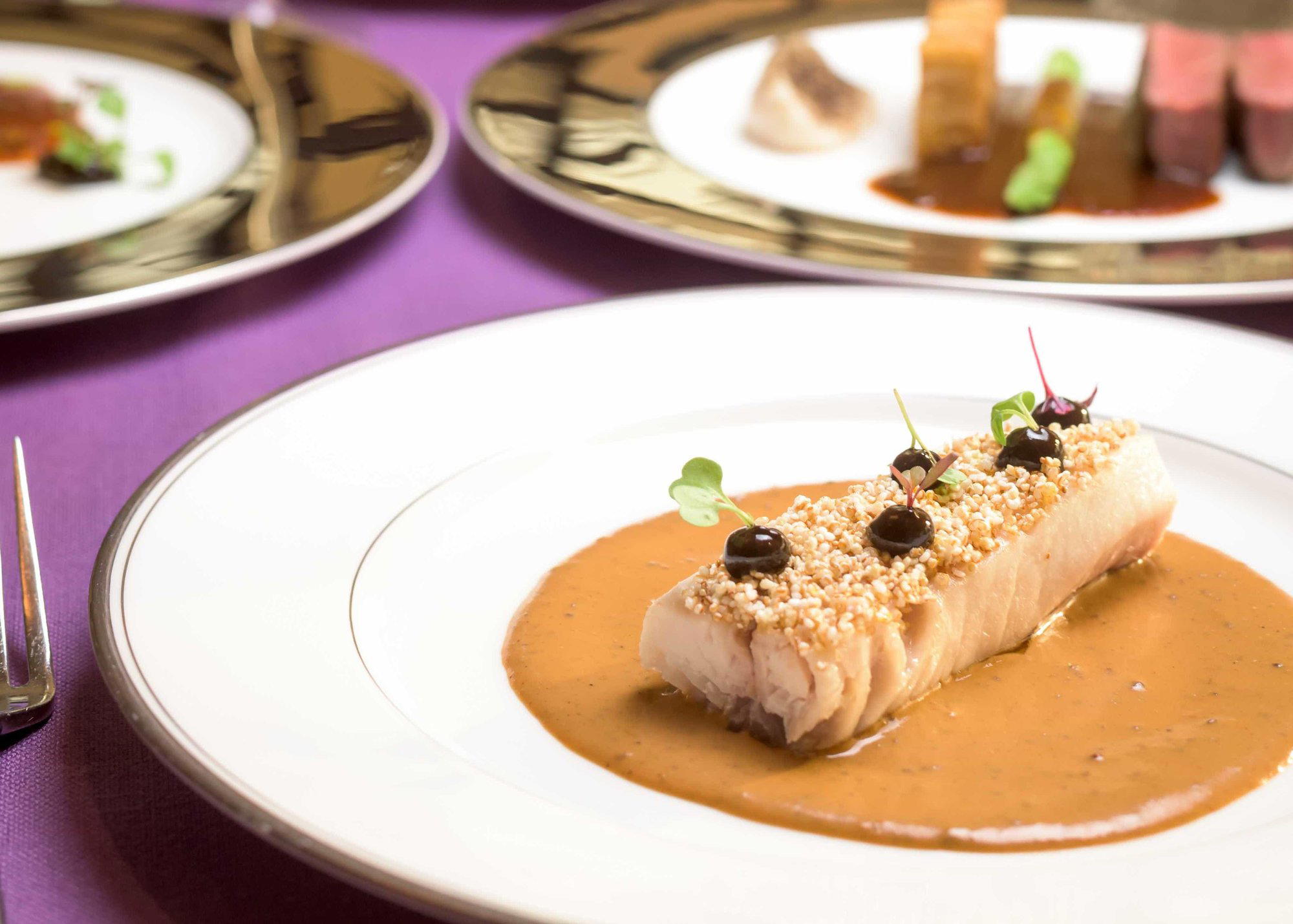
Details
- Elegant
- Sophisticated
- Intimate
- Date Night
- Special Occasion
- Business Dinner
- Rooftop
- Private Dining
- Panoramic View
- Craft Cocktails
- Skyline
- A La Carte
- Small Plates
- Vegetarian Friendly
- Vegan Options
- Gluten Free Options
Current opening hours
- Monday
- 12:30–3 PM, 7–11 PM
- Tuesday
- 12:30–3 PM, 7–11 PM
- Wednesday
- 12:30–3 PM, 7–11 PM
- Thursday
- 12:30–3 PM, 7–11 PM
- Friday
- 12:30–3 PM, 7–11:30 PM
- Saturday
- 12:30–3 PM, 7–11:30 PM
- Sunday
- 12:30–3 PM, 7–11:30 PM
Hours can change for holidays and private events. Last verified .
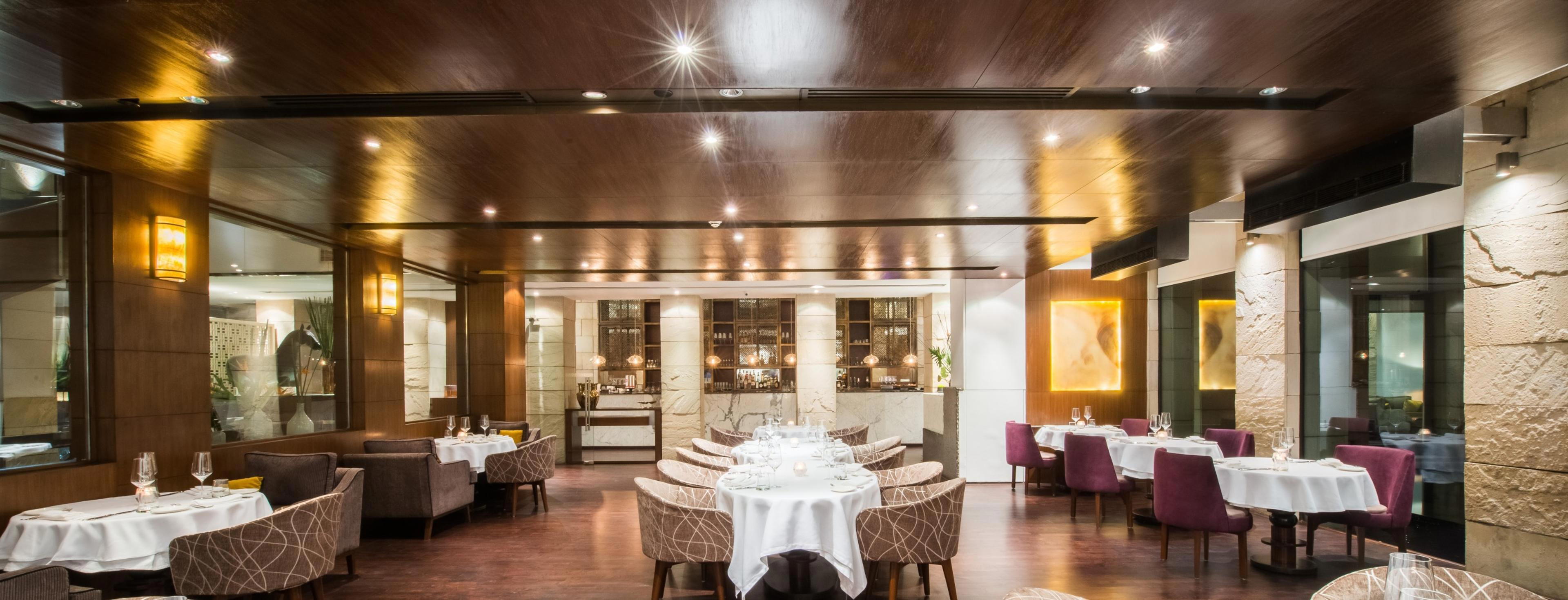
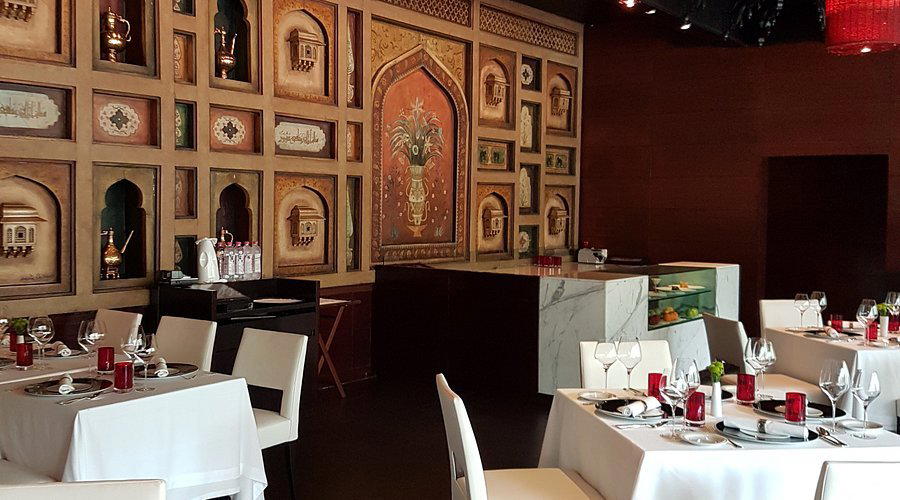
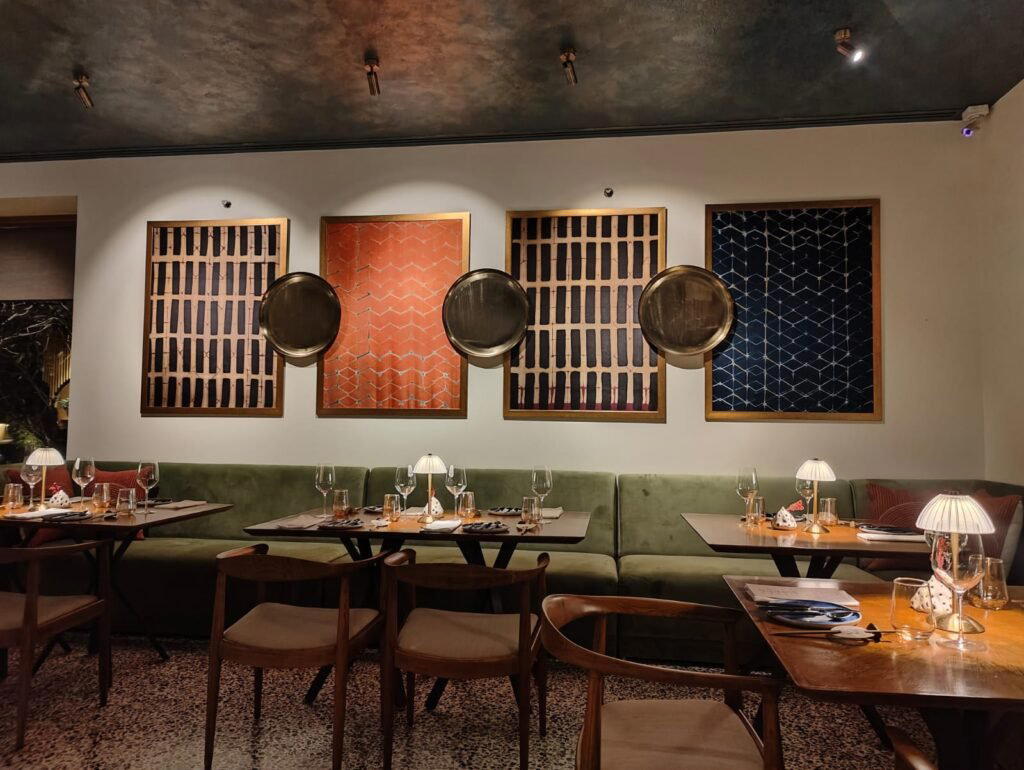
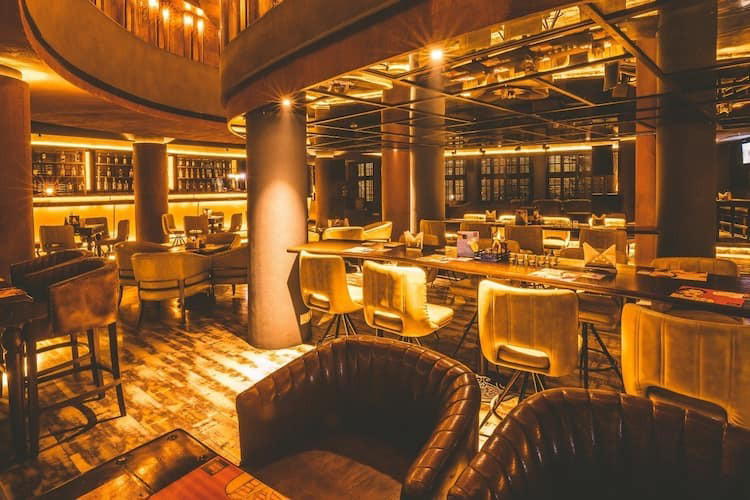
Dim lighting with luxurious Chinese-themed interiors creating an elegant and intimate atmosphere.