Our verdict
A Room with a View, and What That View Means in Delhi The upper floors of The Oberoi on Dr Zakir Hussain Marg have always commanded a specific kind of attention in New Delhi. The building faces the Delhi Golf Club — a sweep of managed green that, in a city of this density, functions as something close to a civic luxury. 360° takes its name from that panorama, and in doing so aligns itself with a strand of Indian hotel dining that treats physical setting as primary argument. This is not incidental. In a city where restaurants like Indian Accent have built their reputation on cooking alone, a rooftop or view-facing room is a deliberate positioning choice: it says the experience is composite, not purely gastronomic. The Oberoi itself sits within the Golf Links neighbourhood, a quieter, tree-lined pocket of South Delhi bounded by embassies and golf-course perimeters. Arriving by car from Connaught Place, you pass through a different register of the city — less commercial, more insulated. That transition matters to how 360° reads. It is not a destination restaurant in the sense that Bukhara or Dum Pukht are destinations, places that draw diners from across the city on the strength of a single culinary tradition. Instead, it occupies the different, equally legitimate role of a hotel restaurant that synthesises setting, service infrastructure, and cooking into a single proposition. Hotel Dining in Delhi: The Case for the Composite Experience Delhi's premium hotel dining scene has evolved considerably since the early 2000s. The city's landmark hotel restaurants, many of them operating for decades inside properties like The Oberoi, The Imperial, and ITC Maurya, built their authority partly through culinary depth and partly through the reliable formality that independent restaurants of that era rarely matched. That calculation has shifted. Independent restaurants now supply formal service and serious wine programmes that were once hotel-only preserves. What the leading hotel restaurants retain is integration: a guest can move from room to dinner to breakfast without re-entering the city's unpredictability. 360° sits inside that integrated model. Its address at The Oberoi positions it within a peer group that includes hotel dining rooms at comparable Delhi properties rather than the independent restaurant circuit represented by Inja or AQUA. For the international traveller staying in-house, the practical logic is clear. For the local diner, the question is whether the setting and service proposition justify the trip south from Lutyens' Delhi or east from South Extension. The Cultural Weight of the Hotel Restaurant in India To understand why a restaurant like 360° exists in the form it does, it helps to understand the specific role the five-star hotel played in Indian dining culture from the 1970s onward. For several decades, the grand hotel restaurant was the primary arena for formal dining in Indian cities. It was where regional cuisines were codified for urban and international audiences, where Dal Makhani was refined into a dish that could be served to a foreign dignitary, where kebab traditions from Lucknow and the Northwest Frontier were presented in a room with air conditioning and silver service. Restaurants like Bukhara at ITC Maurya and Dum Pukht at ITC Maurya became reference points not just for Delhi dining but for how Indian food communicated ambition and hospitality on a national scale. That history creates both an inheritance and a constraint for any hotel restaurant operating today. The expectation of formal ceremony, attentive service ratios, and a room designed to signal occasion is embedded in the genre. Across India, the conversation about where the country's most considered cooking now lives has grown more complicated: Farmlore in Bangalore and Naar in Kasauli represent a newer strand of destination dining that operates entirely outside the hotel infrastructure, as does The Table in Mumbai. Even within the hotel sector itself, the more progressive rooms have moved toward acknowledging hyperlocal sourcing and regional specificity rather than presenting a unified, accessible version of Indian cuisine. 360° at The Oberoi carries the weight of the Oberoi Group's long-standing reputation for hospitality execution. That reputation is built on consistency and service depth rather than culinary experimentation, and it places the restaurant in a specific tier: premium, reliable, occasion-appropriate, with a physical setting that few independent restaurants in the city can replicate. Planning Your Visit The Oberoi sits at Dr Zakir Hussain Marg in the Golf Links area, accessible from the broader Lodhi Road and Khan Market corridor. Guests staying in-house have the most direct access; visitors arriving independently should account for South Delhi's evening traffic, which can extend journey times from central and north Delhi considerably. The hotel's position adjacent to the Delhi Golf Club means the surrounding streets are quieter than the commercial arteries nearby, and arrival by car remains the most practical option. For those exploring the wider New Delhi dining scene, the EP Club's full New Delhi restaurants guide maps the city's key tables across neighbourhoods and price points. For comparison across India's broader premium dining geography, the range runs from neighbourhood specialists like Beera Chicken House in Amritsar to regional hotel dining at properties such as Esphahan in Agra and Suryamahal in Udaipur. Each occupies a different point on the spectrum between local specificity and full-service occasion dining. At the international end of the spectrum, the model of a landmark hotel room with serious culinary ambition finds its clearest expression in restaurants like Le Bernardin in New York City, where decades of consistency have produced a different kind of authority. Lazy Bear in San Francisco represents the opposite pole: chef-driven, format-experimental, hotel-free. Within India's own developing scene, newer entrants like 5868 Restaurant in Gandhinagar and Harvest Kitchen Somnath in Veraval signal how far fine-dining ambition has spread beyond the metro centres, making the established Delhi hotel room a reference point rather than the only option for serious dining in the country. Frequently Asked Questions Is 360° child-friendly?The Oberoi's service culture is oriented toward formal occasions, which means the room operates at a pace and register suited to adult dining. That said, a five-star hotel infrastructure typically accommodates families with young children more readily than an intimate independent restaurant would. If the priority is a relaxed family meal in Delhi, there are more casual options in Khan Market and the surrounding neighbourhood; if the purpose is a special-occasion dinner for older children who are comfortable in formal dining settings, the environment is appropriate. Pricing at Oberoi-tier properties in Delhi generally positions the meal as a deliberate choice rather than an everyday outing.How would you describe the vibe at 360°?Composed and occasion-oriented. The room reads as a Delhi hotel dining room in the classic register: attentive service, a setting designed to signal occasion rather than informality, and a guest mix that skews toward business travellers, special celebrations, and visitors staying in-house at The Oberoi. Delhi's independent restaurant scene has generated more experimental and casual energy in recent years, but 360° operates in the tier where reliability and setting are the primary draw. It is not a place that competes with the city's newer destination tables on culinary novelty; it competes on the integration of view, service, and occasion-appropriate formality.What's the signature dish at 360°?No specific dish can be confirmed from available data. For diners whose priority is a specific culinary tradition, the city offers more defined reference points: Bukhara for North Indian tandoor cooking, Dum Pukht for slow-cooked Awadhi cuisine, and Indian Accent for a contemporary reinterpretation of the subcontinent's regional repertoire.Is 360° at The Oberoi New Delhi the same as the 360° restaurant concept found in other Oberoi properties?The Oberoi Group has used the 360° name at multiple properties across India, typically to denote an all-day dining or panoramic-view restaurant that anchors the hotel's food and beverage offering. The New Delhi iteration at Dr Zakir Hussain Marg shares that group-wide positioning, which means it functions as the property's main dining room rather than a specialist culinary concept. Guests familiar with the format at other Oberoi addresses will recognise the service approach and room register, though each property's physical setting differs. For a more narrowly defined culinary experience in Delhi, the independent restaurant circuit, Indian Accent, Inja, or the ITC Maurya's legacy tables, provides a different kind of specificity.

Pearl is the En Primeur Club membership app — saves, bookings, and concierge access live there. Same editors, same standards.
- Address
- The Oberoi, Dr Zakir Hussain Marg, Delhi Golf Club, Golf Links, New Delhi, Delhi 110003, India
- Phone
- +91 11 2430 4370
- Hours
- Daily 6:30 AM–1 AM
- Website
- oberoihotels.com
- Directions
- Get directions
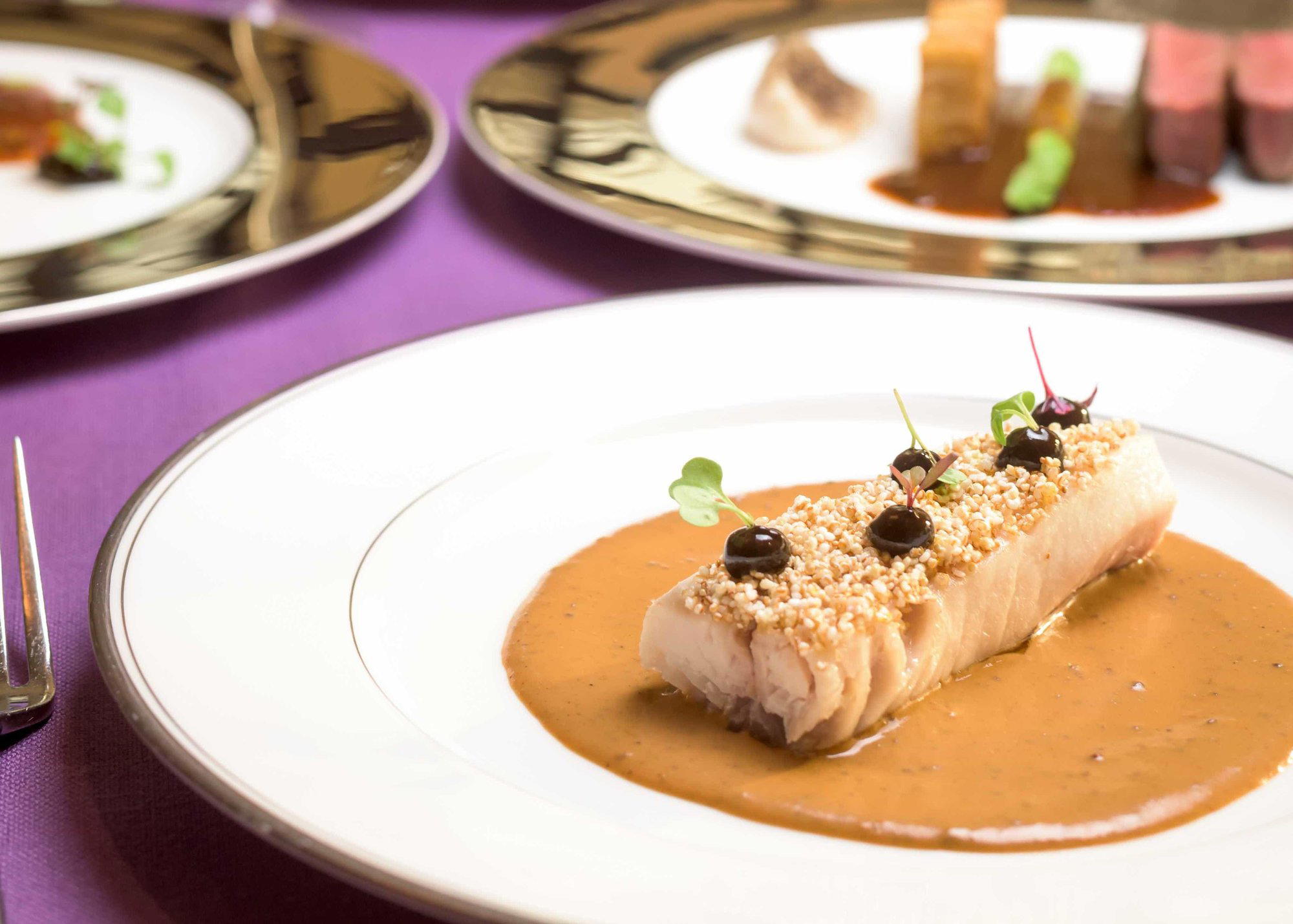
The menu
What to order
- Signature Black Cod
- Seven Samurai Sushi
A Room with a View, and What That View Means in Delhi
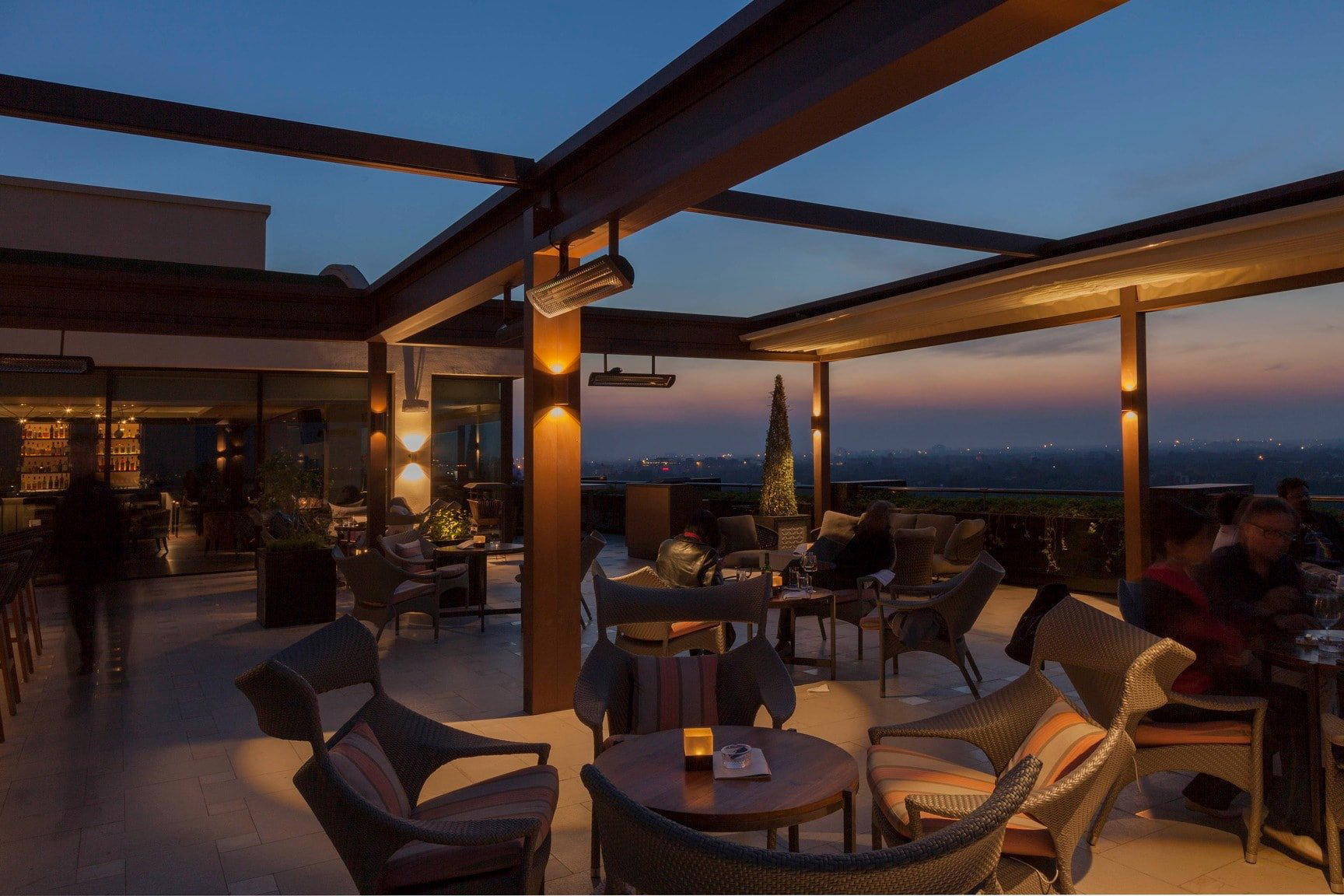
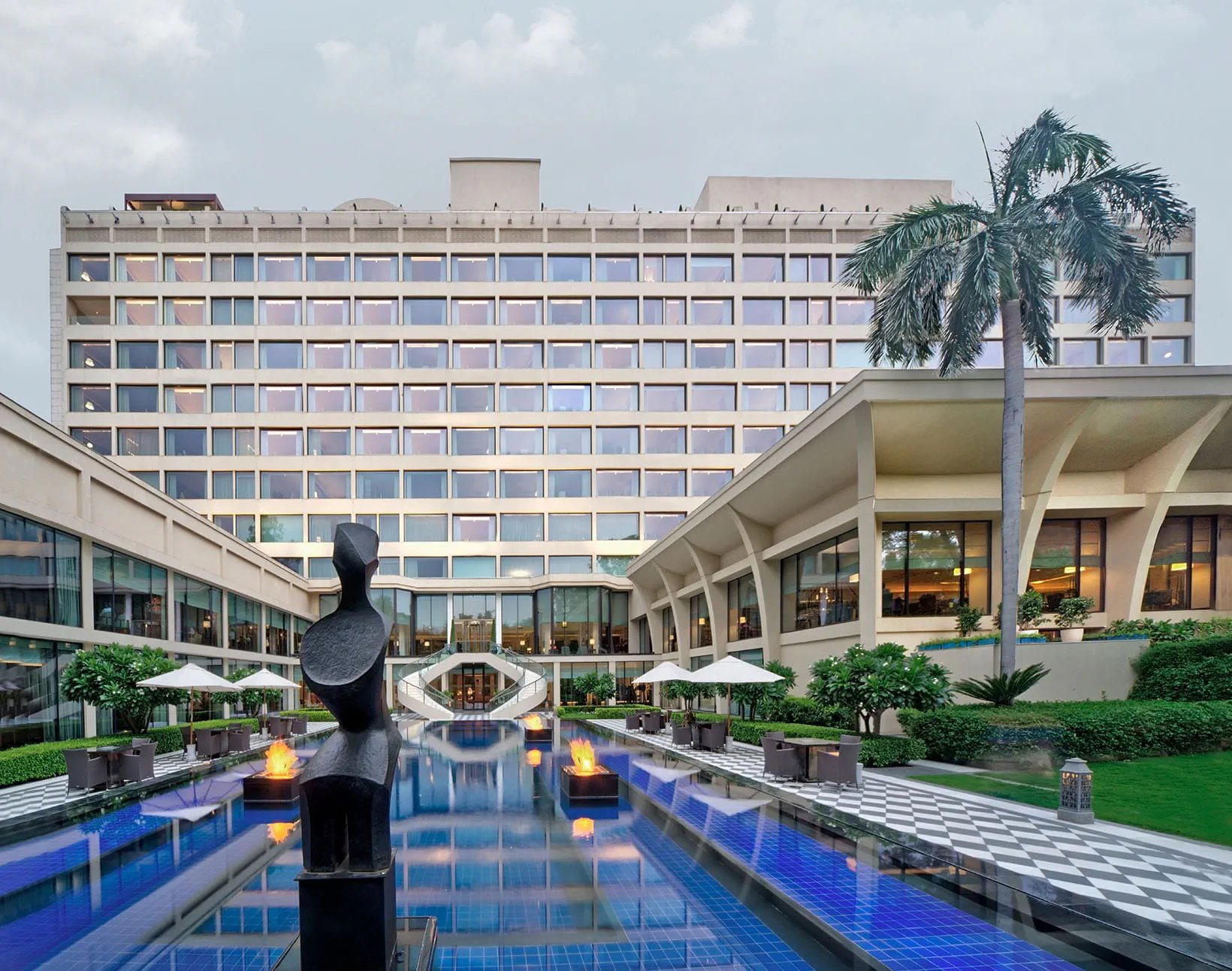
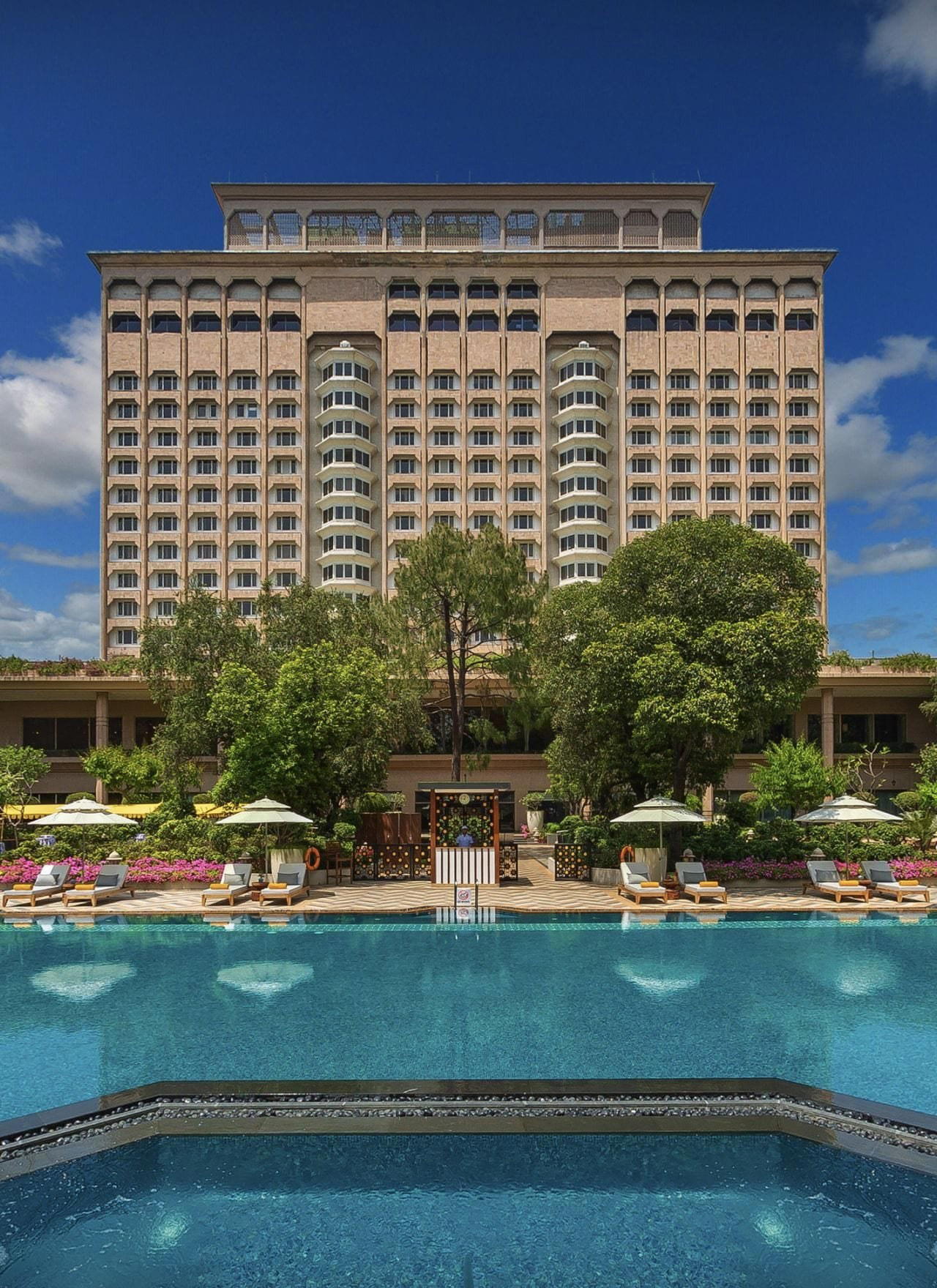
The upper floors of The Oberoi on Dr Zakir Hussain Marg have always commanded a specific kind of attention in New Delhi. The building faces the Delhi Golf Club — a sweep of managed green that, in a city of this density, functions as something close to a civic luxury. 360° takes its name from that panorama, and in doing so aligns itself with a strand of Indian hotel dining that treats physical setting as primary argument. This is not incidental. In a city where restaurants like Indian Accent have built their reputation on cooking alone, a rooftop or view-facing room is a deliberate positioning choice: it says the experience is composite, not purely gastronomic.
The Oberoi itself sits within the Golf Links neighbourhood, a quieter, tree-lined pocket of South Delhi bounded by embassies and golf-course perimeters. Arriving by car from Connaught Place, you pass through a different register of the city — less commercial, more insulated. That transition matters to how 360° reads. It is not a destination restaurant in the sense that Bukhara or Dum Pukht are destinations, places that draw diners from across the city on the strength of a single culinary tradition. Instead, it occupies the different, equally legitimate role of a hotel restaurant that synthesises setting, service infrastructure, and cooking into a single proposition.
Hotel Dining in Delhi: The Case for the Composite Experience
Delhi's premium hotel dining scene has evolved considerably since the early 2000s. The city's landmark hotel restaurants, many of them operating for decades inside properties like The Oberoi, The Imperial, and ITC Maurya, built their authority partly through culinary depth and partly through the reliable formality that independent restaurants of that era rarely matched. That calculation has shifted. Independent restaurants now supply formal service and serious wine programmes that were once hotel-only preserves. What the leading hotel restaurants retain is integration: a guest can move from room to dinner to breakfast without re-entering the city's unpredictability.
360° sits inside that integrated model. Its address at The Oberoi positions it within a peer group that includes hotel dining rooms at comparable Delhi properties rather than the independent restaurant circuit represented by Inja or AQUA. For the international traveller staying in-house, the practical logic is clear. For the local diner, the question is whether the setting and service proposition justify the trip south from Lutyens' Delhi or east from South Extension.
The Cultural Weight of the Hotel Restaurant in India
To understand why a restaurant like 360° exists in the form it does, it helps to understand the specific role the five-star hotel played in Indian dining culture from the 1970s onward. For several decades, the grand hotel restaurant was the primary arena for formal dining in Indian cities. It was where regional cuisines were codified for urban and international audiences, where Dal Makhani was refined into a dish that could be served to a foreign dignitary, where kebab traditions from Lucknow and the Northwest Frontier were presented in a room with air conditioning and silver service. Restaurants like Bukhara at ITC Maurya and Dum Pukht at ITC Maurya became reference points not just for Delhi dining but for how Indian food communicated ambition and hospitality on a national scale.
That history creates both an inheritance and a constraint for any hotel restaurant operating today. The expectation of formal ceremony, attentive service ratios, and a room designed to signal occasion is embedded in the genre. Across India, the conversation about where the country's most considered cooking now lives has grown more complicated: Farmlore in Bangalore and Naar in Kasauli represent a newer strand of destination dining that operates entirely outside the hotel infrastructure, as does The Table in Mumbai. Even within the hotel sector itself, the more progressive rooms have moved toward acknowledging hyperlocal sourcing and regional specificity rather than presenting a unified, accessible version of Indian cuisine.
360° at The Oberoi carries the weight of the Oberoi Group's long-standing reputation for hospitality execution. That reputation is built on consistency and service depth rather than culinary experimentation, and it places the restaurant in a specific tier: premium, reliable, occasion-appropriate, with a physical setting that few independent restaurants in the city can replicate.
Planning Your Visit
The Oberoi sits at Dr Zakir Hussain Marg in the Golf Links area, accessible from the broader Lodhi Road and Khan Market corridor. Guests staying in-house have the most direct access; visitors arriving independently should account for South Delhi's evening traffic, which can extend journey times from central and north Delhi considerably. The hotel's position adjacent to the Delhi Golf Club means the surrounding streets are quieter than the commercial arteries nearby, and arrival by car remains the most practical option. For those exploring the wider New Delhi dining scene, the EP Club's full New Delhi restaurants guide maps the city's key tables across neighbourhoods and price points.
For comparison across India's broader premium dining geography, the range runs from neighbourhood specialists like Beera Chicken House in Amritsar to regional hotel dining at properties such as Esphahan in Agra and Suryamahal in Udaipur. Each occupies a different point on the spectrum between local specificity and full-service occasion dining. At the international end of the spectrum, the model of a landmark hotel room with serious culinary ambition finds its clearest expression in restaurants like Le Bernardin in New York City, where decades of consistency have produced a different kind of authority. Lazy Bear in San Francisco represents the opposite pole: chef-driven, format-experimental, hotel-free.
Within India's own developing scene, newer entrants like 5868 Restaurant in Gandhinagar and Harvest Kitchen Somnath in Veraval signal how far fine-dining ambition has spread beyond the metro centres, making the established Delhi hotel room a reference point rather than the only option for serious dining in the country.
Frequently asked questions
Is 360° child-friendly?
How would you describe the vibe at 360°?
What's the signature dish at 360°?
Is 360° at The Oberoi New Delhi the same as the 360° restaurant concept found in other Oberoi properties?
Continue exploring
More in New Delhi
Restaurants in New Delhi
Browse all →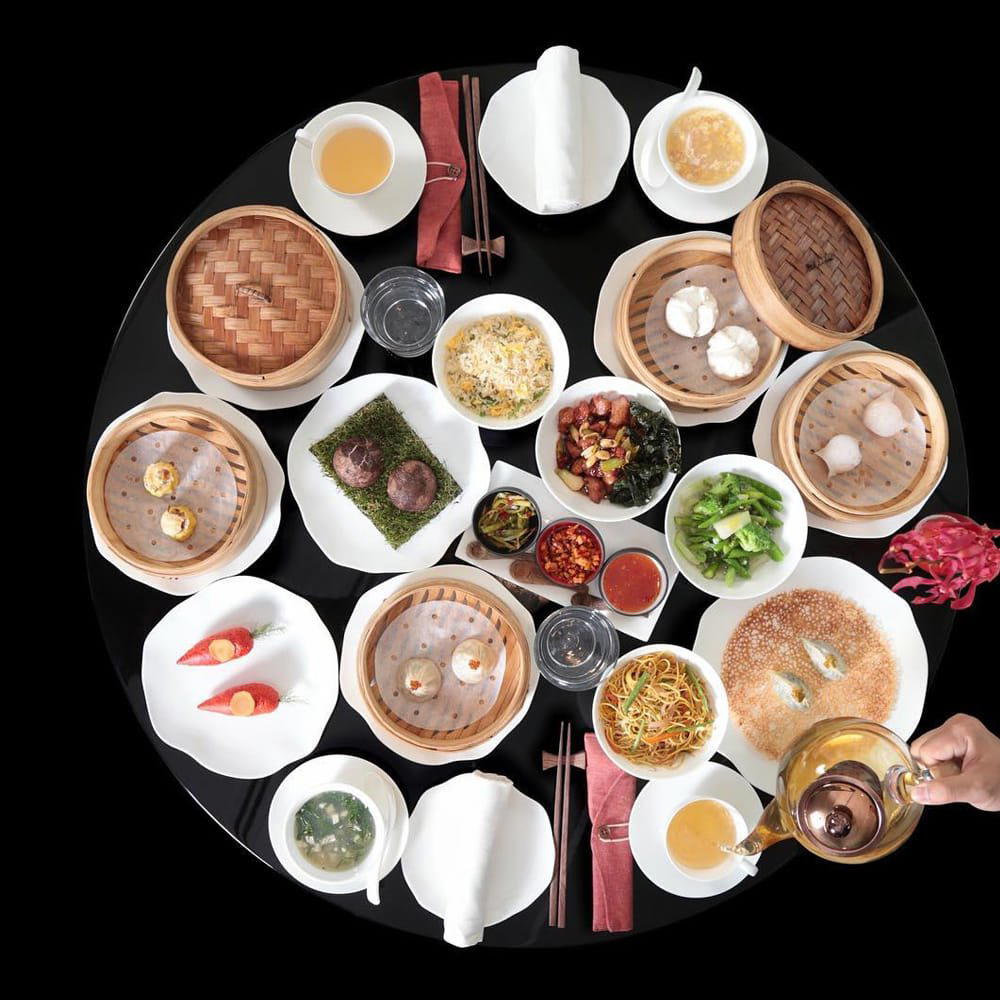
Details
- Elegant
- Sophisticated
- Modern
- Business Dinner
- Family
- Brunch
- Special Occasion
- Hotel Restaurant
- Open Kitchen
- Private Dining
- Extensive Wine List
- Craft Cocktails
- A La Carte
- Buffet
- Fine Wine
- Cocktails
- Vegetarian Friendly
- Vegan Options
- Gluten Free Options
Current opening hours
- Monday
- 6:30 AM–1 AM
- Tuesday
- 6:30 AM–1 AM
- Wednesday
- 6:30 AM–1 AM
- Thursday
- 6:30 AM–1 AM
- Friday
- 6:30 AM–1 AM
- Saturday
- 6:30 AM–1 AM
- Sunday
- 6:30 AM–1 AM
Hours can change for holidays and private events. Last verified .
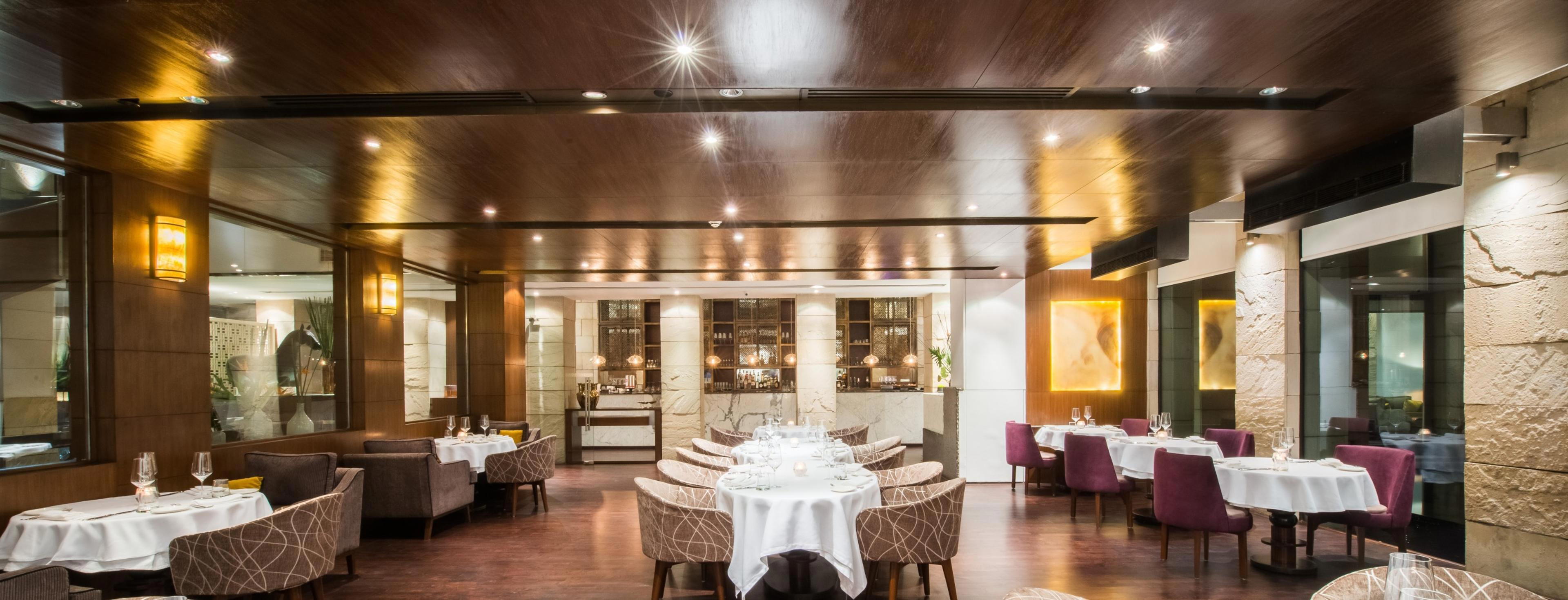
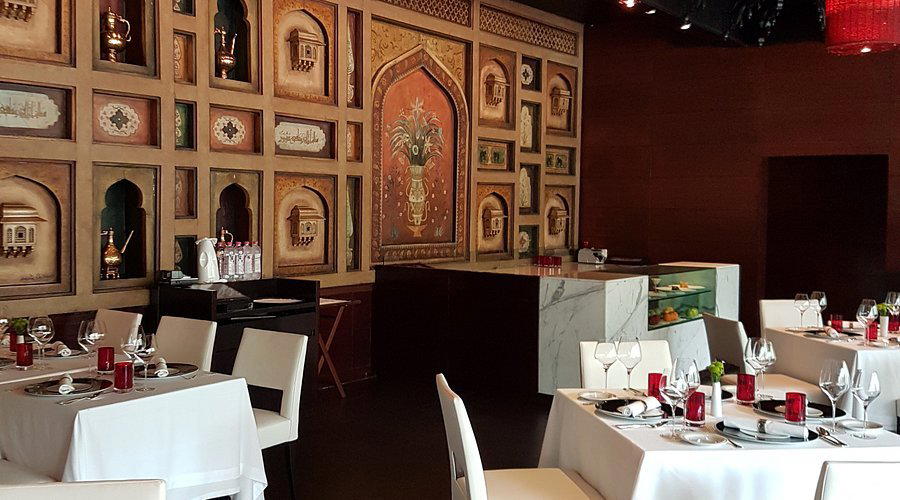
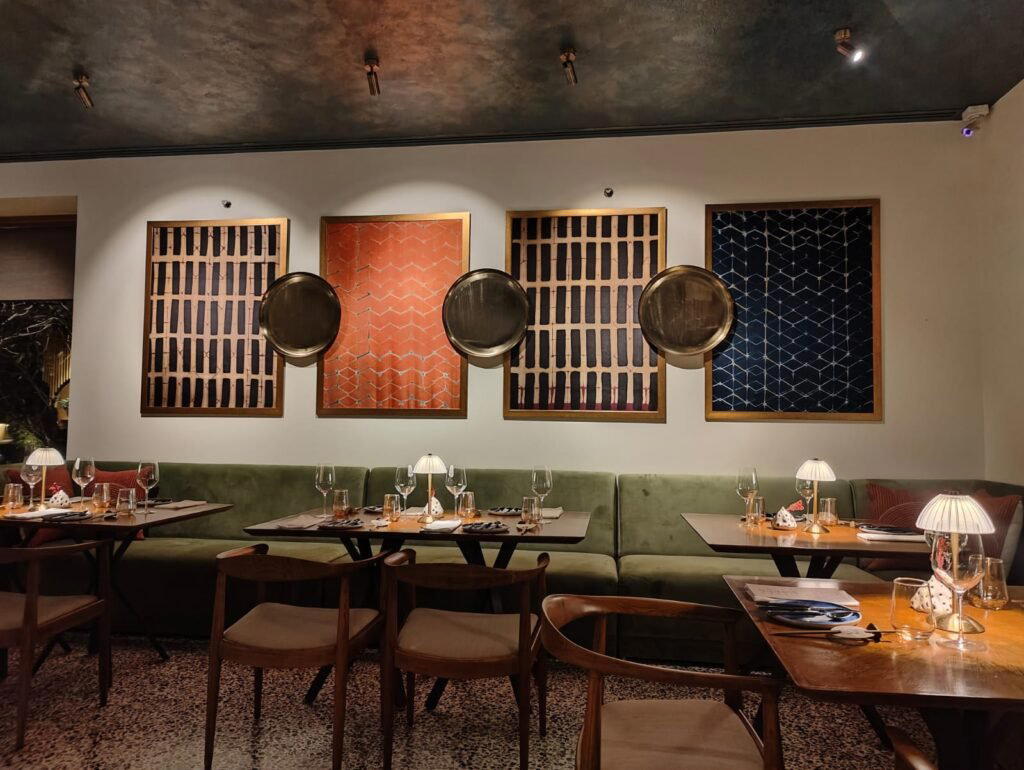
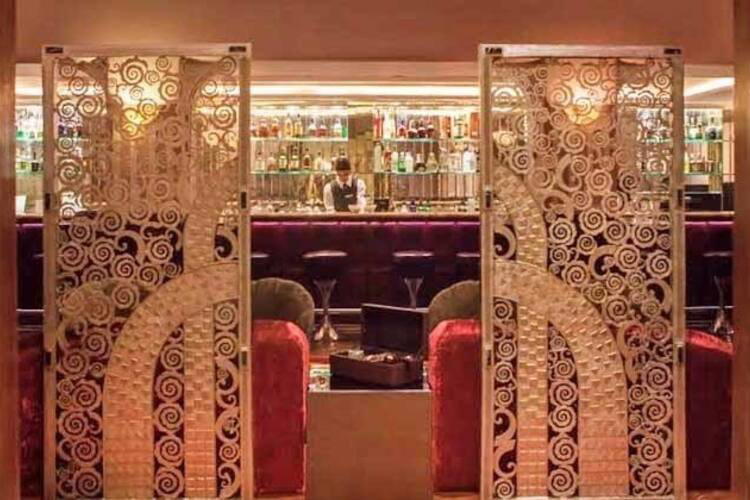
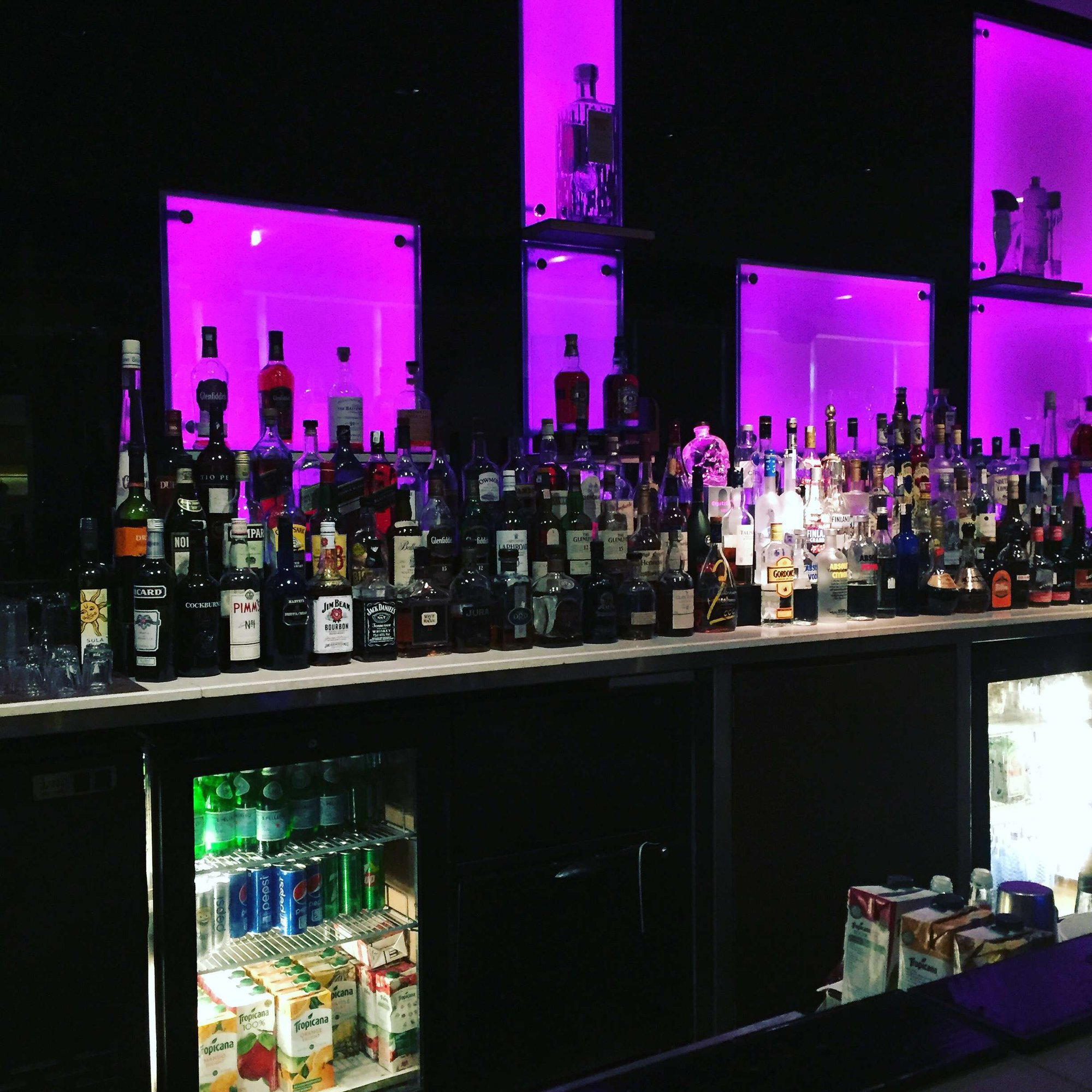
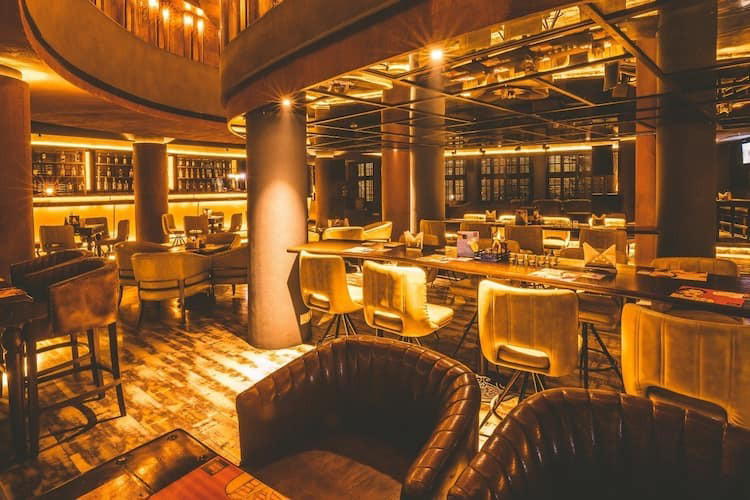
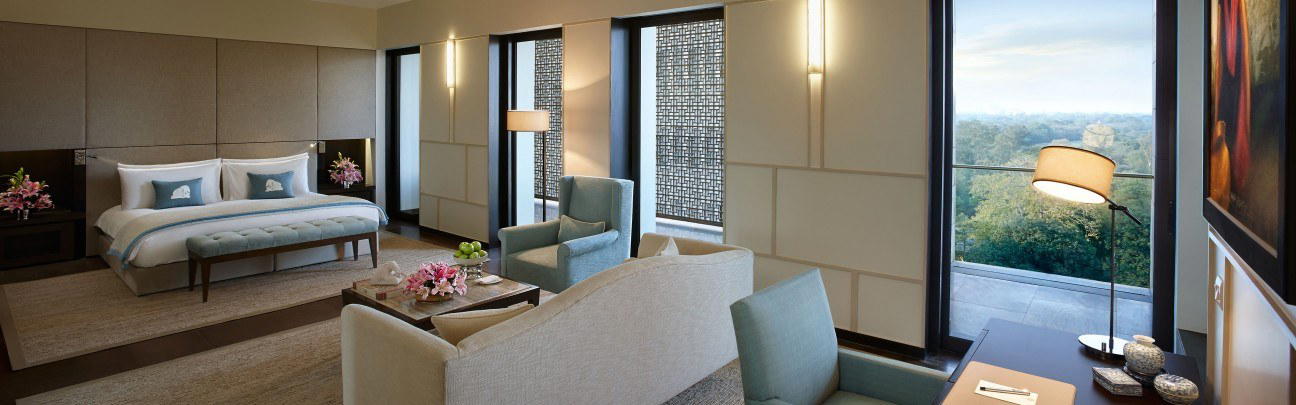
Sophisticated drawing room-like atmosphere with elegant design blending warmth and luxury, well-suited for Delhi's elite.