Set in the village of Barolo, Locanda in Cannubi sits at the intersection of Langhe dining tradition and the territory's most celebrated vineyard geography. The address alone, referencing Cannubi, one of Piedmont's most storied single-vineyard sites, positions it within a specific conversation about provenance and place. For visitors making the pilgrimage to Barolo's wine country, it warrants serious consideration alongside the area's broader dining circuit.
Pearl is the En Primeur Club membership app — saves, bookings, and concierge access live there. Same editors, same standards.
- Address
- Via Crosia, 14, 12060 Barolo CN, Italy
- Phone
- +393917356294
- Website
- locandaincannubi.it
- Directions
- Get directions
 Saves & bookings on Pearl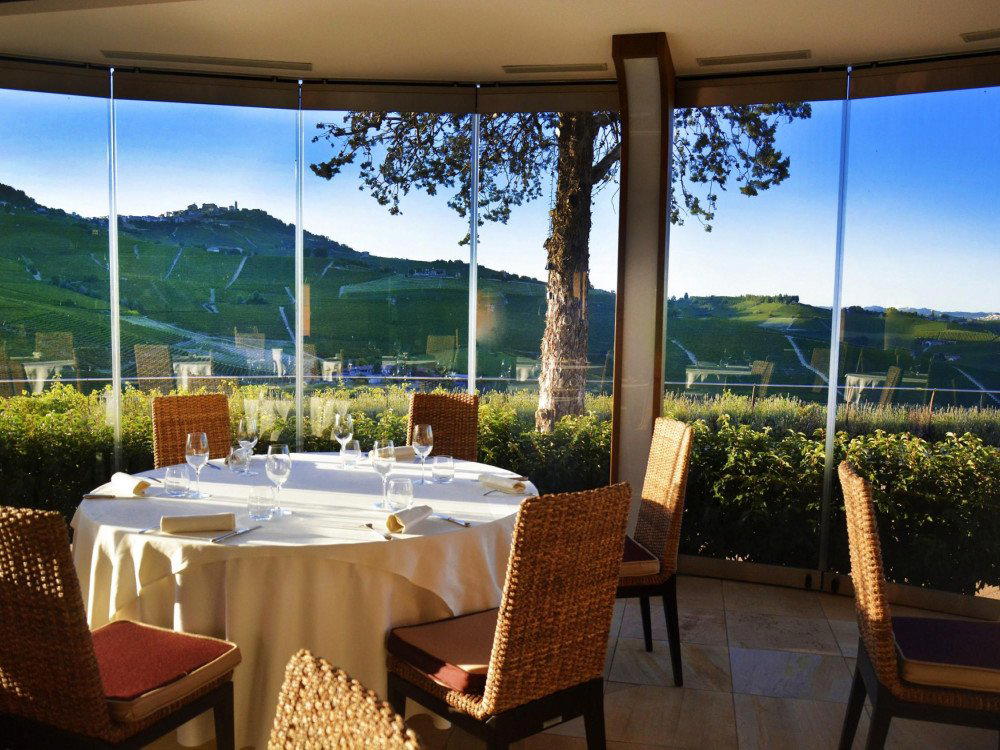
Where the Vineyard Meets the Table
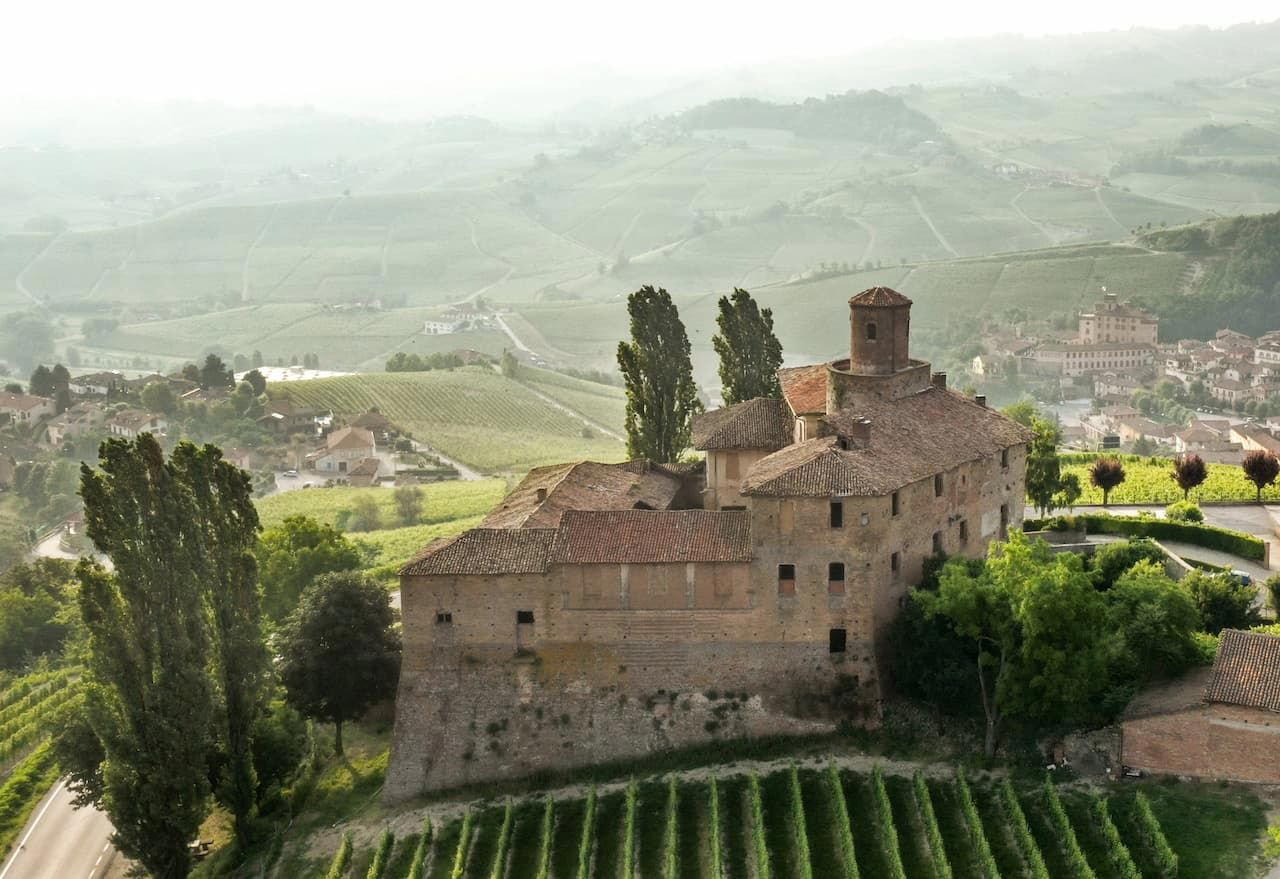
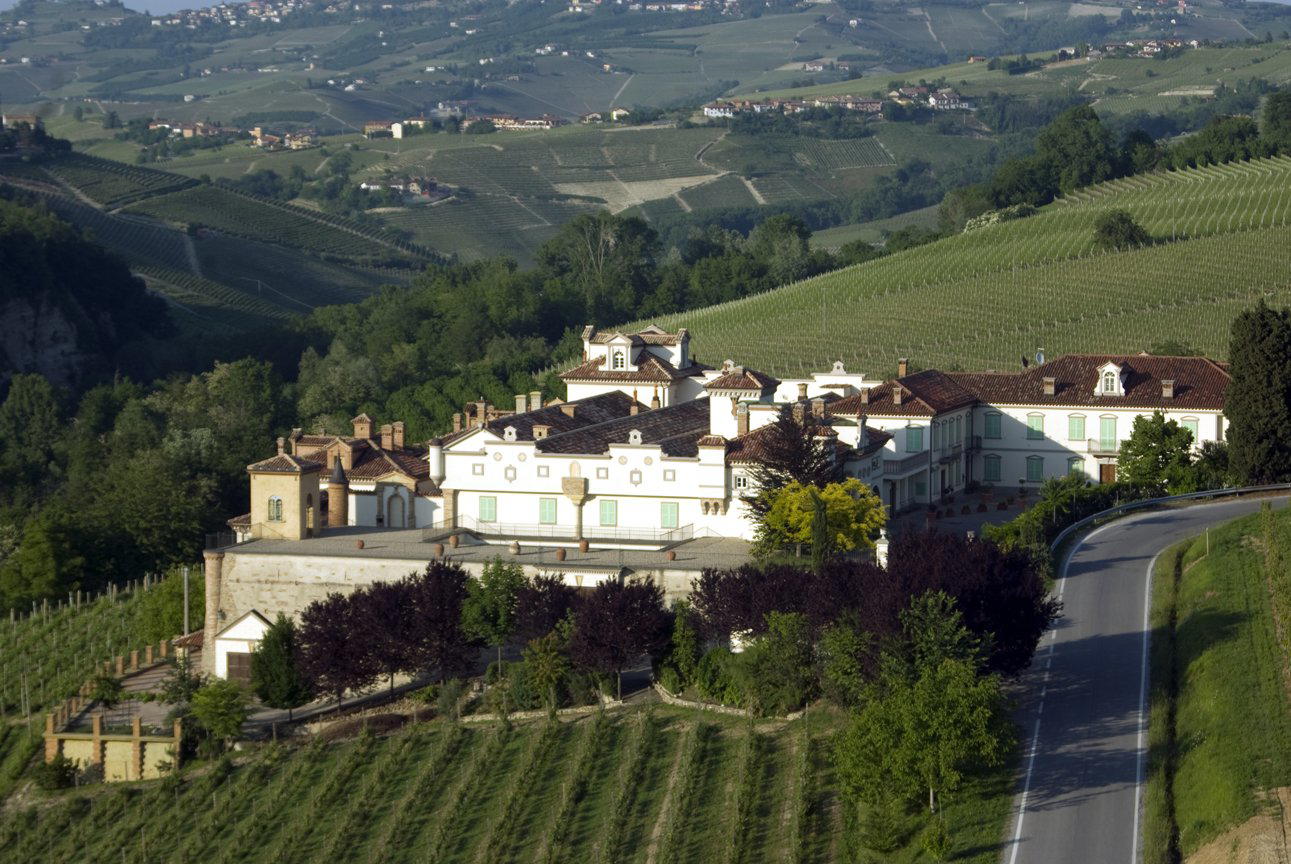
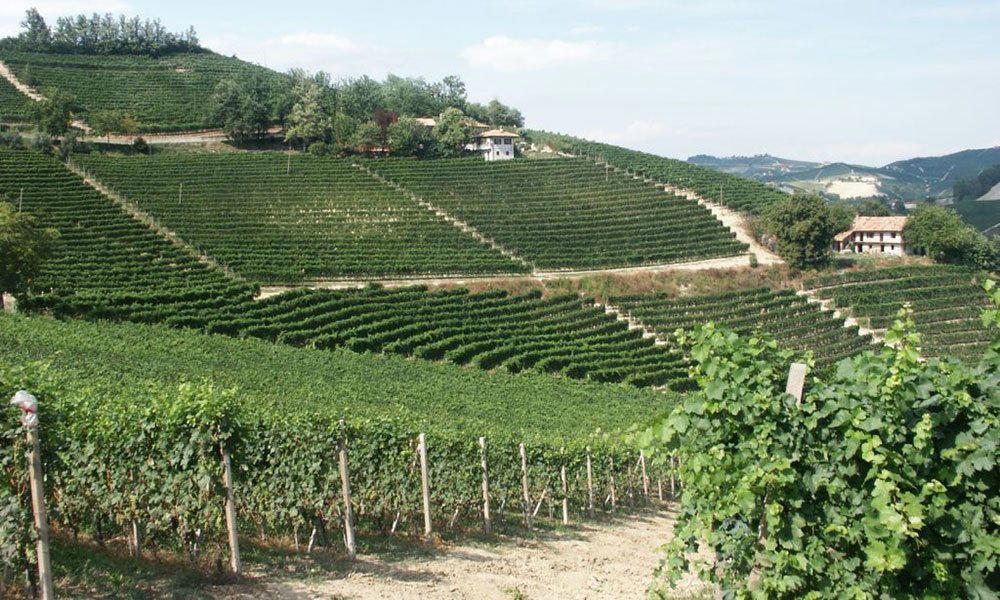
The village of Barolo contains fewer than 700 residents, yet draws visitors from across the world who come specifically to understand one wine. What has followed, inevitably, is a dining culture shaped almost entirely by that gravitational pull, restaurants whose identity is inseparable from the land surrounding them. In this context, the address of Locanda in Cannubi carries weight before a single plate arrives. Via Crosia 14 places it within one of Barolo's most concentrated zones of fine dining and, crucially, adjacent to Cannubi, a cru whose reputation in Italian wine geography rivals that of any named vineyard site in the country.
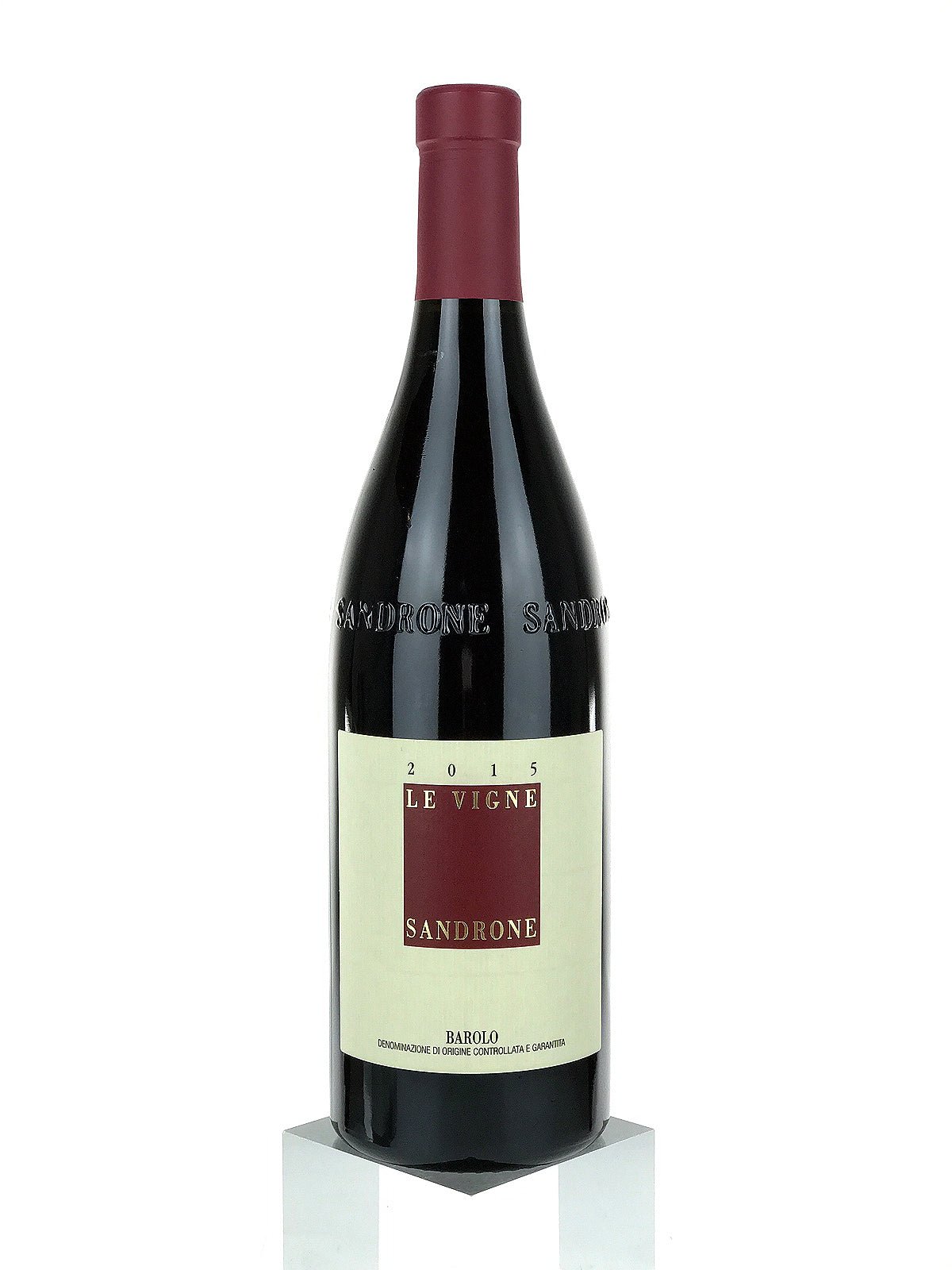
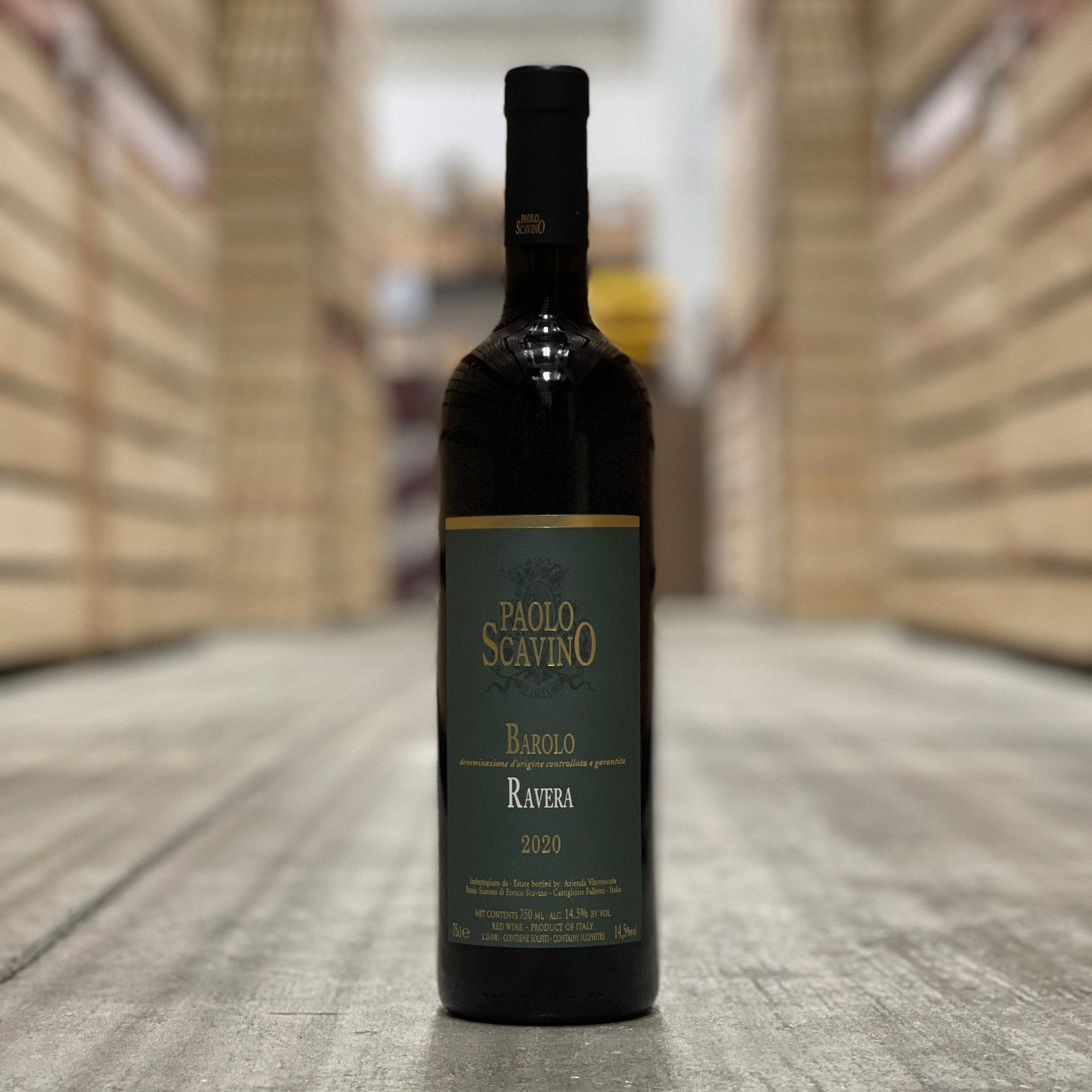
Cannubi has appeared on Barolo labels for centuries, predating the formal classification systems that other wine regions would later impose. Dining in its shadow, as it were, sets a particular expectation: that the kitchen takes its relationship with the surrounding land as seriously as the producers whose vines frame the view. In Piedmont more broadly, that relationship has defined the region's restaurant culture, from Piazza Duomo in Alba, where hyper-local sourcing anchors a three-Michelin-star tasting menu, to village trattorie where the same logic operates at a fraction of the price point.
The Sourcing Logic of Langhe Kitchens
Piedmontese cuisine is among the more ingredient-governed in Italy. The white truffle from Alba, Fassona beef from local farms, hazelnuts from the Langhe hills, Castelmagno cheese from the high valleys, these are not garnishes or accent notes but structural elements of the cooking tradition. A kitchen operating in Barolo village has direct access to some of Italy's most sought-after raw materials, and the region's culinary identity is built on treating that access as a responsibility rather than a marketing posture.
This is what separates the better Langhe restaurants from those trading on location alone. The discipline shows in how seasonal the menus must be: white truffle season runs from October through December, and during those months the entire regional dining circuit recalibrates. Outside that window, spring's tender vegetables, summer's stone fruits, and autumn's mushroom harvest each demand equivalent attention. A restaurant on or near Cannubi that understands this rhythm operates quite differently from destination kitchens in Italy's larger cities, venues like Enrico Bartolini in Milan or Enoteca Pinchiorri in Florence, which sit in urban markets and must source outward rather than inward.
For comparison, consider how the territory-first sourcing model plays out at the higher end of the Italian spectrum. Atelier Moessmer Norbert Niederkofler in Brunico has built its entire format around Alpine sourcing exclusivity, and Dal Pescatore in Runate maintains its identity through decades of relationship-based, regional procurement. The underlying argument is the same: a kitchen's geography should be legible on the plate. In Barolo, that legibility is almost non-negotiable.
The Village Dining Circuit
Barolo's restaurant options divide roughly between those oriented toward the wine-tourism visitor, focused on pairing menus and cellar lists, and those serving a more locally-grounded audience where the food holds equal claim. The village is compact enough that proximity matters: a short walk from one end to the other can cover the full range of what's available. Ristorante Brezza represents one anchor point in that circuit, with an established presence and a cellar that reflects serious local engagement.
Locanda in Cannubi, positioned on Via Crosia, occupies a quieter section of the village relative to the main piazza cluster. That physical remove from the tourist concentration can work in either direction: it filters toward guests who are specifically seeking it out, which in a village this size tends to mean a more deliberate, less transient crowd. The locanda format, somewhere between an inn and a restaurant, with the implied suggestion of slower, more sustained hospitality, signals an intention toward that kind of visitor.
For those building a broader Piedmont itinerary, the regional dining context extends outward to Alba (approximately 10 kilometres north), where the density of serious restaurants increases considerably, and further into Italy's fine dining circuit through venues like Osteria Francescana in Modena and Le Calandre in Rubano. These are reference points for understanding where Barolo village dining sits in the national hierarchy: specialist and territory-specific rather than competitive on a pan-Italian scale, which is not a diminishment but a clarification of purpose.
Planning a Visit
Barolo village is most practically reached by car from Turin (roughly 60 kilometres southeast) or from Alba (approximately 10 kilometres). Public transport connections to the village are limited, making a hire car the default for most international visitors. The Langhe harvest period, running from mid-September through October, brings the highest volume of wine-focused visitors to the area, and accommodation and restaurant reservations during that window require forward planning measured in months rather than weeks. The white truffle season overlaps with this period, compressing demand further.
Dining in the village more broadly tends toward set menus or limited-choice formats that shift with the season, and the expectation in Langhe kitchens is generally that guests arrive with time, not against a clock.
Those extending their Italian dining circuit beyond Piedmont will find useful calibration points in Villa Crespi in Orta San Giulio, Casa Perbellini 12 Apostoli in Verona, and Da Vittorio in Brusaporto, each of which operates within a regional sourcing logic comparable to Piedmont's, albeit in different gustatory registers. For those whose reference points sit further afield, the precision-focused tasting menus at Le Bernardin in New York City or the structured progression of Atomix in New York City offer a sense of how seriously territorial dining is taken at the upper end of the global spectrum, and why a small restaurant in a vineyard village can sustain the same level of attention.
Additional reference points for Piedmontese coastal contrast include Uliassi in Senigallia, Reale in Castel di Sangro, and Quattro Passi in Marina del Cantone, each illuminating, by contrast, how far inland sourcing logic diverges from coastal Italian cooking.
Comparable Venues
Comparable venues nearby, for context on price, style, and recognition.
| Venue | Cuisine | Price | Notes |
|---|---|---|---|
| Locanda in CannubiThis venue — the venue you are viewing | Traditional Langhe Italian | $$$ | Not listed |
| Ristorante Brezza | Traditional Piedmontese | $$$ | Barolo |
| Antica Trattoria Belletti | Traditional Emilian Trattoria | $$$ | Montepastore |
| Renzo | Contemporary Italian | $$$ | Cadenabbia di Griante |
| FIVE | Contemporary Italian Mediterranean | $$$ | Porta Venezia |
Continue exploring
More in Barolo
Restaurants in Barolo
Browse all →
Bars in Barolo
Browse all →
Hotels in Barolo
Browse all →
At a Glance
- Romantic
- Elegant
- Rustic
- Scenic
- Intimate
- Sophisticated
- Date Night
- Special Occasion
- Historic Building
- Panoramic View
- Extensive Wine List
- Local Sourcing
- Vineyard
- Mountain
Current opening hours
- Monday
- 12:30–2 PM, 7:30–9:30 PM
- Tuesday
- 12:30–2 PM
- Wednesday
- Closed
- Thursday
- 12:30–2 PM, 7:30–9:30 PM
- Friday
- 12:30–2 PM, 7:30–9:30 PM
- Saturday
- 12:30–2 PM, 7:30–9:30 PM
- Sunday
- 12:30–2 PM
Hours can change for holidays and private events. Last verified .
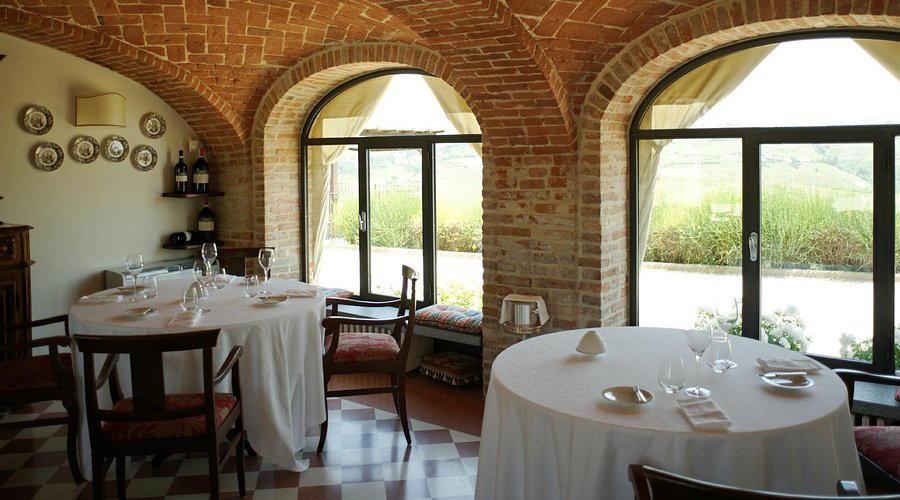
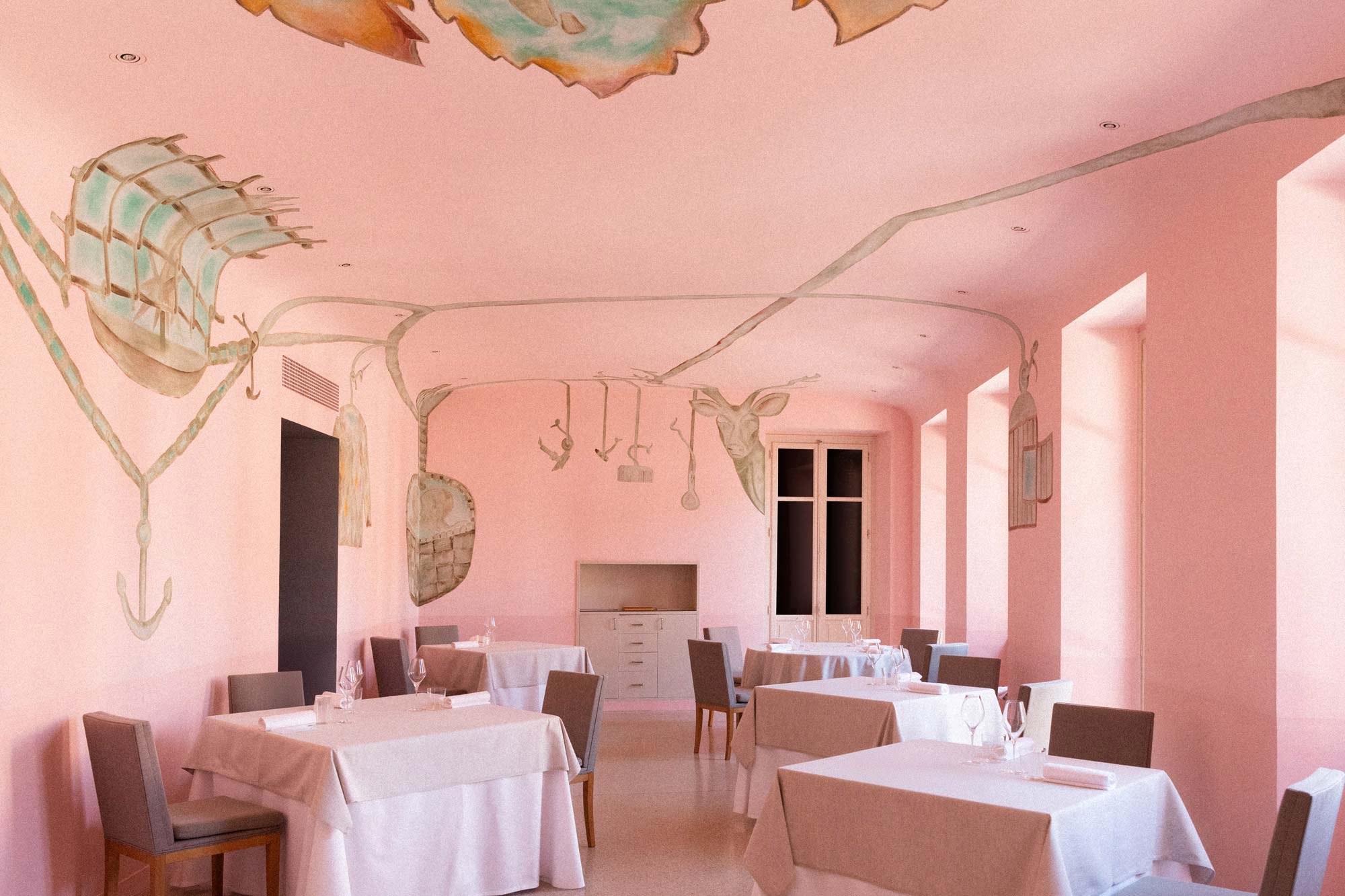
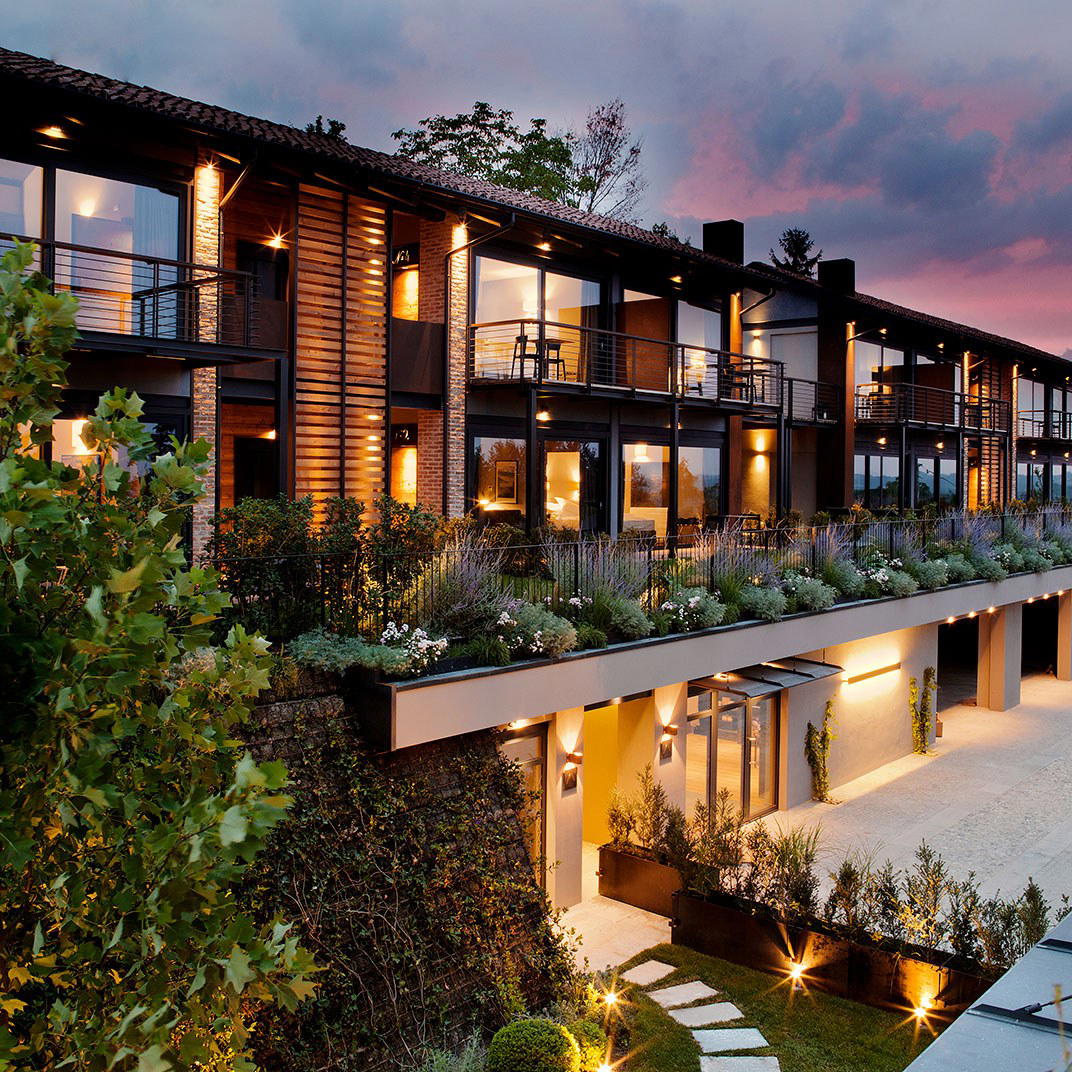
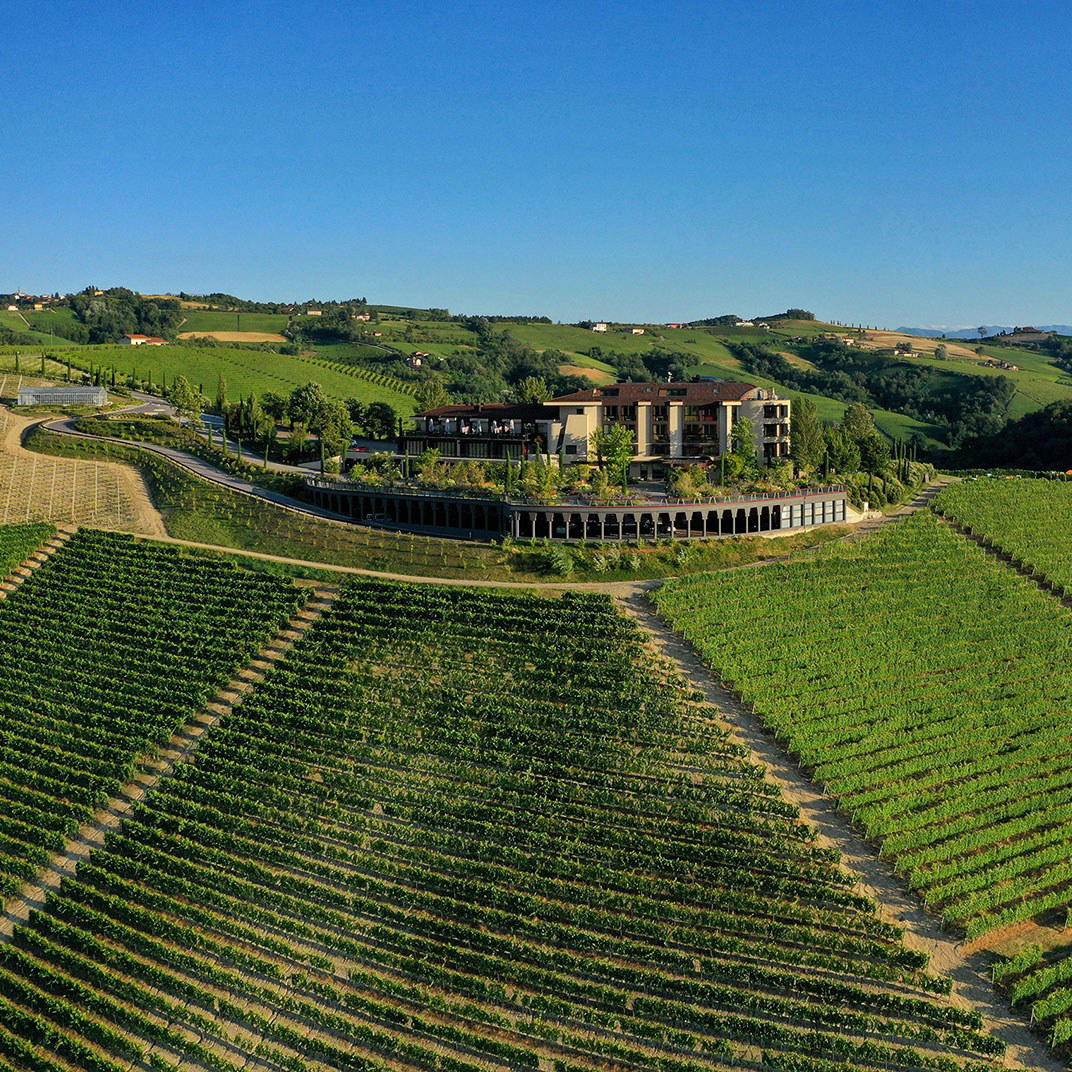
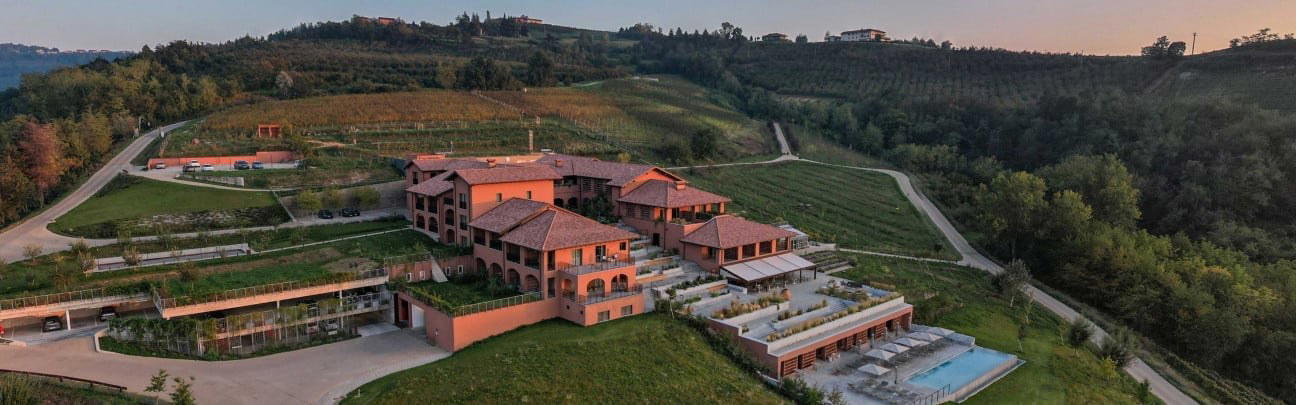
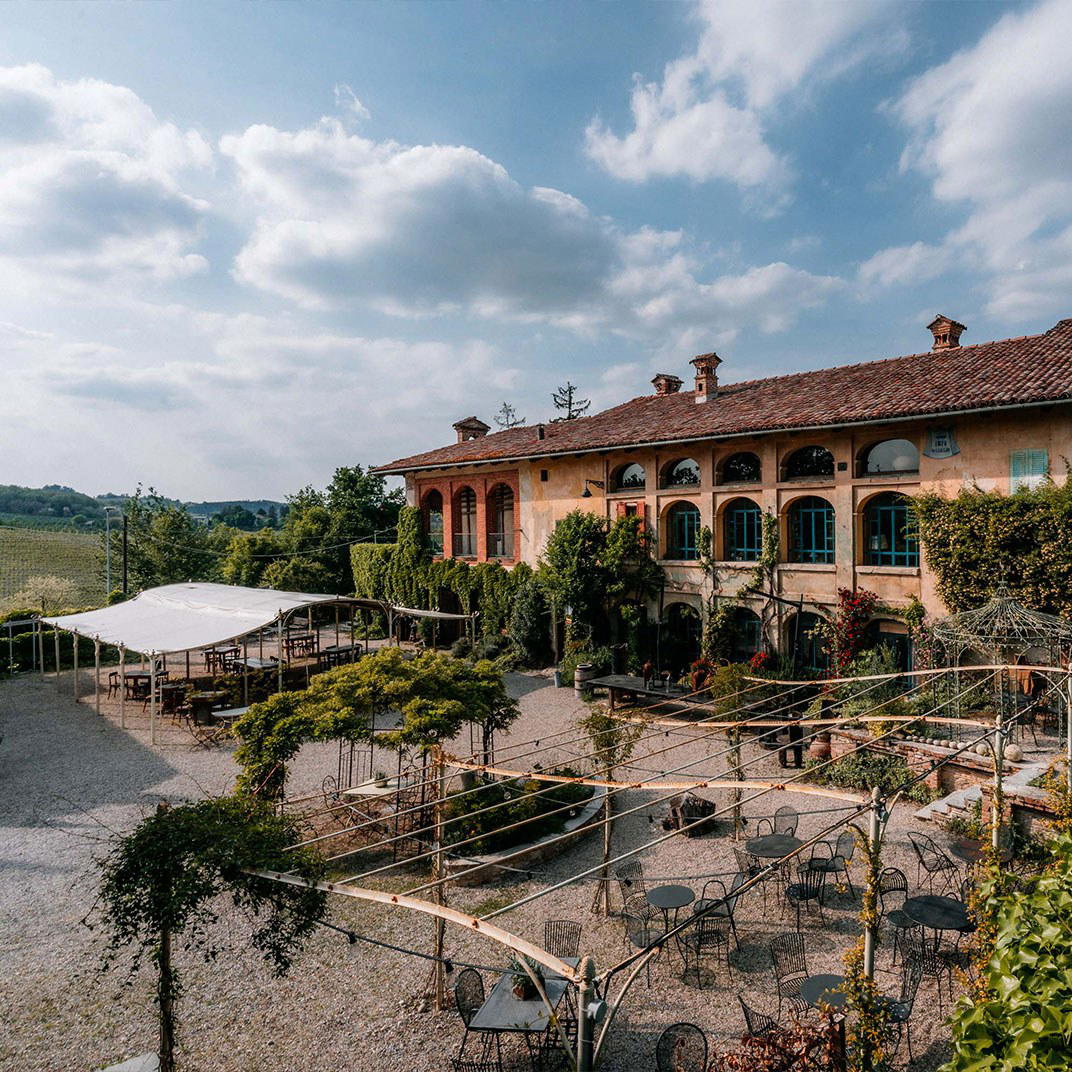
Refined and elegant atmosphere in a historic 18th-century building amidst vineyards, well-suited for romantic dinners with panoramic views.