Our verdict
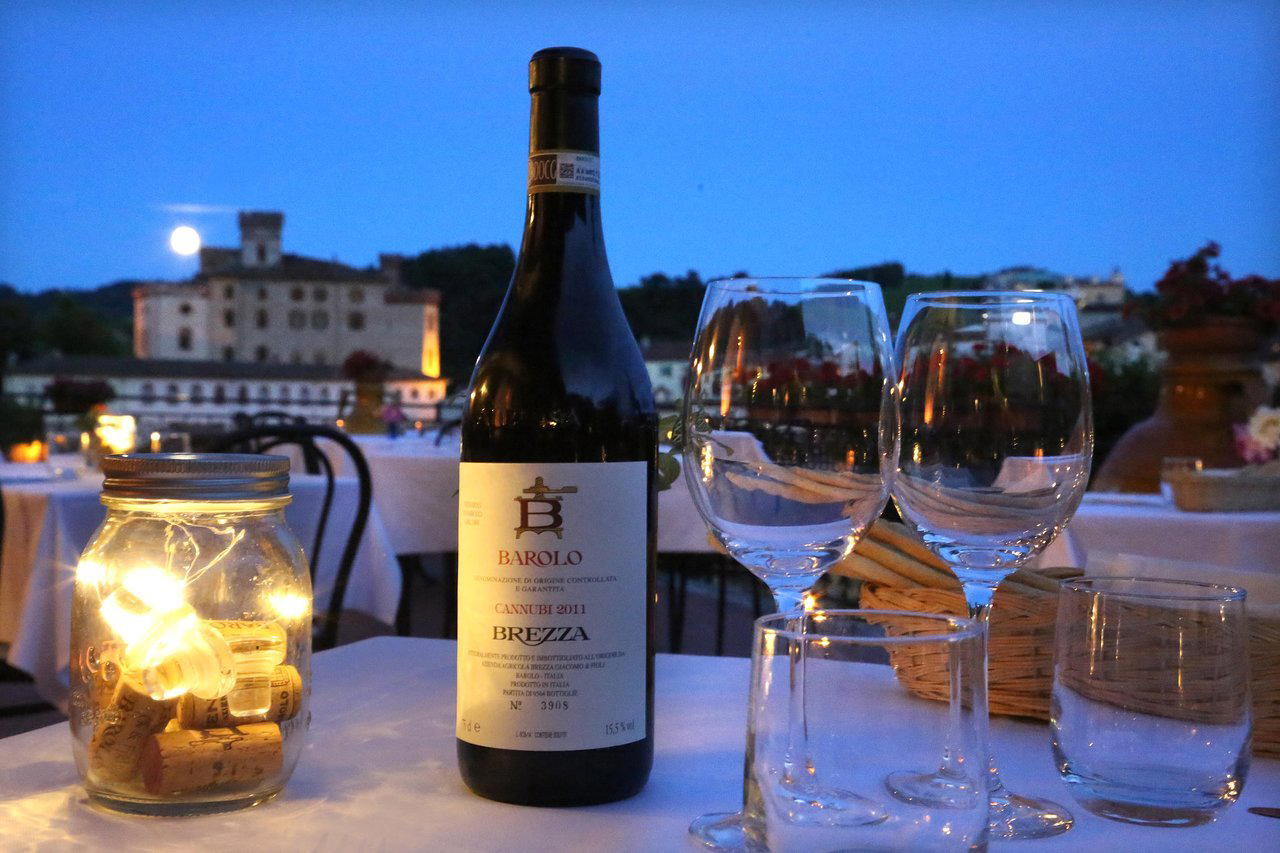
Ristorante Brezza sits in the village of Barolo, at the heart of one of Italy's most closely studied wine communes. Dining here places you inside Langhe's slow-food tradition, where the Nebbiolo-dominated landscape shapes what arrives on the table as much as any kitchen decision. For visitors making the journey to the Barolo DOCG zone, it functions as a natural stopping point between cellar visits.

Pearl is the En Primeur Club membership app — saves, bookings, and concierge access live there. Same editors, same standards.
- Address
- Via Lomondo, 2, 12060 Barolo CN, Italy
- Phone
- +393917356354
- Hours
- Mon 12–2 PM, 7–9 PMTue ClosedWed–Sun 12–2 PM, 7–9 PM
- Website
- hotelbarolo.it
- Directions
- Get directions
- Booking
- Book on TheFork
The menu
What to order
- Tajarin with veal ragù
- Agnolotti al plin
- Braised beef in Barolo
Where the Langhe Comes to the Table
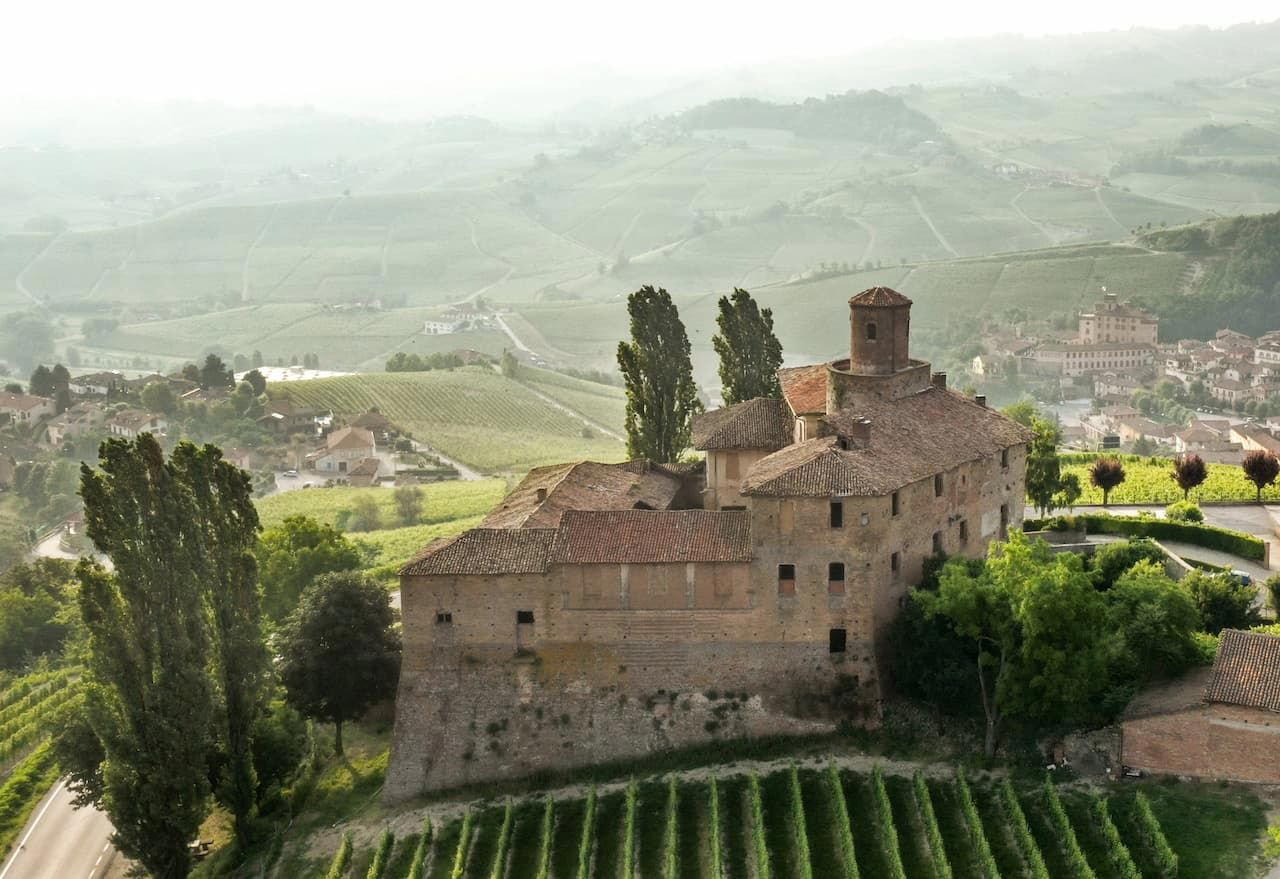
Barolo is a village of fewer than 700 residents, and yet it draws sommelier pilgrims, wine traders, and food-focused travellers in numbers that would suit a city neighbourhood. The logic is simple: this is the production zone for one of Italy's most age-worthy red wines, and the surrounding Langhe hills have generated a culinary identity so tightly bound to that wine culture that eating and drinking here cannot reasonably be separated. Ristorante Brezza, on Via Lomondo, sits inside that tradition. The address alone — the village centre, within walking distance of the Castello di Barolo — signals a particular kind of Piedmontese dining: rooted, wine-forward, and oriented toward the rhythms of the harvest calendar.
The broader Langhe dining scene has evolved considerably over the past two decades. Nearby Alba, roughly 15 kilometres north, anchors the higher end of regional fine dining: Piazza Duomo in Alba operates at a three-Michelin-star level and represents the most technically ambitious expression of Piedmontese cuisine in the zone. Further afield, Osteria Francescana in Modena and Le Calandre in Rubano define what progressive Italian cooking looks like at its most considered. Barolo village itself occupies a different register, one where the wine is always the organising principle and the cuisine exists in conversation with it rather than independently of it.
Piedmont on the Plate: The Cultural Architecture of Langhe Cooking
Understanding what any serious restaurant in Barolo is doing requires some familiarity with the culinary grammar of the Langhe. Tajarin, the thin egg-yolk pasta that the region has made its own, is the reference dish against which all local kitchens are informally measured. Vitello tonnato, a cold preparation of veal with tuna-anchovy sauce that dates to nineteenth-century Piemontese bourgeois cooking, remains a fixture. Brasato al Barolo, beef slowly braised in the wine itself, is as much a statement of regional identity as it is a recipe. White truffles from Alba arrive in October and November, at which point the Langhe's dining economy pivots almost entirely around them, and prices adjust accordingly.
This is food that operates on restraint and seasonal timing rather than technical showmanship. The contrast with Italy's more intervention-heavy fine-dining traditions, the kind practised at Enrico Bartolini in Milan or the Adriatic creativity of Uliassi in Senigallia, is deliberate and defining. Langhe restaurants, at almost every price point, tend to position the producer relationship and the wine pairing as the centrepiece. A kitchen in Barolo village that moved away from that model would be swimming against a very strong cultural current.
For a sense of what Piedmontese cooking looks like when it carries multi-generational institutional weight, Dal Pescatore in Runate offers a useful point of comparison, a family-run address with decades of practice behind a menu that barely acknowledges trend cycles. The Langhe's own version of that continuity tends to be more compressed in setting but equally serious in its relationship to local ingredients.
Wine as the Organizing Principle
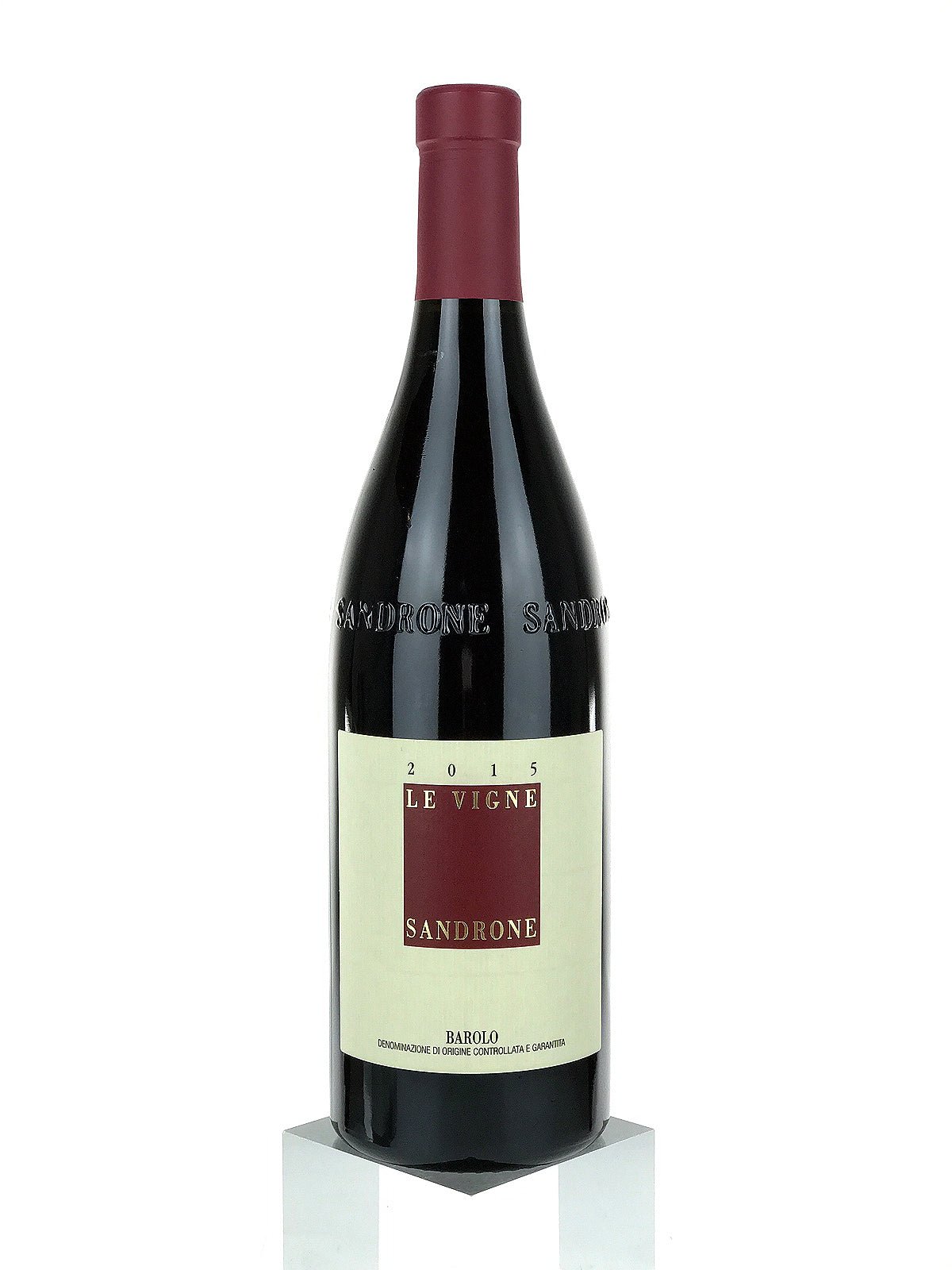
No restaurant in Barolo village can credibly operate without a wine program that reflects the depth of the surrounding DOCG. The Barolo denomination is divided into eleven comuni, each producing wines with subtly distinct character: Serralunga d'Alba wines tend to be more structured and austere; La Morra yields softer, more aromatic expressions; Castiglione Falletto sits between those poles. A wine list anchored in this geography, producer by producer, commune by commune, functions as its own form of editorial curation. The most attentive lists in the zone also carry meaningful vertical depth, given that Barolo's legal minimum aging requirements (three years, five for Riserva) make older vintages a genuine part of the conversation.
The broader Italian fine-dining context offers instructive comparisons: Enoteca Pinchiorri in Florence built its reputation as much on its wine archive as its kitchen, and carries one of Italy's deepest cellar collections. In Barolo, the logic inverts slightly: the wine is the reason the visitor is there, and the food exists to honour the bottle rather than compete with it. That distinction shapes the pacing of a meal, the staff priorities, and the rhythm of service in ways that visitors from more food-centric dining cultures sometimes find surprising.
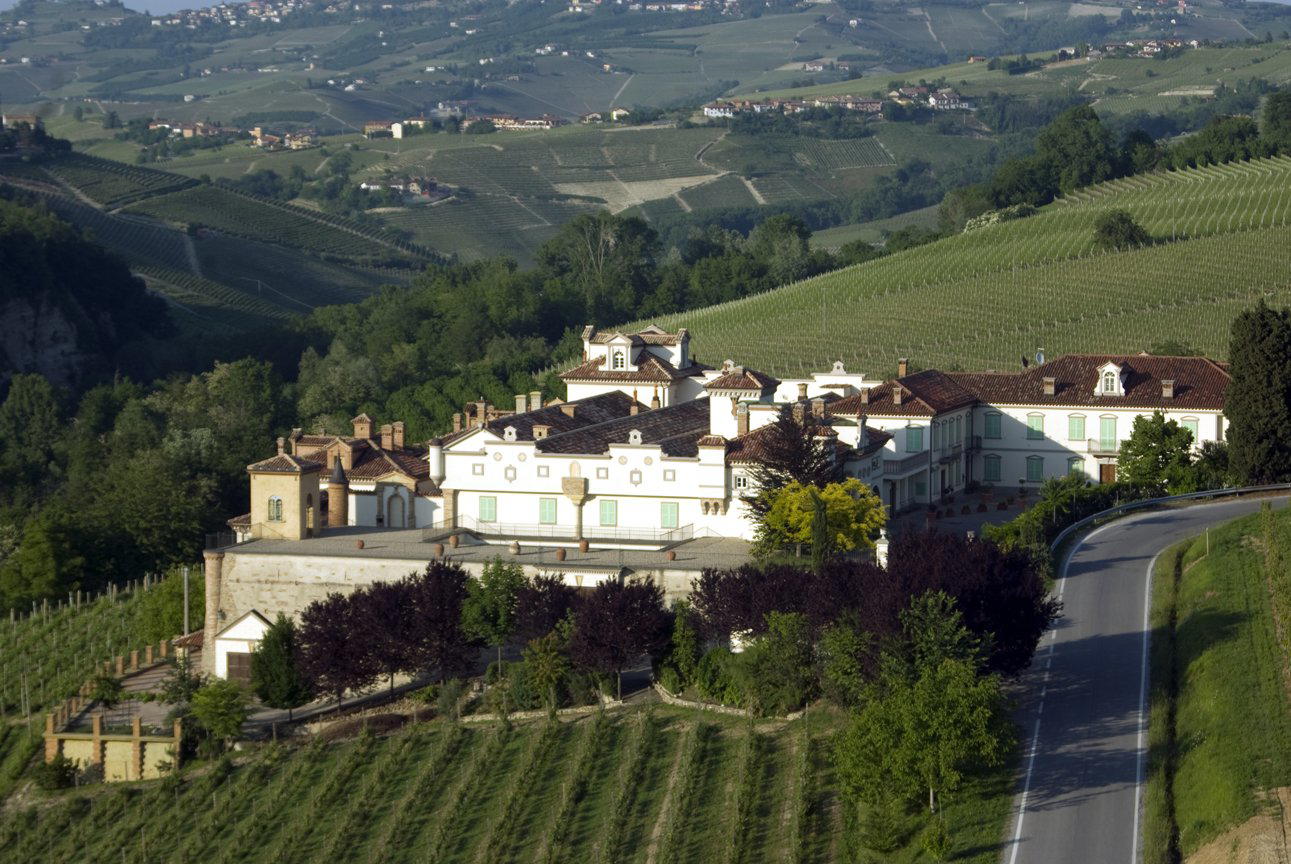
Within Barolo village, the small cluster of restaurants that serve serious Piedmontese cooking occupies a narrow but clearly defined niche. Locanda in Cannubi is the neighbouring address with the most visible profile, situated on the Cannubi hill that produces some of the denomination's most studied single-vineyard wines. The proximity of any Barolo village restaurant to that context, the physical range of crus visible from dining room windows, the winemakers who stop in after tastings, is not incidental. It is the defining condition of the dining experience.
Italy's wider fine-dining circuit offers reference points for what this kind of terroir-anchored cooking looks like when it scales up: Atelier Moessmer Norbert Niederkofler in Brunico builds menus entirely from Alpine producers, applying rigorous sourcing discipline to a similarly wine-intensive regional context. Reale in Castel di Sangro demonstrates how a restaurant anchored in a small Italian town can achieve international recognition without abandoning its agricultural roots. The Langhe's version of this logic is less dramatic in its ambitions but no less serious in its commitments.
For visitors moving between Italy's premium dining addresses, the contrast between Barolo's village-scale intimacy and the more formal settings of Villa Crespi in Orta San Giulio, Da Vittorio in Brusaporto, or Casa Perbellini 12 Apostoli in Verona is part of what makes the Langhe worth the detour. The register is different, and intentionally so. See the full Barolo restaurants guide for the complete picture of what the village and its surrounds currently offer.
Planning a Visit
Barolo village is most conveniently reached by car from Alba, which is served by rail connections from Turin (roughly an hour by train). The Langhe roads are narrow and the village parking limited, so timing arrival for mid-morning or early afternoon, before the cellar-visit traffic peaks, makes practical sense. Harvest season, running roughly from late September through October, compresses accommodation availability across the Langhe significantly; anyone planning a meal alongside winery visits in that window should expect to book both well in advance. Truffle season, overlapping with harvest, pushes menu pricing across the zone upward, a factor worth factoring into budget planning regardless of which restaurant you choose. For context on what premium dining at the Italian level looks like across different city formats, La Pergola in Rome and Quattro Passi in Marina del Cantone offer useful comparison points for how formal Italian service and seasonal menus operate at their most considered.
Frequently asked questions
Is Ristorante Brezza good for families?
Barolo village restaurants of this type tend to run at a considered pace, with service oriented toward guests who are there to eat and drink rather than rush. Families with older children comfortable at a table focused on regional Piedmontese cooking should find the setting workable. Parents travelling with very young children should factor in Barolo's general character as a quiet, wine-country village with limited facilities geared toward small children.
What is the atmosphere like at Ristorante Brezza?
Brezza sits on Via Lomondo in the compact centre of Barolo, a village of fewer than 700 residents, which sets the tone immediately: this is not a destination built around scale or spectacle. Expect the focused, unhurried atmosphere that defines serious Langhe dining, where the wine list and what arrives on the plate tend to carry the room rather than design or noise levels.
What makes dining at Ristorante Brezza different from restaurants in nearby Alba?
Eating in Barolo village rather than Alba places you inside the DOCG denomination itself, within a few hundred metres of the cellars producing the wines on the list. That proximity changes the logic of a wine selection: producers are neighbours rather than suppliers, and the list at any serious Barolo village restaurant reflects relationships and vintages that rarely travel far from the source. Alba, as the commercial hub of the Langhe, offers greater variety and easier access by rail, but not that geographic specificity.
What should I order at Ristorante Brezza?
Any credible kitchen in Barolo village works within the culinary grammar of the Langhe, meaning tajarin with egg-rich pasta, seasonal truffle preparations, and braised cuts that hold up against Nebbiolo-based wines. Without a current menu on record, the reliable approach is to ask the front-of-house what is driving the kitchen that week, particularly during the white truffle season running from October through December.
Where is Ristorante Brezza in Barolo?
Ristorante Brezza is located at îVia Lomondo, 2, 12060 Barolo CN, Italy, Barolo.
How hard is it to get a table at Ristorante Brezza?
Barolo draws wine traders, sommeliers, and food-focused visitors in numbers that consistently outpace what a village this size can seat. Harvest season in October and the truffle weeks immediately following create the tightest availability. Contacting the restaurant directly and booking several weeks ahead is advisable for those with fixed travel dates, especially in autumn.
Budget Reality Check
Comparable venues nearby, for context on price, style, and recognition.
| Venue | Cuisine | Price | Awards | Notes |
|---|---|---|---|---|
| Ristorante BrezzaThis venue — the venue you are viewing | Traditional Piedmontese | $50–100 | Not listed | Not listed |
| Locanda in Cannubi | Traditional Langhe Italian | $50–100 | Not listed | Barolo, Traditional Langhe Italian |
| Sull’Albero Trattoria | Farm-to-Plate Tuscan Trattoria | Not listed | Not listed | Chiusdino, Tuscan Trattoria |
| Renzo | Contemporary Italian | $100–150 | Not listed | Cadenabbia di Griante, Contemporary Italian |
| Sileo | Gourmet Neapolitan Pizza | $20–30 | 50 Top Pizza Italia #81 | Nucetto, Gourmet Neapolitan Pizza |
Continue exploring
More in Barolo
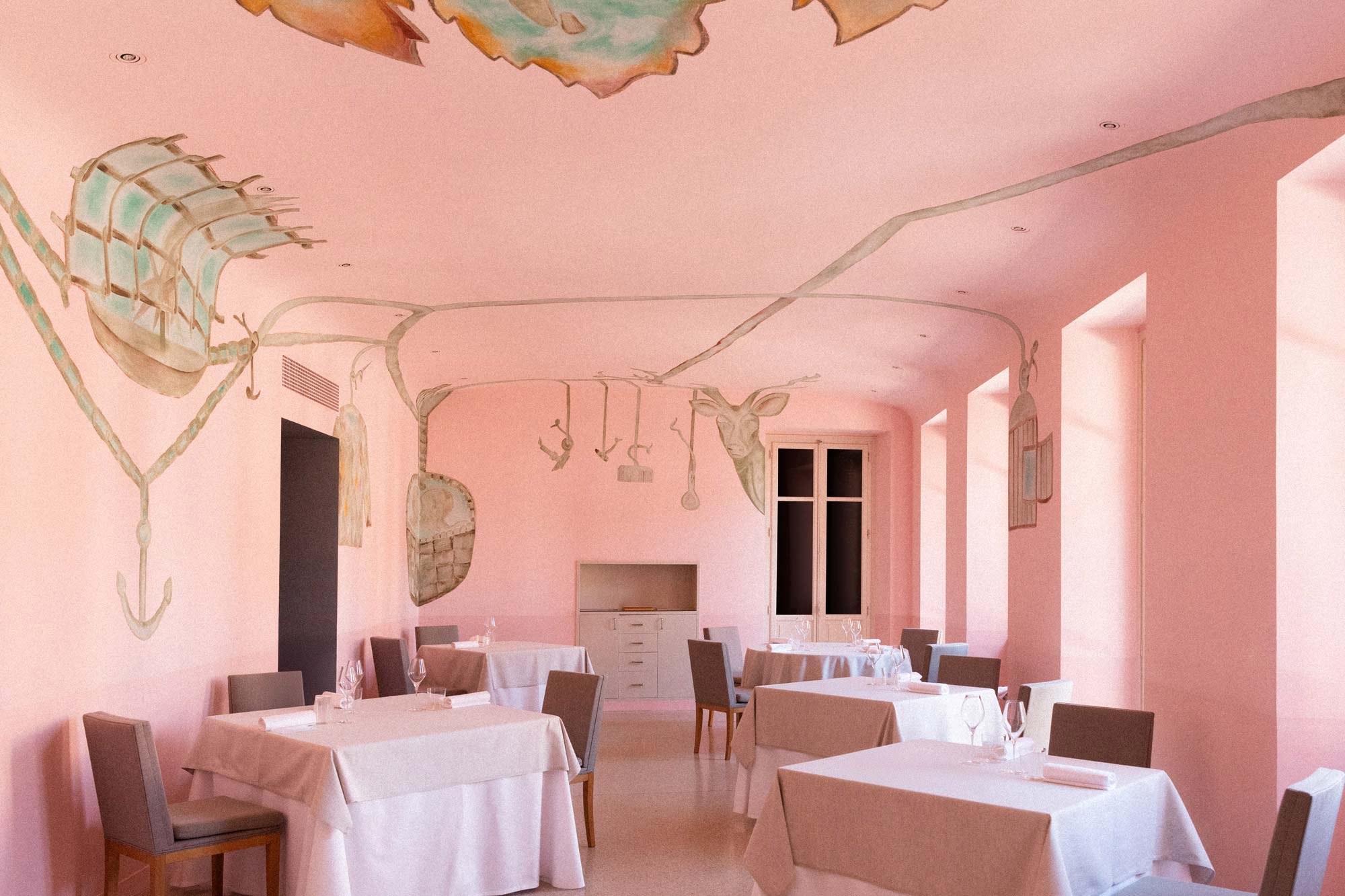
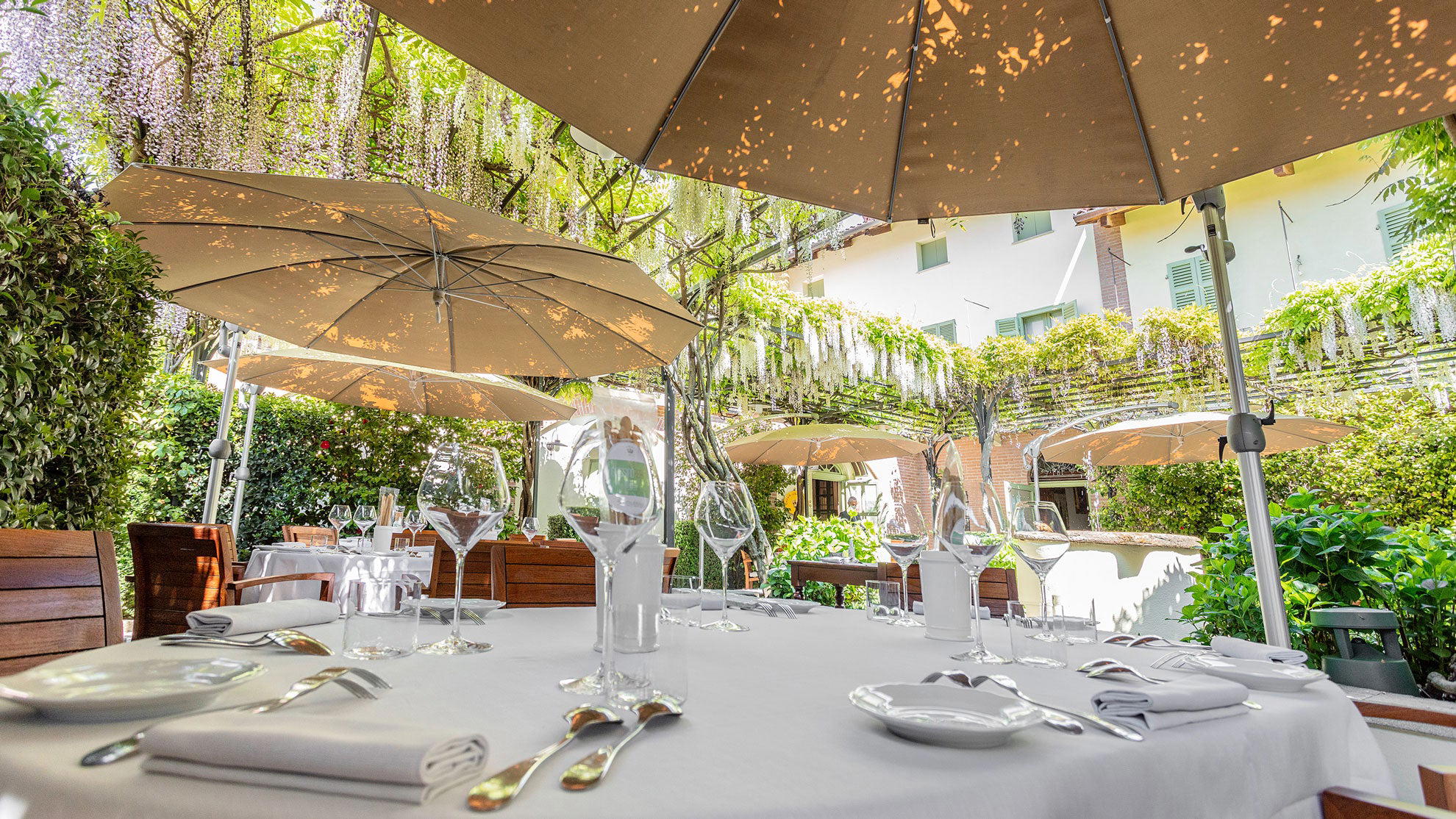
Restaurants in Barolo
Browse all →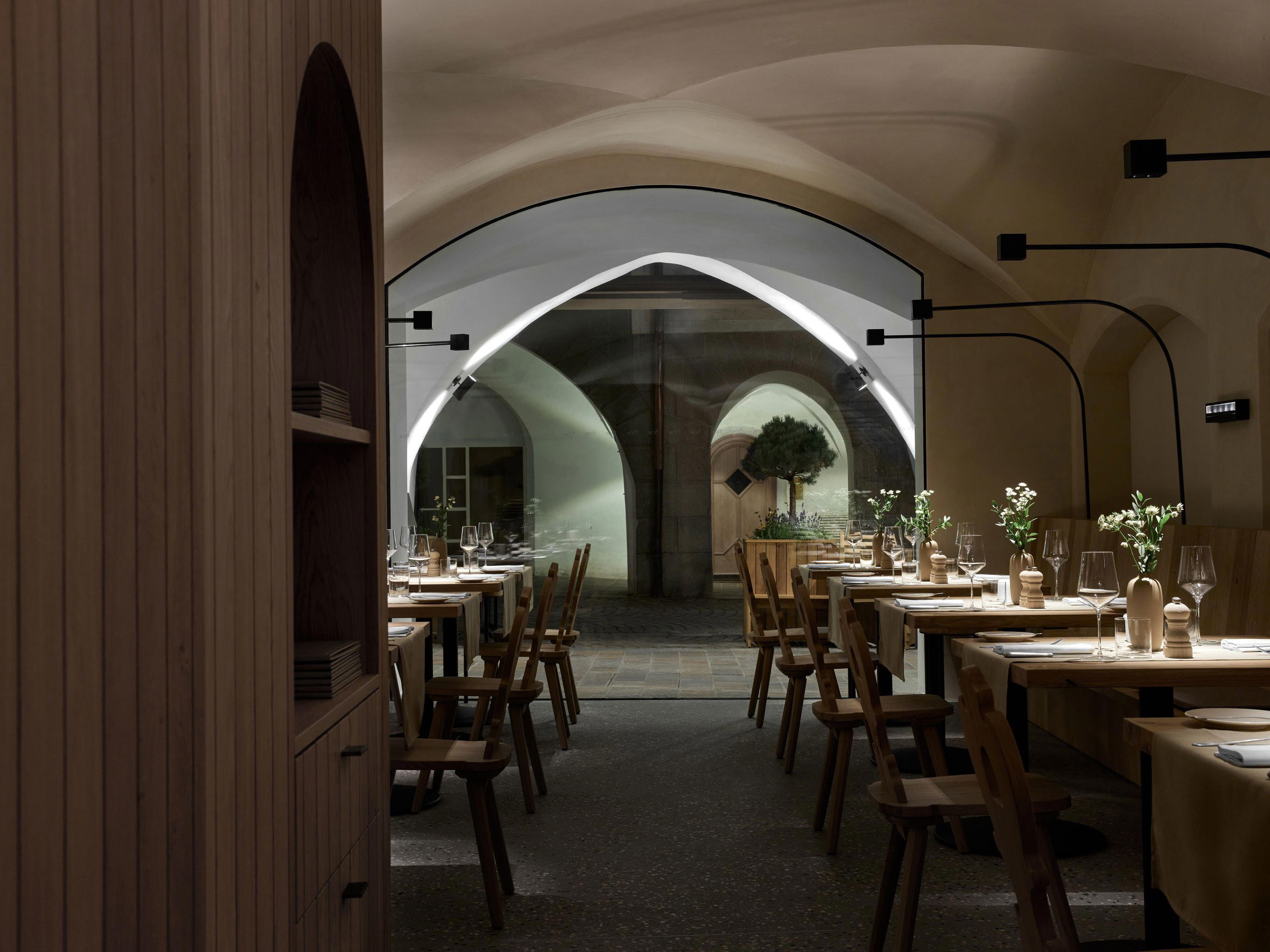
Bars in Barolo
Browse all →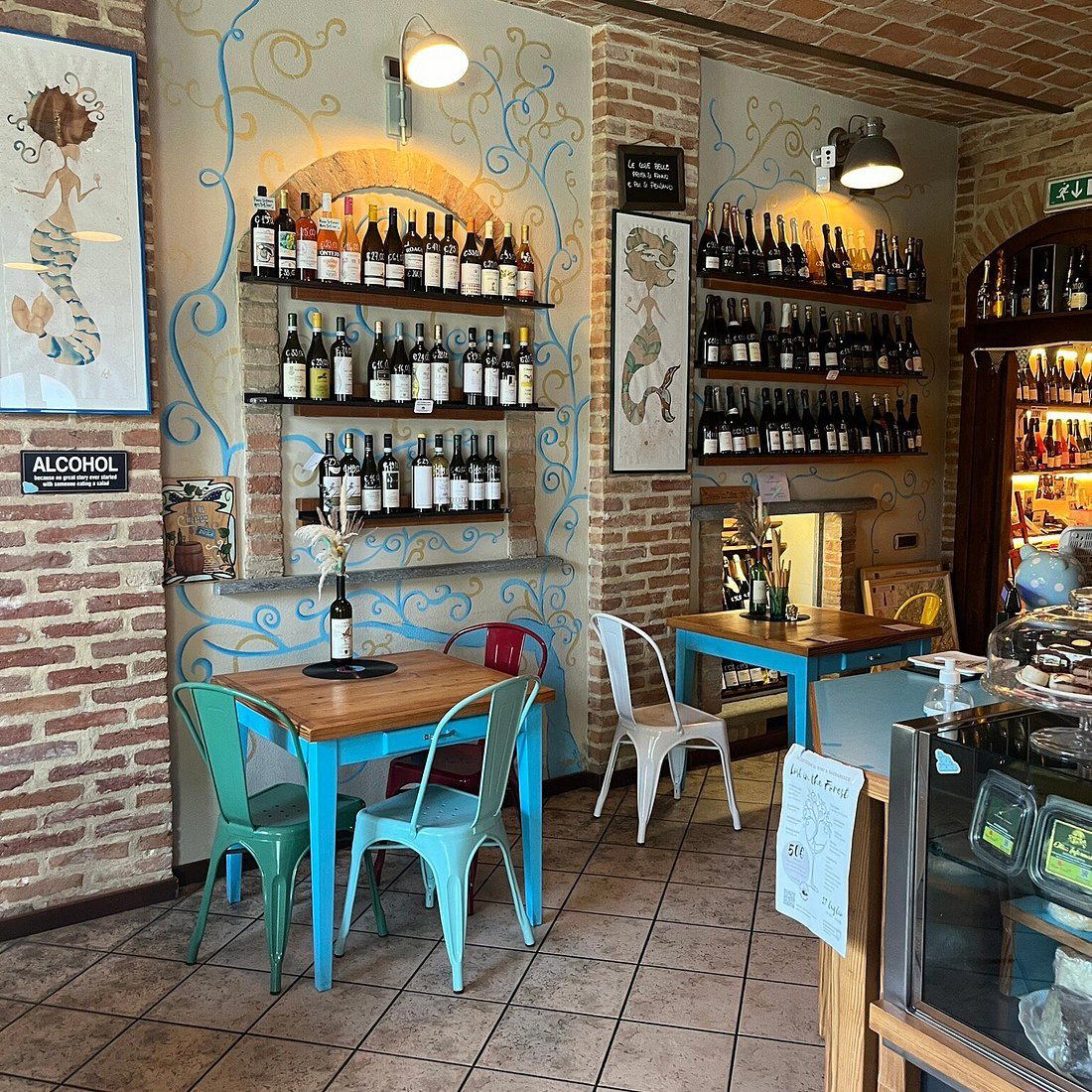
Hotels in Barolo
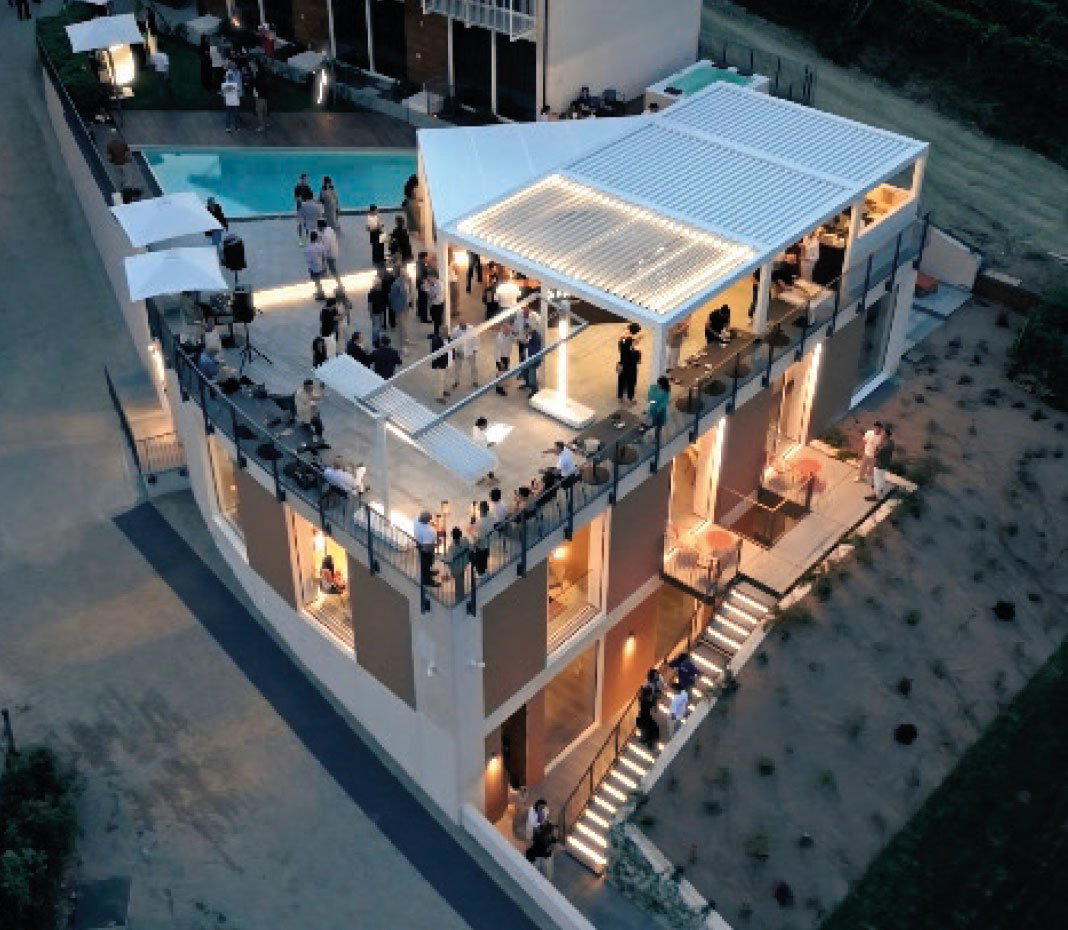
Browse all →
Ristorante Brezza
The wine
- Wine program
- Exceptional wine program
- Extensive wine list
Details
- Rustic
- Elegant
- Scenic
- Special Occasion
- Group Dining
- Terrace
- Wine Cellar
- Extensive Wine List
- Local Sourcing
- Vineyard
- Mountain
- A La Carte
- Tasting Menu
- Barolo Wine
- Vegetarian Friendly
- Gluten Free Options
Current opening hours
- Monday
- 12–2 PM, 7–9 PM
- Tuesday
- Closed
- Wednesday
- 12–2 PM, 7–9 PM
- Thursday
- 12–2 PM, 7–9 PM
- Friday
- 12–2 PM, 7–9 PM
- Saturday
- 12–2 PM, 7–9 PM
- Sunday
- 12–2 PM, 7–9 PM
Hours can change for holidays and private events. Last verified .
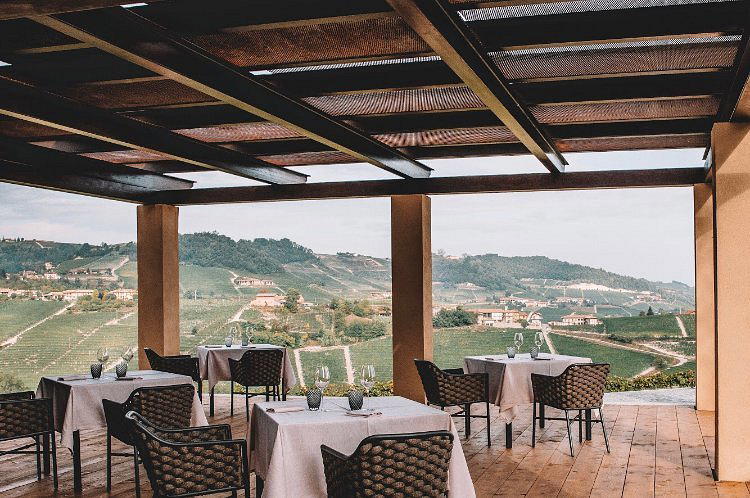
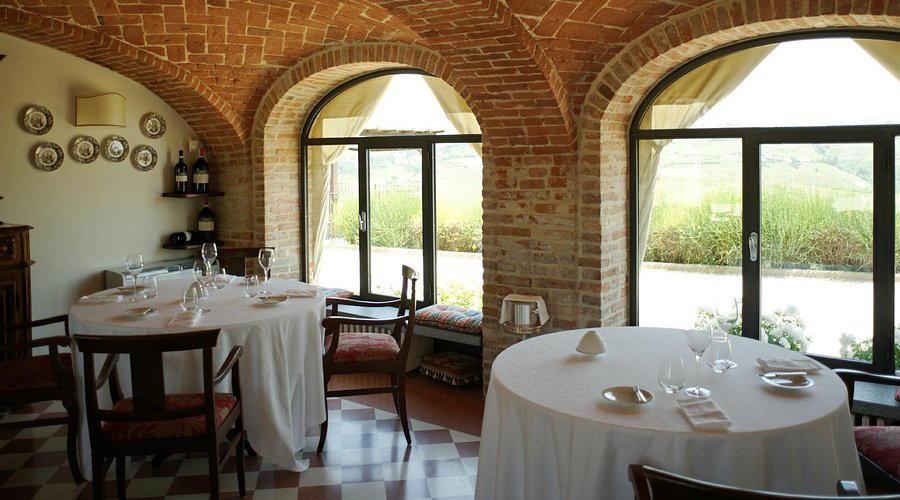
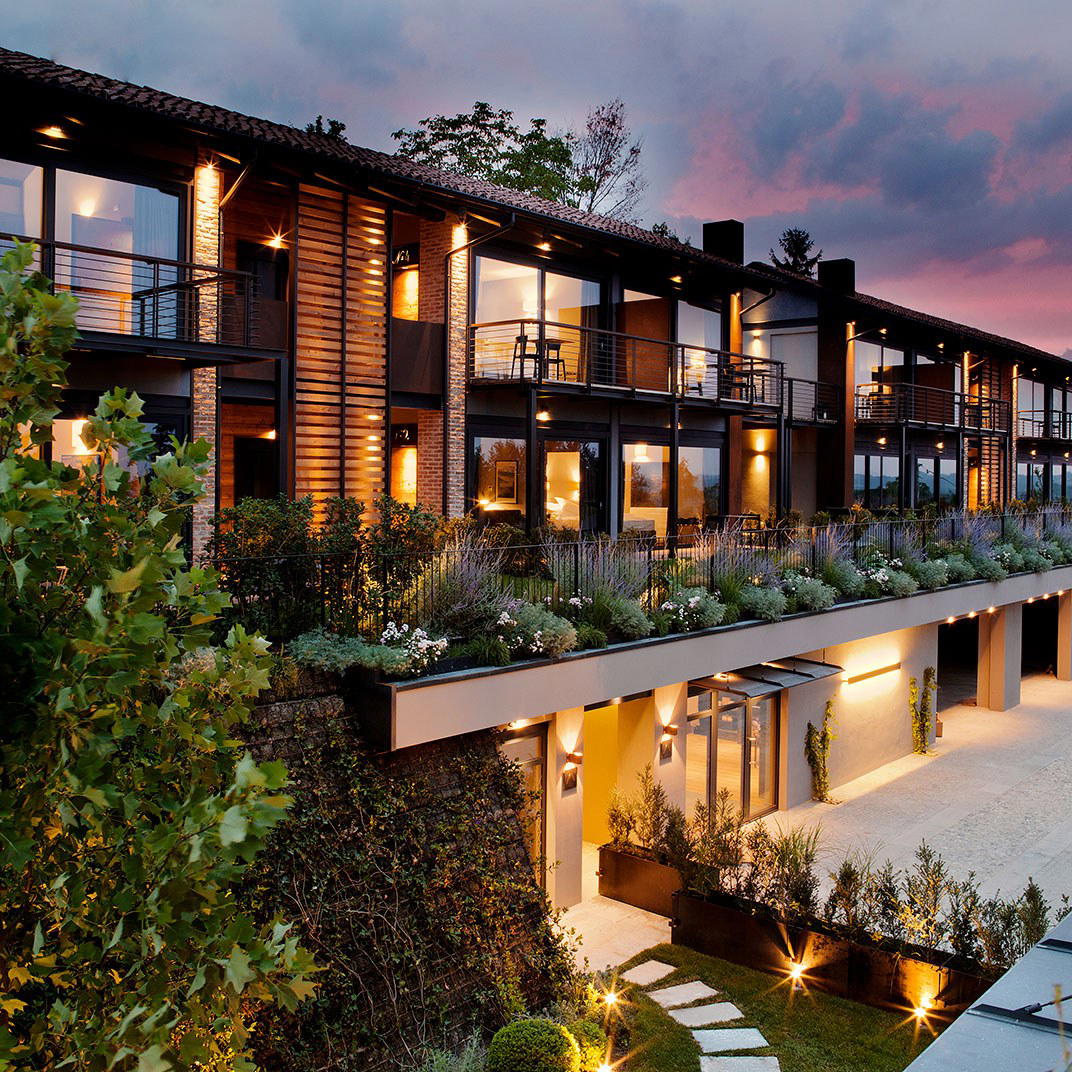
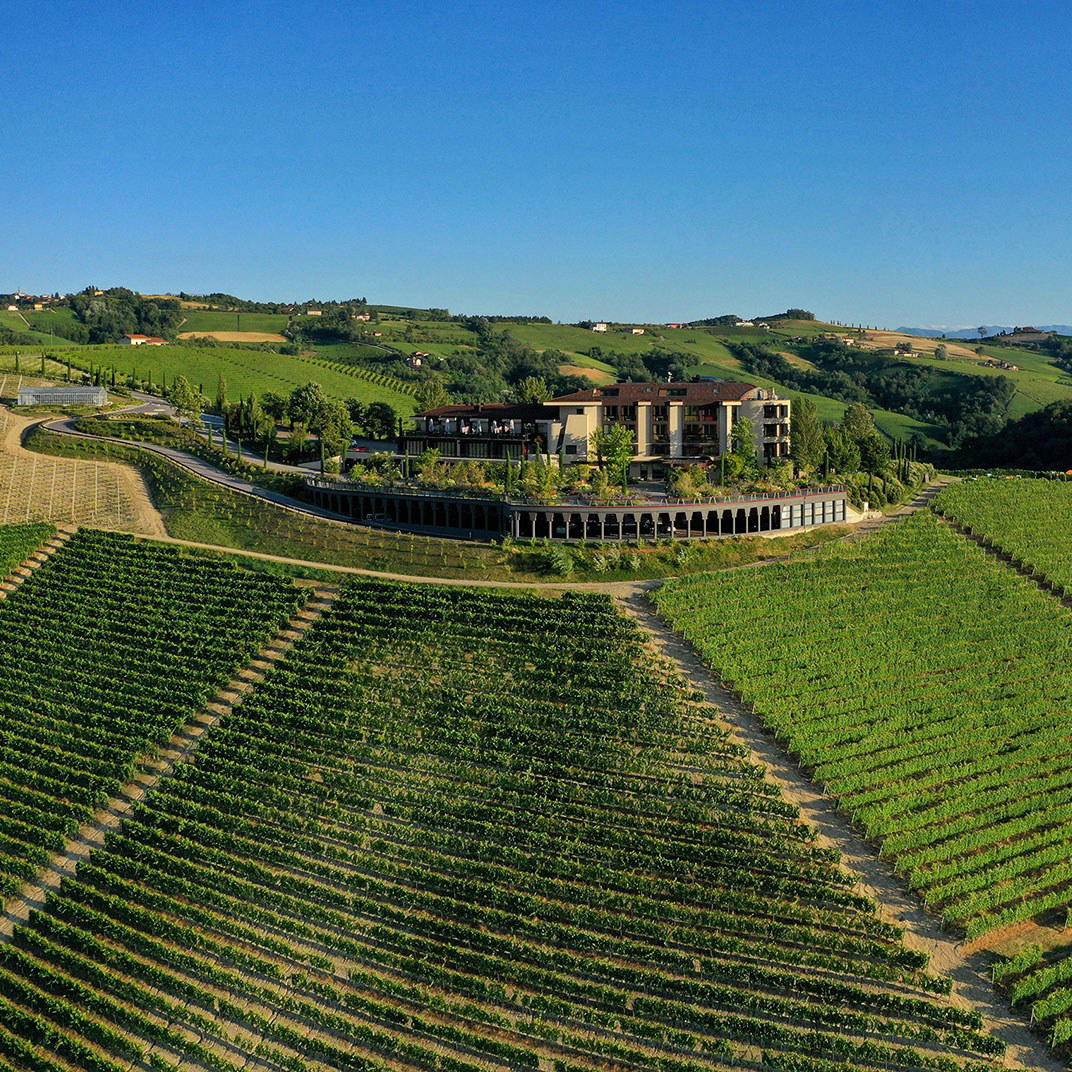
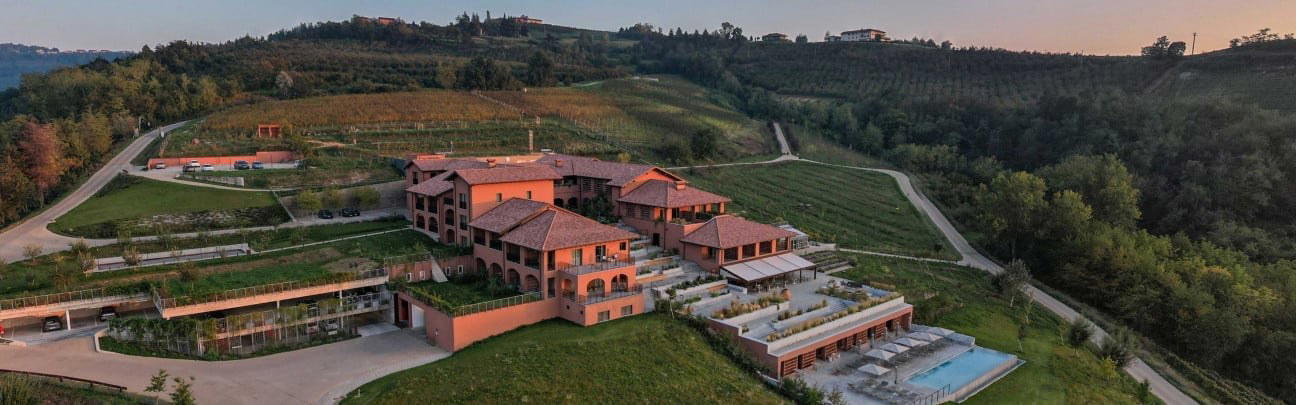
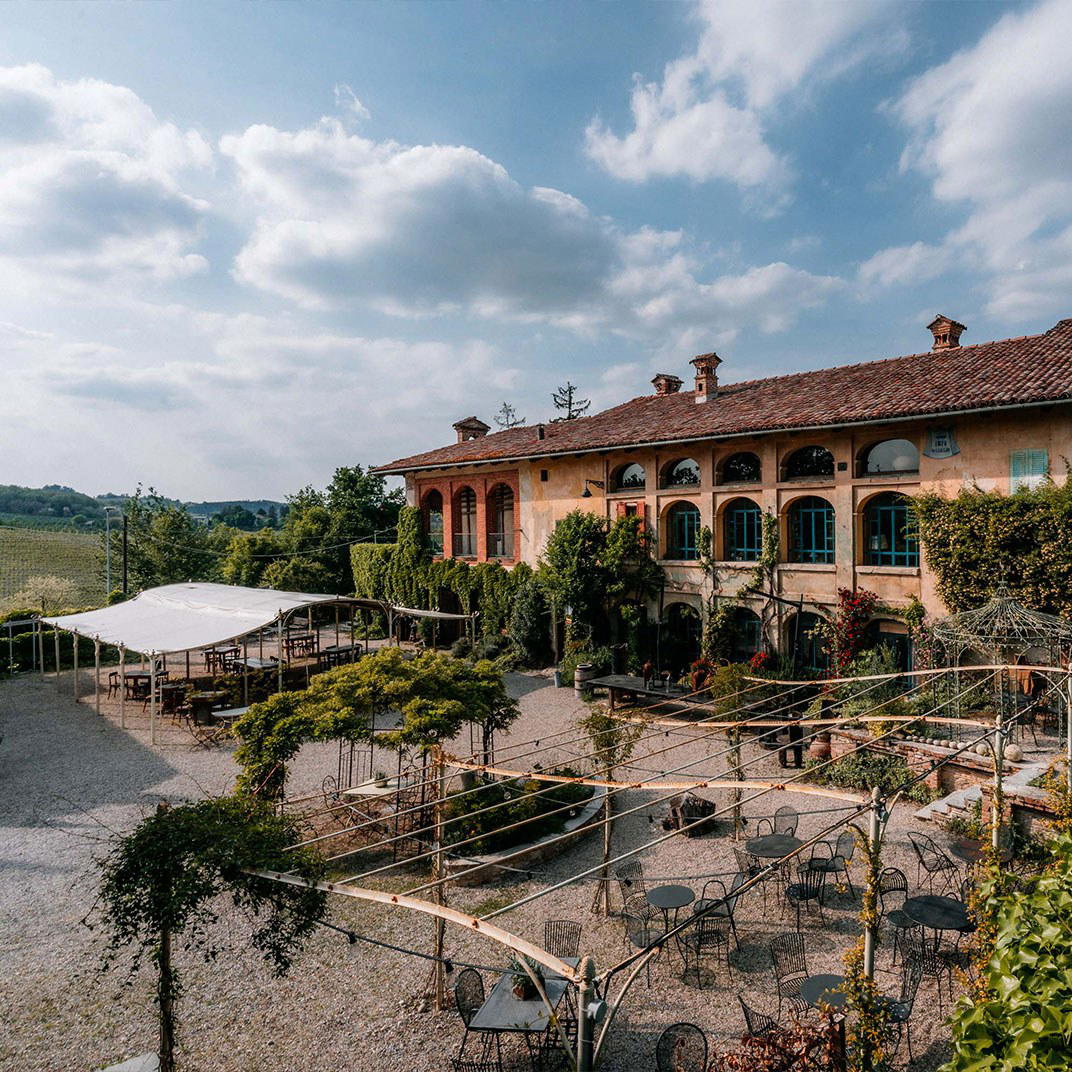
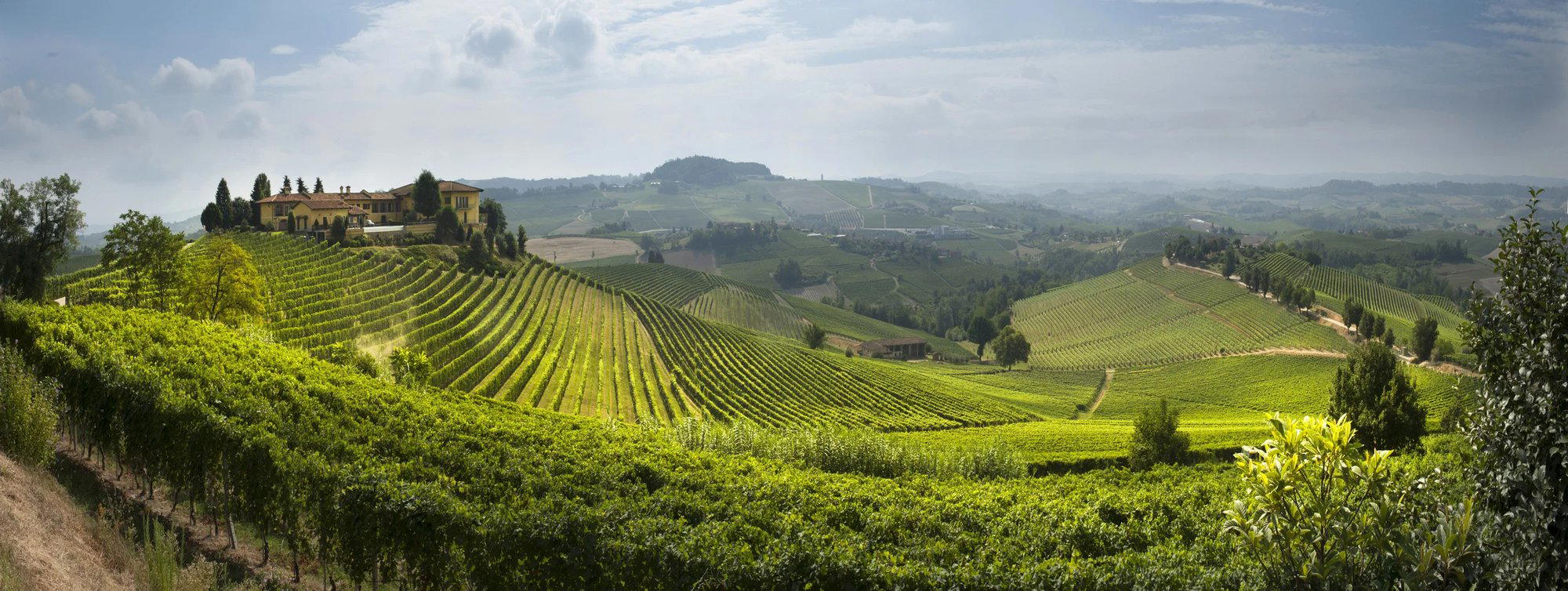
Refined indoor rooms with warm traditional lighting and a sunny terrace offering enchanting hill views.