Locanda da Lino
In the Prosecco hills of Treviso, Locanda da Lino has anchored local dining in Solighetto for decades, drawing on the agricultural depth of the Marca Trevigiana. The kitchen works within the disciplined vernacular of Veneto cucina regionale, where seasonal produce and hyper-local sourcing define the menu before any creative impulse does. It remains a reference point for the kind of deeply rooted trattoria tradition that northern Italian fine dining still measures itself against.
Pearl is the En Primeur Club membership app — saves, bookings, and concierge access live there. Same editors, same standards.
- Address
- Via Roma, 19, 31053 Solighetto TV, Italy
- Phone
- +393943882150
- Website
- locandadalino.it
- Directions
- Get directions
 Saves & bookings on Pearl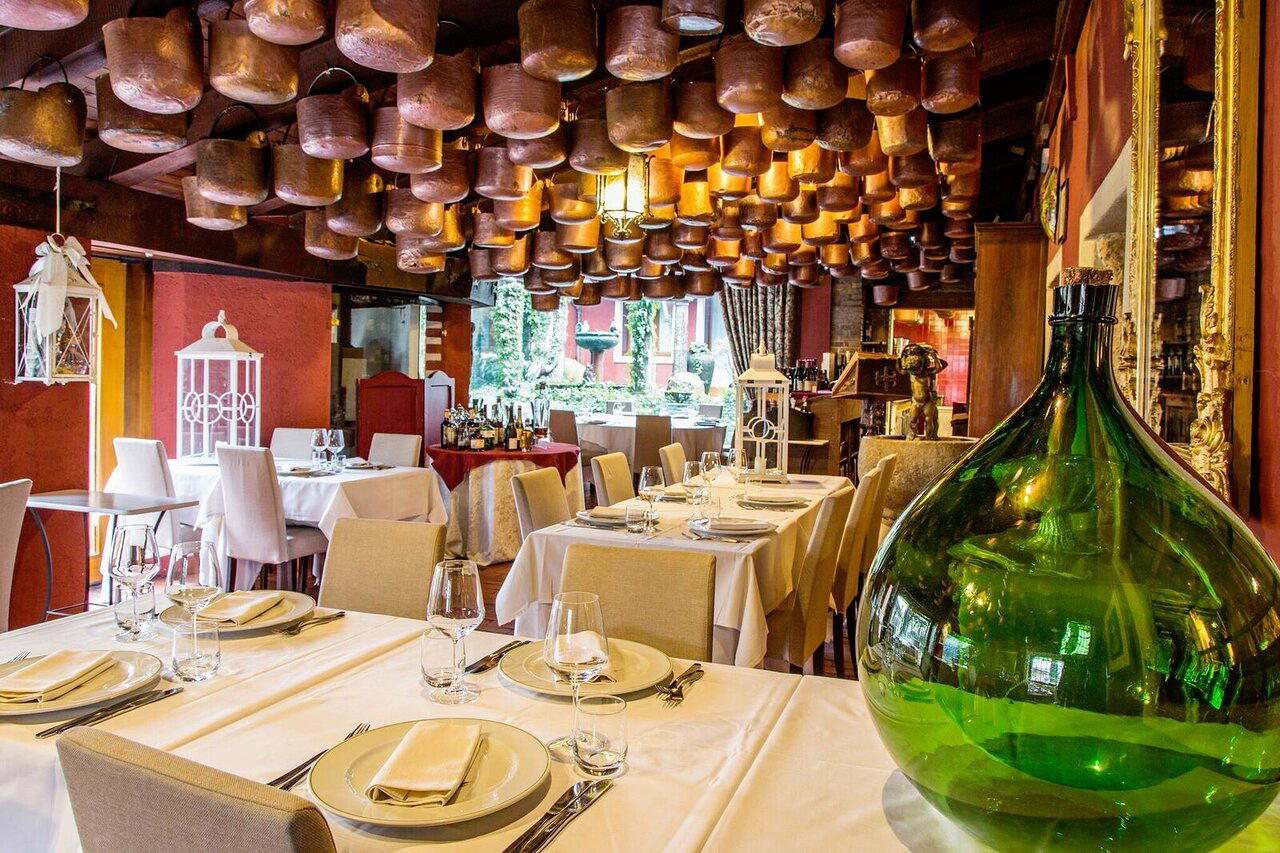
Where the Prosecco Hills Meet the Table
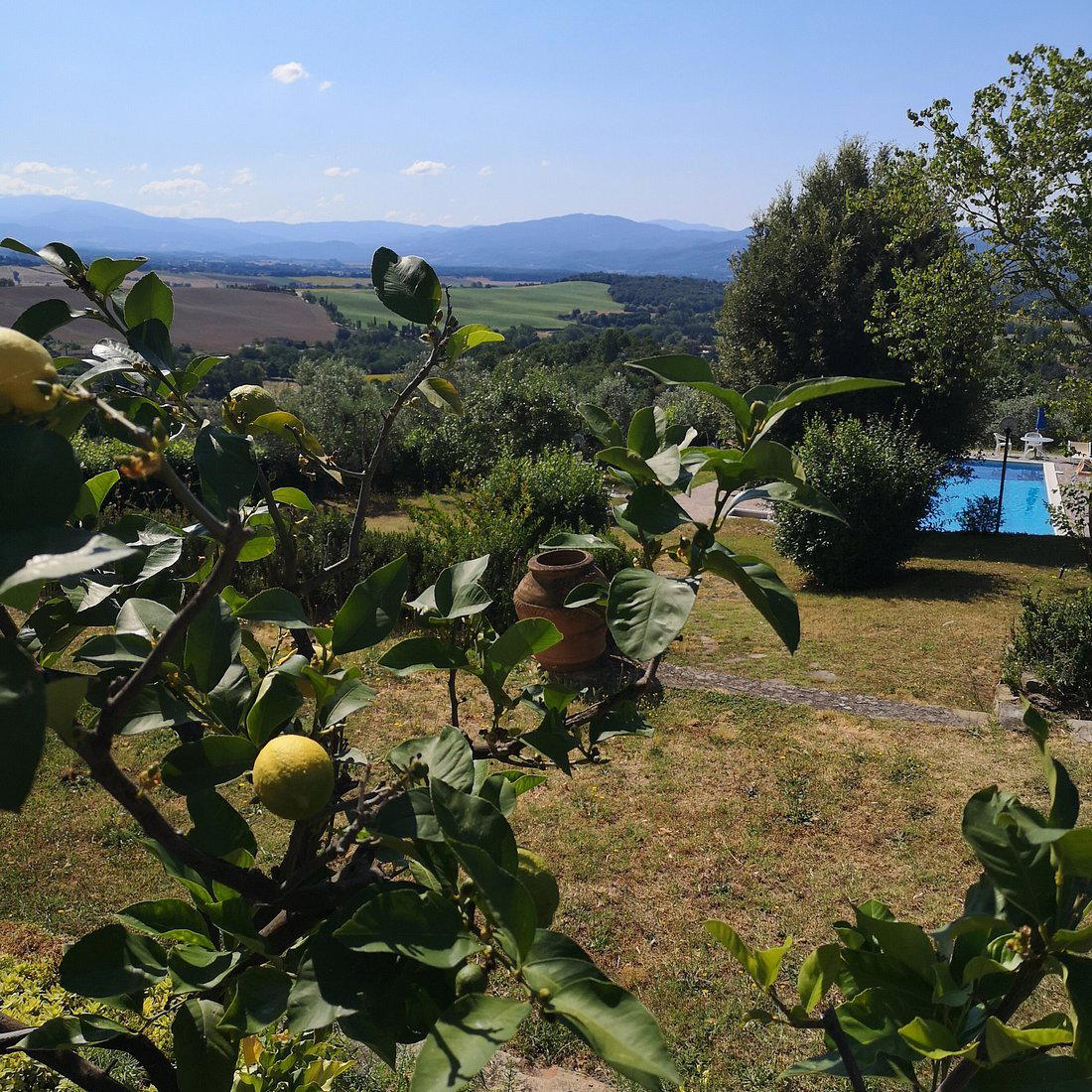
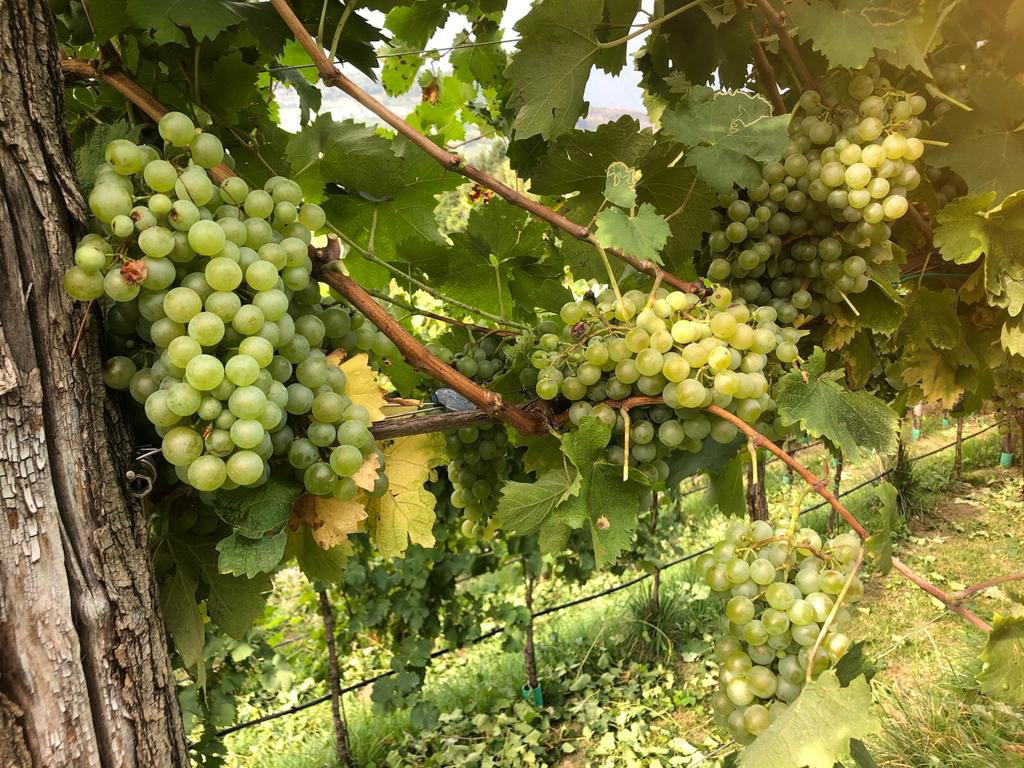
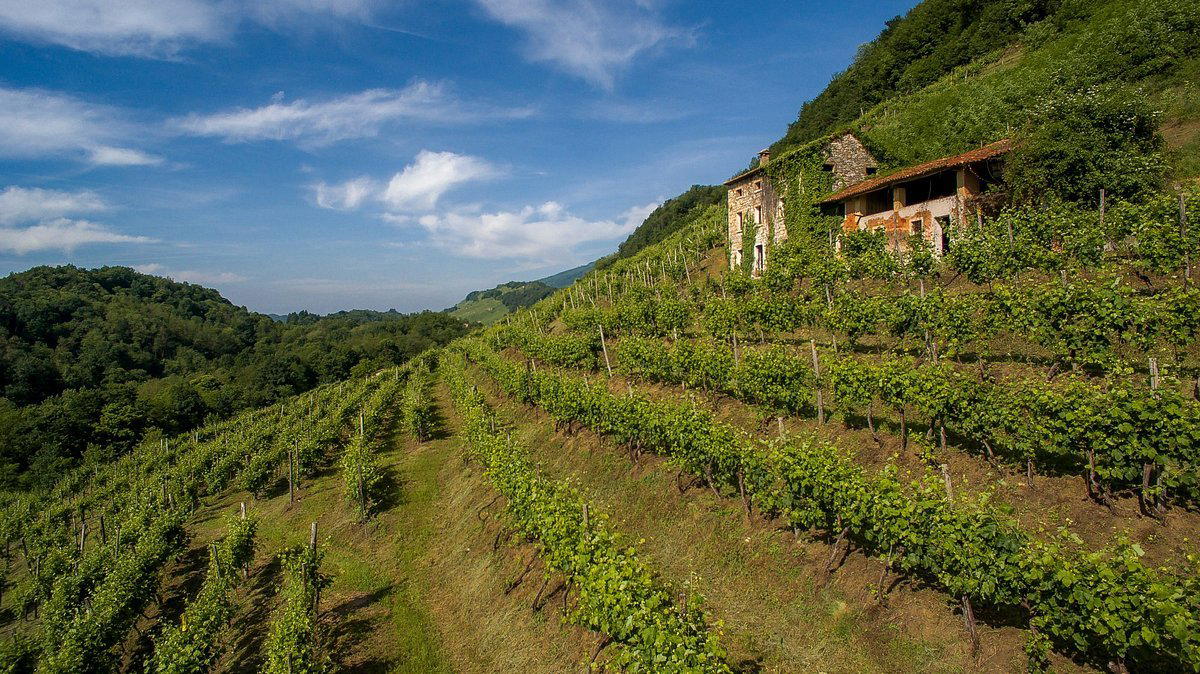
Arriving in Solighetto, a frazione of Pieve di Soligo in the Treviso province, the agricultural logic of the surrounding Marca Trevigiana becomes impossible to ignore. The hills here are UNESCO-listed Prosecco country, and the farms, vineyards, and market gardens that cover them feed a local food culture built not on innovation for its own sake, but on the quality of what the land actually produces. Locanda da Lino, positioned on Via Roma in the heart of the village, sits inside that tradition rather than adjacent to it. The building and its setting read as they have for much of its history: a place where the room and the food are in direct conversation with the fields and cellars nearby. Locanda da Lino is a restaurant in Solighetto, serving Traditional Veneto Italian cuisine.
This part of the Veneto produces some of northern Italy's most ingredient-driven cooking. Radicchio from Treviso and Castelfranco, white asparagus from Cimadolmo, bruscandoli foraged from the hedgerows in spring, and the river fish and game that arrive with each seasonal turn define a culinary calendar that serious Veneto kitchens follow closely. The produce-first logic here operates differently from the supply chains that feed urban restaurant kitchens in Milan or Rome; proximity and relationship to growers matter in a way that's visible on the plate.
The Sourcing Logic of Veneto Cucina Regionale
In a broader Italian context, the trattoria tradition of the Veneto represents one of the country's most coherent regional cooking systems. Unlike the more international-facing ambitions you find at places like Le Calandre in Rubano or Osteria Francescana in Modena, the reference points here are local. The competition is not between tasting-menu formats or creative signatures, but between kitchens that know their producers, respect the seasonal cadence, and apply craft without overstating it.
That discipline is central to understanding what Locanda da Lino represents. In Treviso's dining culture, the locanda format occupies a distinct tier: not the ambitious multi-course experiences you find at Dal Pescatore in Runate or Enoteca Pinchiorri in Florence, but not casual neighbourhood eating either. It is the layer of Italian dining where sourcing credibility and generational continuity carry more authority than Michelin stars or avant-garde technique. Across northern Italy, the kitchens that sustain this layer often prove more durable than trend-driven counterparts, precisely because their identity is rooted in geography rather than personality.
The Marca Trevigiana's agricultural calendar is specific and unforgiving. Spring brings foraged greens and the first white asparagus harvests; autumn arrives with porcini, chestnuts, and the bitter radicchio varieties that Treviso exports to the rest of Italy but consumes most seriously at home. A kitchen working inside this system makes choices dictated by what is available and at its leading, rather than by a fixed menu template. That responsiveness to season, more than any single dish, is the signal worth reading when assessing what kind of operation this is.
Placing Locanda da Lino in Its Regional comparable set
Northern Italy's serious regional tables operate in a competitive set that rarely overlaps with the high-concept creative kitchens profiled in international food media. The peer comparison for a locanda in Solighetto is closer to Veneto-rooted trattorie with deep cellars and established producer relationships than to starred restaurants like Piazza Duomo in Alba or Villa Crespi in Orta San Giulio. Those comparisons, though geographically adjacent, are categorically different propositions.
Where the restaurant does share terrain with some of Italy's better-regarded regional tables is in the commitment to letting sourcing do the argumentative work. At Uliassi in Senigallia or Quattro Passi in Marina del Cantone, the sea provides the same kind of non-negotiable ingredient logic that the Marca Trevigiana's farms provide here. The method is different; the underlying discipline of working from the source outward is structurally the same.
For visitors arriving from outside Italy, or from cities where the trattoria format is poorly represented, places like this serve an important calibration function. The hyper-regional cooking of the Treviso hills shows how much the Italian table varies within a single country, in ways that urban flagship restaurants in Milan or Rome cannot always convey. The cooking at Enrico Bartolini in Milan or La Pergola in Rome operates in a different register entirely, one shaped by international clientele and tasting-menu economics. The restaurant answers a different question: what does this particular stretch of northeastern Italy actually taste like?
Planning a Visit to Solighetto
Pieve di Soligo sits roughly 70 kilometres north of Venice, accessible by train to Conegliano followed by a short road transfer, or by car directly from the A27 motorway. The area is most visited during the Prosecco harvest months in September and October, when the hills are at their most active and local producers open their cantinas, but the spring asparagus and radicchio seasons from late winter through May represent equally compelling reasons to visit. Solighetto itself is a small settlement, and the restaurant functions as a destination in its own right rather than one stop among many. Plan around a meal here rather than building a half-day around it. Reservations are recommended, particularly on weekends and during peak harvest season. Dress expectations in this part of the Veneto align with smart-casual: Italians from the region tend to dress with care for a lunch or dinner of this type, and the room will reflect that tone.
Those building a broader Italian itinerary around serious regional tables may also want to reference Reale in Castel di Sangro, Gambero Rosso in Marina di Gioiosa Ionica, Casa Perbellini 12 Apostoli in Verona, Da Vittorio in Brusaporto, and Atelier Moessmer Norbert Niederkofler in Brunico for a sense of how ingredient-driven cooking varies across Italy's northern regions.
Quick Comparison
Comparable venues nearby, for context on price, style, and recognition.
| Venue | Cuisine | Price | Notes |
|---|---|---|---|
| Locanda da LinoThis venue — the venue you are viewing | Traditional Veneto Italian | $$$ | Not listed |
| Due Mori | Modern Trattoria with Venetian Cuisine | $$$ | historic center |
| Guna | Contemporary Venetian & Mediterranean | $$$ | Dorsoduro |
| Trattoria Baccalà Divino | Venetian Baccalà Trattoria | $$$ | Gazzera |
| Al Bosco | Modern Venetian Trattoria | $$$ | Montegrotto Terme |
| Salis | Modern Italian Fine Dining | $$$ | Valdobbiadene |
Continue exploring
More in Pieve Di Soligo
Restaurants in Pieve Di Soligo
Browse all →
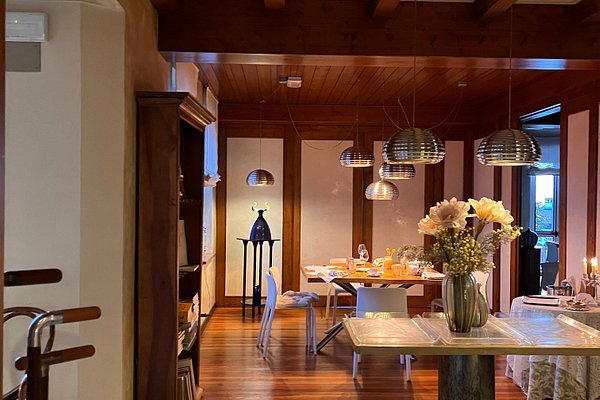
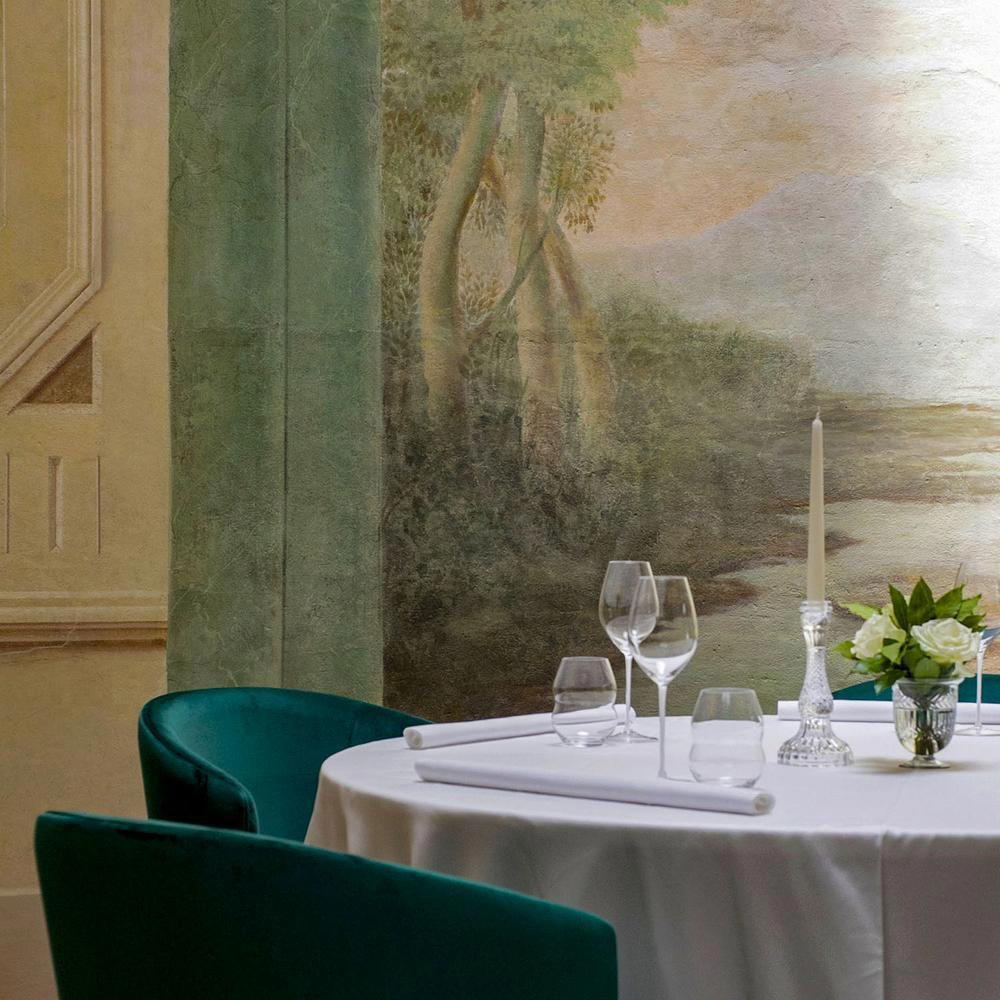
Bars in Pieve Di Soligo
Browse all →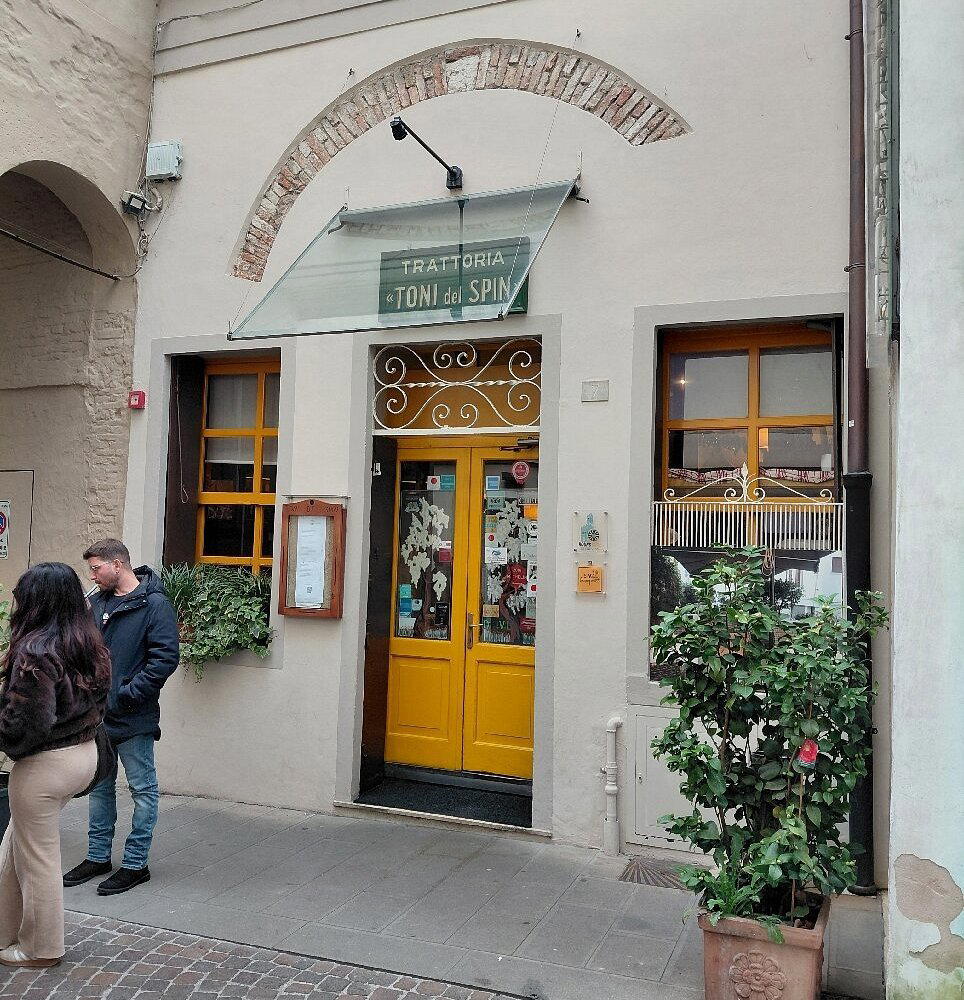
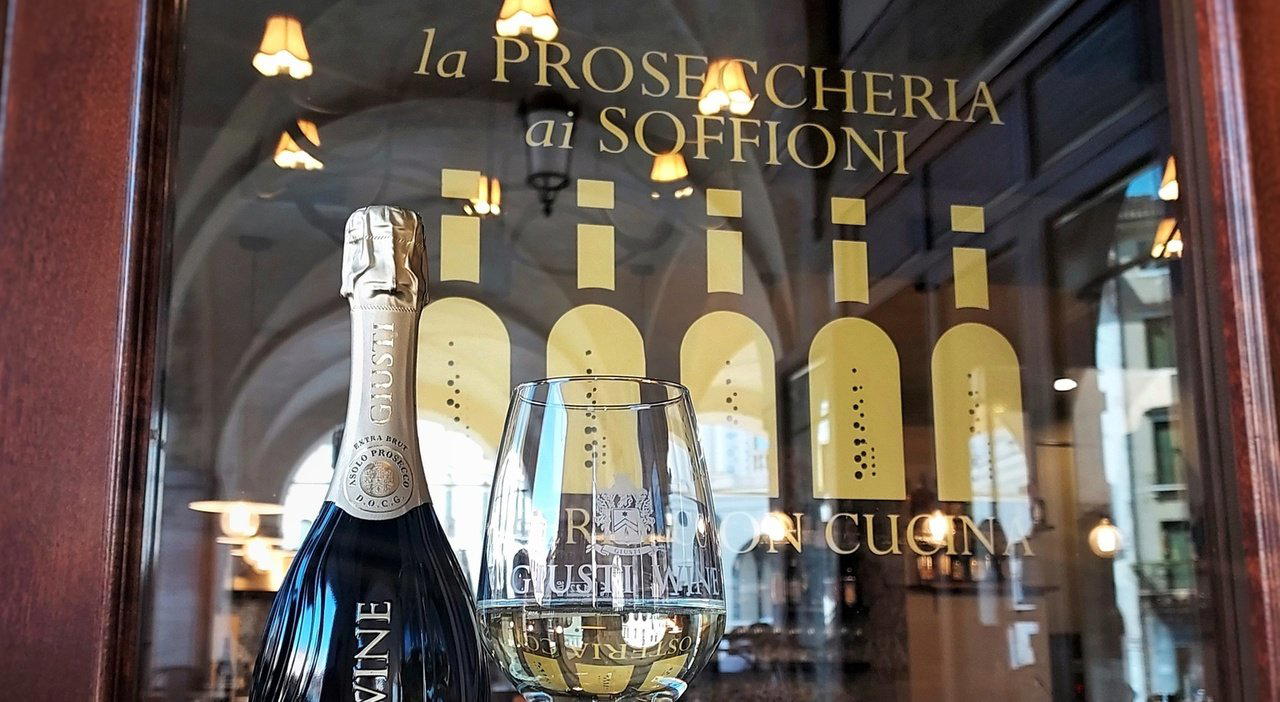
Hotels in Pieve Di Soligo
Browse all →
At a Glance
- Classic
- Rustic
- Elegant
- Cozy
- Intimate
- Family
- Celebration
- Date Night
- Group Dining
- Private Dining
- Terrace
- Historic Building
- Extensive Wine List
- Local Sourcing
- Vineyard
Current opening hours
- Monday
- Closed
- Tuesday
- Closed
- Wednesday
- 7–10 PM
- Thursday
- 12–3 PM, 7–10 PM
- Friday
- 12–3 PM, 7–10 PM
- Saturday
- 12–3 PM, 7–10 PM
- Sunday
- 12–3 PM, 7–10 PM
Hours can change for holidays and private events. Last verified .
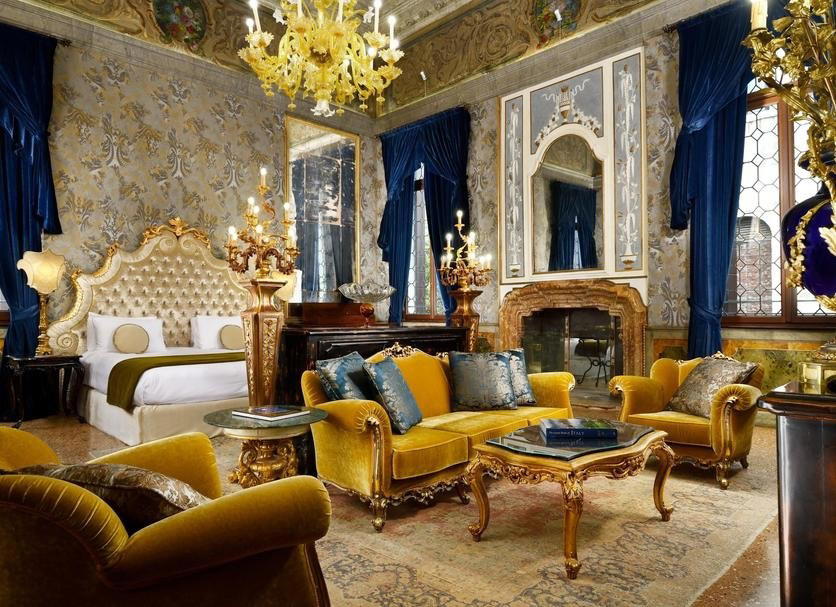
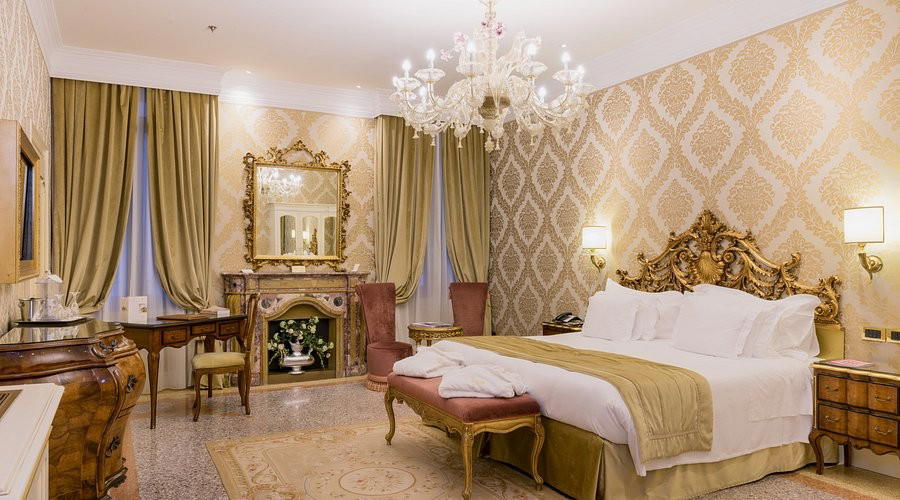
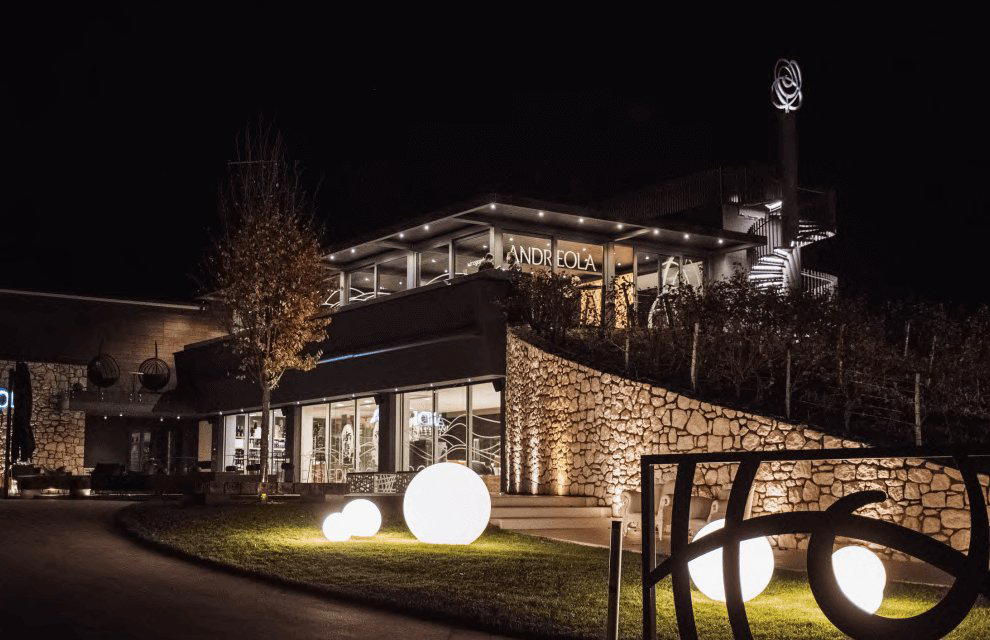
Charming historic setting with refined yet comfortable furnishings, warm service, and a welcoming courtyard atmosphere evoking timeless elegance.