Locanda San Lorenzo


A Michelin-starred inn in the Alpago valley, Locanda San Lorenzo has operated under the Dal Farra family since 1900, earning its star in 1997 and holding it into 2024. Chef Renzo Dal Farra works within a deep regional tradition, drawing on local Veneto mountain ingredients with occasional modern reinterpretation. It represents a rare convergence of longevity, local identity, and sustained critical recognition.
Pearl is the En Primeur Club membership app — saves, bookings, and concierge access live there. Same editors, same standards.
- Address
- Puos, Via General Cantore, 2, 32016 Alpago BL, Italy
- Phone
- +39 0437 454048
- Website
- locandasanlorenzo.it
- Directions
- Get directions
 Saves & bookings on Pearl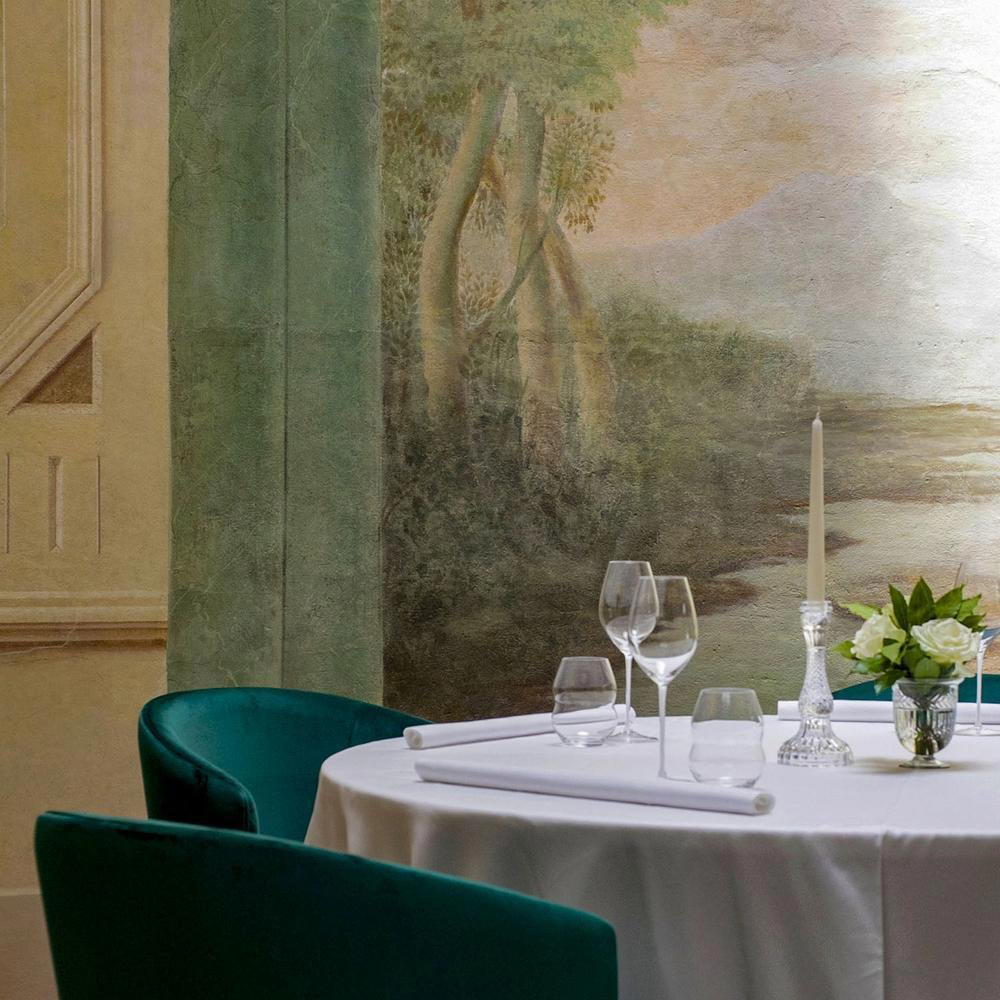
A Village Inn That Outlasted Every Trend
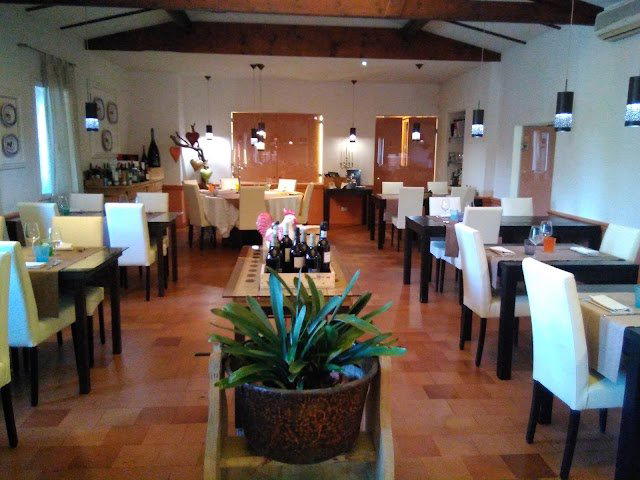
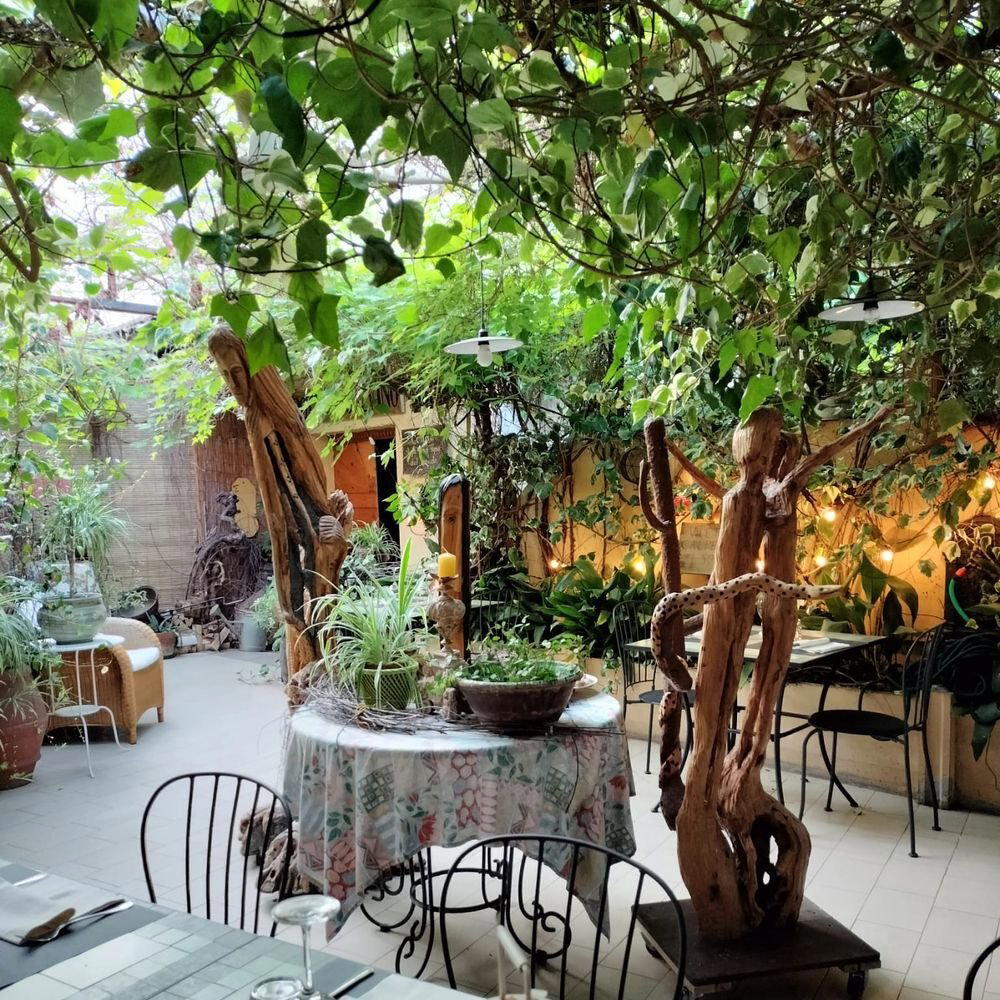
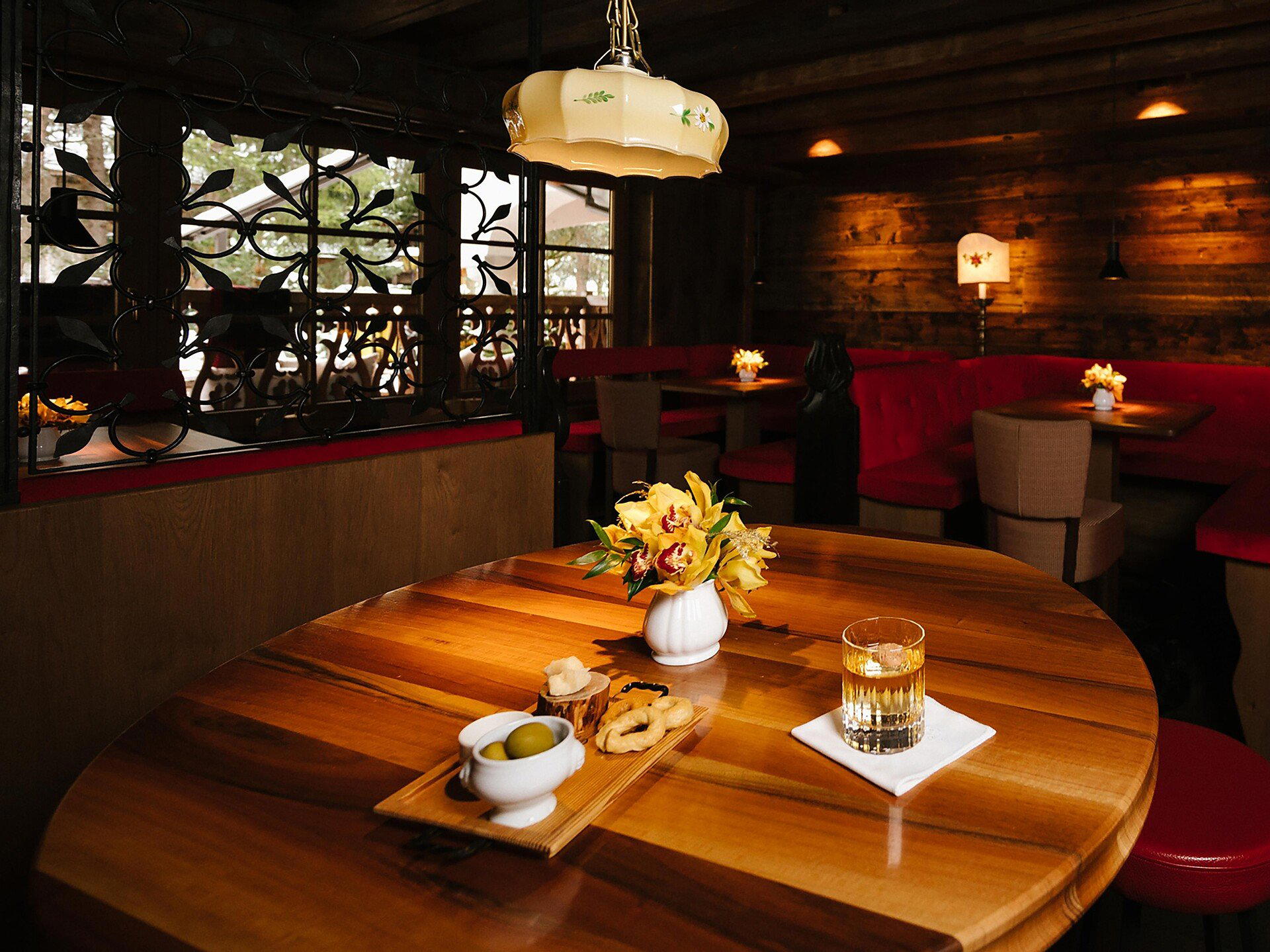
The Alpago valley sits in the Dolomite foothills north of Belluno, where the forested slopes descend toward Lago di Santa Croce and the pace of life follows agricultural and seasonal rhythms rather than urban ones. In Puos d'Alpago, the main street has the quiet authority of a place that has never needed to advertise itself to outsiders. Locanda San Lorenzo is a one-Michelin-star restaurant in Puos d'Alpago, Italy, on Via General Cantore, with a €€€ price tier. It occupies that setting with complete ease: an inn that has stood on Via General Cantore since 1900, when Renzo Dal Farra's grandparents opened a simple osteria to feed workers at a nearby mill. The building has absorbed over a century of use, and the interior reflects it honestly, with a rustic room where two tables sit directly in front of a working fireplace, and a more contemporary dining room that accommodates guests who prefer cleaner lines.
That duality of space captures something true about what the restaurant does at the table. The cooking draws fully on regional mountain ingredients, the producers and seasons that define northeastern Veneto, while leaving room for the occasional modern reinterpretation. This is not cuisine trying to transcend its geography. It is cuisine that takes its geography seriously enough to look at it from more than one angle.
The Weight of a Century in the Kitchen
Italy's most resilient restaurant traditions tend to be family-held, generation-transferred, and rooted in a specific place. The category includes properties like Dal Pescatore in Runate, where decades of consistency built a three-star reputation without ever departing from Mantovan identity. Locanda San Lorenzo operates on a similar logic, even if its scale and setting are more modest. The Dal Farra family has run the property across three generations, with Renzo's grandparents establishing it, his parents carrying it through the mid-century, and Renzo himself taking the role of owner-chef in the generation that earned the Michelin star in 1997.
That date matters. The 1997 star arrived before the current era of Instagram-accelerated openings and chef-as-celebrity culture reshaped Italian dining expectations. Holding it through to the 2024 guide is not the same achievement as winning it recently: it requires continuous kitchen discipline across decades of changing inspector criteria, shifting regional competition, and the ordinary entropy that closes most restaurants within their first decade. The current kitchen team includes head chef Benoît Corjon.
For editorial context on where this sits within Italy's broader fine dining scene, the contrast with city-based peers is instructive. Operations like Osteria Francescana in Modena, Enrico Bartolini in Milan, or Enoteca Pinchiorri in Florence all sit at €€€€ and position themselves against an international comparable set. Locanda San Lorenzo sits at €€€ and positions itself against its valley, its season, and its own history. That is a different kind of ambition, and the Michelin Guide has historically shown real appetite for it, particularly in the northeast where restaurants like Le Calandre in Rubano and Casa Perbellini 12 Apostoli in Verona demonstrate how the Veneto region sustains serious cooking well beyond Venice.
Regional Identity as Editorial Position
The northeastern corner of Italy, from the Dolomites down through the Veneto plains to the Adriatic, sustains a food culture that differs markedly from the southern or central Italian templates more familiar to international visitors. Mountain cooking here involves game, foraged herbs, dairy from alpine pastures, freshwater fish from the lakes and rivers, and cured pork traditions with local designations. The influence of Habsburg-era Central Europe overlaps with Venetian maritime wealth to produce a cuisine that is neither purely rustic nor metropolitan, but somewhere more interesting in between.
Locanda San Lorenzo draws on this specific geography rather than the general idea of Italian cooking. The Alpago DOC lamb has been a subject of regional pride for decades, and the lake and river fish of the Belluno province appear on menus across the area with a consistency that reflects genuine supply chains rather than menu decoration. This is the raw material that the kitchen at San Lorenzo has always worked with, and the occasional modern reinterpretation noted in its Michelin citation does not suggest a departure from that logic but a deepening of it, finding new angles on familiar ingredients rather than importing new ones.
The comparison with alpine-oriented peers like Atelier Moessmer Norbert Niederkofler in Brunico is useful here. Niederkofler's Cook the Mountain philosophy refined Dolomite-sourced cooking into a three-star framework. San Lorenzo has never claimed that register, but it occupies a related position: a restaurant that takes the altitude and the agriculture of the northeastern mountains as its primary material, and treats them with the seriousness they warrant. The price point difference between the two properties reflects scale and ambition, not a gap in regional conviction.
The Room, the Wine, and the Overnight Option
The physical experience of eating at the restaurant is shaped by a choice the diner effectively makes before sitting down. The rustic dining room, with its fireplace tables, is the space that has absorbed the history: it is where the osteria character of the original 1900 establishment survives most legibly, and where regulars reportedly gravitate. The modern dining room offers a less loaded atmosphere and is the natural choice for guests arriving without prior relationship with the place. Neither room is wrong; they reflect different relationships with the same kitchen.
Wine list carries a regional emphasis appropriate to the setting, with selections that support rather than overshadow the food. Veneto wine culture is extensive, ranging from the Valpolicella and Soave appellations in the southwest to the lesser-known Colli Euganei and the Belluno province producers closer to the restaurant itself. A list that takes this seriously at the €€€ price point represents real editorial effort. Simple guestrooms on the upper floors mean the property functions as a genuine locanda rather than a restaurant with a token hotel attachment, a category that has near-vanished from Italian dining culture in favor of either pure destination restaurants or full boutique hotel operations. Staying overnight at San Lorenzo places the diner inside the valley for long enough to understand why the kitchen cooks the way it does.
Planning Your Visit
The restaurant sits in Puos d'Alpago in the province of Belluno. The €€€ price tier places it below the major destination restaurants of the Italian northeast while remaining firmly in the range of considered occasion dining.
Side-by-Side Snapshot
Comparable venues nearby, for context on price, style, and recognition.
| Venue | Cuisine | Price | Awards | Notes |
|---|---|---|---|---|
| Locanda San LorenzoThis venue — the venue you are viewing | Modern Italian Regional | $$$ | Michelin 1 Star | Not listed |
| Laite | Michelin-Starred Friulian Mountain Cuisine | $$$ | Michelin 1 Star | Sappada |
| Oro Restaurant | Modern Italian Fine Dining | $$$$ | Michelin 1 Star | Giudecca |
| Osteria Acquarol | Modern Italian Fine Dining | $$$$ | Michelin 1 Star | San Michele |
| Al Gambero | Modern Lombardian Fine Dining | $$$ | Michelin 1 Star | town centre |
| In Viaggio - Claudio Melis | Modern Italian Fine Dining | $$$$ | Michelin 1 Star | Merano |
Recognition history
Dated appearances from independent guides and award organizations, with the underlying list record or original source where available.
Falstaff Restaurant - 92 Falstaff Points
Falstaff
Michelin 1 Star
Michelin
Michelin 1 Star
Michelin
Michelin 1 Star
Michelin
Continue exploring
More in Puos d'Alpago
Restaurants in Puos d'Alpago
Browse all →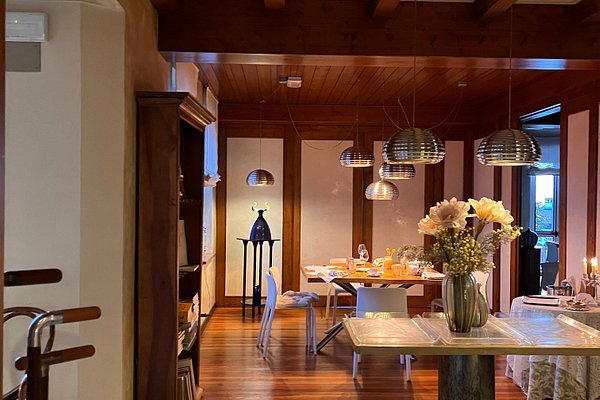
Bars in Puos d'Alpago
Browse all →
Hotels in Puos d'Alpago
Browse all →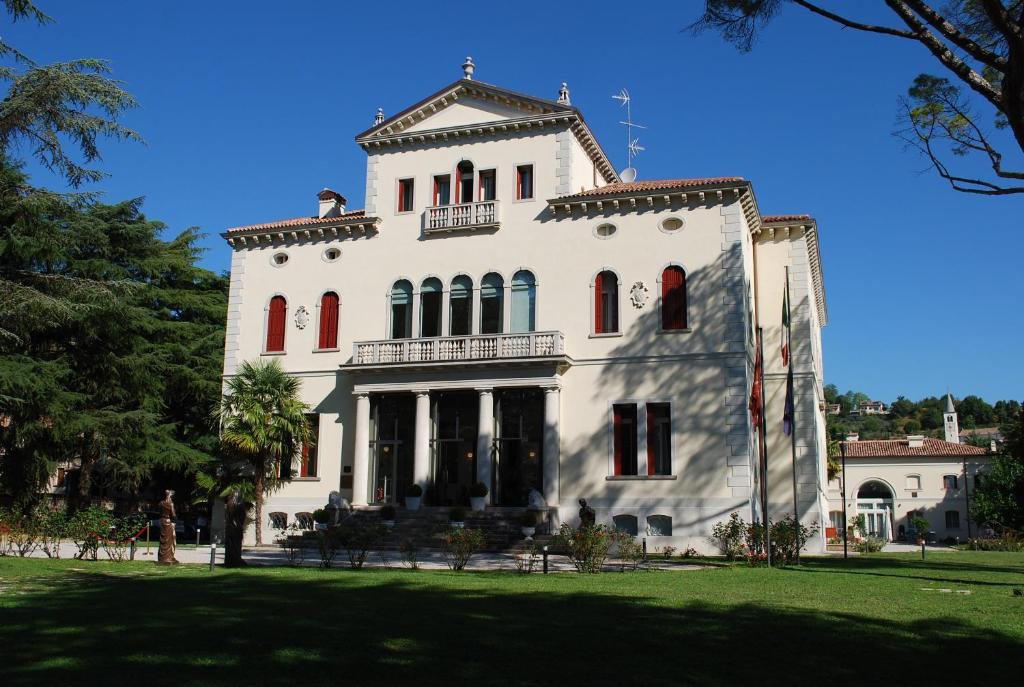

At a Glance
- Rustic
- Cozy
- Elegant
- Classic
- Date Night
- Special Occasion
- Historic Building
- Extensive Wine List
- Local Sourcing
Choice of modern dining room or rustic room with fireplace tables, cosy and welcoming with sophisticated yet laid-back atmosphere.