Al Bosco
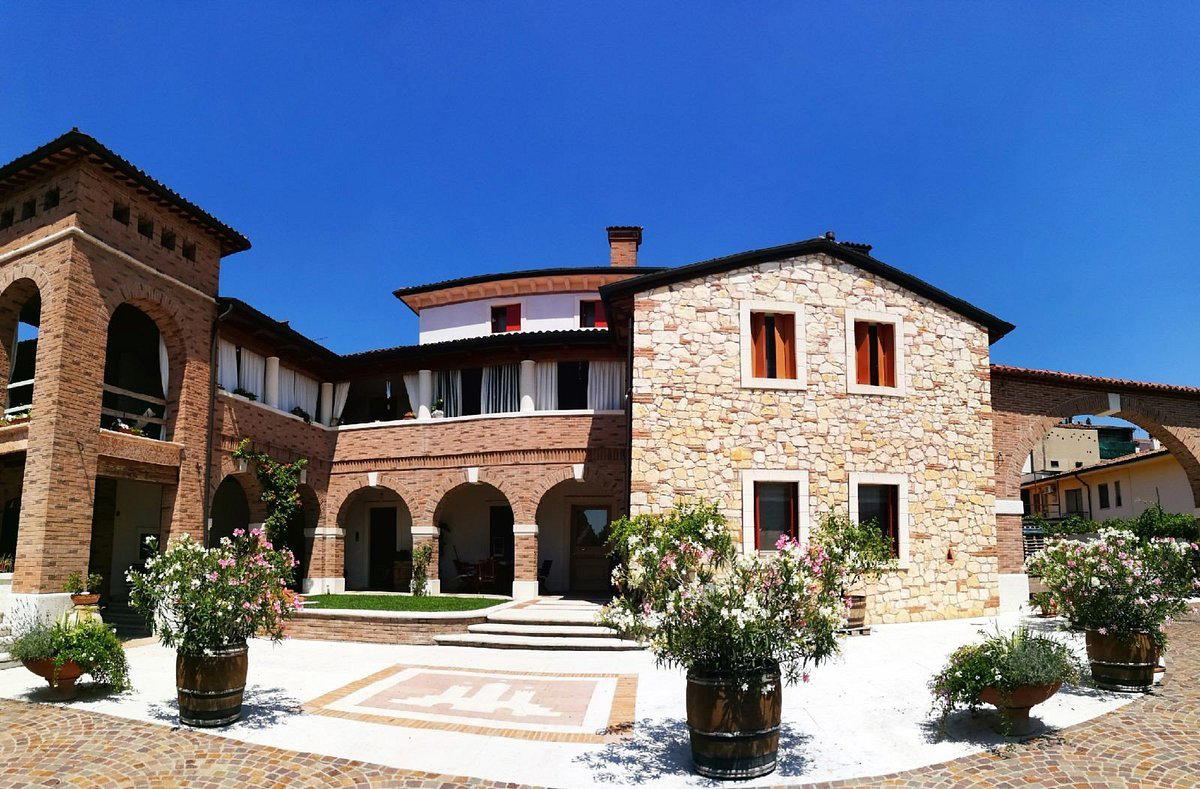
Al Bosco sits on Via Cogolo Destro in Montegrotto Terme, the thermal spa town at the foot of the Euganean Hills in Veneto. In a region where ingredient provenance and local agricultural tradition shape the dining culture, the restaurant draws from the rural larder that surrounds it. For visitors exploring the area beyond its spa circuit, Al Bosco offers a grounded, place-specific alternative to the region's more polished restaurant tier.
Pearl is the En Primeur Club membership app — saves, bookings, and concierge access live there. Same editors, same standards.
- Address
- Via Cogolo Destro, 8, 35036 Montegrotto Terme PD, Italy
- Phone
- +393949794317
- Website
- alboscomontegrotto.it
- Directions
- Get directions
 Saves & bookings on Pearl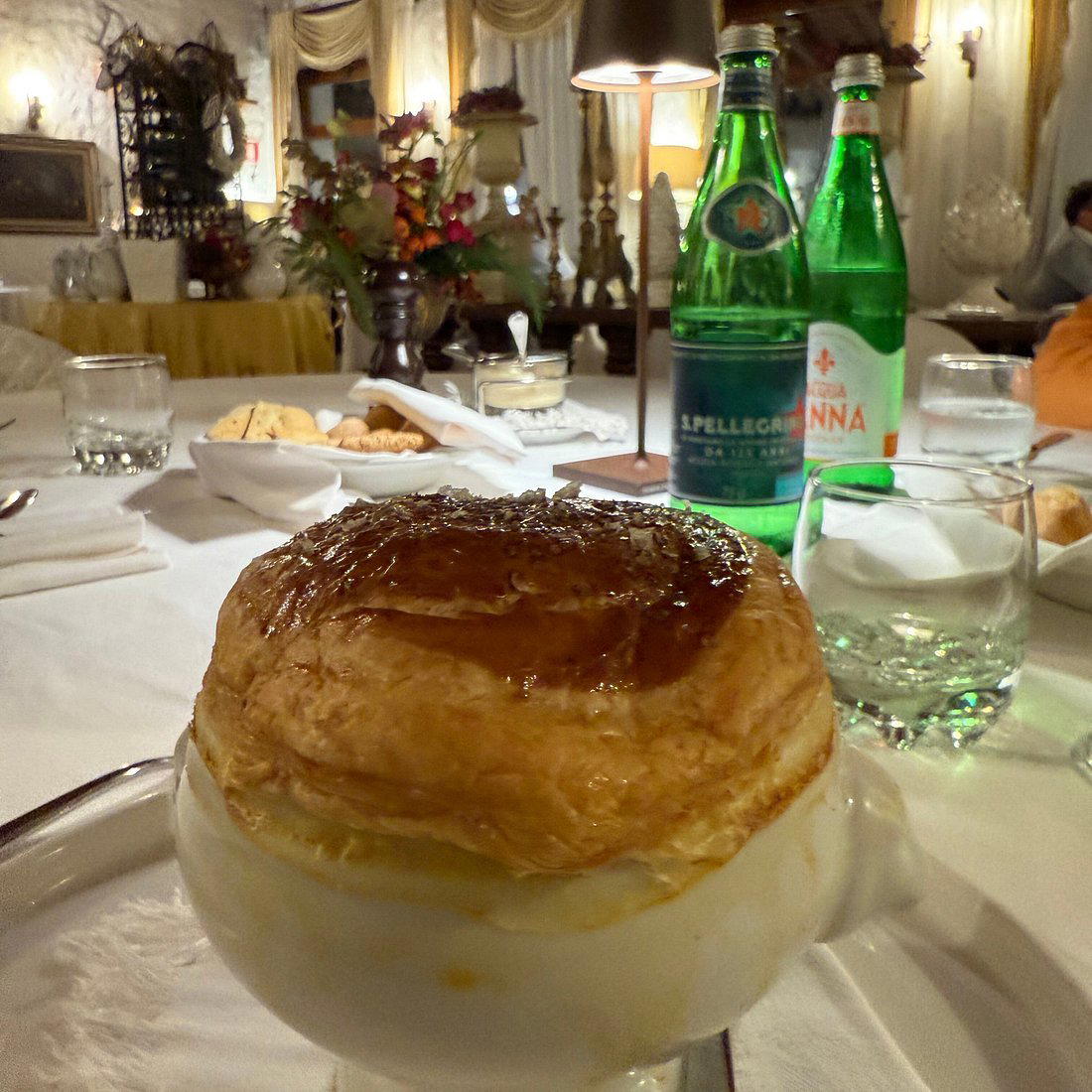
Dining in the Euganean Hills: Where Provenance Shapes the Plate
Montegrotto Terme is known primarily for its thermal baths and the broader spa economy that defines life in the southern Veneto flatlands. Dining here sits in the shadow of that identity, which means the town's restaurants tend to serve a captive audience of hotel guests and weekend visitors rather than food-focused travelers making a specific detour. That dynamic has historically kept the local restaurant scene conservative and ingredient-focused rather than technique-driven. Al Bosco, at Via Cogolo Destro, 8 in Montegrotto Terme, occupies this context: a setting defined less by urban dining energy and more by the agricultural rhythm of the Euganean Hills territory that frames it.
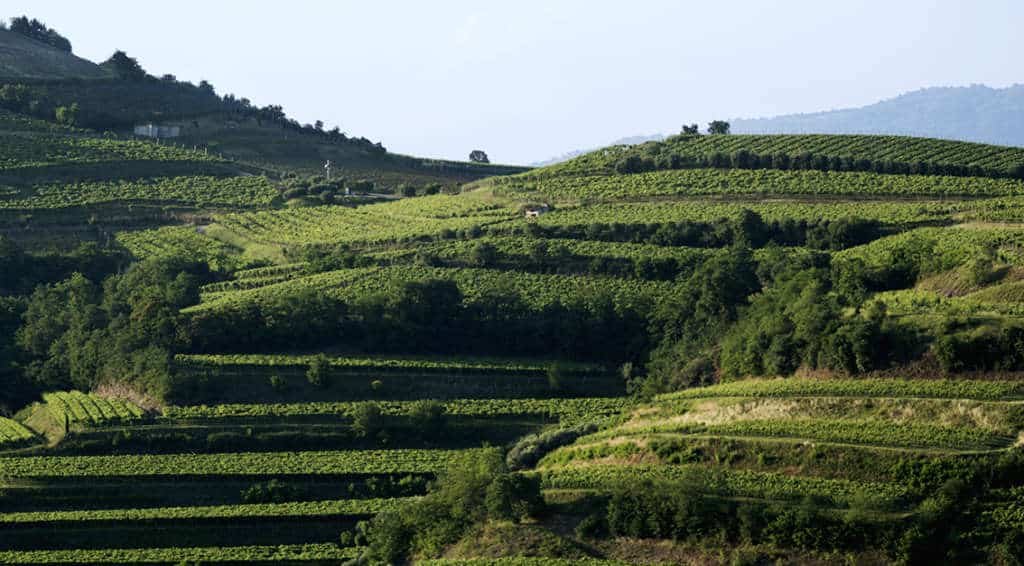
The Euganean Hills, a compact volcanic formation rising from the Po Plain, support a notably varied local larder. The area produces wines under its own DOC designation, raises game in its forested slopes, and benefits from proximity to the broader Veneto agricultural zone, where white asparagus from Bassano del Grappa, radicchio from Treviso, and the dairy traditions of the Lessinia plateau all feed into regional cooking. Restaurants in Montegrotto that anchor their menus to this geography are working with a genuinely distinctive supply chain, one that connects the volcanic soils of the hills to the Po Delta fish markets to the south and the alpine foothills to the north. That sourcing geography, rather than any single technique or format, is what gives Veneto's serious trattorie and mid-tier restaurants their editorial interest.
Ingredient Logic in the Local Context
In Veneto's broader dining culture, ingredient sourcing is a competitive differentiator rather than a marketing afterthought. The region's heavy participation in the slow food movement, its density of agritourismo operations, and its deep network of small-scale producers mean that even modestly priced restaurants can credibly anchor their menus to hyper-local supply chains. The Euganean Hills specifically support foragers, small-scale livestock keepers, and viticulture operations that rarely distribute beyond the provincial market of Padova. A restaurant positioned geographically and conceptually within that ecosystem, as Al Bosco appears to be given its address in the hills-adjacent zone of Montegrotto Terme, is working with raw material that larger urban restaurants in Padova or Verona cannot easily replicate.
This kind of provenance-led positioning places Al Bosco in a different competitive frame from the destination fine-dining operations that define Italy's most recognized restaurant tier. Consider the contrast with Dal Pescatore in Runate, where three Michelin stars and decades of family continuity have made sourcing and craft inseparable at the highest price point, or Le Calandre in Rubano, which brings modernist technique to bear on Veneto ingredients from just outside Padova. The restaurant operates at a different scale and in a different register, where the sourcing story is likely the primary editorial claim rather than a supporting credential for technical ambition.
The Montegrotto Terme Restaurant Scene
Montegrotto Terme's dining options broadly divide between hotel restaurants serving spa guests, and independent establishments drawing on local clientele and visitors from nearby Padova, which sits roughly ten kilometers to the northeast. The town is not a primary food-tourism destination in the way that Modena, where Osteria Francescana has reoriented an entire city's culinary identity, or Verona, where Casa Perbellini 12 Apostoli anchors a sophisticated wine-and-dining circuit. What Montegrotto offers instead is a more intimate, less performative version of Veneto hospitality, where the dining experience is embedded in the town's thermal and rural character rather than positioned against an international benchmark.
That quieter profile has its own logic. In towns like this across northern Italy, particularly honest expressions of regional cuisine often happen in rooms that don't make international lists. For the visitor who has already seen Piazza Duomo in Alba or Enoteca Pinchiorri in Florence, a meal in a smaller, less-watched setting can be a recalibrating experience.
Planning a Visit
The restaurant is located at Via Cogolo Destro, 8, in Montegrotto Terme, within the Province of Padova. Montegrotto Terme is accessible by rail from Padova on the regional line to Monselice, with the journey taking under twenty minutes. By car, the town sits just off the A13 motorway, making it a practical stop for travelers moving between Padova and the Este or Ferrara corridor. For additional context on comparable dining in the region, Ristorante Cencio offers another local reference point within Montegrotto Terme itself.
Visitors with a broader appetite for Italy's serious regional cooking will find context in properties like Uliassi in Senigallia, where coastal Marche ingredients are treated with creative rigor, or Atelier Moessmer Norbert Niederkofler in Brunico, where Alpine sourcing is the central editorial argument of the entire menu. For international comparisons of sourcing-led cooking formats, Lazy Bear in San Francisco represents how the same ingredient-first logic translates in a different cultural register. Closer to Veneto's own fine-dining ceiling, Reale in Castel di Sangro, Quattro Passi in Marina del Cantone, Da Vittorio in Brusaporto, Villa Crespi in Orta San Giulio, Enrico Bartolini in Milan, La Pergola in Rome, and Le Bernardin in New York City all represent the tier where sourcing ambition meets formal recognition at the highest level.
A Quick Peer Check
Comparable venues nearby, for context on price, style, and recognition.
| Venue | Cuisine | Price | Notes |
|---|---|---|---|
| Al BoscoThis venue — the venue you are viewing | Modern Venetian Trattoria | $$$ | Not listed |
| Ristorante Cencio | Traditional Italian Trattoria | $$ | Montegrotto Terme |
| L'Ombra che conta | Modern Italian with Wine Focus | $$$ | Historic Center |
| San Benedetto | Traditional Veneto Italian | $$$ | Montagnana |
| Da Rioba | Creative Venetian Seafood | $$$ | Cannaregio |
| La Scala | Italian Seafood | $$$ | Abano Terme |
Continue exploring
More in Montegrotto Terme
Restaurants in Montegrotto Terme
Browse all →
Hotels in Montegrotto Terme
Browse all →
At a Glance
- Romantic
- Scenic
- Elegant
- Classic
- Date Night
- Family
- Celebration
- Special Occasion
- Garden
- Terrace
- Private Dining
- Extensive Wine List
- Local Sourcing
- Garden
Current opening hours
- Monday
- 12:30–2:30 PM, 7:30–10 PM
- Tuesday
- Closed
- Wednesday
- Closed
- Thursday
- 12:30–2 PM, 7:30–10 PM
- Friday
- 12:30–2:30 PM, 7:30–10 PM
- Saturday
- 12:30–2:30 PM, 7:30–10 PM
- Sunday
- 12:30–2:30 PM, 7:30–10 PM
Hours can change for holidays and private events. Last verified .
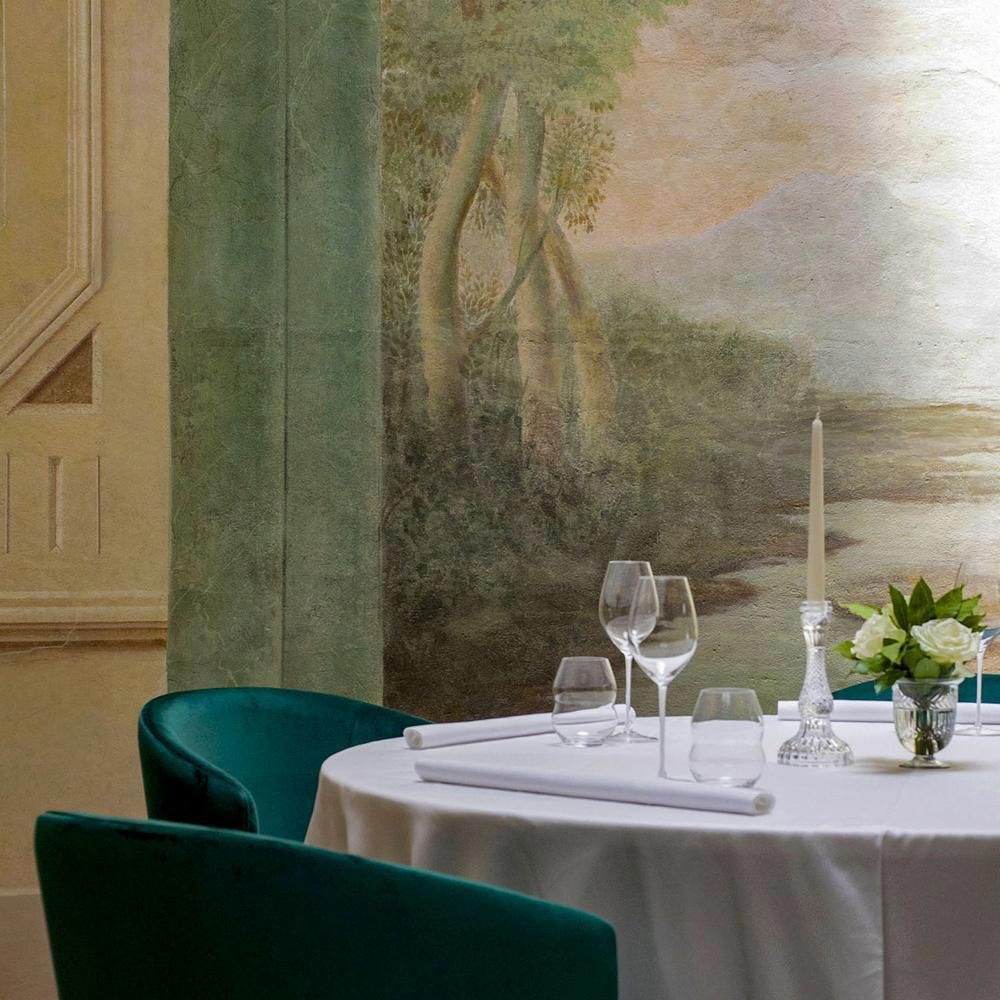
Elegant and welcoming with beautiful garden views; features a glorious hall with fireplace in winter and terrace seating in summer, creating an idyllic, relaxing atmosphere.