Dolada


1 Michelin Star · Falstaff Restaurant - 93 Falstaff Points
Our verdict
Dolada is a mountain-country restaurant in Pieve d’Alpago where the logic of the kitchen begins with the surrounding valleys, woods, lake fish, game, mushrooms, garden produce, and a small vineyard. The experience belongs to the Alpine edge of Veneto rather than the coastal or urban Italian canon: fire, local sourcing, and family continuity shape the meal more than theatrical technique.

Pearl is the En Primeur Club membership app — saves, bookings, and concierge access live there. Same editors, same standards.
- Address
- Via Dolada, 21, 32010 Plois BL, Italy
- Phone
- +39 0437 479141
- Website
- dolada.it
- Directions
- Get directions
- Booking
- Book on OpenTable
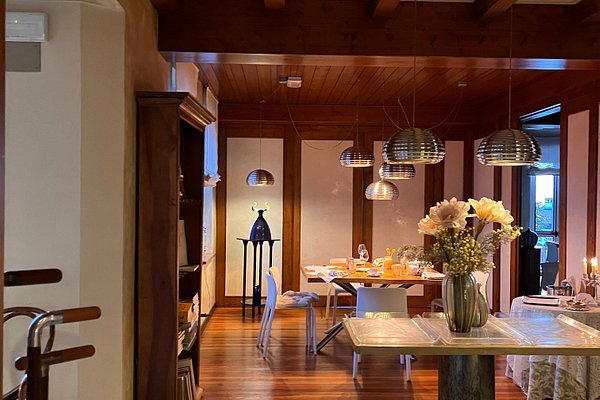
The approach to Pieve d’Alpago shifts the appetite before the menu does: Santa Croce lake below, mountain villages around it, and peaks tightening the frame. In this part of Veneto, country cooking is not nostalgia dressed for tourists. It is a practical cuisine built around altitude, cold seasons, woods, water, and households that learned to preserve flavour before refrigeration made abundance easy.
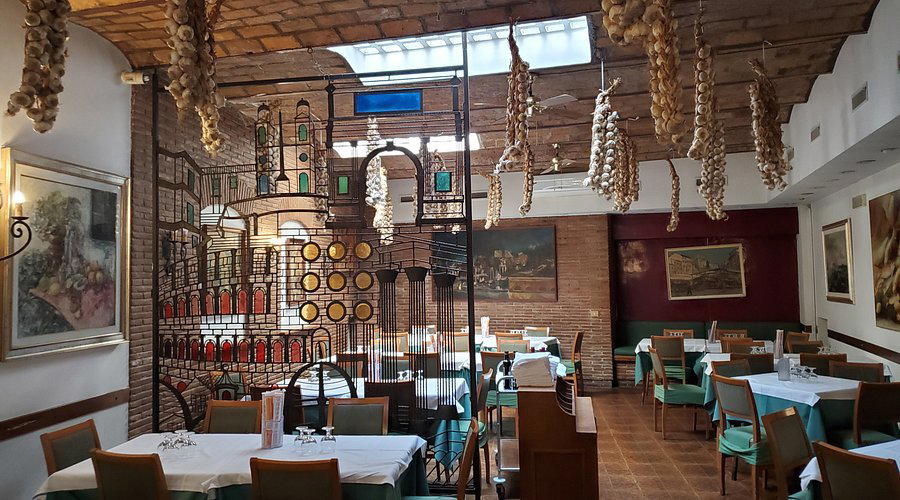
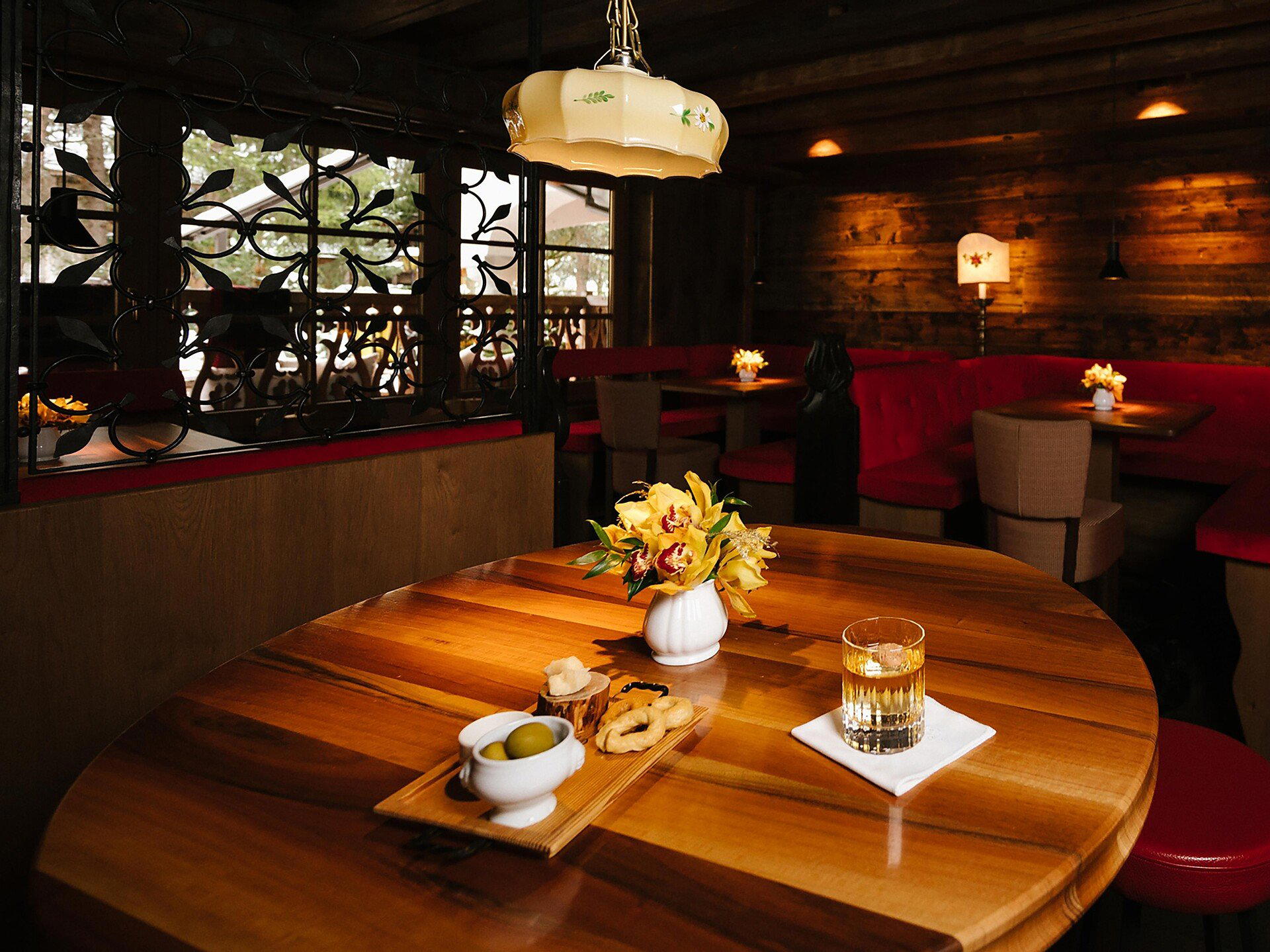
Dolada belongs to that tradition at a polished level. Its dining rooms and lounges mix antique and modern furnishings, with an open fireplace playing a working role rather than acting as décor. The setting matters because the cooking here is not trying to escape the mountains. It draws authority from them.
Mountain sourcing gives the kitchen its structure
Italian regional dining can become vague when reduced to a label, but Alpine Veneto has clear markers: game from the surrounding territory, mushrooms from the woods, freshwater fish from nearby waters, and garden vegetables that follow a shorter growing calendar than the plains. At Dolada, those ingredients are not decorative references. They define the restaurant’s country-cooking identity and explain why the room feels closer to a refined mountain house than to a city dining room transplanted into scenery.
The sourcing angle also places the restaurant in a narrower competitive tier. Country cooking at Le Macine, Il Capriolino, and Alle Codole sits in a more accessible bracket, while Baita Fraina and Vecchia Malcesine occupy higher-spend mountain or lake-adjacent territory. Dolada sits between rusticity and formality: not a trattoria, not a tasting-room abstraction, but a family-rooted restaurant where local products are handled with technical control.
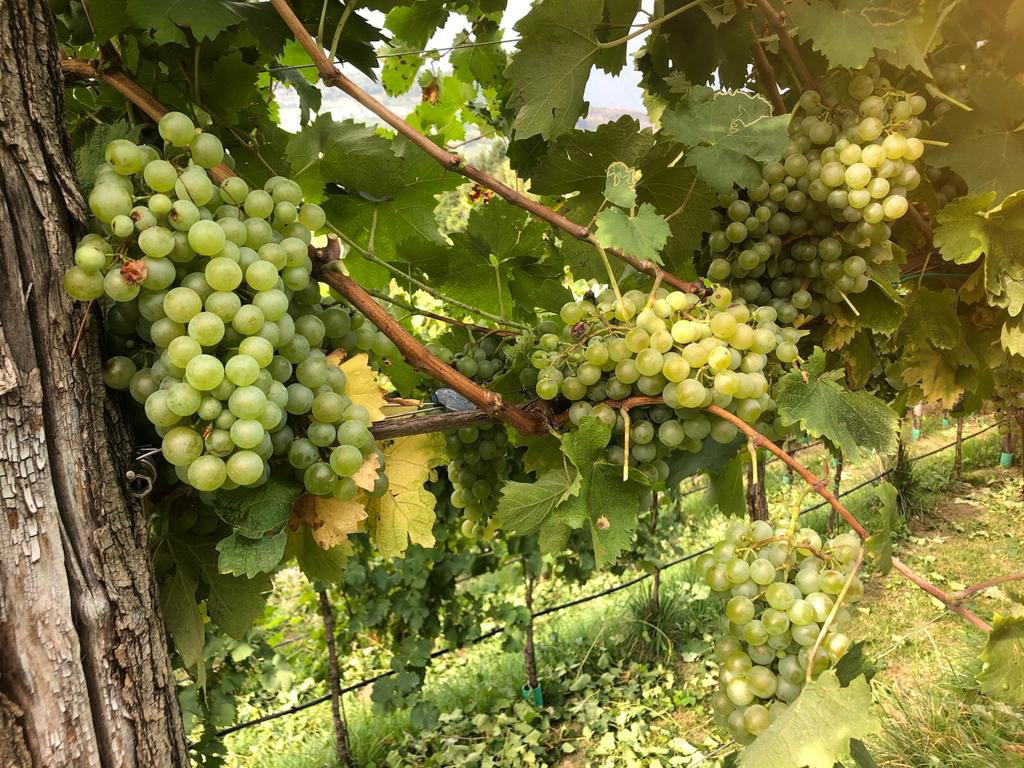
That distinction matters in northern Italy, where “local” can mean anything from a token cheese plate to a full kitchen economy. Here, the case is stronger because the restaurant’s mountain focus includes game, mushrooms, freshwater fish, a kitchen garden, and vineyard cultivation. Those details move the cooking away from generic regionalism and toward a supply chain that belongs to this specific corner of Belluno province.
A century-old family restaurant without museum cooking
Long-running Italian restaurants often face a difficult choice: preserve a house style so tightly that it becomes static, or modernise so aggressively that the original character disappears. Dolada’s useful tension is that the De Pra family story reaches back over a century, while the current kitchen has intensified its search for local ingredients rather than treating heritage as a finished script.
Chef Riccardo’s role is relevant only because it explains the present direction. The cooking is framed by the mountains, not by a personality cult. Fire cooking, small dining rooms, and a pantry drawn from the surrounding area create continuity; cleaner technique and sharper ingredient selection keep the restaurant from becoming a rural period piece.
This is the kind of address that helps clarify what premium country cooking can mean in Italy. It is not luxury expressed through imported products or urban polish. It is discipline applied to ingredients with a defined radius: lake, woods, garden, vineyard, hearth. For travellers used to Italian dining through the codes of Florence, Rome, Milan, or Naples, Alpago shifts the reference point. The meal reads through terrain first.
How to place it within an Italy itinerary
Pieve d’Alpago is not a casual add-on to a city crawl. It rewards travellers already moving through the Veneto mountains, the Dolomites, or lake-country routes where meals are part of the day’s geography rather than a detached evening booking. The restaurant’s pull is strongest for diners who care about ingredient origin and regional specificity more than long-menu spectacle.
For planning around the area, start with Our full Pieve d'Alpago restaurants guide, then widen the trip through Our full Pieve d'Alpago hotels guide, Our full Pieve d'Alpago bars guide, Our full Pieve d'Alpago wineries guide, and Our full Pieve d'Alpago experiences guide. Readers building a broader Italy food route can compare the country-cooking register here with 'E Curti Ristorante Tipico di Angela Ceriello & Co SAS in Sant Anastasia, 'l Trippaio di San Frediano in Florence, ‘O Fiore Mio in Faenza, ‘O Scugnizzo in Arezzo, [àbitat] in San Fermo della Battaglia, [bu:r] in Milan, /gu.stà.re/ oltrecucina in Rome, 12 Morsi in Naples, 12 Ristorante in Cesenatico, 13 Comuni in Velo Veronese, 1477 Reichhalter Restaurant in Lana, 16 ART-BAR-RESTAURANT, Country cooking in Saanen, and 21.9, Country cooking in Piobesi d'Alba.
The editorial case is clear: Dolada is for a traveller who wants mountain Veneto interpreted through ingredients rather than scenery alone. The lake and peaks set the stage, but the stronger argument is on the plate, where local game, mushrooms, freshwater fish, garden produce, and fire give the restaurant a sense of place that cannot be swapped into another Italian region without losing meaning.
Frequently asked questions
Can I bring kids to Dolada?
No child policy is listed for Dolada in Pieve d'Alpago. The restaurant is a Michelin 1 Star (2024) country-cooking address at Via Dolada, 21, with small dining rooms and lounges, so it suits a quieter meal rather than a casual family stop.
What kind of setting is Dolada?
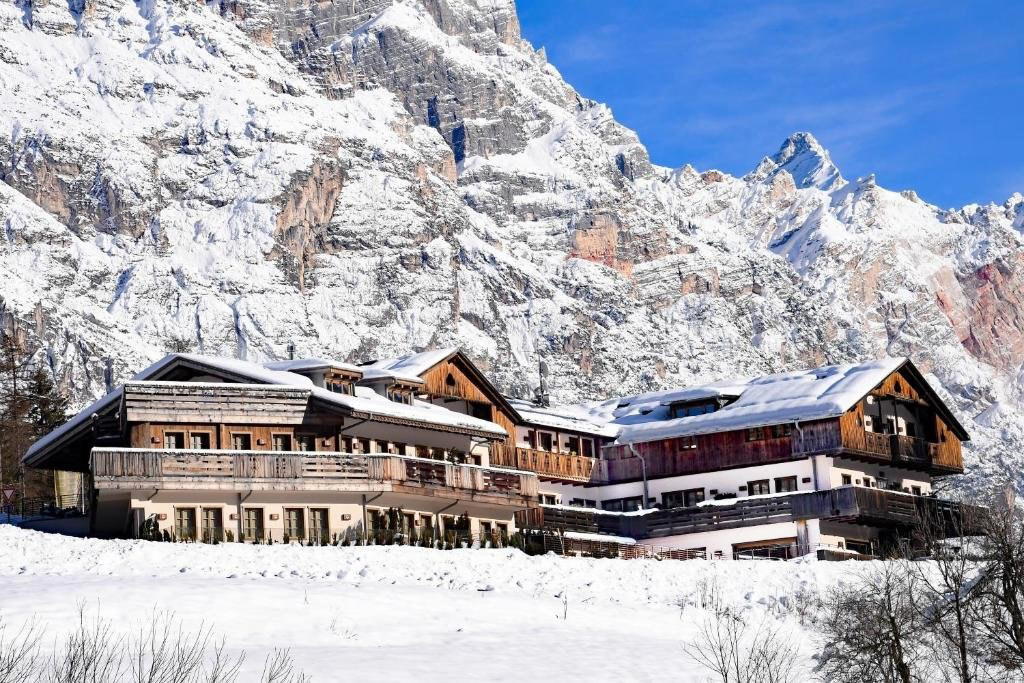
Dolada sits above Santa Croce lake in Pieve d'Alpago, with villages and mountain peaks around it. Inside, the mix of antique and modern furnishings, plus an open fireplace used for cooking, gives the place a character that matches its century-old De Pra family history.
Does Dolada have a Michelin star or similar recognition?
Dolada has received recognition including: An idyllic picture-postcard setting in a panoramic location overlooking Santa Croce lake, surrounded by villages and mountain peaks. This is matched by an elegant interior with a mix of antique and modern furnishings, and a succession of st….
Is Dolada focused on a specific cuisine style?
Dolada serves Country cooking cuisine.
What's the price range at Dolada?
Pricing at Dolada is listed as €€€.
What's Dolada's location?
Dolada is located in Pieve d'Alpago.
Is Dolada reservation-only?
A booking policy is not stated in the public record. Given the Michelin 1 Star (2024) status, the €€€ price range, and the dining rooms spread across a panoramic mountain setting, it should be treated as a place to plan in advance. Check the venue's official channels for the latest details.
At-a-Glance Comparison
Comparable venues by cuisine and price in the same metro.
| Venue | Cuisine | Awards |
|---|---|---|
| DoladaThis venue — the venue you are viewing | Modern Italian Country Cooking | 1 Michelin Star · Falstaff Restaurant - 93 Falstaff Points |
| Le Macine | Country cooking | Not listed |
| Baita Fraina | Country cooking | Not listed |
| Vecchia Malcesine | Country cooking | Not listed |
| Il Capriolino | Country cooking | Not listed |
| Alle Codole | Country cooking | Not listed |
Recognition history
Dated appearances from independent guides and award organizations, with the underlying list record or original source where available.
Michelin 1 Star
Michelin
Falstaff Restaurant - 93 Falstaff Points
Falstaff
Full recognition history (4 entries)
Michelin 1 Star
Michelin
Michelin 1 Star
Michelin
Continue exploring
More in Pieve d'Alpago
Restaurants in Pieve d'Alpago
Browse all →
Bars in Pieve d'Alpago
Browse all →
Hotels in Pieve d'Alpago
Browse all →
Details
- Romantic
- Elegant
- Scenic
- Rustic
- Intimate
- Sophisticated
- Date Night
- Special Occasion
- Celebration
- Historic Building
- Panoramic View
- Open Kitchen
- Extensive Wine List
- Local Sourcing
- Mountain
- Waterfront
- Tasting Menu
- A La Carte
- Vegetarian Friendly
- Gluten Free Options
Elegant interior blending antique and modern furnishings in stylish small dining rooms and lounges, welcoming, quiet, and romantic with panoramic mountain and lake views.