On a quiet residential stretch in Grunewald, Locanda 12 Apostoli brings Italian dining tradition to one of Berlin's most low-key addresses. The name alone signals a particular kind of meal: one shaped by ritual, sequence, and the unhurried rhythms of the Italian table. For visitors working through Berlin's fine-dining tier, this is the counter-programme to the city's Nordic-influenced tasting menus.
Pearl is the En Primeur Club membership app — saves, bookings, and concierge access live there. Same editors, same standards.
- Address
- Hüttenweg 90, 14193 Berlin, Germany
- Phone
- +4949308181910
- Website
- 12-apostoli.de
- Directions
- Get directions
 Saves & bookings on Pearl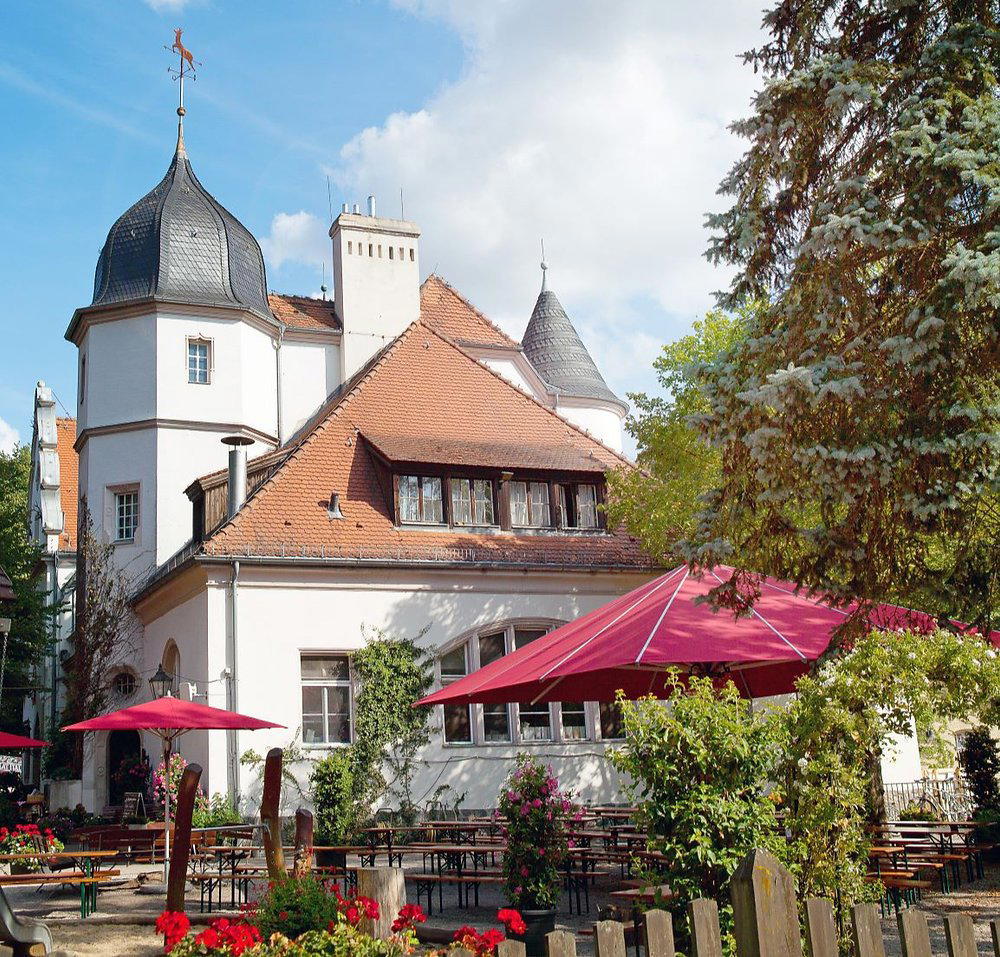
Where Grunewald Meets the Italian Table
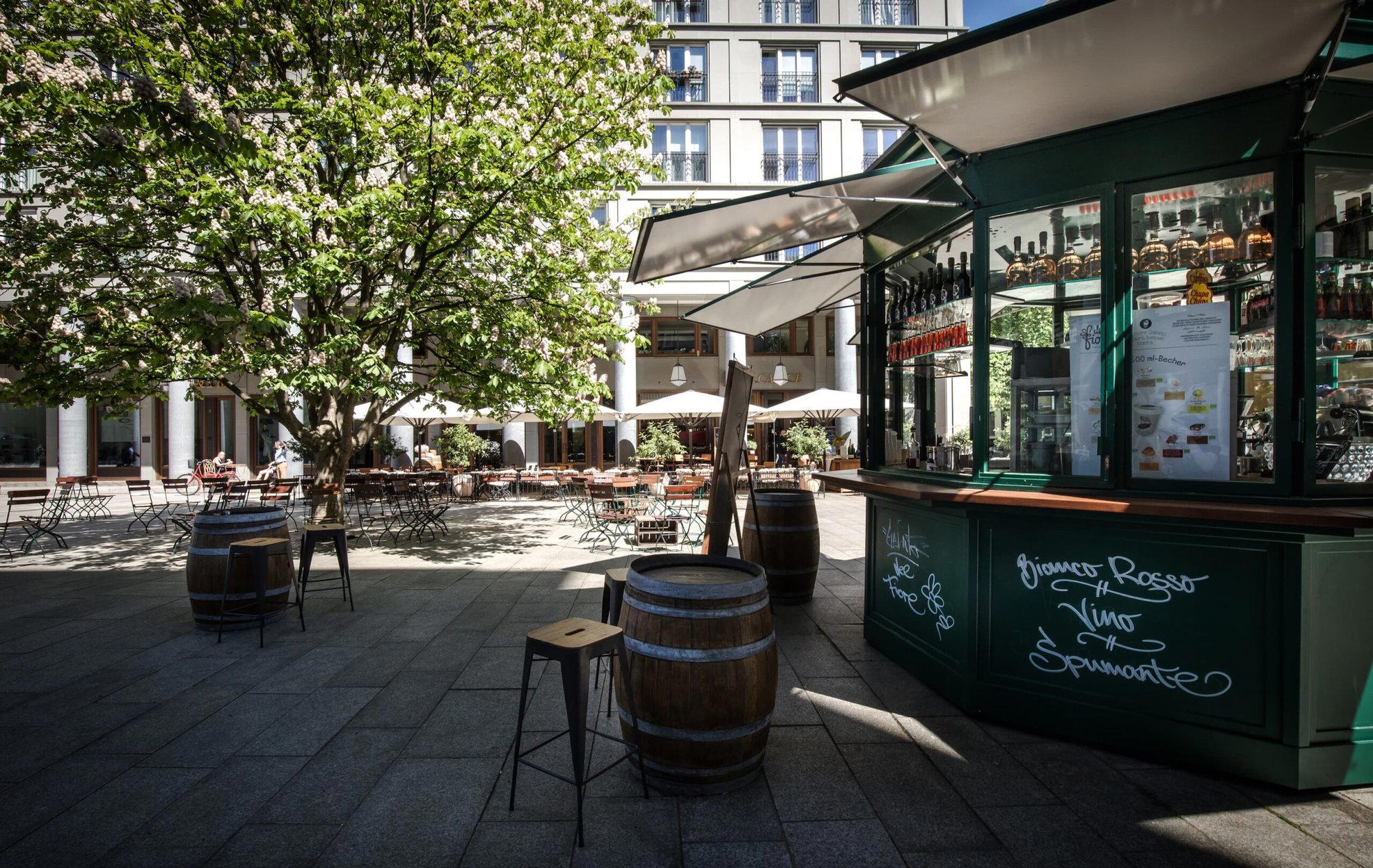
Hüttenweg sits in the kind of Berlin neighbourhood that most visitors never reach. Grunewald's residential streets are lined with villas and mature trees, and the area's dining options tend toward the local and unannounced rather than the curated and reviewed. It is precisely this setting that defines the proposition at Locanda 12 Apostoli: a modern Italian restaurant in Berlin, operating outside the central cluster of the city's recognized fine-dining addresses, on a stretch of road where the pace of the surrounding streets sets expectations before you've sat down.
That positioning matters. Berlin's high-end restaurant scene has consolidated around a small number of formats. Rutz and Nobelhart & Schmutzig anchor the modern German and creative European end. FACIL and Restaurant Tim Raue represent the international creative tier. CODA Dessert Dining operates in a specialist format that has no real peer in the city. Against all of these, an Italian locanda in Grunewald occupies genuinely different ground, drawing on a European dining tradition that predates the contemporary tasting-menu format by centuries.
The Ritual of the Italian Meal
The word locanda is worth pausing on. In Italian, it describes an inn or tavern: a place where the meal is not a performance but a sustained act of hospitality. The format implies antipasti, a progression through primi and secondi, bread that arrives early and stays late, and a pacing calibrated not by kitchen efficiency but by the natural rhythm of conversation at the table. This is a different contract from the timed seatings and single-track tasting menus that characterize most of Berlin's recognized fine-dining rooms.
That ritual structure changes how you eat. In a locanda format, the diner retains more agency: choosing whether to take a full four courses or to stop after two, signalling pace through engagement with staff rather than following a predetermined sequence. The kitchen responds to the table rather than running a fixed programme. For guests accustomed to the controlled cadence of a tasting counter, this can feel almost disorienting in the leading sense, a reminder that European restaurant culture has always had more than one model for what a serious meal looks like.
Italian dining tradition also places enormous weight on the relationship between courses. The transition from antipasto to primo is not a neutral handoff; it is where the kitchen signals its priorities. A raw seafood antipasto that gives way to a butter-finished risotto tells you something specific about the chef's understanding of balance and progression. These internal relationships within a menu are the real test of an Italian kitchen, and they are harder to judge from outside than the headline dish on any given plate.
Location as Editorial Statement
Grunewald is not where you go looking for a restaurant. That is, in a city like Berlin, an almost deliberate act of positioning. The neighbourhood's restaurants exist for residents, not for tourists or the weekend reservation circuit. A restaurant at this address either sustains itself on a loyal local clientele or it does not sustain itself at all. For visitors, the journey out to Hüttenweg, whether by S-Bahn to Grunewald station or by taxi from the centre, functions as a kind of commitment device. You are not passing by; you are going specifically.
That geography connects Locanda 12 Apostoli to a wider pattern across German fine dining, where some of the country's most committed kitchens operate away from the metropolitan centre. Schwarzwaldstube in Baiersbronn, Waldhotel Sonnora in Dreis, and Schanz in Piesport all operate in areas where the destination itself requires planning and intention. Aqua in Wolfsburg and JAN in Munich similarly draw diners who have done the research. Within Berlin, the Grunewald address gives Locanda 12 Apostoli an equivalent quality of deliberateness, even if the scale is urban rather than rural.
Italian Cuisine in the German Context
Germany's relationship with Italian food is longer and more layered than most northern European countries. Postwar labour migration brought southern Italian cooking to German cities in the 1950s and 1960s, and the trattoria became embedded in German urban dining culture in a way it never quite did in France or the UK. The result is that Germans often have sharply calibrated expectations for Italian food, not the tourist-simplified version but the regional, produce-led cooking of Lombardy, Veneto, or Campania.
That context matters for any Italian restaurant operating at a serious level in Berlin. The comparison set is not just other fine-dining addresses but decades of accumulated local knowledge about what Italian food is supposed to taste like. It is a more demanding audience in some respects than an international one, and the locanda format, with its emphasis on the quality of ingredients and the integrity of traditional preparations, is well suited to that readership.
For reference points beyond Germany, the Italian dining tradition at this register connects to conversations happening at restaurants like Le Bernardin in New York City, where classical European technique is held to a high standard of execution, or Atomix in New York City, where multi-course progression and ritual service have been reconfigured through a different cultural lens. Closer to home, Vendôme in Bergisch Gladbach, Victor's Fine Dining by Christian Bau in Perl, and ES:SENZ in Grassau demonstrate the range of fine-dining formats that serious German diners navigate regularly. Restaurant Haerlin in Hamburg and Bagatelle in Trier round out the picture of a country with strong regional fine-dining infrastructure.
Planning Your Visit
Hüttenweg 90 is accessible from central Berlin by S-Bahn on the S7 line to Grunewald station, with a short walk through residential streets. Given the neighbourhood's character and the restaurant's positioning outside the main fine-dining circuit, advance contact is advisable, the address and format suggest a room sized for regulars rather than walk-in traffic. Specific booking details, current hours, and pricing are best confirmed directly with the venue, as this information was not available at time of publication. Given the Italian dining format, the meal will likely reward an unhurried evening rather than a pre-theatre schedule.
Cuisine and Awards Snapshot
Comparable venues nearby, for context on price, style, and recognition.
| Venue | Cuisine | Price | Notes |
|---|---|---|---|
| Locanda 12 ApostoliThis venue — the venue you are viewing | Modern Italian with Mediterranean Influences | $$ | Not listed |
| Trattoria a muntagnola | Authentic Southern Italian Basilicata Trattoria | $$ | Schoneberg |
| Sironi | Italian Spelt Pizza | $$ | Schoneberg |
| Rasoterra | Contemporary Sicilian Pizza | $$ | Wilmersdorf |
| Malafemmena | Neapolitan Pizza | $$ | Friedenau |
| Nea Pizza 1889 | Authentic Neapolitan Pizza | $$ | Mitte |
Continue exploring
More in Berlin
Restaurants in Berlin
Browse all →
Bars in Berlin
Browse all →
Hotels in Berlin
Browse all →

At a Glance
- Rustic
- Cozy
- Scenic
- Classic
- Family
- Casual Hangout
- Historic Building
- Street Scene
Current opening hours
- Monday
- Closed
- Tuesday
- Closed
- Wednesday
- 12–10:30 PM
- Thursday
- 12–10:30 PM
- Friday
- 12–10:30 PM
- Saturday
- 12–10:30 PM
- Sunday
- 12–10:30 PM
Hours can change for holidays and private events. Last verified .
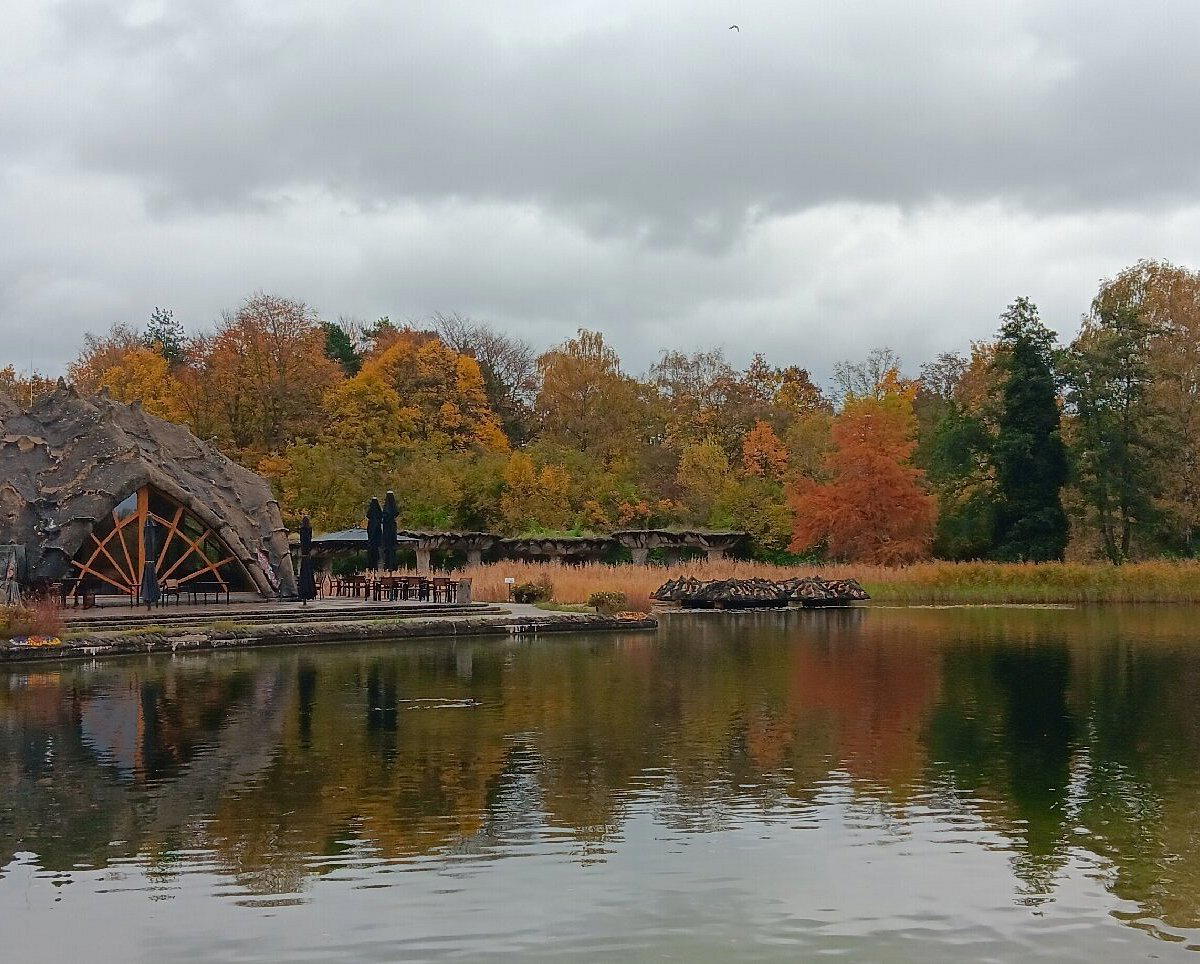
Traditional hunting lodge style blended with charming Italian flair in a picturesque setting.