Sironi at Goltzstraße 36 occupies a quiet corner of Schöneberg where the tradition of Italian-influenced bakery craft meets Berlin's appetite for ingredient-led simplicity. The format skews toward counter service and take-away rather than formal dining, placing it in a growing tier of Berlin food stops where the quality of the product speaks without the theatre of a tasting menu.
Pearl is the En Primeur Club membership app — saves, bookings, and concierge access live there. Same editors, same standards.
- Address
- Goltzstraße 36, 10781 Berlin, Germany
- Phone
- +49 30 21002402
- Website
- sironi.de
- Directions
- Get directions
 Saves & bookings on Pearl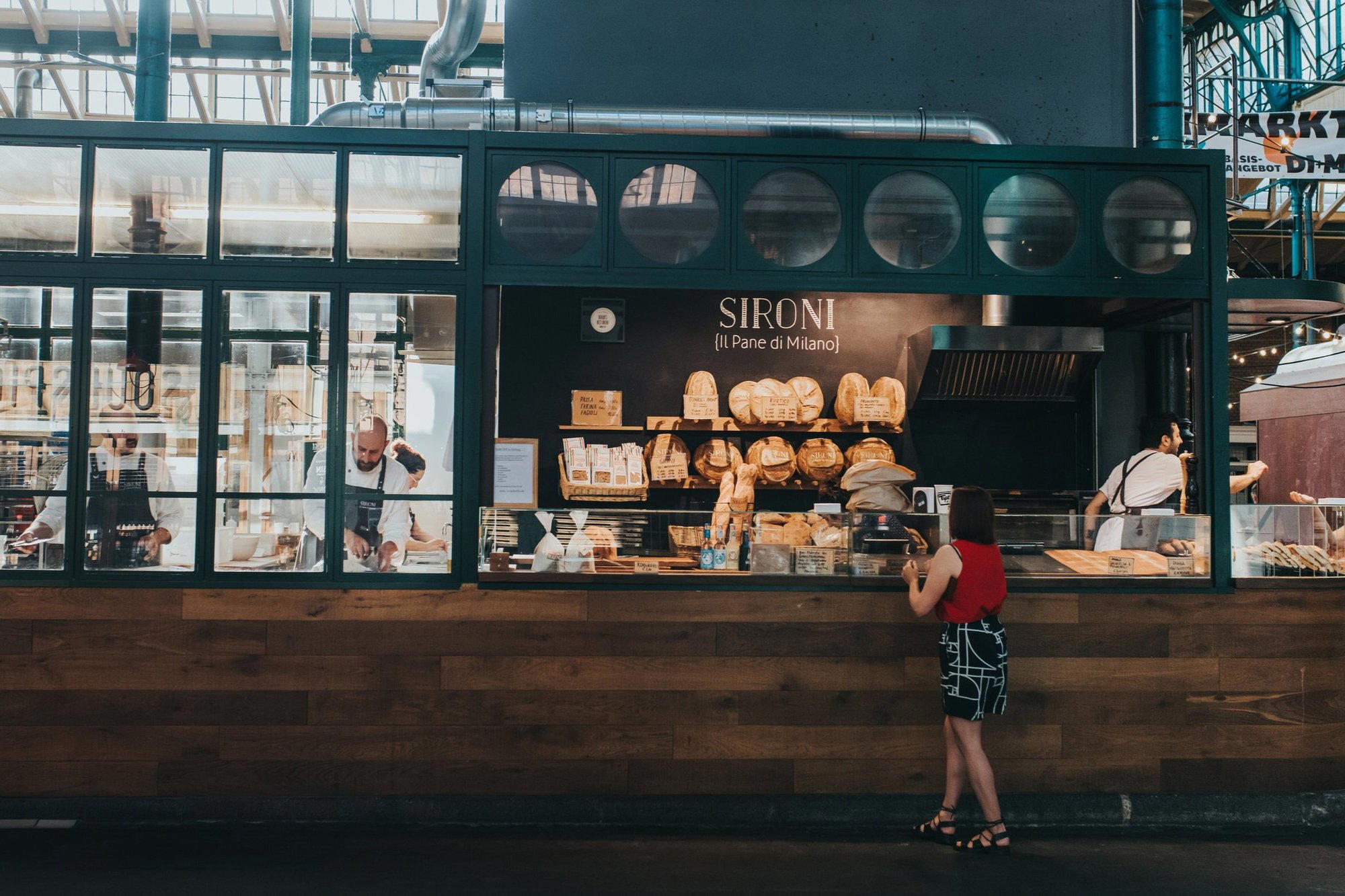
Where Schöneberg's Street-Level Food Culture Gets Serious
Sironi is a restaurant in Berlin, Germany, serving Italian Spelt Pizza at a casual counter-service format. Below that tier, a quieter shift has been under way: small-format producers, bakeries, and counter operations in residential neighbourhoods have started demanding the same ingredient scrutiny as the starred rooms, without the ceremony. Sironi, at Goltzstraße 36 in Schöneberg, belongs to this latter movement.
Schöneberg is not a district that trades on culinary prestige the way Mitte or Prenzlauer Berg might. Its streets mix long-standing Turkish and Italian food shops with the kind of neighbourhood café that opens early and closes when the bread runs out. Sironi fits that grain. The address is unremarkable from the outside, which is consistent with a format that redirects all emphasis toward the product itself rather than the room.
The Italian Bakery Tradition and How Berlin Has Absorbed It
Italian baking culture has found genuine traction in northern European cities over the past fifteen years, partly because sourdough and long-fermentation bread had become a shared obsession across premium food circles, and partly because Italian bakers brought a visible craft discipline that urban audiences in cities like Berlin were actively seeking. The pattern across Berlin, London, and Copenhagen has been similar: a practitioner trained in or connected to an Italian regional tradition sets up in a city where industrial bread still dominates supermarket shelves, and the contrast alone creates a dedicated following.
Sironi operates within that pattern, bringing a focaccia and bread-led offering to a city where the craft-bakery category was, until relatively recently, thinner than in comparable Western European capitals. The evolution of the operation from a modest producer into a stop with a fixed address on Goltzstraße reflects a broader maturation in how Berlin absorbs specialist food formats. What begins as a market stall or pop-up presence tends, in this city, to eventually anchor itself in a residential neighbourhood rather than a high-footfall tourist corridor. That choice of location signals a customer base that is primarily local and repeat rather than tourist-driven.
Format and What It Tells You About the Category
Counter-service bakery operations at this quality level have been through their own evolution in European cities. Early iterations were often aligned with the health food or organic movement, which gave the category a functional rather than pleasurable character. The more recent wave, which includes Sironi, has shed that framing almost entirely. The focus is on fermentation, flour origin, and baking process for reasons of flavour and texture rather than nutritional positioning. This is closer to the logic of a serious cheese shop or a wine merchant who sources from specific growers: the product has a traceable craft lineage, and that lineage is the point.
Within Berlin specifically, this places Sironi in a comparable set that includes other producer-led, ingredient-focused operations rather than in competition with the city's formal restaurant scene. The comparison set for visitors should not be the €€€€ tasting-menu rooms such as CODA Dessert Dining or Restaurant Tim Raue, but rather the small specialist producers that have established themselves in the same residential-neighbourhood register across European cities. Internationally, the logic of this format finds parallels in the counter culture around places like Le Bernardin in New York, where a single product category is treated with the same rigour that fine dining applies to a tasting menu, even if the price point and room are categorically different.
Reinvention Within a Stable Format
The evolutionary arc at Sironi has not been one of dramatic reinvention but of gradual consolidation. What started as a production and market-distribution model has formalised into a fixed retail presence, and within that presence the range has deepened rather than widened. This is the pattern for bakery operations that achieve longevity in competitive food cities: the temptation to expand into café dining, full breakfast service, or catering is often resisted in favour of doing fewer things with greater precision. That restraint is, in its own way, a form of editorial decision-making not unlike what well-regarded German restaurants outside Berlin practice. Addresses like Schwarzwaldstube in Baiersbronn, Waldhotel Sonnora in Dreis, or Vendôme in Bergisch Gladbach have all built reputations through depth and consistency over a narrowly defined offer, rather than through expansion.
For Sironi, the current direction suggests continued investment in the core product rather than format drift. That is worth noting for visitors who may arrive expecting a sit-down experience: the operation is configured for purchase and departure, and that configuration is a deliberate product of how the format has evolved, not a limitation waiting to be addressed.
Placing Sironi in the Broader Berlin Food Map
Berlin's food scene continues to draw international comparison partly because of its Michelin-recognised rooms and partly because of the density of serious independent operators beneath that tier. The city's affordability relative to Munich, Hamburg, or Frankfurt has historically allowed small producers to absorb the early losses of building a specialist audience. Sironi occupies a specific and considered position within that picture: a producer-led address in a residential district, where the evolution from market presence to fixed location has produced something closer to a specialist shop than a restaurant, and where the quality of the bread is the argument it makes.
These are categorically different propositions, but together they map the range of what serious eating looks like at different price points and formats in 2024.
A Quick Peer Check
Comparable venues nearby, for context on price, style, and recognition.
| Venue | Cuisine | Price | Notes |
|---|---|---|---|
| SironiThis venue — the venue you are viewing | Italian Spelt Pizza | $$ | Not listed |
| Café Botanico | Italian Farm-to-Table | $$ | Neukolln |
| Sotto | Vegetarian Italian Pizzeria | $$ | Gesundbrunnen |
| Parma di Vinibenedetti | Organic Neapolitan Pizza | $$ | Kreuzberg |
| Bäckspace Pizza | Sourdough Pizza | $$ | Weissensee |
| Il Sorriso | Authentic Italian | $$$ | Tiergarten |
At a Glance
- Lively
- Rustic
- Cozy
- Casual Hangout
- Group Dining
- Family
- Open Kitchen
- Standalone
- Local Sourcing
- Organic
Current opening hours
- Monday
- 8:30 AM–11 PM
- Tuesday
- 8:30 AM–11 PM
- Wednesday
- 8:30 AM–11 PM
- Thursday
- 8:30 AM–11 PM
- Friday
- 8:30 AM–11 PM
- Saturday
- 8:30 AM–11 PM
- Sunday
- 8:30 AM–11 PM
Hours can change for holidays and private events. Last verified .
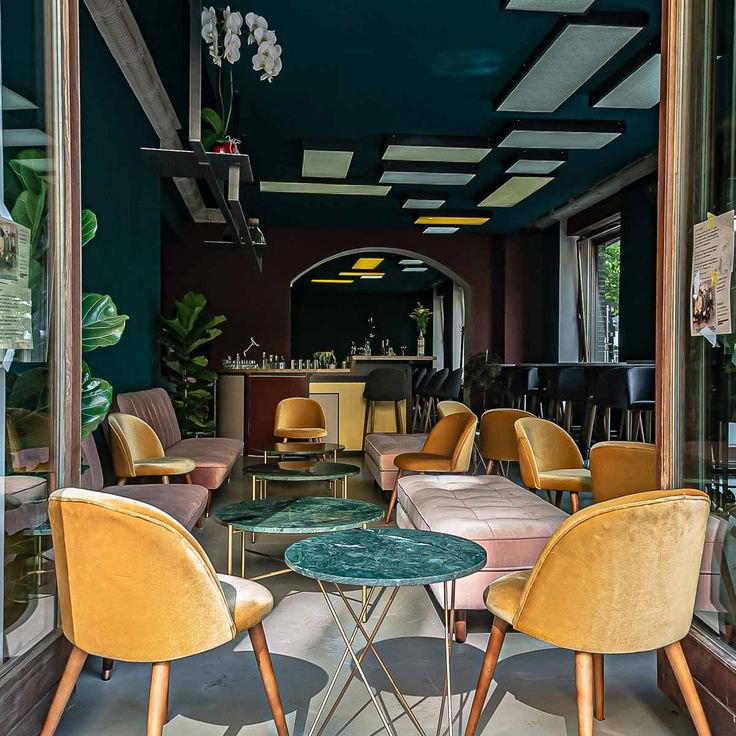
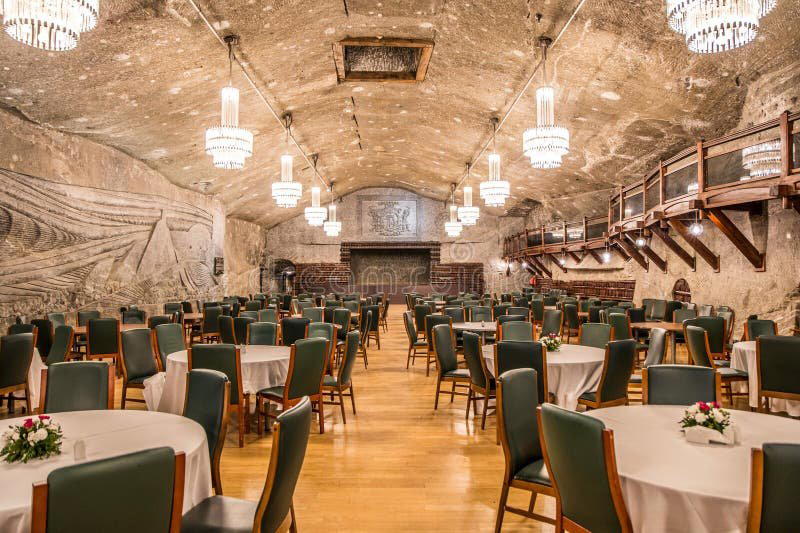
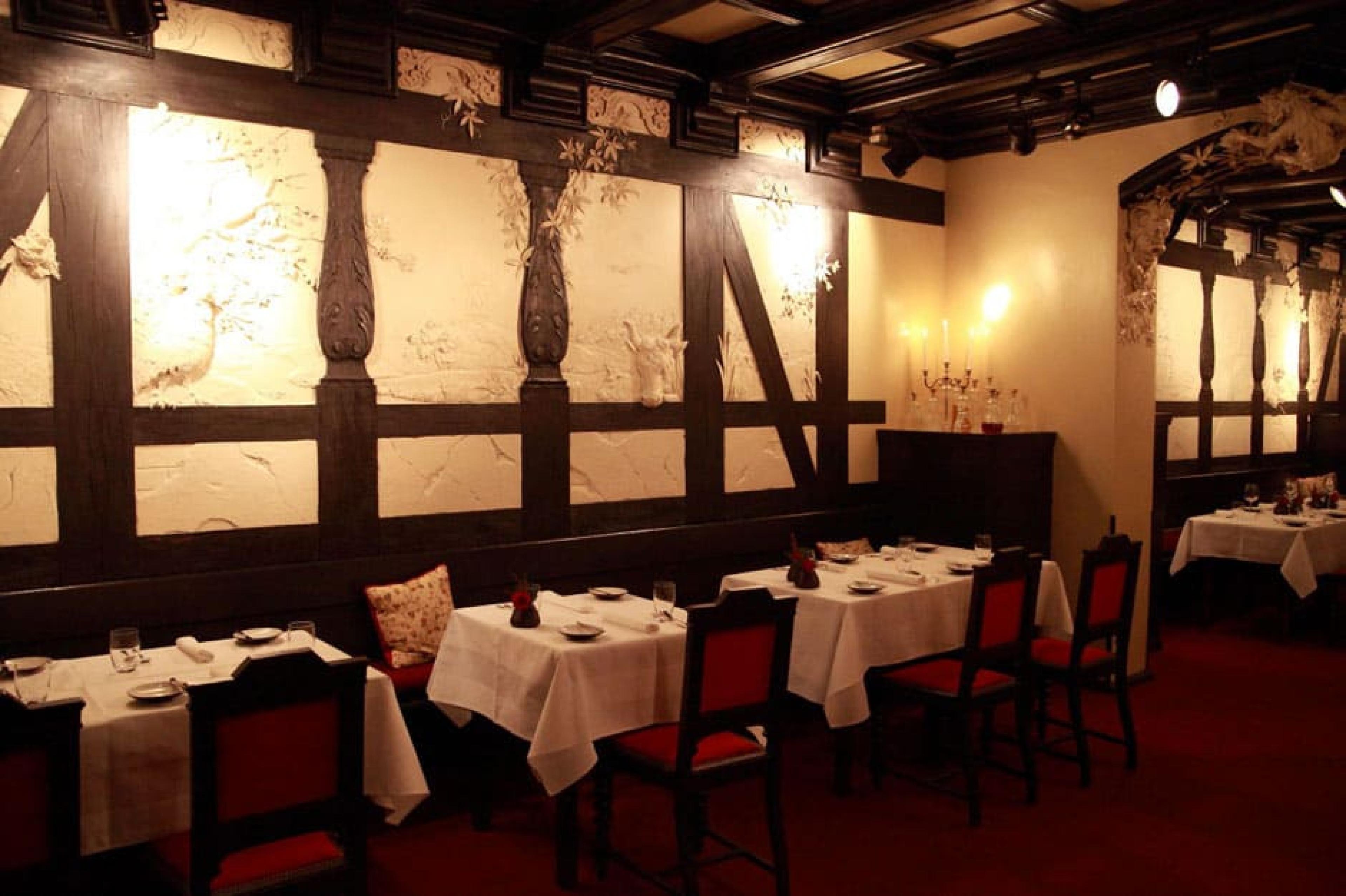
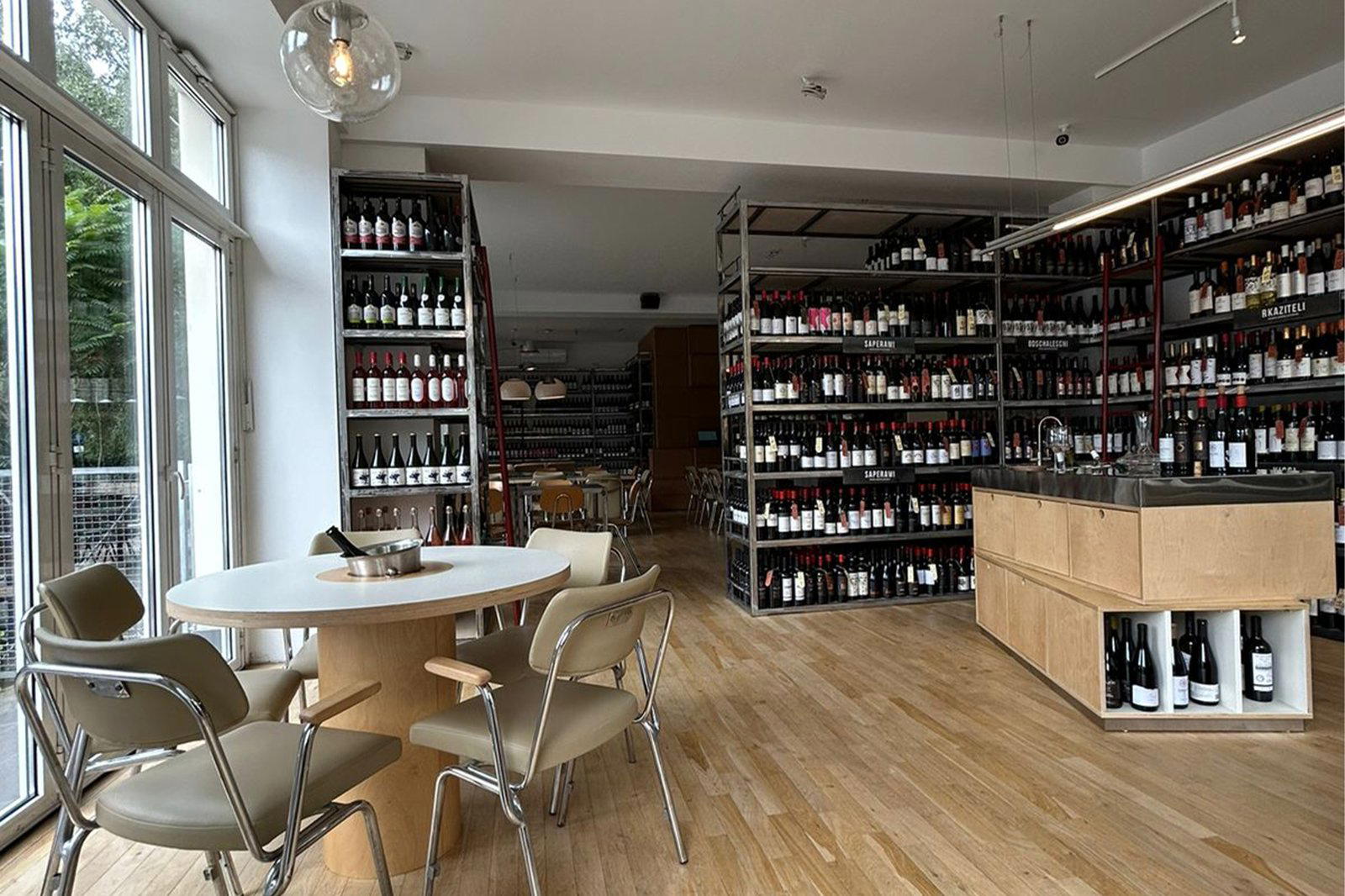
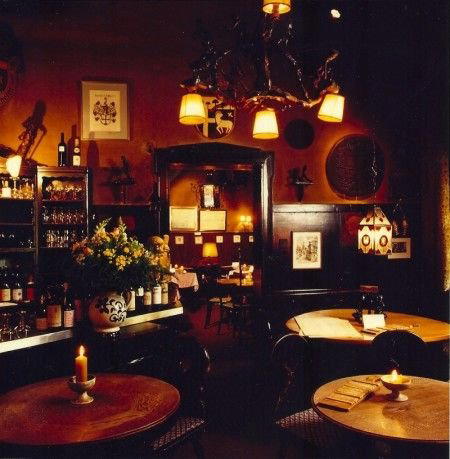
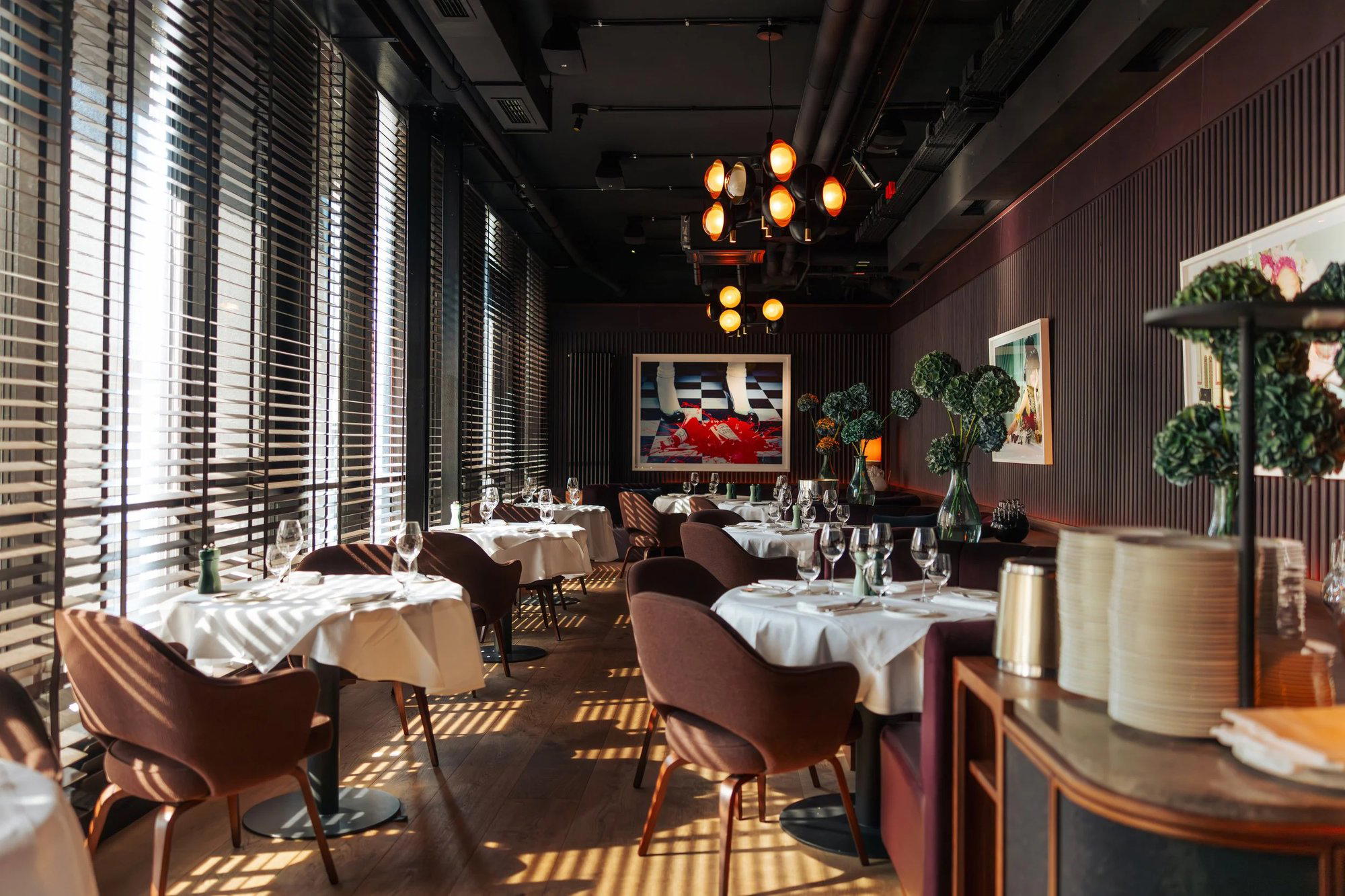
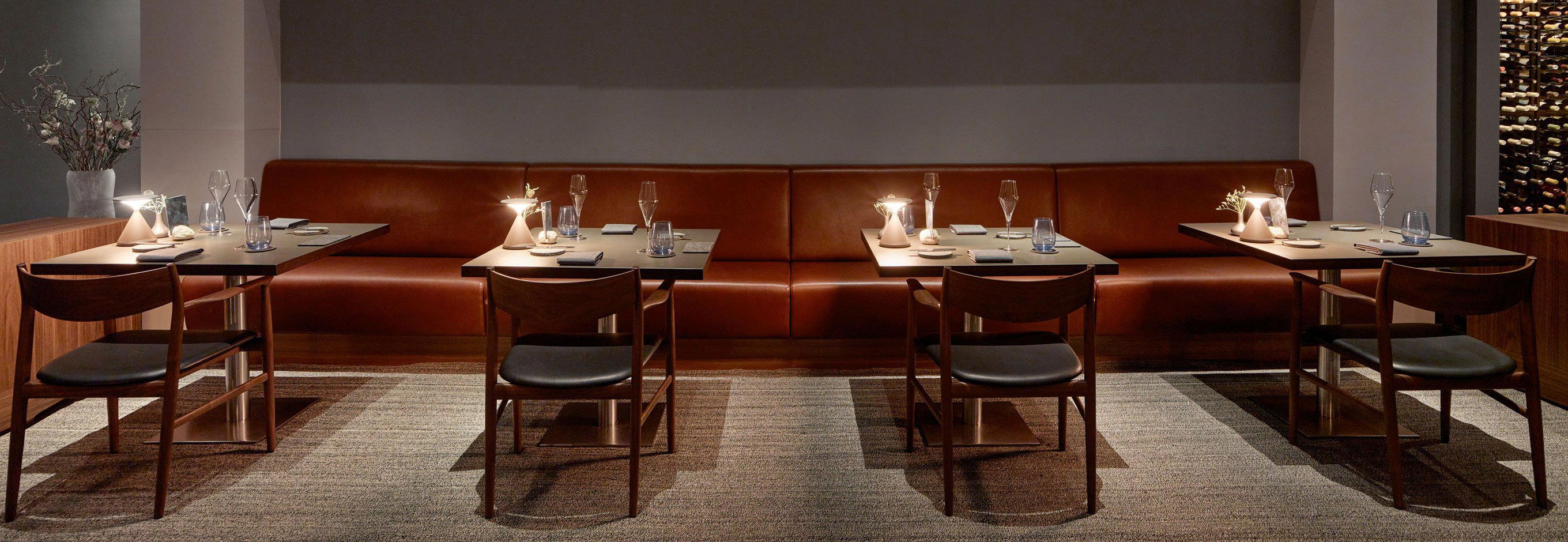
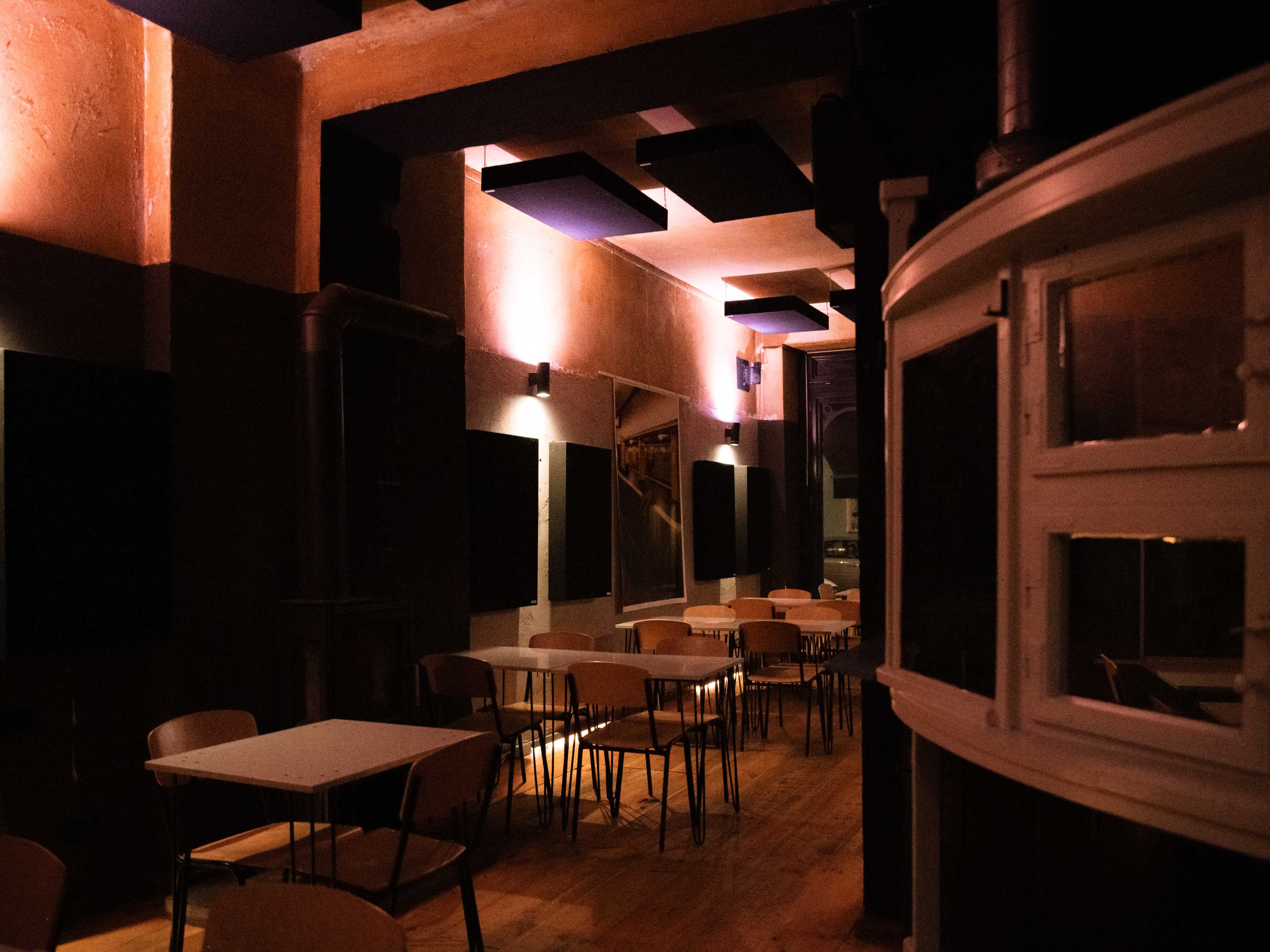
Spacious corner restaurant with a neighborhood feel; casual and welcoming with an open kitchen atmosphere reflecting the bakery's artisanal heritage.