Positioned in Madrid's northern Fuencarral-El Pardo district, LIBAGARDEN operates in a city where garden-format dining and the intersection of local Spanish produce with internationally informed technique have become serious editorial territory. The venue sits away from the dense Centro dining corridor, placing it in a quieter residential register that shapes both its atmosphere and its likely audience.
Pearl is the En Primeur Club membership app — saves, bookings, and concierge access live there. Same editors, same standards.
- Address
- Av. de Santo Domingo de la Calzada, 41, Fuencarral-El Pardo, 28050 Madrid, Spain
- Phone
- +34911703507
- Website
- libagarden.com
- Directions
- Get directions
 Saves & bookings on Pearl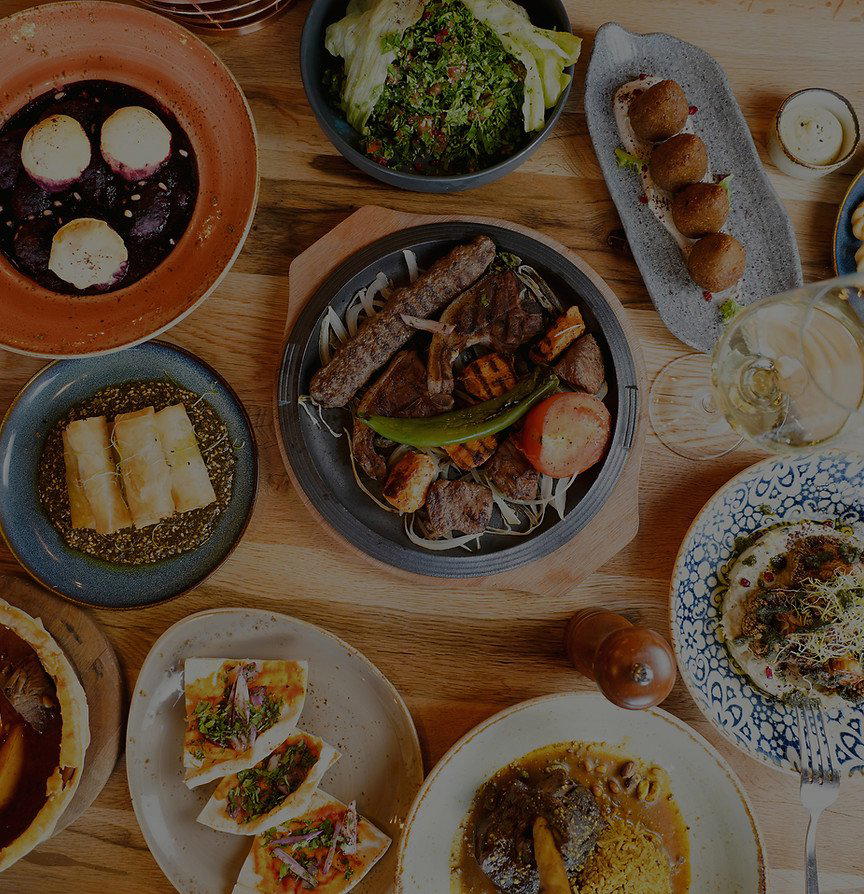
North of the Centre: Garden Dining in Fuencarral-El Pardo
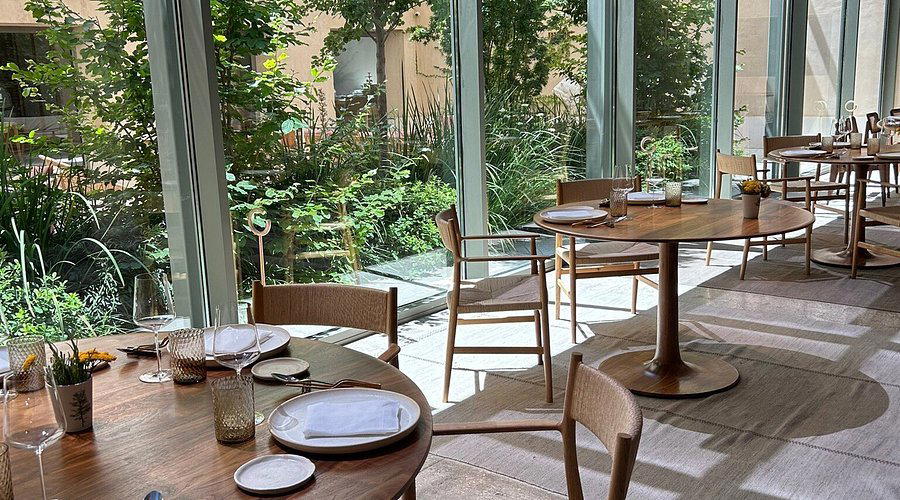
Madrid's dining conversation tends to collapse around a handful of postcodes: the creative kitchens of Ponzano, the grand addresses of Salamanca, the tasting-menu rooms that cluster within reach of the Retiro. Fuencarral-El Pardo, the sprawling northern district that runs from urban residential blocks toward the edge of the Casa de Campo and beyond, operates on a different register. Restaurants here draw from a local audience first, and the format often follows suit: more space, more green, less pressure to perform for an international dining circuit. LIBAGARDEN, at Av. de Santo Domingo de la Calzada, 41 in Fuencarral-El Pardo, reads as part of that quieter northern tradition rather than a bid for Centro attention.
That geographic positioning matters more than it might seem. In a city where frequently discussed tables, DiverXO, Coque, Deessa, DSTAgE, Paco Roncero, are defined by their proximity to the capital's institutional dining infrastructure, a garden-format venue in the north operates with different ambient conditions. Noise levels drop. The relationship between interior and exterior shifts. The pace that a garden setting implies is intrinsically slower than a city-centre tasting room, and that slowness is itself an editorial statement about what a meal is supposed to be.
The Garden Format as Culinary Frame
Across Spain's broader dining scene, garden and terrace settings have moved from seasonal supplement to year-round architectural argument. The country's climate supports outdoor dining at a latitude and intensity that Northern European restaurants cannot replicate, and this has pushed serious operators to treat the garden as a design element with the same intentionality as a kitchen pass. What separates a considered garden dining room from a restaurant with a patio is the degree to which the external environment informs the cooking: whether the produce changes with what grows on-site or nearby, whether the menu's rhythm matches the time of day and season in ways a basement tasting room cannot, whether the whole experience of threshold, arrival, and orientation is part of the offer.
Spain has produced particularly architecturally committed examples of this approach. Azurmendi in Larrabetzu integrates its own greenhouse into the dining progression. El Celler de Can Roca in Girona uses its garden as a conceptual anchor even when the cooking itself draws from global reference points. The trend toward local-ingredient sourcing married to globally informed technique is now legible across formats and price points, from the three-star rooms to the neighbourhood operations that take the same philosophical position at a more accessible register.
Local Produce, International Method: A Madrid Inflection
The editorial angle that makes Madrid's northern dining scene worth attention is the application of internationally acquired technique to produce that is emphatically, specifically Spanish. Madrid sits at the centre of a supply network that draws from Castile-La Mancha's plains, the market gardens of Murcia and Valencia, the wild-caught fish arriving daily from Atlantic and Mediterranean ports, and the small-farm meat producers of the Castilian meseta. The city's leading cooking, at whatever price tier, tends to treat that supply network as a given and spends its creative energy on what to do with it.
The conversation about method is where Madrid's kitchens have evolved most noticeably in the past decade. The techniques associated with Spain's avant-garde period, the ferments, the gels, the precise temperature work, have filtered down from the headline rooms and are now deployed with less theatricality and more restraint in a generation of smaller, quieter venues. Venues like Aponiente in El Puerto de Santa María have made the case that hyper-local sourcing and technical ambition are not in tension. Arzak in San Sebastián and Martín Berasategui in Lasarte-Oria have demonstrated for decades that classical French method and Basque raw material can produce something that belongs to neither tradition and both. The Madrid version of that conversation is still developing, and venues in the city's outer districts are part of that development.
For comparison, kitchens operating in New York under the same philosophical frame, Le Bernardin's French technique applied to Atlantic seafood, Atomix's Korean reference points interpreted through fine-dining architecture, have produced a body of work that treats the local-technique intersection as a sustained identity rather than a passing trend. Madrid's dining scene is capable of the same sustained argument, and the venues that operate outside the tourist circuit are often where that argument is made most directly.
Reading the comparable set
LIBAGARDEN's Fuencarral-El Pardo address places it outside the comparable set that defines Madrid's Michelin corridor. That is not a deficit. Mugaritz in Errenteria built its reputation in a location that required a deliberate journey. Quique Dacosta in Dénia operates at three-star level in a coastal town that visitors drive to specifically for the meal. Ricard Camarena in València and Cocina Hermanos Torres in Barcelona each operate in cities where the flagship room is supplemented by a wider ecosystem of satellite formats. The pattern across Spain's serious dining scene is that geographic distance from the centre, when the cooking justifies the trip, becomes an asset rather than a friction point.
Within Madrid specifically, Atrio in Cáceres offers a useful counterpoint: a hotel-restaurant operating in a smaller Extremaduran city that has built a two-star reputation on the argument that remove from the capital creates focus rather than limitation. The northern Madrid venue that takes the same position, using its distance from the centre to create a different pace, a more grounded relationship with local supply, and a quieter platform for cooking that does not need to compete for attention, is making a credible bet.
Planning a Visit
Fuencarral-El Pardo is accessible from central Madrid by metro, with the northern lines reaching into the district in under thirty minutes from Sol or Nuevos Ministerios. The 28050 postcode sits toward the quieter residential end of the district. Reservations are recommended. The venue is open Tue to Sat from 12 PM to 12 AM and Sun from 12 to 6 PM, with Monday closed.
Accolades, Compared
Comparable venues nearby, for context on price, style, and recognition.
| Venue | Cuisine | Price | Notes |
|---|---|---|---|
| LIBAGARDENThis venue — the venue you are viewing | Authentic Lebanese | $$ | Not listed |
| Rasif | Lebanese Street Food | $$ | La Latina |
| Kooby Kebab | Middle Eastern Brochettes and Kebabs | $ | Prosperidad |
| Aboca Restobar | Italian Pizza & Crepes | $$ | Salvador |
| Matteo Cucina Italiana | Authentic Italian Pasta | $$ | Recoletos |
| Taquería La Lupita | Authentic Mexican Taqueria | $$ | Recoletos |
Continue exploring
More in Madrid
Restaurants in Madrid
Browse all →
Bars in Madrid
Browse all →
Hotels in Madrid
Browse all →


At a Glance
- Cozy
- Classic
- Lively
- Casual Hangout
- Group Dining
- Family
- Garden
- Standalone
- Beer Program
- Organic
Current opening hours
- Monday
- Closed
- Tuesday
- 12 PM–12 AM
- Wednesday
- 12 PM–12 AM
- Thursday
- 12 PM–12 AM
- Friday
- 12 PM–12 AM
- Saturday
- 12 PM–12 AM
- Sunday
- 12–6 PM
Hours can change for holidays and private events. Last verified .
Inviting and comfortable dining space that balances tradition with modern comfort, with warm and welcoming service.