
On Calle de Villanueva in Madrid's Salamanca district, Taquería La Lupita brings Mexican taco culture into one of the Spanish capital's most polished residential and retail corridors. Where the neighbourhood defaults to white-tablecloth formality and Iberian tradition, La Lupita operates in a different register — street-derived, ingredient-forward, and positioned well outside the city's dominant fine-dining axis.
Pearl is the En Primeur Club membership app — saves, bookings, and concierge access live there. Same editors, same standards.
- Address
- C. de Villanueva, 15, Salamanca, 28001 Madrid, Spain
- Phone
- +34914317145
- Website
- lalupita.es
- Directions
- Get directions
 Saves & bookings on Pearl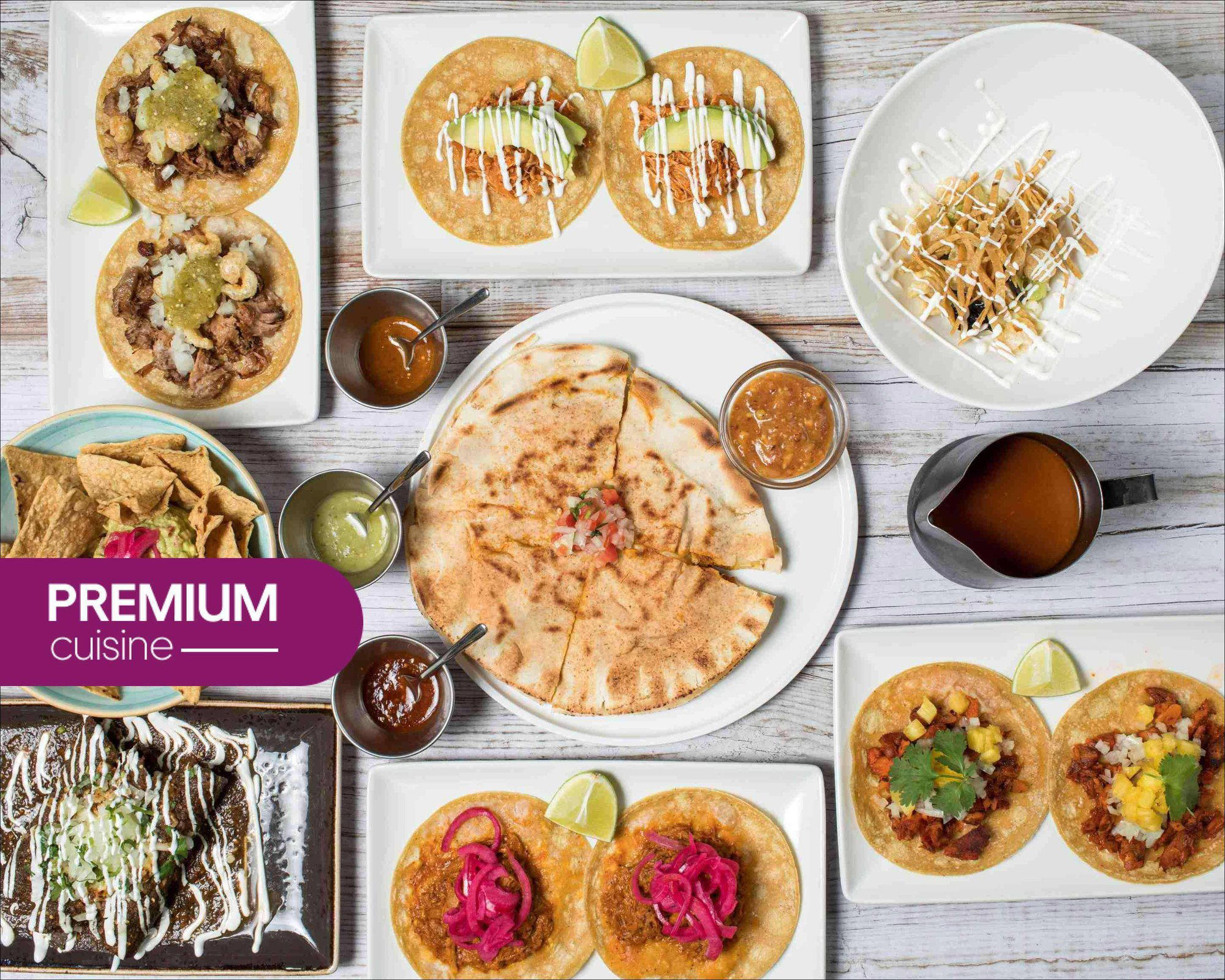
Mexican Street Tradition in a White-Tablecloth Neighbourhood
Salamanca is not the obvious home for a taquería. The district runs on Serrano leather goods, apartment prices that rival Paris's 7th arrondissement, and restaurants where the wine list weighs more than the menu. Madrid's serious fine-dining corridor — the world that produces DiverXO, Coque, and Deessa — tends to operate through tasting menus, reservation windows measured in weeks, and dress codes that skew formal. Taquería La Lupita on Calle de Villanueva occupies a different frequency entirely, which is precisely what makes its address in Salamanca worth examining.
The broader question the venue raises is not whether a taquería belongs in a premium postcode, Mexican street food has earned serious critical attention across Europe over the past decade, but whether the neighbourhood's appetite for casual, ingredient-led formats has matured enough to support it. In Madrid, the answer appears to be yes. The city's dining scene has been fragmenting productively, with the energy at the creative end represented by DSTAgE and Paco Roncero filtering downward into more accessible formats that still take sourcing and technique seriously.
Where the Format Sits in Madrid's Eating Spectrum
Spanish cities have historically compartmentalised their eating: tapas bars for standing, mesones for long lunches, and fine-dining rooms for occasions. The taquería format, counter or table service, tortilla-centred, built around proteins cooked with specific regional technique, doesn't map neatly onto that structure, and that friction is part of what gives it traction among Madrid diners who have exhausted the conventional options.
Across Spain, the intersection of imported culinary methods and local produce has generated some of the country's most interesting cooking. Chefs trained abroad, or working with ingredients and philosophies drawn from beyond Iberian tradition, have pushed the conversation at places like Aponiente in El Puerto de Santa María and Mugaritz in Errenteria, both of which treat culinary tradition as a living, transferable system rather than a fixed regional inheritance. The taquería model in Madrid operates on a smaller, less theorised scale, but the underlying dynamic is the same: technique and tradition imported from one food culture, applied in a context shaped by another.
The Editorial Case for Mexican Technique in a Spanish Kitchen City
Mexico's culinary infrastructure is among the most codified in the world. The nixtamalisation of corn, the alkaline process that transforms dried maize into workable masa, dates back thousands of years and produces structural and flavour outcomes that no wheat-based equivalent replicates. When a taquería operates seriously, that process is non-negotiable: the tortilla quality determines whether everything else on the plate has a foundation worth building on.
Madrid is a city that understands this kind of specificity. The same rigour that produces three-Michelin-star cooking at Martin Berasategui in Lasarte-Oria or the long-standing reputation of Arzak in San Sebastián, both operating within Spain's deeply ingredient-literate food culture, has created an audience capable of appreciating process-led cooking even when the format is casual. That audience exists in Salamanca, and it tends to be more demanding, not less, because it has the reference points to notice when something is made well or made cheaply.
The local-ingredients, global-technique intersection that La Lupita represents draws on this dynamic. Spanish produce, the pork cuts, the chillies arriving via specialist importers, the dairy, runs through Mexican preparations that were developed in an entirely different agricultural context. The results, when the sourcing is handled seriously, sit in a different tier from the generic Tex-Mex formats that spread across European capitals in the 1990s and never quite left.
Salamanca as a Neighbourhood Context
Calle de Villanueva sits within walking distance of the Retiro park boundary and close enough to Serrano and Goya that foot traffic skews residential and commercial rather than tourist-heavy. This matters for a taquería: the customer base at lunchtime tends to be local, which means repeat visits, word-of-mouth calibration, and a tolerance for format that a tourist-facing venue doesn't always develop. Madrid's Salamanca regulars have access to the full range of Spanish fine dining, El Celler de Can Roca in Girona, Azurmendi in Larrabetzu, and Quique Dacosta in Dénia are all within travel range, and they make choices accordingly. A neighbourhood institution that survives in this postcode does so on merit, not on tourist throughput.
The comparison set for La Lupita in European terms is not the taquería chains that populate airport terminals or shopping centres. It is closer to the specialist, format-specific venues that have gained traction in London, Paris, and Amsterdam by applying genuine culinary knowledge to a traditionally casual format. In that peer group, the location in a premium residential district is a signal rather than an anomaly.
How La Lupita Fits the Wider Spanish Picture
Spain's restaurant culture has never been purely insular. The Basque new wave that shaped chefs like those behind Cocina Hermanos Torres in Barcelona drew heavily on French technique before developing its own vocabulary. Ricard Camarena in València works with Mediterranean produce through a lens informed by contemporary European cooking methods. Atrio in Cáceres operates at the intersection of regional Extremaduran ingredients and international fine-dining format. The pattern is consistent: the most interesting Spanish food tends to sit at cultural crossroads rather than in pure tradition. La Lupita's position, Mexican preparation in a Spanish city, with Spanish produce inevitably shaping the sourcing, is a local-scale version of the same dynamic.
For readers whose Madrid reference points begin and end with the tasting-menu circuit, a place like La Lupita is a useful recalibration. The same city that supports Le Bernardin-level precision in New York terms, or the technical ambition visible at Atomix, also sustains neighbourhood formats that take their craft seriously without requiring a three-month booking window. See our full Madrid restaurants guide for the broader picture.
Quick Reference: Taquería La Lupita, C. de Villanueva, 15, Salamanca, 28001 Madrid. Contact and booking details unavailable at time of writing; check current listings directly.
How Taquería La Lupita Madrid compares with similar nearby venues.
| Venue | Cuisine | Price |
|---|---|---|
| Ultramarinos Quintín | Mediterranean | Not listed |
| Barra Alta Madrid | Modern Cuisine | €€€ |
| Kabuki Madrid | Japanese Contemporary | €€€€ |
Recognition history
Dated appearances from independent guides and award organizations, with the underlying list record or original source where available.
Macarfi 6.4 Food Rating
Macarfi
Continue exploring
More in Madrid
Restaurants in Madrid
Browse all →
Bars in Madrid
Browse all →
Hotels in Madrid
Browse all →



At a Glance
- Lively
- Modern
- Trendy
- Energetic
- Casual Hangout
- Group Dining
- After Work
- Late Night
- Terrace
- Live Music
- Craft Cocktails
- Beer Program
Current opening hours
- Monday
- 1:30 PM–12 AM
- Tuesday
- 1:30 PM–12 AM
- Wednesday
- 1:30 PM–12 AM
- Thursday
- 1:30 PM–1 AM
- Friday
- 1:30 PM–2 AM
- Saturday
- 1:30 PM–2 AM
- Sunday
- 1:30 PM–12 AM
Hours can change for holidays and private events. Last verified .
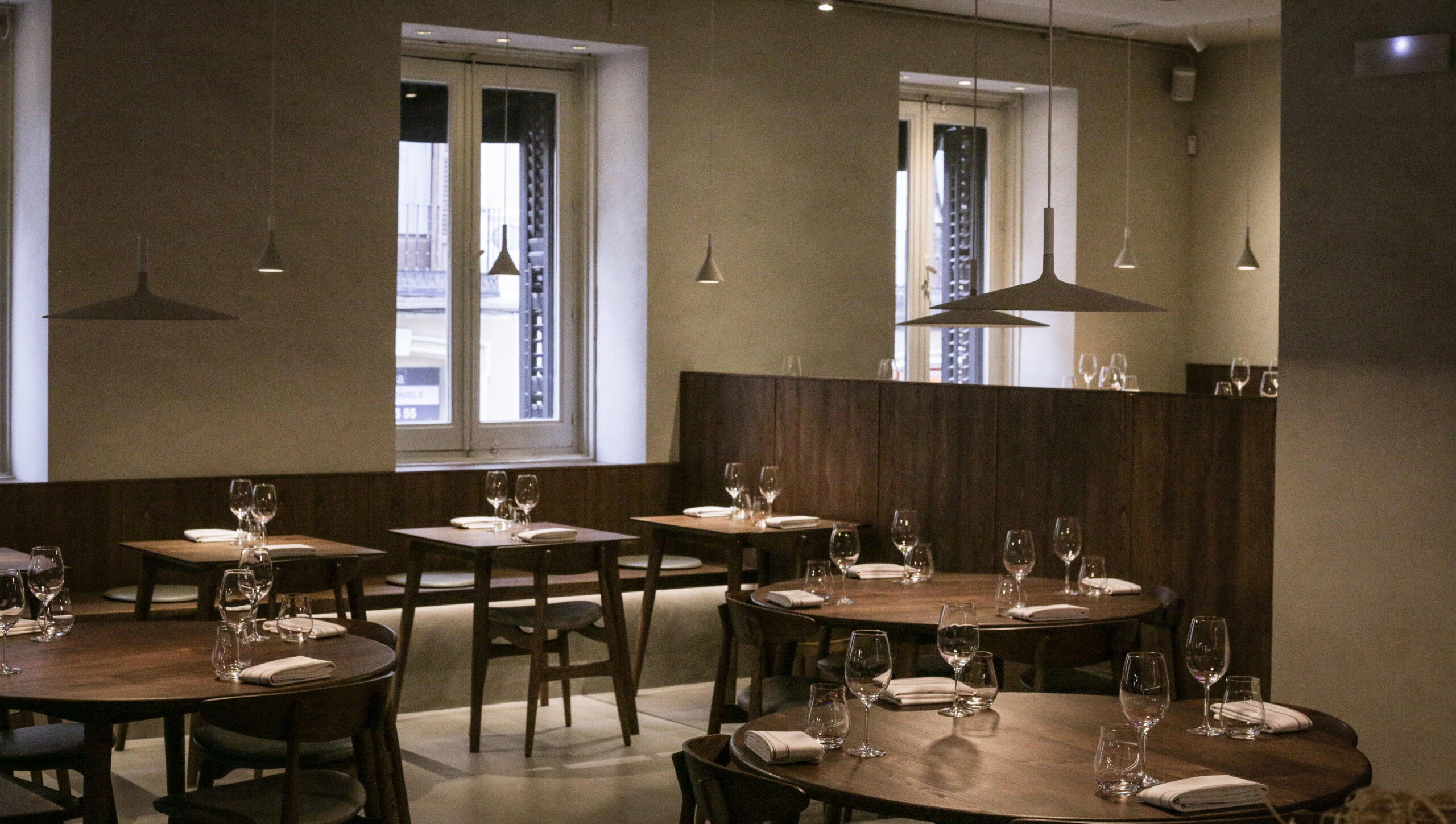
Colorful, polished décor with a modern and youthful environment; small wooden tables with high seating options, a decent bar, and terrace; great atmosphere especially in the evenings.
Know Before You Go
- Getting there
- C. de Villanueva, 15, Salamanca, 28001 Madrid, Spain