Our verdict
Rasif occupies a Calle del Humilladero address in Madrid's La Latina district, a neighbourhood whose dining character runs from traditional tabernas to a growing tier of considered modern kitchens. The restaurant sits within that shifting middle ground, drawing attention in a part of the city where competition for serious dining attention is real and the local audience is increasingly demanding.

Pearl is the En Primeur Club membership app — saves, bookings, and concierge access live there. Same editors, same standards.
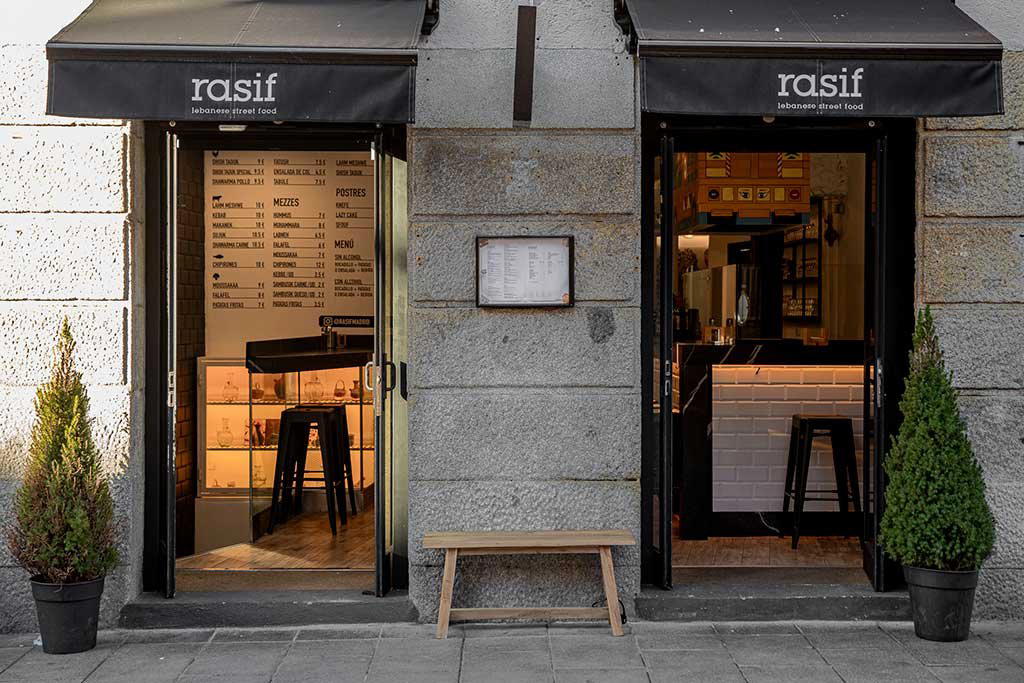
La Latina's Changing Dining Register
Calle del Humilladero runs through the lower edge of La Latina, one of Madrid's oldest and most densely layered neighbourhoods. For most of its history, this street and the surrounding blocks have been the territory of traditional tabernas, market-adjacent bars, and the kind of direct Spanish cooking that predates any conversation about fine dining. That pattern has shifted in recent years. A generation of kitchens has opened across La Latina and the broader Centro district, many of them positioning in the space between neighbourhood casual and the serious tasting-menu tier occupied by Madrid's most decorated addresses. Rasif, at number 6, is part of that movement.
The address itself matters. La Latina's food scene has historically been defined by volume rather than precision, by weekend crowds moving between vermouth bars and the market stalls of El Rastro. A restaurant like Rasif choosing this location rather than the Salamanca district or the hotel corridors of Gran Vía signals something about its intended audience: local, attentive, and not drawn primarily by postcode prestige.
What the Menu Structure Reveals
In Madrid's current restaurant culture, menu architecture functions as shorthand for a kitchen's priorities. The city's most prominent addresses have largely converged on the tasting menu format: long, sequenced, and priced in a bracket that makes them occasion dining by definition. Madrid's DiverXO operates at the furthest edge of that tier, where format discipline and a fixed progression define the entire visit. Coque and Deessa work within similarly structured frameworks, with the menu acting as a statement of intent as much as a list of dishes.
Rasif's menu architecture, by contrast, reflects the priorities of a kitchen operating at an earlier stage of that conversation. This is neither a weakness nor a compromise. Some of the most interesting cooking in Spain right now happens outside the locked tasting-menu format, in kitchens where the à la carte structure allows the kitchen to respond to season, supply, and the specific table in front of them. DSTAgE has built a reputation for exactly this kind of structural intelligence, where format choice communicates a philosophy rather than a marketing position.
The broader Spanish context is instructive here. At the national tier, restaurants like El Celler de Can Roca in Girona and Mugaritz in Errenteria have spent decades refining how a menu communicates a kitchen's relationship with its ingredients and its guests. Arzak in San Sebastián and Azurmendi in Larrabetzu operate in regional traditions where the menu's architecture is inseparable from the kitchen's identity. What Madrid's emerging tier is working through, in kitchens across Centro and beyond, is a version of that same question: what does the structure of a meal say about what a kitchen believes?
The Centro District and Where Rasif Sits
Madrid's Centro district, which takes in La Latina, Lavapiés, and the streets around the Palacio Real, does not have a single dominant dining identity. It is not Salamanca's expense-account corridor, and it is not the tourist-facing concentration of the Gran Vía. What it has is density and diversity: traditional Spanish cooking sitting alongside newer arrivals, international kitchens finding footing next to institutions that have been operating for decades. For a restaurant without the marketing infrastructure of a hotel group or a Michelin platform behind it, this neighbourhood offers something valuable: a local audience that eats out frequently and judges on actual performance rather than reputation.
In this context, Rasif's position on Calle del Humilladero places it close to the Mercado de la Cebada, one of Madrid's working neighbourhood markets. Kitchen proximity to a serious market is often the most reliable indicator of ingredient quality in a city, more so than any award or press clipping. Madrid's market culture, centred on La Boqueria's equivalent function in the capital, has historically fed the kind of cooking that values sourcing over showmanship.
Madrid in the National Picture
Any restaurant operating in Madrid today does so in the context of Spain's broader fine dining argument. The country's most recognised addresses are geographically distributed in ways that have historically disadvantaged the capital. The Basque Country, Catalonia, and the Valencian coast have dominated Spain's international fine dining reputation for two decades. Martin Berasategui in Lasarte-Oria, Quique Dacosta in Dénia, Aponiente in El Puerto de Santa María, and Ricard Camarena in València each anchor their region's identity with consistent critical recognition.
Madrid has closed that gap significantly in recent years. The city's fine dining tier now includes addresses like Paco Roncero and the concentrated ambition of DiverXO, and the mid-tier has grown correspondingly, creating more entry points for kitchens that want to work seriously without operating at the three-Michelin-star price point. Cocina Hermanos Torres in Barcelona and Atrio in Cáceres illustrate how Spain's serious dining conversation now extends across formats and regions in ways that reward attentive visitors rather than those following a fixed prestige hierarchy. Internationally, the format discipline of kitchens like Le Bernardin in New York City or the structured progression of Atomix shows how menu architecture functions as a defining statement even outside Spanish tradition.
Rasif operates within this expanding Madrid tier, in a neighbourhood that is producing some of the city's more considered cooking. See our full Madrid restaurants guide for the wider picture.
Planning Your Visit
Rasif is at Address: C. del Humilladero, 6, Centro, 28005 Madrid. Reservations: Neighbourhood: La Latina, walkable from the Latina and Tirso de Molina metro stations. Budget: Timing: La Latina's streets are busiest at weekends, particularly Sunday mornings when El Rastro market draws crowds to the surrounding blocks; midweek visits offer a more settled environment.
Frequently asked questions
What's Rasif's location?
Rasif is located at C. del Humilladero, 6, Centro, 28005 Madrid, Spain, Madrid.
How does Rasif's address on Calle del Humilladero place it within La Latina's dining scene?
Calle del Humilladero runs along the lower edge of La Latina, one of Madrid's oldest quarters and a neighbourhood with a long tradition of market-proximate cooking. That address puts Rasif within walking distance of the same streets that have shaped Centro's ingredient culture for generations. It is a grounding that distinguishes a kitchen from the more performative dining concentrated further north in the city.
What's the best thing to order at Rasif?
Rasif operates within La Latina's market-driven cooking tradition, which means the menu shifts with what the neighbourhood's nearby markets are producing. Without a confirmed printed menu in the public record, the safer approach is to ask the kitchen what arrived that day and let that guide the order. That is, in any case, how La Latina's more serious kitchens are best approached.
How hard is it to get a table at Rasif?
Rasif sits on Calle del Humilladero in Centro, a part of Madrid where foot traffic is high and dining rooms fill without the machinery of press campaigns or award recognition. Lead times at this level of the neighbourhood scene are typically shorter than at Madrid's decorated addresses, but that can shift fast.
What has Rasif built its reputation on?
Rasif's reputation is neighbourhood-rooted rather than built on the national award platforms that track addresses like Diverxo or Coque. La Latina has its own dining credibility, grounded in ingredient-forward, market-responsive cooking rather than tasting menu spectacle. That is a different kind of standing, but in Madrid's Centro district it carries weight with the people who eat there regularly.
Can Rasif adjust for dietary needs?
Kitchens working at this register in La Latina tend to be small operations where direct communication before arrival is the most practical route. Contacting the venue ahead of time, once contact details are confirmed, is the advised approach.
Is Rasif worth it?
What La Latina's mid-tier dining scene consistently offers is cooking closer to the market and the neighbourhood than anything operating under a Michelin spotlight, often at a fraction of the cost. If that register matches what you are looking for in Madrid's Centro district, Rasif is positioned within the right part of that conversation.
Cost and Credentials
Comparable venues nearby, for context on price, style, and recognition.
| Venue | Cuisine | Price | Notes |
|---|---|---|---|
| RasifThis venue — the venue you are viewing | Lebanese Street Food | $10–20 | Not listed |
| De Maria Preciados | Argentine Steakhouse | $20–30 | Sol, Argentine Steakhouse |
| Ginza | Japanese-Asian Fusion Buffet | $20–30 | Cortes, Japanese-Asian Fusion Buffet |
| 11 Nudos Madrid | Modern Atlantic & Galician Cuisine | $30–50 | Chueca, Modern Atlantic & Galician Cuisine |
| Filomena Comida & Cócteles | Spanish Tapas & Cocktails | $30–50 | Palos de Moguer, Spanish Tapas & Cocktails |
| Monster Sushi Zurbano | Japanese Nikkei Fusion Sushi | $20–30 | Almagro, Japanese Nikkei Fusion Sushi |
Continue exploring
More in Madrid
Restaurants in Madrid
All restaurants in Madrid →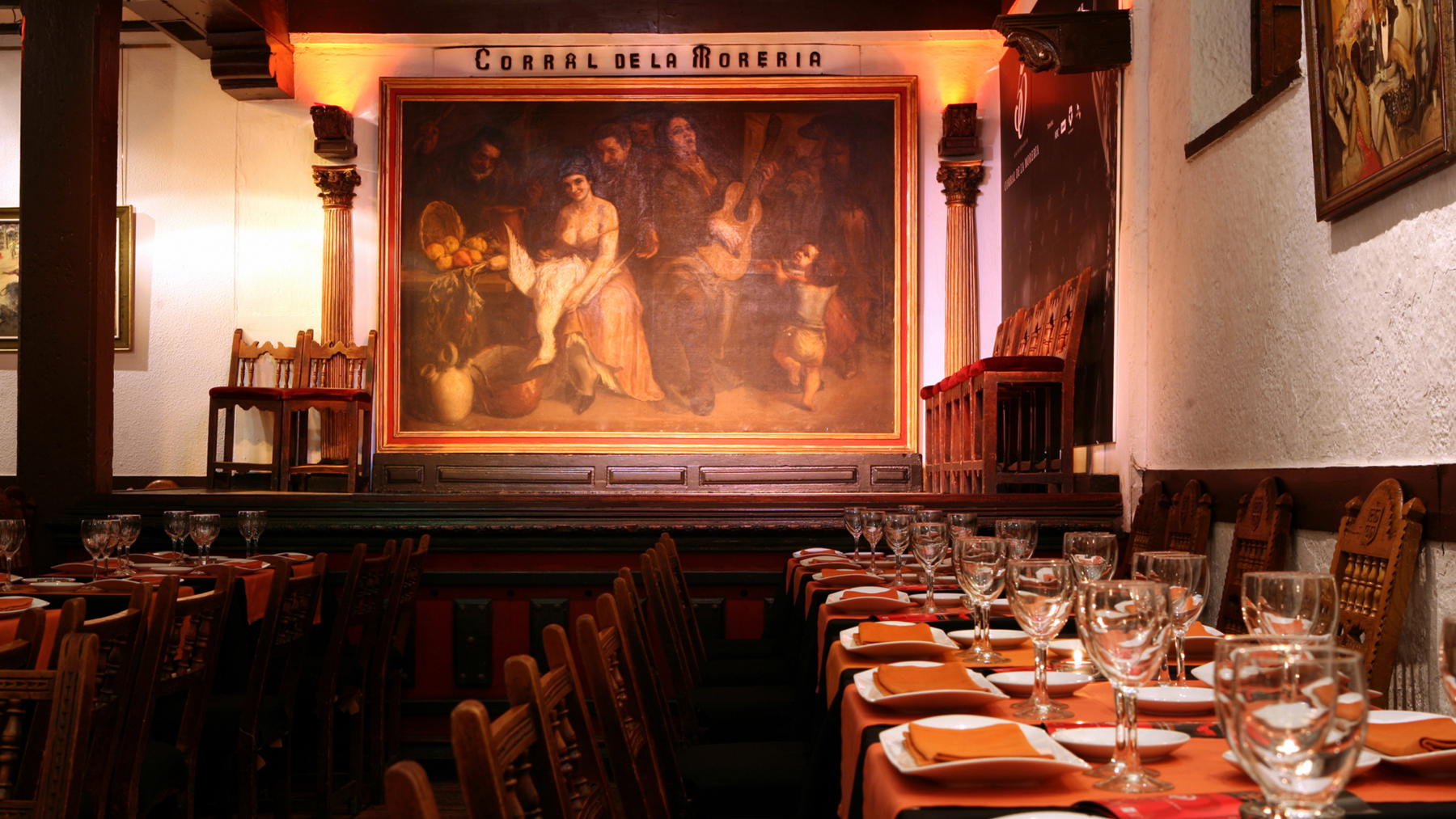
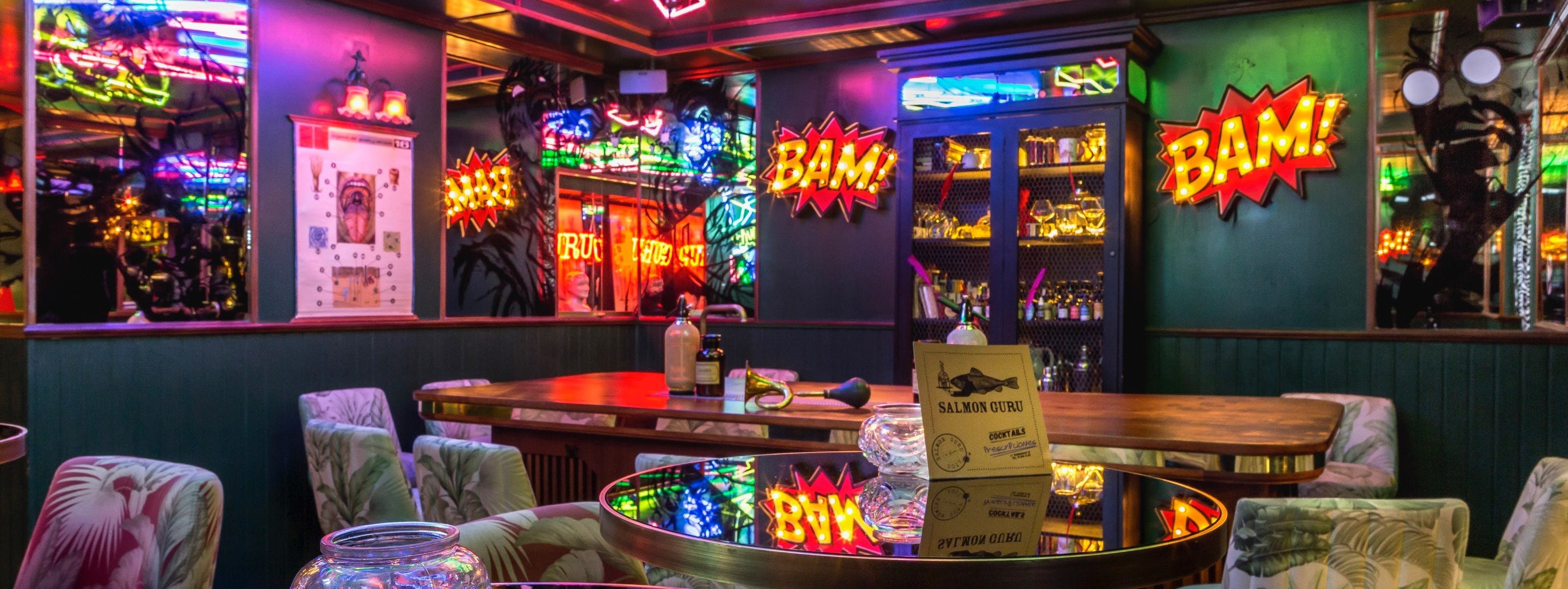
Bars in Madrid
All bars in Madrid →


Details
- Cozy
- Casual
- Casual Hangout
- Local Sourcing
- Small Plates
- Vegetarian Friendly
Current opening hours
- Monday
- 1:30–11:30 PM
- Tuesday
- 1:30–11:30 PM
- Wednesday
- 1:30–11:30 PM
- Thursday
- 1:30–11:30 PM
- Friday
- 1:30–11:30 PM
- Saturday
- 1:30–11:30 PM
- Sunday
- 1:30–11:30 PM
Hours can change for holidays and private events. Last verified .
Small, cozy, and unassuming with simple decor, cool background music, and a welcoming casual atmosphere.