Lei Garden in North Point sits within Hong Kong's longer Cantonese fine-dining tradition, where classical technique and seasonal ingredients form the basis of the kitchen's approach. The North Point address places it outside the Central corridor where most high-profile Cantonese rooms compete, giving the restaurant a neighbourhood character that distinguishes it from hotel-backed peers. For visitors exploring the full breadth of Hong Kong's dining scene, it represents a point of reference in the city's mid-to-upper tier.
Pearl is the En Primeur Club membership app — saves, bookings, and concierge access live there. Same editors, same standards.
- Address
- Block 9, 10 City Garden Rd, North Point, Hong Kong
- Phone
- +85228060008
- Website
- leigarden.com.hk
- Directions
- Get directions
 Saves & bookings on Pearl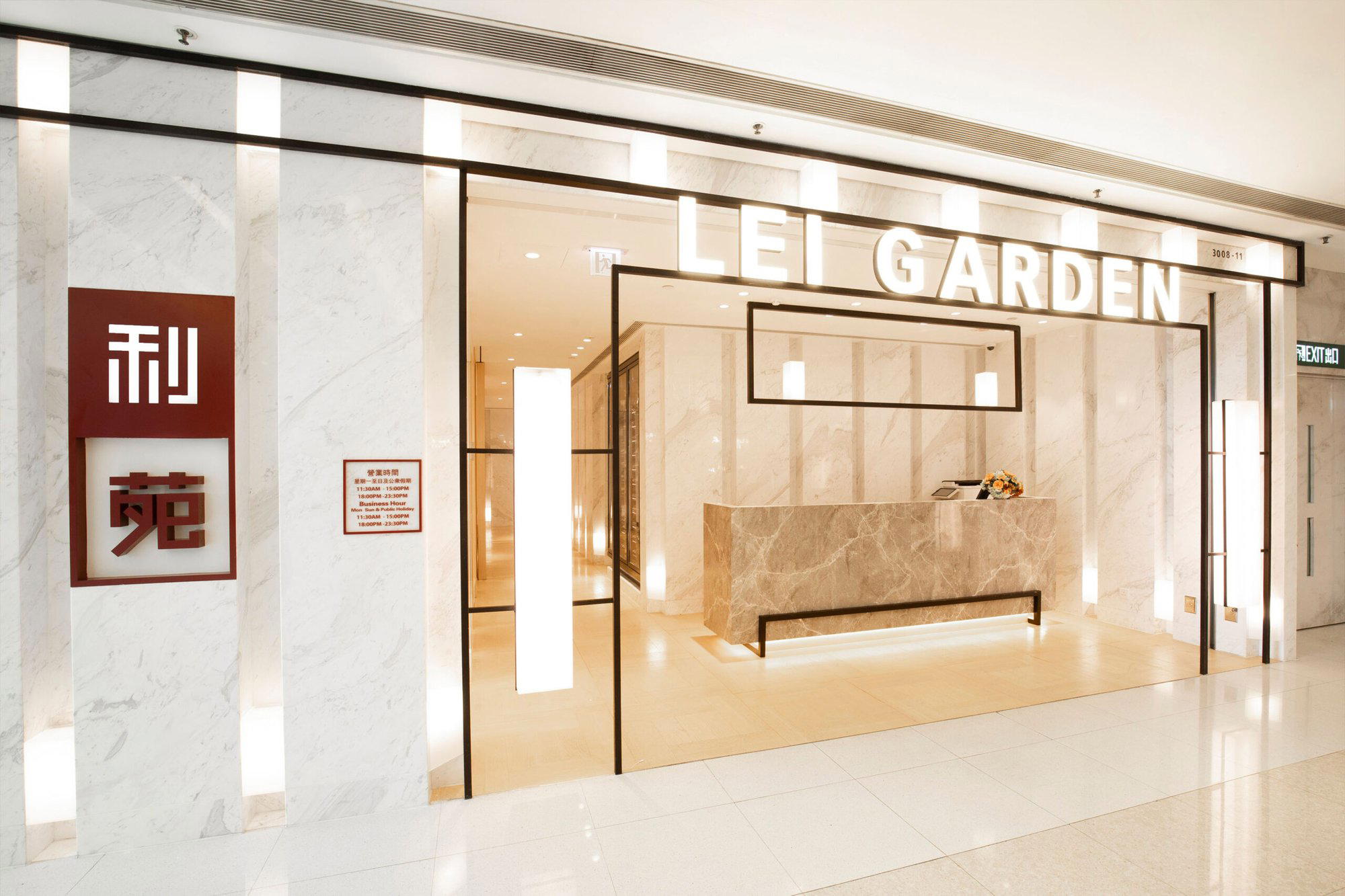
North Point and the Cantonese Dining Spectrum
Hong Kong's Cantonese restaurant scene operates across a wide register, from street-level roast-meat shops to multi-Michelin-starred rooms in Central and Tsim Sha Tsui. The mid-to-upper tier of that spectrum, where classical technique meets a degree of formal service, has historically been anchored in hotel dining rooms and major commercial districts. North Point sits outside that usual orbit. The neighbourhood, known more for its wet markets and residential density than its restaurant credentials, is precisely the kind of address where Cantonese cooking sometimes survives in a less performed, less tourist-oriented form. Lei Garden at Block 9, 10 City Garden Road occupies that register. Arriving here, the approach is quieter, the surroundings residential, and the dining room carries the character of a room that has served a local clientele over time.
Classical Cantonese Technique in Context
The broader argument about Cantonese cuisine's place in the global fine-dining conversation has shifted considerably over the past two decades. Where French-influenced tasting menus once set the standard for what premium dining in Hong Kong looked like, the city's critical establishment has increasingly recognised that Cantonese kitchens working within their own technical tradition represent something distinct and rigorous. That tradition involves a set of methods, precise wok heat management, steaming timing calibrated to the weight of a fish, roasting protocols developed over generations, that have little to do with imported European frameworks. Venues in the Cantonese fine-dining category, whether Forum at the high end or neighbourhood rooms in districts like North Point and Sha Tin, are evaluated on mastery of those internal standards rather than on alignment with international tasting-menu conventions.
Lei Garden, as a name, appears across multiple Hong Kong districts, which points to a model that prioritises consistency of technique across locations rather than the single-address prestige approach taken by rooms like Amber or Caprice. That multi-site structure is common in Cantonese restaurant groups and reflects a different set of priorities: the replication of craft rather than the cultivation of consistency.
Local Ingredients, Applied Technique
The editorial angle that leading frames Lei Garden's position in Hong Kong's dining ecosystem is the relationship between indigenous Cantonese ingredients and the disciplined techniques applied to them. This is not a fusion kitchen. The repertoire draws on the same seasonal ingredient logic that has defined Cantonese cooking for centuries: live seafood selected that morning, seasonal vegetables sourced from the New Territories and across the border in Guangdong, dried and preserved ingredients (abalone, dried scallop, fish maw) deployed in ways that require long preparation windows measured in days rather than hours.
What distinguishes the better rooms in this category from their mid-market counterparts is the precision with which those ingredients are handled. In the Cantonese tradition, the ingredient is the statement; the cook's role is to bring it to a condition of clarity and intensity without imposing. That restraint is technically demanding. The global parallel is closer to Le Bernardin's treatment of fish, where the product is sovereign and the technique is deployed in service of it, than to the construct-forward innovation visible at rooms like Ta Vie or Atomix, where the chef's framework shapes the ingredient experience.
The North Point Address: What the Location Signals
Location in Hong Kong communicates a great deal about a restaurant's intended audience and competitive set. The Central and Western corridor, where rooms like 8 1/2 Otto e Mezzo Bombana and Gaia operate, attracts an expatriate and international business clientele alongside local high-net-worth diners. North Point, by contrast, has a more concentrated local residential character, and restaurants here tend to draw neighbourhood regulars and family groups rather than expense-account tables or hotel guests. That demographic shapes the format: larger tables, banquet-oriented menus, and a service cadence calibrated to multi-course shared dining rather than tasting-menu progression.
This is not a disadvantage. The Cantonese tradition is fundamentally a shared-table cuisine. The skills required to coordinate a multi-dish banquet, timing, temperature management across a large table, the sequencing of textures and intensities, are distinct from those required by a single-track tasting menu. Hong Kong's residential neighbourhoods have historically been where those skills are tested against the demanding clientele: local families who have eaten Cantonese food their entire lives and hold strong views on what constitutes correct execution.
The wider district offers a sense of how diverse Hong Kong's dining scene becomes once you move past the usual tourist corridors. Across the city, the range extends from the atmospheric complexity of the Former Jumbo Floating Restaurant in Aberdeen to the neighbourhood specificity of spots like Coconut Soup in Yau Tsim Mong, Habib's Indian and Middle Eastern Food in Kwun Tong, or Hoi Tin Garden in Tuen Mun. Our full Hong Kong restaurants guide maps that breadth in detail.
Planning a Visit
The restaurant North Point is located at Block 9, 10 City Garden Road, North Point, accessible from the City Garden MTR station on the Island Line. For a restaurant operating at this level in the Cantonese mid-to-upper tier, advance booking is advisable, particularly for weekend lunches, when dim sum service at comparable rooms across the city fills quickly. Dim sum in Hong Kong operates on a daytime-only schedule at most venues in this category, making Saturday and Sunday mornings a high-demand window. Weekend dinner bookings similarly require lead time for larger tables.
Similar Picks
Comparable venues nearby, for context on price, style, and recognition.
| Venue | Cuisine | Price | Notes |
|---|---|---|---|
| Lei GardenThis venue — the venue you are viewing | Traditional Cantonese | $$$ | Not listed |
| Crystal Bus Sightseeing Dining Tour 水晶巴士 觀光餐廳 | Cantonese Dim Sum on Sightseeing Bus | $$$ | Yau Tsim Mong North |
| Lee Lo Mei | Modern Cantonese Fusion | $$$ | Central |
| Shanghai Yu Yuan | Shanghainese Fine Dining | $$$ | Wan Chai |
| Yung Kee Restaurant (鏞記) | Classic Cantonese Roast Goose | $$$ | Central |
| The Royal Garden Chinese Restaurant | Authentic Cantonese | $$$ | Yau Tsim Mong South |
Continue exploring
More in Hong Kong
Restaurants in Hong Kong
Browse all →
Bars in Hong Kong
Browse all →
At a Glance
- Elegant
- Sophisticated
- Classic
- Family
- Business Dinner
- Group Dining
- Celebration
- Open Kitchen
Current opening hours
- Monday
- 11:30 AM–3 PM, 6–11 PM
- Tuesday
- 11:30 AM–3 PM, 6–11 PM
- Wednesday
- 11:30 AM–3 PM, 6–11 PM
- Thursday
- 11:30 AM–3 PM, 6–11 PM
- Friday
- 11:30 AM–3 PM, 5:30–11 PM
- Saturday
- 11:30 AM–3 PM, 5:30–11 PM
- Sunday
- 11:30 AM–3 PM, 5:30–11 PM
Hours can change for holidays and private events. Last verified .
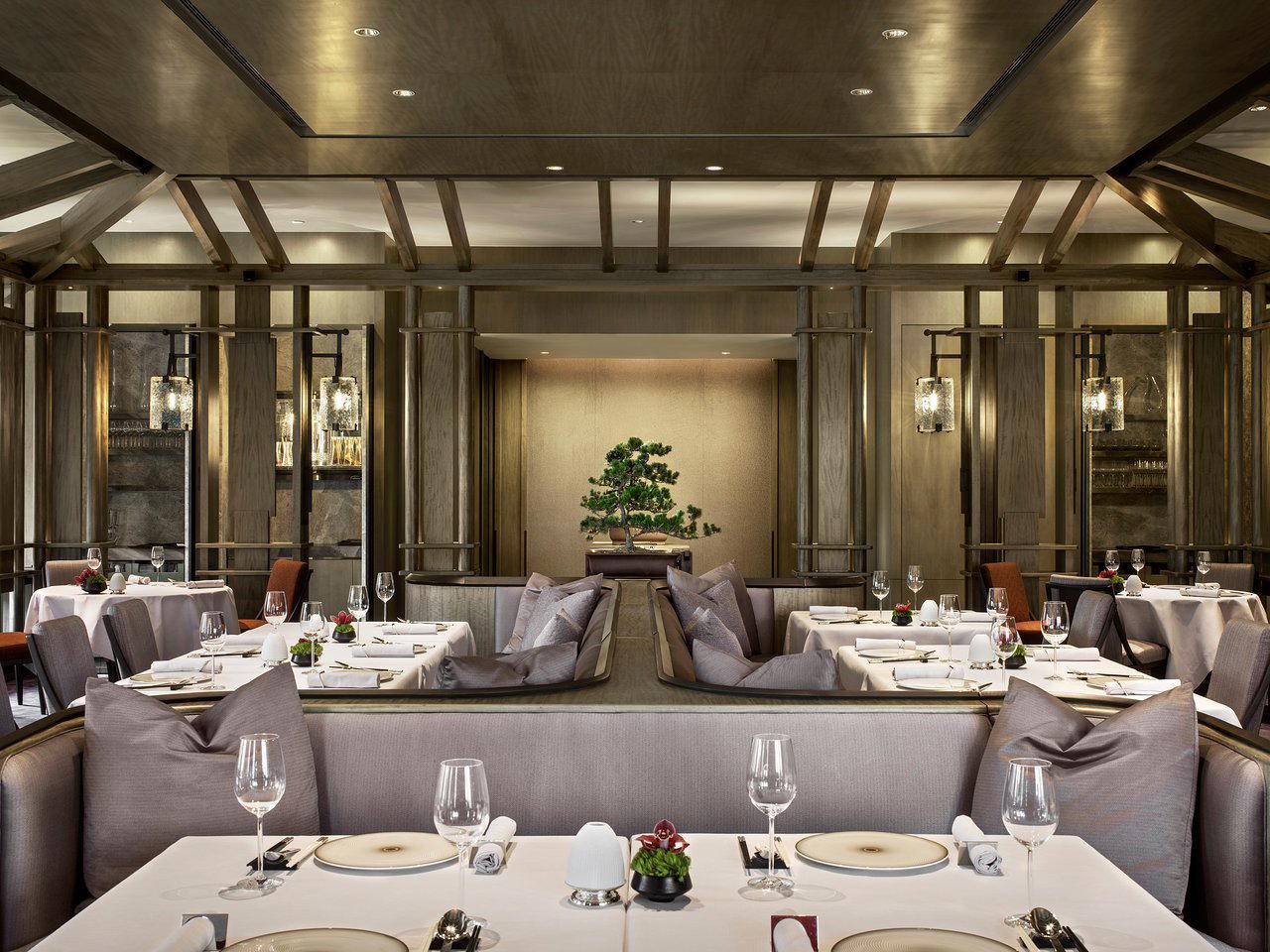
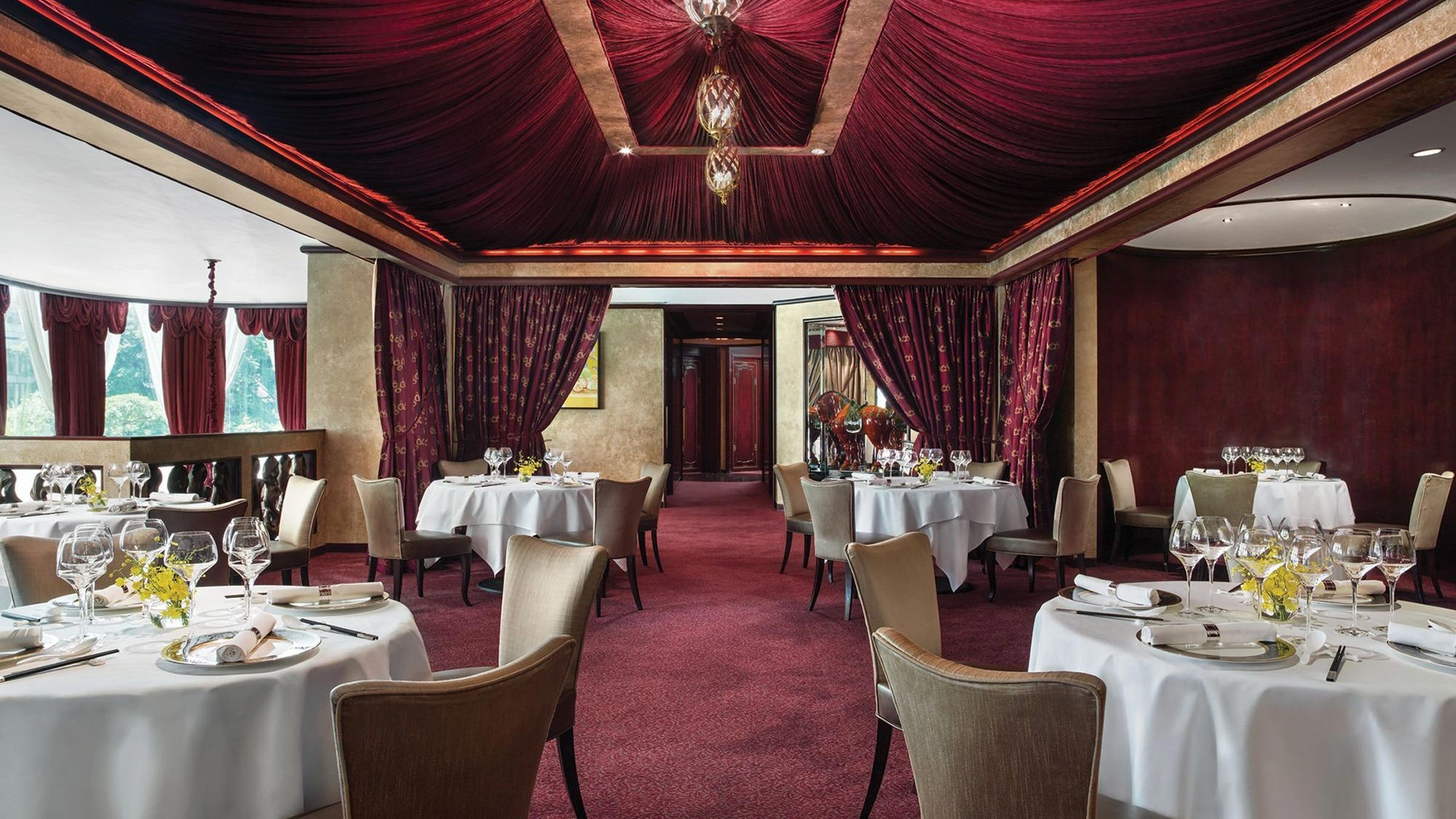
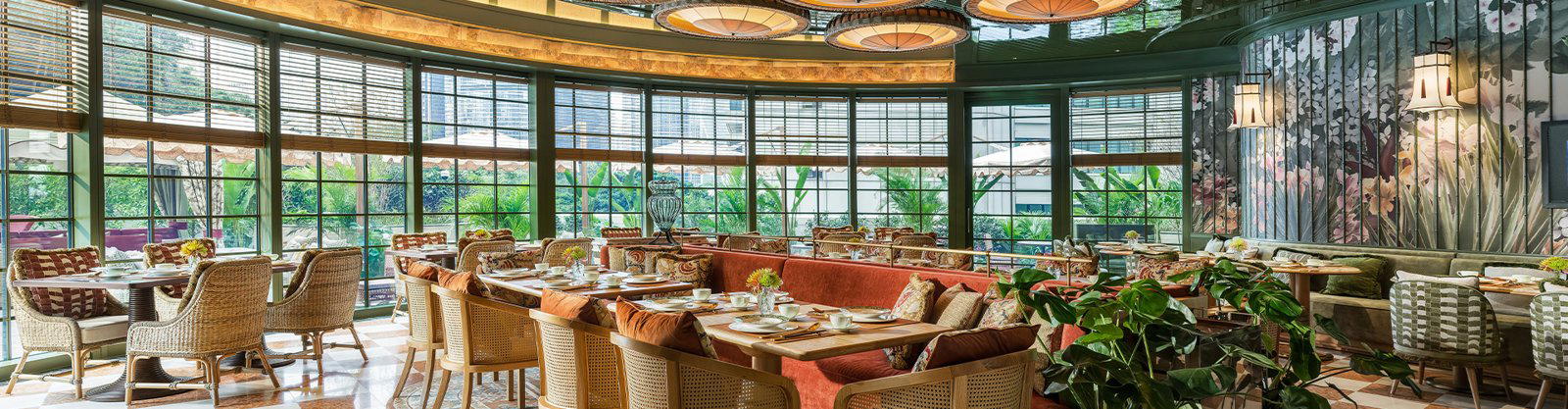
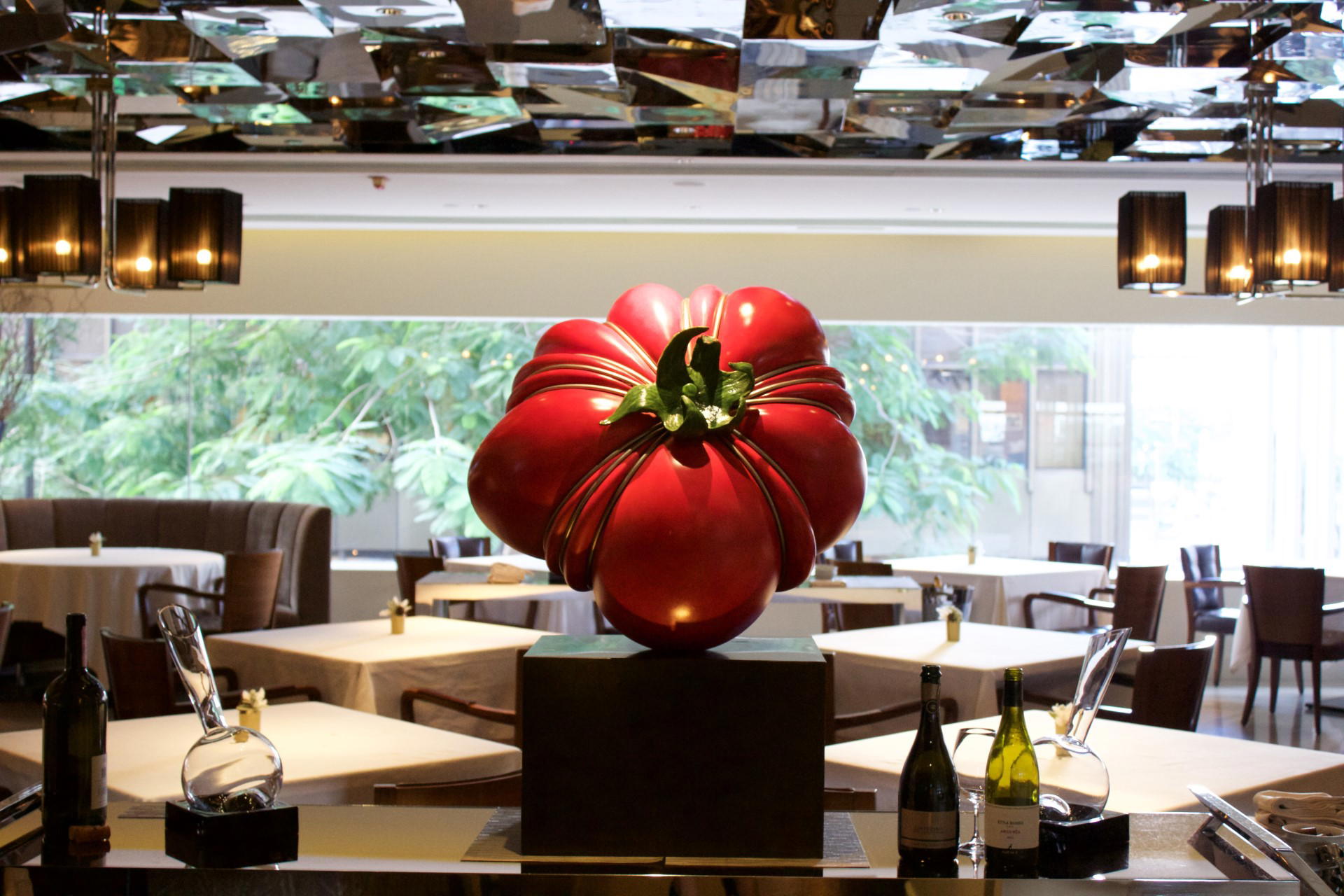
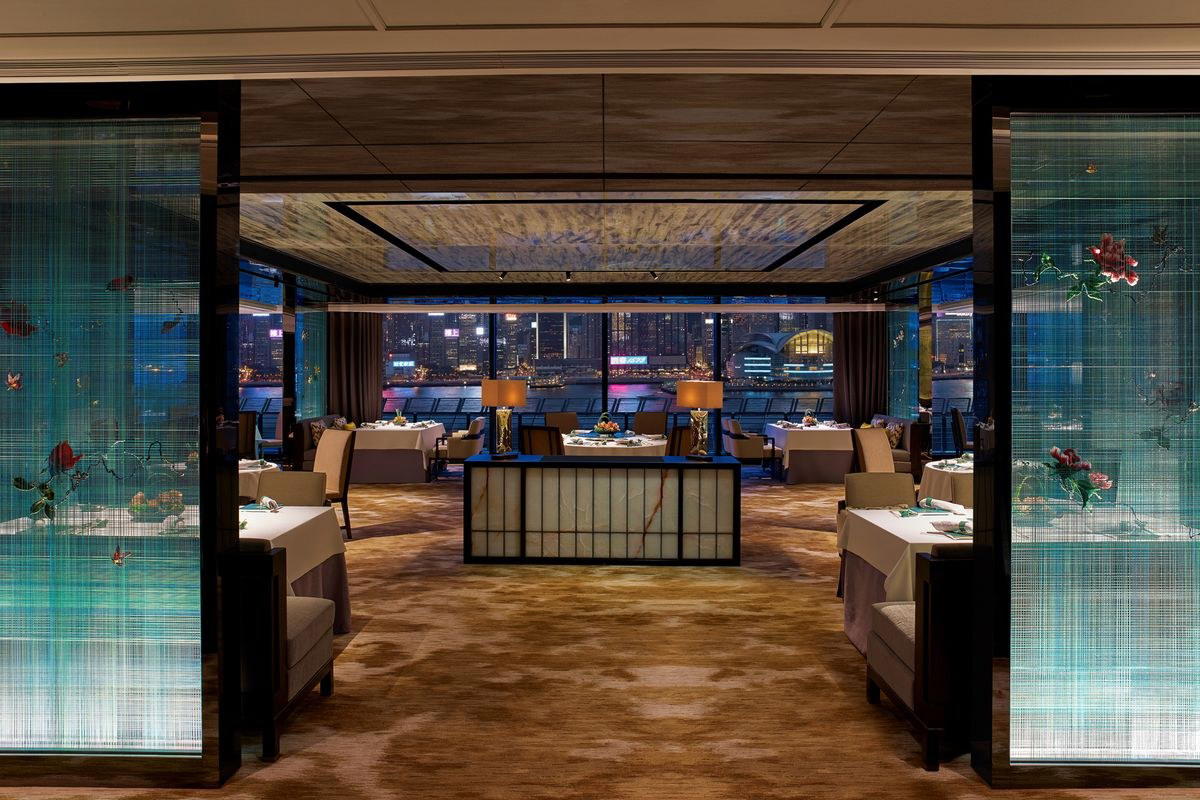
Clean, modern, elegant decor with hanging dividers, velvety seats, modern Asian art, and bustling atmosphere.