Lee Lo Mei occupies a compact address on Lyndhurst Terrace in Central, a street that has quietly accumulated some of Hong Kong's more interesting mid-format dining. The room sits within a neighbourhood defined by contrast: Michelin-heavy destination restaurants a few minutes in one direction, cha chaan teng culture in the other. That tension between register and expectation is exactly what the address signals before you open the door.
- Address
- 8 Lyndhurst Terrace, Central, Hong Kong
- Phone
- +852 2896 7688
- Website
- leelomei.hk
- Directions
- Get directions
Lyndhurst Terrace and the Logic of Central's Mid-Tier Dining
Central Hong Kong has long operated on a steep gradient of formality. At one end, the district's Michelin-tracked institutions, Caprice, Amber, and 8 1/2 Otto e Mezzo Bombana, anchor the upper end with prix-fixe structures, deep wine programs, and booking windows that stretch weeks or months ahead. At the other end, the neighbourhood's surviving dai pai dongs and cha chaan tengs operate on walk-in logic, serving a working population that treats lunch as a 20-minute obligation. Lyndhurst Terrace, running along the lower edge of SoHo, sits between those two poles and has accumulated a set of restaurants that treat that middle position as an asset rather than a compromise. Lee Lo Mei is a Modern Cantonese Fusion restaurant at 8 Lyndhurst Terrace, Central, Hong Kong, priced at about US$65 per person.
The street itself functions as a useful frame for understanding what this address promises. It connects the Mid-Levels escalator corridor to the denser commercial blocks below, which means foot traffic is self-selecting: people who walk Lyndhurst Terrace are usually looking for something, not simply passing through. That orientation towards a searching, moderately informed diner shapes what the better restaurants on this street attempt, less spectacle, more precision of a different kind.
What the Booking Experience Tells You About Where Lee Lo Mei Sits
Hong Kong's restaurant booking culture has fragmented into distinct tiers, and understanding those tiers matters before you commit a time slot. The top tier, places like Ta Vie or Forum, typically requires reservation windows of four to eight weeks, operates through dedicated booking platforms or private reservation lines, and may ask for credit card holds or prepayment. A second tier, which includes many of SoHo and Central's better-regarded independent restaurants, tends to open reservations two to three weeks out and accepts walk-ins at the bar or during off-peak service if capacity allows. A third tier runs largely on walk-in logic, particularly for lunch.
Lee Lo Mei is a recommended-booking restaurant. That has a practical implication for planning: unlike the destination-format rooms a short walk away, arriving without a reservation on a weekday lunch or a quiet Monday evening carries less risk than it would at a tasting-menu counter. On weekend evenings, that calculus shifts. Central's dining population skews towards people with full work schedules who treat Friday and Saturday dinner as planned events, and the better-regarded addresses on Lyndhurst Terrace fill accordingly.
If you are building an itinerary around this part of Hong Kong, the sensible approach is to treat the higher-commitment bookings first, securing a table at a Michelin-tracked room or a counter format with a fixed capacity, and fit the restaurant into the surrounding days with a same-week or walk-in approach. The street rewards that kind of flexible scheduling in a way that the top tier simply does not.
The Neighbourhood as Context
SoHo and the surrounding blocks of Central have undergone a sustained consolidation over the past decade. The mid-2010s boom that packed every available shopfront with casual international concepts has given way to a more selective field: the venues that remain tend to have either a defined identity or a loyal enough local following to survive Hong Kong's punishing rent cycle. Lyndhurst Terrace has benefited from that consolidation, and the addresses that have held on, including the Gaia group's operation in Central and Western, generally represent a more considered offer than the boom-era average.
For visitors arriving from outside Hong Kong, the district is walkable from the Central MTR exits (Exits D1 or D2 bring you closest to the Mid-Levels escalator, from which Lyndhurst Terrace is a short descent). Taxi access is direct from the harbour-facing hotel corridor. The Mid-Levels escalator runs downhill in the morning and uphill from around midday, so the direction of travel on foot depends entirely on what time you arrive, a detail that sounds minor but becomes relevant if you are moving between multiple restaurants in an evening.
Hong Kong's dining geography rewards some degree of pre-planning on this axis. The contrast between Central's formal rooms and the more atmospheric options across the harbour in Yau Tsim Mong, where Coconut Soup represents the kind of neighbourhood specificity that Central rarely achieves, or the outer districts like Lei Garden in Sha Tin or Hoi Tin Garden in Tuen Mun, illustrates how different the city's dining registers can be within a single MTR journey. The restaurant's Central location places it firmly in the highest-density, most internationally legible part of that map.
Planning Your Visit
Lyndhurst Terrace runs along a slope, which is worth knowing if you are arriving on foot from Hollywood Road above or from Des Voeux Road below. The address at number 8 sits towards the lower end of the street. Given Central's general density and the competition for tables at the street's better addresses on weekend evenings, arriving early in a service, particularly for dinner, gives you more control over the experience than arriving mid-service when the room is already full and staff attention is divided. For visitors who have allocated only one or two evenings in Hong Kong for more considered dining, the higher-certainty approach remains booking a confirmed table at one of the district's tracked rooms, with the restaurant functioning as a secondary or supplementary option that rewards a more spontaneous approach. historic waterfront formats in Aberdeen to the more recently established specialist addresses in outer districts like One-ThirtyOne in Tai Po and Gangstas in the Islands district.
Quick Comparison
Comparable venues nearby, for context on price, style, and recognition.
| Venue | Cuisine | Price | Notes |
|---|---|---|---|
| Lee Lo MeiThis venue — the venue you are viewing | Modern Cantonese Fusion | $$$ | Not listed |
| Tim's Kitchen | Traditional Cantonese | $$$ | Wan Chai |
| Lei Garden | Traditional Cantonese | $$$ | Tai Pak |
| Yung Kee Restaurant (鏞記) | Classic Cantonese Roast Goose | $$$ | Central |
| RÙN (The St. Regis Hong Kong) | Modern Cantonese Fine Dining | $$$ | Wan Chai |
| Moon Bay | Traditional Cantonese Chinese | $$$ | Wan Chai |
Continue exploring
More in Hong Kong
Restaurants in Hong Kong
Browse all →
Bars in Hong Kong
Browse all →
At a Glance
- Trendy
- Lively
- Cozy
- Modern
- Well Known
- Group Dining
- Casual Hangout
- After Work
- Special Occasion
- Open Kitchen
- Craft Cocktails
- Street Scene
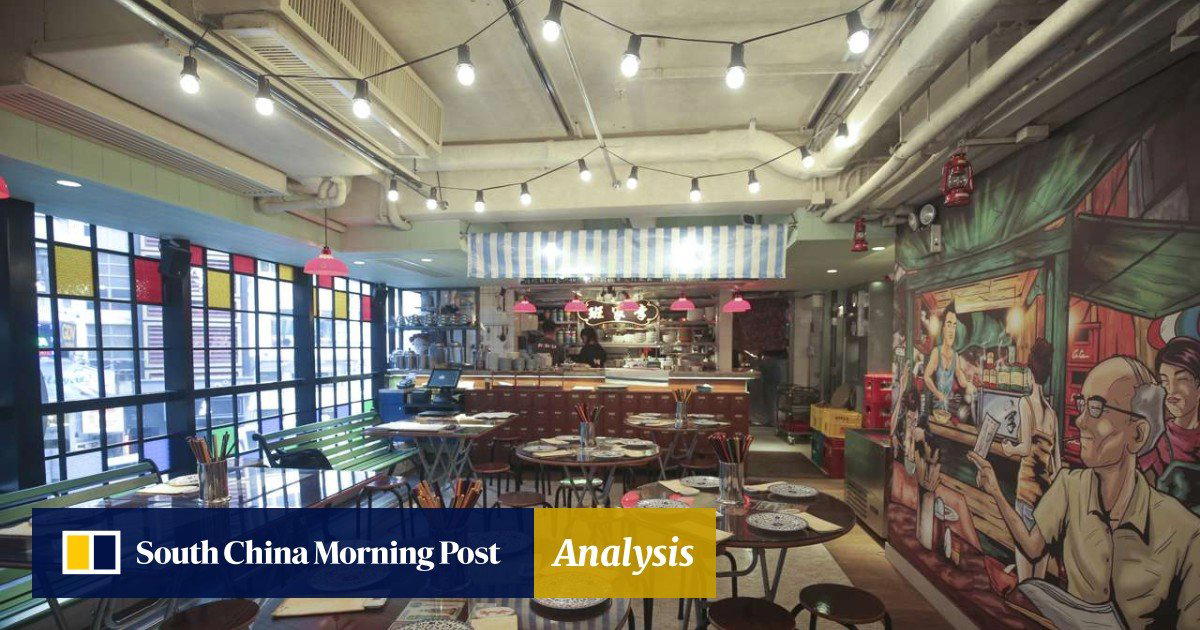
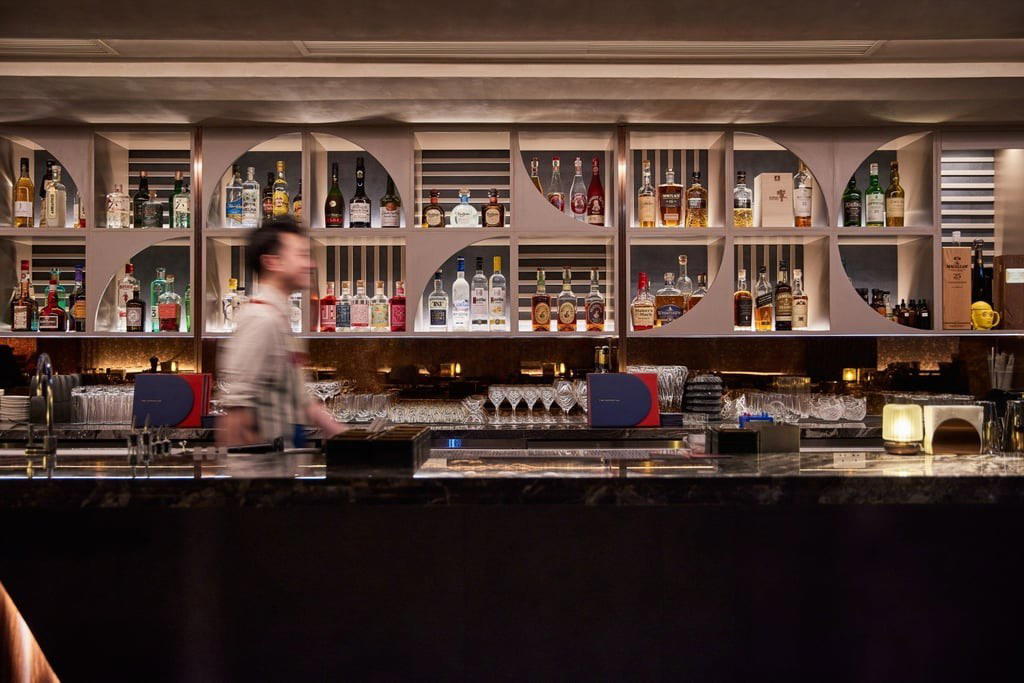
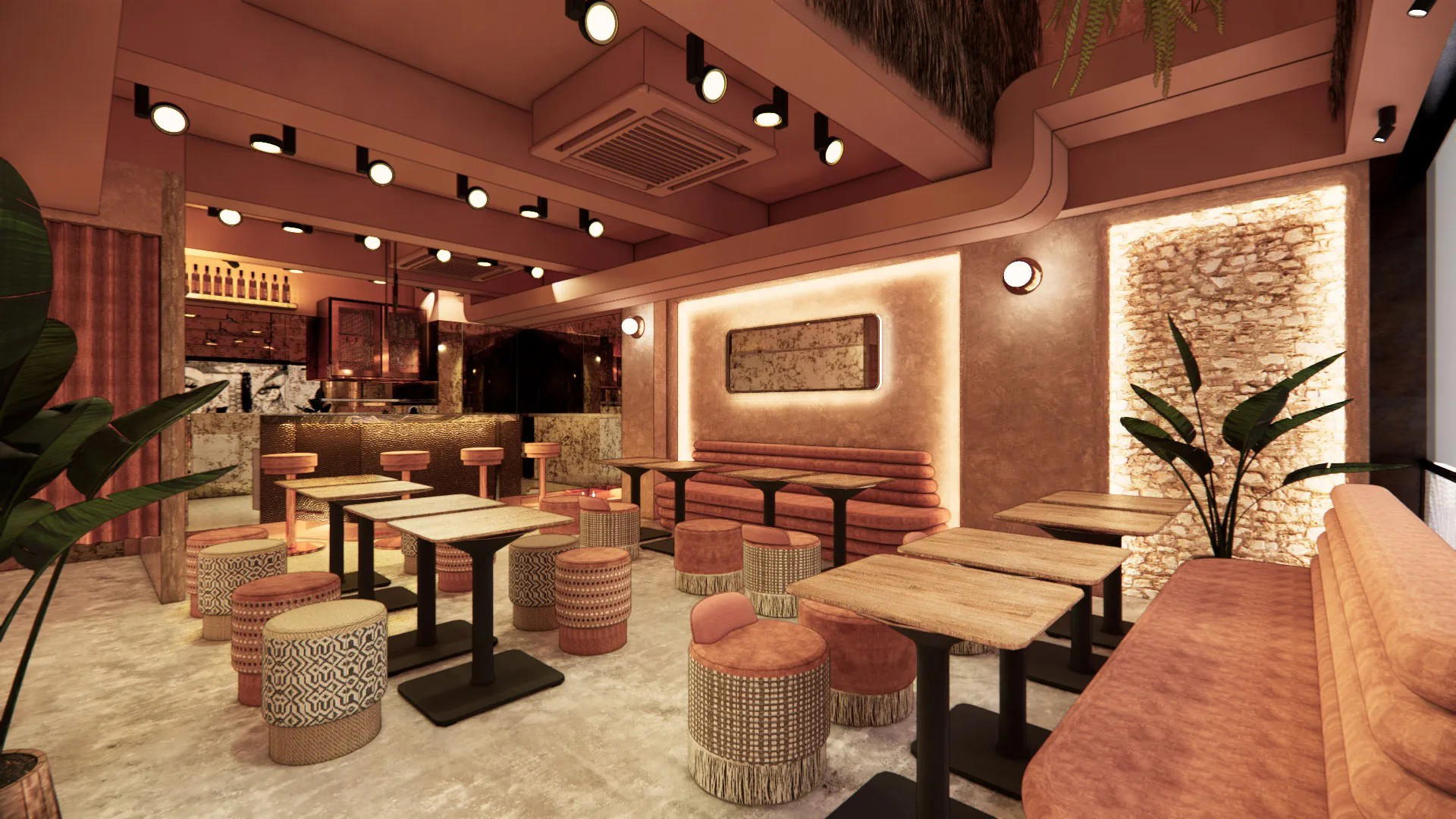
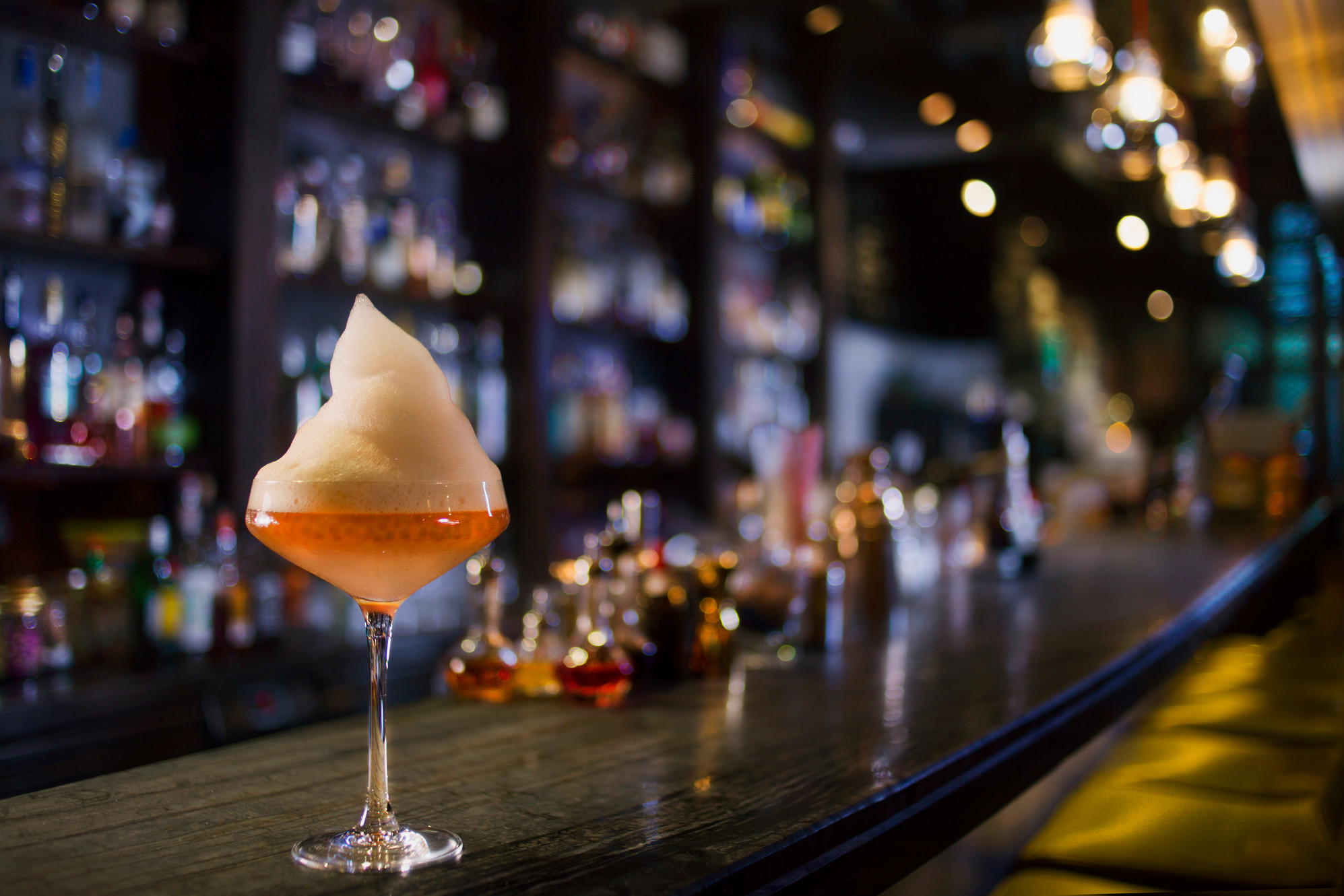
Lively retro interior with old movie posters, graffiti murals of HK street scenes, colorful chopsticks, and lively bar opening to the terrace.