Shanghai Yu Yuan occupies the 26th floor of V Point in Causeway Bay, positioning itself within Hong Kong's dense field of Shanghainese restaurants where northern Chinese cooking traditions compete for attention against the city's dominant Cantonese dining culture. The address alone signals a certain ambition: a tower-level room in one of Hong Kong Island's most commercially active districts, where the dining crowd moves fast and expectations run high.
Pearl is the En Primeur Club membership app — saves, bookings, and concierge access live there. Same editors, same standards.
- Address
- Hong Kong, Causeway Bay, Tang Lung St, 18號豫園 V Point 26樓
- Phone
- +85221561688
- Website
- yu-yuan.hk
- Directions
- Get directions
 Saves & bookings on Pearl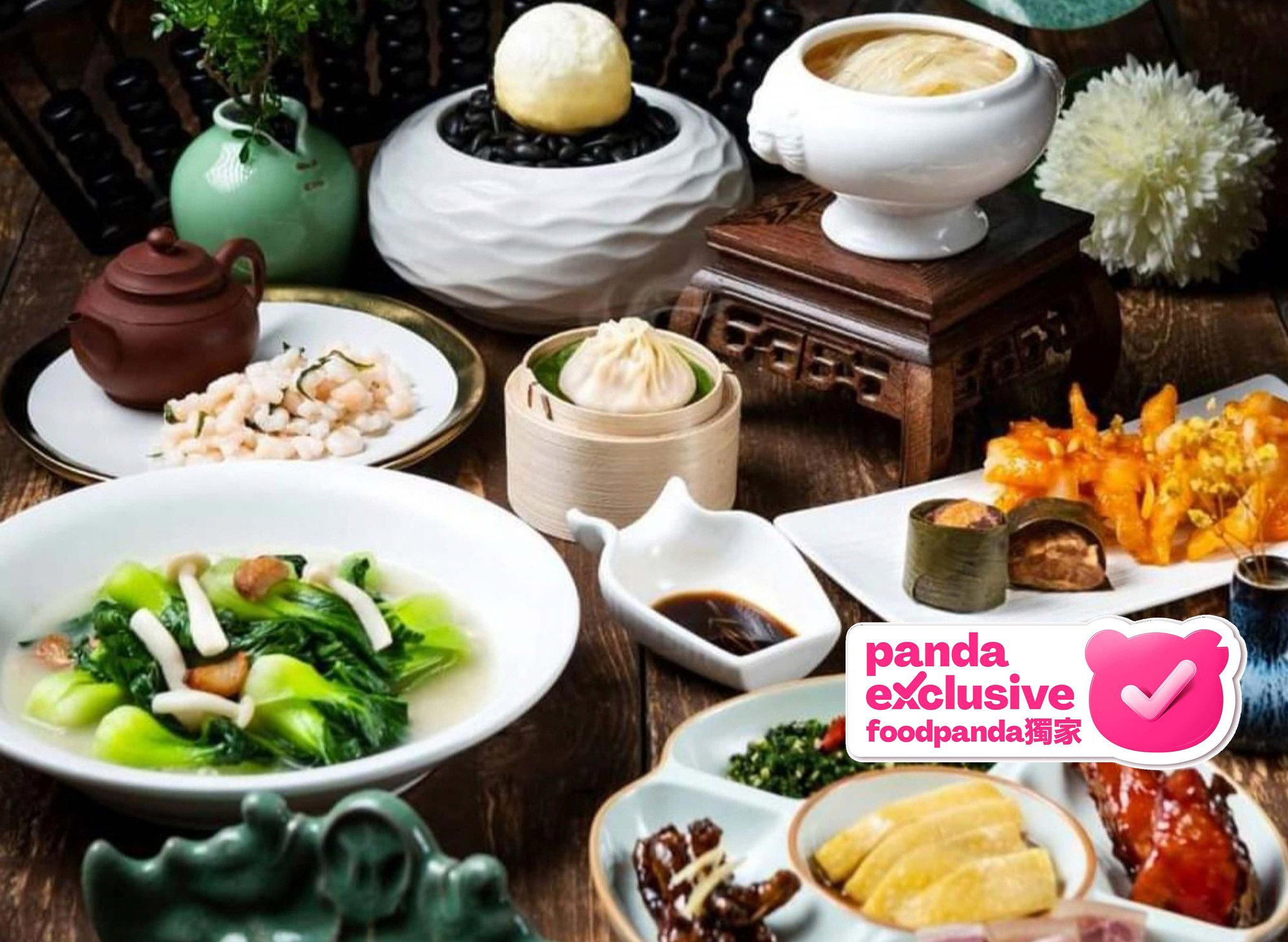
Where Causeway Bay Places Its Shanghainese Bets
Causeway Bay is a neighbourhood that rewards clearly defined restaurant concepts. The district runs at a pace that filters out the uncommitted: shopping towers emptying into side streets lined with restaurants that compete across every register of Chinese regional cooking, from Sichuan hotpot to Hong Kong-style tea houses. Into this environment, Shanghai Yu Yuan has planted a Shanghainese flag on the 26th floor of V Point on Tang Lung Street, a positioning that immediately separates it from the street-level din below. Tower dining in Hong Kong has its own logic: the ascent creates a transition between the city's surface pressure and the room's mood.
Shanghainese cuisine occupies a particular niche in Hong Kong's restaurant ecology. It is not the dominant mode here, Cantonese cooking holds that position with deep historical roots, and venues like Forum represent the kind of long-established Cantonese authority that any regional Chinese alternative must acknowledge simply by existing in the same city. Shanghainese food, by contrast, brings a different sensory register: richer sauces, a greater reliance on braising and red-cooking, and a sweetness in the seasoning that marks the cuisine as distinctly northern by temperament even if geographically central. In a city that has historically filtered mainland Chinese regional cooking through its own Cantonese preferences, a Shanghainese address in Causeway Bay is making a specific cultural argument.
The Sensory Architecture of a Tower Room
The physical experience of a 26th-floor restaurant in Hong Kong begins before you sit down. The elevator ride is a kind of editorial statement: the city recedes, the noise drops, and the visual field shifts from street-level commercial density to a wider horizon. This transition matters more in Hong Kong than in most cities because the street noise here is genuinely intense, delivery vehicles, construction, the constant lateral movement of crowds through narrow pavements. What greets a diner at tower height is comparative quiet, and that quiet changes how a meal lands.
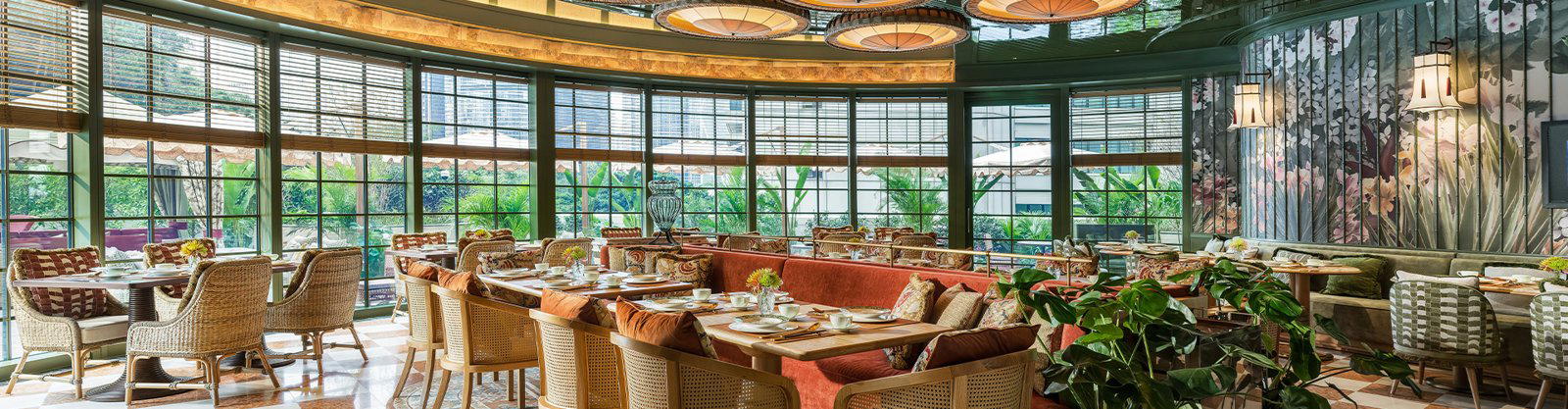
The Causeway Bay skyline from this elevation is layered rather than panoramic: older residential blocks, commercial towers, and the distinctive geometry of a neighbourhood that has been built and rebuilt at different scales across different decades. It is not the harbour view that defines the hotel properties further north, but it has its own texture, the particular Hong Kong quality of density seen from just above it rather than from across the water. For a restaurant drawing on Shanghai's aesthetic traditions, where early 20th-century Art Deco and the visual weight of Republican-era interiors inform a certain idea of Chinese urban sophistication, this refined position fits the concept.
Shanghainese Cooking in a Cantonese City
Broader competition for Chinese regional dining in Hong Kong has intensified over the past decade. Sichuan and Hunanese cooking captured considerable market share through heat-led flavour profiles that translate well into the city's appetite for bold, shareable formats. Shanghainese cooking has a quieter case to make: its virtues are in depth rather than heat, in the slow reduction of a good hong shao rou, in the clean brine of a well-made drunken chicken, in the delicate layering of a soup dumpling where the filling-to-skin ratio and the temperature of the broth at the moment of eating are the real technical measures.
These are not showy virtues, which means the restaurants making them work tend to build loyalty through repetition rather than novelty. Regulars return for the specific things that a kitchen has learned to do well, and the Shanghainese restaurant in a non-Shanghainese city depends more heavily on that repeat-visit dynamic than a concept riding a trend cycle. This is the structural challenge and the opportunity for any serious Shanghainese address in Hong Kong.
For context on how Hong Kong's high-end dining spectrum operates at its upper tier, venues like Amber, Caprice, Ta Vie, and 8 1/2 Otto e Mezzo Bombana define what formal dining ambition looks like in this city. Shanghai Yu Yuan operates within a different segment, regional Chinese rather than international fine dining, but the city's dining culture sets a high baseline for execution across all categories.
Causeway Bay as Context
The neighbourhood around V Point is worth understanding as a dining environment. Tang Lung Street and the surrounding blocks host a concentration of restaurants that reflects Causeway Bay's function as a commercial and retail hub for Hong Kong Island's middle and upper-middle market. This is not a destination dining neighbourhood in the way that parts of Central or Wan Chai have become; it is a neighbourhood where restaurants serve people who are already there for other reasons. That creates a different kind of diner: less likely to have researched extensively, more likely to be making a decision on the street or based on a recommendation from someone who knows the area.
A restaurant positioned on the 26th floor of a tower, however, changes that calculus. You do not end up at Shanghai Yu Yuan by accident. The address requires intent, which means the room tends to attract people who have chosen it specifically, a different crowd dynamic than the street-level alternatives.
Hong Kong's dining geography rewards this kind of deliberate positioning. Across the territory, from the New Territories outposts like Lei Garden in Sha Tin and One-ThirtyOne in Tai Po to the island-side destinations like the former Jumbo in Aberdeen and district specialists like Gaia in Central, the city has always supported restaurants that earn their visiting distance. For the wider picture of where the restaurant sits within Hong Kong's full dining spectrum, our full Hong Kong restaurants guide maps the territory across neighbourhoods and cuisine categories.
Planning Your Visit
The restaurant sits at 26/F, V Point, 18 Tang Lung Street, Causeway Bay, Hong Kong Island. The building is direct to reach from Causeway Bay MTR station, with the exit placing you within a few minutes' walk of Tang Lung Street. Current hours are 12-11:30 PM daily, and reservations are recommended.
A Credentials Check
Comparable venues nearby, for context on price, style, and recognition.
| Venue | Cuisine | Price | Notes |
|---|---|---|---|
| Shanghai Yu YuanThis venue — the venue you are viewing | Shanghainese Fine Dining | $$$ | Not listed |
| Dynasty | Traditional Cantonese & Dim Sum with Harbour Views | $$$ | Wan Chai |
| Moon Bay | Traditional Cantonese Chinese | $$$ | Wan Chai |
| Yue | Modern Cantonese Dim Sum | $$$ | Tung Chung |
| RÙN (The St. Regis Hong Kong) | Modern Cantonese Fine Dining | $$$ | Wan Chai |
| Soft Bank | Cantonese Private Kitchen | $$$$ | Sheung Wan |
Continue exploring
More in Hong Kong
Restaurants in Hong Kong
Browse all →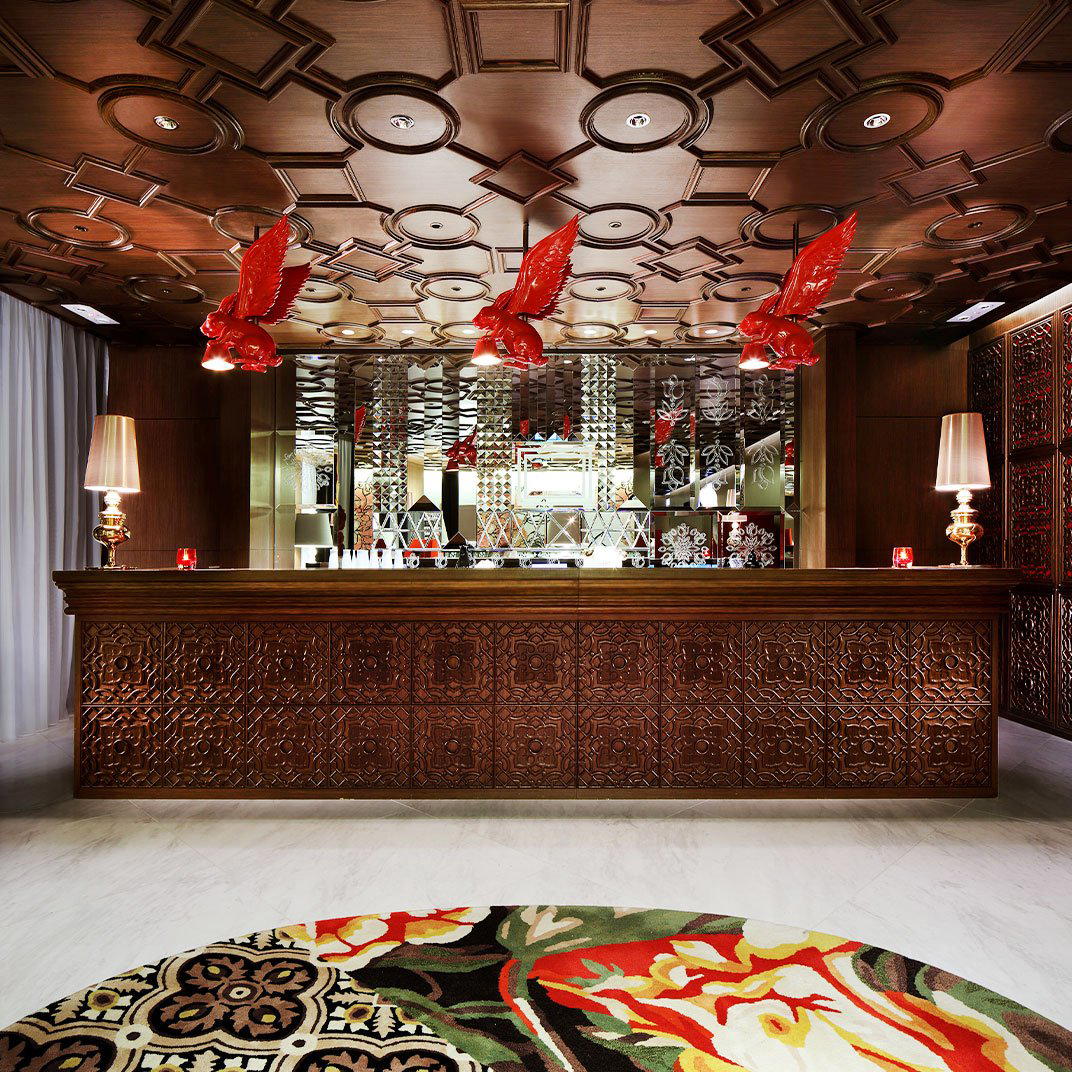
Bars in Hong Kong
Browse all →
At a Glance
- Elegant
- Sophisticated
- Classic
- Date Night
- Business Dinner
- Group Dining
- Special Occasion
- Panoramic View
- Waterfront
- Private Dining
- Historic Building
- Design Destination
- Waterfront
Current opening hours
- Monday
- 12–11:30 PM
- Tuesday
- 12–11:30 PM
- Wednesday
- 12–11:30 PM
- Thursday
- 12–11:30 PM
- Friday
- 12–11:30 PM
- Saturday
- 12–11:30 PM
- Sunday
- 12–11:30 PM
Hours can change for holidays and private events. Last verified .
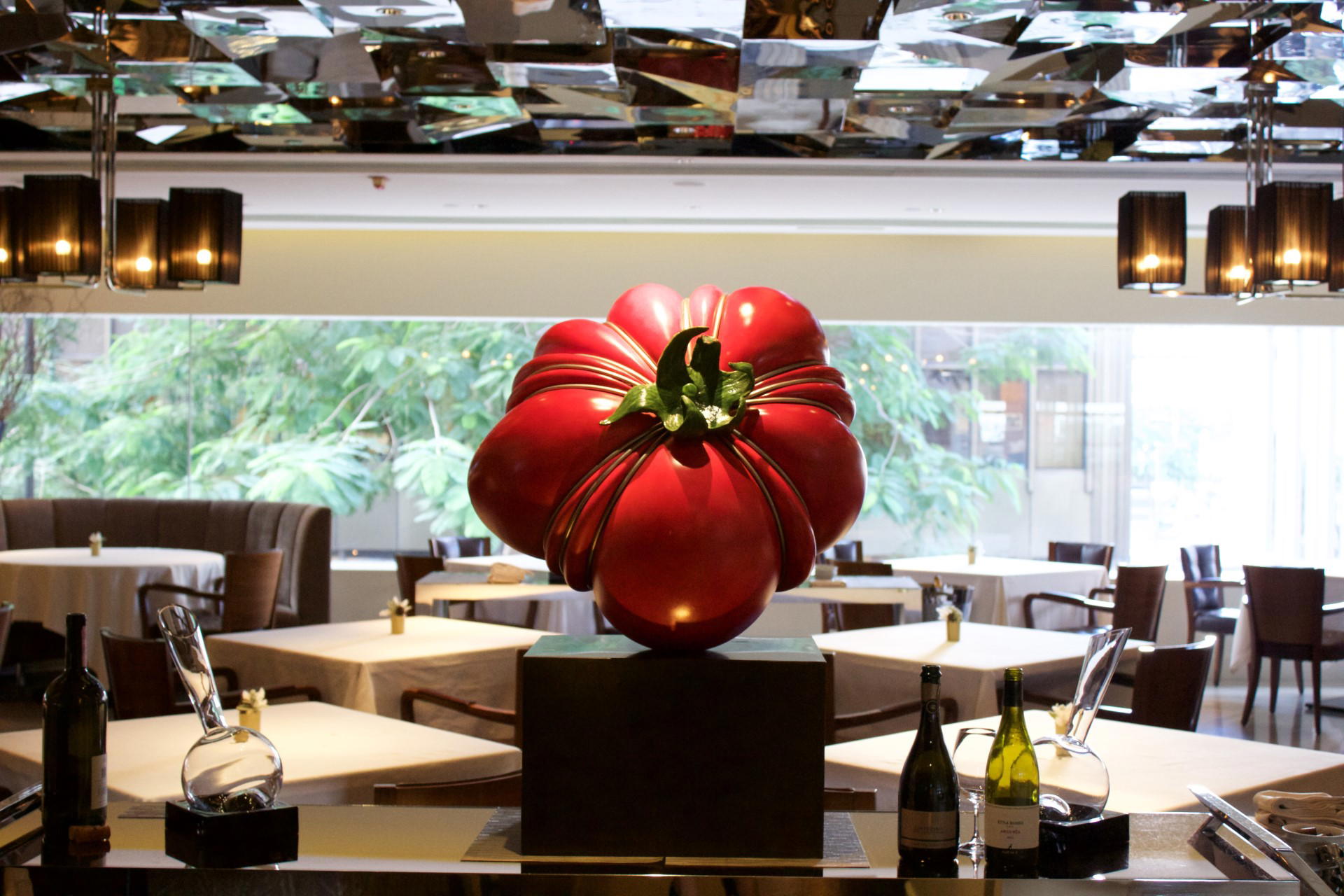
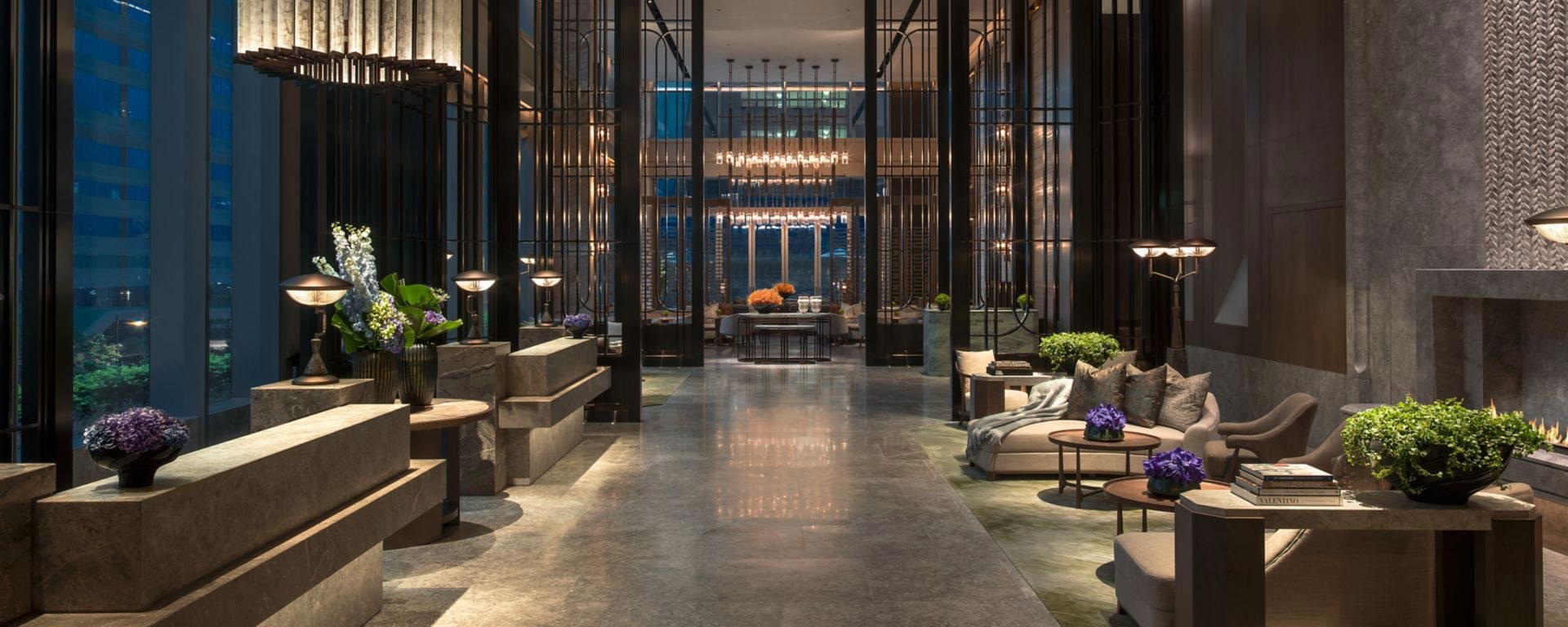
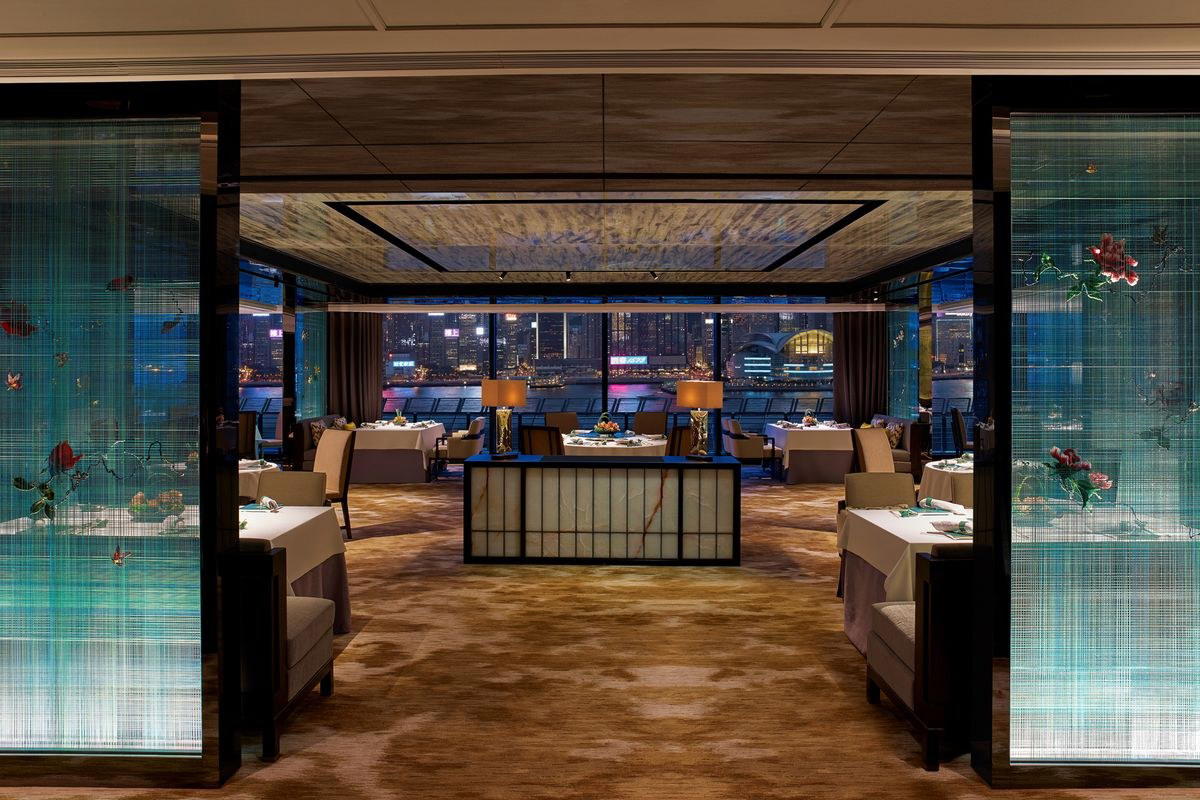
Elegant interior with Ming and Qing dynasty-inspired design elements, sophisticated lighting, and refined atmosphere reflecting Shanghai garden aesthetics.