








WING Restaurant places contemporary Chinese fine dining inside Hong Kong's sharper regional conversation: Cantonese reference points, broader Chinese culinary memory, and European technique without turning the meal into fusion shorthand. Chef-owner Vicky Cheng's second Hong Kong restaurant has major recognition from Asia's 50 Best Restaurants, OAD, La Liste, Black Pearl and Tatler, making it a serious table for diners tracking the city's modern Chinese direction.
Pearl is the En Primeur Club membership app — saves, bookings, and concierge access live there. Same editors, same standards.
- Address
- 29/F The Wellington, 198 Wellington St, Central, Hong Kong
- Phone
- +852 2711 0063
- Website
- wingrestaurant.hk
- Directions
- Get directions
 Saves & bookings on Pearl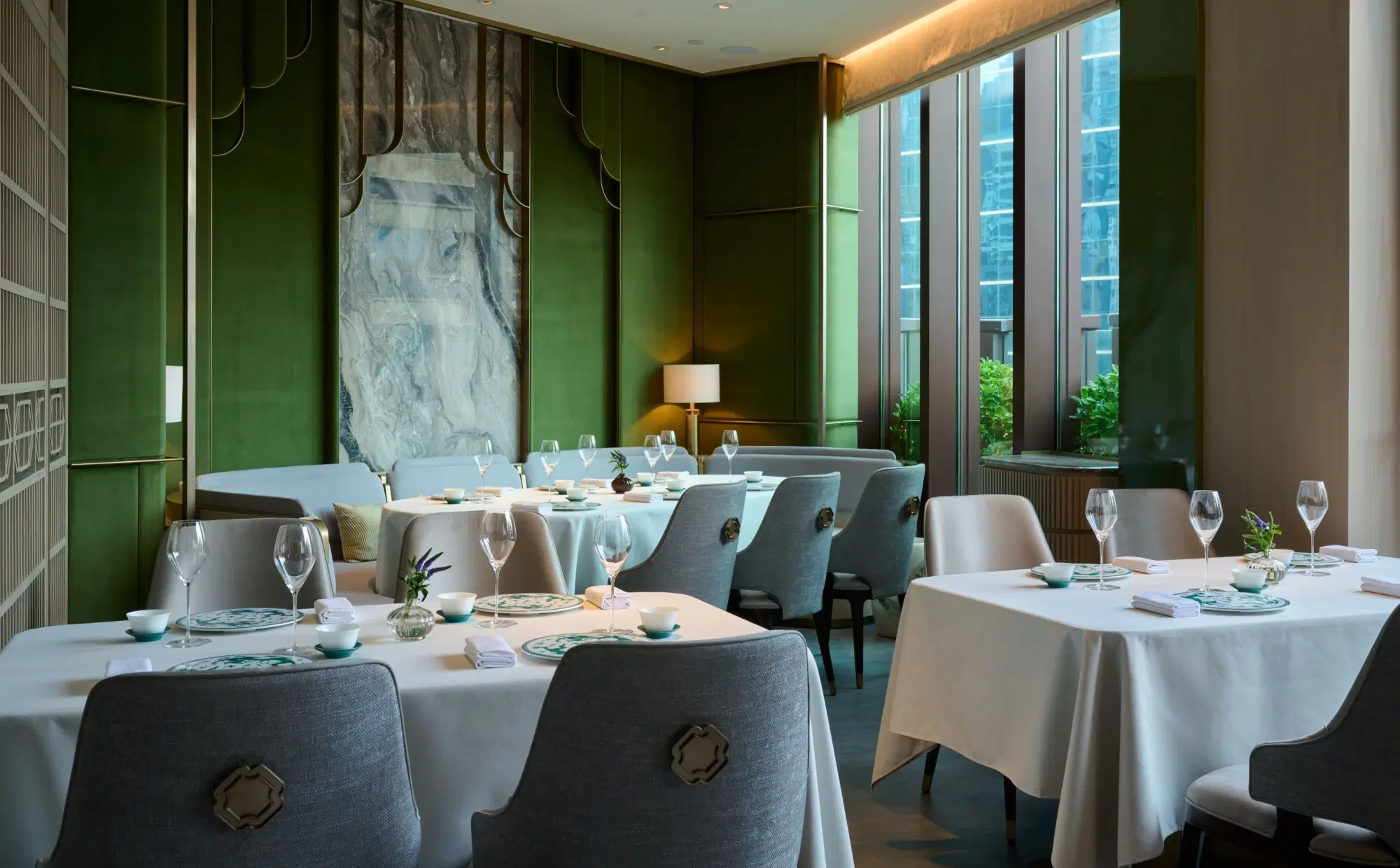
WING Restaurant is a Hong Kong Chinese restaurant associated with chef-owner Vicky Cheng. It is described as Cheng's second venture after the well-acclaimed Vea upstairs, and its name comes from his Chinese name, meaning eternity.
Chinese cooking treated as a modern tasting-menu language
WING Restaurant's verified description points to a tasting menu of contemporary Chinese courses made with quality global ingredients. That gives the restaurant a clear identity within Hong Kong dining: Chinese cuisine presented in a modern, high-end format.
Because the confirmed record does not specify individual dishes, a seat count, beverage program or detailed menu structure beyond the tasting-menu description, those details should be checked directly with the restaurant before booking. What can be stated with confidence is that WING Restaurant is a Chinese restaurant in Hong Kong led by Vicky Cheng.
Its relationship to Vea is also part of the verified story. Cheng is associated with the well-acclaimed Vea upstairs, while the restaurant is described as his second venture. For diners comparing premium Hong Kong restaurants, Vea is one direct reference point from the confirmed information.
Other comparison names may help frame a wider itinerary, including Godenya, Noi by Paulo Airaudo, Ta Vie, Zuicho and Vea.
Why the restaurant belongs in Hong Kong's contemporary Chinese conversation
Hong Kong has many premium dining options, and the restaurant belongs in that conversation because it presents Chinese cuisine at a high price tier under a chef-owner with an established profile.
The available recognition text describes the restaurant as Cheng's second venture and notes that the tasting menu features contemporary Chinese courses made with quality global ingredients. It does not provide confirmed award years, scores or rankings that should be stated as fact here.
For readers comparing restaurants, Vea offers the closest confirmed connection through Cheng. Godenya, Noi by Paulo Airaudo, Ta Vie and Zuicho can also be considered as part of a broader premium dining plan, though the restaurant should be judged on its own Chinese-cuisine identity rather than as a substitute for those different restaurants.
Practical expectations should stay grounded. The dress code is smart casual, the price level is $$$$, and the listed hours are Monday to Thursday 6 pm–12 am, Friday 1 pm–12 am, Saturday 6 pm–12 am, and Sunday closed.
The clearest reason to choose the restaurant is for contemporary Chinese dining in Hong Kong from Vicky Cheng. The verified description supports a tasting menu of contemporary Chinese courses with quality global ingredients, but it does not confirm specific dishes, wine pairings, allergy policies, private rooms or delivery and take-out services.
Diners who want a premium Chinese restaurant in Hong Kong may find the restaurant relevant. Diners seeking a specific format or menu should confirm directly with the restaurant, because the verified public details here do not establish a seat count, course count or full list of offerings.
For a wider Hong Kong dining plan, the restaurant can sit alongside another premium booking such as Vea or a different style of restaurant such as Godenya, Noi by Paulo Airaudo, Ta Vie or Zuicho. The useful distinction is simple: the restaurant is the Chinese option in this set, with Vicky Cheng as chef-owner.
The verdict is intentionally precise. The restaurant is a $$$$ Chinese restaurant in Hong Kong with smart casual dress code, listed evening hours, and a contemporary tasting-menu description tied to Vicky Cheng. Beyond those confirmed facts, details should be treated as subject to direct confirmation.
Category Peers
Comparable venues by cuisine and price in the same metro.
| Venue | Cuisine | Price | Awards |
|---|---|---|---|
| WING RestaurantThis venue — the venue you are viewing | Chinese | $$$$ | This venue |
| Vea | Innovative | Not listed | Innovative, $$$$ |
| Godenya | Japanese | Not listed | Japanese, $$$$ |
| Ta Vie | Japanese - French, Innovative | Not listed | Japanese - French, Innovative, $$$$ |
| Noi by Paulo Airaudo | Italian Contemporary | Not listed | Italian Contemporary, $$$$ |
| Zuicho | Japanese | Not listed | Japanese, $$$$ |
Recognition history
Dated appearances from independent guides and award organizations, with the underlying list record or original source where available.
Black Pearl 1 Diamond
Black Pearl
Cathay Members’ Choice Awards Asia’s Most Innovative Restaurant Winner
Cathay Members’ Choice Awards · 2026 Cathay Members’ Choice Awards — Venue Winners
La Liste Top Restaurants
La Liste
Michelin Plate
Michelin
Opinionated About Dining Top Restaurants in Asia Ranked #5
Opinionated About Dining
SCMP 100 Top Tables Restaurants
SCMP 100 Top Tables
World's 50 Best Asia's Best Restaurants #2
World's 50 Best
Black Pearl 1 Diamond
Black Pearl
Chinese Restaurant Awards — Top 30 Honouree Asia: Top 30 Honouree Asia
Chinese Restaurant Awards
Chinese Restaurant Awards — Elite 15 Asia: Elite 15 Asia #2
Chinese Restaurant Awards
Michelin Plate
Michelin
Opinionated About Dining Top Restaurants in Asia Ranked #4
Opinionated About Dining
Opinionated About Dining Casual in Europe Ranked #318
Opinionated About Dining
Tatler Best 20 Restaurants Hong Kong
Tatler
Tatler Listed in Best Restaurants Asia-Pacific
Tatler
The Best Chef Three Knives
The Best Chef
World's 50 Best Best Restaurants #11
World's 50 Best
World's 50 Best Asia's Best Restaurants #3
World's 50 Best
Michelin Plate
Michelin
Opinionated About Dining Top Restaurants in Asia Ranked #26
Opinionated About Dining
Opinionated About Dining Casual in Europe Ranked #322
Opinionated About Dining
Tatler Best Asia: Restaurant of the Year
Tatler
Tatler Restaurant of The Year
Tatler
World's 50 Best Best Restaurants #20
World's 50 Best
Opinionated About Dining Casual in Europe Highly Recommended
Opinionated About Dining
Opinionated About Dining Top Restaurants in Asia Ranked #90
Opinionated About Dining
World's 50 Best Best Restaurants #90
World's 50 Best
Continue exploring
More in Hong Kong
More from Chef Vicky Cheng
Browse all →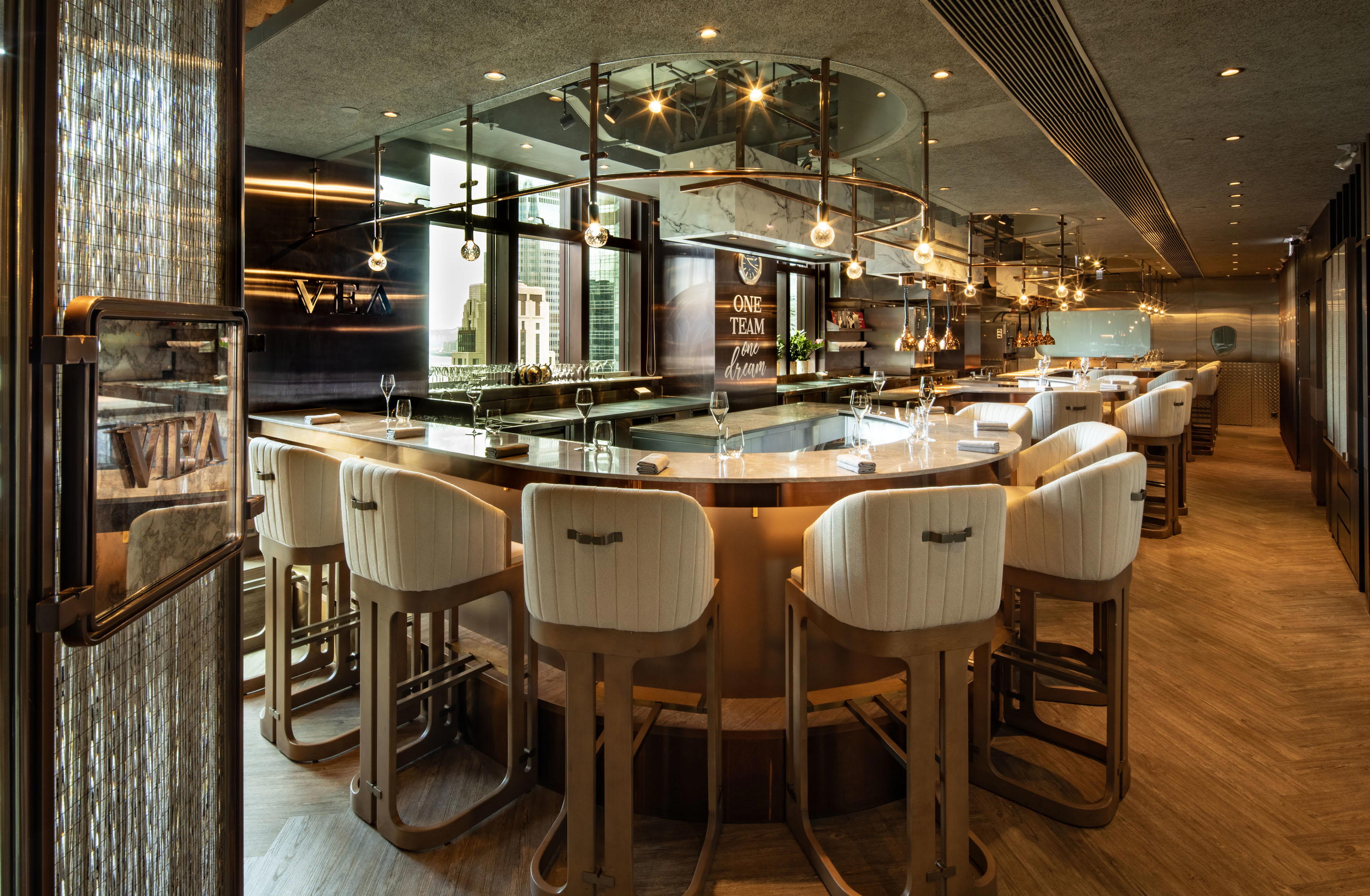
Restaurants in Hong Kong
Browse all →
Bars in Hong Kong
Browse all →

At a Glance
- Elegant
- Sophisticated
- Cozy
- Intimate
- Date Night
- Special Occasion
- Business Dinner
- Open Kitchen
- Extensive Wine List
- Local Sourcing
- Street Scene
Current opening hours
- Monday
- 6 PM–12 AM
- Tuesday
- 6 PM–12 AM
- Wednesday
- 6 PM–12 AM
- Thursday
- 6 PM–12 AM
- Friday
- 1 PM–12 AM
- Saturday
- 6 PM–12 AM
- Sunday
- Closed
Hours can change for holidays and private events. Last verified .
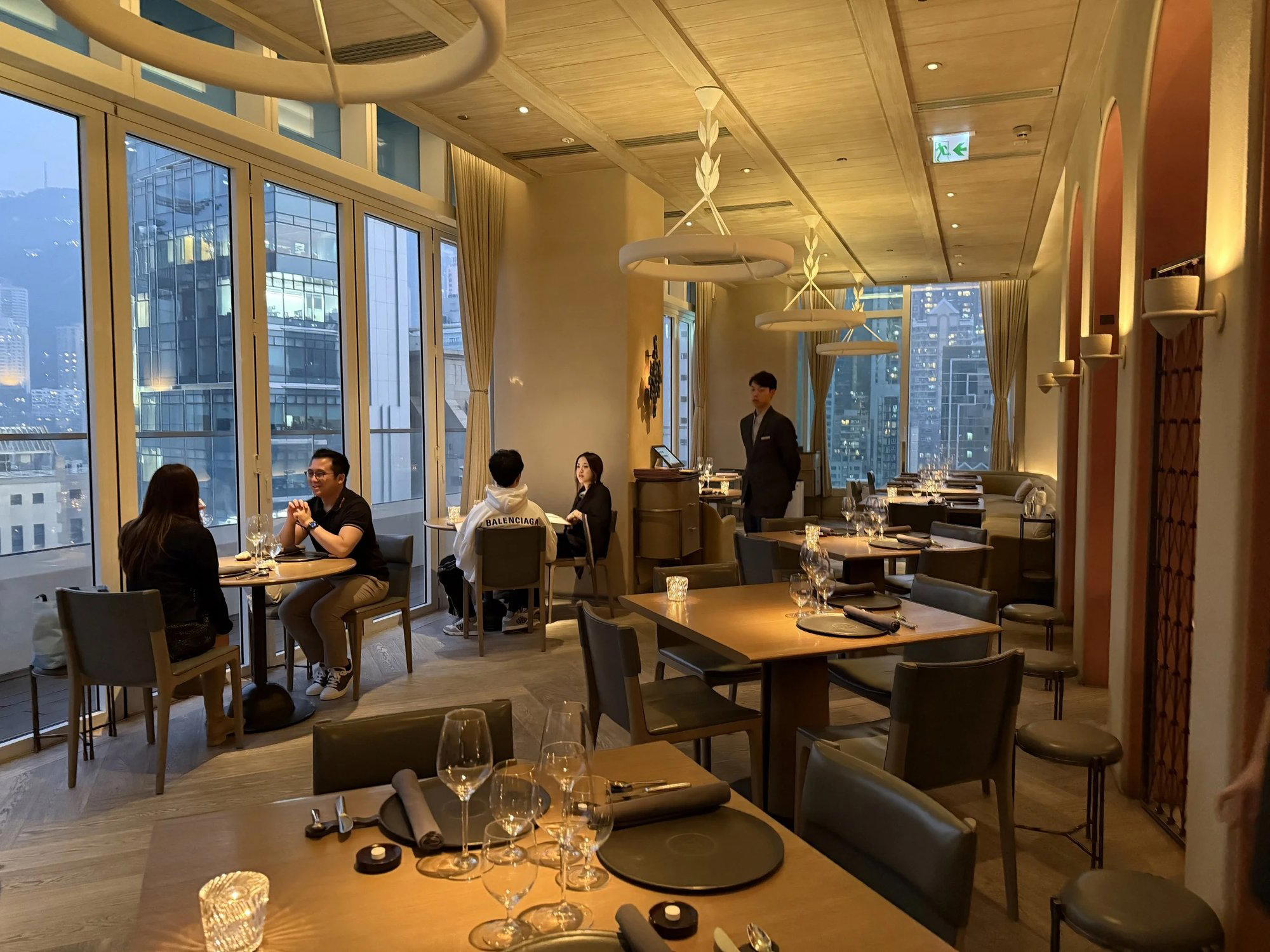
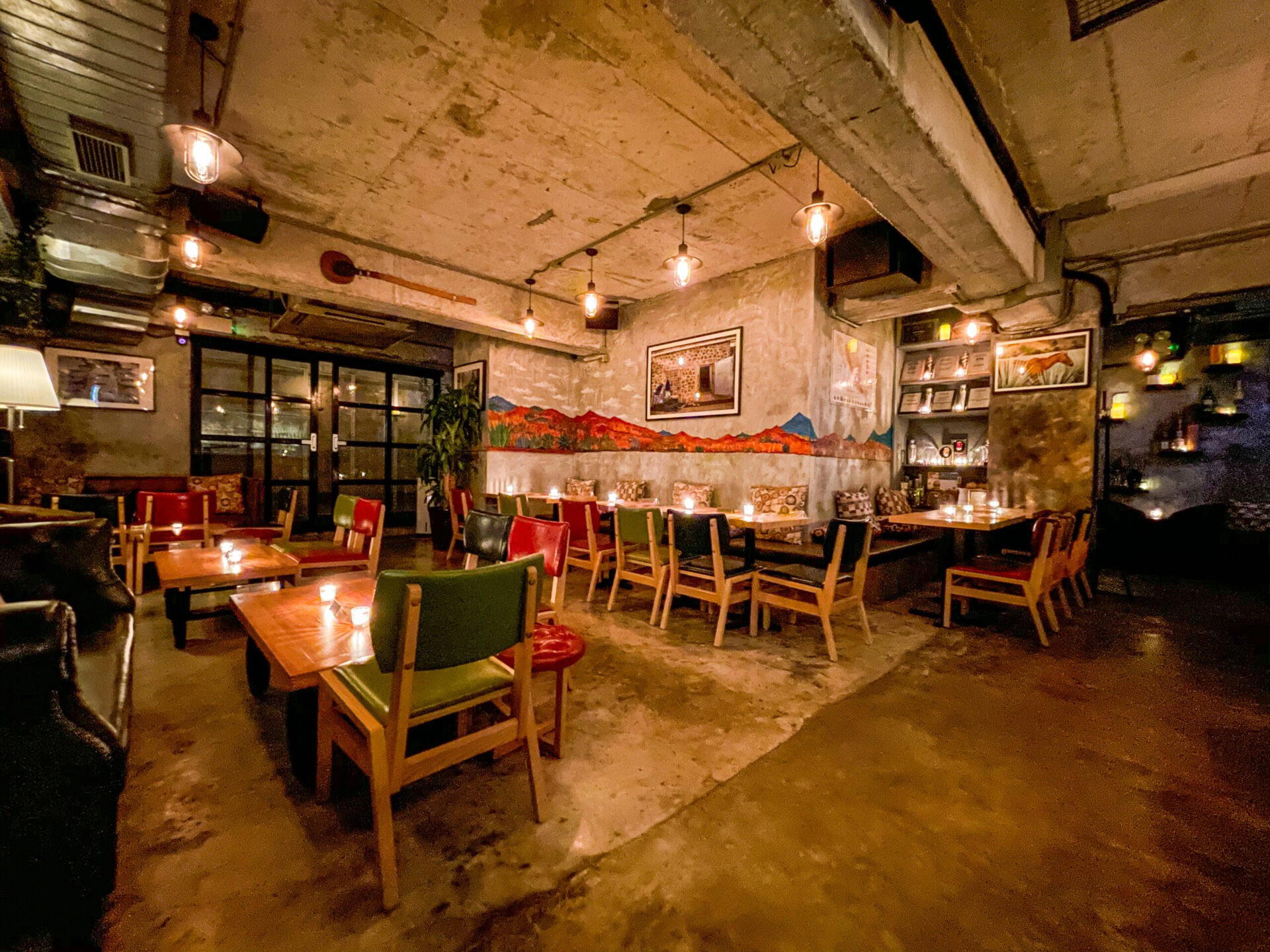
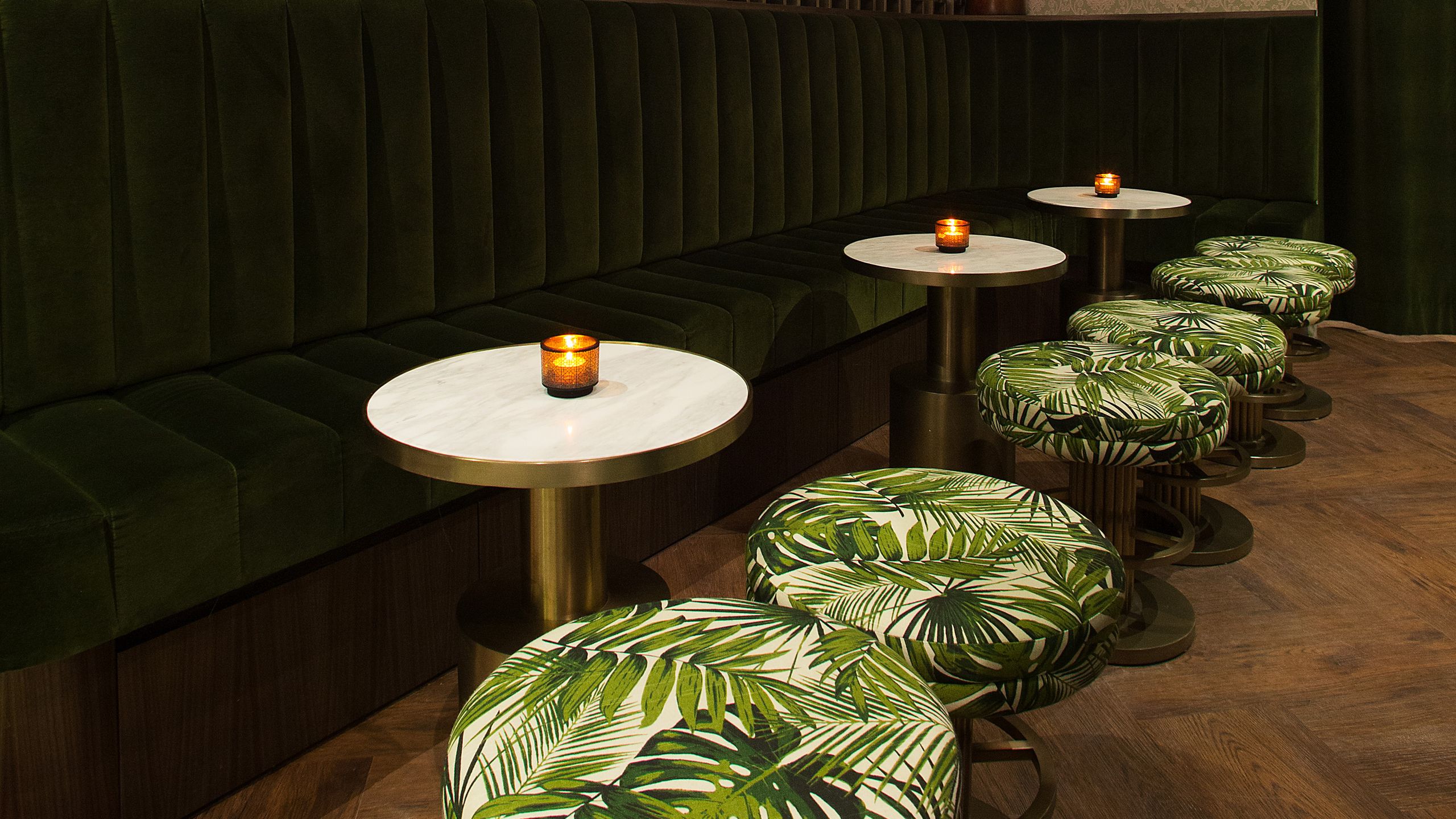
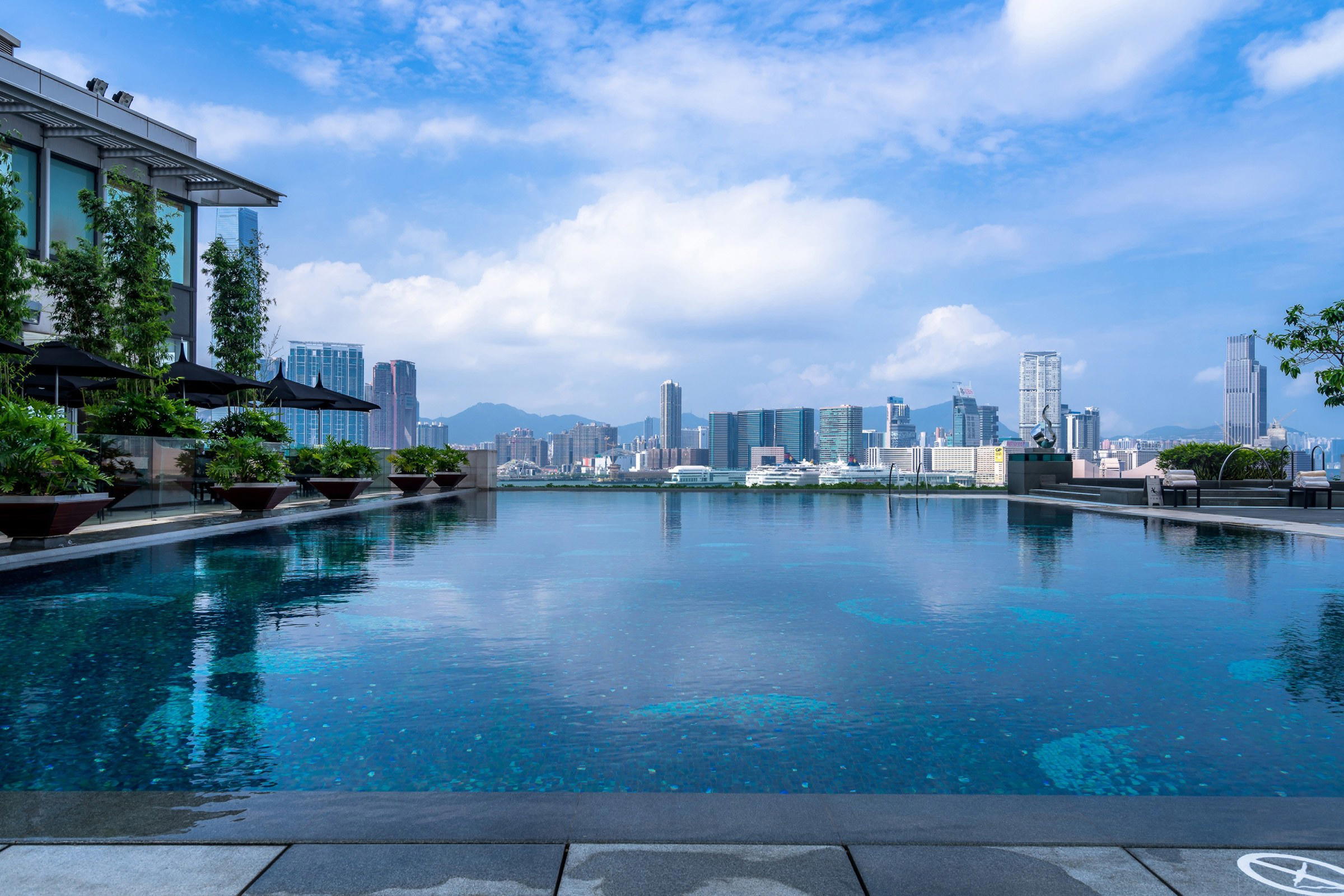
Cozy and elegant with nice quiet dining area, beautiful presentation, and balcony views; less spacious but inviting atmosphere.